Menorca beyond the beach season: a focus on culture, gastronomy and local business

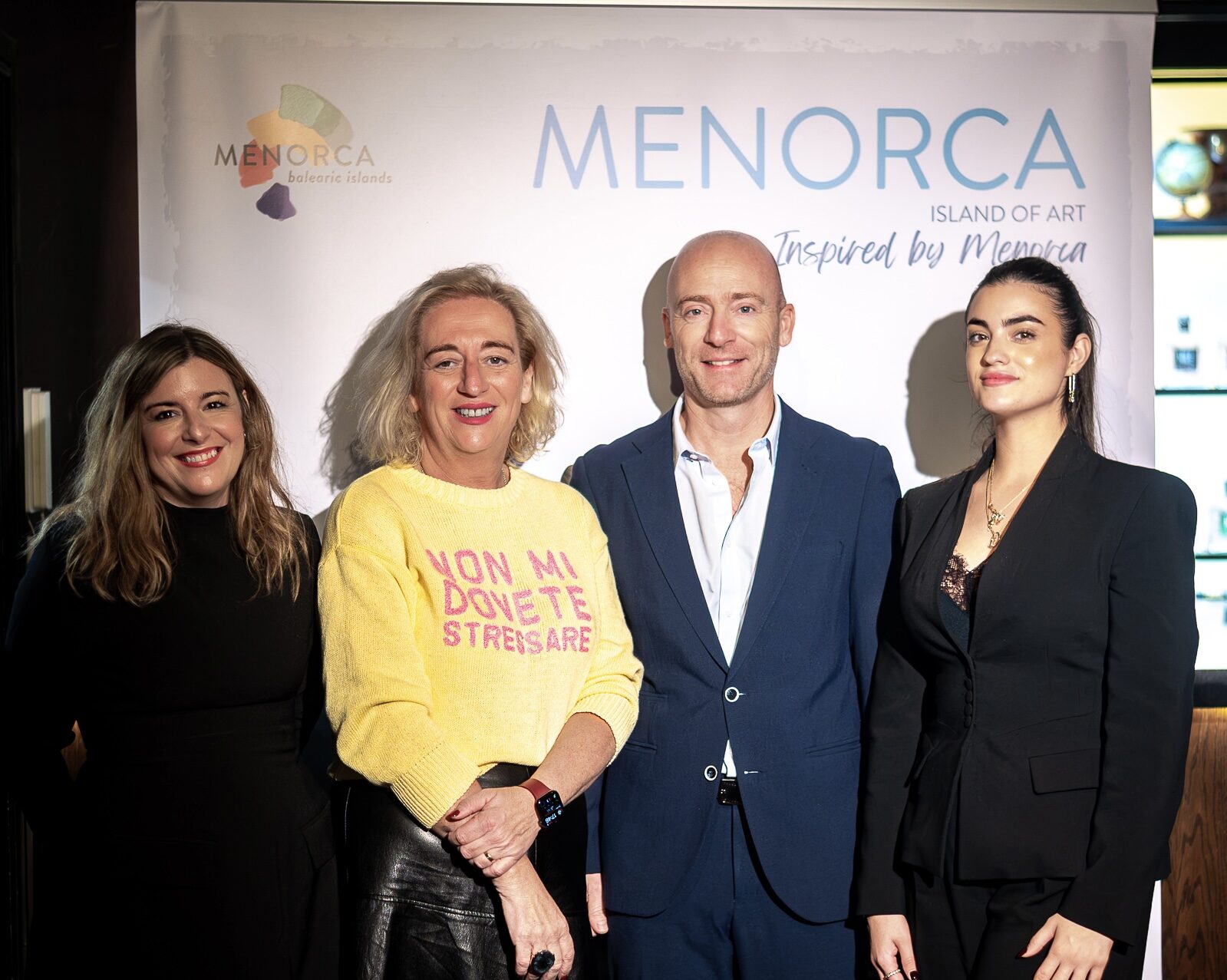
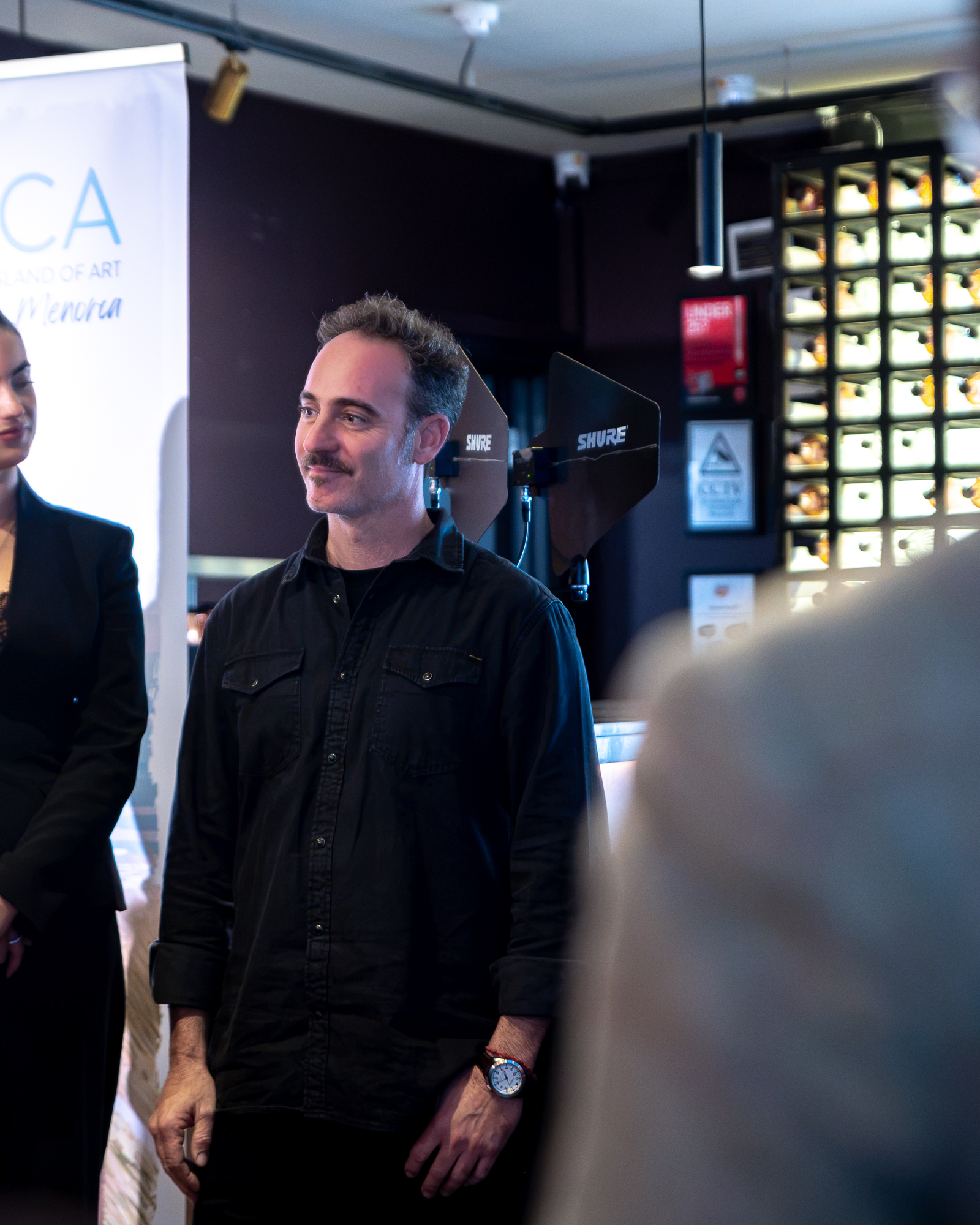
Menorca has set itself the goal of attracting visitors not only through its beaches, but also through its cultural heritage, local traditions and gastronomy. These were the main themes of a private presentation of the island held in London on the eve of the international travel trade show World Travel Market London (WTM). London Cult. attended at the invitation of Adolfo Vilafranca, President of the Island Council of Menorca, and the Menorca Tourism Promotion Foundation (Fundació Foment del Turisme de Menorca).
Tourism beyond the summer peak
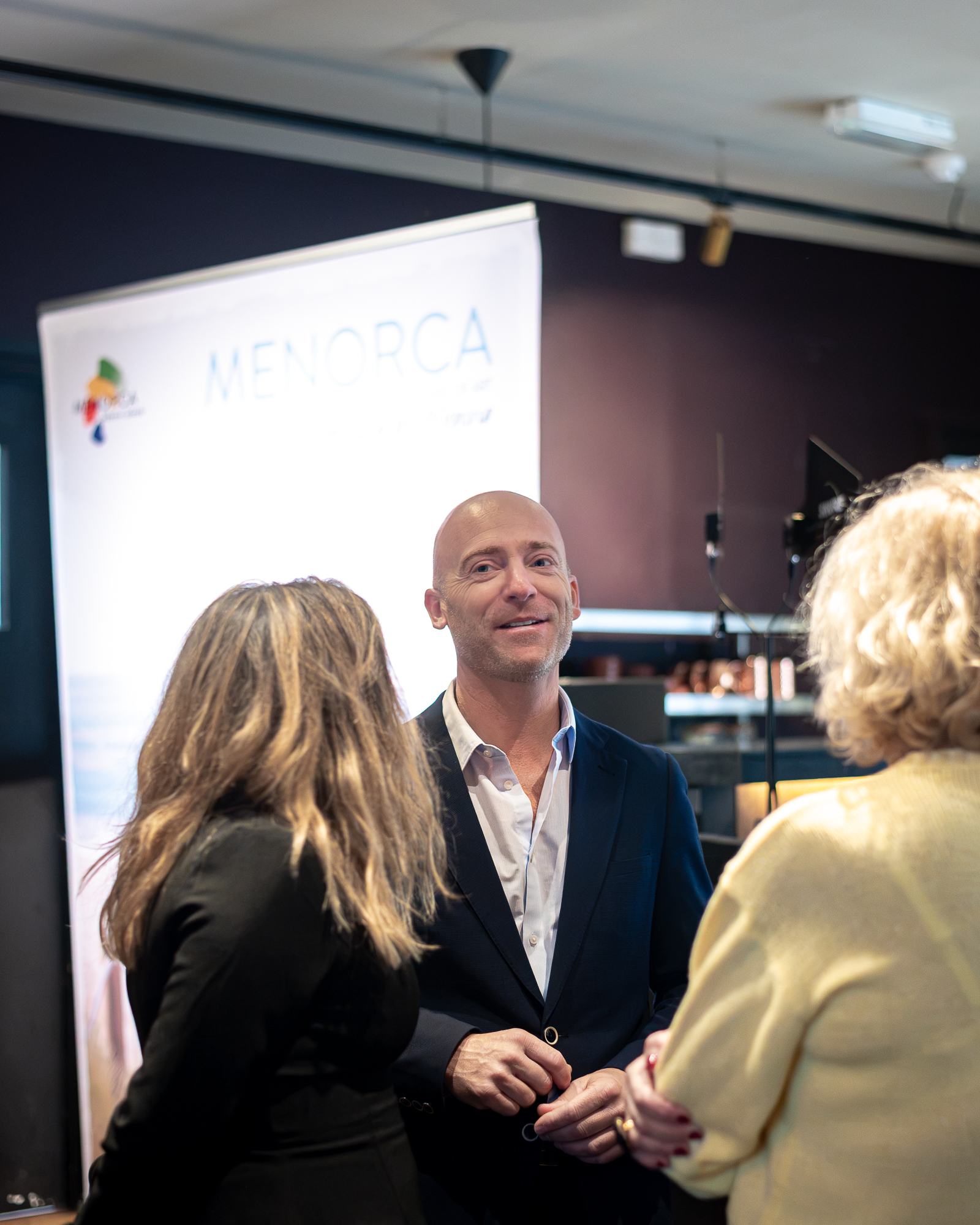
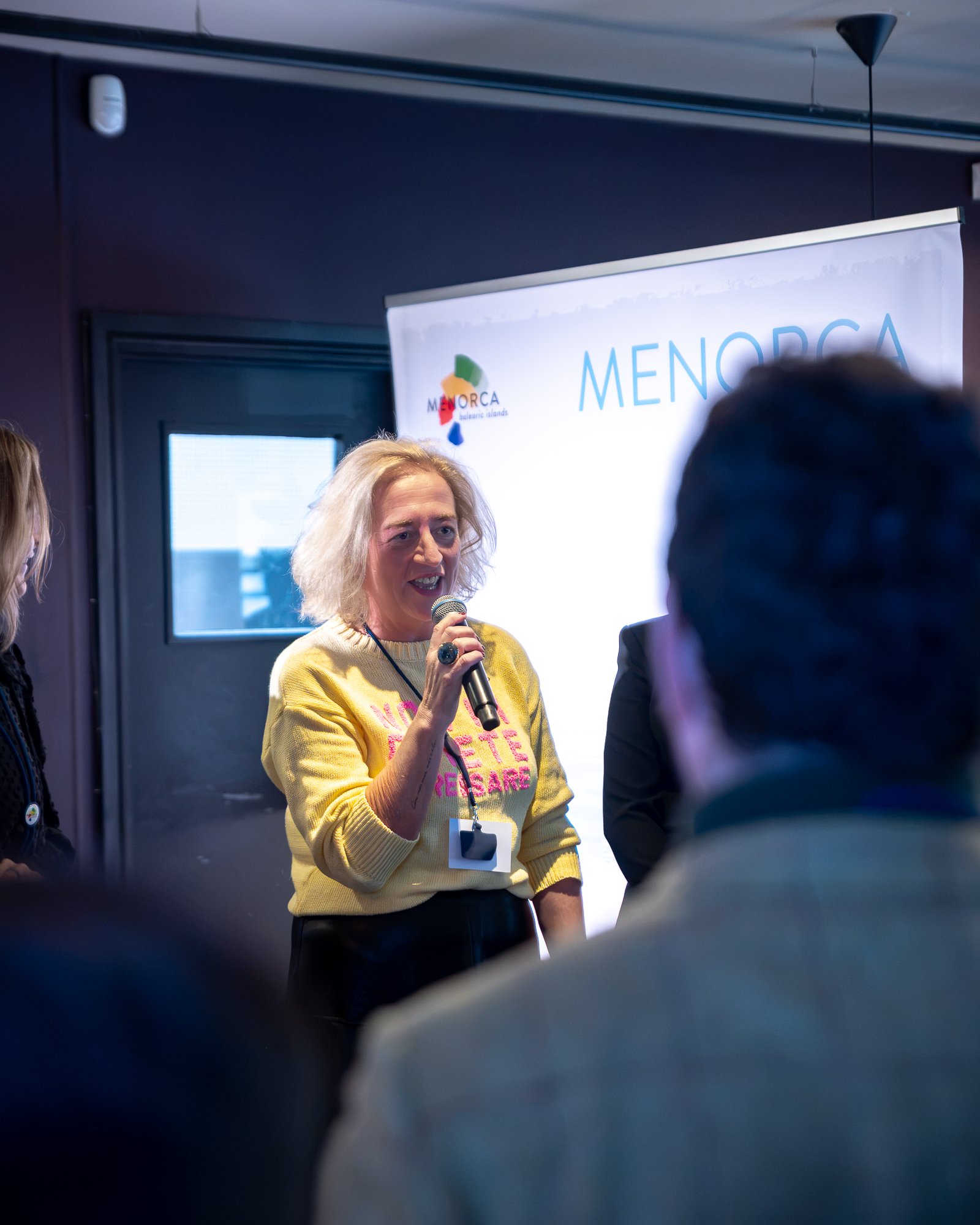
At WTM, Menorca is represented by Adolfo Vilafranca, who also chairs the tourism foundation, and the foundation’s director, Begoña Mercadal. The island’s priorities include developing cultural tourism and attracting visitors beyond the peak summer season.
The London presentation also explored this theme. Rather than offering a conventional account of tourist attractions, the organisers focused on local producers and gastronomic traditions. The formal programme was complemented by presentations from small businesses, tastings and culinary workshops. Guests could discover the island’s products and speak directly to the people who make them by hand.
This approach reflects Menorca’s ambition to distinguish itself from other Mediterranean destinations. While the climate and beaches remain advantages shared across the region, cultural heritage, local cuisine and small-scale production allow the island to offer visitors a more varied programme. This includes autumn and spring, when a beach holiday is no longer the main purpose of a trip.
Mayonnaise as part of cultural heritage
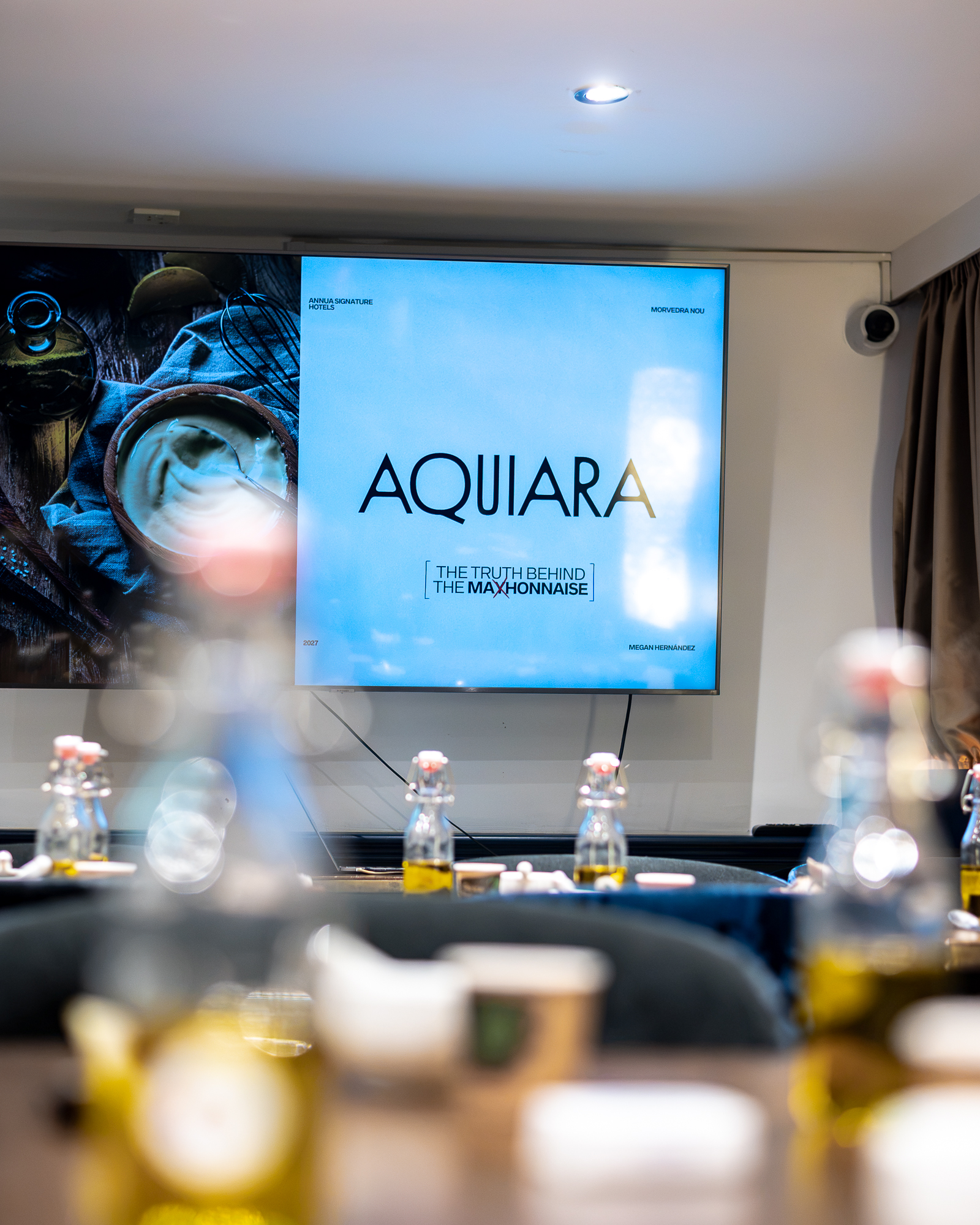
One of the evening’s most unexpected stories concerned the history of mayonnaise. The familiar sauce proved to have links to Menorca, its port town of Mahón and 18th-century European history.
According to one account, in 1756, following the island’s capture by French troops, the Duke of Richelieu’s chef prepared a sauce made from egg and oil, inspired by local culinary tradition. The name mahonnaise is associated with Mahón. The form mayonnaise later became established in French. The sauce’s origins remain a matter of debate, although this account is cited by, among others, France’s Army Museum.
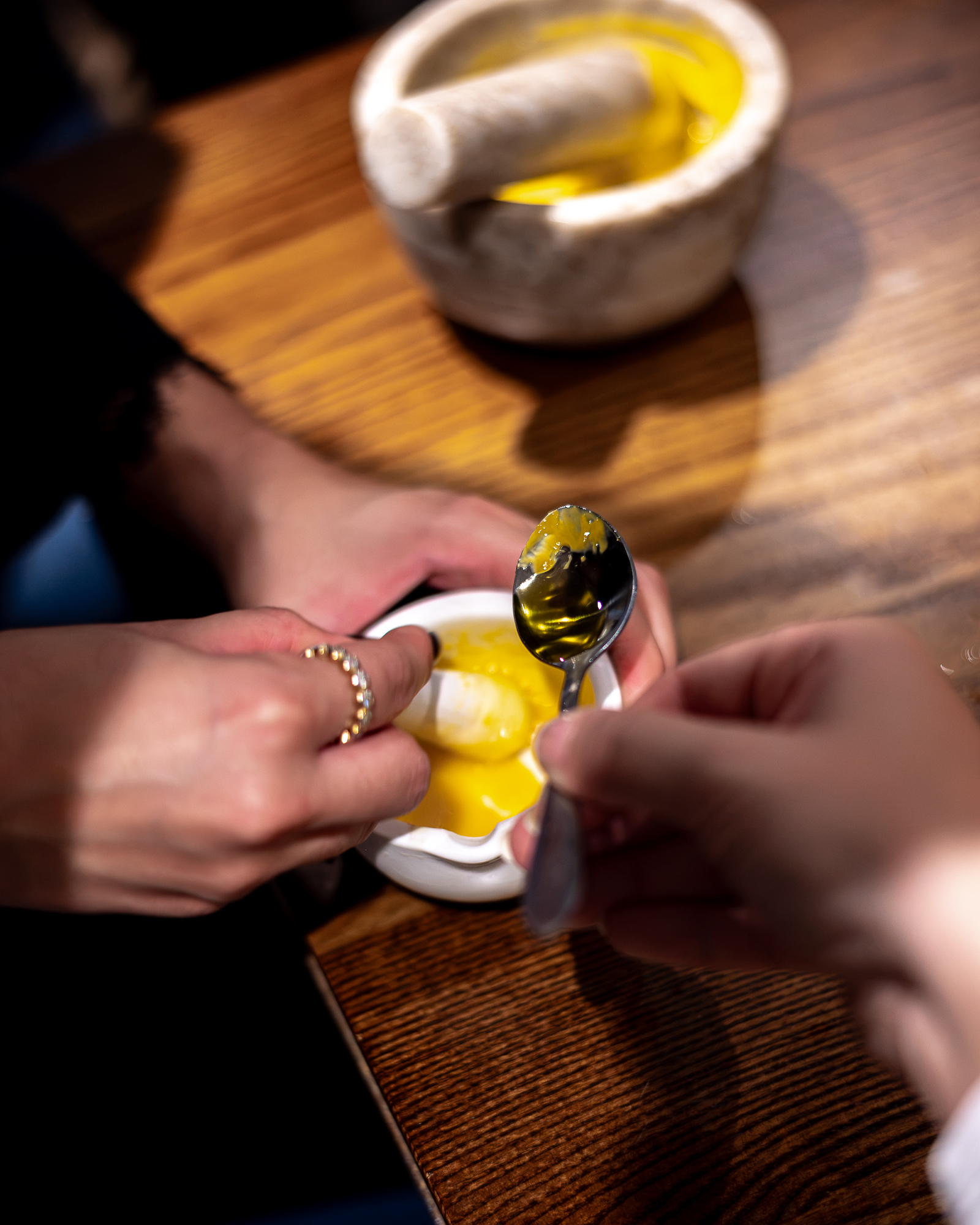
The workshop brought this history to life. Preparing a familiar product became an opportunity to discuss the island, its past and the spread of recipes between countries. Such stories are particularly useful in tourism promotion: they connect a flavour already familiar to travellers with a place they have yet to discover.
Gin Xoriguer: a product rooted in place
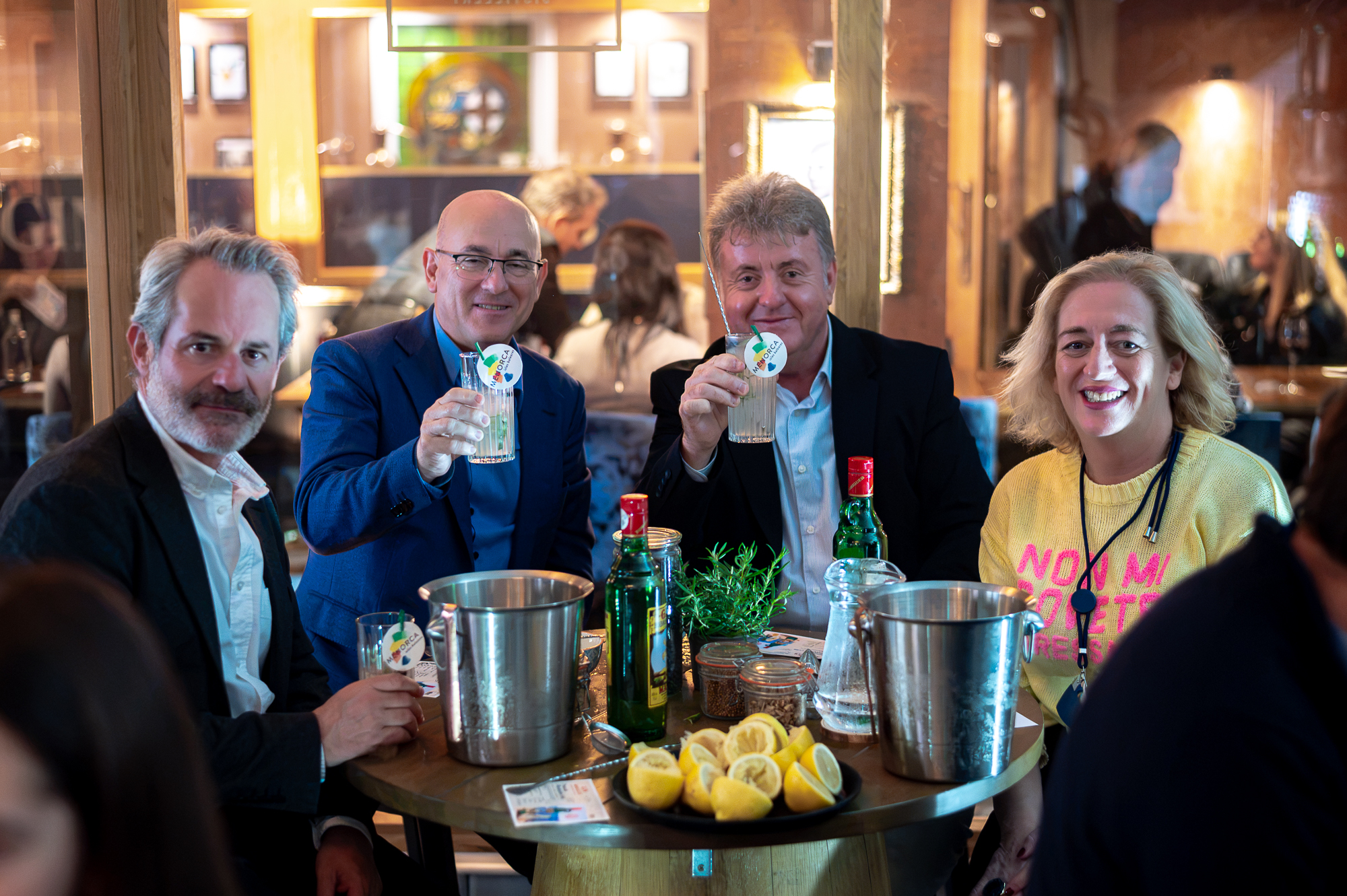
Another workshop focused on the Pomada Menorquina Twist — a variation on the traditional Menorcan cocktail made with Gin Xoriguer and lemonade. According to the recipe presented, ice, a slice of lemon and a sprig of fresh rosemary are added to the drink. The combination of gin and lemonade, known as pomada, is closely associated with Menorca’s festive culture.
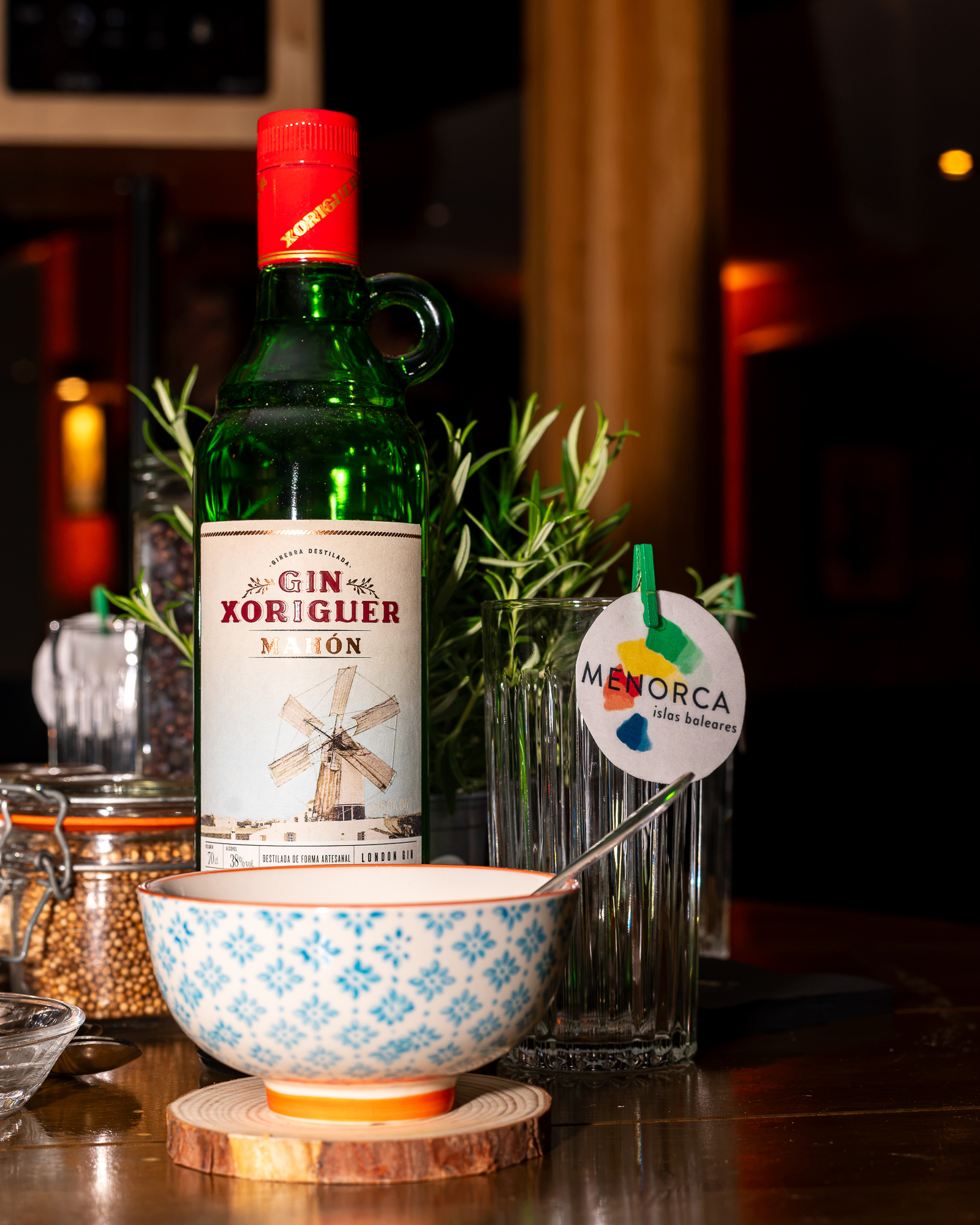
Xoriguer itself is produced in the port of Mahón. The gin is made from grape spirit, juniper berries and water from a local well. The producer retains a single-distillation method using historic copper stills heated over wood fires. Gin de Mahón has an officially recognised geographical designation.
From an idea to an actual trip
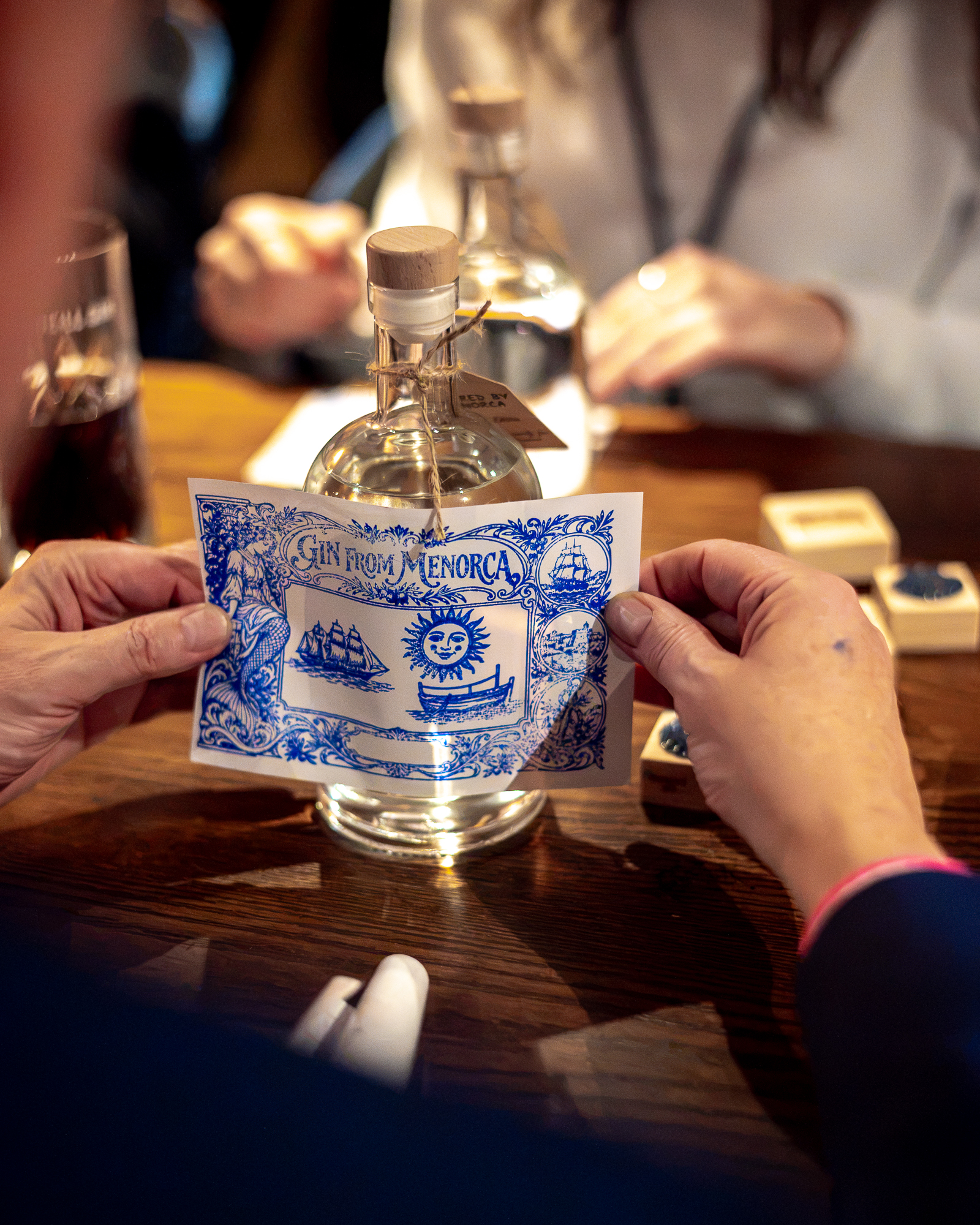
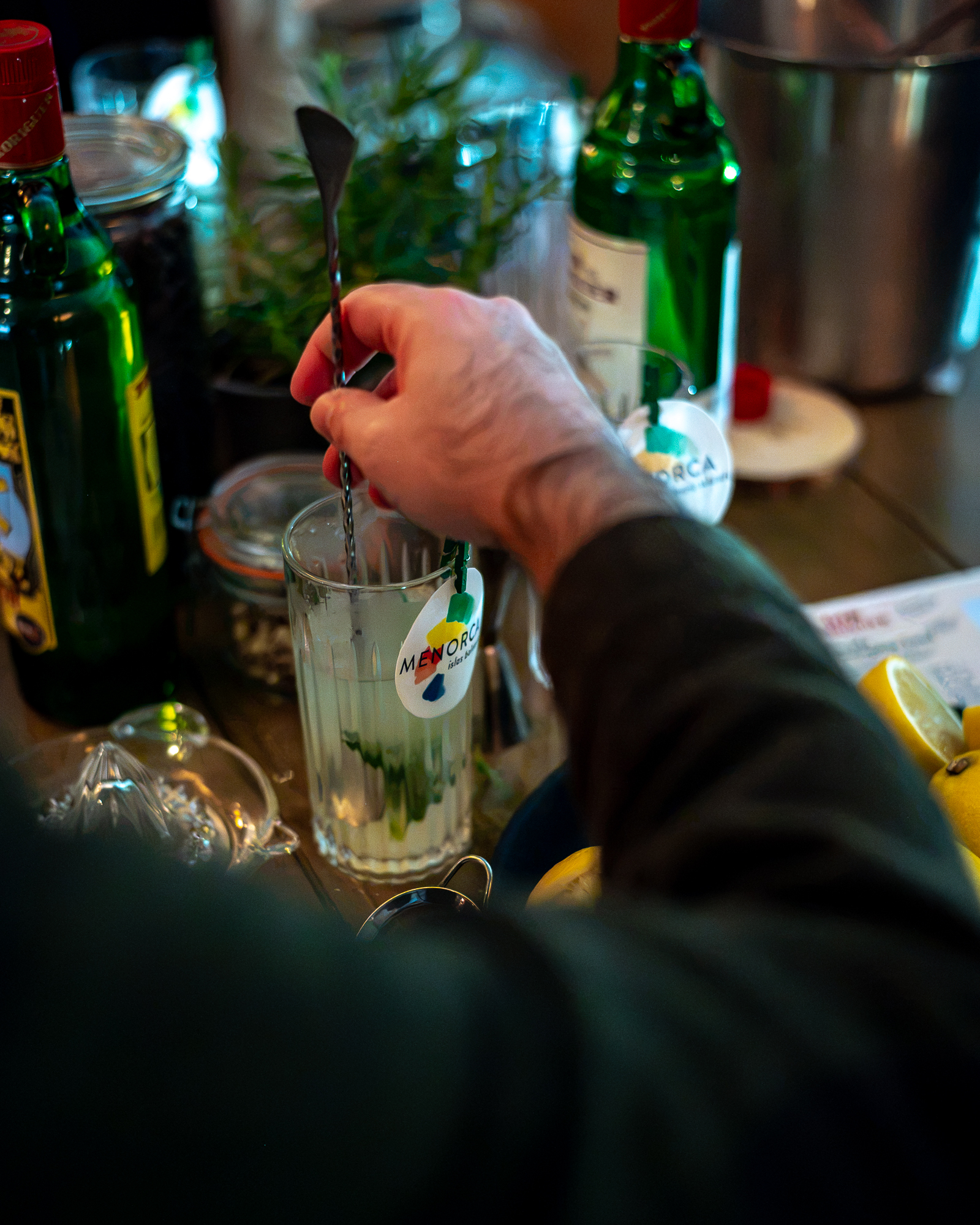
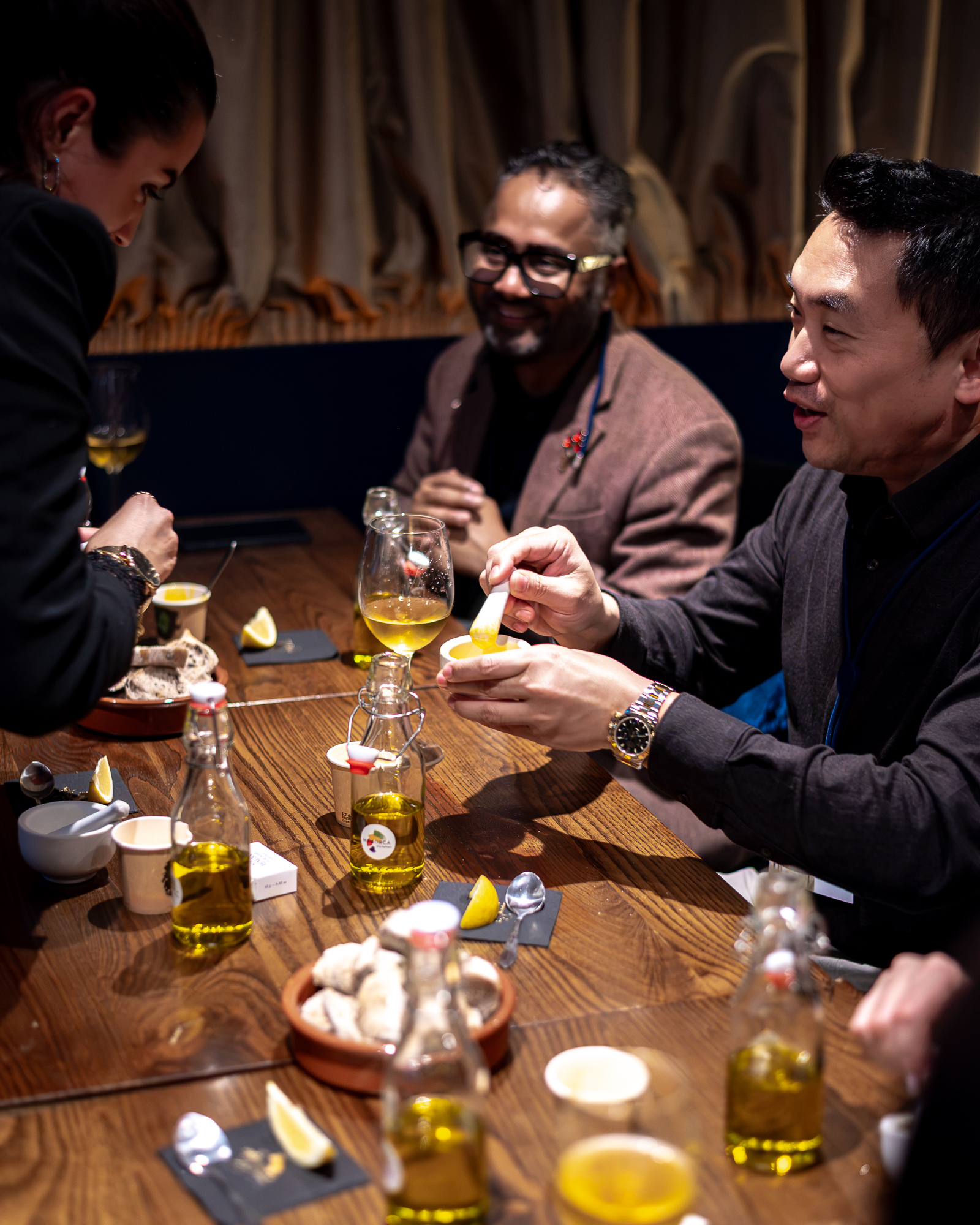
The participation of Menorcan producers complemented the evening’s official agenda. They spoke about individual businesses, products and craftspeople. The intimate setting encouraged detailed conversation — a format for which there is not always time at a major international trade show.
Menorca’s stated focus on cultural tourism outside the high season involves creating additional reasons to visit and, from a business perspective, distributing demand evenly throughout the year. Gastronomy, art and traditions can sustain interest in the island during the months when beach holidays cease to be the main motivation for travelling.
The London presentation demonstrated how this idea could be put into practice through a small event. Official speeches provided the context, local entrepreneurs gave it substance, and workshops offered guests their own first-hand introduction to the island.
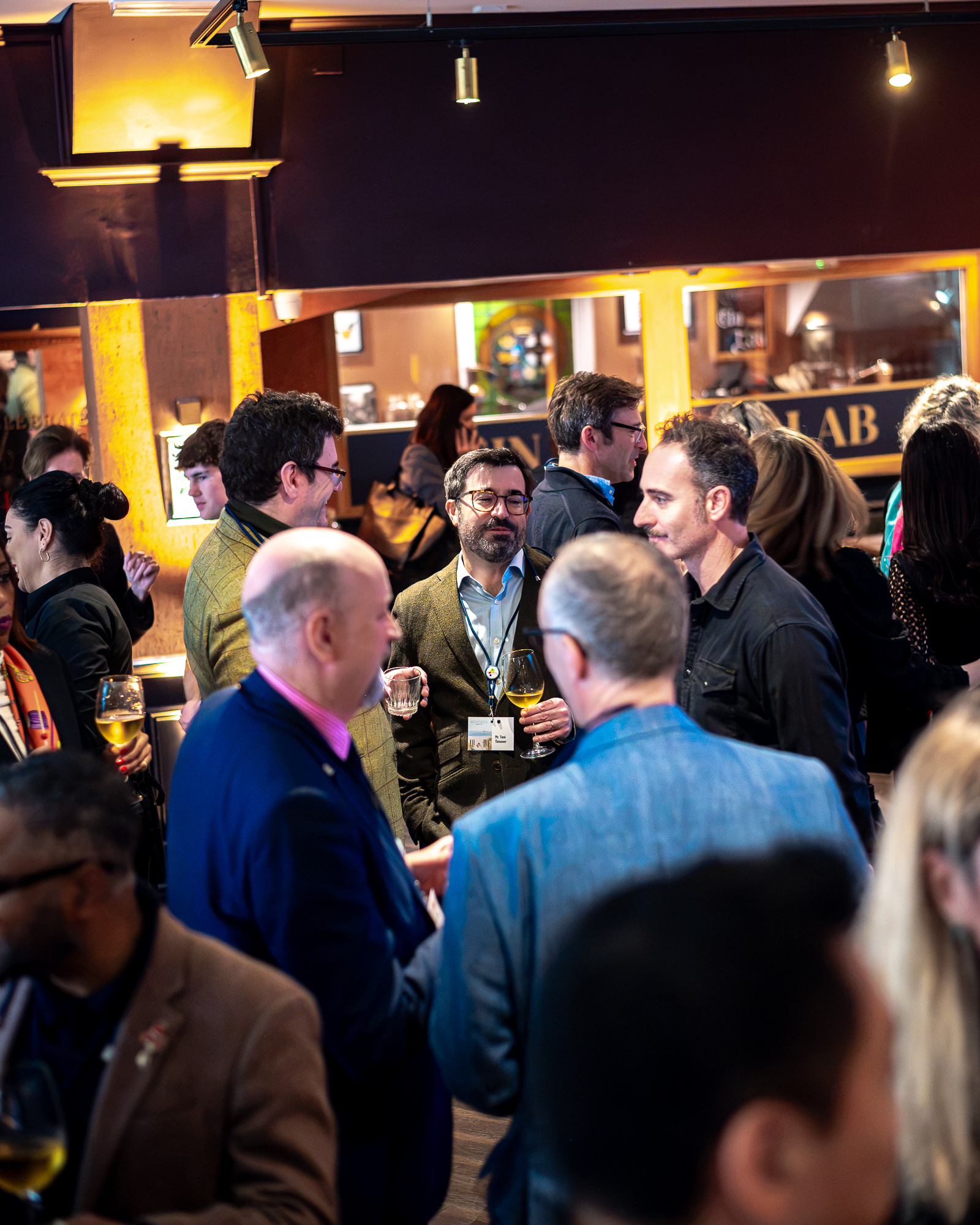
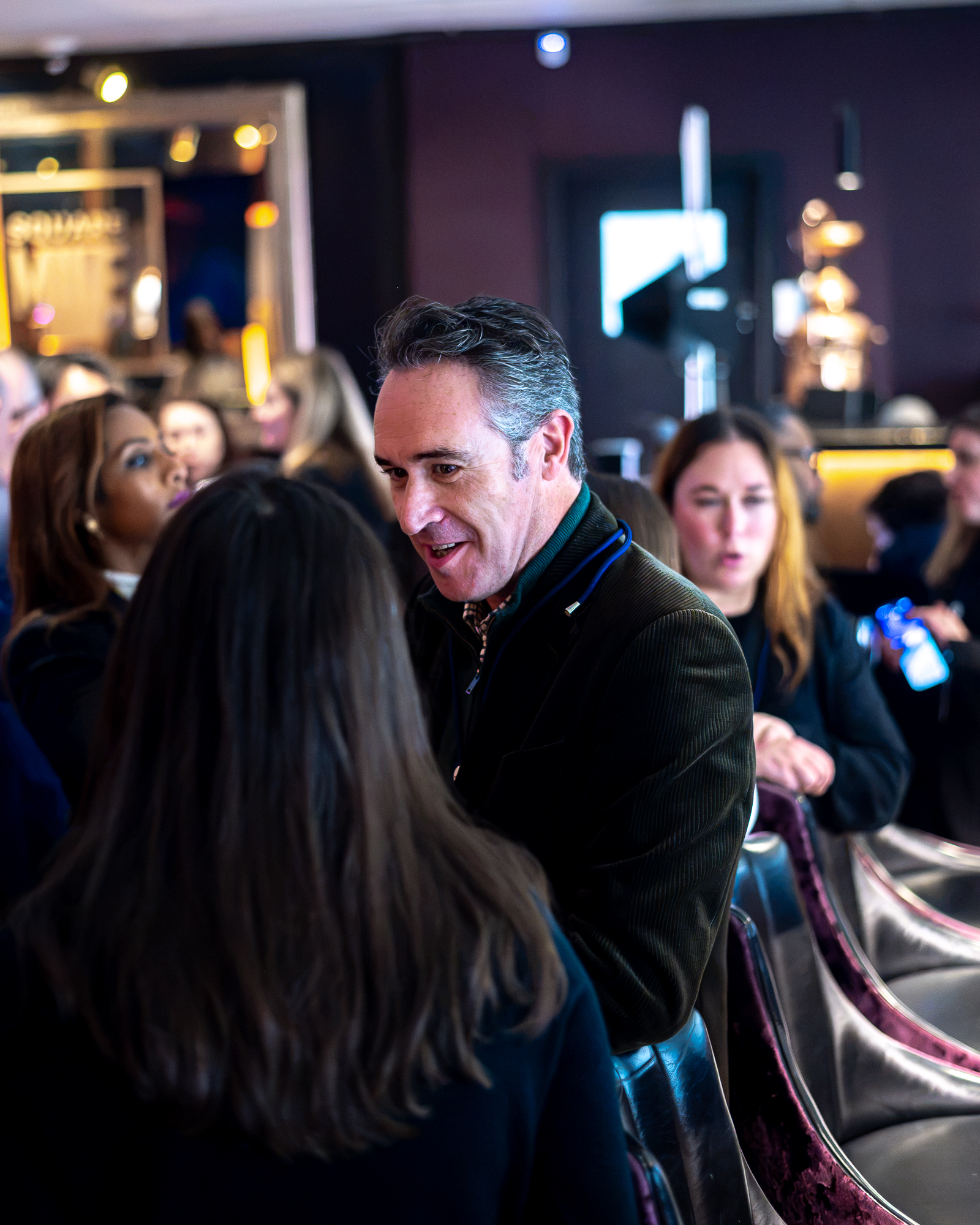
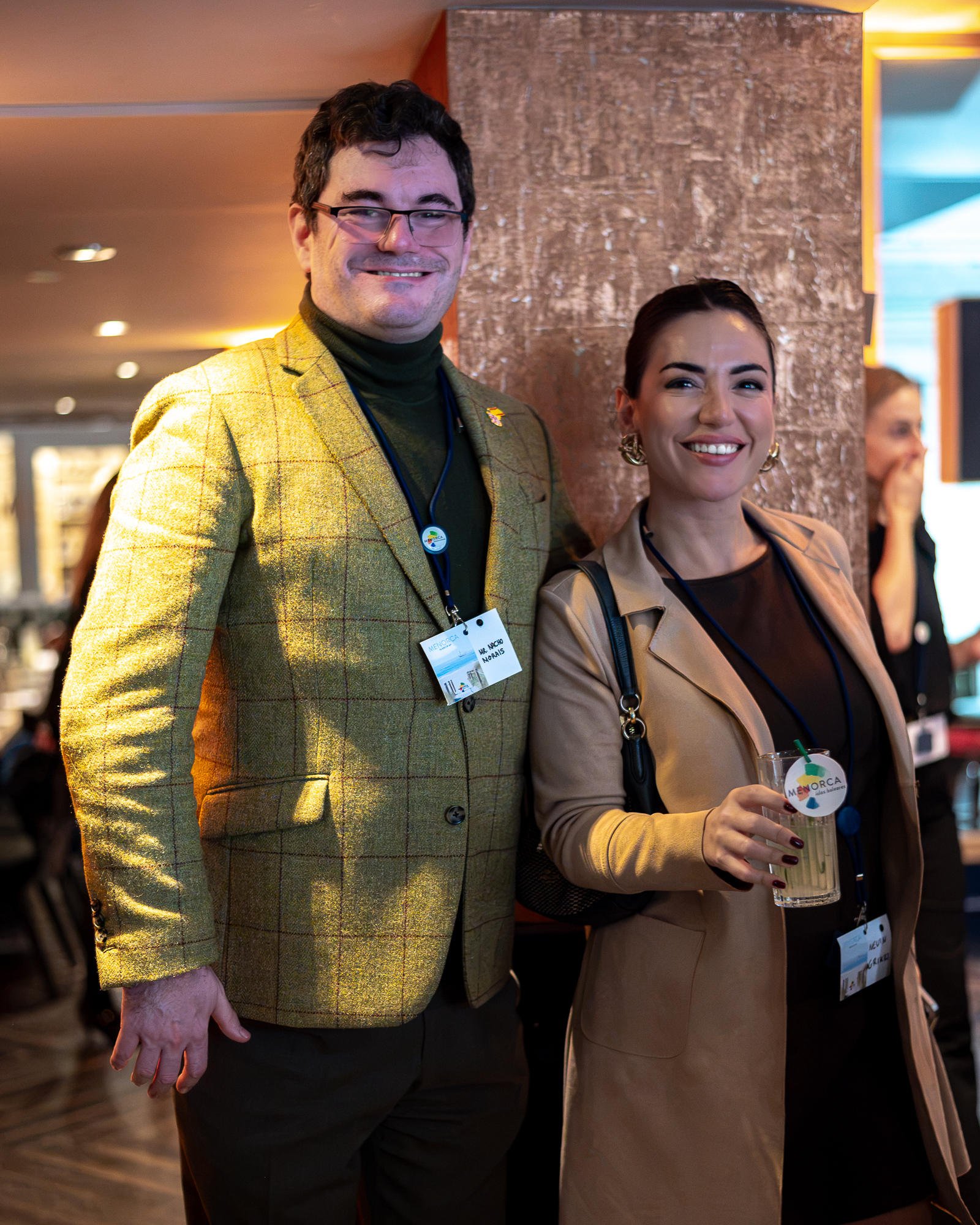
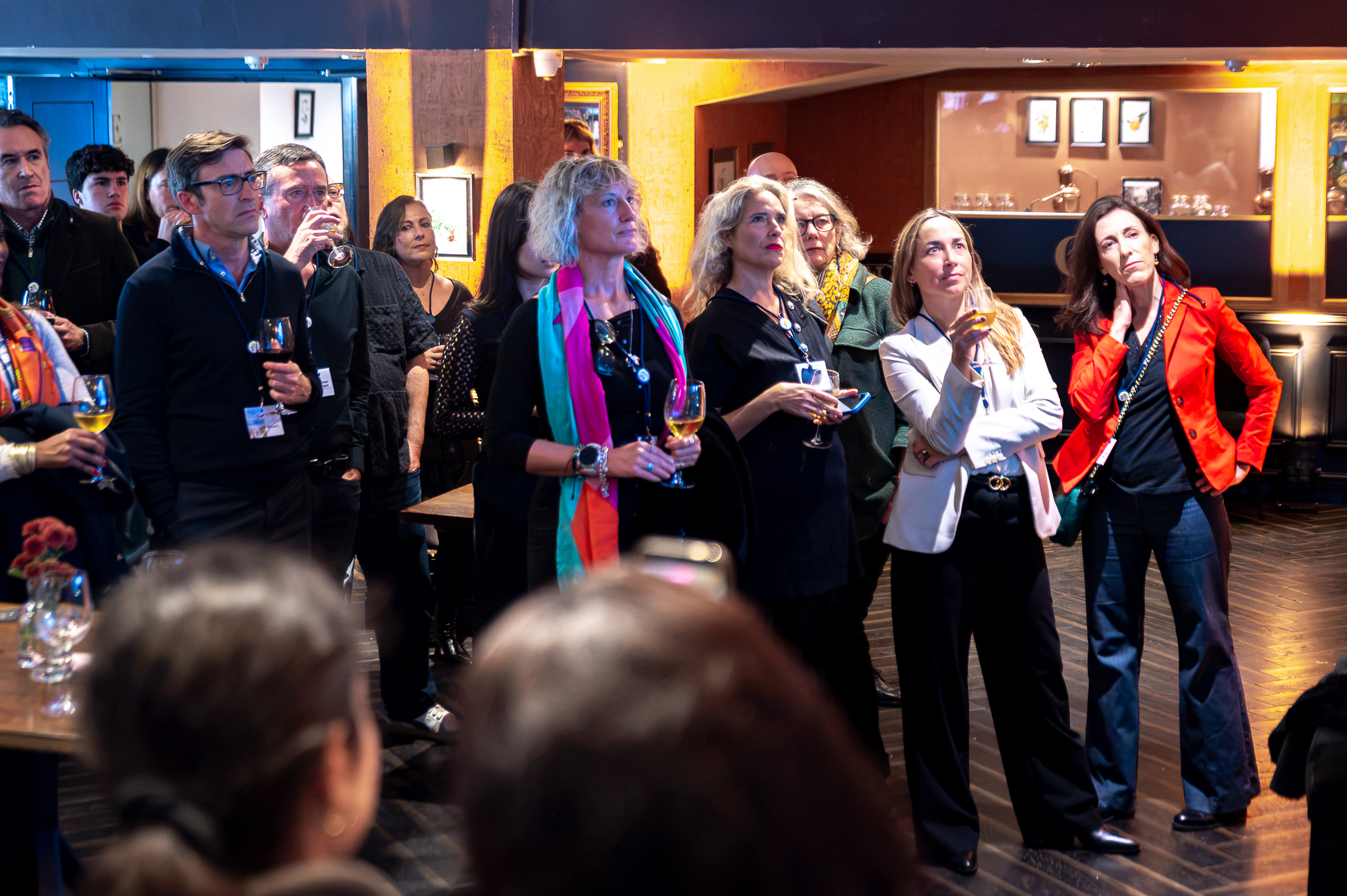
The evening nevertheless retained a lively, relaxed atmosphere: conversations continued around the tables, with guests exchanging impressions and discussing the drinks they had prepared. It is precisely these experiences that can turn an idea into an actual trip.
Photo provided Fundació Foment del Turisme de Menorca