Digital Ghosts on Your Phone Screen

Now you can carry the departed in your pocket, alongside your keys and wallet. The company 2wai has launched an app that functions as a virtual cemetery. It is called HoloAvatar, and among other features, it allows you to meet and converse with a deceased relative once more—or at least someone very much like them.
Train Your Own Ghost
At its core, HoloAvatar is a neural network. Like any neural network, it needs to be trained. Ideally, one should create the avatar while still alive. The process is not quick and requires frequent interaction with your virtual double.
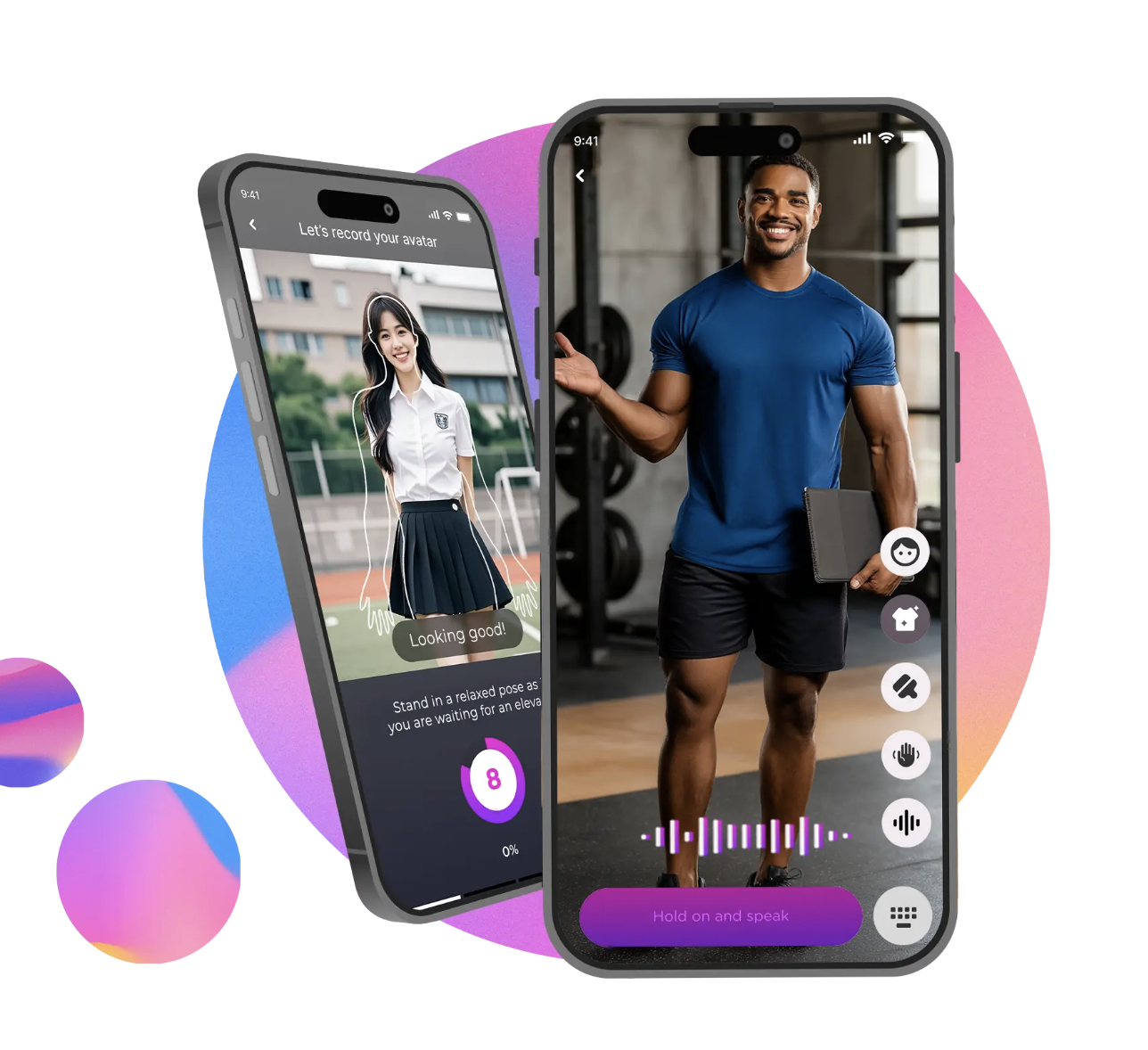
This is necessary to teach the network the way you think, to convey your voice and key memories. Video clips and photographs are also needed to make the digital ghost as lifelike as possible. The more effort invested, the more convincing the result.
Are We Ready for This?
Opinions differ. For most people, the idea of such an app seems immoral, even offensive—and it is easy to see why. After all, the avatar of a deceased person is merely a programme, devoid of real consciousness.
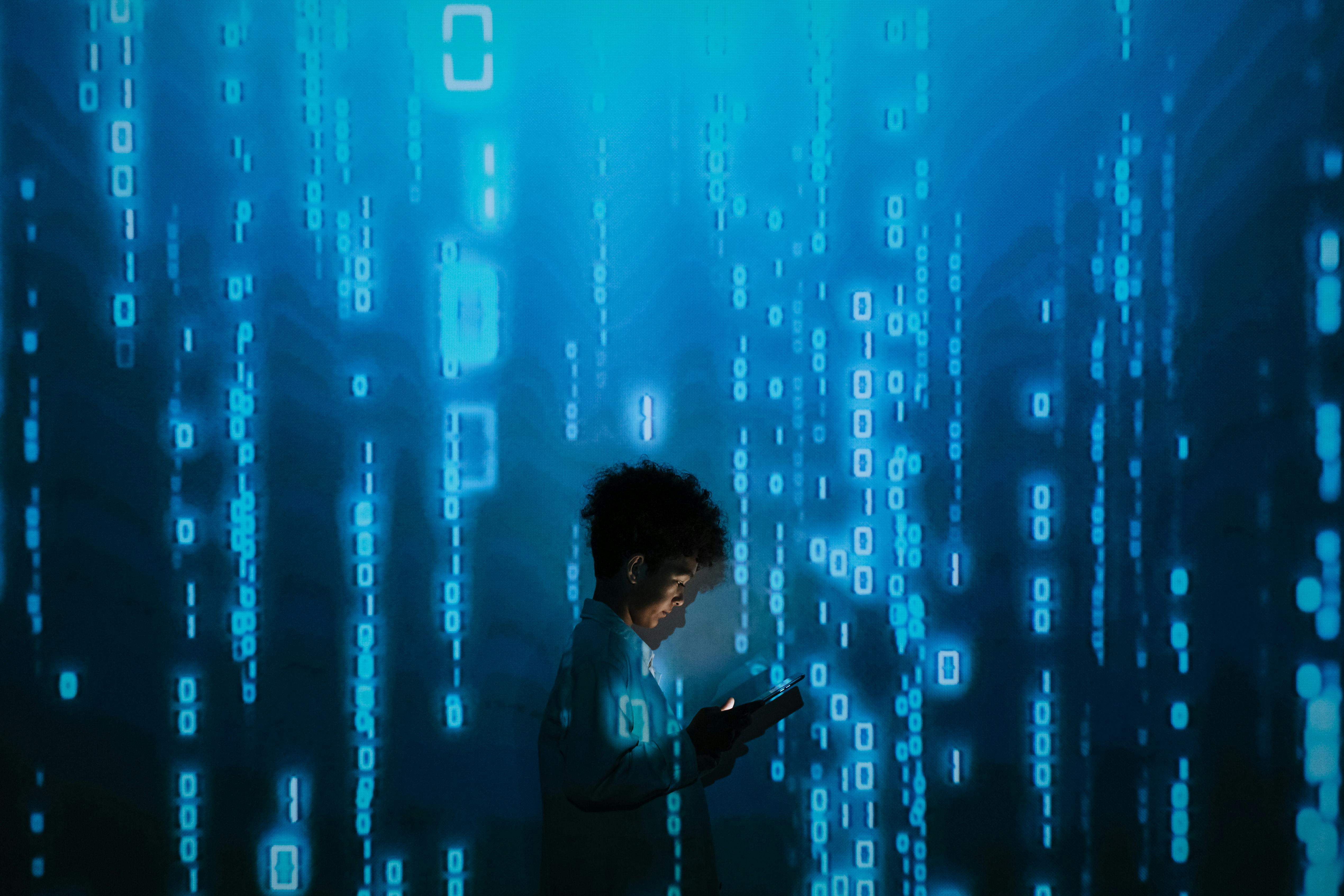
It is unsettling. Imagine speaking with a virtual grandmother or mother whom you knew in life. It is difficult to say which is more disturbing—the uncanny resemblance or the lack thereof.
Suppose the avatar turns out almost indistinguishable from the relative. It will speak in their voice, look like them, and even retain some of their actual memories. This is likely, and almost inevitably, to create an emotional bond between the user and the programme (as demonstrated in the company’s promotional video). Such relationships are unlikely to be healthy.
It is frightening to consider the psychological challenges for anyone who truly believes a loved one has returned to speak to them through a phone screen. And if they do not believe it—then what is the point?

A Simple Solution to a Moral Dilemma
Before storming 2wai’s servers with cries of “the dead should remain dead!”, consider this: loved ones live on in our memory. If we knew them well in life, there is no need for virtual copies—they would only cause unnecessary pain.
The matter is different when it comes to children, and the children of our children. How much can you tell them about their great-great-grandfather if you never knew him yourself?
Instead of poring over old photographs of complete strangers, our descendants could converse with them—or rather, with us. While avatars will never be real people, they could recount past lives, tell family histories, and share memories. Much as in all the Superman films, where Kal-El’s father created a similar avatar to guide his son even after death.
From any angle, the technology deserves to exist, if only to modernise and enrich family archives. Yet the decision remains yours. The app is currently available on iOS and can be downloaded here.
Incidentally, HoloAvatar does not have to serve as a digital cemetery. You could simply create a character and teach it various phrases and gestures. Who knows—perhaps you need a digital assistant, or even an actor for video content.