
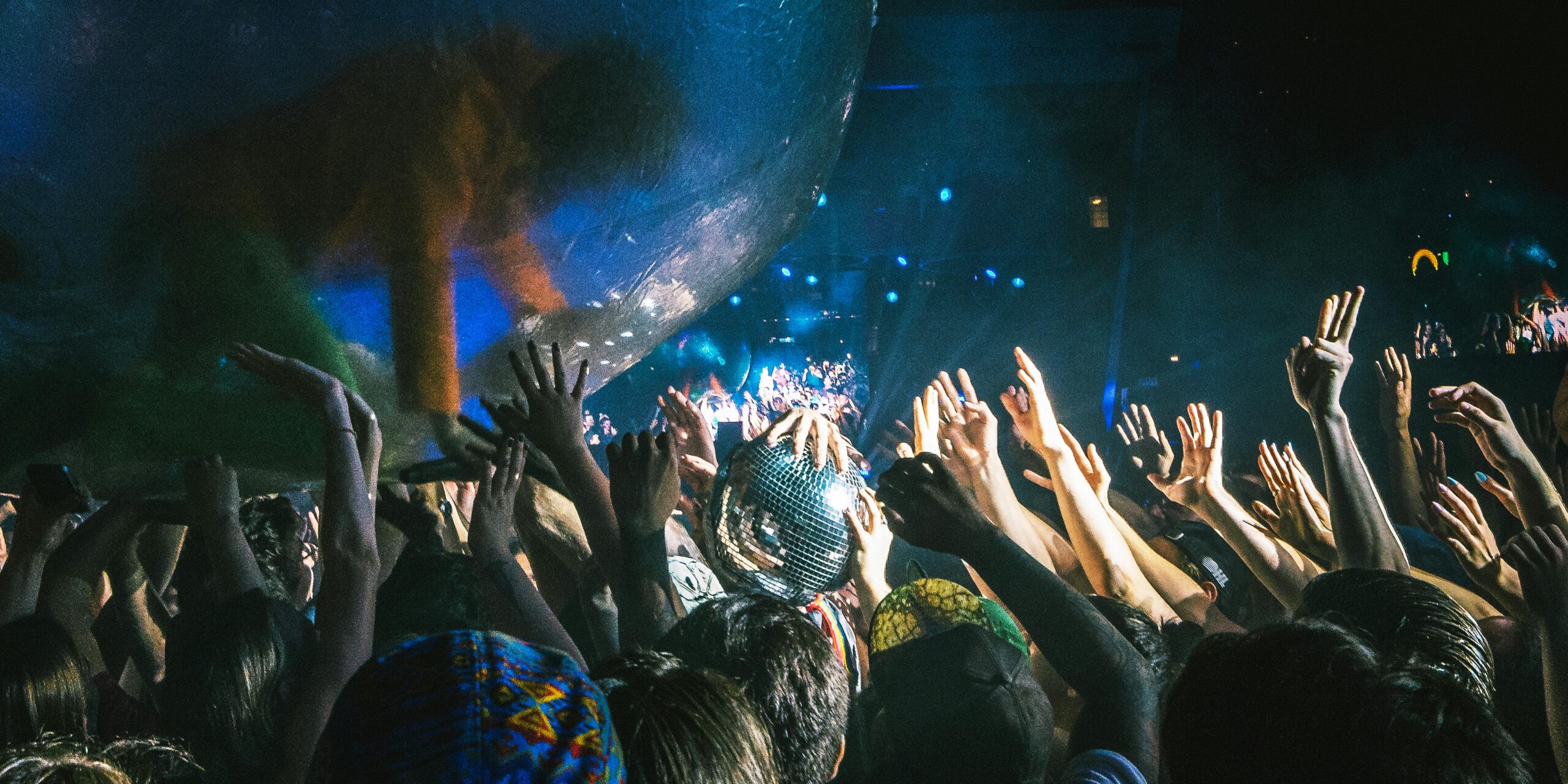
Keep Dancing, Don’t Stop!

Winter is drawing to a close, which means the season of endless flights between cities and countries is upon us once more. Festival time begins, that feverish stretch for musicians and their managers alike. If I’m honest, I already miss the check-in desks, the tin-foil container meals, and the view of our Earth from the aeroplane window. Those hours when one can gaze into the fathomless blue of the sky and allow one’s thoughts to drift. In such moments mine return to old stories, the ones that seem uncannily precise in describing the present day.
In Indian mythology, the cycle of time is divided into four epochs, and we are living in the last of them. It’s called Kali Yuga, the age of the demon Kali, a time of economic and spiritual decline. Kindness and mercy recede, human behaviour is governed by vice, rulers become tyrants, and yet even this doesn’t enable them to hold their people in submission or protect them from external threats. In short, it’s like a live broadcast from Davos.
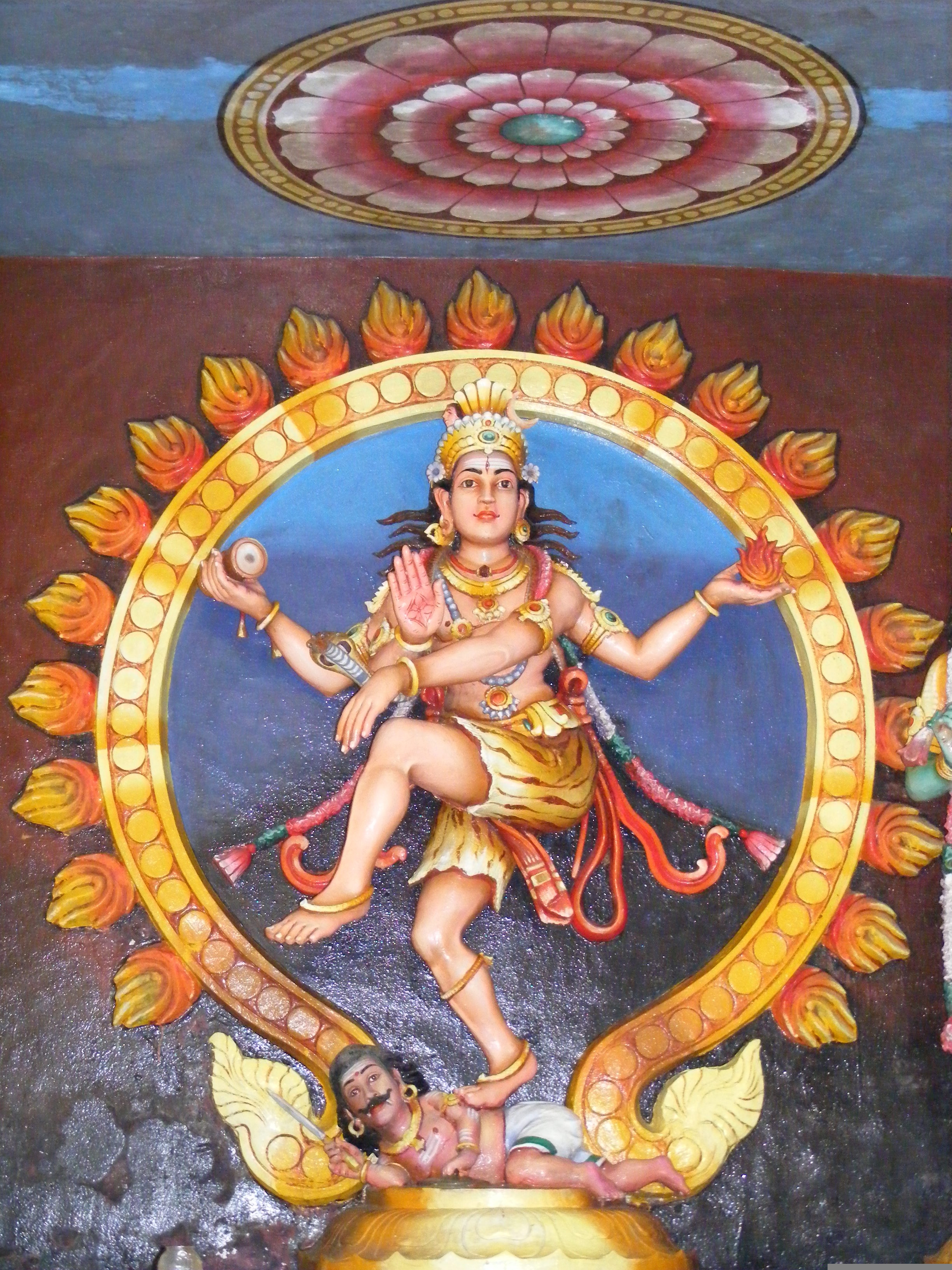
At the end of Kali Yuga, when humanity can no longer be saved, Lord Shiva Nataraja appears with his small drum, the Damaru, itself the sound and rhythm of the Universe, and begins to whirl in the cosmic dance of destruction. In performing it, the deity annihilates the old and clears space for a new cycle of life. Electronic music, whether house, techno, trance or downtempo, is in essence that very rhythm of the Damaru. It emerged relatively recently, just over half a century ago, yet swiftly assumed a dominant position, particularly among the young. For the past three decades the world has witnessed a boom in festivals and club nights, DJs as ambassadors of Shiva drawing millions each day into the dance of destruction, hastening Kali Yuga towards its end. Some do so at 110 beats per minute, others at 150, the bpm hardly matters, only the rhythm does.
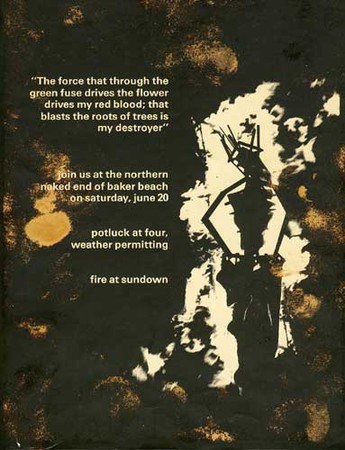
Image by Jerry James & Larry Harvey / Wikimedia.org
On 22 June 1986, the day of the summer solstice, the architect Larry Harvey and the sculptor Jerry James, in the midst of personal crises, burned a three-metre effigy of a man on Baker Beach in San Francisco, surrounded by thirty close friends. The event was repeated on the beach for several years, each time attracting more artists, musicians and hippies. Until the city authorities grew concerned about the risk of fire and, more importantly, the number of spontaneous, unsystematic people gathering there. In 1990 the happening, now called Burning Man, moved to Nevada and became a platform for the free release of creative energy.
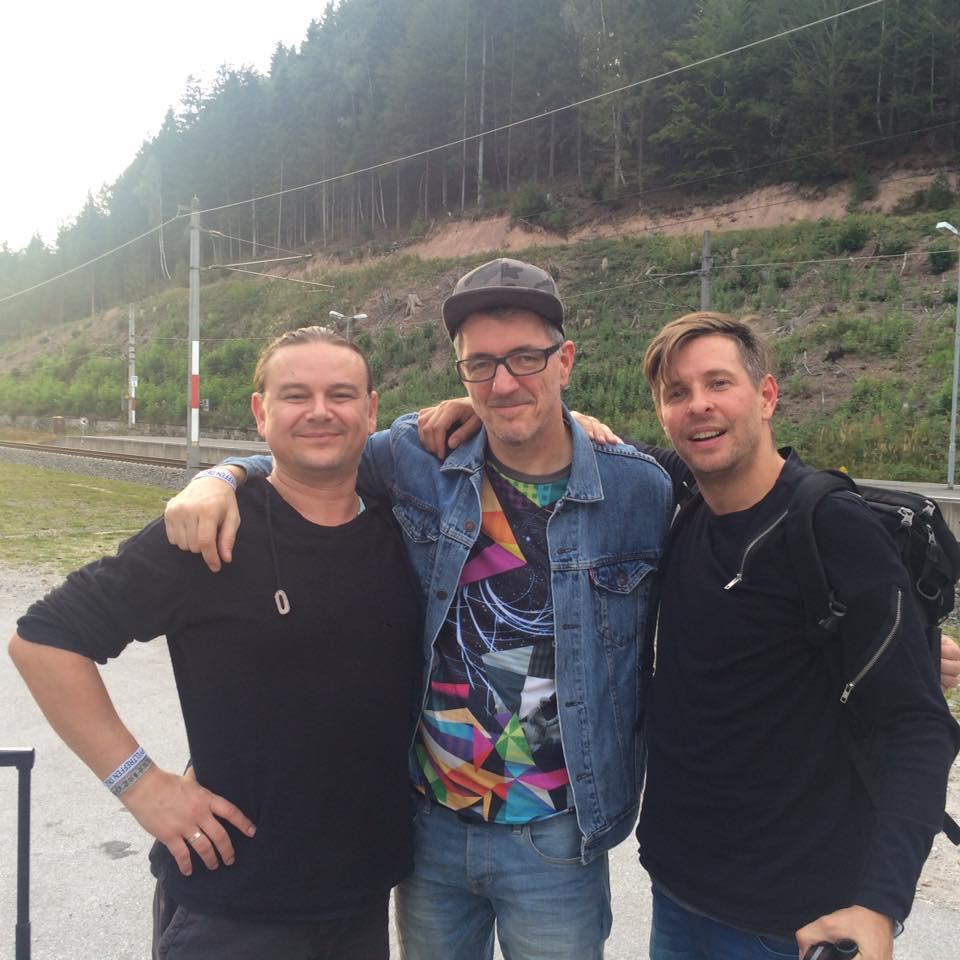
Four months before the fall of the Berlin Wall, Dr Motte organised a techno parade in the western part of the city on Kurfürstendamm under the slogan ‘Peace, Joy, Pancakes’. On 8 July 1989, 150 people assembled there. A year later, when Berlin had already been reunited, 2,000 participants joined the parade of music and freedom. Ten years on, in 1999, the Love Parade drew 1.5 million people dancing to electronic music.
At the same time, Gilbert Levey was playing thirty-hour non-stop sets on Anjuna Beach, blending ancient Hindu rituals with electronic music and shaping the culture of trance in Goa. There was the Hacienda in Manchester, Amnesia and Pacha in Ibiza, Jeff Mills in Detroit, Frankie Knuckles in Chicago, Mayday in Frankfurt and thousands of other events around the world that forged the PLUR culture of the 1990s, kicking open the doors of Generation X’s consciousness. Peace, Love, Unity, Respect became the motto of those years. It seemed the movement couldn’t be stopped, the planet dancing as never before. Meanwhile, those in power writhed in agony, sensing the imminent loss of all the privileges they had accumulated in life, consumed in the destructive dance of Shiva Nataraja.

It’s hardly surprising that in 1994 Britain passed the Criminal Justice and Public Order Act, prohibiting illegal gatherings featuring music ‘wholly or predominantly characterised by the emission of a succession of repetitive beats’. Section 63 of that Act fundamentally altered the rules, steering rave culture towards legalisation and subsequent commercialisation. Creamfields and Glastonbury became the first products of the system’s successful struggle against Kali Yuga. Laughable though it may sound, the Damaru was placed on the till.
Raves ceased to be an exit door and became instead the wallpaper of a comfortable room, entry available online for £20, for £50 with access to the backstage, the DJ, and complimentary champagne. The person behind the decks was no longer Shiva’s ambassador but a headliner of attention, the currency of humanity’s final era. ‘God Is A DJ,’ proclaimed Maxi Jazz in 1998. ‘The World Is Mine,’ replied David Guetta just six years later. A few years after that, Tomorrowland completed the defeat of the Hindu myth before the gods of marketing. Raving against the system became a teenage fairy tale, and a new architecture of power through music began. There was no longer any need to ban or disperse, one could simply sell tickets.
A ritual with millennia of tradition turned into a finely tuned mechanism of crowd management. Where once each tribe had its own shaman, the industry has now designated a small pool of media personalities, adept at seamless mixing, travelling by superjet from one location to another, and occasionally changing the set of USB sticks handed to them by managers moments before a performance. The tribe no longer gathers of its own accord, it is enticed by guaranteed catharsis at a scheduled hour, accompanied by meticulously choreographed visuals, fireworks and the obligatory sea of phones recording it all. Should the emotions prove overwhelming, a medical tent with branded water is on stand-by a step away.
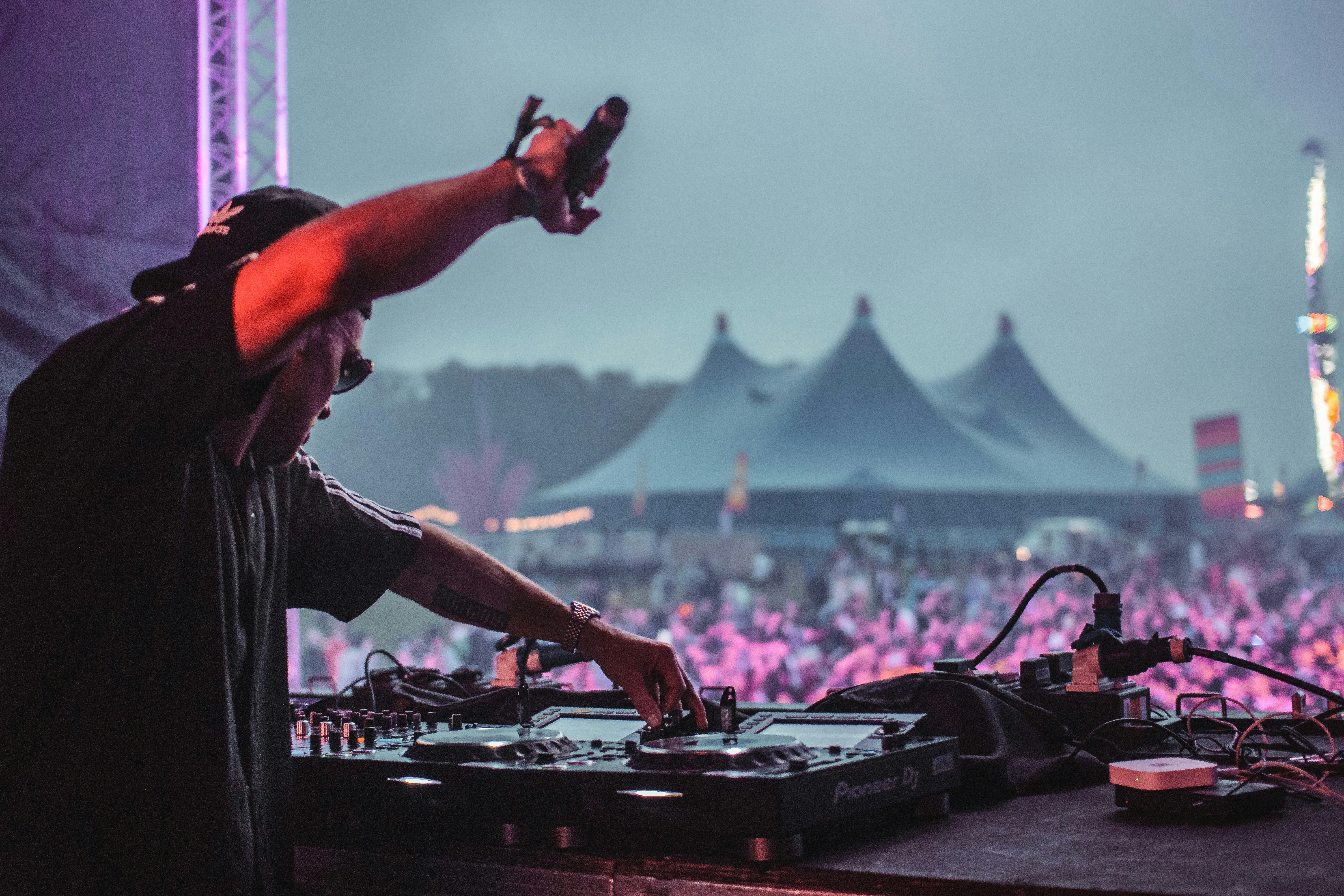
Outwardly, that’s precisely how it appears. Yet the paradox is that the commercialisation of electronic music, its transformation into business projects engineered for maximum financial return, in fact accelerates the end of Kali Yuga and the total collapse of a society that has lost sight of the laws of the Universe. The Damaru stands on the till, and the profit ringing through it is our descent into darkness and our swift destruction, solely in the name of creating a new and radiant world. Where marketing seemed to have slain the myth, the myth adapted to the system and compelled it to serve its own ends. It mimicked the needs of modernity, spoke in slogans, commanded attention with line-ups.
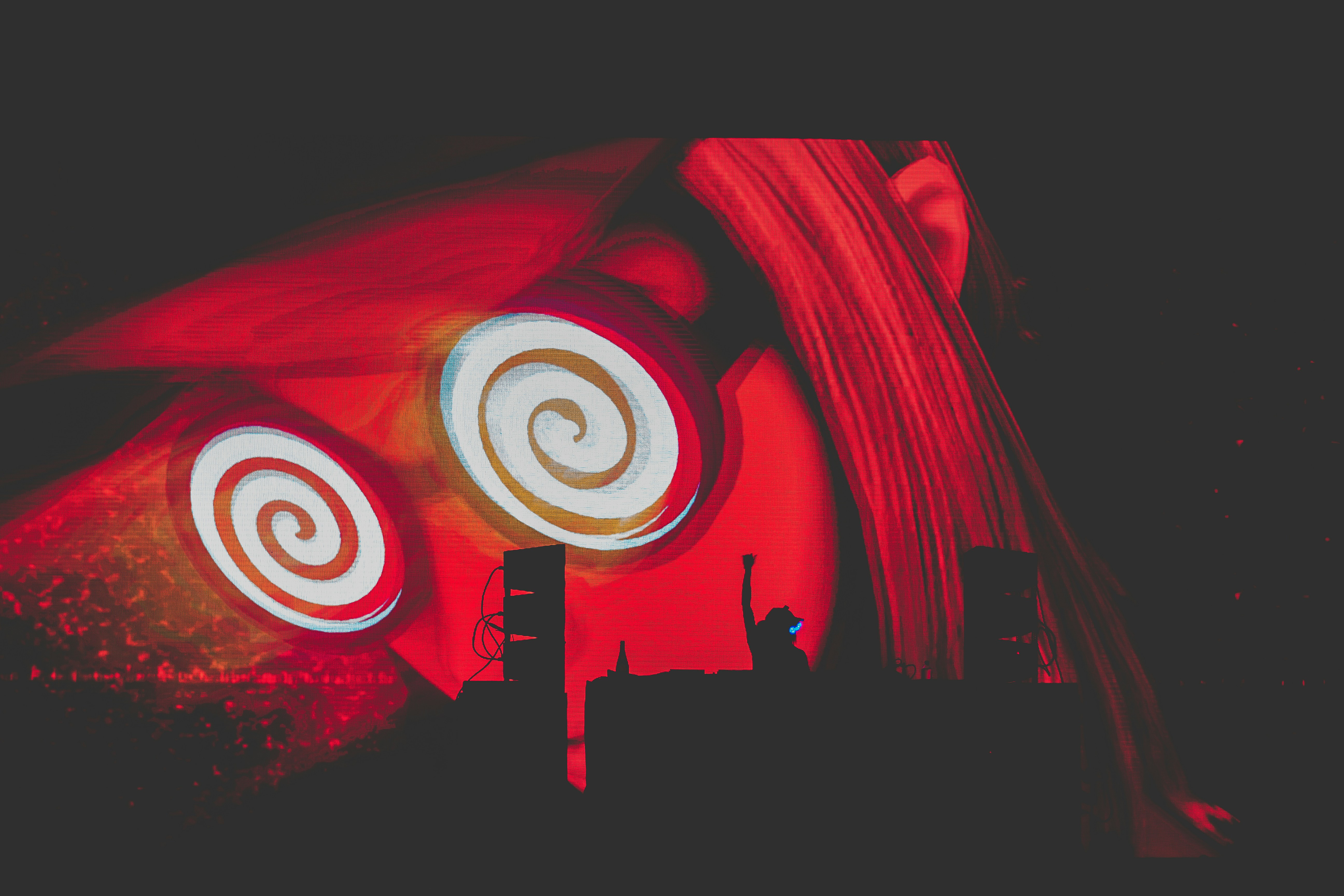
And here, in vast arenas filled with hundreds of thousands of people united not only by rhythm but by an inner freedom, however briefly purchased for £20, it’s here that power loses its monopoly on unity and edges ever closer to its own limit. The dance of Shiva is not about industry, trends, or even music. It signifies the destruction of the illusions with which Kali Yuga is so abundant.
So let’s keep dancing, my dears, and never stop.