Anna Kiparis Creates a New Canon with a Church of England Reverend

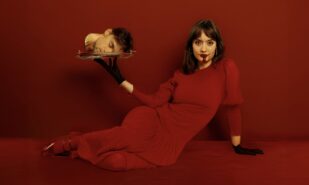
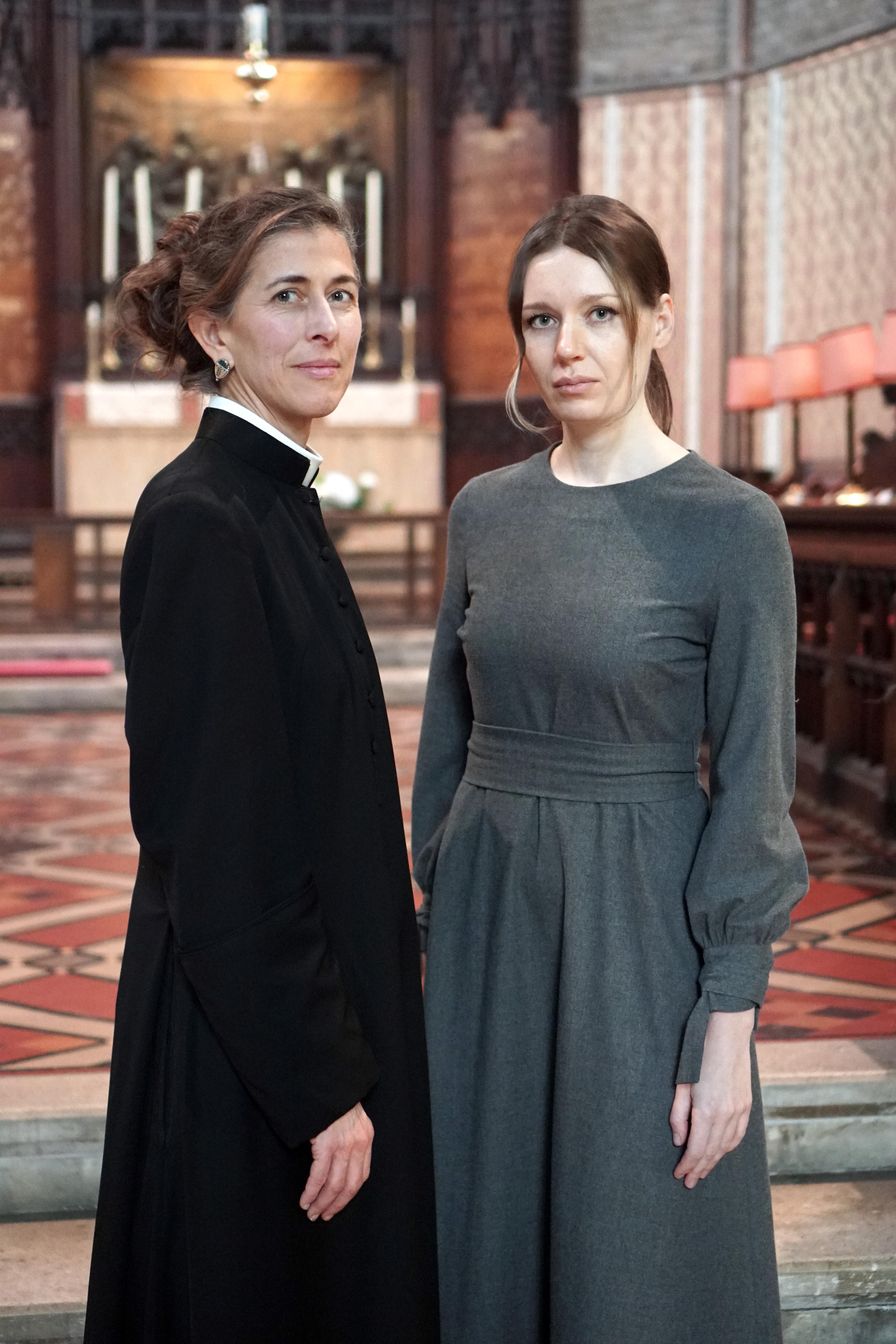
«The Reverend Catriona Laing became my teacher — I don’t know if I will ever come to true faith, but what I have truly learned is faith in people», — two years ago Anna Kiparis became a parishioner at Emmanuel Church in West Hampstead, joined the church choir, and later became the parish artist.
«In the early years of emigration, trying to restore meaning to life — to let myself feel again and make plans — I felt the need to relearn how to serve my work, to search for answers in places I had never been, among people who believe in miracles», — since October, the artist has devoted herself to Emmanuel. She studying the canon of church art , absorbing the community, eventually receiving a residency within the church itself. It was then that the idea for Stations of Life emerged — out of conversations with the Reverend Catriona Laing about ecclesiastical painting, where colours and narratives often blur into one another, appearing ornate yet flattened. The Reverend frequently invoked Victorian canonical strategies that sought to bring the figure of Christ closer to the parishioners, depicting him as fair-skinned, blue-eyed, and light-haired. Observing this impulse to draw the sacred image nearer became central to the project: to imagine what painting about a person living in London in 2026 might look like.
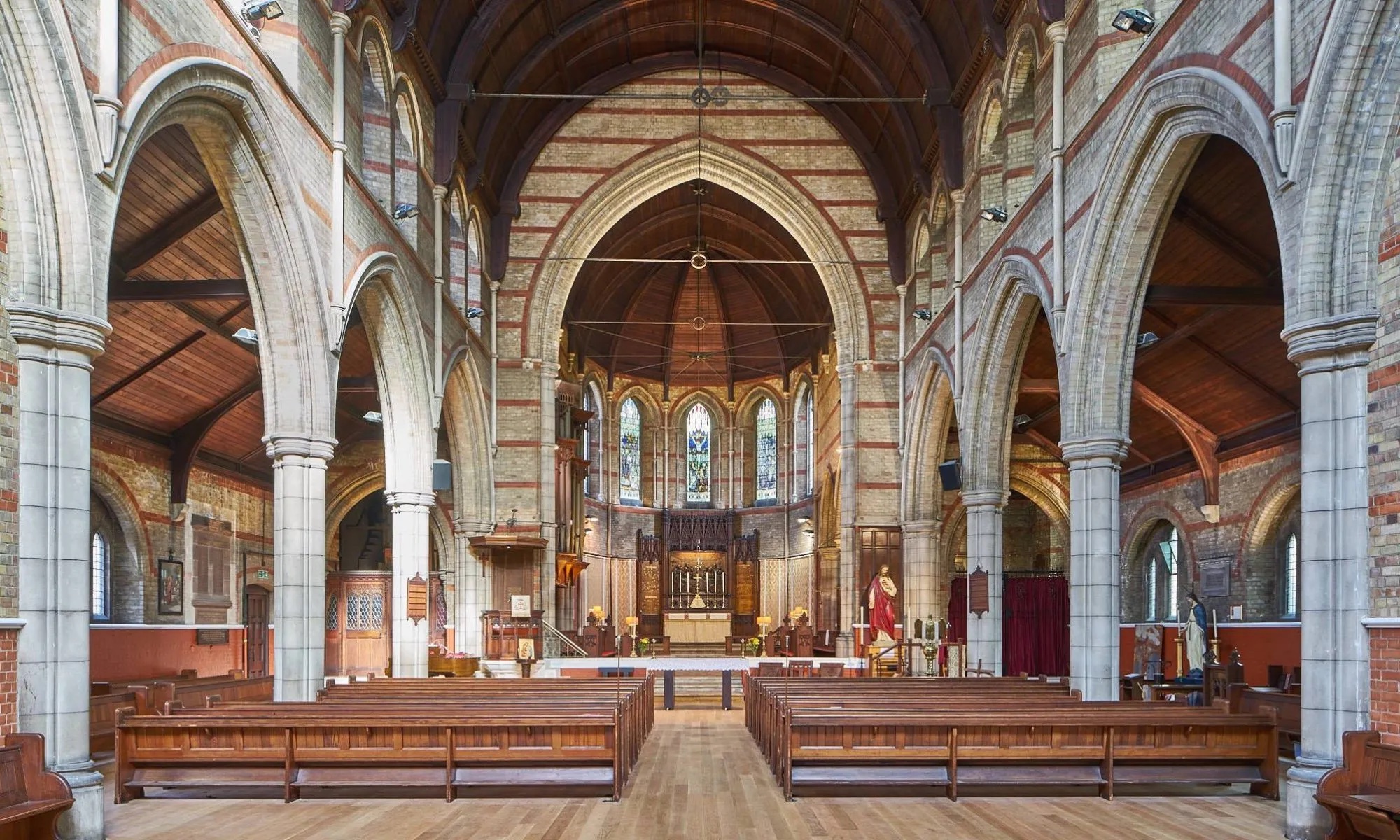
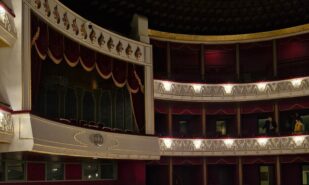
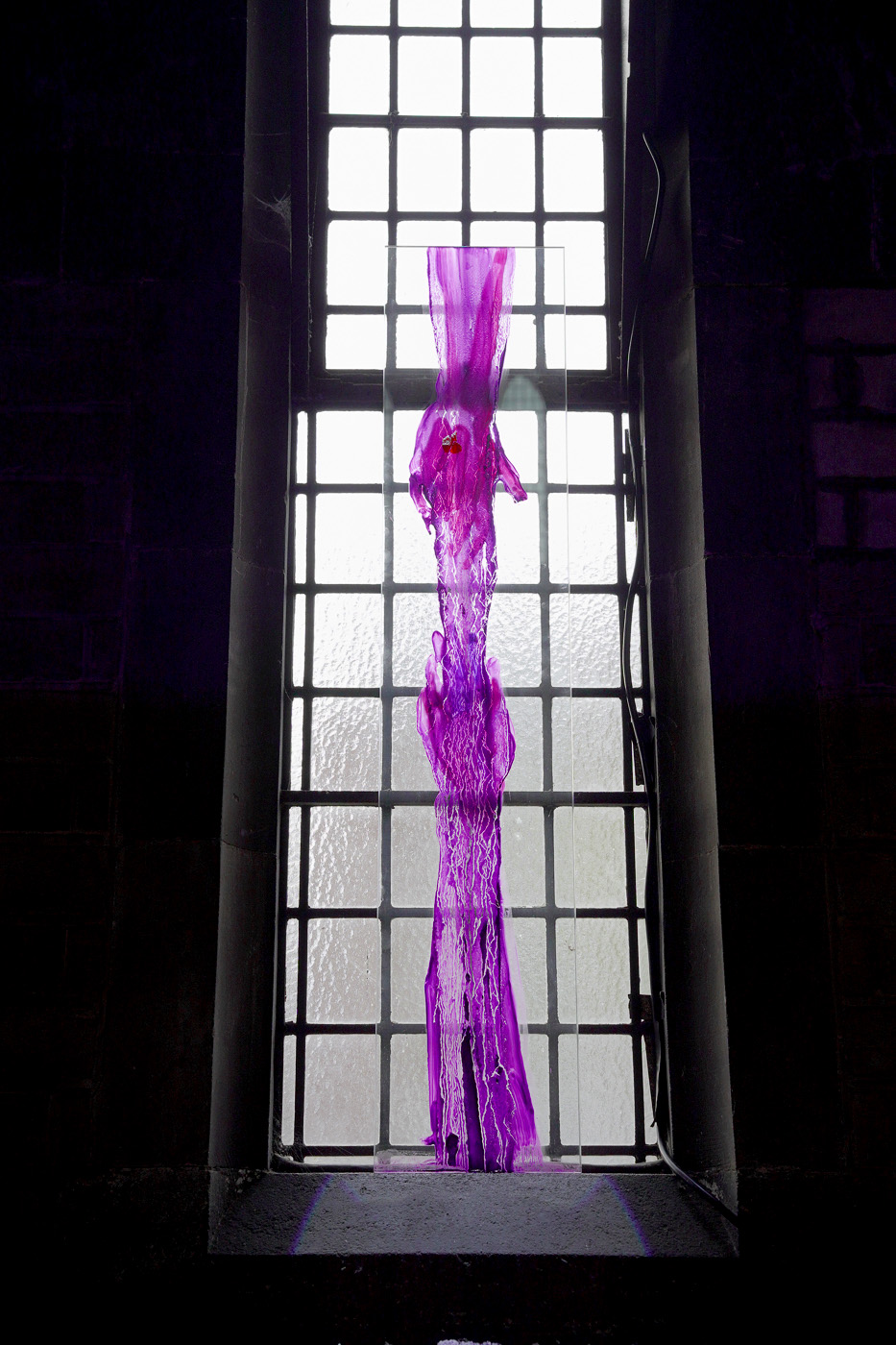
“I began to see parallels between the suffering of Christ and what each of us experiences today”. The new works were installed between the Victorian canvases of the side aisles, placed within the “ghost windows” — former stained glass panels destroyed in the Blitz. These original works depict the Stations of the Cross — the moments marking Christ’s path from his condemnation by Pontius Pilate to his death at Golgotha.
Throughout Lent, Anna and the Reverend Catriona Laing held Sunday gatherings, reflecting in detail on each Station while sharing personal stories. The theme that resonated most deeply was Christ’s fall — moments in life when one must rise and continue, when help arrives unexpectedly, and when all hope seems to dissolve.
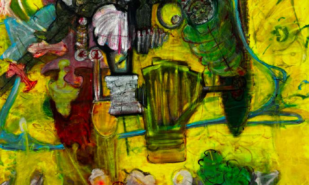
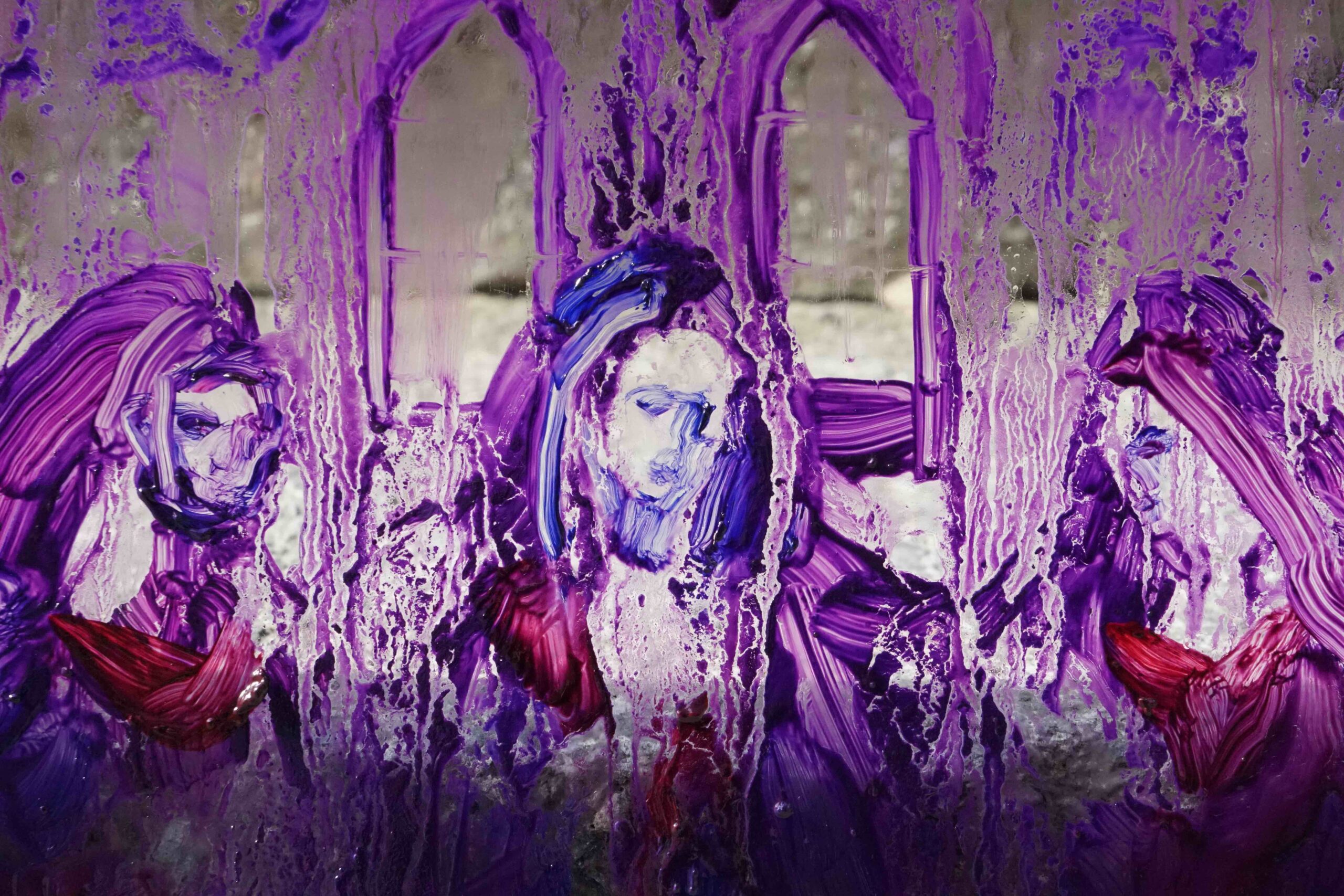
The choice medium emerged from a desire to unite the three principal strands of religious art: painting, sculptureand stained glass.
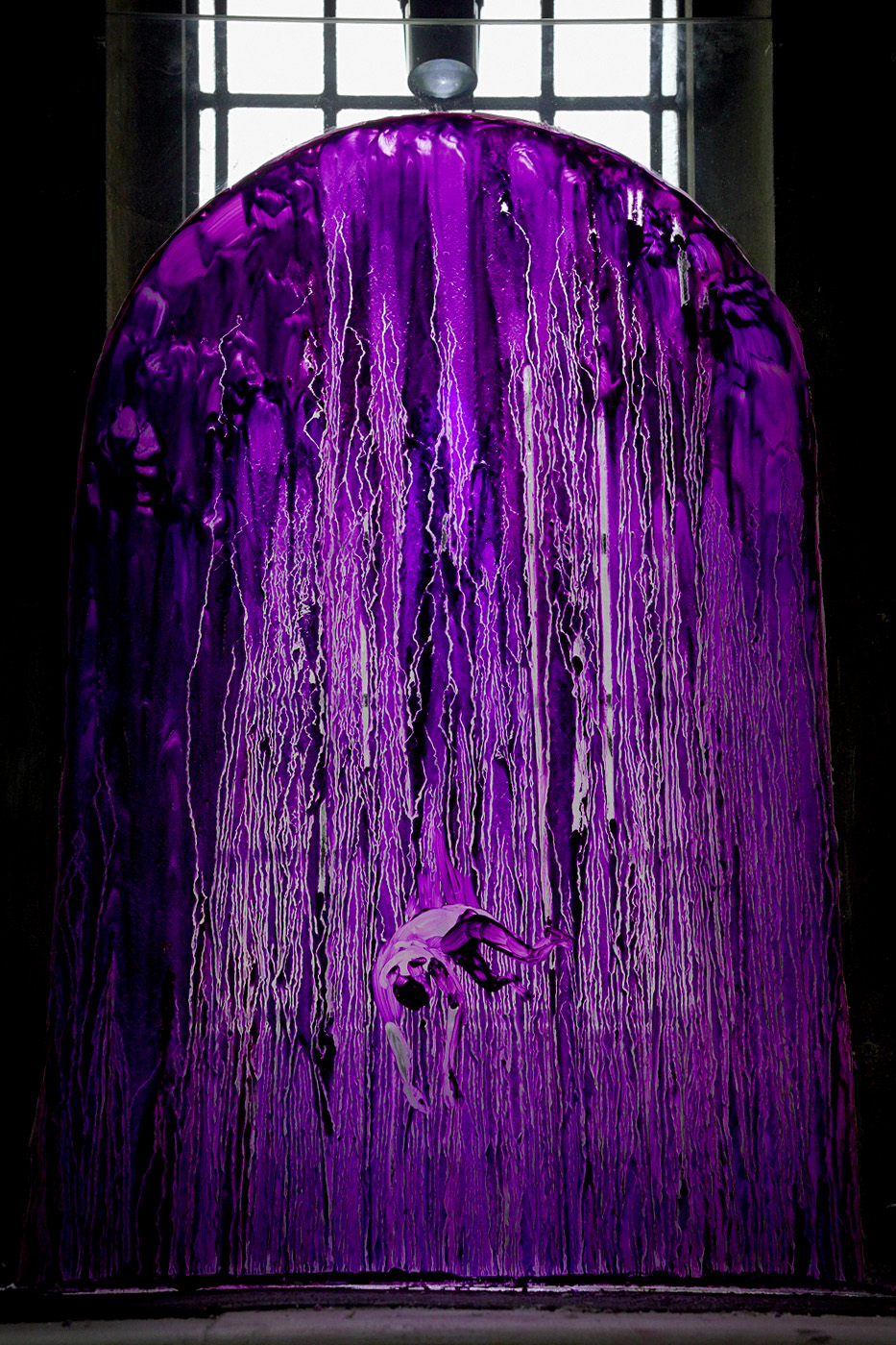
“I began searching for glass everywhere — finding it in the streets, removing it from frames, asking what else, beyond tabletops and stove panels, might serve as material. In the process, I discovered extraordinary glass blocks — Japaneese calligraphic pieces of the purest glass, matching the dimensions of the church’s window divisions. I brought all the materials into the church, understanding that the work could only be created in the place where it would ultimately remain — within a specific window opening. I remember carrying one particularly heavy piece of glass from home to the church and thinking: this is my path, my cross. I climbed onto the old wooden pews and spent days balanced on tiptoe along their narrow backs, holding the window frame with one hand and a brush with the other.”
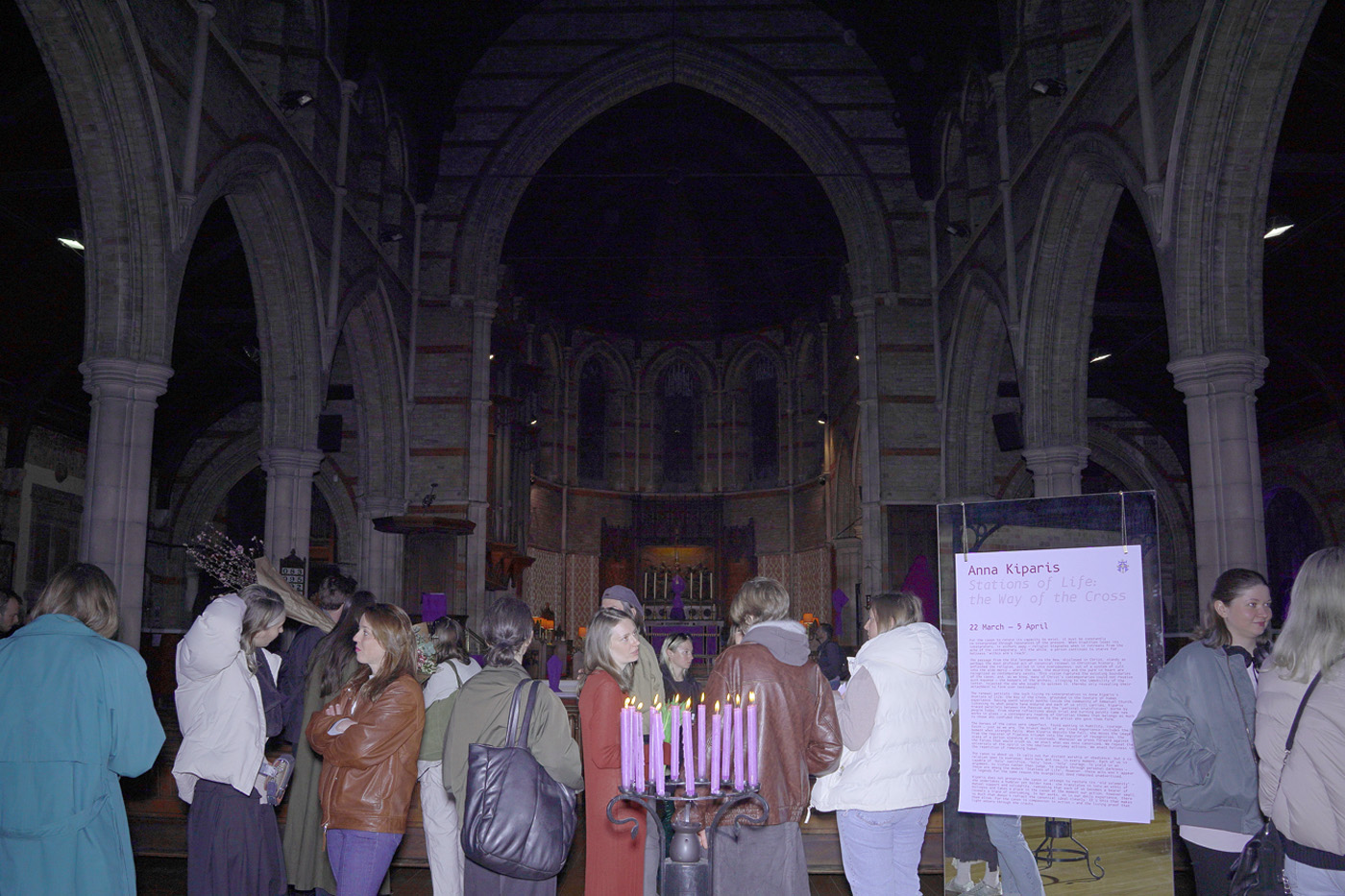
Unexpectedly, there was no rain on the opening day, 22 March. Anna’s openings are usually accompanied by heavy downpours, but on this occasion, visitors were received with a different kind of “blessing.”
“Working alongside curator Il Gurn, we realised that by embedding the works into the architecture of the church and choreographing movement through the space, we were creating a deep connection to place. We then extended this experience further across other senses — introducing violet light, electronic sound and even the scent of violet and lilac oil (also ‘violet’!)refracting the typical perception of the church interior.”
To view the exhibition — moving sequentially between the Victorian paintings and the new complementary installations — the visitor must walk a circular route around the church, akin to a ritual pilgrimage.
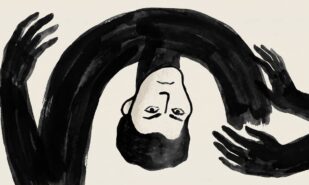
The central works, Falling Man and the triptych Hands of Help, correspond to three Stations in which Christ encounters those unable to change his fate, yet willing to assist: his mother, Simon of Cyrene, who helps carry the cross, and Veronica, who wipes his face.
The exhibition concludes with the artist’s own “station” — Madonna with Two Infants, a reflection on motherhood amid the pandemic, war and emigration.
“In this project, through the Reverend Catriona Laing, I came into contact with many human lives, carrying within me dozens of stories that now belong to the church. After this intense period of workI feel emptied, as if over forty days my own confession was unfolding alongside the paintings — and perhaps it is in this lived experience that the true essence of the journey resides.”
Stations of Life is the fourth in a series of collaborative projects in which Anna works with figures from adjacent cultural and artistic fields. Her collaboration with the Reverend Catriona Laing marks her first major work created in close dialogue with a local community.
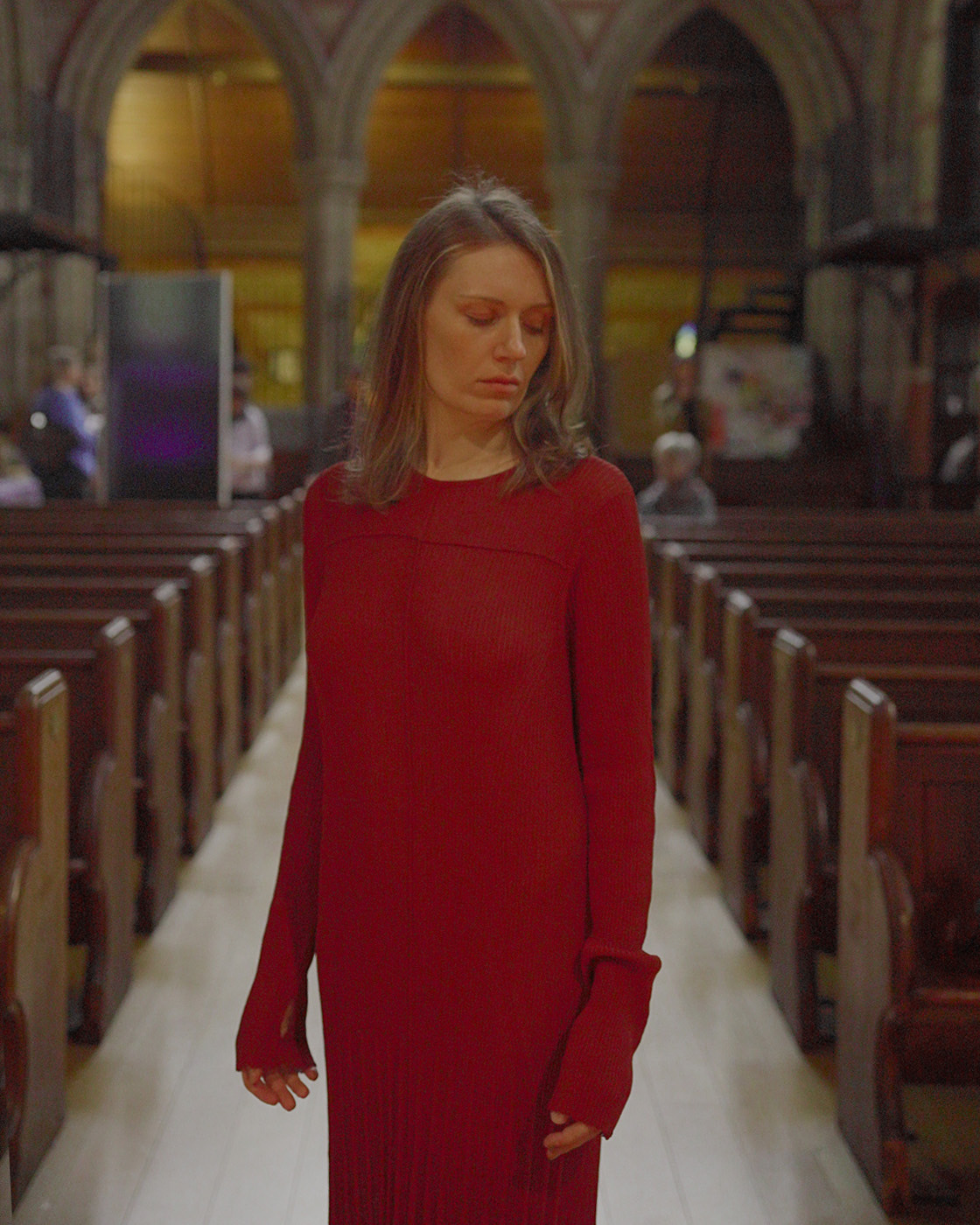
Photography: Fjodor Aleksejev
Scent: Ex Idolo