Behind the scenes at LOLAFF: ten films and the stories behind them, told by their creators

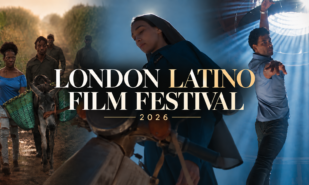
The first London Latino Film Festival (LoLaFF) has come to an end. For four days, London became a vibrant hub of film screenings, conversations with directors, masterclasses, an exhibition and, of course, dancing. Yet from the very beginning, LoLaFF was conceived as something much more than just a film festival. Its story is about how a love for one’s cultural roots can become a creative force that brings people together. And it all began with one woman who decided to bring a little Latin American sunshine into London life.
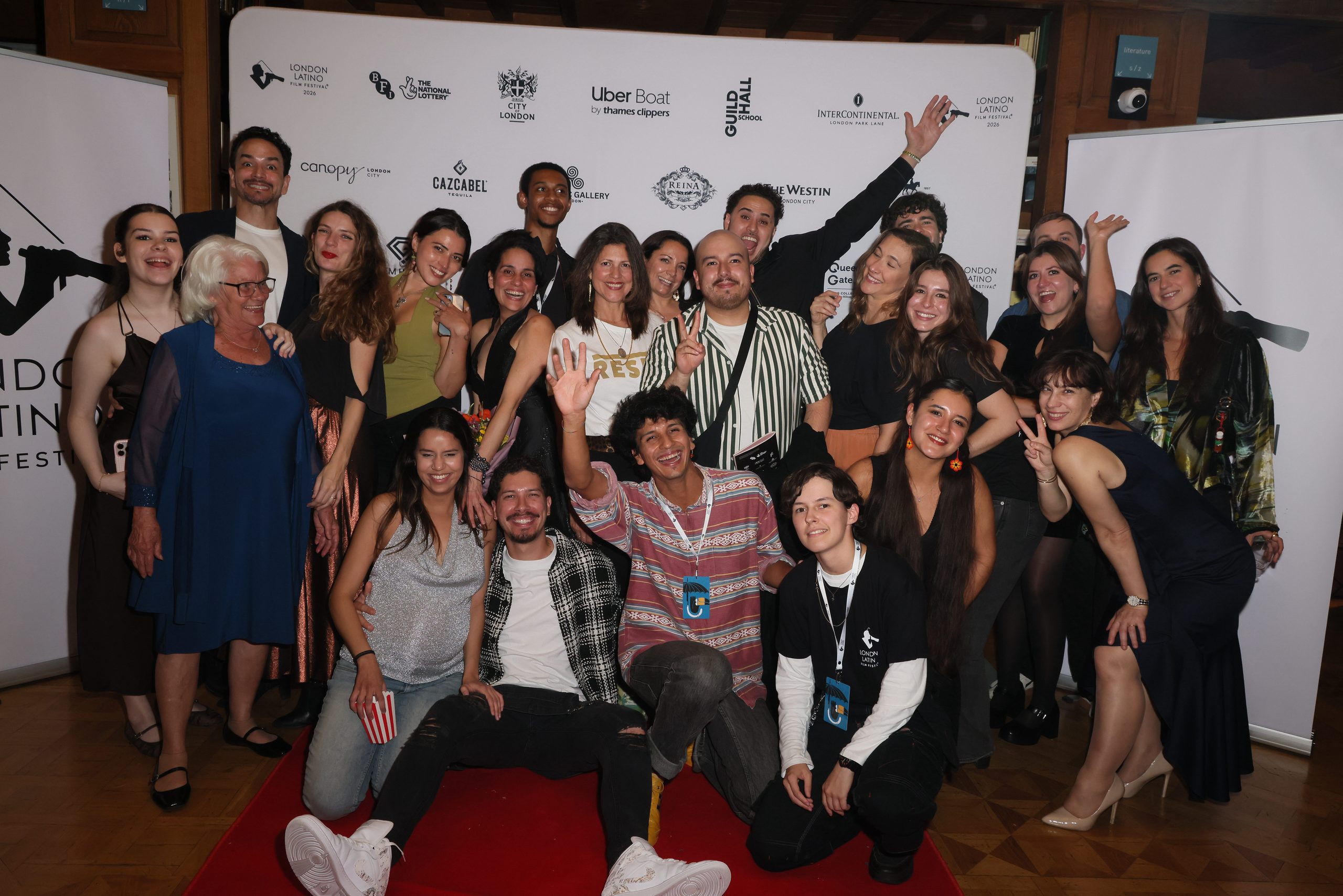
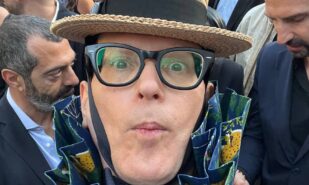
Full of joy, colour and unstoppable energy, Ketty Rodriguez brought the entire festival together, powering it almost single-handedly through the sheer force of her personality. The story of the first LoLaFF began with this very personal, deeply human impulse. Having moved to London in 2025, the Cuban actress realised that, for all the city’s beauty and grandeur, she missed Latin American cinema, familiar voices, a sense of celebration and, quite simply, the feeling of being among her own people. So Rodriguez decided to create the space she was missing herself. A festival, cinema, Latin America — why not?
And just a year later, the first London Latino Film Festival took place. It was anything but a modest, tentative debut. Instead, it arrived in style: an opening ceremony at the Barbican, screenings and events at the ICA, Ciné Lumière and BFI Stephen Street, a red carpet, directors, actors, audiences and all the excitement of a bustling festival. The programme featured competition screenings, family films, special presentations and retrospectives, conversations with filmmakers, Q&A sessions, as well as a dedicated educational and social programme. LoLaFF was conceived as a cultural ecosystem in which the experience of cinema continues long after the credits roll.
Even the festival’s visual identity reflects this philosophy. The official poster for the inaugural LoLaFF was created by Cuban designer and poster artist Nelson Ponce. It depicts a toucan with a bright yellow beak sheltering from the London rain beneath an enormous black umbrella. The image captures the idea perfectly: a tropical bird, colourful and cheerful; the rain, cold and damp; and the umbrella, a kind of portable home, a refuge where one can find warmth and sing one’s own song.
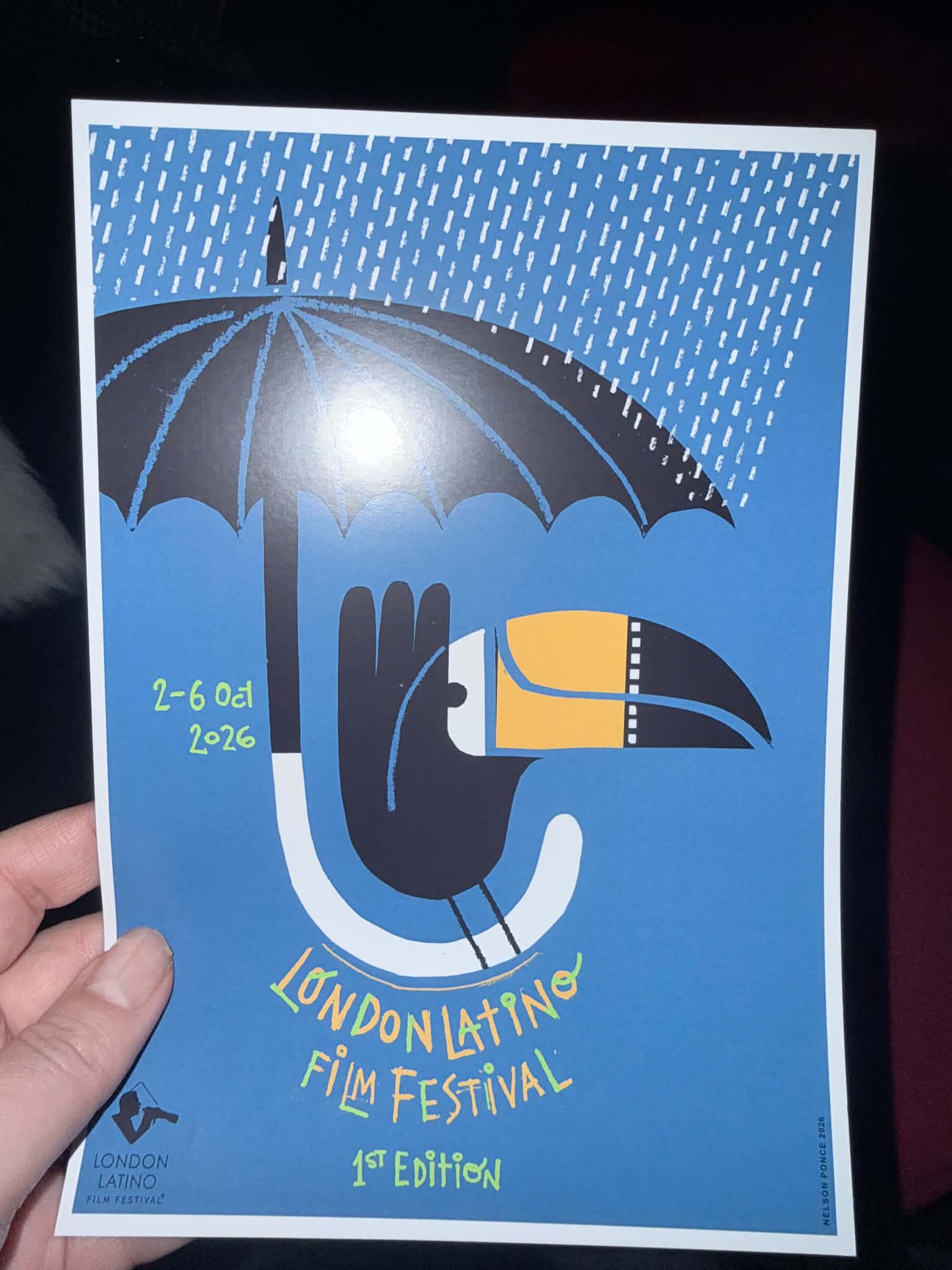
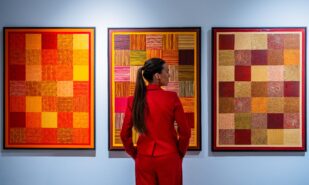
The message of the LoLaFF poster is immediately clear: Latin America in London becomes a world of its own, with its distinctive colours, rhythms, voices and dances. More broadly, the festival draws on the rich traditions of Latin American visual culture, particularly those of Cuba. Its programme included an exhibition of rare Cuban film posters, with their instantly recognisable, vibrant and politically charged graphic style.
Another important part of the programme was Industry Workshops @ Guildhall School of Music & Drama, aimed primarily at film and creative industry professionals rather than general audiences. Three sessions offered three different gateways into the creative world. Writer Alec Marsh and musician James Grant explored storytelling and the ways narratives unfold through words and music. Natali Juste Simmonds discussed resilience in the writing profession — the often invisible side of creative life, shaped by rejection, uncertainty, self-doubt and long periods without tangible results. Meanwhile, Chilean screenwriter Gonzalo Maza, co-writer of A Fantastic Woman, led a screenwriting masterclass.
The educational programme carried forward LoLaFF’s central ambition: not simply to showcase completed films, but also to give emerging creatives access to the knowledge and experience of those who understand the industry from the inside — from the initial spark of an idea and the writing of a screenplay through to production.
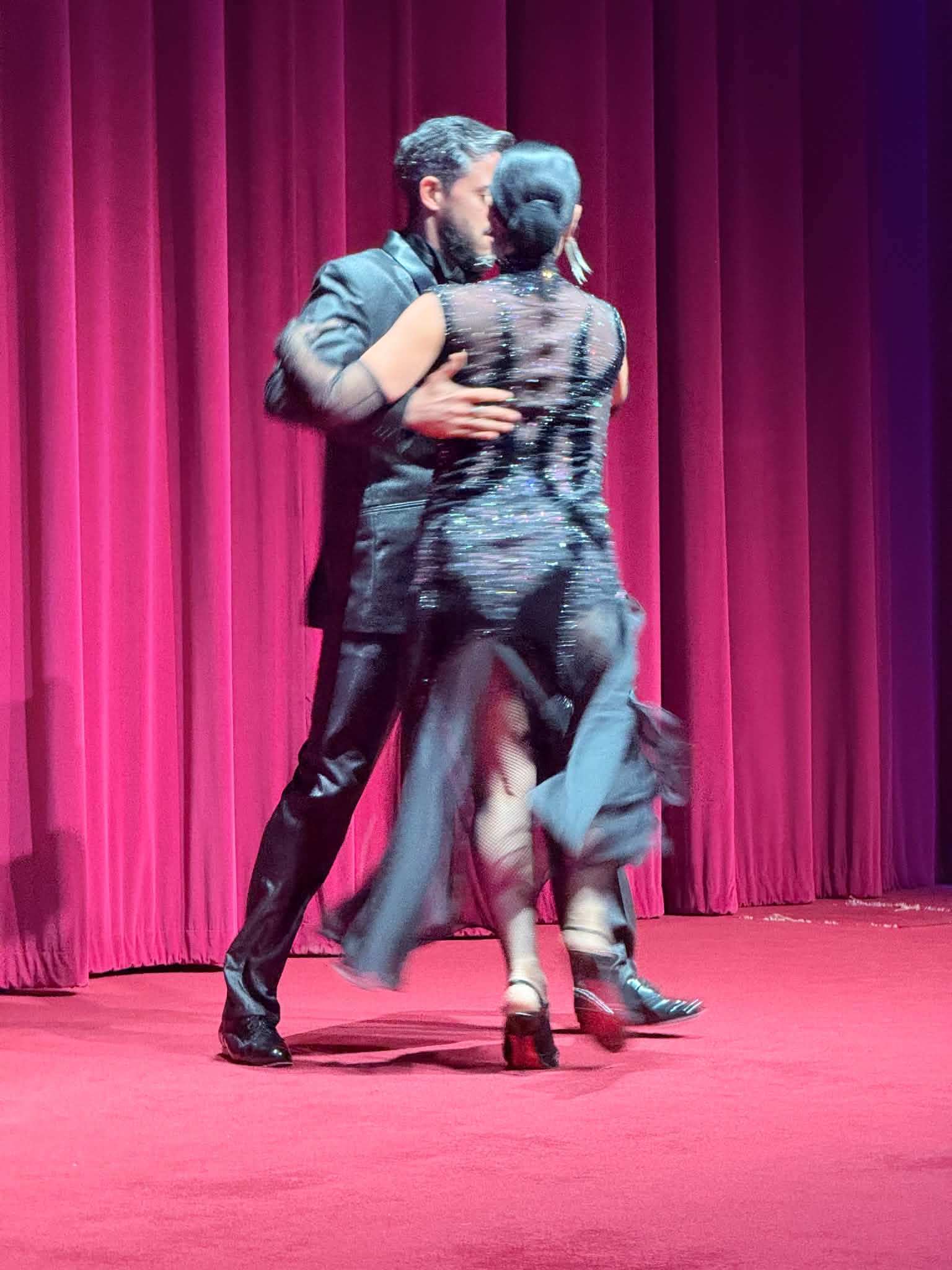
Yet the festival was by no means limited to its professional programme. The Workshops & Socials strand offered activities designed for a much wider audience, including Latin dance workshops, social gatherings and other opportunities to experience the festival beyond the cinema screen. No previous dance experience or partner was required. What mattered was the simple pleasure of moving together, meeting new people and engaging directly with a culture — a physical, social experience that could be shared with others.
LoLaFF blurred the boundaries between the cinema auditorium and everything that happens after the final credits: a conversation with a director, a lively debate about a film, a dance, a new friendship or a chance encounter in the foyer. This was where much of the festival’s charm lay.
And perhaps it is Nelson Ponce’s toucan beneath its umbrella that best captures what Ketty Rodriguez has achieved: finding a place in London where this colourful bird can take shelter from the rain, spread its wings and, above all, remain true to itself.
But behind the vibrant colours, music and festive atmosphere lay the very reason LoLaFF existed in the first place: cinema.
Remarkably diverse in genre, tone and subject matter, the films explored love and loneliness, memory and freedom, the search for identity and the desire to find one’s place in the world.
And who better to tell us about these stories than the people who imagined them and brought them to the screen?
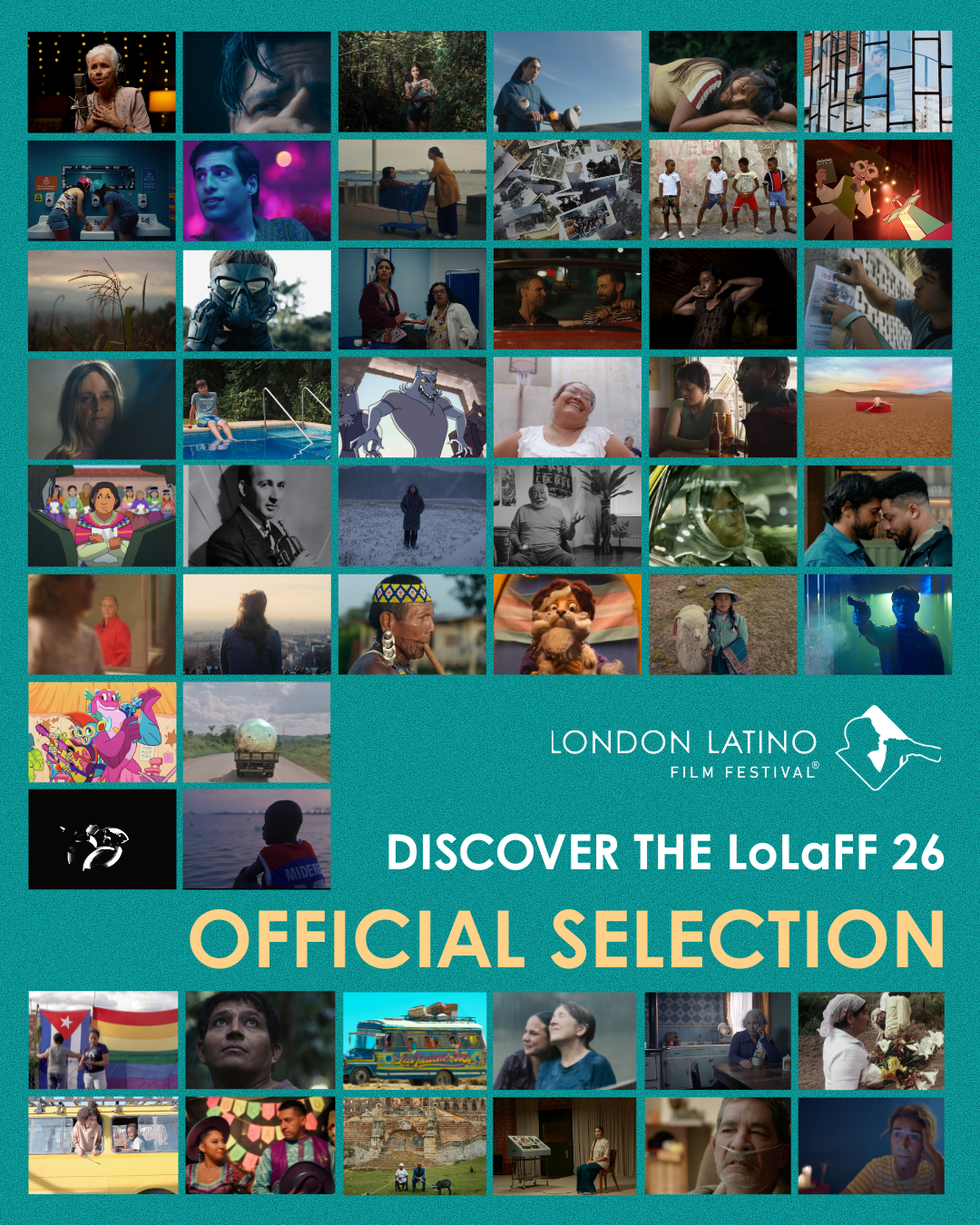
We spoke to ten filmmakers shaping contemporary Latin American cinema, all of whom took part in the inaugural London Latino Film Festival.
London Latino Film Festival Award Winners:
- Best feature documentary — Quba
- Best animation — Collective Memory
- Best short fiction — Blue Heart
- Best short documentary — Margarita
- Rising star award — Depeyize
- Best Latino-UK film — Cielo
- Best environmental — The Dance of the Kokorrdit
- Best feature film — Beloved Tropic
Special mentions:
- Cartas a mis padres muertos
- Martinas Search
- Nunkui
- Naira
Ten films from the LoLaFF First Edition
QUBA
Director: Kim Anno
Country: USA
Year: 2024
Genre: Documentary
Running time: 71 minutes
Section: Official Competition, Feature Films
Awards: Best Documentary, Amsterdam New Cinema Film Festival (2025); Best LGBTQ+ Feature Film, Five Continents International Film Festival (2025)
Kim Anno’s feature-length documentary follows the Cuban LGBTQ+ community’s decades-long struggle for equality and recognition. The film traces a journey from state repression and deeply rooted social machismo to the 2022 referendum that led to the adoption of a new Family Code, legalising same-sex marriage and opening the possibility of adoption for same-sex couples.
Kim Anno: “I was shooting another film, a climate story, in southern Florida in 2016, and my crew said, “We’re 90 miles from Cuba. We should go.” Obama had opened the door and made it much easier to travel, and because I’m an LGBTQ activist from a long time ago, I wanted to see what was happening there. We went during the jornada, and I thought, oh my God, this is huge. There is all this activism around LGBTQ human rights in Cuba, and nobody knows about it in the U.S. So I started filming that too, and it took me eight years to finish. I followed activists in different cities around the country. When the LGBT human rights amendment failed in 2018, I thought it was very sad, but they said, “Don’t stop filming. We’re going to win in the family code.” And then they won. What mattered to me was that this was a group effort, and that some of these people had been working for decades. One of them, Adela Hernandez, had been in prison for being gay and later became a community activist and the first trans state government official in Cuba. To me, that is enormously complicated, and film can show those nuances.
I’m an artist. I’ve been a painter for forty-two years, and I started making films twelve years ago. The power of film is that it can hold contradiction. Within the Communist Party in Cuba there are more progressive sides and more hardline sides, and they fought it out. So why do we think one party is all one way? It’s not. People struggle. They come to consciousness. I’m not saying there aren’t problems in every government and every system. Of course there are. But these big powers have enormous force on private lives, and it isn’t right and it isn’t fair. In my own country, people are trying to take away LGBT rights. I’m a parent. I’m a lesbian person. I can’t abide that. Human rights and free speech should be the rule of the day, no matter what country you’re in.
I absolutely have hope in other people, in relationships with other people, in new dialogues. Migration, to me, is probably the biggest issue of the twenty-first century. How are we going to treat people when they come across borders and they have nothing? We need to make room. A nation-state has to be elastic. And when people come to another country, I want them to bring their culture. Otherwise we have homogeneous culture. I like to learn about differences. That, to me, is the lifeblood between people. Most of my work is also about climate and coastal communities, but underneath all of these large subjects — governments, migration, human rights, climate — what inspires me most are private moments. Private moments where people are vulnerable with each other. That is so tender that it strikes me in the heart. When people are willing to open themselves up and create a bond, to me, that is super beautiful. Otherwise, what else is there in life?”
MERLYN’S BEARD!
Director: Almudena Zúñiga
Country: United Kingdom
Year: 2025
Genre: Animated Short Film
Running time: 2 minutes 22 seconds
Section: Official Competition, Short Films
Awards: Best Animated Film, London Film Club (September 2025); Best Animated Film, Feel The Reel International Film Festival (September 2025)
Merlyn’s Beard! is a British animated short made by Almudena Zúñiga in 2025 as a student project at Falmouth University. Combining stop-motion with 2D animation, the film tells the story of Merlyn, a transgender wizard who desperately longs to grow a magnificent beard, just like the great sorcerers he admires.
A playful fairy tale about gender identity and self-acceptance, Merlyn’s Beard! invites us into a whimsical fantasy world where being yourself matters far more than looking like your heroes.
Almudena Zúñiga: “What inspired me was actually my own emotions and reaction to how J.K. Rowling was using her funds from Harry Potter to fund dehumanizing and discriminatory laws for transgender and queer people in the UK. I was quite angry by all of that, and the film was sort of a response and a protest. I wanted to show that there can be so much more queer magic in film, TV and animation. A lot of people are really attached to Harry Potter because they feel there isn’t anything else quite like it, but I wanted to make a little push towards creating those kinds of worlds where queer, trans and non-binary people can feel safe in fantasy. The film started as my third-year university thesis. I was studying stop motion, but I had seen examples of stop motion and 2D being blended together, and I really wanted that collaboration. It also gave us a clear distinction between magic and non-magic: the characters are physical, in stop motion, and the magic is 2D. The whole process was planning, planning, planning, and then cutting, cutting, cutting. With stop motion you’re constantly asking: how can we most efficiently tell this story?
I’ve always been a huge animation nerd. Princess Mononoke is probably my favourite animated film of all time. Miyazaki’s female-led films were a big inspiration for me growing up, and then I fell in love with Coraline, which is where my love of stop motion really came from. Right now, especially with the rise of AI, I think it’s super important to show human-made art. You can look at old Soviet stop motion and know that every single thing you’re seeing was made by a person. In stop motion, everything has intention and purpose. Someone put that tiny leaf there. Someone moved that puppet. Guillermo del Toro talks about loving the imperfections — the dust you couldn’t control, the armature that didn’t move exactly right — and I think those imperfections are proof that there was a human behind it. That’s super beautiful to me. Animation absolutely feels like alchemy. You’re in the studio with liquid latex, paints, all types of glues, soldering — so much tinkering is going on — and then you see the end result of everything you worked with.
After finishing the film, of course I felt empty, but that also meant I was open to receiving so much more of the world that I hadn’t been ready to experience. Post-grad life has been hard because suddenly it’s, oh, now what? But I think there’s such an opportunity in not knowing what’s next. Miyazaki said that one of the problems with modern anime creators is that they look at other anime for inspiration, when really you should be looking at museums, books and the real world, because that’s where true human stories come from. So I’ve been taking time to understand who I am outside of education and academia, learning how to create without structures and deadlines, and falling in love with art again in the way I did when I was a kid and would just draw for myself. I live in Edinburgh now, and it’s been important to rebuild and heal. I have ideas for another film, but right now I’m open to everything. I’m going back towards illustration and physical art, becoming tactile and hands-on again. Edinburgh is such a magical place to live, and I’ve always been attracted to magic — fairies, witches, wizards. So maybe that hasn’t changed at all”.
THE MUSIC OF A LIFE
Directors: Sofía Rodríguez Oliveros, Bastian Innfeld
Countries: Austria, Colombia
Year: 2025
Genre: Short Documentary
Running time: 29 minutes
Section: Official Competition, Short Films
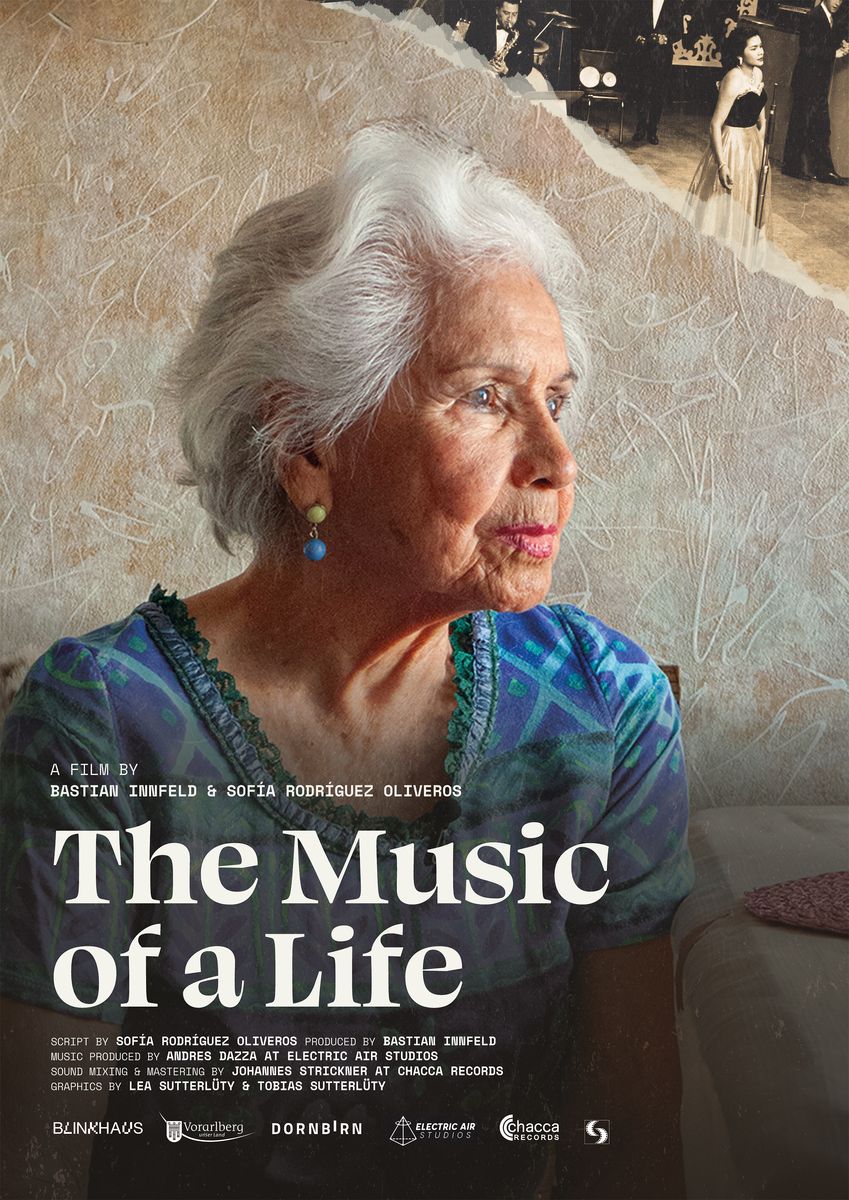
The Music of a Life is a documentary about 93-year-old Colombian singer María Esperanza, whose personal story gradually unfolds into a portrait of an entire era.
As a young woman, María Esperanza pursued a career in music and became one of the first women to appear on Colombian national television. The film pieces together her remarkable life through personal recollections, music and family archives, including long-forgotten footage from the 1950s, 1960s and 1970s.
Sofia Rodriguez Oliveros: “The person in the film is my great-aunt, and I come from a family that has always told stories about who we are. But these stories usually stay inside the family, they just float around between us. My aunt had this incredible story about her singing career, about becoming famous and being one of the first women to appear on national television in Colombia, and I just thought: this has to be told. It has to stay somewhere, in a medium that can last, so that other people can see it and future generations of the family can see it too. She is such a character, the kind of person you can listen to for hours, so it would have felt unfair to use actors to tell her story. She is already the main character. She is a performer. You just dive into her voice.
Music was important because it goes through a different level than spoken word. It connects with you in a way that is not intellectual, it is more of a body feeling, an embodied feeling. Even if you don’t speak Spanish, you can still connect with the melody and the feeling, because it goes beyond the words. And I think sometimes you don’t really see the value of what you have when you are immersed in the same culture and the same family. Then somebody from outside watches it and you suddenly realise: wow, this is actually an amazing story, and it can inspire people. My aunt is 94, her memory is perfect, she walks, she drives, and she has this optimism and positive energy. Especially now, when the world can feel very bleak and dark, I think a simple story like this can remind people that not everything is bad.
For me, the most beautiful thing is that something so private can become something much bigger. You think your family problems are only yours, your stories are only yours, but when you share them, you realise that people everywhere are going through the same things. People in Austria watched this very Colombian family story and connected with it, and that was beautiful because you realise we are just human. Showing the film to my own family was also very emotional because my aunt is the last surviving relative from that generation, and there was all this old Super 8 footage that had been sitting in boxes for years. My dad had never even seen himself as a baby. So the film became not only a story about her, but a way for all of us to recover something we had almost lost. And living outside Colombia adds another layer to that. You meet people with stereotypes about Latin culture, about what Colombia is, and at first you have to confront that. But people are also very open to learn. I love talking about my country and sharing what Colombia really is, beyond those stereotypes”.
Bastian Innfeld: “The inspiration came from her excitement and from the whole family really wanting this story to be told. They had all this old Super 8 material, and everything I was shown was just amazing. I was already working in film, and I said: we have to do something with this. Let’s make a documentary. Then I met her and immediately thought, this person is perfect to tell this story. You can feel that in the film — you watch it and you just dive into her voice.
For me, music in the film is also a way of remembering, and maybe even a way of healing wounds. When we showed her the film, she told us the next morning that she couldn’t sleep because she had remembered so many things she hadn’t thought about for years. That was really powerful. And then when people watch the film, what stays with them is her way of being. She is 94 years old, she is happy, loving, she loves life, and she says she never regretted anything. People can be going through something difficult and still receive this kind of positive energy from her. We were actually struggling a lot with the question of drama because we thought: this story doesn’t have a big dramatic event. But people kept telling us that this was exactly what they loved — that the film could be positive without needing some huge tragedy. You don’t always need the drama. Sometimes you can just look at a person.
That’s also why showing it to audiences has been so moving. You can see people crying because something in the film brings up something from their own lives. Suddenly this very intimate family story starts belonging to other people too. Screening it at Christmas for the family was especially emotional — it felt like a gift. And now bringing it to London feels exciting because there is such a big creative community here, and a strong Latin community too. What I really love is seeing how far a very personal story can travel and still make people feel something”.
FRIED FISH & PLANTAIN
Director: Paul-Daniel Torres
Country: Canada
Year: 2025
Genre: Narrative Short Film, Romantic Dramedy
Running time: 14 minutes
Section: Official Competition, Short Films
Awards: Audience Choice Award and Festival Director’s Special Award, Toronto Youth Shorts (2025)
A short romantic drama about love, hope, loss and the COVID-19 lockdown. One of the first films in the world to use the difficult days of the pandemic as the backdrop for a tender love story.
An intimate and deeply personal film about the fear of becoming attached to someone again after experiencing loss — and the courage to choose to love wholeheartedly, even knowing that nothing lasts forever.
Paul-Daniel Torres: “The film was inspired by living through my early twenties, the loves gained and the loves lost, the different connections I made with people and the things I learned. I also lost my paternal grandmother, and I think in your early twenties you start growing up because you start losing these really big things — whether it’s a situationship, a grandmother, a home. When you lose something you love, it creates this hesitancy to reconnect with something you love again. And sometimes a lack of emotional vulnerability in a relationship isn’t because somebody broke your heart. Sometimes you’ve been hurt in other ways, you’ve lost things in other ways, and you shut down. I was in a place where I was thinking: I have to make sure this loss doesn’t take away my ability to give myself fully to the things that love me and that I love. Everything goes away eventually, it either dies or leaves, and I’d rather know I gave it everything than think, I wish I loved more, I wish I was there more. And then the movie answer is When Harry Met Sally, the Before films, Ponyo. Ponyo ends in a hug. I wanted to make a romance where, if you give me thirteen minutes to build up to a hug, maybe that hug can have a really great impact.
I wrote it, directed it and acted in it, and I never want to be the lead in a movie that I write and direct ever again. I don’t want to be a god as a director; I want to be a facilitator. I want to be like a good midfielder and set everybody else up for success. Acting in it was really just a necessity — budget, time, language, the fact that I could push myself harder. But looking back, I wonder how much better my acting could have been if I’d had a director who was solely directing me, or how much better my directing could have been if I’d had an actor I could really collaborate with. That back-and-forth is one of the most fun things about directing. When I’m directing, I’m thinking about the frame, how this shot relates to that shot, how it will work in the edit and in the theatre. When I’m acting, I’m not thinking about the frame; I’m thinking, I’m in love with Marisol, I’m in this world. And I think that collaborative process, that genesis of something new, is what elevates a film. I don’t really want to have one definitive style. I want to make grounded romances and family dramas, political films, but I also want to make a raccoon slasher movie with puppets, a kung fu movie, giant robots. I want to become the kind of filmmaker you can drop into any genre and I can elevate the story. I’d rather people have a deep connection with the films than simply say, “Oh, that’s his style.”
A part of this film was also me dealing with the arrested development I felt during lockdown. The pandemic affected the way we connect with people, how we love people, how we miss people. And then the practical side of my brain says, nobody wants to watch a fucking movie about the pandemic because everybody is over it. But I think the very reason we are over it is also why we should make films about it. A lot of us lost people, lost jobs, our lives completely changed, and if we just bottle that up and forget about it, we carry that trauma and keep continuing cycles of harm. Maybe, logistically, I should have waited ten years to make a pandemic love story, until it was less fresh. But COVID hasn’t actually gone away, and for a lot of disabled people and other vulnerable people it is still affecting their lives. It was a major global event, but it affected us intimately. I think we should unpack that. And being here with the film feels incredibly validating. Growing up, I never thought I would travel, I never thought I would be here because of the merit of my artistry and because other artists took a chance on me. It feels very surreal. Maybe it’s just a little sign from the universe: keep going”.
LIFE IS DANCE
Directors: Eirene Houston, Hugo Ernesto Rivalta Castro
Countries: United Kingdom, Cuba
Year: 2024
Genre: Feature Documentary
Running time: 80 minutes
Section: Official Competition, Feature Films
Awards: Programmers’ Choice Award, Waco Independent Film Festival (Texas, USA)
A documentary about Cuban dance culture and the power of dance to build connections between communities. At its heart are three generations of people for whom salsa and other forms of partner dancing are an essential part of social life, memory and identity.
An observational, almost verbatim film, it follows its subjects over the course of a year and a half. Music, too, becomes a character in its own right. Yet the film is not only about dance technique or dialogue between generations; it is also about the right to experience joy, even in the most difficult circumstances.
Eirene Houston: “I think dance is a very wonderful thing to connect people. Especially partner dancing, because it creates this equality, you know? If you have a talent for dancing, that kind of transcends everything. When I first went to Cuba, I was fascinated by salsa and by how beautifully people danced together. In Scotland and the UK, partner dancing had become less popular, and people were dancing more on their own, so I became interested in that change. For me, partner dancing is a social process. It is communication, it is cultural sharing, it is people learning something together. Some people you connect with, some people you don’t. And when you dance, you are completely in the moment. It brings you to yourself. Psychologically, I think that joy of being present is something we all need, even if we don’t always know we need it. Dance has always been important to me. I wanted to be a ballet dancer when I was a child and everybody said, “Oh, don’t be silly.” Funnily enough, my niece became a dancer, so she didn’t listen to anyone telling her it was a silly thing to want.
I’m a writer as well as a documentary maker, and stories always come from people for me. I’ve always been interested in character-driven stories — you put a character in a situation and think, how are they going to move through it? When I write, a character starts to take on a life of their own, and what surprised me about documentary was discovering that it is almost the same. You think you know the story you are going to tell, but you have no idea what people are actually going to do. So the characters take you on a journey. That was really exciting for me. With this film, we followed three generations, and every time we came back there would be some new surprise. We made the space for them and focused on the dancing, but also on their lives. I had been going to Cuba for seventeen or eighteen years before making the documentary, and our crew was very small and almost entirely Cuban. So there was trust. We became very close to the people in the film, and I still see them now. For me, that is what documentary can do at its best: you follow the character, rather than making the character follow you.
Music is absolutely central to that. Cuban rhythms are so complex, and when you are dancing you have to really be in contact with the music. You can be on the beat or counter-time, and it changes the feeling inside your body. I can’t really explain it — it just grounds you completely, because it is all you can think about. One of my favourite poets, Federico García Lorca, calls that feeling duende. It is something inside you that makes you move. I have always had that. Sometimes I hear a song and I genuinely have to say, excuse me, I just need to dance. And I think that is happiness. I recently showed the film at a festival in Scotland, and there was a little boy of four or five dancing at the back while watching it, and later a woman in her eighties came to speak to me. I thought, if a film can reach a four-year-old and someone over eighty, and they both love it, that is the kind of film I want to make. Mine is really about people’s right to their own joy, that capacity for joy. Sometimes hardship can even make that capacity stronger. I always say I’m easily pleased, and people can mean that as an insult, but I think it’s a great compliment. I can find joy in the smallest things. If everybody could do that, maybe we wouldn’t always be looking for more and more”.
CONCEPCIÓN
Directors: Jochi Melero, Carlos Larrieu
Countries: Puerto Rico, USA
Year: 2025
Genre: Feature Documentary, Musical Biography
Running time: 104 minutes
Section: Official Competition, Feature Films
Awards: Award for Outstanding Achievement, Hispanic International Film Festival
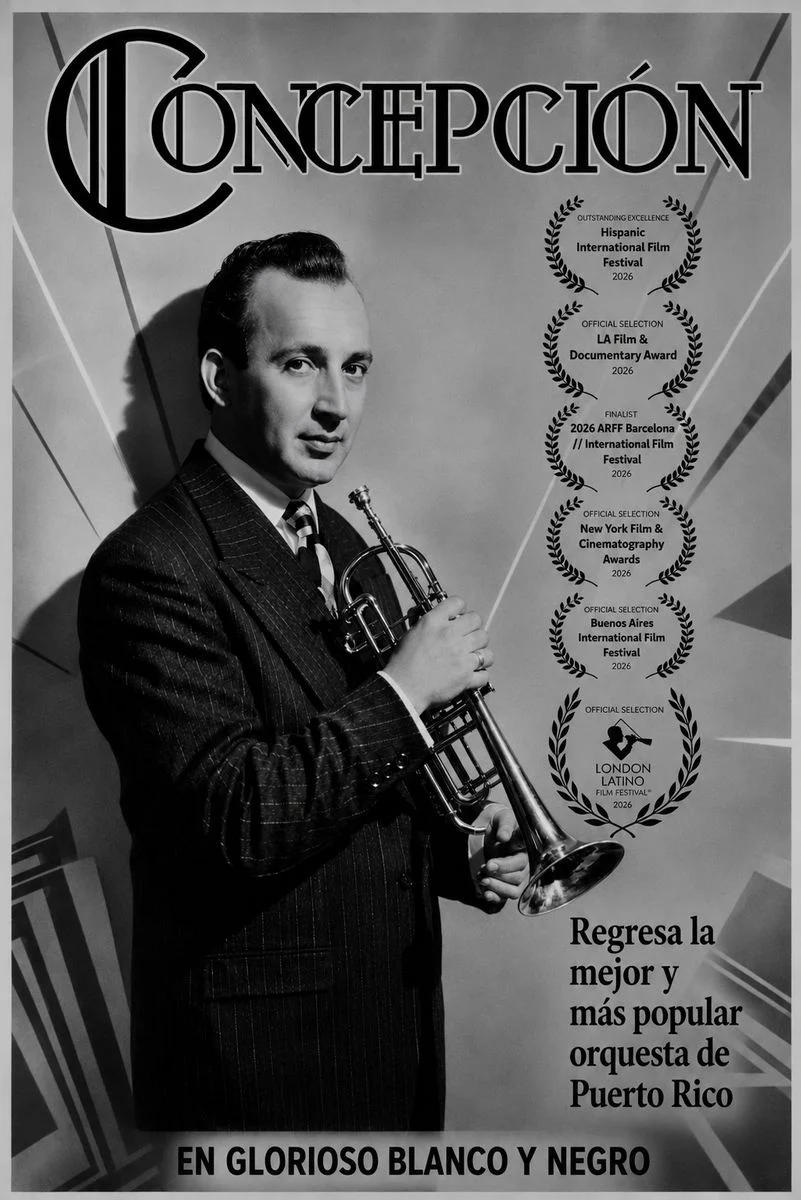
A documentary exploring the life of César Concepción, one of Puerto Rico’s most influential musicians and bandleaders. His personal story becomes a portrait of the evolution of Puerto Rican musical culture and the history of the Latin American diaspora in New York.
Concepción is a film about music as a national treasure and memory as an ongoing process of discovery.
Jochi Melero: “Music in Puerto Rico is not just entertainment. It is very closely related to our ancestors and to our identity. We are from the Caribbean, and in the Caribbean you have this mix of African, European and Indigenous influences that becomes something completely our own. I always say that music is our oil. We don’t have many natural resources, but we have an extraordinary number of musicians and artists. César Concepción’s story is part of that. He started in a very poor neighbourhood and became one of the great bandleaders and musicians of Puerto Rico and the Latin community in New York. His life is really the journey of a musical soul.
Making the documentary was almost like archaeology. We started finding things by accident — old films, VHS recordings, material hidden in trunks, things that people had never seen before. You dig one layer, then another, then another, and suddenly you see the whole structure. That is why it took six years. If you dig too quickly, you can break the pieces. You have to let the project reveal itself to you. I don’t think you can decide in advance what the truth is going to be. Truth is always personal, it changes with time and with the way people understand an event. So for us the important thing was to stay close to what we were finding and protect the integrity of the story”.
César Gerardo Concepción: “The original intention was really very simple: I wanted to tell the story of my dad. He had become almost a myth. People knew his name, they knew he was connected to a certain kind of music, but nobody had ever really put everything together and given him credit for the work he had done. So at first we just wanted people to understand who he was. Then all these things started appearing, and the story became much more emotional than we expected.
My mother had kept twenty-three years of letters that he had written to her. Then people started telling stories about him, and suddenly the film was not only about his contribution to music. It became about the person, about the family, about memory. Every time we interviewed someone, something new came out and we had to follow it. That is why the film kept growing. It started as a way to document my father, but it became a starting point for something much larger — maybe even a play or another kind of story one day. For me, the documentary has its own beauty because it stays close to the truth of what we found”.
NAIRA
Director: Gabriela Quiroz
Country: Peru
Year: 2025
Genre: Feature Film
Running time: 97 minutes
Section: Official Competition, Feature Films
Awards: Audience Choice Award and Best Actress Award, Santander International Film Festival (2026)
A feature film rooted in Andean cosmology. The story of its protagonist, Naira, grew out of the director’s childhood memories, yet these deeply personal recollections became the foundation for a universal story.
NAIRA is a film about freedom, a child’s right to preserve their inner integrity, and the importance of never losing touch with the child within us as we grow older.
Gabriela Quiroz: “I feel like imagination is vital, because if you don’t imagine a different reality from the one you live in, you don’t imagine the possibility of getting out of where you are. One of the things that coercion or violence wants to take away from us is exactly that ability to imagine. The film is based on a lot of my experiences as a child. It isn’t literal, but all the characters come from people I have known, people who have existed around me. And it is rooted in Andean cosmogony. In Inka culture we have the condor, the puma and the snake: the world above, the world we live in, and the underworld. But those worlds are not really separate. They all exist inside Pachamama. Even death is not exactly leaving this world; it is passing into another part of it. So for me, imagination and mythology are not an escape from reality. They are another way of understanding reality.
Making something so personal was frightening. It can feel almost like getting naked in front of people, especially in front of your own family. People watch the film and come to me saying, “I feel like I already know you,” and now that can feel pleasant, but while I was making it there was always this fear that I was exposing myself. At the same time, once it becomes art, it is no longer only me. It becomes this child and this universal experience. That was also why casting was so important. We saw more than five hundred children because I wanted the actors to come from that region, from the Andes, from that background. It is their story. I feel that artists have a responsibility and an ethical duty to our people — not only to be a voice, but to honour them. When I met Janet, I knew immediately she was Naira. She had never really seen a film in a cinema, her parents herd alpacas, she lived in the town where we shot, and so much of her life was already close to Naira’s. We even gave her a baby alpaca and let them grow up together for a year so that the bond you see in the film would be real.
I don’t think the film healed me in the obvious way. I didn’t make it in order to heal. For me, it was more about daring to do something I had always dreamed of doing and had always been told would not be possible. It was about putting my voice into the world and making a story that deeply mattered to me. And the central question is not really revenge. Revenge is like tying yourself to a corpse; it can kill you in the process. Children have a very elastic mind. Naira finds, through imagination, a world where revenge is not the urgent thing. It doesn’t pollute her heart. What she wants is to help her mother and get her out. And the violence in the film is bigger than one act — it is also about silence, about the people around them, about what everybody believes and refuses to say. Naira takes matters into her own hands. She is not waiting for someone to save her, and by doing that she can save herself. So for me the choice is very clear: you can stay behind and take revenge, or you can fly. I fly”.
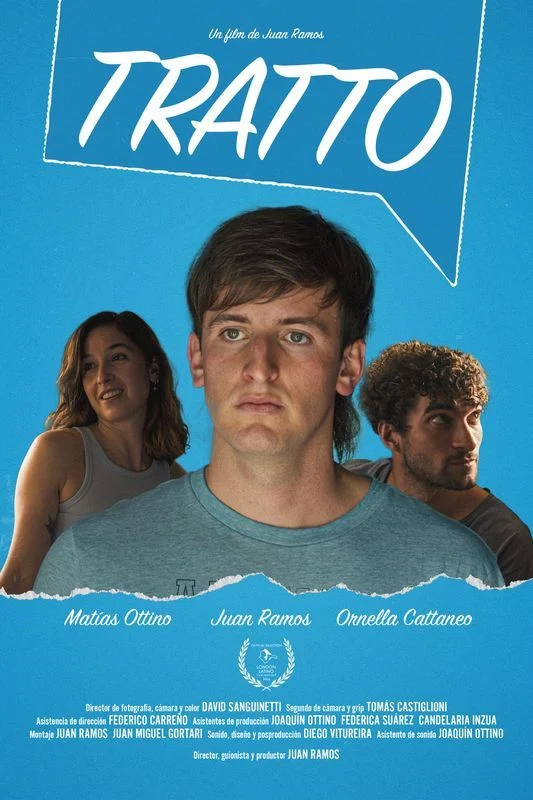
TRATTO
Director: Juan Ramos
Country: Uruguay
Year: 2025
Genre: Narrative Short Film, LGBTQ+ Drama
Running time: 10 minutes
Section: Official Competition, Short Films
An intimate short drama about teenage attraction and uncertainty, but above all, about a young person discovering a new version of himself — someone on the threshold of adulthood. Here, adolescent thoughts about sexuality become a way of imagining different possibilities for one’s own life. Remarkably, the film was written, produced, directed and edited by the same person, who also stars in it.
Juan Manuel Ramos: “I’m originally an actor, and I had worked in two feature films before, but then I was in this gap where I was casting and not getting any work. I had been thinking for a long time about writing something and making it, so I thought: okay, I’m going to try directing, I’m going to try doing everything. I haven’t studied cinema, so for me the short film was an exercise, a way to learn more about filmmaking using what I already knew as an actor and working with friends who could help give it a form. A feature would have been too much, both financially and because I wasn’t really sure how to do it yet. So the short film became a good way to start that path — directing, producing, writing, all of it for the first time. And I think what I discovered is that I am capable of doing it. As an actor, you come in and you have your part. As a director, everybody is looking at you asking, “What do we do next? Does this make sense?” I realised there were many things I didn’t know how to deal with, but I also realised that I could find solutions — and sometimes the solution is simply asking someone on your team whose taste you trust.
The story came from something like a discovery in adolescence. It’s not something that literally happened to me, and it’s not something I ever completely identified with, but it was a thought that came to me many times. So in the film I thought: okay, what if I let this thought become one hundred percent of the character? What if I let it make the decisions? It became a story about confusion, about courage, about liking men or liking women, about imagining different paths and wondering who you would become if you chose one instead of another. The film takes place in a family house where a handyman comes to work. A younger boy starts watching him, feeling attracted to him, trying to get closer, while the handyman initially doesn’t really understand what is happening. Little by little they move closer to each other. I don’t really see it as romantic. I think of it more as a drama, or a coming-of-age story — something about trying to understand a part of yourself that you may not have fully allowed yourself to experience.
I wrote it, directed it, produced it and edited it, so I really like being able to say, “This is my film.” But I also learned how heavy that can feel. Sometimes I was completely lost because there was no second or third person looking at it and giving me another perspective. So next time I think I would like to share more of the work, the decisions and the responsibility. Maybe that would make the process lighter, and maybe it would lead to ideas I would never reach by myself. Because now I come to present the film and I am happy, but I also feel this fear of showing it. I watch it and think, this is good, but this could be much better. And when it is only my name there, it is like: fuck, this is all mine. So yes, maybe sharing responsibility is a good idea. Then at least I could blame somebody else. I’m joking, but only a little”.
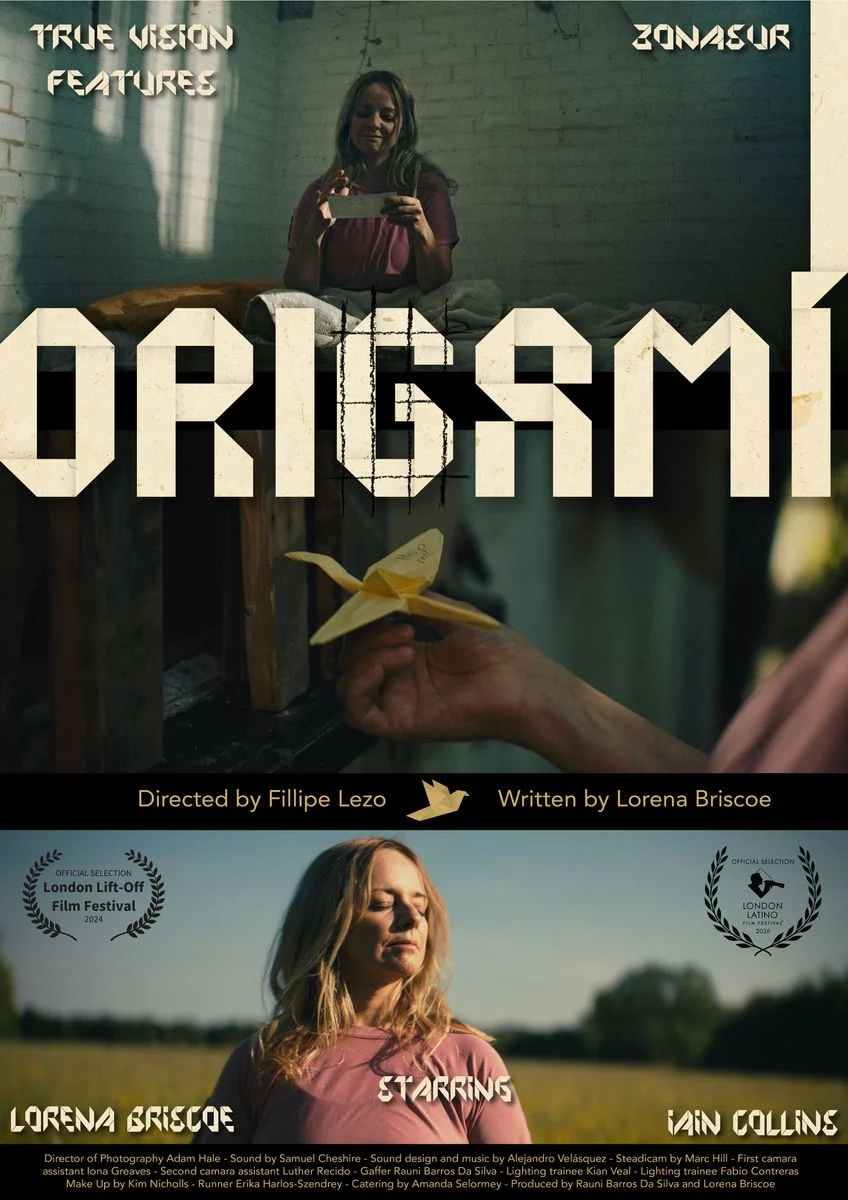
ORIGAMI
Director: Filipe Lezzo
Country: United Kingdom
Year: 2024
Genre: Short Drama
Running time: 11 minutes
Section: Official Competition, Short Films
A short drama about a migrant woman who arrives in England hoping to start afresh and earn a living to support her son, who remains in another country. Instead, she finds herself trapped in a relationship where jealousy, control and domestic violence increasingly isolate her from the outside world.
The film explores the dangers and vulnerabilities of female migration, loneliness and social prejudice. The art of origami becomes a way for the protagonist to hold on to her memories and sense of self within a relationship that threatens to strip away her individuality.
Lorena Briscoe: “For the last twenty years, I have always worked with stories that are not the normal narrative. So many narratives are about young men travelling around the world looking for themselves. My work is usually about people in conflict, violence against women, genocide, childhood and human rights — stories that are not necessarily comfortable to tell on stage or on screen. Origami is actually part of a feature film. When I moved to England, I decided to divide that film into five parts because we didn’t have the support to make the whole thing, and this was the easiest section to produce because it had only one location. Sarah is a migrant who comes to England believing she will find work and build a better future, especially for her son, but instead she becomes trapped in an abusive relationship. That happens to many women who migrate: they come first, they work, they send money home, they try to create a better future for their families. What interests me is always the story behind the person we see. When we encounter someone who is foreign or different, we judge them very quickly. Maybe we need to stop and ask: what happened to this person? What are they carrying?
Cinema is not an easy career, especially as a woman, and every time you move from one country to another you start again from scratch. If you don’t build your own structure and you rely completely on other people, you may never do anything. That is why I created Sonosur Cinema, a woman-led production company dedicated to telling Latin American stories in England and producing films in Latin America. When I arrived here, I had to redefine who I was. Creating a Latin American cinema structure in the UK gave me freedom, but it is still extremely difficult. You finish a feature and then you need money to finish it properly, then money to distribute it, then you apply to festivals and realise there is another barrier: nobody knows you, nobody necessarily gives you the opportunity even to look at your material. Representation cannot only be a ticking box. We need actual access, actual platforms and people willing to see the work.
Sarah’s story is ultimately about the possibility of saving yourself. I don’t mean that women should have to survive everything alone. We need human contact, we need to create a village around ourselves, real connections rather than only followers. There is so much pressure now about how we must look, behave and perform, and I think we have become unbalanced. We need to be more present, more here, more now. For someone starting again in a new country, everything can depend on finding people who understand you, support you and help you. Sometimes it is pure luck. But hope is everything. Sarah still has hope and a connection with herself, and that gives her the possibility of another life. In my own work, that is what I try to build as well. My artistic partner and I made a very simple decision: we want to work with nice people, kind people, people who want to make cinema with love, connection and affection. And we have found them. So it is possible. It is difficult, but it is possible”.
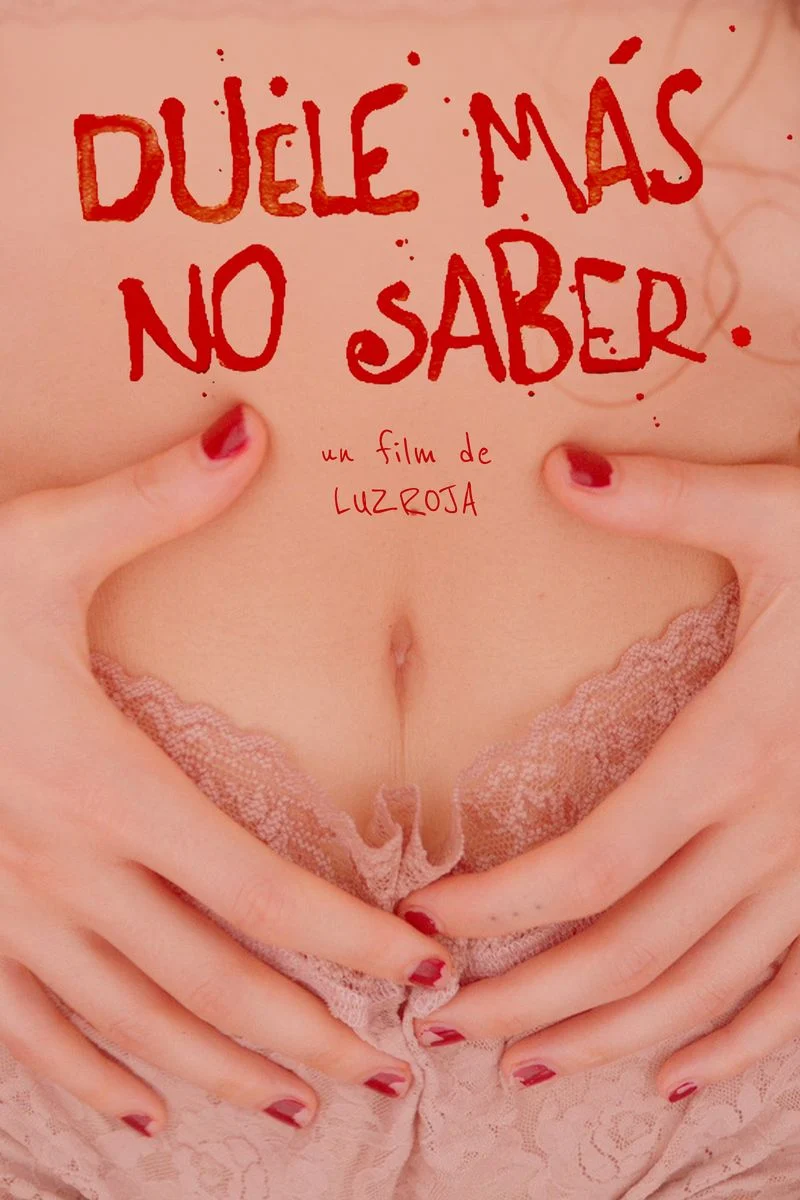
NOT KNOWING HURTS MORE / DUELE MÁS NO SABER
Director: Daniela Cedeño
Country: Panama
Year: 2026
Genre: Short Film
Running time: 18 minutes
Section: Official Competition, Short Films
Daniela Cedeño’s 18-minute Panamanian short explores a teenager’s first sexual experience and the shame and fear that can arise when there is no open, honest language for talking about sex.
A film that offers comfort and reassurance, almost like an embrace, it deliberately refuses to judge its protagonist. Instead, it explores acceptance, emotions, pleasure and the importance of being at peace with oneself, challenging a social morality that so readily turns female sexuality into a source of shame and stigma, reducing conversations about it to risks and prohibitions.
What begins as a deeply personal statement becomes a safe space for a wider conversation about sexuality, growing up, fear, trust and the right not to have all the answers — but to be able to ask questions and be heard.
Daniela Cedeño: “When I look back at my own first sexual experience, and at the experiences of my friends, there was so much shame around women’s sexuality. If you had sex at a certain age, people judged you very quickly. So it was important for me to make a film that validates the feelings of a teenager instead of judging her. A first sexual experience can come with shame, confusion and a very real psychological impact, especially when sex education is so limited. In my school it was very biological and technical: don’t have sex because you’ll get pregnant. There was no conversation about consent, emotions, pleasure, or doing something from a place of love towards yourself and another person. And I think when these subjects remain taboo, people who have difficult experiences don’t know who they can talk to. Information is power.
I don’t have the answers, but I made the film. I think speaking openly about these experiences and taking some of the heaviness out of the subject can help. Making it was a psychological journey for me because I had to go back to feelings that I had repressed and really navigate through them in order to make the film honestly. I also spoke to many women about their first sexual experiences and kept hearing the same things: shame, confusion, misinformation. Some of the stories were shocking because young people are often learning about sex from films, porn, or from another teenager who learned it from porn. Parents often don’t know how to talk about it either, because they were never given that education themselves. So I just see this as something we need to talk about much more.
For me, women’s health is also about sexuality, being connected to your body and being connected to yourself. I started this project because I felt very disconnected from myself and I needed to reconnect with my own power and my body. I was terrified. The whole process took three years, and even now speaking about it can still feel scary, although I’m more confident because I know what I made and why the subject matters. What has meant the most to me is when girls, boys, parents, people of different generations watch the film and then come and tell me their own stories. I made it because I needed to heal, but I realised that a lot of people collectively need that space too. So I think the film is for everyone — teenagers, parents, my generation — anyone who needs a language for something they may never have been able to say”.