Inside Le Cordon Bleu London: How Chefs Are Made

January is notoriously a time for fresh starts—and for some, that change is a big one. It’s in January that the first academic term begins at the renowned Le Cordon Bleu London. The London campus of the famous French culinary school opened nearly 90 years ago, and ever since, hundreds of students have passed through its kitchens. Some enrol in short courses or weekend programs, while others come to gain a qualification or sharpen their professional skills. It’s no surprise that the Le Cordon Bleu London alumni network includes celebrity chefs from more than 60 different countries!
Le Cordon Bleu is known worldwide for its rigorous training. If chefs are the new rock stars, the road to success here is anything but smooth. Strict discipline, intense teamwork, and uncompromising standards are part of daily life. We spoke with Anton Krasilnikov, a 2023 graduate of the Diplôme de Cuisine intensive programme, to find out what studying at Le Cordon Bleu London is really like.
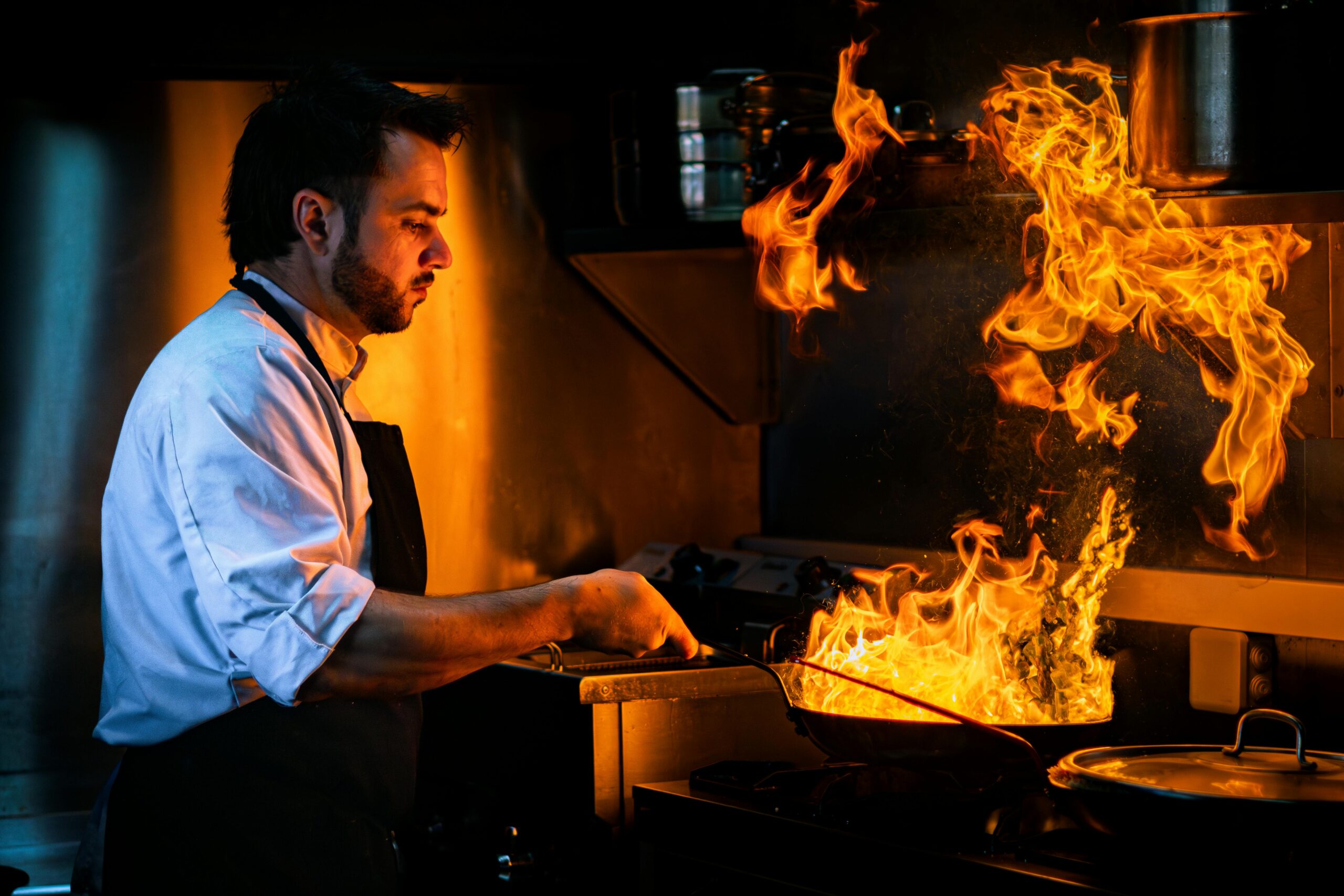
I entered the restaurant industry as a student and started from the very bottom. There was no task or process that escaped me or remained unknown. And yet, my path did not unfold in the kitchen itself, but rather in managing gastronomic projects. Of course, I knew a lot about taste and cooking techniques, but until you actually do certain things with your own hands, there’s always a gap — a distance from a truly deep, embodied understanding. And so, fifteen years into my restaurant career, I enrolled in the basic intensive programme at Le Cordon Bleu in London.
The Diplôme de Cuisine intensive programme lasts four months. Classes run five days a week, usually starting at eight in the morning and sometimes going until seven in the evening. Any notion that I could juggle other commitments or skip classes vanished within the first few hours. The course calls for total focus and dedication — using your phone in class is out of the question. While my classmates spent their breaks drinking coffee and getting to know each other, I did my best to stay on top of my work chats.
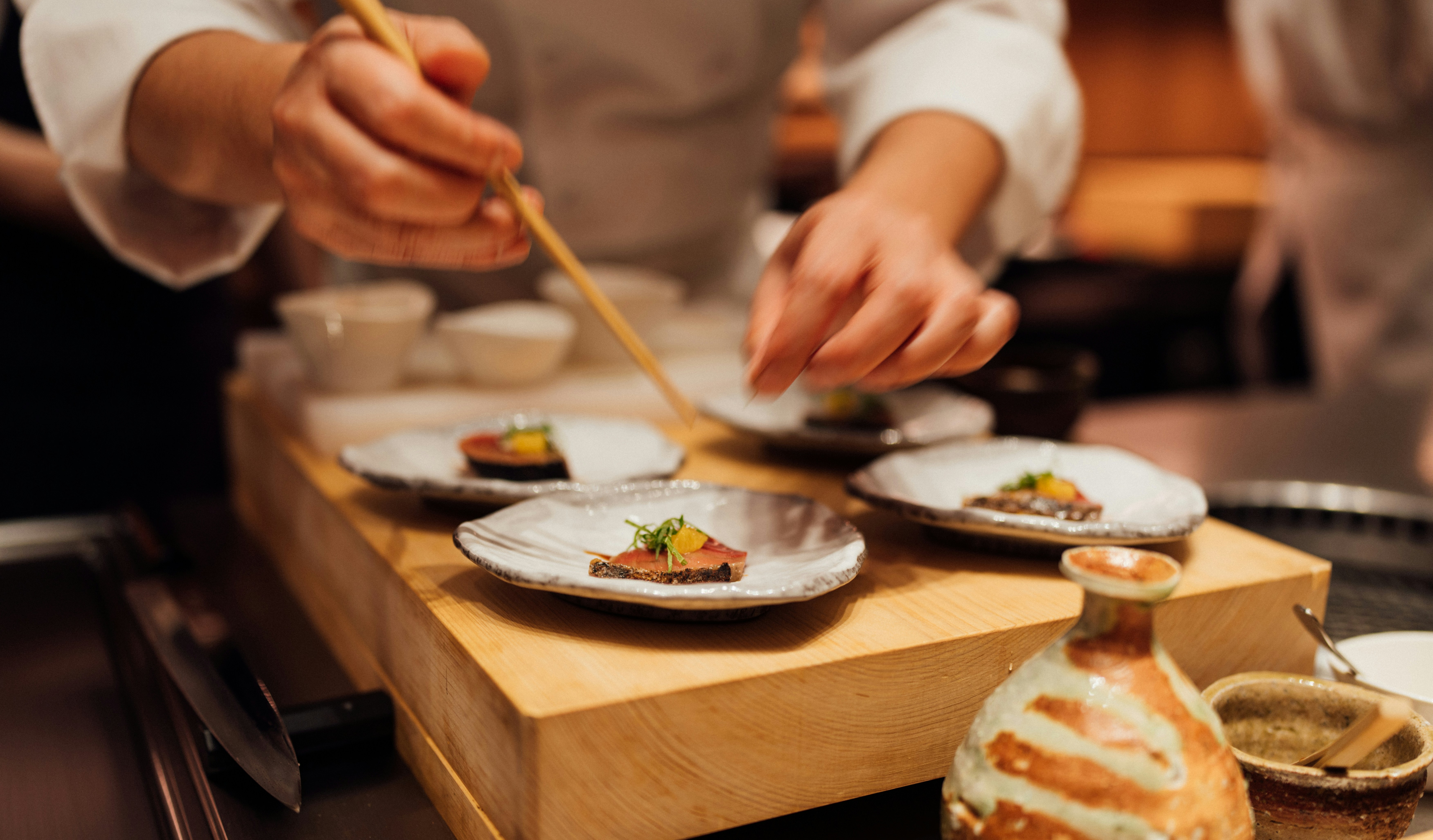
What strikes you most about Le Cordon Bleu is its extremely strict discipline. Two minutes late? No entry. Apron or kitchen towel on the wrong side? Go and change it. Missed an explanation? That’s on you. It’s as simple as that.
At times, the discipline felt excessive. But it seems that precisely this made it possible to fit an exceptional, deep, and meticulously designed programme into three semesters instead of the usual two or three years of French schools. We were taught by exceptional chefs — French, Italian, British — not by those who had failed in the kitchen, but by people who had found their true calling in teaching. Still, they weren’t known for their tender treatment of students. And some definitely believed pressure builds excellence.
The strictest and most demanding were the French. The Italians were more relaxed and loved to chat. The British had a talent for defusing tension with humour. Overall, humour played a key role. Younger students with less psychological resilience would freeze when a chef slammed a ladle against a metal table right in front of them and shouted, “Where is my ‘yes, chef’? I’m not talking to the windows — I’m talking to you!” Many didn’t know how to react at first.
In private conversations after class, the chefs explained that this behaviour was just part of the profession. “You’ll encounter some level of abuse in any kitchen,” they said, “and you need to be ready for it. Your nerves have to be strong.”
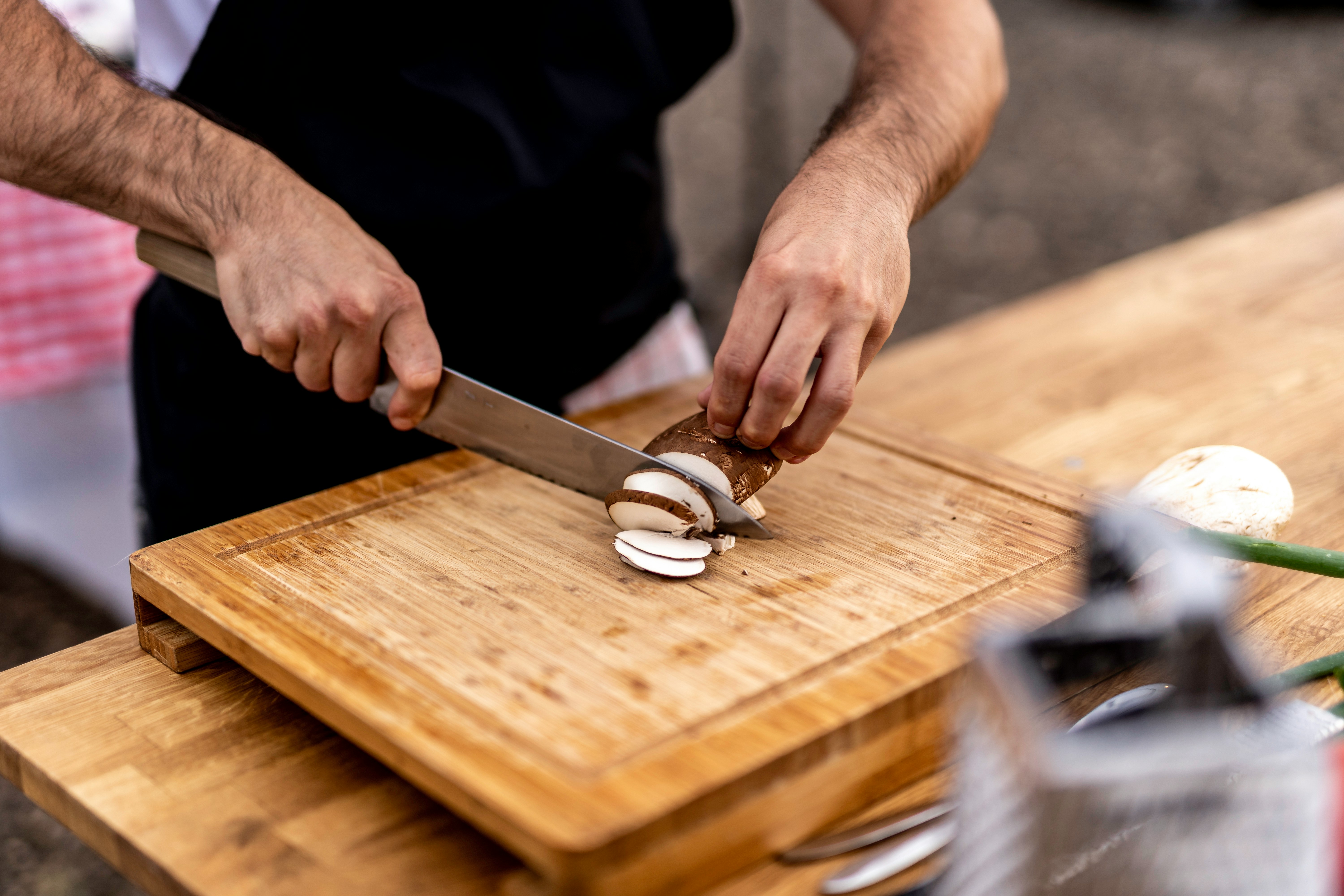
A typical day at Le Cordon Bleu consists of several theory classes, where you’re taught how a particular dish is prepared, followed by practical sessions. We learned all sorts of ways to cut vegetables, practised cleaning and filleting fish, and even broke down a hefty side of meat to get just the right cut for each dish. We simmered stocks, made julienne, kneaded puff pastry by hand, and flipped pancakes — Crêpes Suzette — until they came out just right. We moved on to easy desserts as well, including my wife’s favourite, the English-French snowballs. There were also thematic modules and standalone lectures.
One of the first lectures was on hygiene, and I was amazed by its depth and rigour. We learned to work not only with knives, frying pans, and ovens, but also with more specialized equipment — for instance, a blast chiller, the shock freezer used for rapid cooling. But technique isn’t only about machines. It also includes how you move and behave in the kitchen. For instance, how do you properly carry a tray with something hot on it? There are universal industry-standard calls — “Chaud, behind!” (a mix of French and English) — shouted loudly to warn others.
Studying at Le Cordon Bleu was incredibly engaging. From the kitchen setup to the precision of every explanation, everything is truly top-notch. At the same time, it was very demanding. Physically — there were days without breaks not just for food, but even for a sip of water — and mentally. The instructors constantly pushed you: faster, better, cleaner.
I studied alongside a very diverse group of people. From very young students with no higher education to accomplished individuals in their fifties and sixties who had sold their businesses and decided to retrain as chefs in order to open restaurants. Men and women, with and without prior kitchen experience, from the UK and Morocco, Korea and Vietnam, the US and China. A truly multicultural environment!
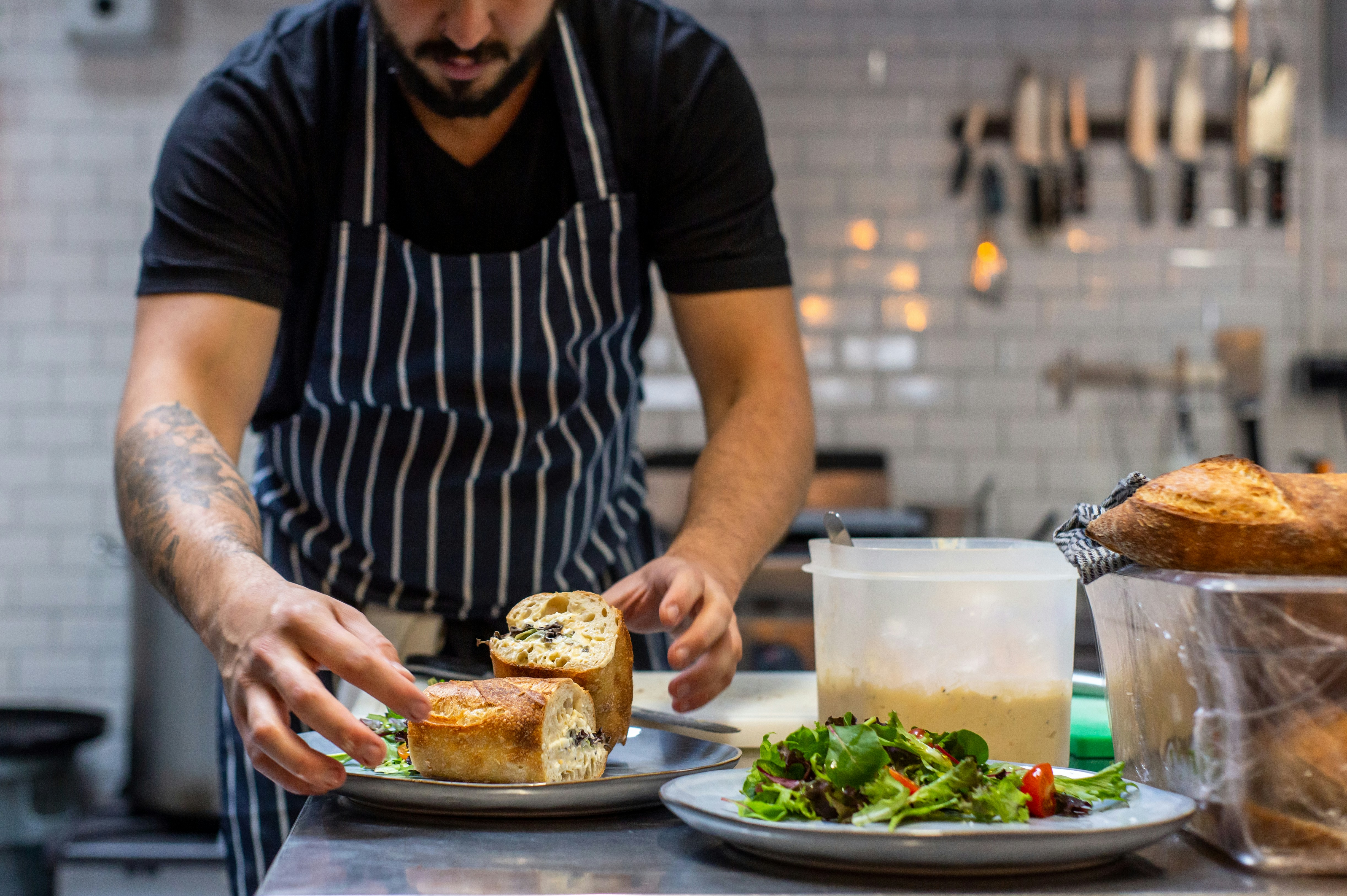
During the course, socializing was extremely important. Through classmates from other groups, you’d learn how certain internal exams had gone. Together, you’d go over theoretical material you might have missed. From the very first days, we were trained to work as a team — and that, too, was part of the education. Any restaurant kitchen is always a team.
At the end of the course comes the final exam. You have to prepare one of four dishes, all of which you have studied and practised throughout the programme. Students enter the classroom, receive their assignment and a set of ingredients, and cook entirely from memory. The jury then tastes the dishes blind and assigns grades. It’s strange, but the most nerve-wracking part — the exam itself — is what I remember the least. I had a dangerously high fever that day, close to 40°C, and even now my memory of the exam is hazy, as if everything were happening in slow motion, through thick fog. I was in no state to feel nervous.
I should mention that some people came to the course having never held a kitchen knife before. Not everyone, of course — but there were plenty of them. And after four months, they had reached a level of competence that allowed them to get a job as a chef in virtually any restaurant in the world. They had effectively acquired a profession. Every pound spent (tuition varies by year but is around £10,000 at the time of writing) turned out to be a worthwhile investment.
Many students didn’t stop at the basic cuisine programme and continued on to the Grand Diplôme, a comprehensive course combining advanced culinary techniques with pastry arts. Others took short weekend classes during their studies, accessible to a much wider audience, such as wine pairing and other more specialized topics.
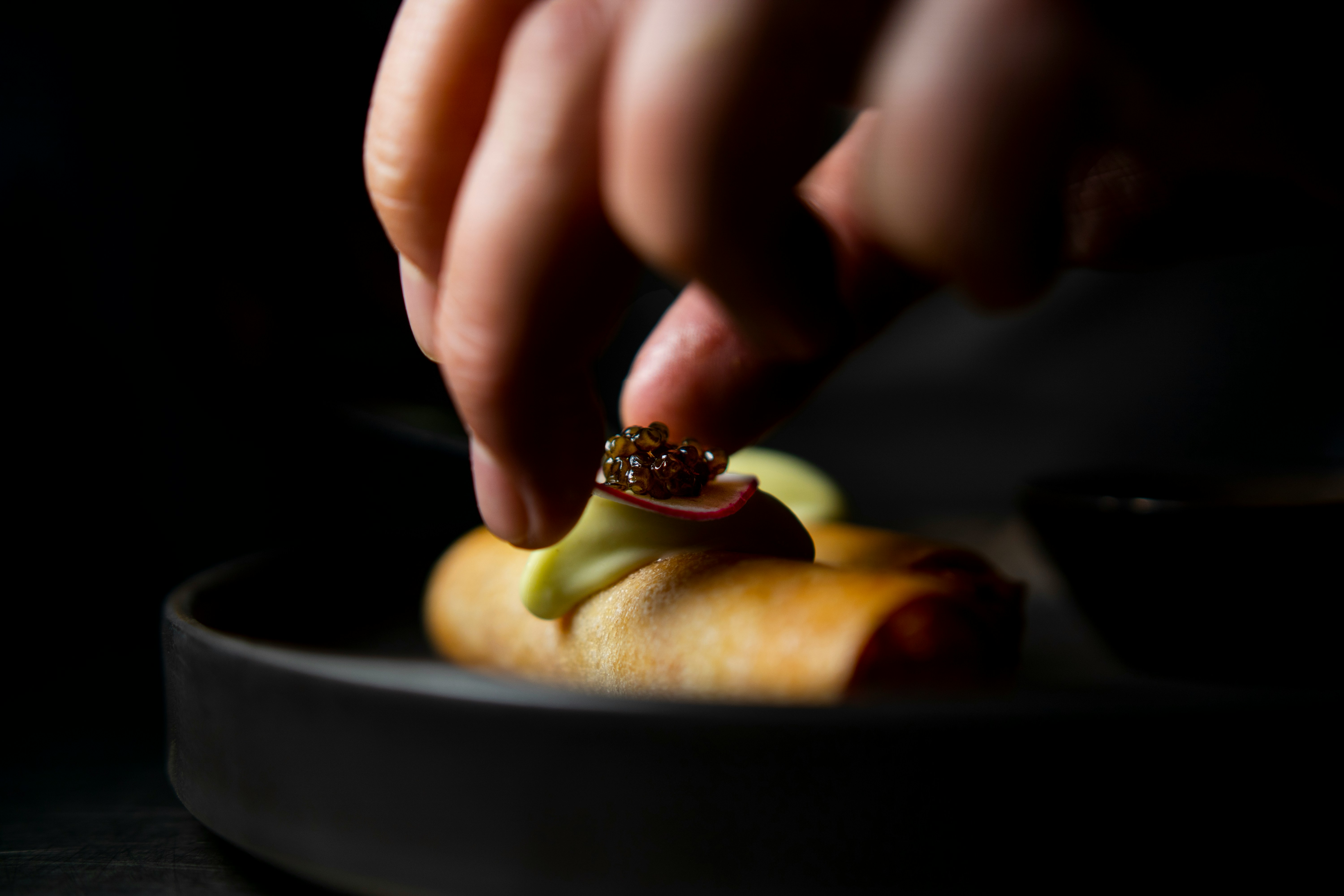
What did this course give me? At the very least, it expanded the boundaries of my world and let me experience the industry I love in a truly hands-on way. I may not cook more at home, but my perception of restaurants has changed profoundly. And, to be honest, after that lecture on hygiene, my anxiety about visiting different places went way up!
Thanks to the course, my work in gastro-travel continued to grow and take on new dimensions. Before long, I moved beyond showing the world’s best restaurants to food lovers, critics, and restaurateurs, and started welcoming chefs, too. Their expectations were different: they weren’t looking for inspiration, but for answers. They wanted to immerse themselves in the technique, to observe how professional kitchens are built and organized, and to talk with local chefs about methods, technology, and the rhythms of daily work.
One of our most memorable journeys took us to the heart of the Basque Country alongside the founders of ALTA — a contemporary Basque restaurant set to open in London. As the team prepared to bring their vision to life, they sought a deeper understanding of the region itself: its iconic restaurants, philosophy of cooking, and profound reverence for produce and fire. Brand chef Andy Cook joined the expedition, and on that path of discovery, I became their guide.
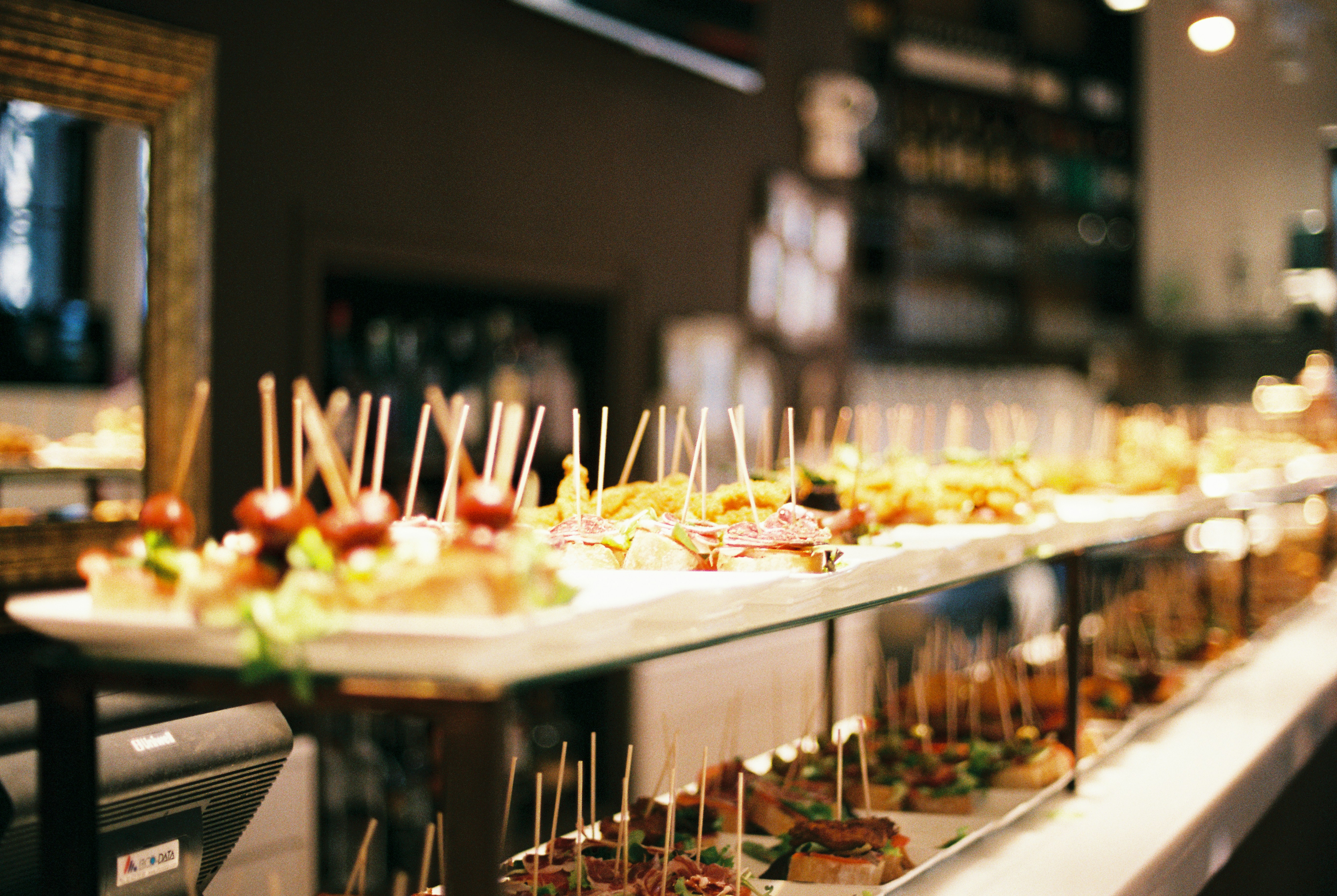
In every encounter along our Basque itinerary, familiar faces revealed themselves in new, more intimate ways. Conversations unfolded differently — richer and more nuanced than ever before. We explored the smoky perfection of Asador Etxebarri with Victor Arguinzoniz (one Michelin star, #2 World’s 50 Best), the innovative techniques of Azurmendi with Eneko Atxa (three Michelin stars), and the sea-to-table mastery at Elkano (one Michelin star, #24 World’s 50 Best). At Txispa, chef Tetsuro Maeda wowed us by blending Japanese technique with Basque ingredients, while hidden gems like Casa Julián offered a deeper taste of the region. Between pintxos bars alive with local chatter and kitchens where Michelin stars glimmered, we absorbed not just flavours and techniques, but an ethos — one that now quietly shapes every dish at ALTA.
Studying at Le Cordon Bleu was an exhilarating, intense experience — that very “course in a happy life”. I didn’t become a chef, but I learned the essential recipes: teamwork, resilience under pressure, and passion for the craft.