Richard Dadd: A Life Inside and Beyond Bedlam

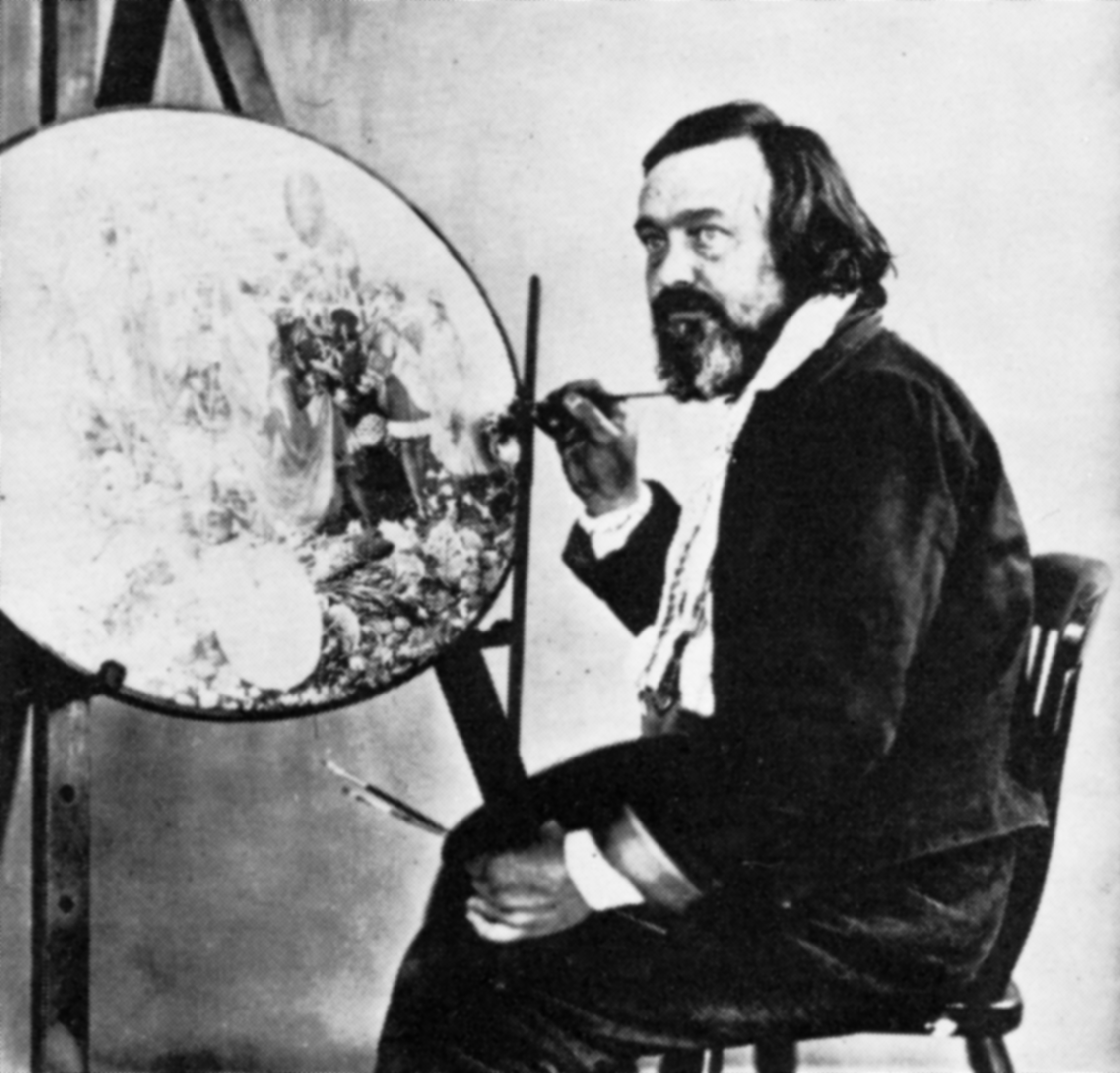
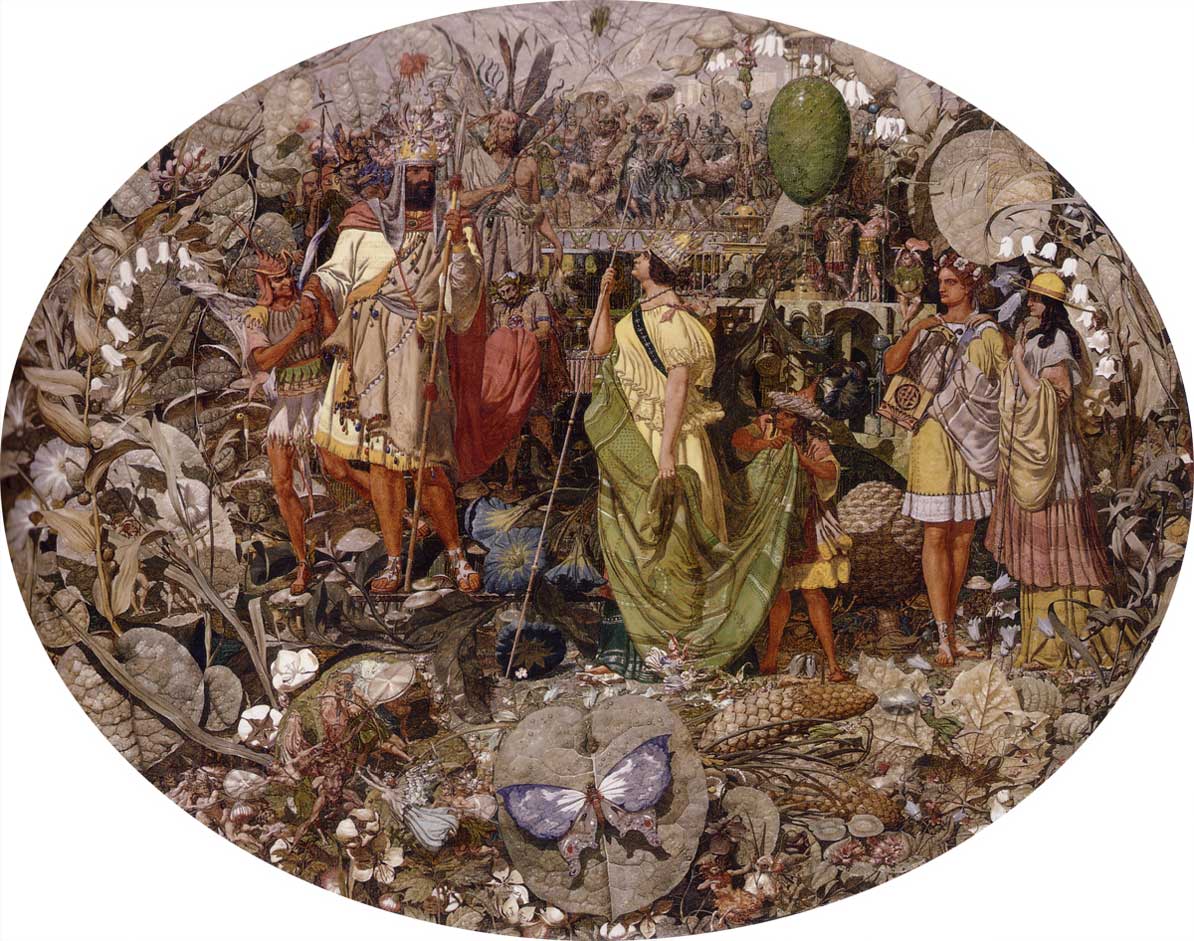
Richard Dadd was born on 1 August 1817 in Chatham, Kent, the son of apothecary Robert Dadd. He began drawing in his teens and, after the family moved to London in 1837, enrolled at the Royal Academy Schools. Almost immediately, he emerged as one of the most prominent young artists of his generation. He exhibited at the Academy and was among the founders of The Clique, an artistic circle whose members included William Powell Frith, Augustus Egg and other young painters. His reputation rested above all on intricate, inventive scenes populated by Shakespearean characters, fairies, elves, and creatures from English folklore.
In July 1842, when Dadd was 25, Sir Thomas Phillips invited him to accompany an expedition as its artist. Phillips covered his expenses in exchange for the drawings he made during the journey. Over the next ten months, Dadd travelled through Italy, Greece, the Ottoman Empire, Egypt, and the territories grouped under the name ‘Syria’ in British geography of the time. He drew ancient cities, people, costumes, architecture, landscapes, and scenes of everyday life. These observations would become an enduring source of imagery in his later work.
It was during this journey, however, that those around him began to notice an abrupt change in his condition. By the journey’s end, Dadd was suffering from severe delusions. He identified himself with the ancient Egyptian god Osiris and gradually became convinced that his own father was an impostor who must be sacrificed. After returning to England in the spring of 1843, Dadd spent some time with his family in Cobham. On 28 August, he murdered his father and fled to France. There, he was arrested after attempting to attack another man whom, according to biographical accounts, he likewise believed it necessary to kill.
Following his return to Britain, Dadd was confined to Bethlem Royal Hospital, Bedlam, where he was admitted on 22 August 1844. The hospital’s very name held a particular resonance in English culture. Derived from Bethlehem, the word ‘Bedlam’ had come to signify chaos and madness. For Dadd, however, Bedlam was no passing episode, but an entire world in which the next 20 years of his life would unfold. There, he continued to draw and paint, producing portraits of doctors and staff, fantasy compositions, and works in which memories of his journey to the East mingled with literature, mythology and his longstanding fascination with the supernatural.
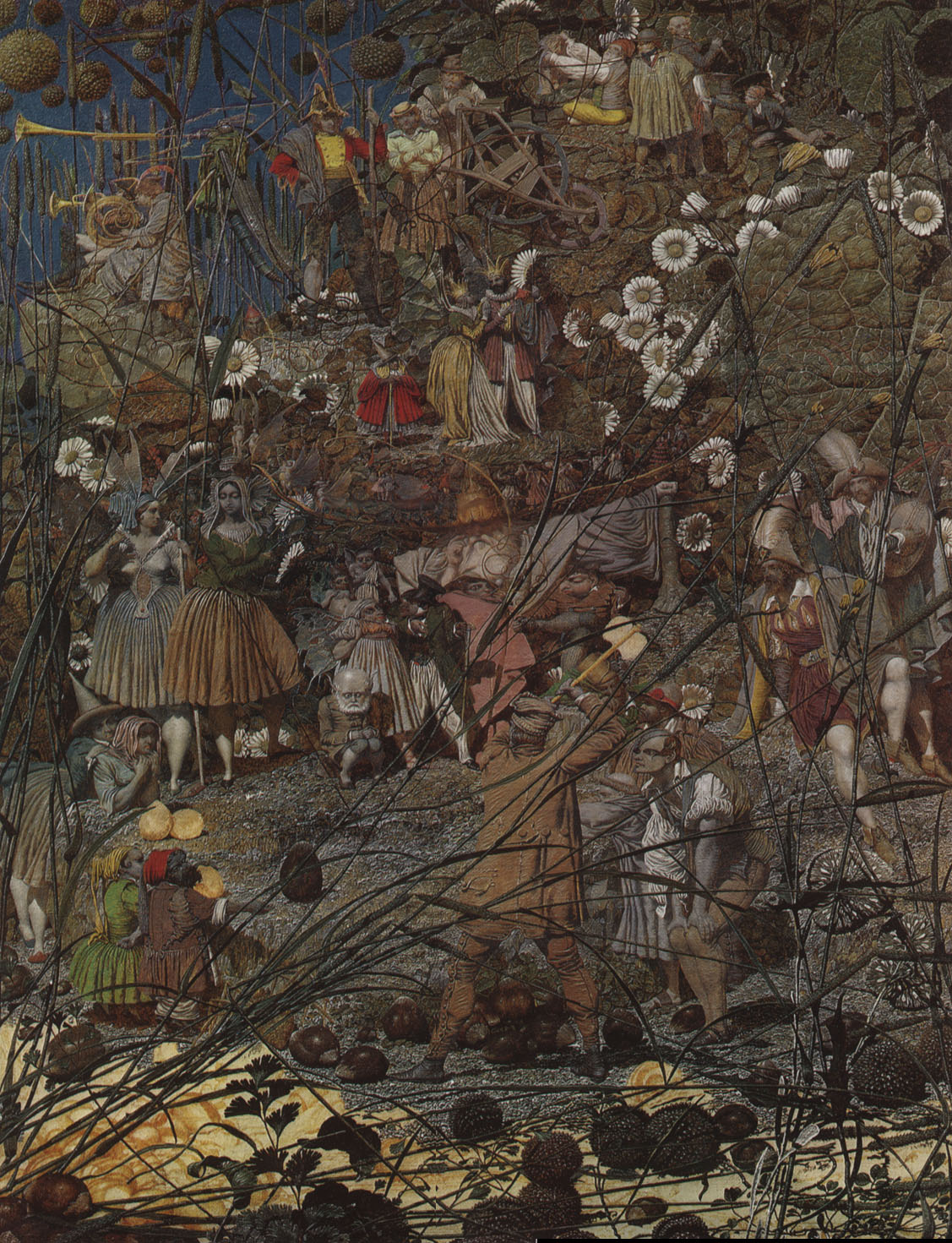
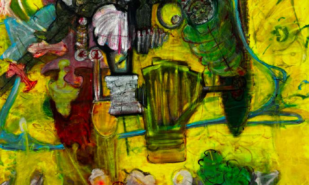
In 1853, William Charles Hood became a physician at Bethlem. He encouraged Dadd’s artistic work and collected his pictures. Many of the artist’s most important works were created during this period, among them The Fairy Feller’s Master-Stroke, on which he laboured from 1855 until 1864. The painting depicts a densely populated realm of fantastical beings, rendered with almost miniaturist precision. Figures, plants, faces, and objects inhabit a space in which familiar human proportions no longer apply, and every detail demands to be studied slowly, on its own terms.
In July 1864, Dadd was transferred to the newly opened Broadmoor Hospital in Berkshire, established for those who had committed serious crimes and been found legally insane. He lived there for more than another 20 years, continuing to work almost until the end of his life. His later works included portraits, watercolours, and compositions in which images of the eastern Mediterranean, Egypt, classical ruins and imagined spaces belonging to no particular place appeared once more.
Richard Dadd died at Broadmoor in January 1886, having spent more than 40 years of his life in psychiatric institutions. Outside those walls, his art gradually slipped from view, although interest in it revived during the second half of the 20th century. Today, Dadd is known chiefly for his fairies, but his legacy is far broader. His early academic works, drawings from the journey of 1842–43, portraits, visions of the East and paintings created at Bedlam and Broadmoor together form a body of work of extraordinary coherence, despite the rupture at the heart of his life. He began as one of the most promising young painters of Victorian England and ended his days having worked for almost half a century in isolation from the conventional art world.
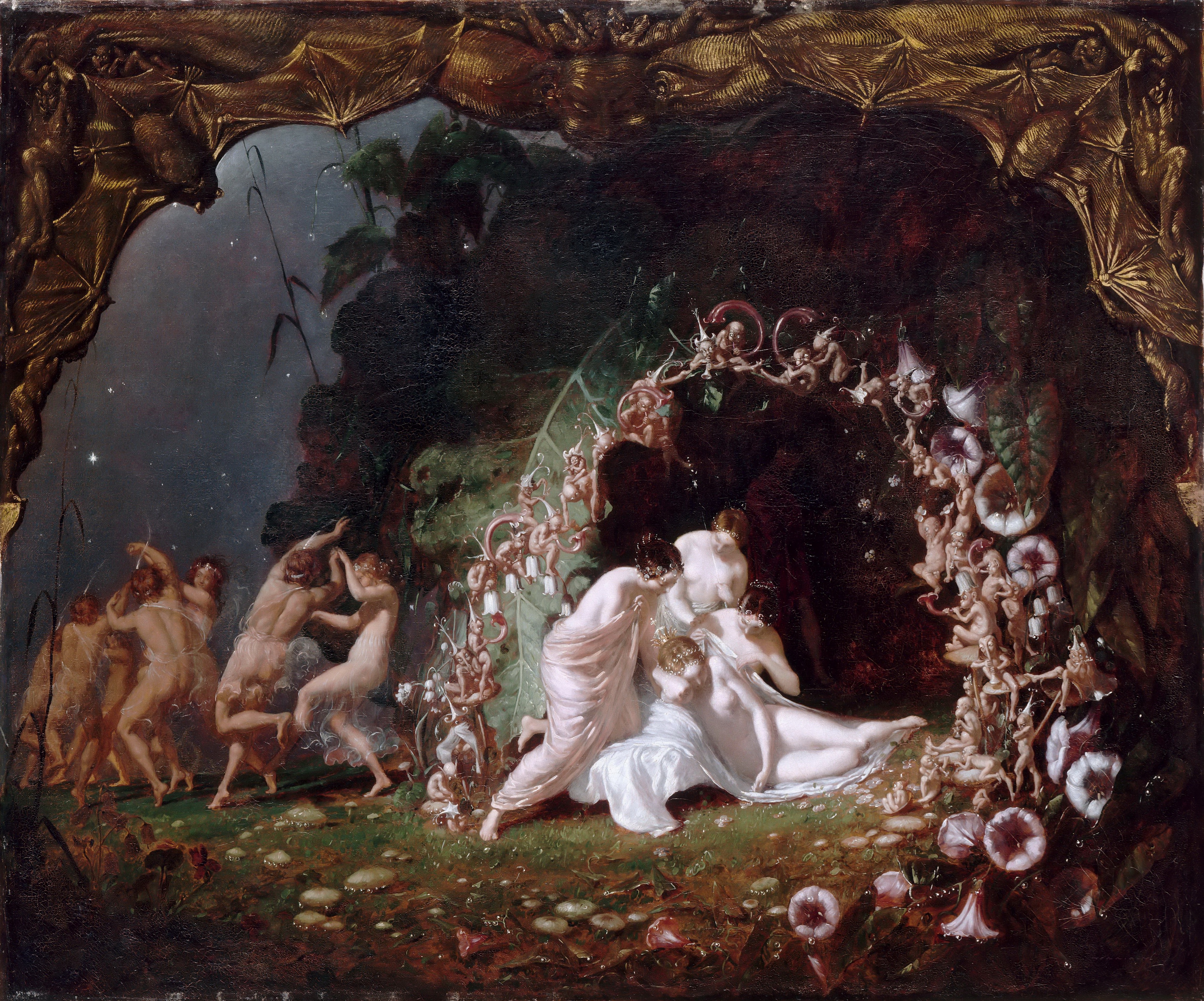

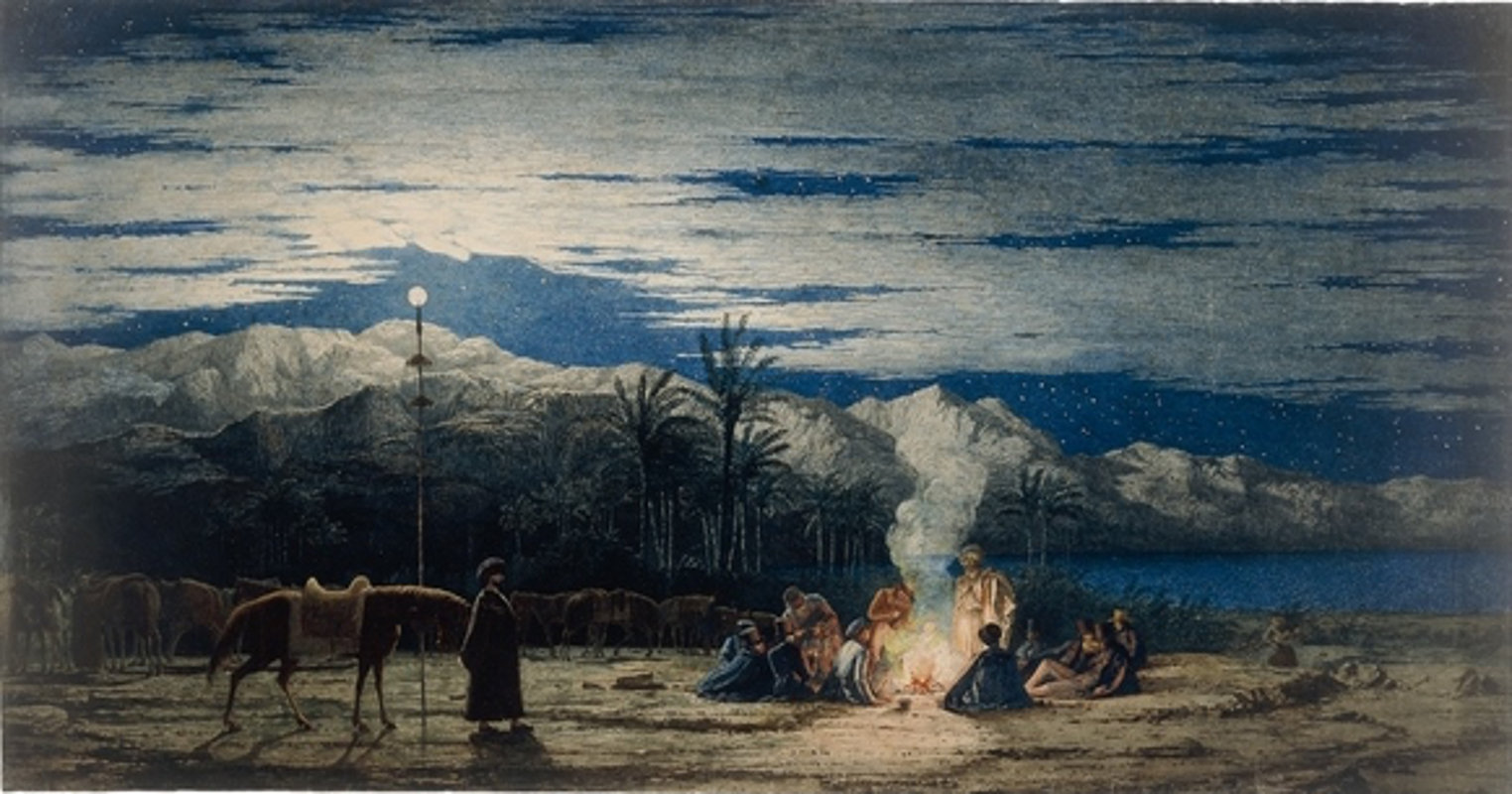
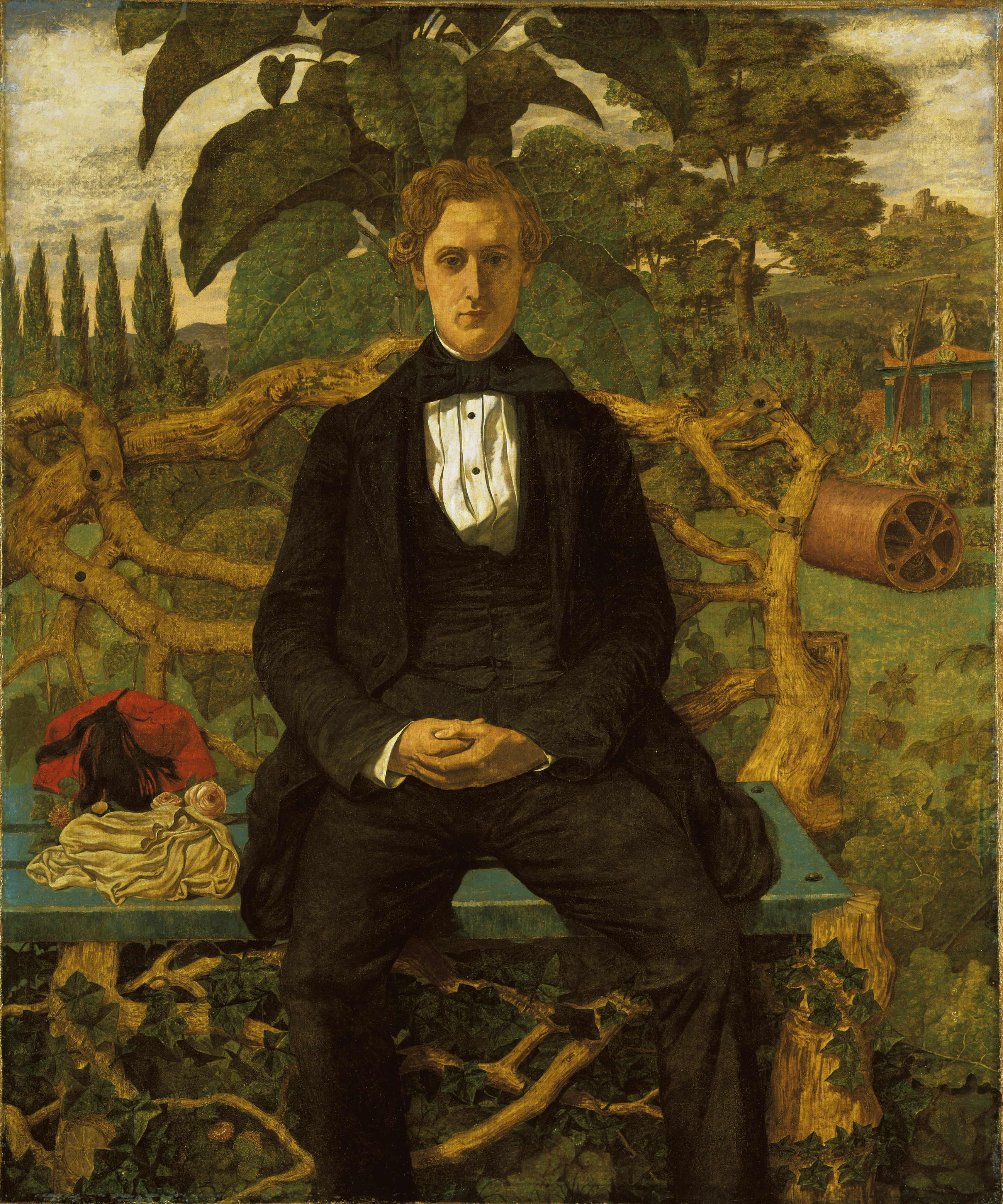
An exhibition of Richard Dadd’s works is on at the RA from the 25th of July to the 25th of October 2026