Were Our Grandmothers Ahead of Their Time?

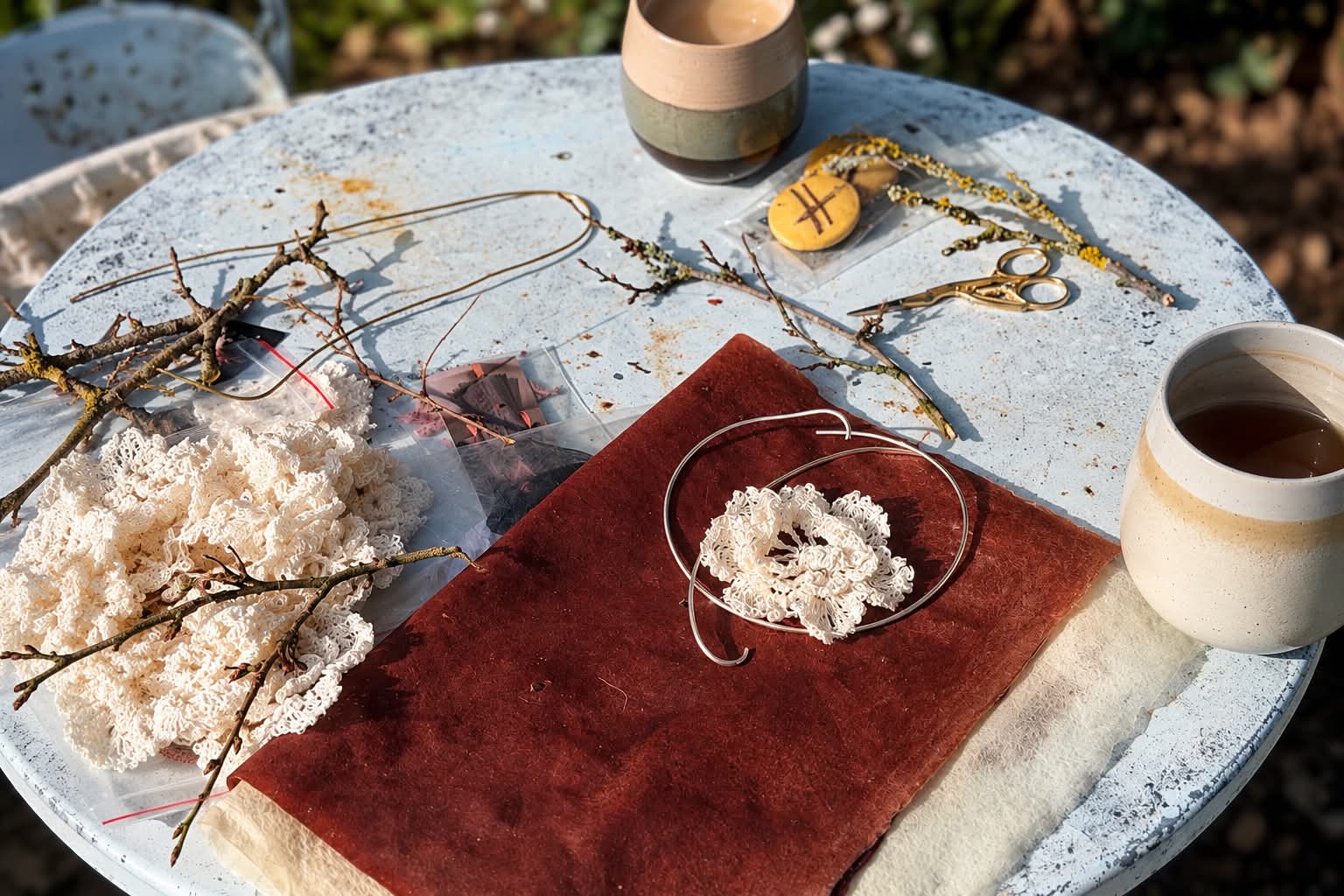
Remember how your grandmother would remake an old coat, or how your mother’s dress could become a completely new outfit for a school celebration? Leftover fabric was used to make clothes for dolls, jeans were turned into bags, and good buttons were never thrown away. Clothes had several lives, and nobody thought of calling it a fashion innovation. Today, this practice has a fashionable name — upcycling. And it seems to have had quite a successful career: from the sewing machine at home to the runways of Paris and the boutiques of luxury brands. But it is not just the name that has changed. Our attitude towards remade clothes, their value, and even the people who create them has changed too.
From Necessity to Self-Expression
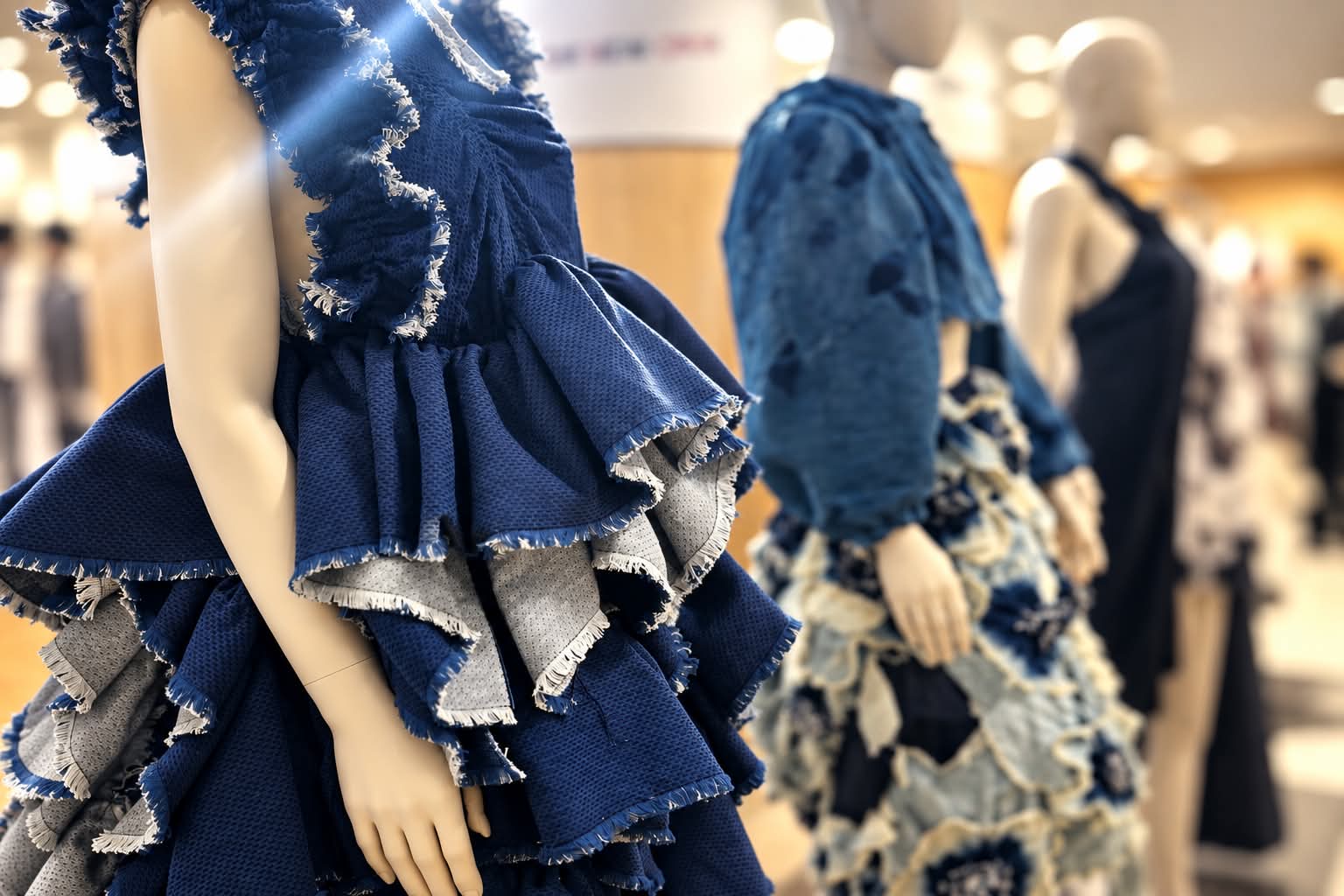
In the past, remaking clothes was mainly a way to save money. Today, upcycling at home can be a hobby, an environmental choice, a creative experiment, or even a small business. Social media is full of videos showing old shirts becoming dresses, jeans turning into corsets, and forgotten clothes finding a new life.
However, not every creation receives the same admiration. One remade item gets compliments for its originality, while another looks like an unsuccessful DIY project. And the difference is not always about the cost of the original materials. This brings us to an important distinction: knowing how to remake clothes and knowing how to create a high-quality designer product are not quite the same thing.
Design requires more than imagination. It also requires an understanding of construction, proportions, how materials behave, comfort, and durability. A well-made piece should not only look impressive in a photograph but also work as something people can actually wear. This is where the professional designer comes in, along with the possibility of turning an individual idea into a product with certain quality standards.
Of course, this does not mean that home upcycling is less valuable than professional work. Independent makers can create outstanding pieces. But a brand, at least in theory, offers customers more than a beautiful item. It also takes responsibility for how the product is made, its quality, and whether it meets the promised standards. Even when every piece is unique, the professional approach should remain recognisable and consistent.
When Old Becomes Luxury
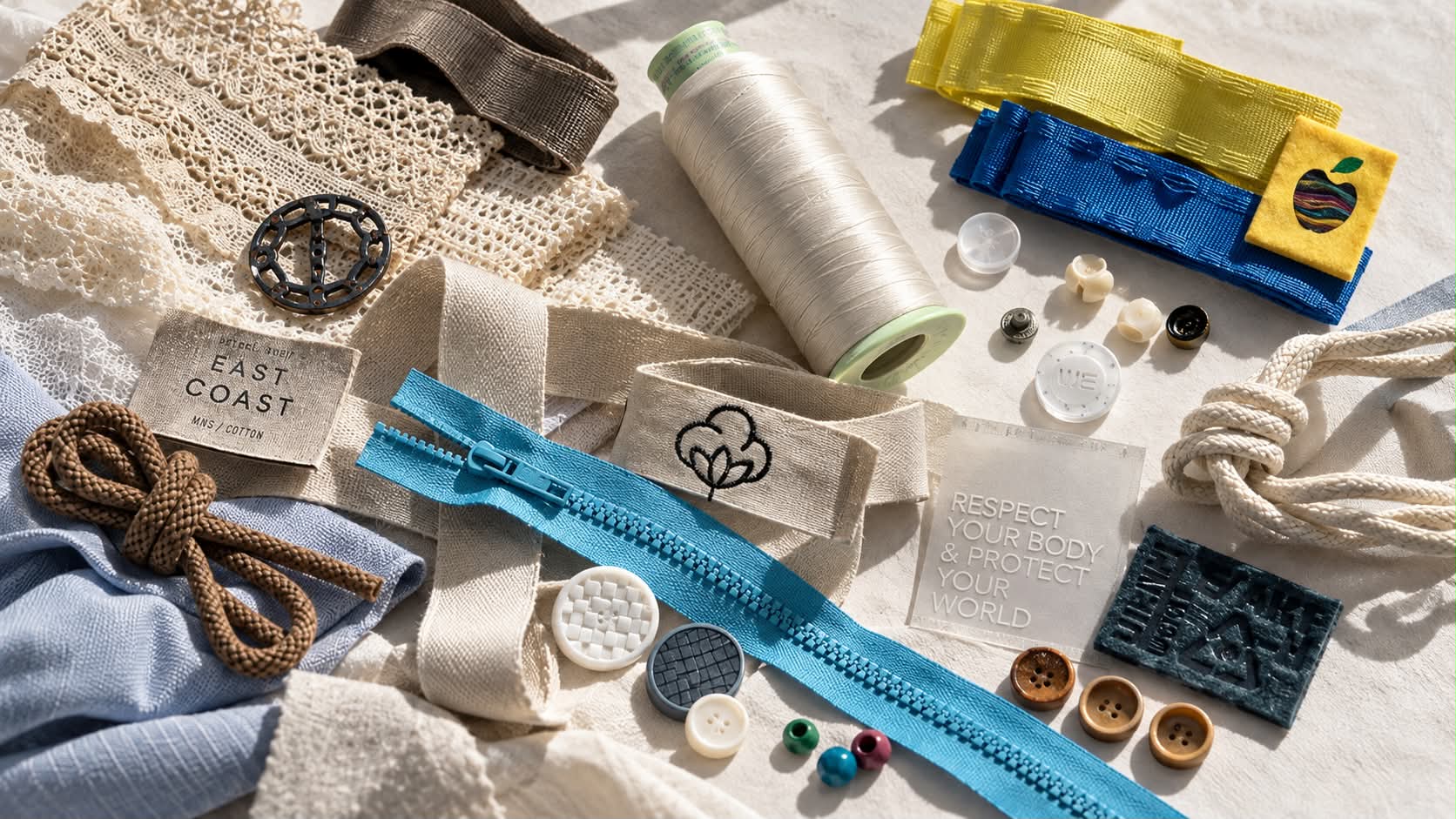
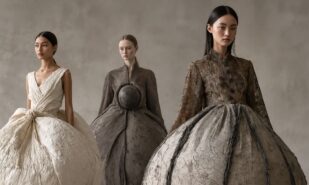
In 2026, upcycling has a clear place in luxury fashion, although designers use it in very different ways. For example, Miu Miu’s Upcycled 2026 collection used vintage cotton shirts and chino trousers. Familiar wardrobe pieces were given new shapes, decorative details, and a completely different status. Something that might once have ended up in a second-hand shop became part of an exclusive collection.
The Swedish brand Hodakova takes a more radical approach. In its Spring/Summer 2027 collection, presented in Paris in autumn 2026, the designer explored materials and objects that were never originally intended to become clothing: sails, nets, ropes, and leftover leather. Here, upcycling becomes a design language of its own, where value comes from finding unexpected uses for familiar objects.
Junya Watanabe took another direction in the Autumn/Winter 2026 collection, using the idea of assemblage. Motorcycle gear, emergency blankets, and other objects were brought together in complex sculptural designs. This approach sits somewhere between fashion and art.
These are three very different stories. Miu Miu reimagines existing clothing as a luxury product. Hodakova explores new possibilities for objects and materials. Junya Watanabe turns the combination of different elements into an artistic method. What they have in common is that the original material no longer has to serve its original purpose.
And this helps explain what customers are paying for when they buy designer upcycling. They are not paying for an old shirt itself, but for the work that has transformed it into something else: a new construction, a creative vision, craftsmanship, and, of course, a place within a particular fashion world.
A brand name adds value, but it does not replace quality. Although, let’s admit it, even a very strange remake has a much better chance of being called a bold experiment on the runway than it does at home in front of the mirror.
An Environmental Idea or a Fashion Tool?
For fashion houses, upcycling offers several opportunities at once. It allows them to create limited collections, use existing materials, offer customers unique pieces, and tell new stories. It also fits perfectly into today’s sustainable fashion conversation. But it is important not to confuse different goals.
Using old materials can genuinely reduce the need for new resources and help prevent waste. At the same time, upcycling can also be a marketing tool for a brand, a way to stand out from competitors, or a way to give a collection additional cultural value.
And there is nothing necessarily wrong with that. Fashion has always worked with images, stories, and desires. If beautiful design encourages people to look differently at things that already exist, that is a meaningful result in itself.
The problem begins when artistic or commercial value is automatically presented as environmental value. A small collection made from recovered materials does not make an entire fashion house sustainable. Just as the high price of a remade garment does not guarantee that producing it has had a lower environmental impact.
And Finally, a Little Provocation
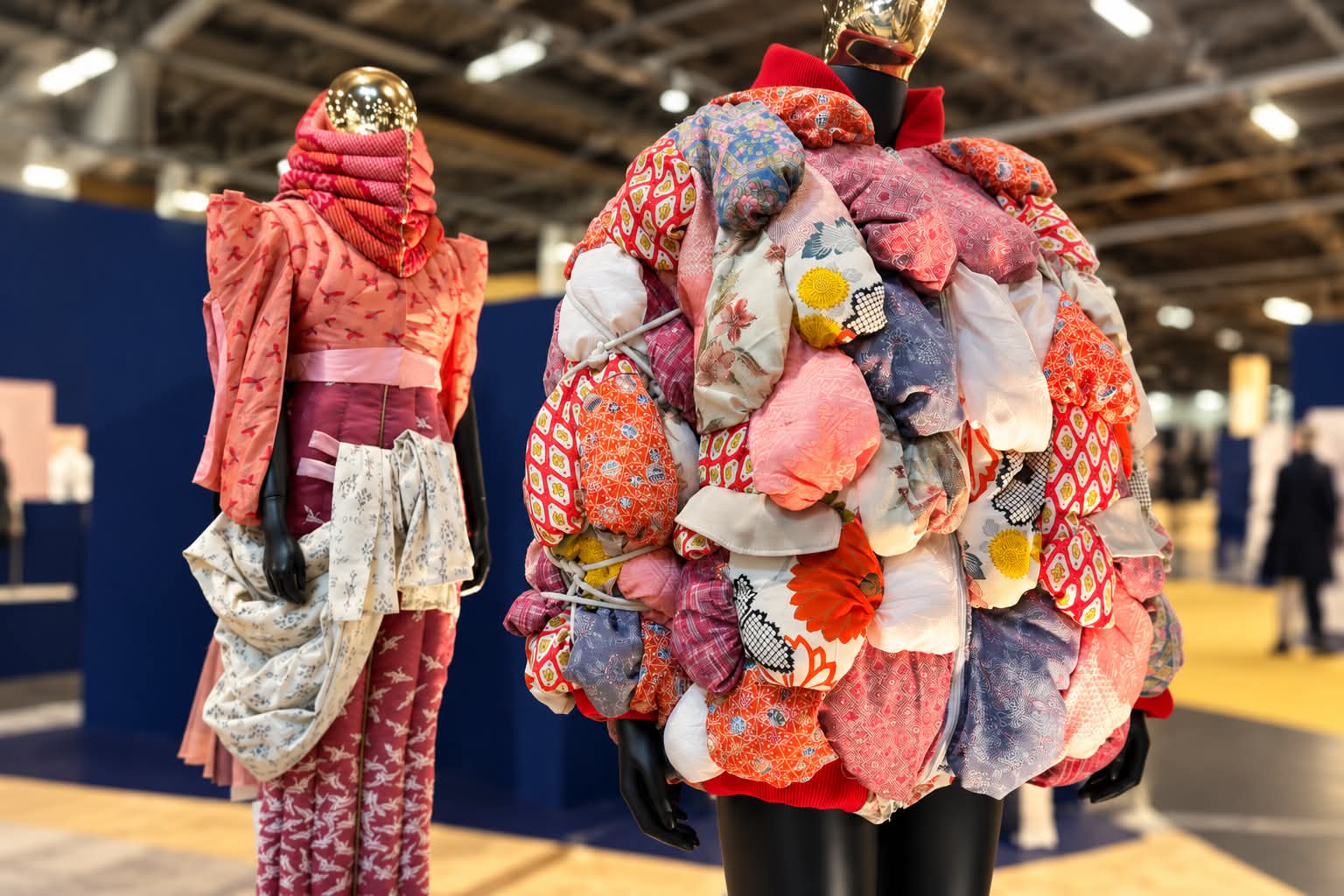
We are used to thinking that if an old item is not thrown away but turned into something new, the planet has already benefited. Imagine, for example, unsold jeans that are sent to become interior panels instead of being destroyed. The fabric is shredded, mixed with binding materials, pressed, treated, and turned into a new product. Technically, this is upcycling. And it may well be a successful example.
But how many additional materials and how much energy were needed for this transformation? How long will the new product last? Can it be recycled again? And would it have been better for the environment to keep the jeans as clothing? The answer depends on the technology used and the entire life cycle of the product. The word upcycling alone guarantees nothing.
Today, as the fashion industry faces growing pressure to deal more responsibly with unsold stock and production waste, reusing materials is becoming an especially attractive solution. But it can also become a convenient way to give an old problem a new and more attractive appearance.
And this is not only about large brands. Small businesses can also use environmental language without properly considering the real impact of their decisions. This is where the line between sustainable design and greenwashing begins – when a company tries to appear more environmentally responsible than it really is.
Our grandmothers, of course, did not calculate the carbon footprint of a remade coat. They simply tried to make a good piece of clothing last as long as possible. Perhaps modern upcycling should remember this simple idea more often. Its purpose does not always have to be turning every old item into a new product. Sometimes, it makes much more sense to let something remain exactly what it already is. Otherwise, we risk becoming very good at turning old things into beautiful new products, without ever learning how to produce less unnecessary stuff in the first place.
Photo: Tasha Lapidus/Personal archive