Fashion in 2026: Giving Clothes a Second Life Becomes a New Market

November is a good time to look back at the year. What were the main sustainable fashion trends of 2026 in the UK and beyond? Which ideas have reached the shops, and what can London Cult. readers find today?
Textile recycling, upcycling, repairs and resale are nothing new. But this year, more of these ideas moved from small projects into commercial collections and regular retail services, and not only from independent designers. Major high-street brands are joining in too.
New Fabrics from Old Clothes
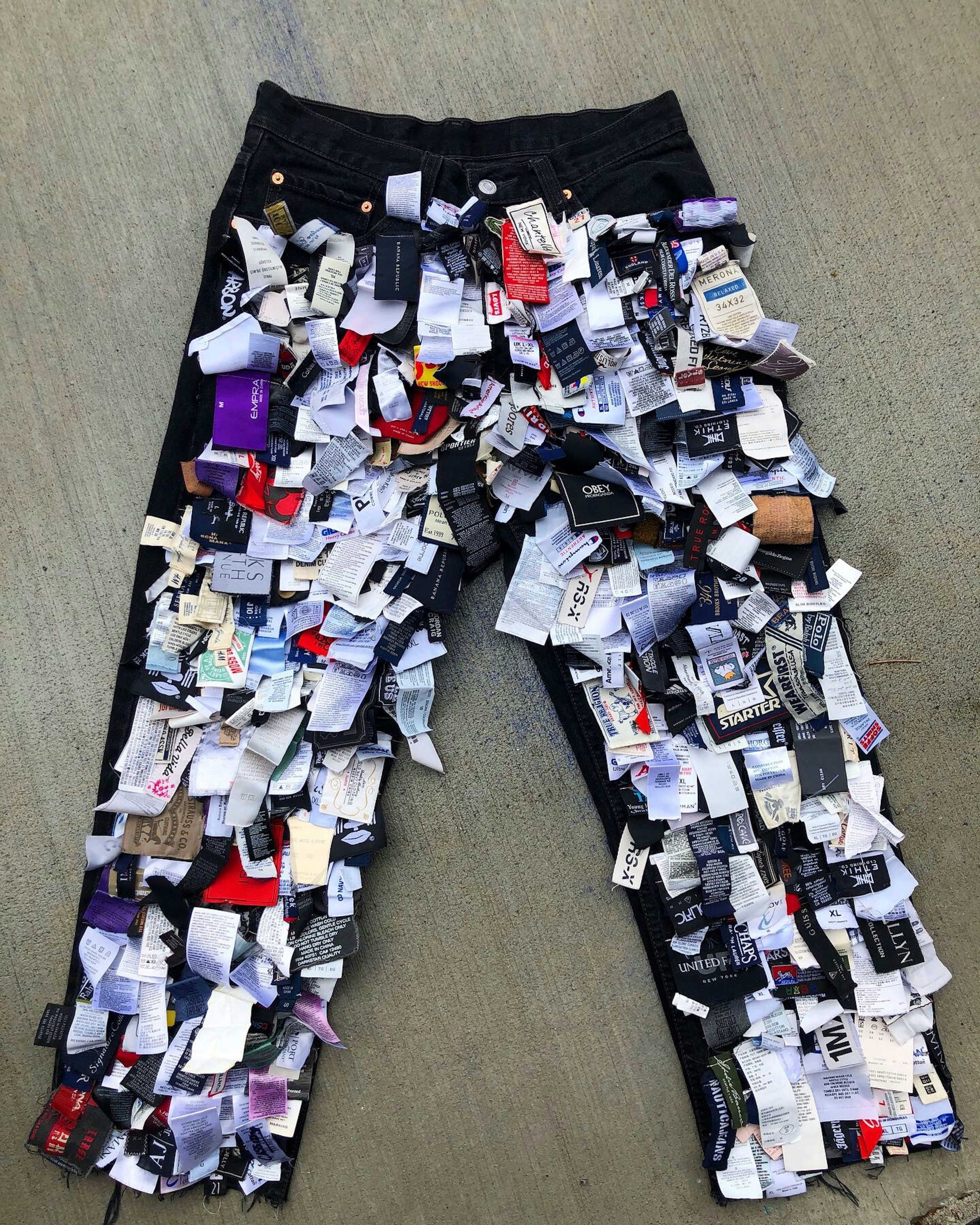
In July, H&M introduced men’s jeans made with TENCEL™ | Circ® fibres. The fibres were produced by Lenzing using pulp from Circ, which recycles textile waste.
One challenge in textile recycling is blended fabrics. Cotton and polyester are often mixed, which makes them difficult to separate and reuse. Circ’s technology separates the two materials, recovering cellulose and polyester. The cellulose is then used to produce lyocell, a fibre for making new fabric.
The lyocell fibres in the H&M jeans are made with 30% Circ pulp recycled from textile waste. Two styles joined the brand’s regular men’s denim range, including in the UK. This shows how textile recycling technology is reaching everyday high-street fashion.
Upcycling Becomes Part of Fashion Collections
In June, Uniqlo worked with graduates from London’s Central Saint Martins to launch Everyday Re.Imagined. The collection uses clothes returned by customers, including items with minor defects.
The graduates designed ten styles, which are made from existing garments by tailors at RE.UNIQLO Studios. Prices range from £29.90 to £89.90. The collection launched in fifteen studios across the UK and Europe, including Uniqlo stores on Oxford Street, Regent Street and in Covent Garden.
Upcycling is also growing in luxury fashion. Miu Miu continues its Upcycled programme, while Coach creates products from previously used materials through Coach Repurposed. In these collections, the fabric’s history becomes part of the design, and signs of its previous life may remain visible.
Old Clothes Return to the Shops
More brands are finding ways to resell their own clothing. Marks & Spencer launched a second-hand clothing shop on eBay in 2025. Customers can send unwanted clothes, shoes and accessories to its partner, Reskinned. Suitable items are checked, cleaned and, if needed, repaired before being sold again.
WRAP, working with eBay and Reskinned, tested resale schemes at M&S, Nobody’s Child, Oliver Bonas and N Brown Group between 2024 and 2025. The findings, published in November, estimated that scaling up resale could unlock up to £2.3 billion for UK fashion brands.
Brands take different approaches. Some offer shopping vouchers for unwanted clothes. Others sell pre-owned items through their own websites or partner marketplaces.
In October, Patagonia moved its Worn Wear resale programme onto its main online shop. London Cult. readers can now buy new and second-hand Patagonia clothing in the same order.
Finding New Value in Existing Clothes
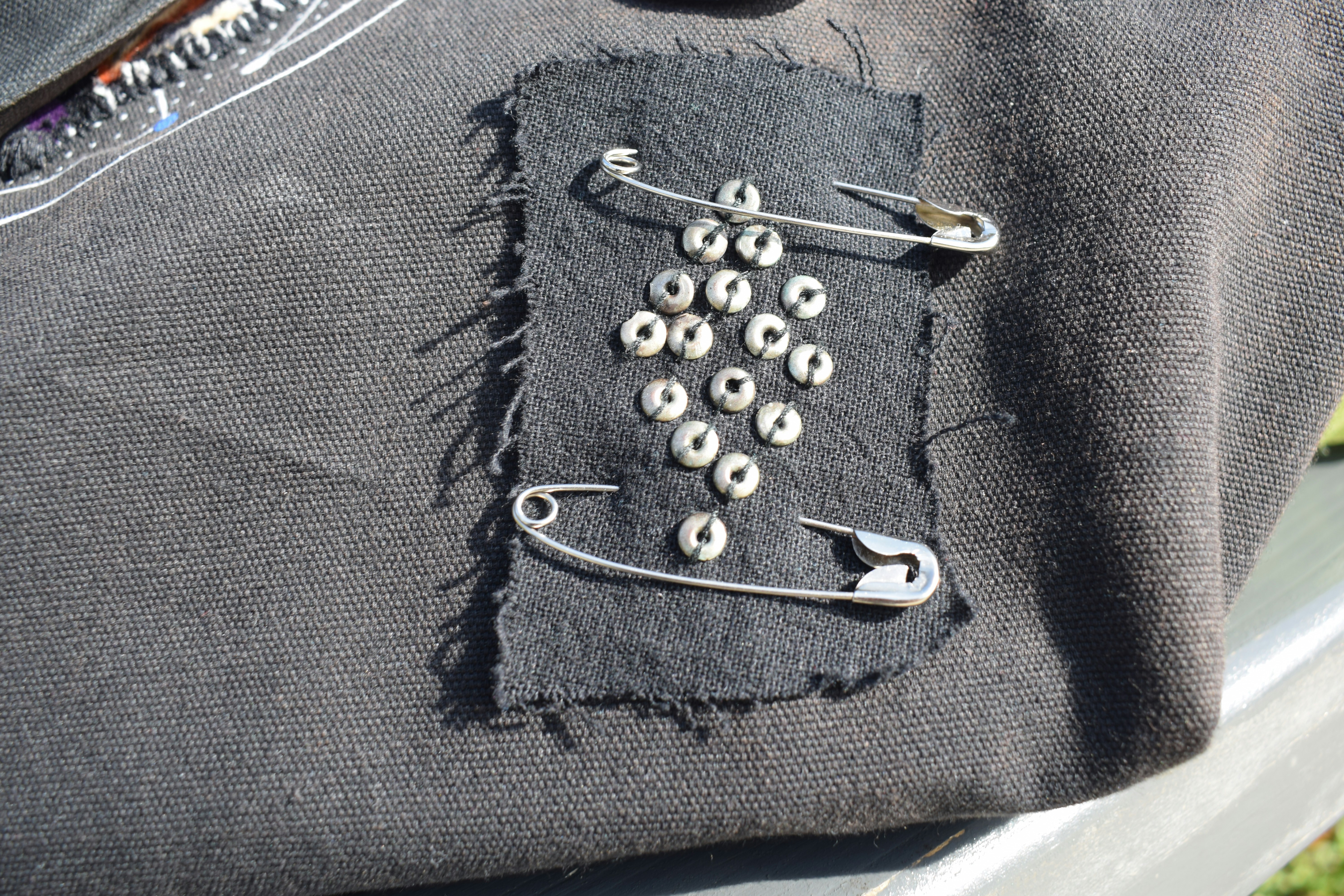
Archive pieces, unused fabrics and leftover production materials are also being used in new collections. For designers, they offer a chance to create smaller, more unusual collections. For customers, they offer something different from the latest seasonal styles.
Resale, upcycling and textile recycling are different processes. Resale keeps a garment in use. Upcycling changes its design. Textile recycling turns old materials into raw materials for new production. None of these approaches is automatically better for the environment: transport, processing, durability and whether a second-hand purchase replaces a new one all matter.
What Has 2026 Shown Us?
The biggest change this year is the growing range of products and services that fashion brands can offer. Alongside new collections, we now see repaired clothing, fabrics made from textile waste, designs using archive materials and more repair services.
These areas still make up a relatively small part of the fashion market. But the efforts of H&M, Uniqlo and British retailers show that giving clothes a second life is becoming more than an environmental initiative. It is now a real business model.
Fashion will always create something new. But increasingly, the industry is learning to make better use of what already exists.