
Herbert Morales. The Man Who Carried the Light

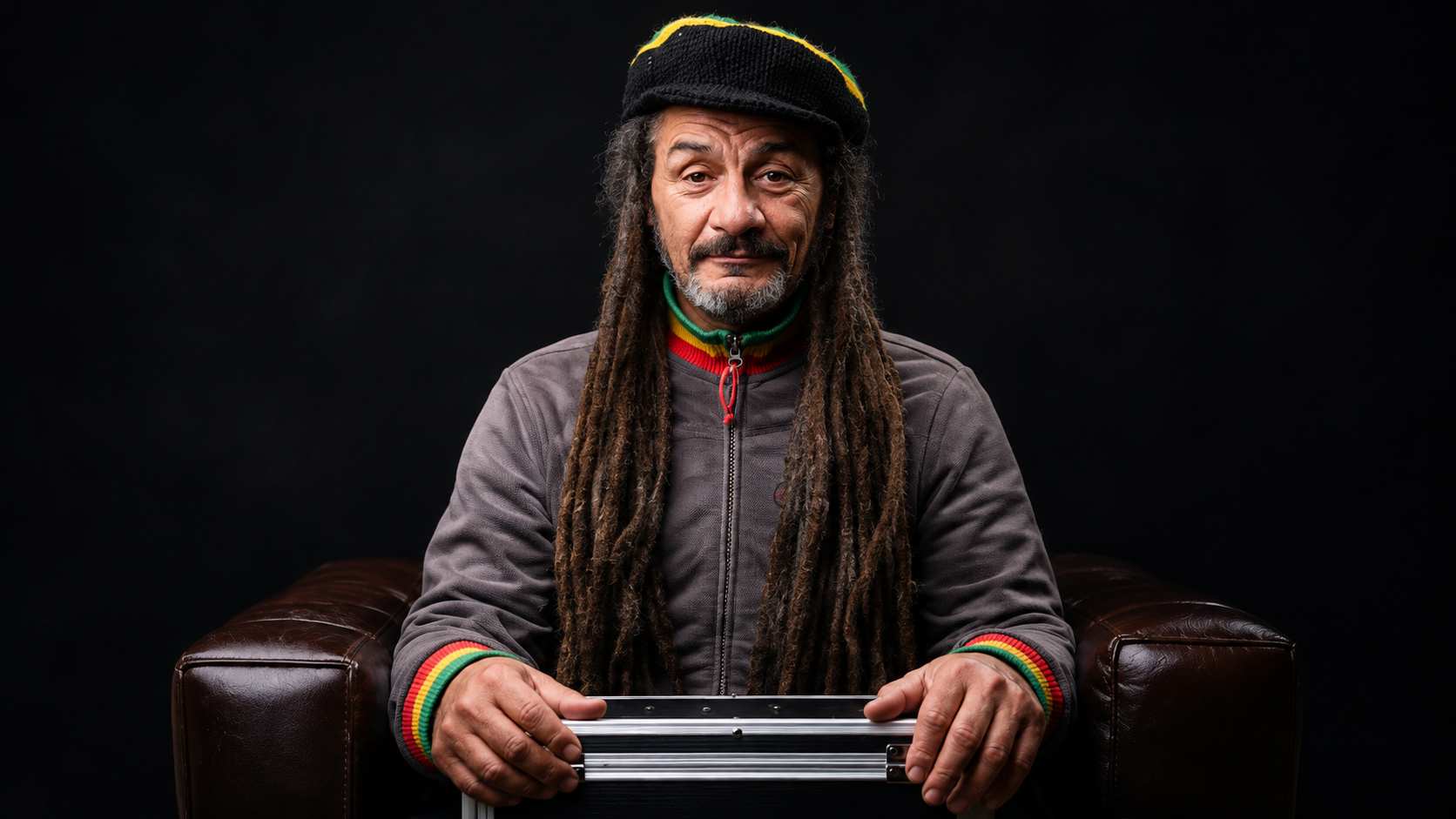
Two days before his 65th birthday, Herbert Morales passed away. He will go down in music history as one of the founders of the legendary Jah Division, one of the creators of Russian reggae, a poet, a musician, and a preacher of freedom. For those lucky enough to know him personally, he will forever remain Gera, an amazing person beside whom the world became a little kinder, brighter, and freer.
There are people whose death seems especially unjust. As if, by some absurd mistake, the world has lost a person who was supposed to live forever. To walk the earth, hug friends, sing his songs, laugh, argue about lofty things and about the most mundane things, brew tea, make incredible plans, and continue his endless journey.
Gera was exactly that kind of person.
I was lucky to know him since my youth. We spent a lot of time together, and the memory of him is still inseparable from my own life, from that distant, beautiful, and reckless youth when eternity lay ahead, and it seemed that friends would always be near.
Now one has to get used to the thought that Gera is gone. How hard that is when a person had so much life in him that it is almost impossible to imagine the world without him.
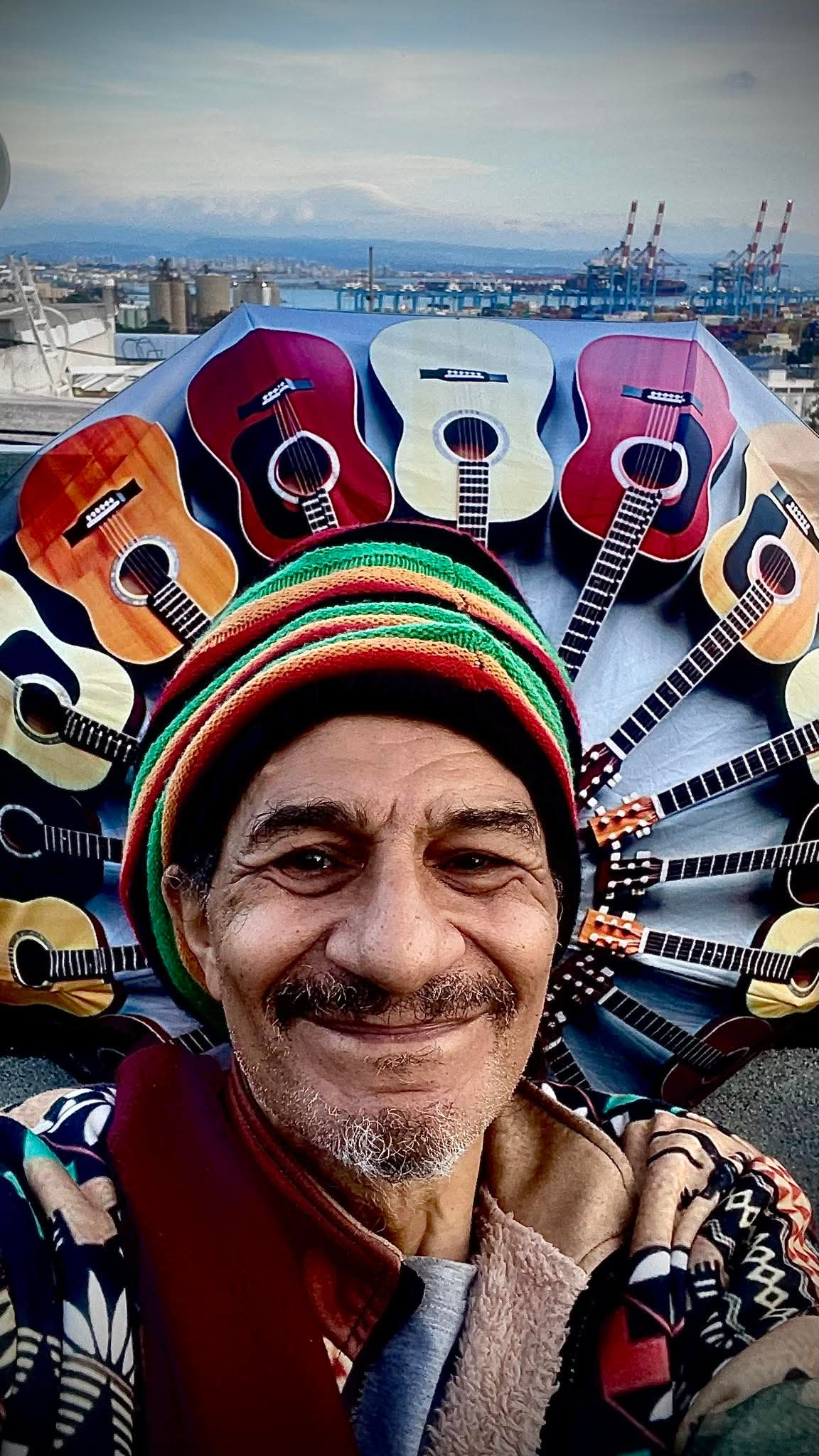
Herbert was born in Moscow, into an amazing family. His father, the Cuban revolutionary Leopoldo Morales, was a comrade-in-arms of Che Guevara. His mother came from the ancient Russian Zakharyin family, which gave Russia outstanding doctors and statesmen. The Cuban revolution and the Russian nobility, Orthodox culture and African roots, the poetry of the Silver Age and the music of distant Jamaica—all this came together in one person.
Gera’s childhood was spent in a Moscow communal flat. He learned to play the cello, read voraciously, studied languages, and was passionate about poetry. At his mother’s wish, he finished medical college, worked in hospitals, and came face to face with human pain and death. Perhaps it was then that he felt especially acutely how precious life is and how important it is to manage to make it better, at least for a few people.
He found his true calling in music.
First came the acoustic guitar. Moscow kitchens, flat gigs, the songs of Galich and Vertinsky, the poetry of Gumilyov and Kharms. In that Moscow, much was forbidden, and everything genuine happened behind closed doors. Gera sang about freedom long before it became a common slogan.
He had a gift for hearing the kinship between the music of the most different cultures. From Russian romance to Jamaican reggae was just a step away for him. In both, he heard the same rhythm of the human heart.
And then Bob Marley came into his life, and everything fell into place.
In the early nineties, Herbert, together with the poet Alexander Delfinov, created Jah Division. Today it is hard to imagine how unusual this band was for Moscow at that time. In a country that had not yet managed to sort out its own past, there appeared musicians singing about Jah and Zion, about Babylon, about love, freedom of consciousness, and human dignity.
Their music sounded defiant, joyful, at times completely insane. Behind its exoticism stood a serious philosophy.
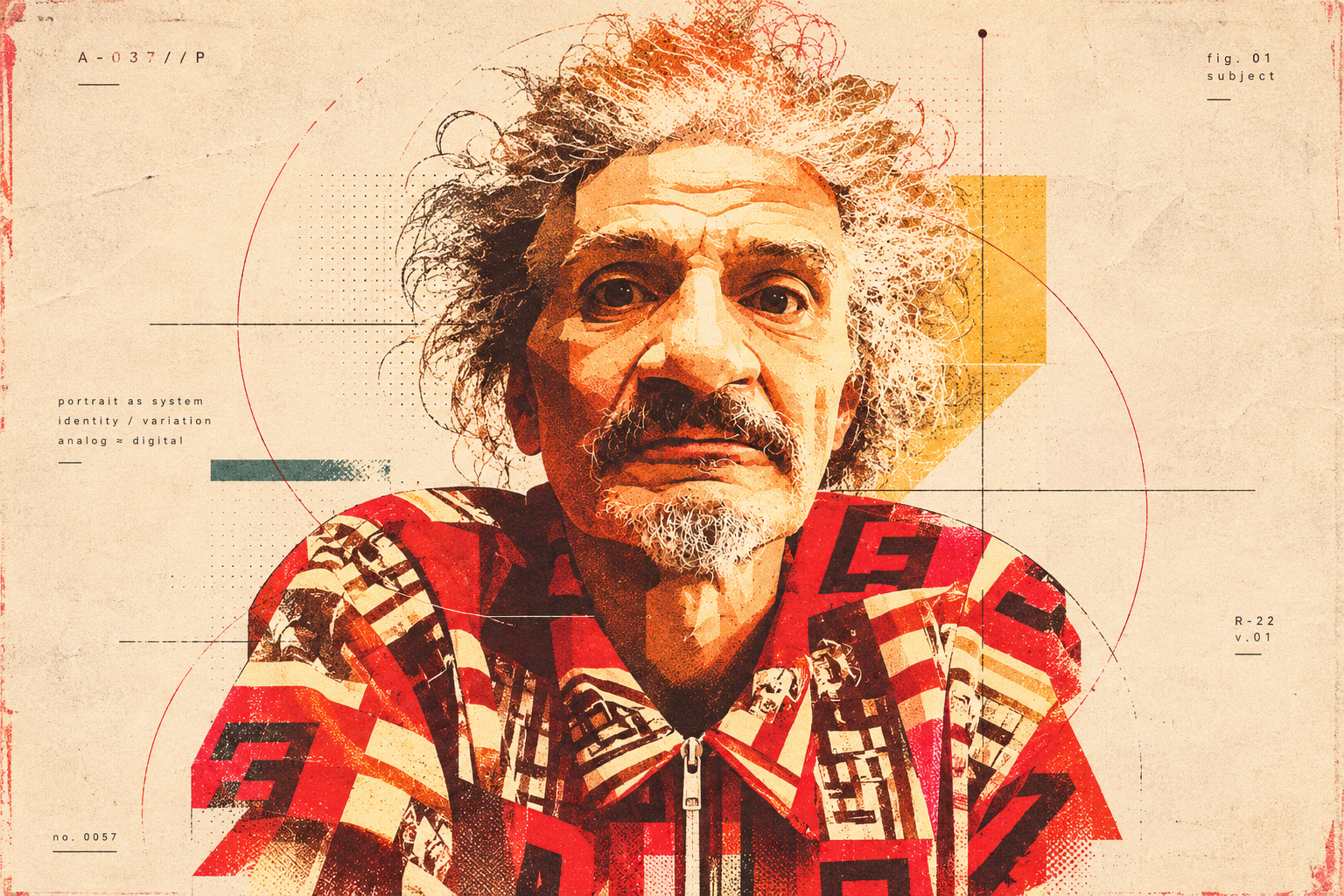
Gera called Babylon the world where fear, greed, hypocrisy, and power over others become the meaning of existence. In opposition to Babylon stood Zion, where a person could live freely, love, and be honest with himself.
Gera wrote about himself: “Reggae came to me not as a style, but as a path. It is not just music—it is prayer, it is resistance, it is the pulse of the Earth. Jah opened my eyes to the fact that the main thing is love, consciousness, and spirit, and not how you look, what you have, and who stands over you. In my life I have sung in the streets, at festivals, in stadiums, in monasteries, in the USA, Israel, India, Montenegro, in the heart of Moscow. I sang for people and for God. Sometimes to save someone. Sometimes to save myself. My life is a story of music, faith, and a fire that cannot be extinguished in me.”
Gera had his own revolution. A guitar was enough for it.
The song “Cubana,” with its famous chorus “Cuba, Cuba, Cubana,” became an anthem for an entire generation of Moscow Rastafarians. It was followed by “Jah Taught the Rastaman,” “Africa,” “Fairy Tale,” “Time-Sand,” and dozens of other songs in which cheerful mischief coexisted with philosophy, mysticism, and beautiful Russian poetry.
Jah Division quickly became a cult band. It was listened to by people whom in ordinary life it was hard to imagine in the same company: artists, students, hippies, intellectuals, punks, philosophers, musicians. Gera somehow managed to find a common language with everyone.
Over time, his music was heard in Europe, America, Israel, and India. He performed at major festivals, collaborated with well-known musicians, appeared in films, and recorded albums with the Polish band Dubska.

Much about Gera is already told by what he set out on the road for. He sought encounters with people, with music, with nature, with God, with himself.
He lived for a year in Bodh Gaya, India, where the Buddha attained enlightenment. He lived in Montenegro, where he sang in the local language. In Israel, he organized reggae festivals, trying to bring together under one roof people of different nationalities and faiths.
It cost him nothing to unite what others saw as incompatible: Agni Yoga with Rastafarianism, Christianity with Buddhism, Russian poetry with African rhythms.
He even took up creating fragrances. In smells, Gera heard music; every aroma had its own melody. His perfume Jah Divizion No. 1 became another attempt to express the elusive, to convey his sense of the world through the scents of resins, herbs, wood, and incense.
To some, all this might have seemed eccentricity. Being an eccentric suited Gera. He was a true magician, one of those rare people who have enough imagination to create their own universe and enough generosity to invite others into it.
Music always meant more to him than entertainment. He played in orphanages, hospices, nursing homes, and psychiatric residential institutions. He sang for those who especially needed attention and human warmth.
In an autobiographical text that he left behind, there are these words:
“I do not sing so that people will listen to me. I sing so that someone will remember themselves.”
It seems to me that nothing could be more precise about what he lived for.
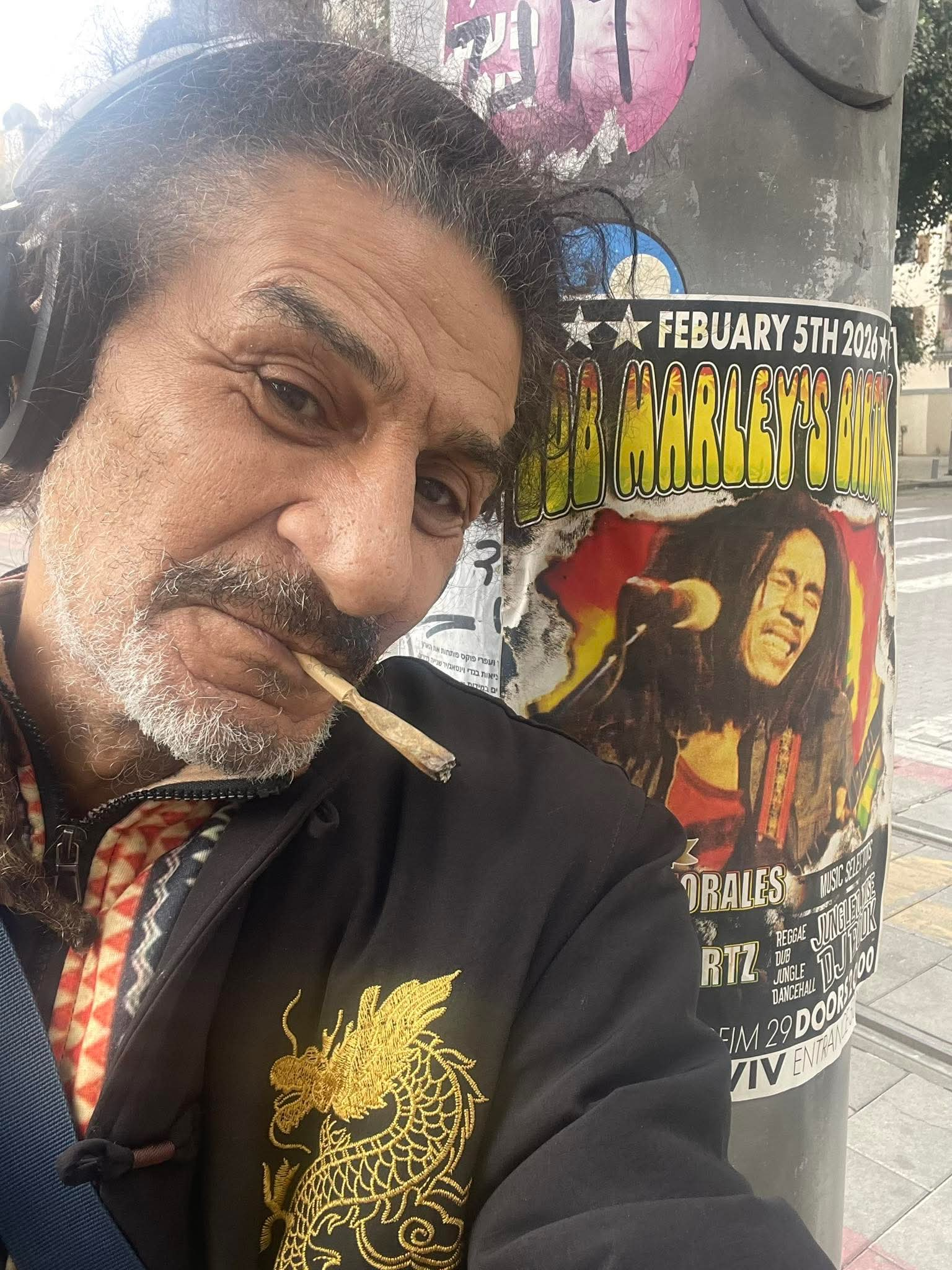
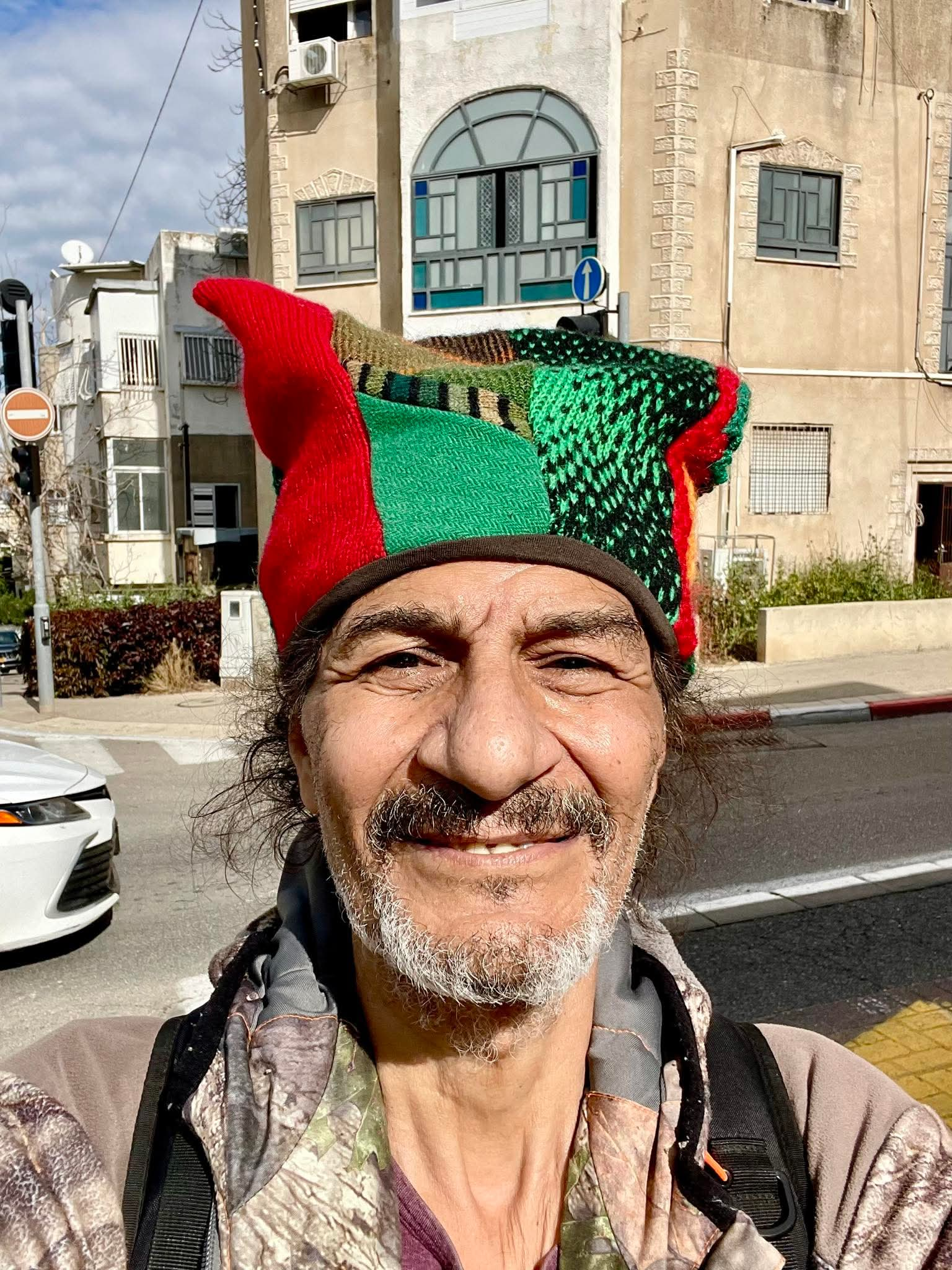
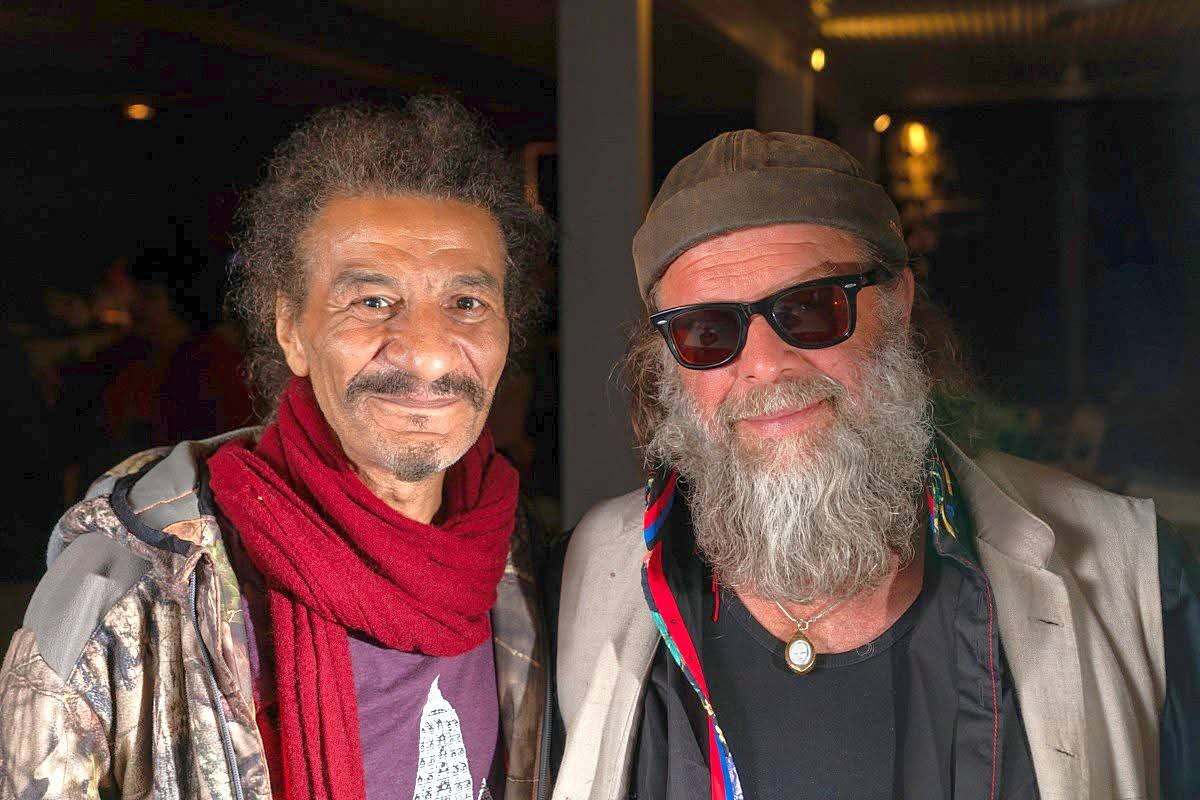
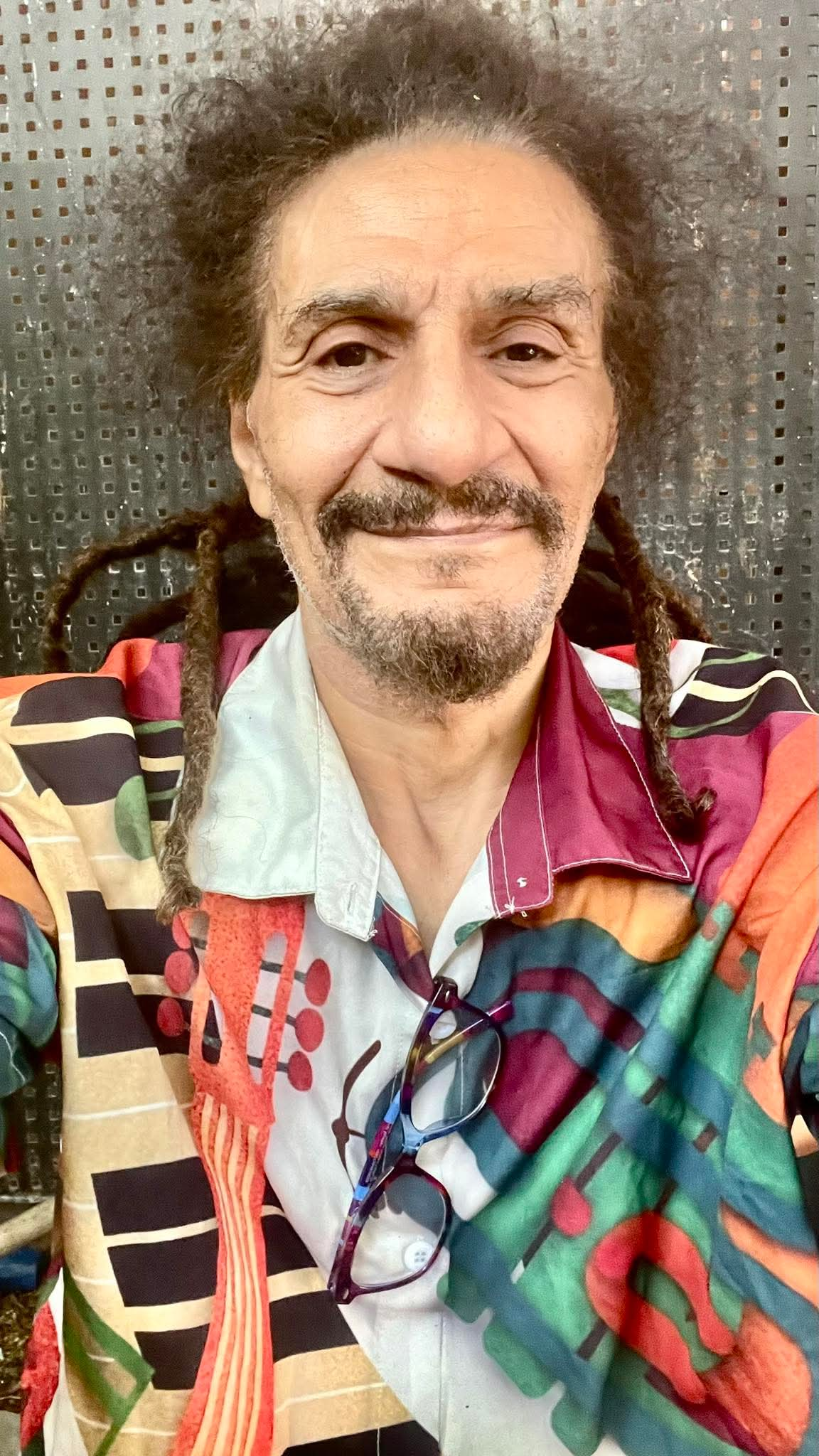
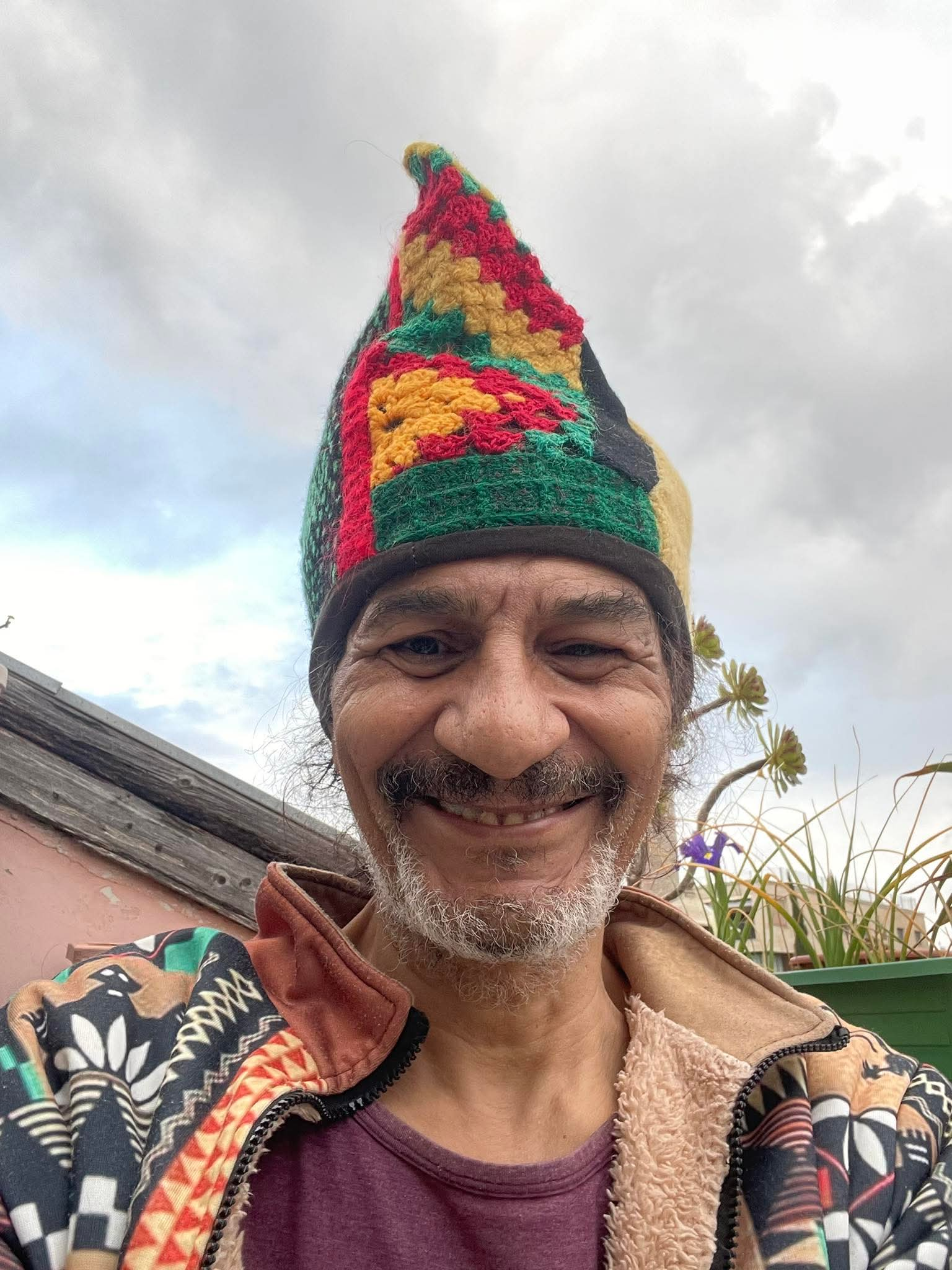
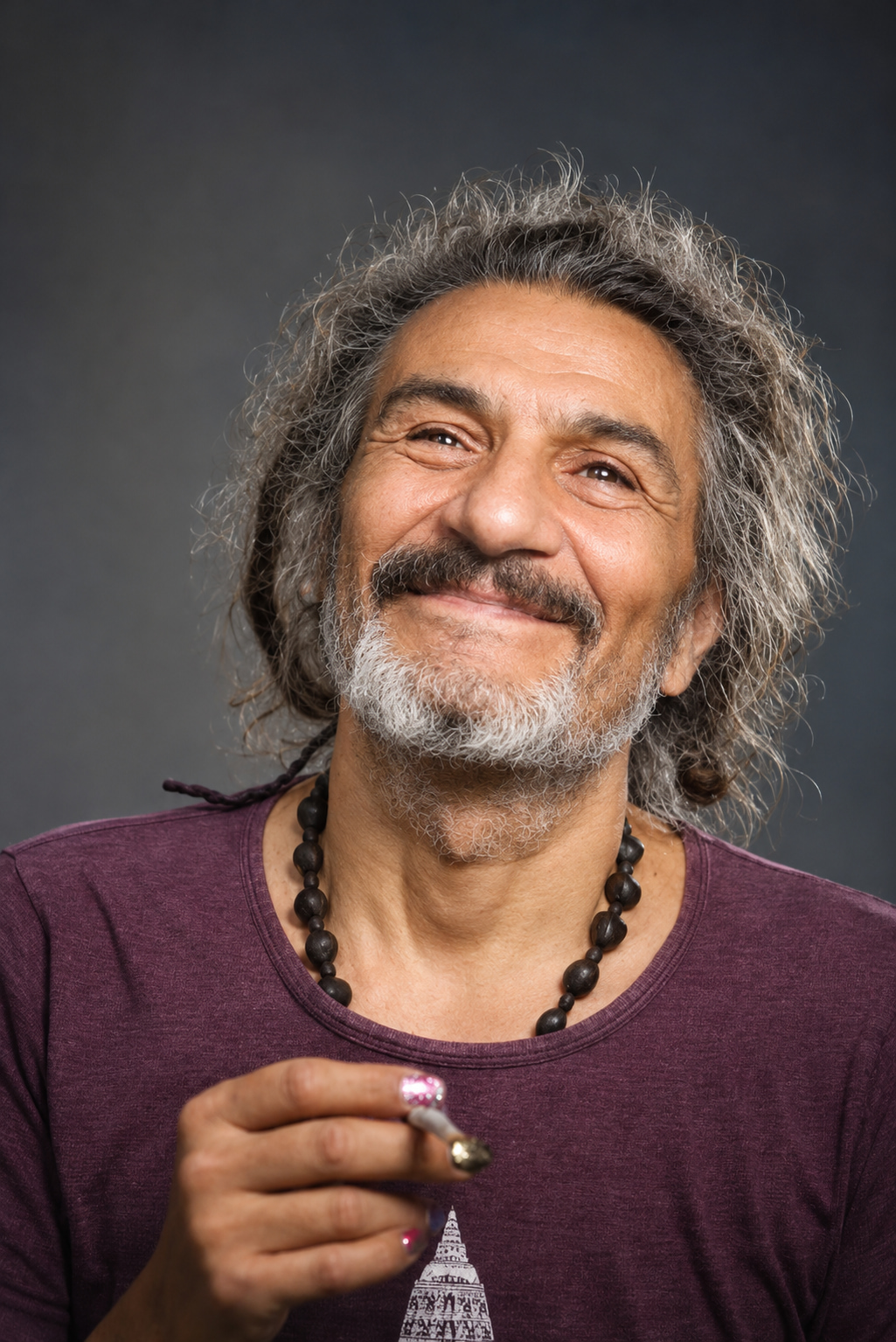


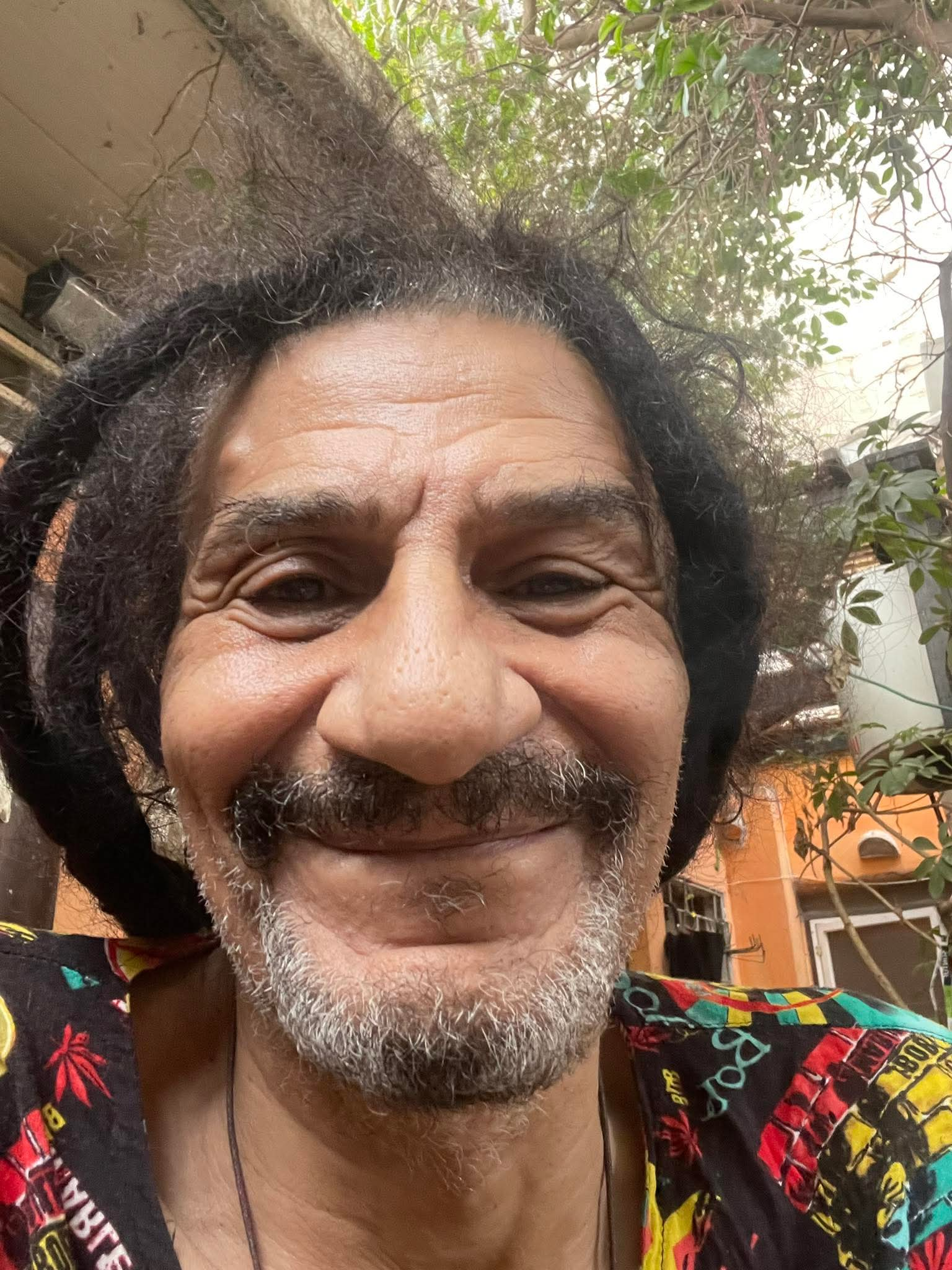
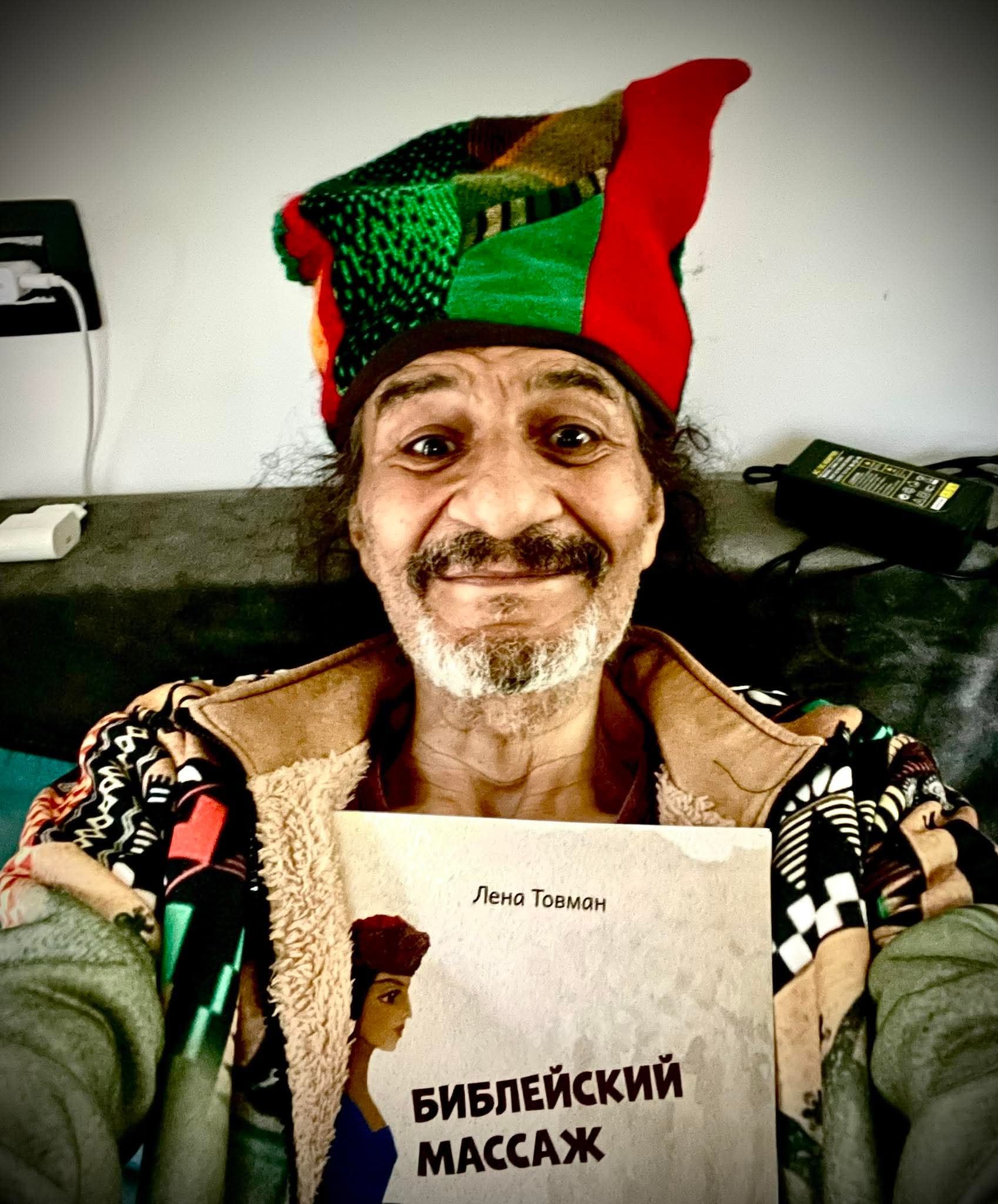
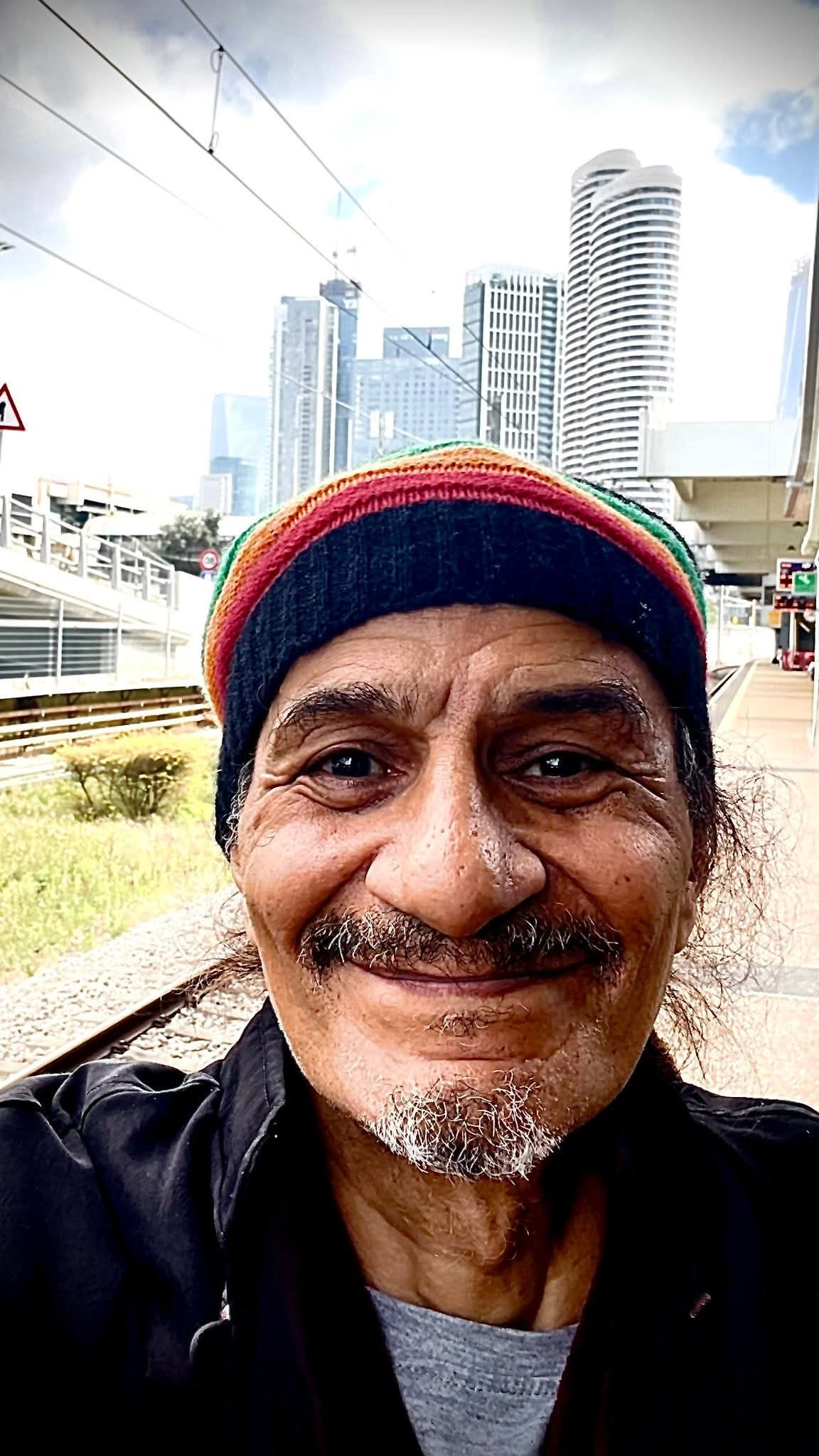
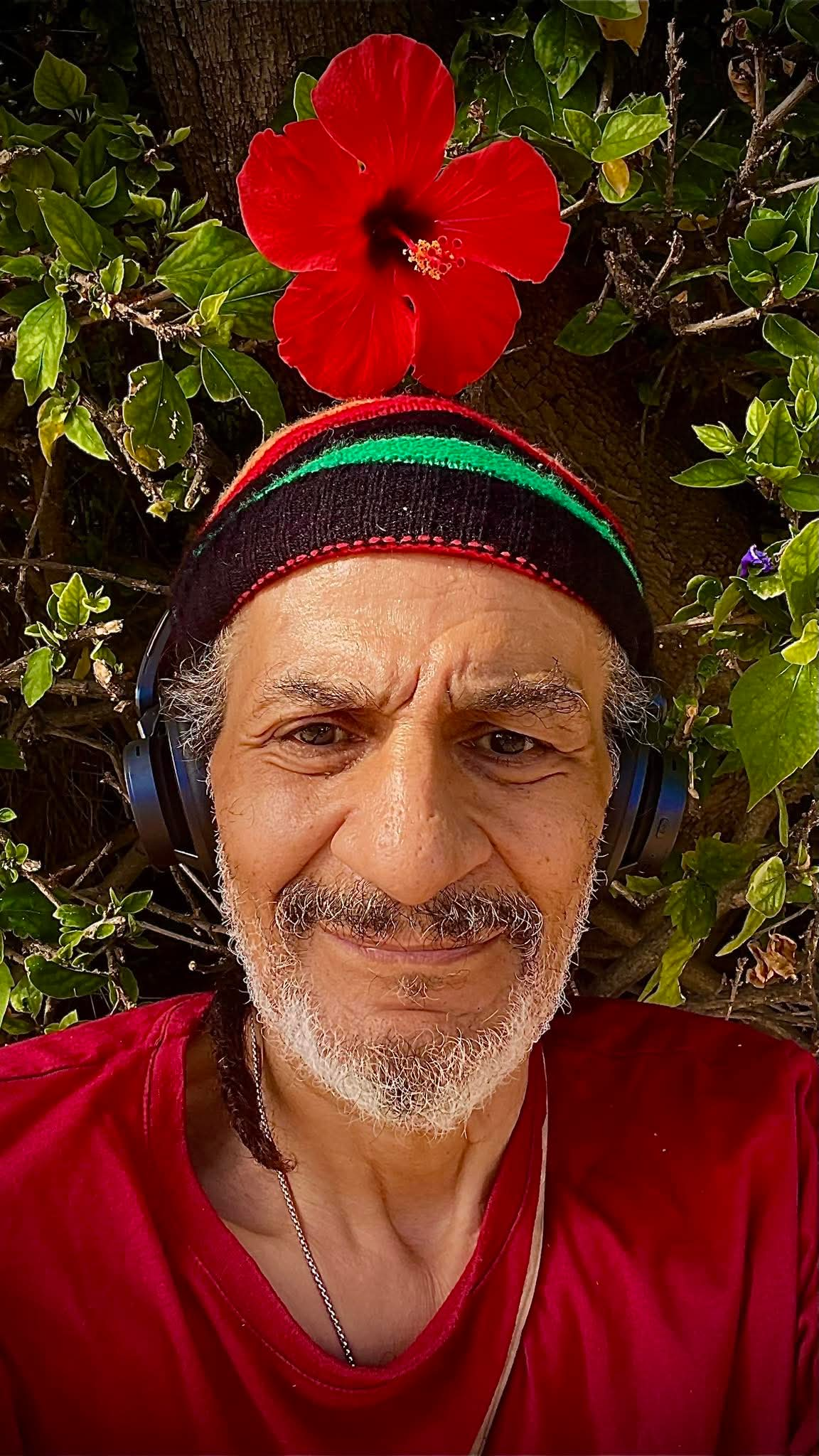
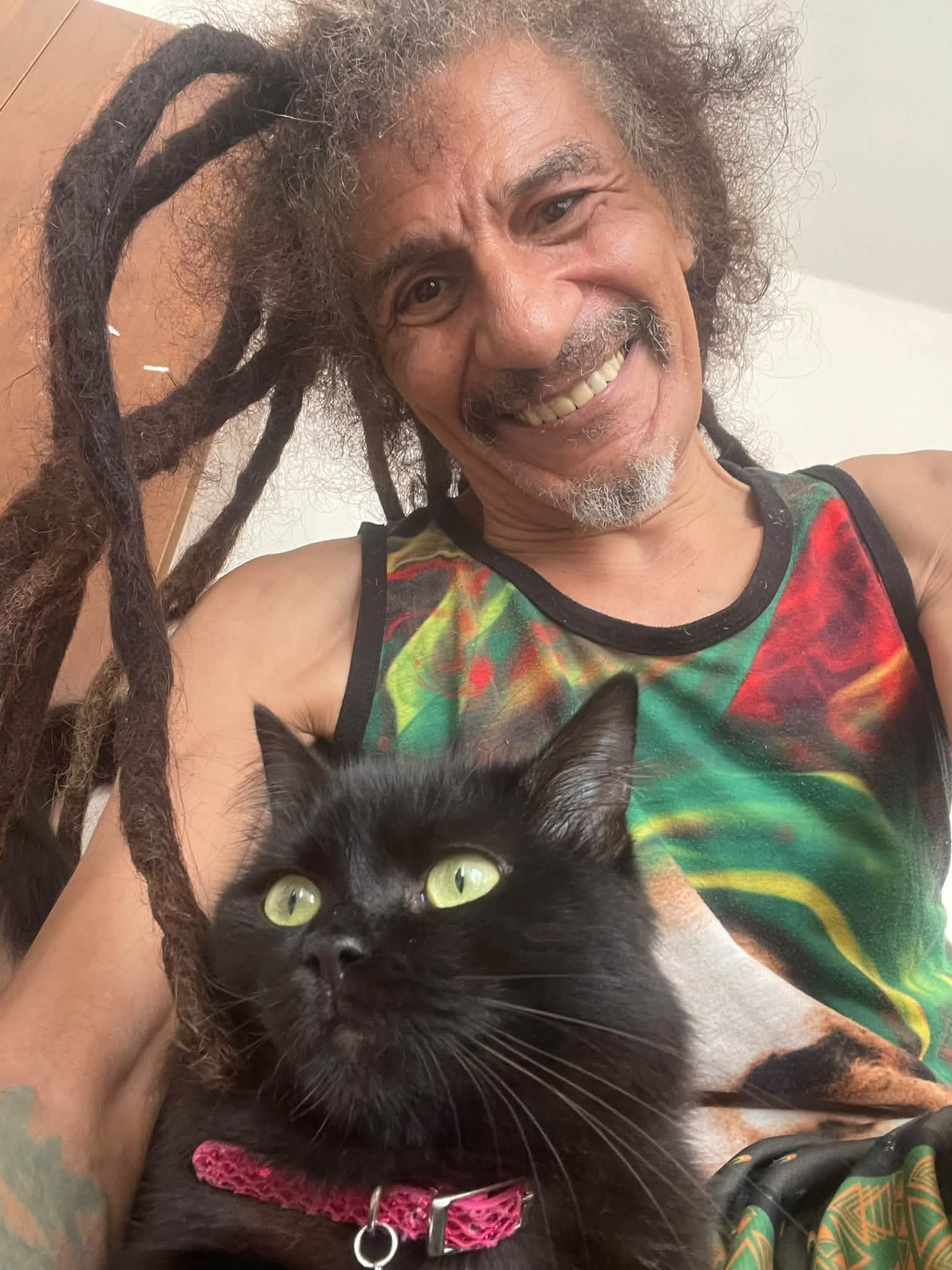
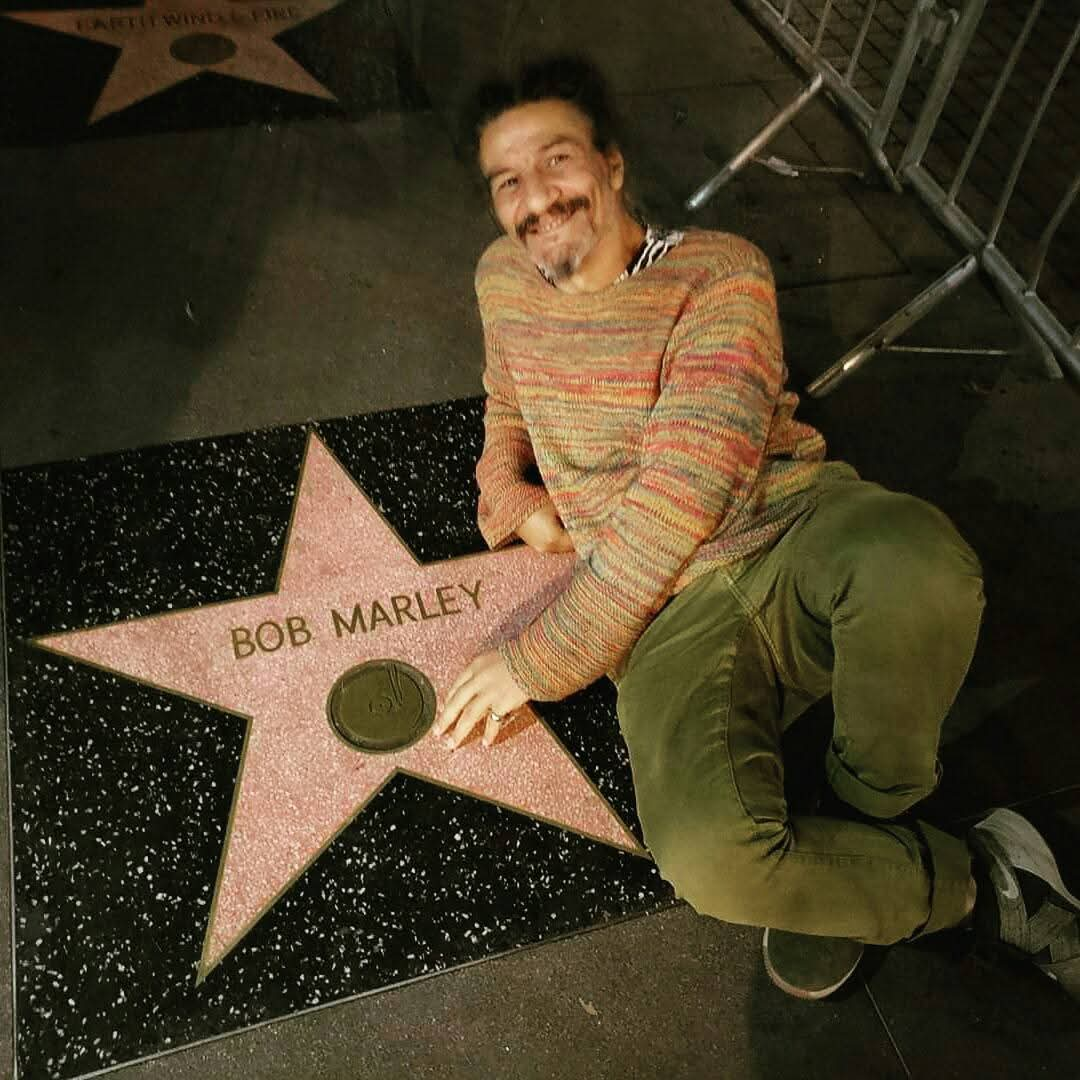
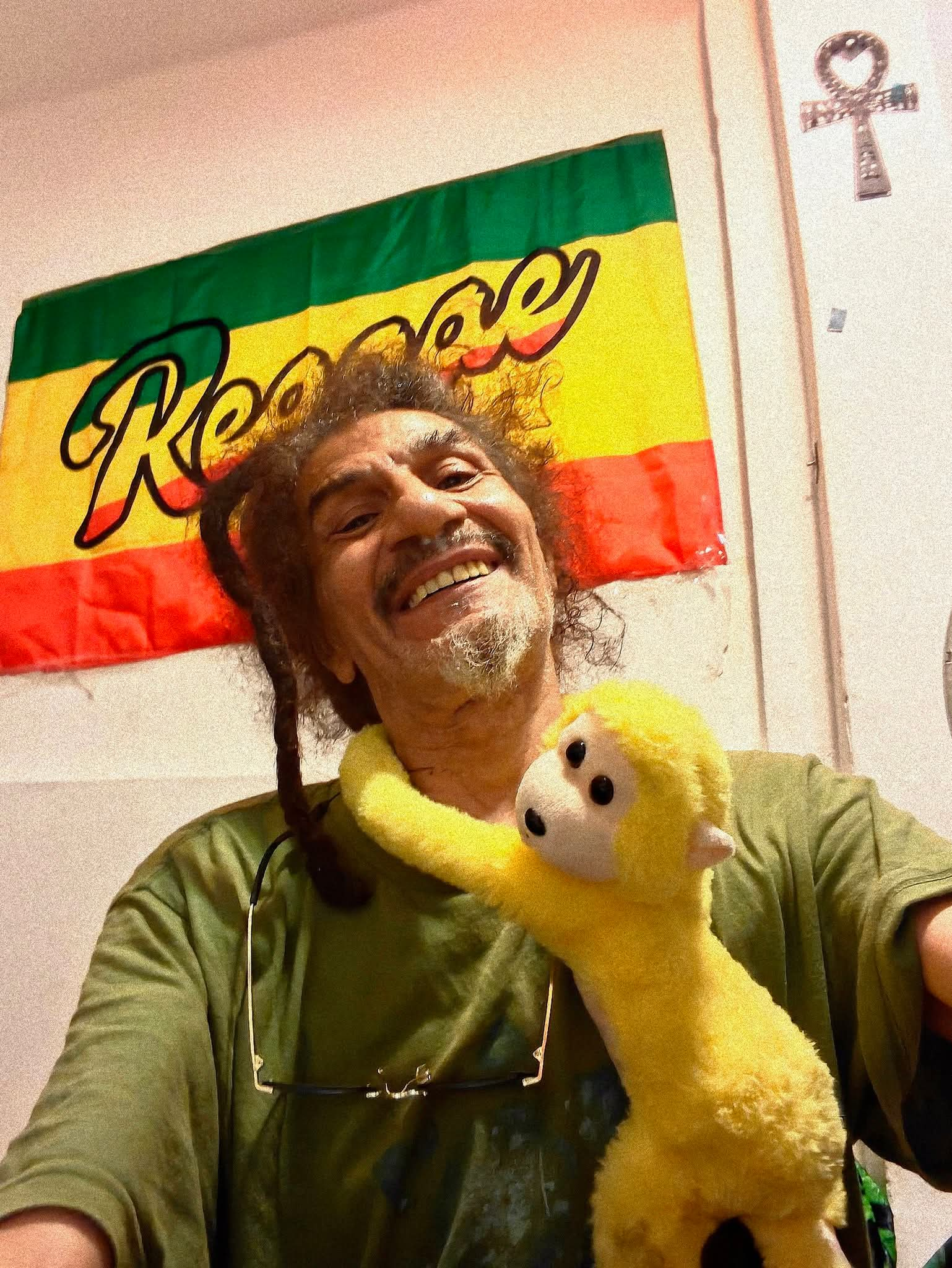

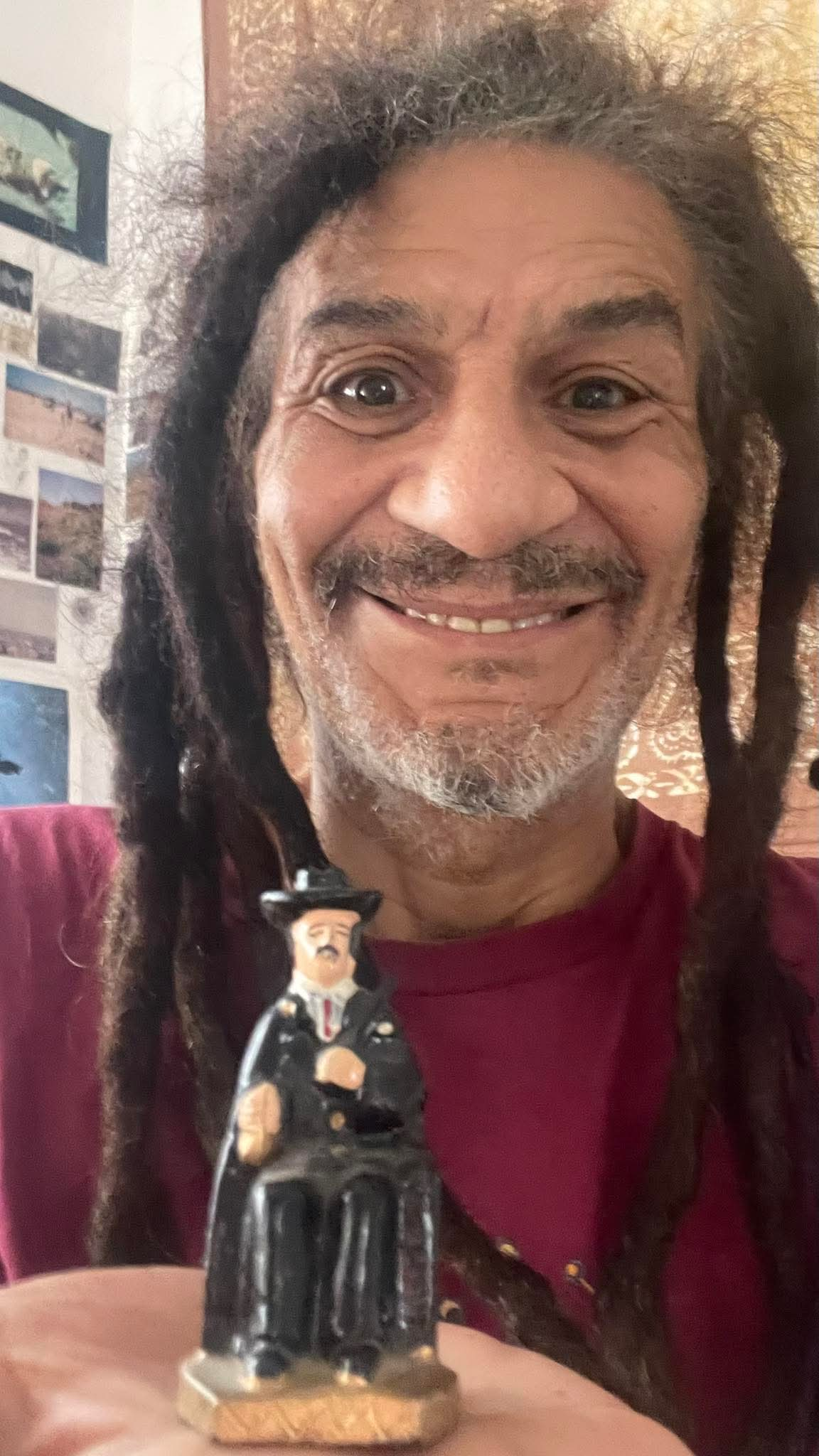
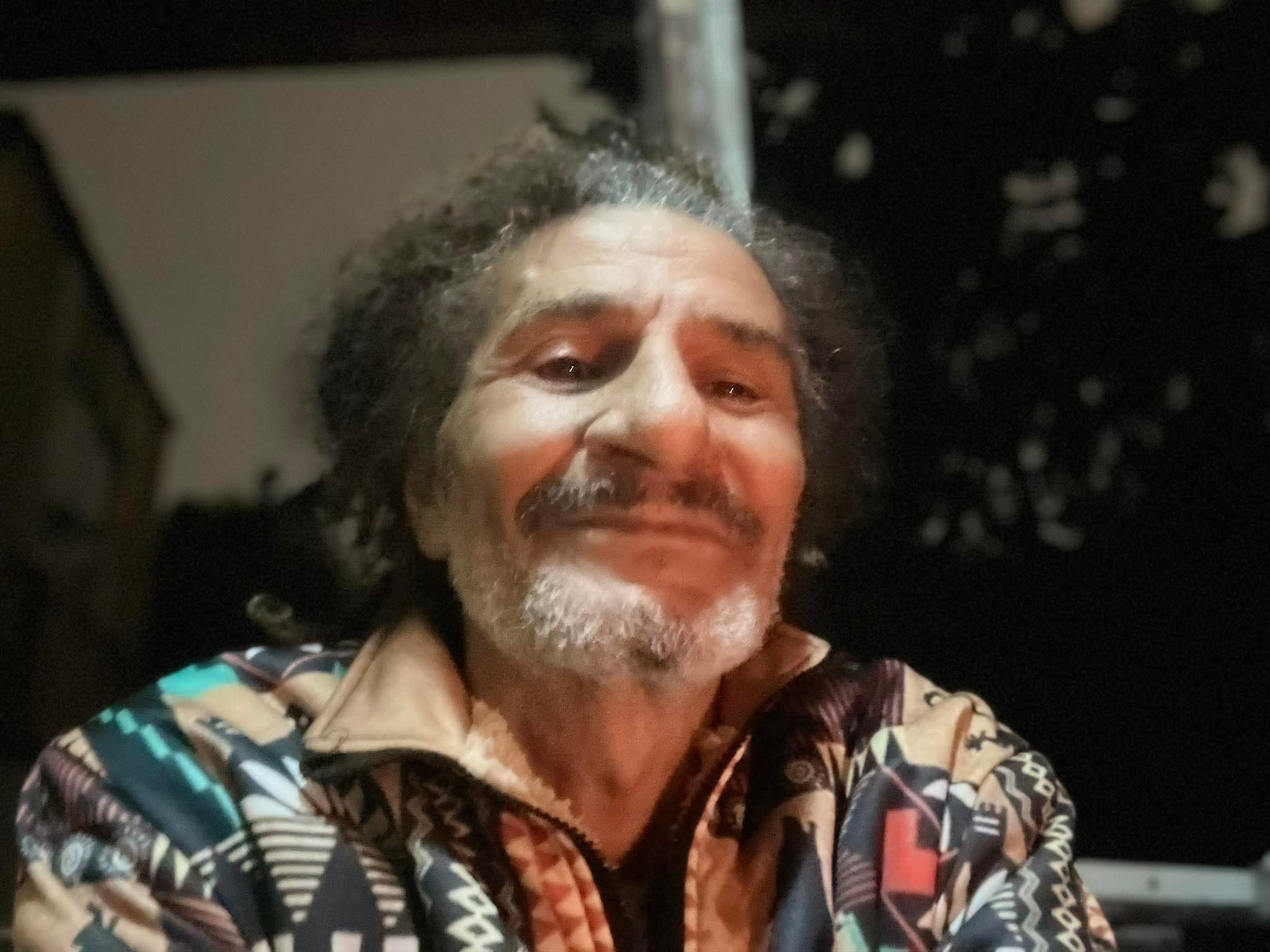
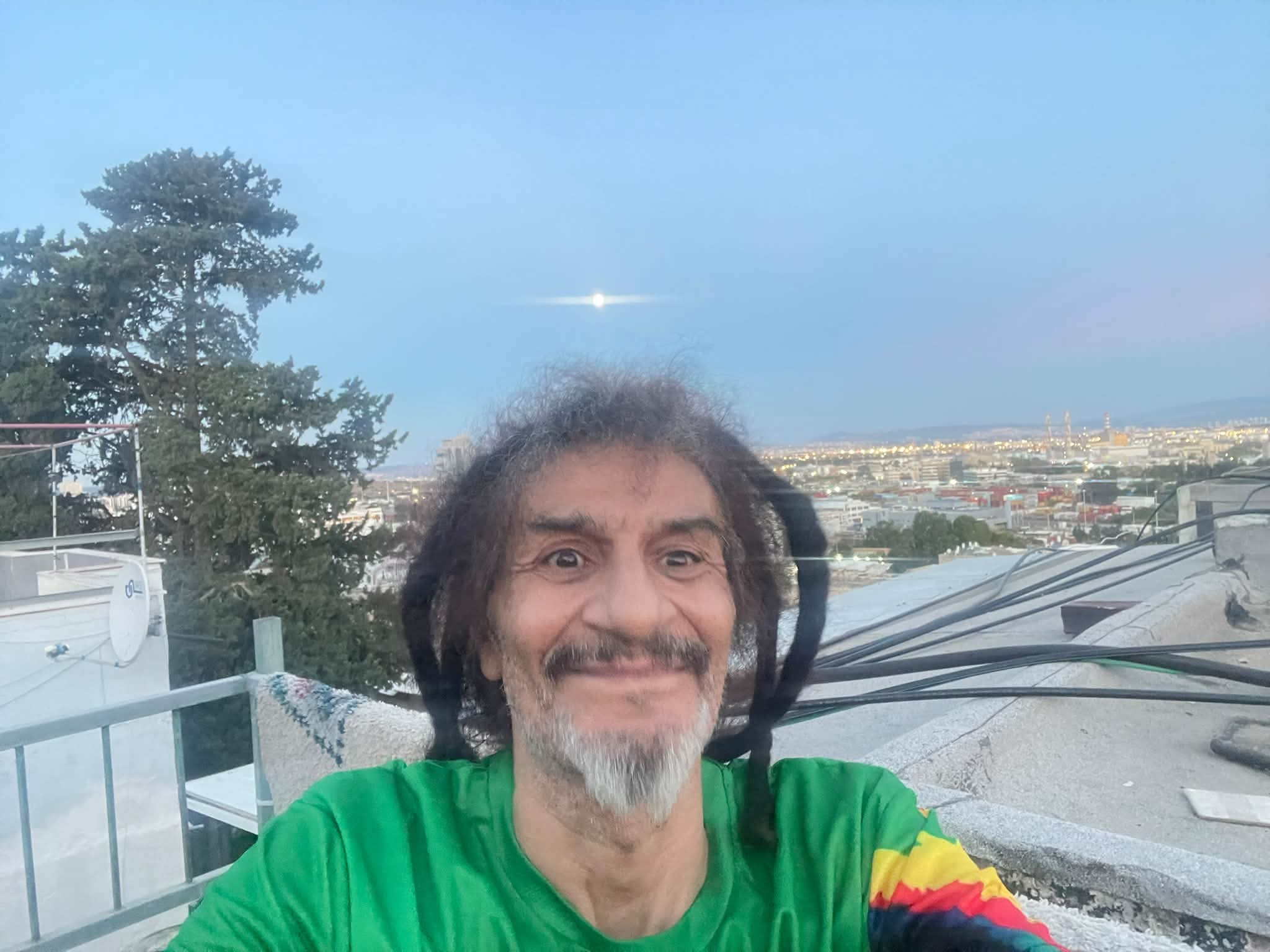
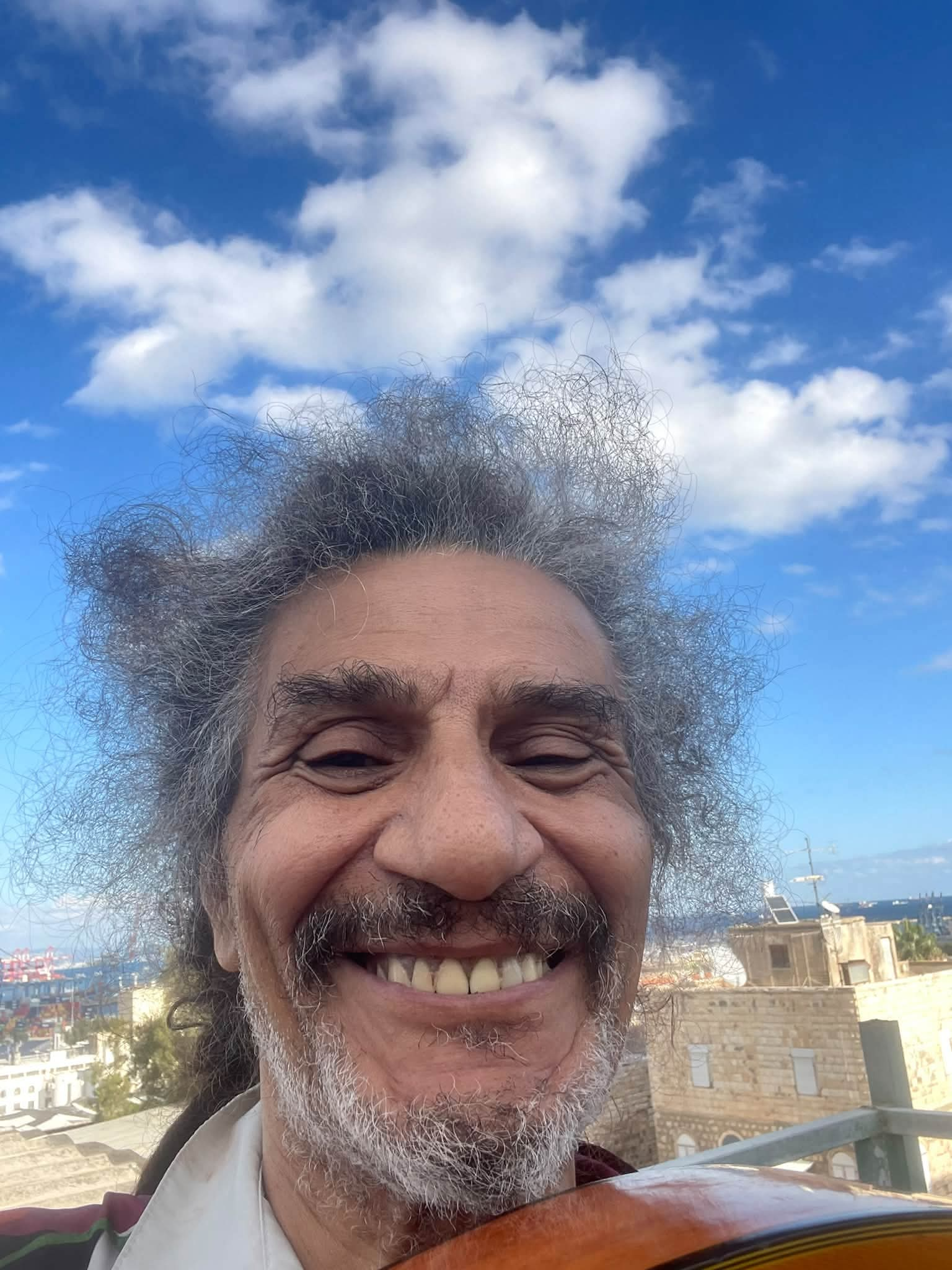


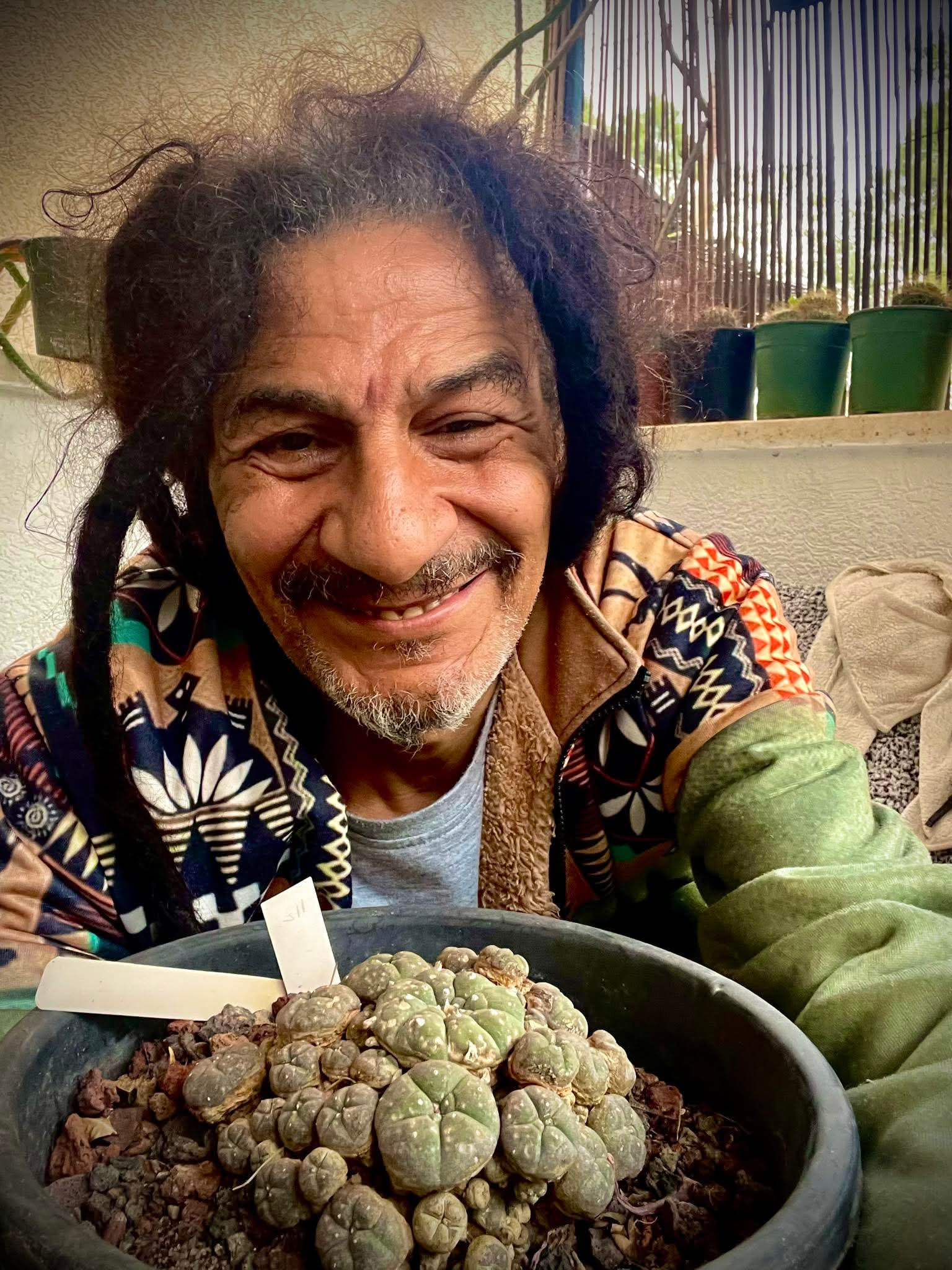
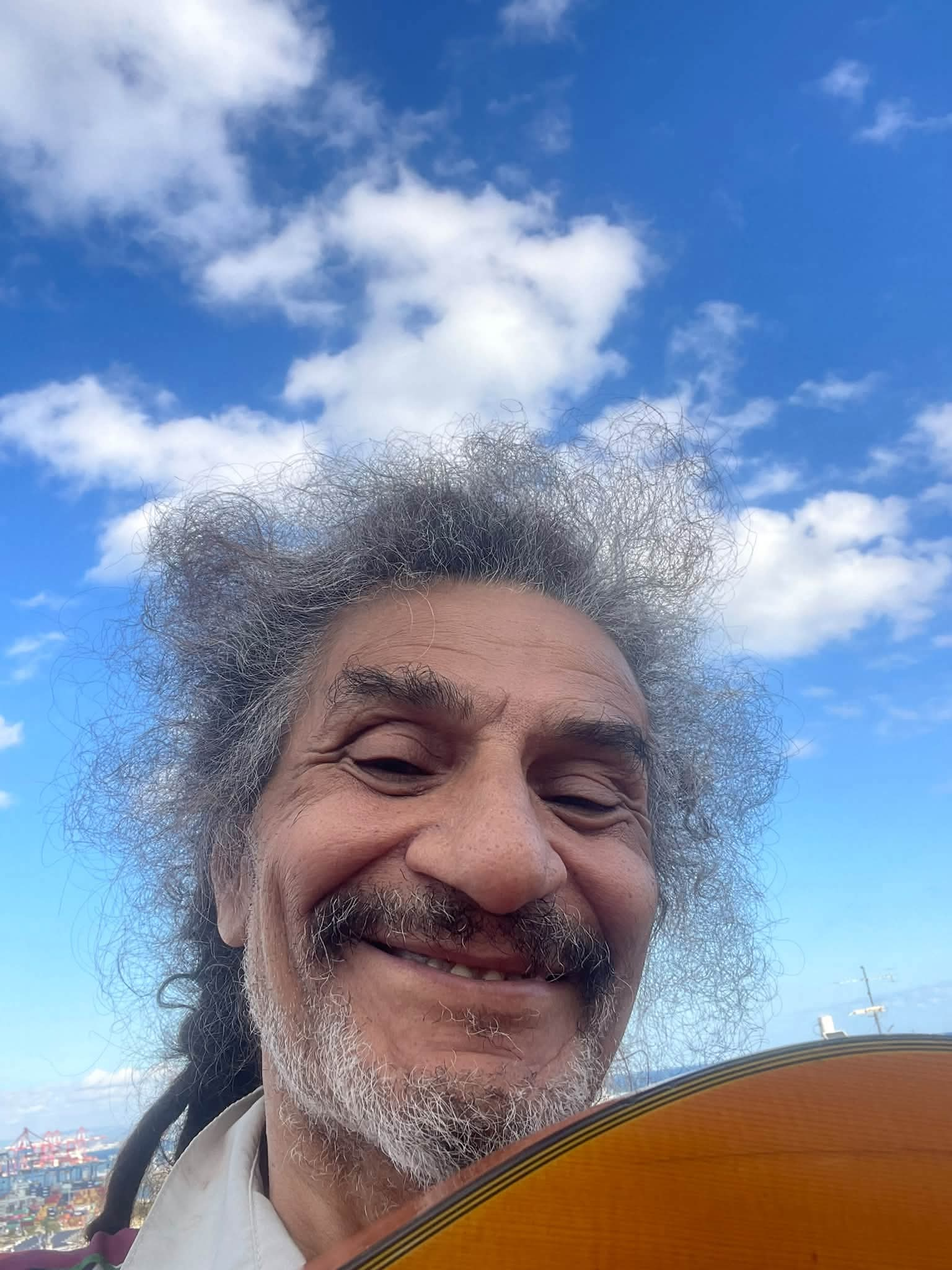
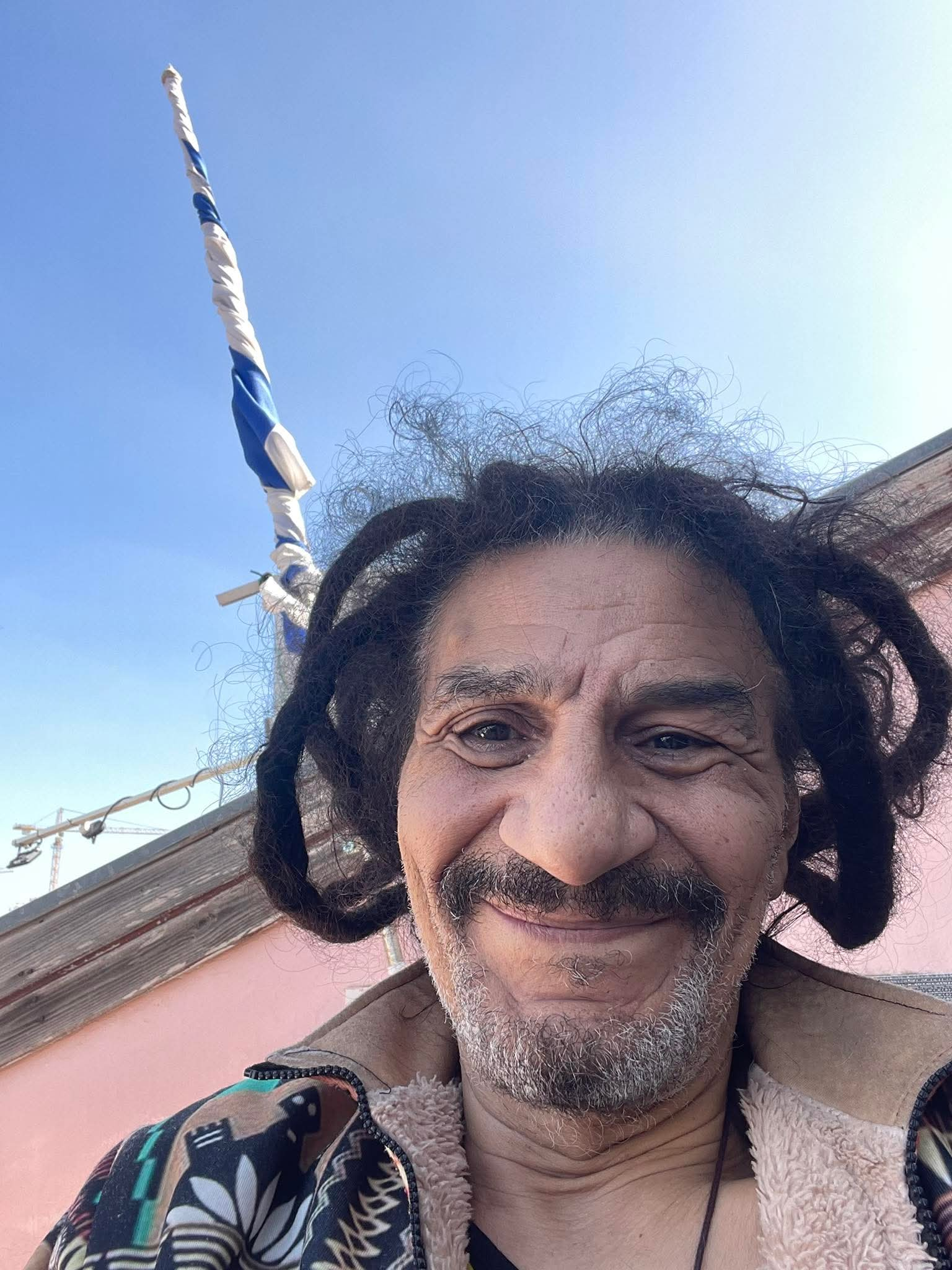


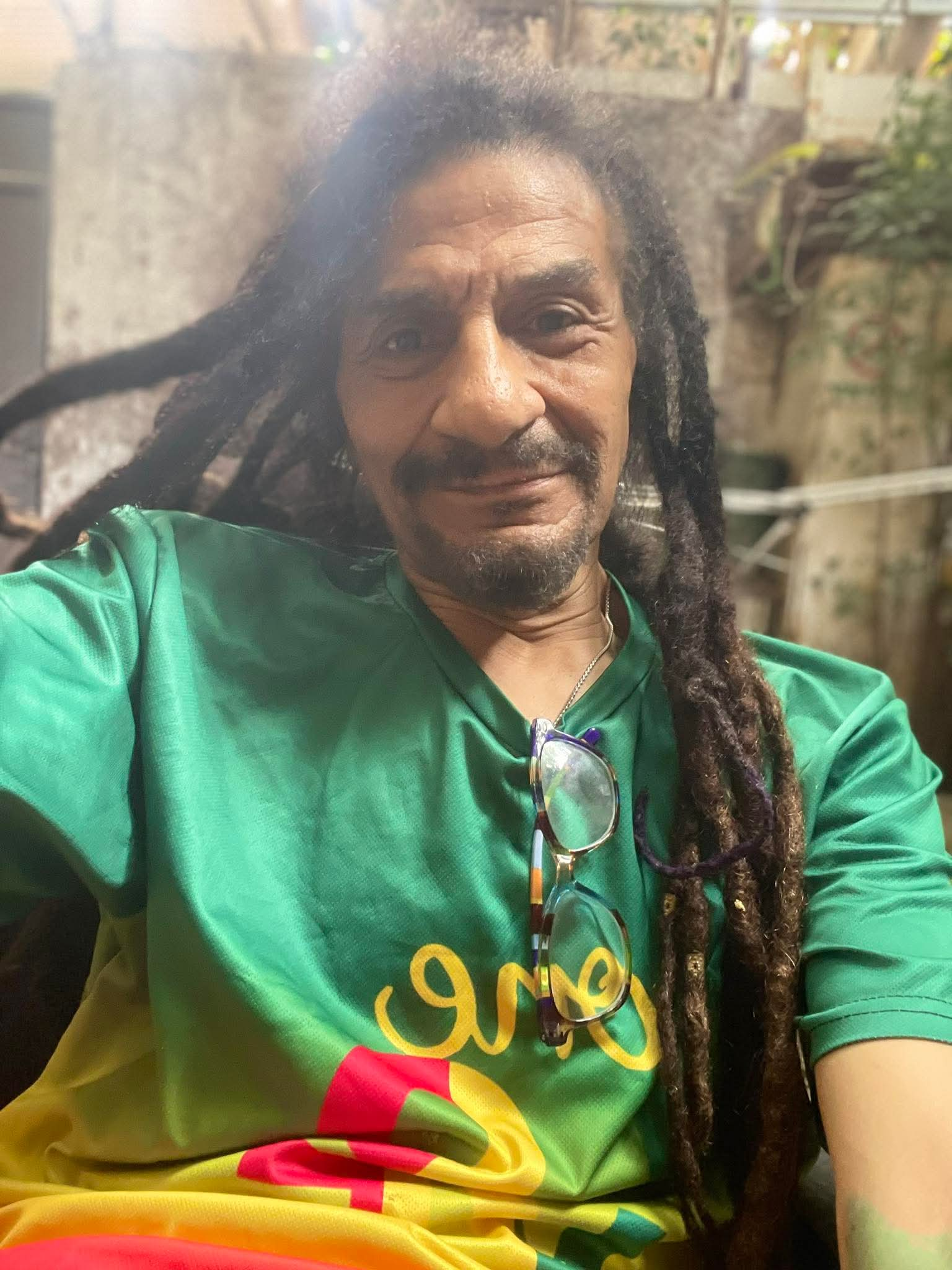
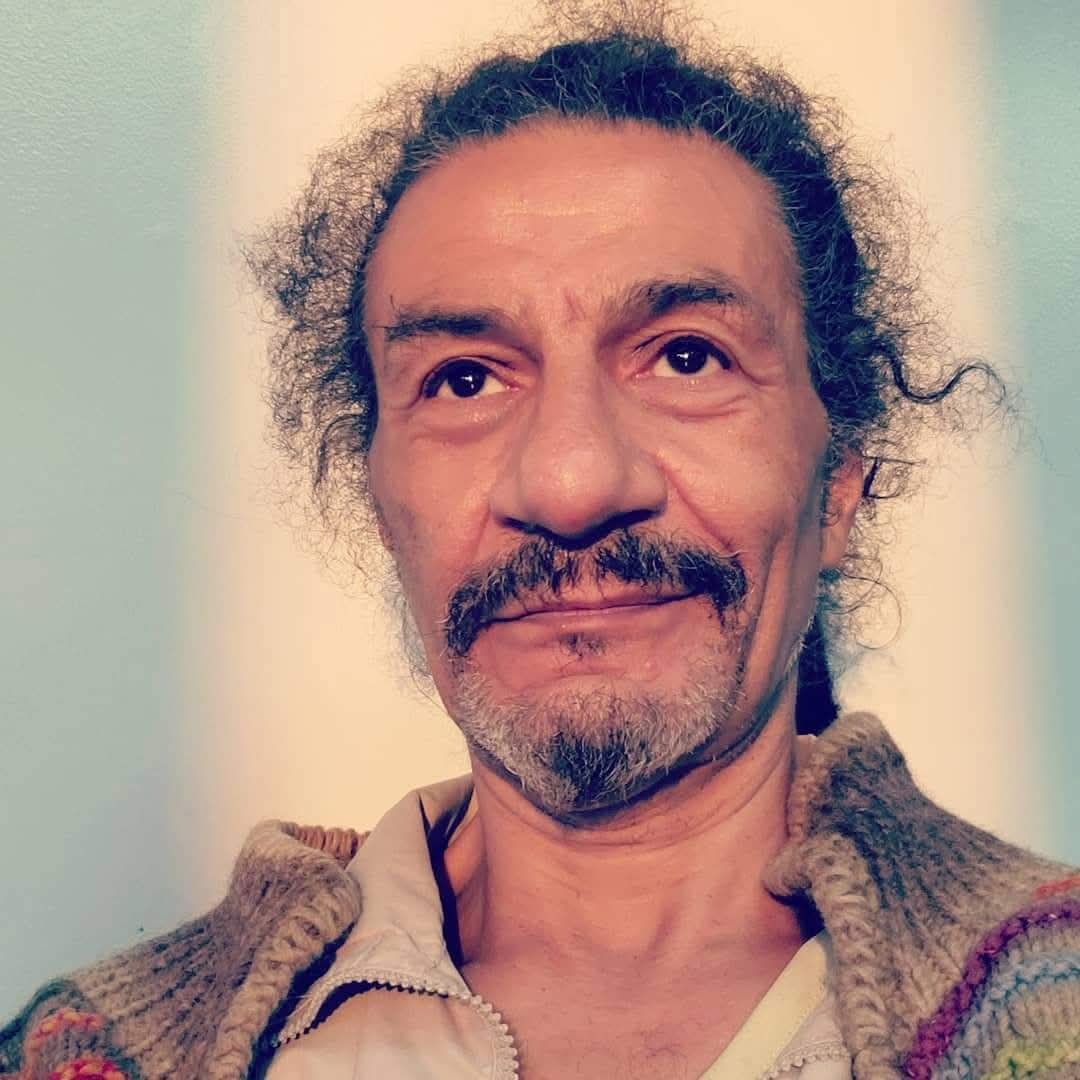
Gera never lost his sense of humour. Spiritual searching coexisted perfectly in him with cheerful irony, and even about the most serious things he could speak with a smile. Once he mentally handed Moses a bass guitar and suggested that Moses would certainly have sung reggae.
That was Gera all over. There was indeed someone who had that freedom of imagination without which any faith, sooner or later, turns into a boring set of prescriptions.
In recent years, he spoke more and more often about light. The word recurs throughout his recollections, songs, and reflections: light as a manifestation of love, as the presence of God, as an inner guide that makes it easier not to lose one’s way amid human cruelty and stupidity.
In an interview, Gera was asked about the source of his joyfulness. The interviewer described him as a ‘guru of joy and light’, a ‘walking smile’. His answer was characteristically simple: ‘The source of my joyfulness lies in the very meaning of reggae music, in its spiritual dimension.’
Perhaps this was his way of carrying light into the world — not as an abstract idea, but through music, its spiritual energy, and the joy it gave to others.
One can relate to his spiritual views in different ways. But the number of years he devoted to making the world around him more humane deserves respect.
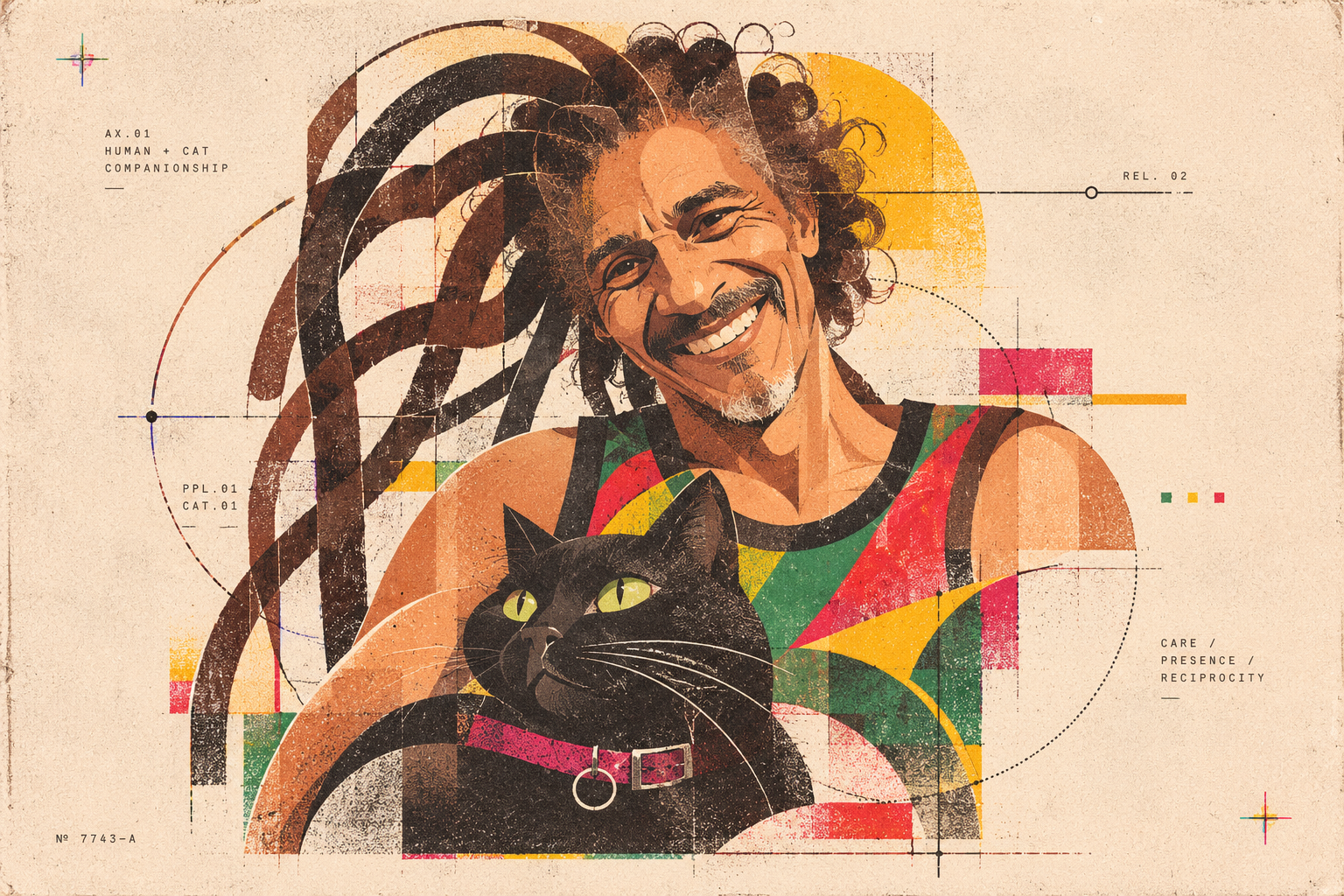
On November 20, 2026, Herbert Morales passed away.
Announcing the death of her father, his daughter Mila Morales wrote about how much he had left behind: behind his music stood an entire culture and philosophy, and all of it would remain in history. And then she added a few words that make the heart clench:
“For many he was a legend. For my brother and me, he was Dad.”
Behind all those performances, festivals, journeys, and endless creative plans stood a living person. A father, a friend, a son, Gera, whom so many people loved. With his joys and anxieties, doubts and hopes. With his smile, his voice, and an intonation unlike anyone else’s.
Everyone who knew him will keep their own Herbert in memory.
I will remember the one I knew in my youth. The young, amazing Gera, with whom fate gave me so much time. And I will be grateful that our roads once crossed.
They say a person is alive as long as they are remembered. And music gives us the chance to hear again the voice of someone we can no longer embrace. It returns us to a long-gone day when the person we miss so much was still near.

Today I want to fulfil Mila Morales’ request. To play her father’s favourite songs, to remember him and that incredible energy he shared with the world.
Let Gera’s voice sound today.
Let someone hear his song for the first time and smile. Let old friends remember their youth, and let those who never met him feel why he was so loved.
Thank you, Gera, for the music, for the friendship, for freedom, for the endless faith in good, and for the light that you shared so generously.
How sad that you are no longer here.
And how good that you were.
Да будет свет. И пусть звучит регги. Джа Растафарай.
Let there be light. And let reggae play. Jah Rastafari.
Herbert Morales
22 November 1961 — 20 November 2026