Jamilya Asgarova: ‘Soroka Is Me!’

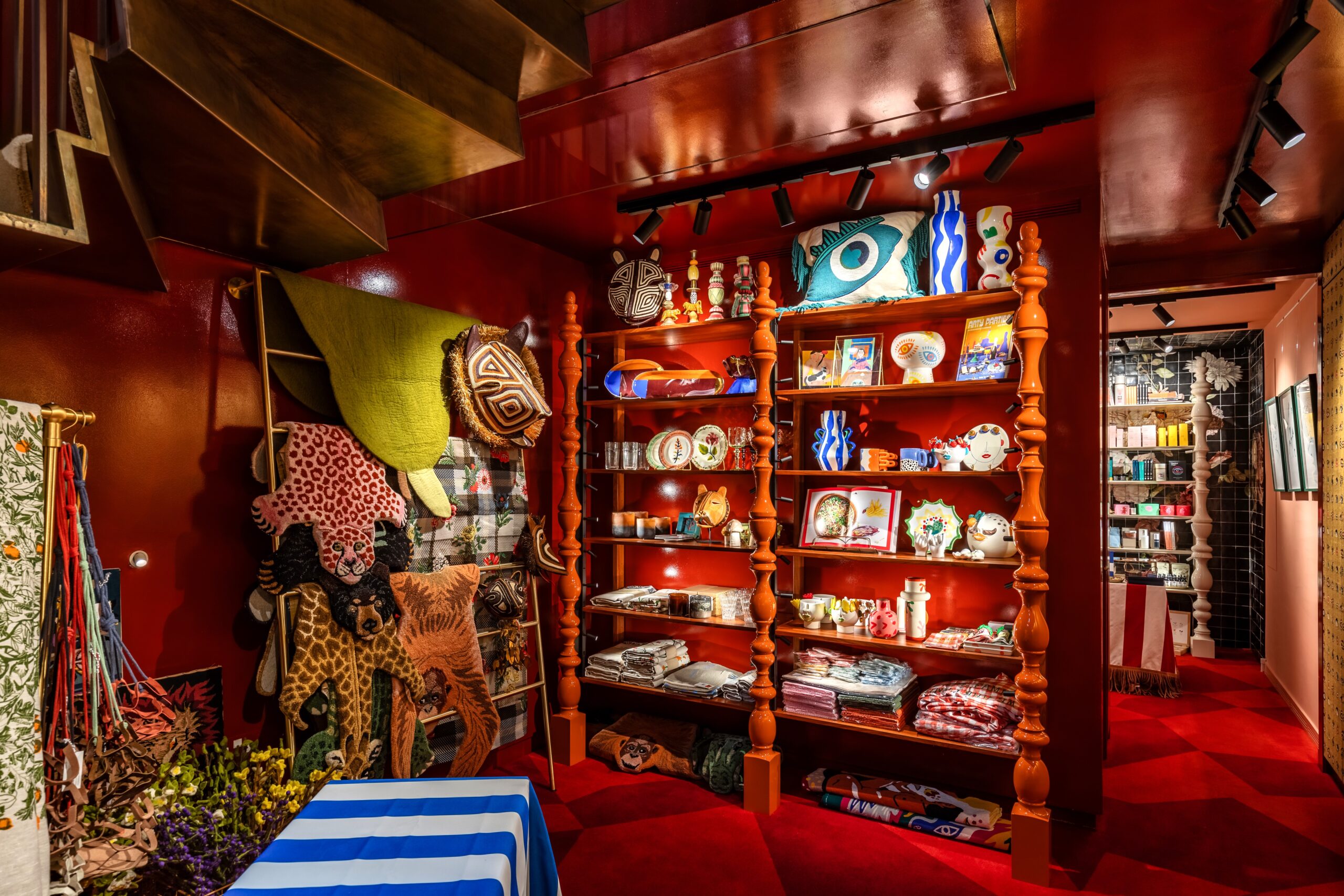
Do you know what Soroka reminds me of? A treasure chest. I was going to write ‘Aladdin’s cave’ – but no, that one has an entrance blocked by a boulder, mysterious spells, magic rings and all that. Here, everything is open and full of light. You simply walk in whenever you feel like it and find yourself in an utterly enchanting world – or perhaps a garden. Everything around you is colourful, whimsical, shiny or matte. There’s a skylight in the roof and, above it, a magnificent spreading tree with emerald-green leaves. This isn’t a museum or an exhibition where you’re not allowed to touch anything. Here, you can touch things, buy them and take them home with you.
More than anything, the feeling reminds me of a day spent by a warm sea: a feast for the eyes, with warmth and brightness all around. Something inside you relaxes, as though a seatbelt has finally clicked open. You can breathe in and out – deeply, without having to ration your breath. Everything is so beautiful, so funny, so full of joy. Your inner child starts peeking out, looking around with curiosity, while you reach out to touch objects that feel just as extraordinary as they look, imbued with the warmth of the hands that made them. So many different textures and shapes. Candles, plates, figurines, textiles – everything different, everything exuberantly colourful, yet all united by a single vibe. And that vibe has a name: a lust for life.
This love of simply being alive is so palpable that it almost seems to purr, hum and breathe – like the blue-turquoise sea, like a cat with glossy caramel fur, like an iridescent magpie shimmering in white, emerald and blue. The miracle of life itself. Nothing less. Staircases, colourful walls, bright floors – even if you arrive exhausted and sad, this space will generously shower you with some of its own energy. It doesn’t mind sharing. That’s exactly why Jamilya Asgarova created it.
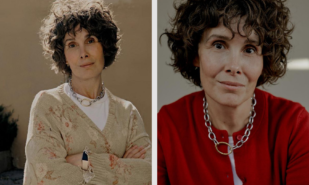
Jamilya may appear to be a businesswoman, but in truth she’s an artist through and through, and a source of light. Some people are like little light bulbs: they glow and give off warmth, creating joy and sending it out into the world. How do they do it? Well, here’s how! Read on for our conversation with Jamilya.
Do you still go to markets yourself and pick things out? I can’t even bring myself to call them ‘things’, really.
I used to! I’d spend hours walking around, hunting for extraordinary pieces. But the ceramics community – and the maker community more broadly – is actually quite small. Everyone knows everyone, and people started recommending us to one another. So, little by little, our circle of artists grew, which of course made my life much easier.
At the same time, I have a business in Baku – Gazelli House, a whole world of well-being and beauty, as well as our own skincare ranges. It’s my mother’s business; she established Azerbaijan’s first cosmetics laboratory and manufacturing facility 25 years ago – she’s truly our country’s Estée Lauder. Sadly, my mother passed away recently, and I’m continuing the business in her honour.
Baku was also the birthplace of my first Soroka shop, which opened just before the pandemic. Yet, despite everything, our little haven continues to delight customers to this day with unique décor items and gifts for loved ones. So I have one foot there and one here. But my children and family are here, which is why I opened my second shop in London.
Soroka is my soul. It’s me. I started the shop as something deeply personal, my own little creation, and this November we’ll be four years old. I think what we’ve managed to do is bring together unusual textures, objects and brands. Sometimes the girls on the team even laugh and say, ‘Who on earth is going to buy that?’ And I say, ‘I know there’s a customer out there waiting for this piece.’ And they do come. Maybe not straight away, but they always appear in the end.
It’s such a radiant place.
I’m a huge believer in energy. Even people who joined the team but weren’t quite right for us – in their inner world or in the way they saw things – tended to drift away naturally. The same happens with customers. Some people walk in, say, ‘Oh my God. No, no, no,’ and practically run out. We’re not for everyone, and I understand that perfectly. But we’ve found our people: the team, the customers and the atmosphere.
Decorators often come to us when they need to breathe life into an interior. Or someone will come in and say, ‘I’ve got a white dinner service at home.’ And we don’t say, ‘Right, throw the whole thing out and start again.’ We’ll suggest a few striking centrepieces, something with character. And, of course, our favourite question is: ‘What do I buy for someone who is impossible to shop for?’ That’s why we created Soroka Hotline – a service where you can submit a request and receive a curated selection of options to suit different budgets.
We have a constant stream of new arrivals. Many items are ordered in limited batches, and the production process for some pieces takes months, so every time you visit, you’re likely to find something interesting and new. At first glance, everything here might seem a bit wild – almost ‘too much’ – but once you understand how to work with the pieces and bring them to life, a truly special energy emerges.
The energy of colour?
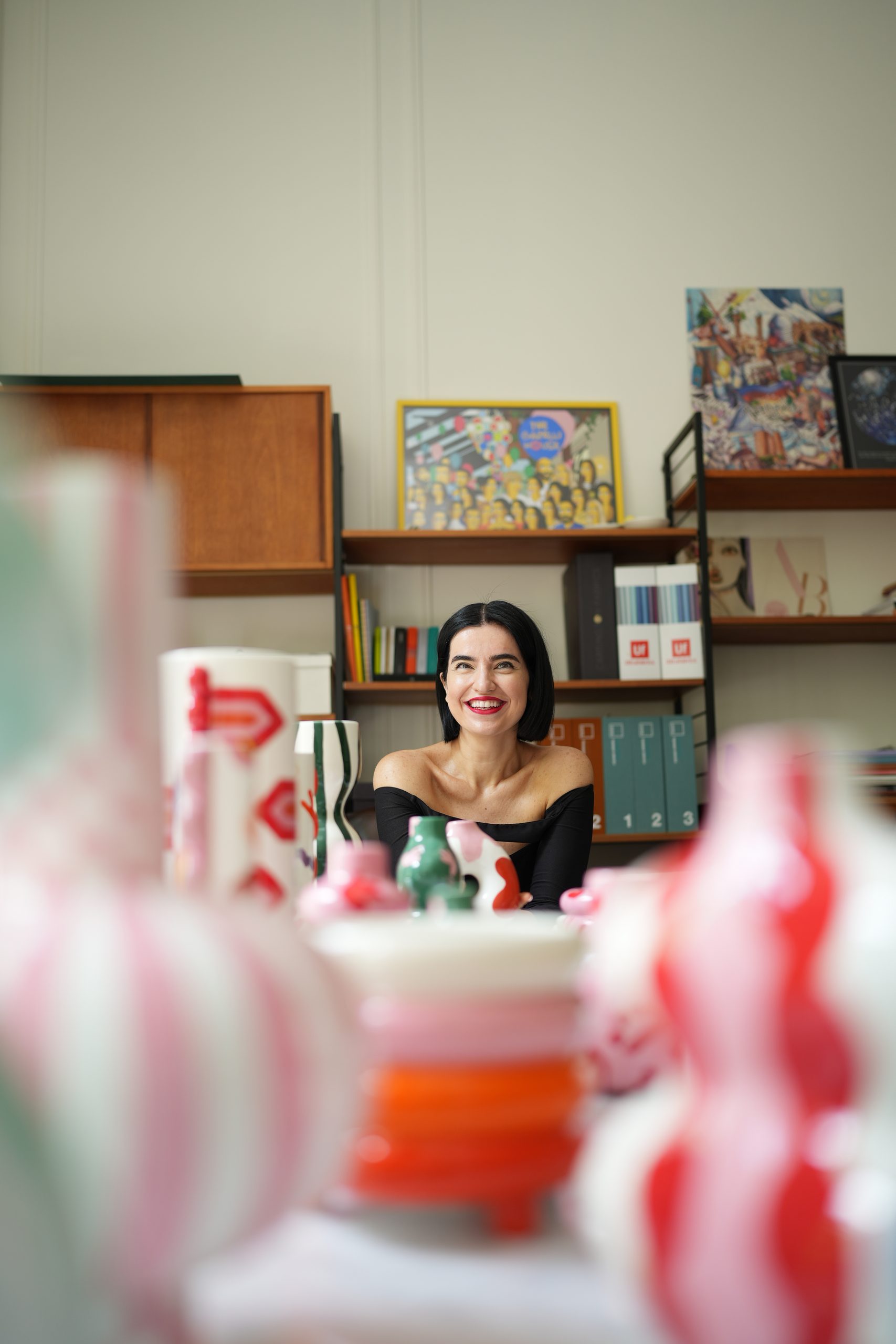
Yes! And I think it really works. OK, let’s say I’m the only one who believes in it – but even people who don’t believe still sense it. Especially in winter, when London is being properly miserable and rainy. People come in off the street and say, ‘Oh, it’s such a happy shop! It feels so lovely here.’ Sometimes people come just to look, and there’s absolutely nothing wrong with that. They look around, soak up the energy, take photos for inspiration – be my guest, I’m happy to have them.
We don’t have that ‘if you walk in, you have to buy’ mindset. I don’t set sales targets for the team. You can feel that kind of pressure immediately. As a customer myself, I hate it when a salesperson looks over your shoulder, practically breathing down your neck. If someone needs something, they’ll come to you anyway, and I think that works much better. It might take us longer to build a core customer base, but our customers all know we’re always ready to help and, most importantly, that we do it sincerely. And the tourists who just drop by to look often come back later to make purchases through the website.
London…
I was really intimidated by the London market. At the time, my only experience was in Baku, which is much smaller and has less competition. In Baku, for instance, we opened at Gazelli House, where we had built a strong community over 25 years, and we were immediately welcomed with open arms and genuine interest. With London, I simply decided to take a chance.
After the pandemic, I closed the wellness space I’d run on Walton Street for ten years, since many of our specialists had moved to working online and my team had fallen apart. That’s when I decided to try opening a shop. By then, I already had brands I’d curated for the Baku store, and things gradually started to fall into place.
And it creates the atmosphere.
We put a lot of time and effort into the atmosphere and the world the customer steps into. For the first two years, we carefully selected brands, built relationships with customers and – most importantly – listened to them. I think it’s always crucial to analyse things and plan your next moves. My mum used to say, ‘Don’t rush; everything will happen in its own time.’ Sometimes I want to do everything at once, but the first priority is making it financially viable, and the second is having fun with it.
Now we’re starting to build out the World of Soroka by creating a physical experience in our shops. I feel like people want to be together again, despite the prevalence of the online world. We strive to be more than just a shop; we want to be a place where you can recharge.
For instance, we had a gospel choir perform at Christmas. It was incredible! They sang without microphones, and the sound filled the entire space. Just picture it: a miserable December evening outside, darkness, pouring rain, a raw chill and wind. And then, suddenly, there was this glowing shop window where people were singing and serving hot chocolate! People would just wander in to listen, to be moved to tears – to truly feel something.
Then, on a scorching day this summer, we handed out free ice cream for a couple of hours. We timed it to coincide with the school run. The whole neighbourhood was filled with smiles and joy, and it became a moment everyone remembered for a long time. Not every move has to be about making a sale. Sometimes you just need to say: ‘Let’s be friends; come on in. If you need something, we’re here. If not, just come by to chat and recharge.’ Customers often bring chocolate for my team – just because – and that really speaks volumes.
The word soroka makes immediate sense to a Russian speaker. Do people come in and ask what the name means?
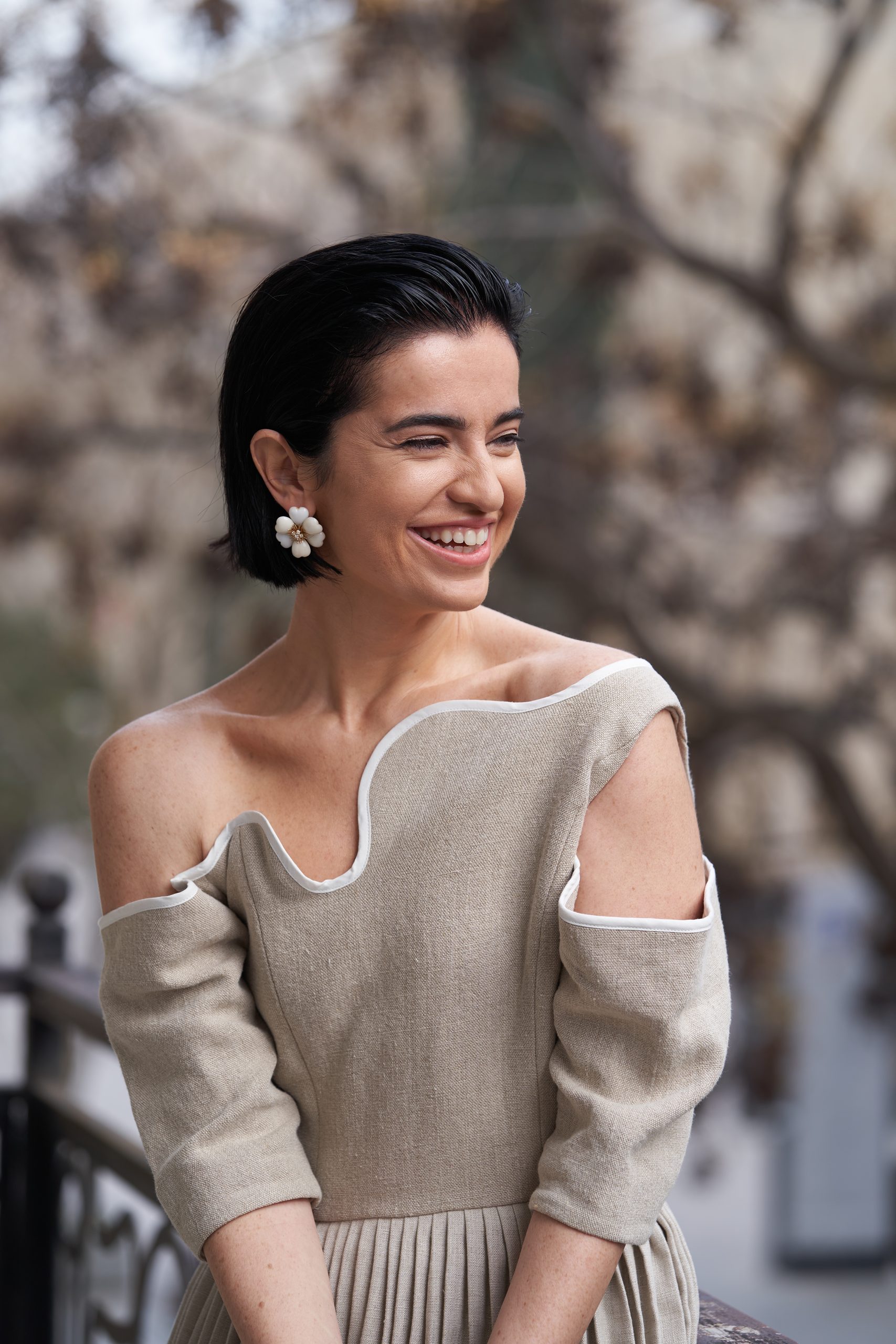
Some do, and we explain it. But of course the English word is magpie, which sounds nothing like Soroka. When I was little, I always thought of the magpie as a glamorous bird – all dressed up. And anyway, I think Soroka sounds nice. It rolls off the tongue, and people simply remember it. The name came about because that’s what my team started calling me. They’d say, ‘Here comes our soroka again, dragging more treasures back to the nest.’ Soroka is one hundred per cent me.
There are so many Russian-speaking people in London – people from all over the former Soviet Union – and we share certain memories. Last Christmas, for example, I took a trip down memory lane. We sold Christmas decorations that looked like the ones people remembered from childhood. Some people instantly recognised that long-forgotten association. Others didn’t. And that was fine too.
The design of the space is absolutely fantastic. Who did you work with?
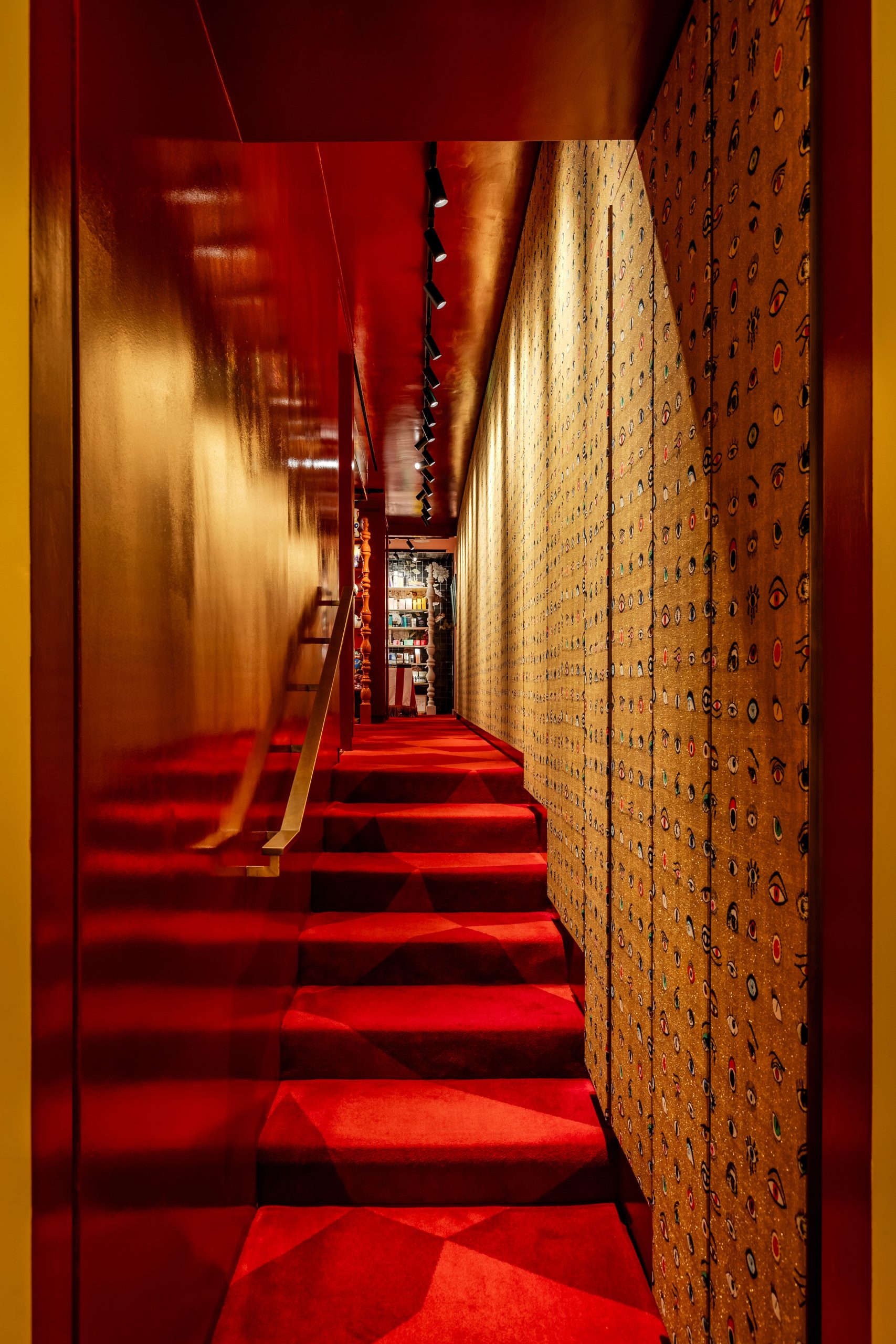
That’s J.P. Demeyer. He started out as an antiques dealer before moving into interior design. I stumbled upon him online quite by chance; his work was incredibly vibrant – full of humour and unexpected combinations of fabrics and prints. When he first showed me the mood board, I thought, ‘My God, he’s even crazier than I am.’ And that was after we’d toned the design down by about fifty per cent. Otherwise, the interior would have competed with the objects, and it was very important to us that the pieces themselves still had room to speak.
Even the floor feels as though it has been here for centuries, despite being completely new. And the pattern is now on our bags; it has become part of Soroka’s identity. I think a real synergy emerged there, and recently he was named one of Architectural Digest‘s Top 100 interior designers.
Speaking of humour: on the one hand, the shop is incredibly beautiful, and it feels as though you’ve stepped into a world where you are loved. But there is also a lot of irony here – a perfect ceramic apple core, for instance. What does irony mean to you in objects, in everyday life and in fashion?
I think it’s simply part of my character. If there isn’t a bit of spice, a little humour somewhere, I start to get bored. One of our Instagram videos randomly took off and got more than a hundred thousand views, and all it had was humour. People respond to that, because life is incredibly difficult for everyone at the moment. I don’t like talking about it too much, but it’s there. You can’t pretend it isn’t. People are frightened. No one quite knows what happens next. When you’re a mother, you think: my children are going to grow up – what sort of world will they live in? And you just want to remain human. Alive, warm and tender. That’s where humour saves us.
I really dislike the kind of blogs where everything is immaculate, because immaculate isn’t life. Everyone looks perfect, everyone is ageless, not a wrinkle anywhere, and it becomes quite difficult to exist inside that fantasy. Whereas if I give someone a ceramic apple core as a present, at least they’ll smile, won’t they?
Absolutely!
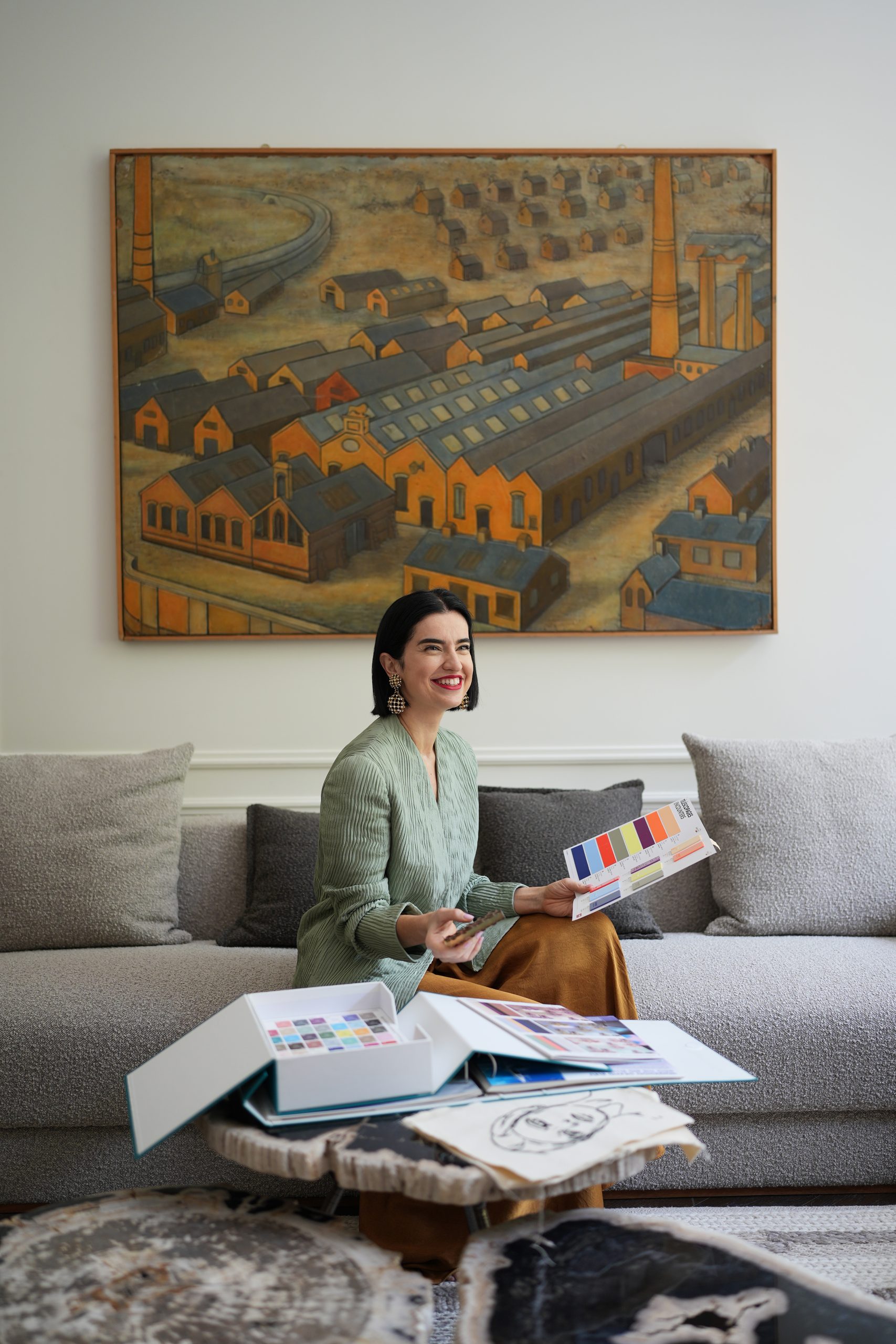
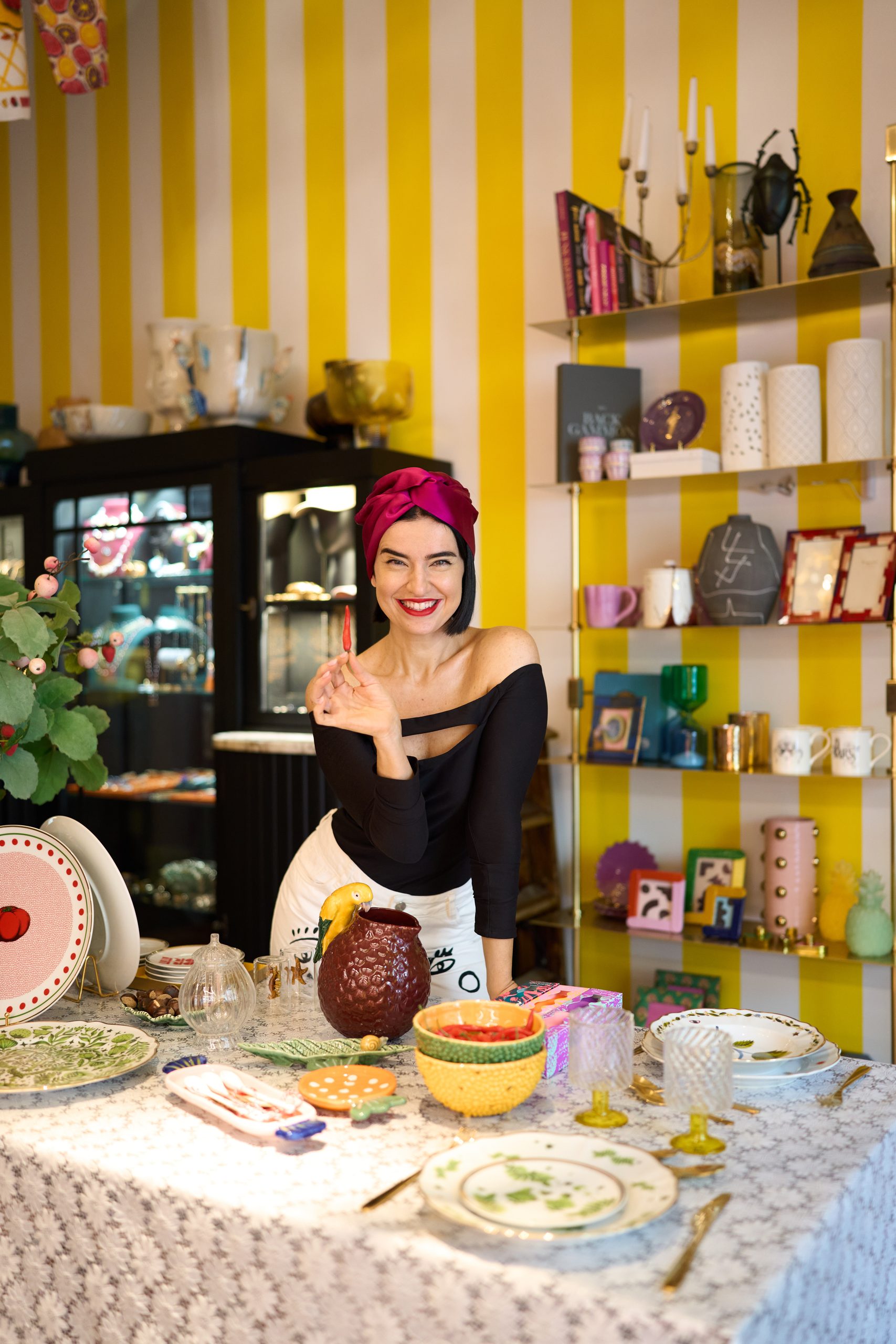
Sometimes we put together an entire table of things that are completely humorous, mad and bright. Some customers head straight for it, because they know that if they go into the yellow room, there’ll be humour there and something slightly naughty as well. Very often, the people who buy those pieces look exactly like the sort of people you’d never imagine had that side to them. Sometimes I hear laughter coming from the downstairs room, and I immediately think, ‘Aha. They’re having a very good time down there.’ People discover something new. They come here to feel something.
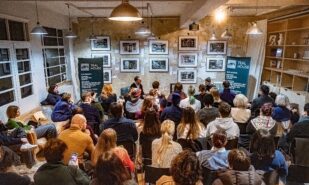
So I hope that when we start putting on events, they’ll be brilliant. A talk by an interesting psychologist or sexologist, for example. People keep saying to us, ‘Please do something where the girls can come along and have a laugh.’ Why not? Or a drawing class! We don’t imagine events as occasions where we absolutely have to sell something that day. It’s simply about getting together and exchanging energy.
How do you feel about vintage pieces? Is there much demand for them? And if we’re talking about energy, what is the energy of vintage?
I can tell you exactly what we’ll never have: vintage mirrors. I’m frightened of them. Terrified. I tried vintage homeware, but it didn’t sell nearly as well as I’d expected. Vintage jewellery is different, though, perhaps because it really is so distinctive. We know a couple of collectors who hunt these pieces down and authenticate everything, checking that it’s genuine and has the right markings and signature. Those pieces have a charm and elegance of their own. Very often they’re from the 1980s, which means there’s colour, eccentricity and a certain sense of fun. Items like that are rare and take time to source, but we have clients who really wait for them to arrive.
You clearly have a very strong artistic instinct and sense of taste. At the same time, there’s this idea – probably a cliché – that business makes people calloused. How do you balance that gentleness with running a business?
I go where my heart takes me, and I never step off my own path. There are always people – my so-called ‘well-wishers’ – who try to make you doubt yourself. And then there’s that irritating little voice inside my own head saying, ‘Are you sure? Really? What do you think you’re doing?’ I let it speak. And that’s it. I think if you refuse to listen to that horrible little voice, it comes back at exactly the wrong moment – furious, nasty, screaming at you. Whereas if you stop and say, ‘OK. Yes. I’ve heard what you have to say,’ it’s completely different.
Women can wind themselves up terribly. We can lift ourselves into a euphoric state and then collapse into a deep depression. Being a working mother, for example, is incredibly difficult because guilt is always eating away at you. You want to grow as a person, and you want to raise your children, and somehow you’re meant to do both at once.
I’m proud of what I’ve achieved. But there’s still work to be done! I know that if I stop working, everything will come to a standstill. I dislike it when small brands aren’t respected – I’ve been there myself. Back when I used to visit trade shows, I sometimes felt as though I was begging them to sell me a collection; I didn’t interest them because they didn’t know me. But if you don’t give someone a chance, how will you ever find out? For that reason, I always make time for small makers. I consider every proposal, though naturally I make my own choices in the end, since not everyone is the right fit.
I also think there’s often a certain feminine energy in the objects I choose. Even if the artist is a man, there’s usually a particular softness in the work. So much depends on the energy a person puts into making an object. Of course, I have a team helping me with the displays and all the paperwork – otherwise I’d probably collapse. But every single object, every tiny detail in the shop, has been chosen by me. And I know that the moment that changes, it becomes a different story. That’s why I don’t want ten shops. I don’t want to become a global brand. I want to remain myself. Soroka.
Who is your target customer? You must have tried to build a profile.
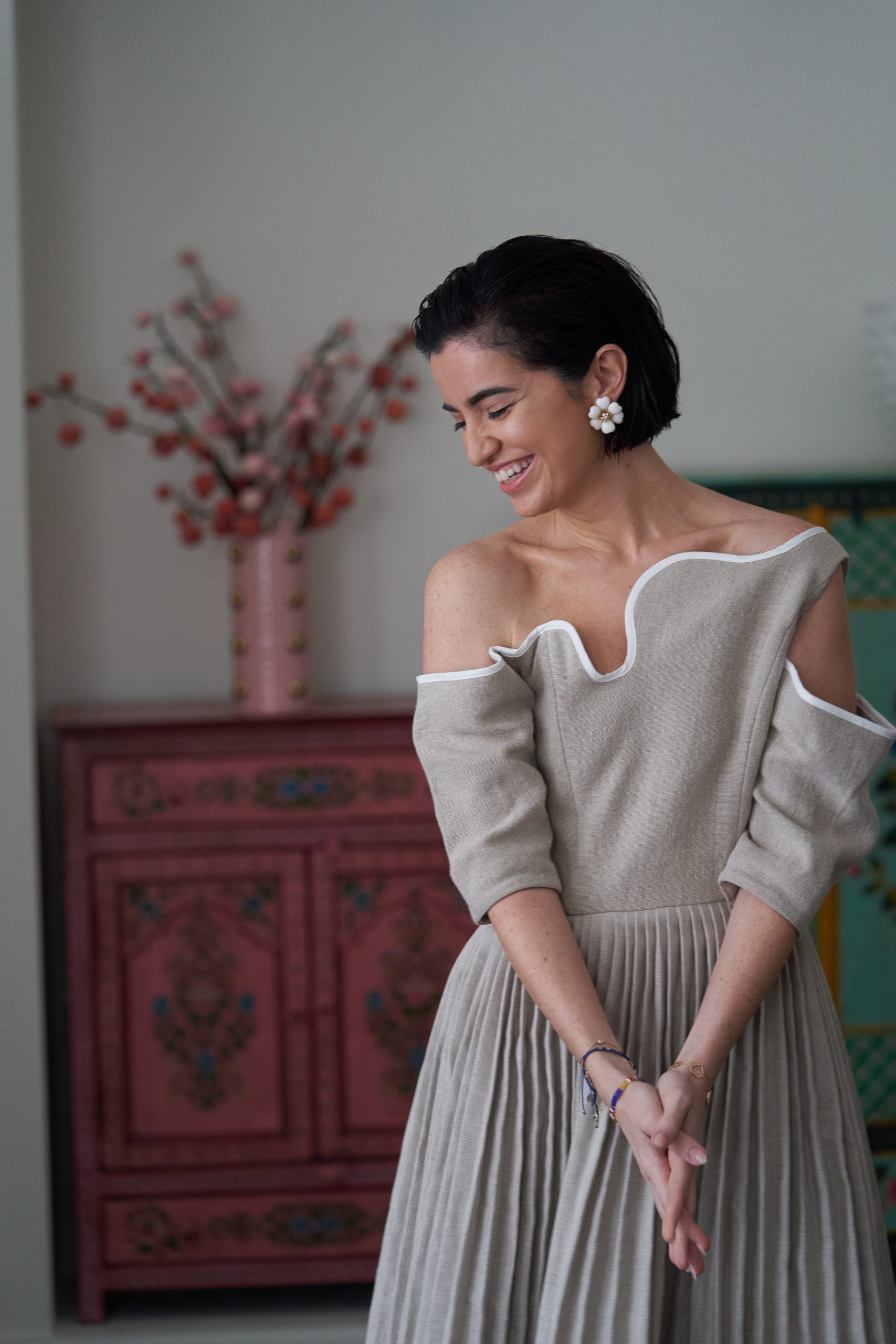
London is so diverse that it’s almost impossible to create one. Firstly, it’s an incredibly international city. Secondly, people here are used to something happening on every corner. And thirdly, Londoners are curious. They like discovering things they haven’t seen before. I think that’s exactly where it all comes together for us. I love talking to customers myself, although unfortunately I’m often stuck in the office and can’t get away. Sometimes I’ll see someone in the street and think, ‘She’s Soroka too. She needs to come in.’ London feels like exactly the sort of place where you can find your people. I’ve never felt like an outsider here, and perhaps that’s why Soroka feels so at home in London. I love working with completely different cultures and showing people things they may genuinely never have seen before.
One day aliens are going to come to us, and I’m sure you’ll have something beautiful for them too. Or perhaps they’ll have something for you.
I’m already waiting for them! Ever since the pandemic, I’ve been joking: well, first a crisis, then war – aliens must be next. But what’s the point of sitting around waiting? Maybe they’re lovely! Maybe they’ve been living among us all along. Yes, the world is unbelievably complicated. So I hope we can all have patience, colour in our lives and happy children growing up around us.
Colour in everyday life really is incredibly important, because everything on these shelves can actually be brought into an ordinary, everyday home quite naturally – and then it starts to live.
One hundred per cent. That’s why it’s so important to me to have different price points, so that anyone can take a little piece of this home, even if they don’t have a huge budget. That really matters to me. But if an object has taken six months to make, it will have its price. I would never allow an artist’s work to be undervalued. I respect their labour too much. Ceramicists all tell me about that moment when they open the kiln and have absolutely no idea whether the pieces have survived or cracked. In that moment, I’m right there with them emotionally. I worry too. I understand how difficult the whole process is.
What are your plans for Soroka’s fifth year?
I simply want good people to keep growing around Soroka. If we start putting on events and all those people begin coming together, how wonderful would that be? Imagine being in your forties, meeting a completely new person and suddenly finding someone who feels almost like family. That’s quite difficult nowadays: finding something genuine, breaking through loneliness. Here, you can come in, quietly have a look around, leave, and come back later. And listen to yourself. I think people are going to do more and more of that – pay more attention to themselves and actually listen to what they need.
I read a lot about well-being after forty, and it drives me mad when everything is presented in this relentlessly negative way: perimenopause, menopause – that’s it, apparently your life has stopped. Oh, just live! I think being over forty is an extraordinary state to be in. At long last, every now and then, you genuinely don’t give a damn. At long last, you say what you think. At long last, you understand: I matter too. Women are generally terrible at that. I’ll sleep later. I’ll eat later. I’ll think about myself later. I’ll work it all out later. And then, finally, you learn to say: no, actually, I need to get some sleep. Or go for a walk. And Soroka will be right there to inspire, support and add a touch of beauty to everyday life, making it more colourful!
Photo provided by Jamilya Asgarova