Schiaparelli: Art Reduced to Decoration

To say that the exhibition dedicated to the house of Elsa Schiaparelli at the Victoria and Albert Museum has been one of London’s most anticipated cultural events of the past year would hardly be an exaggeration. It was carefully built up in advance: publications, interviews, precisely calibrated teasers, a sense of expectation constructed with notable skill. British curators, working in close dialogue with major institutions, have mastered the art of turning exhibitions into events, and in this sense the project fully delivers on its blockbuster promise. What proves more interesting, however, is not the scale of anticipation, but what remains once it subsides.
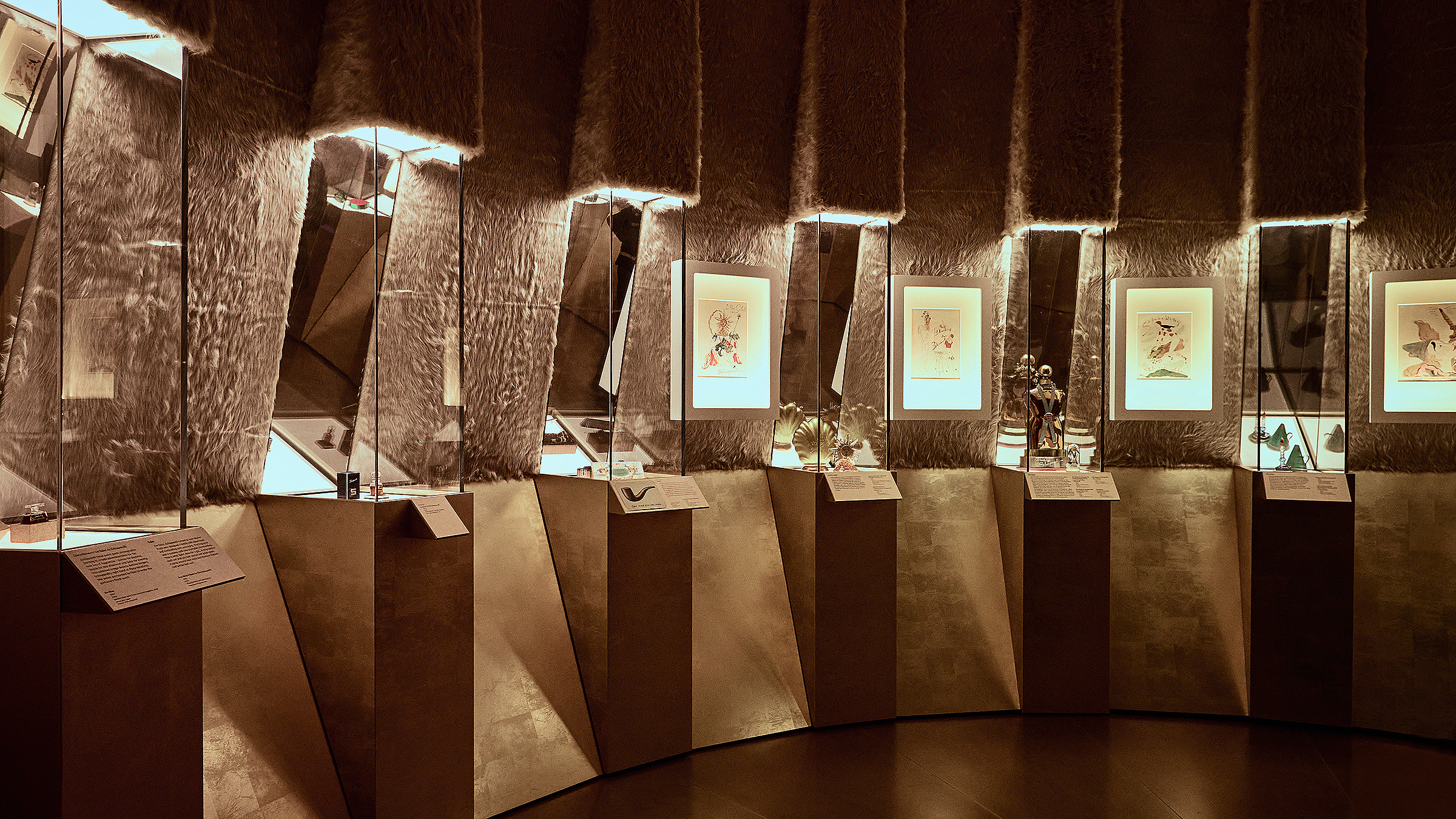
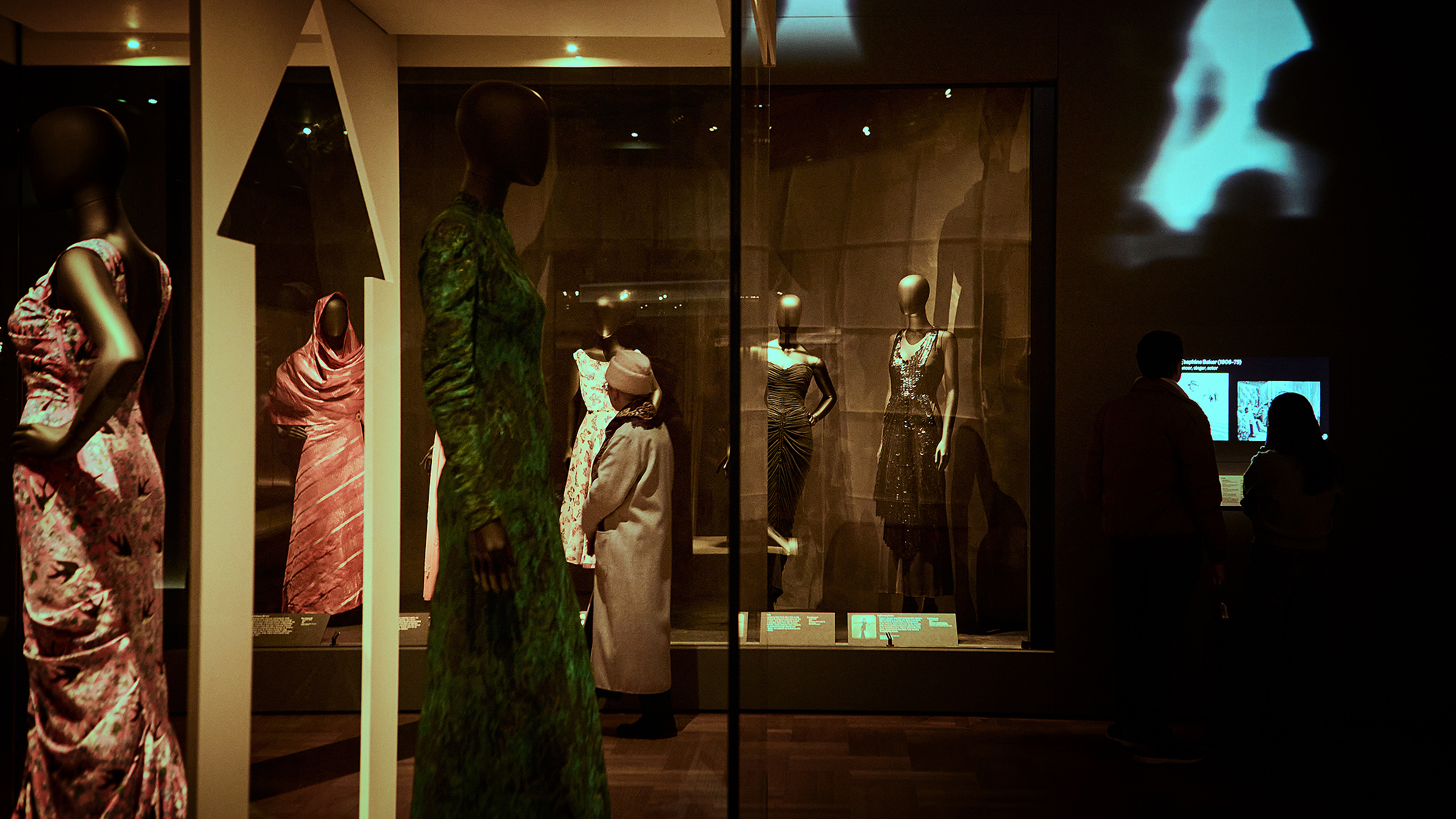
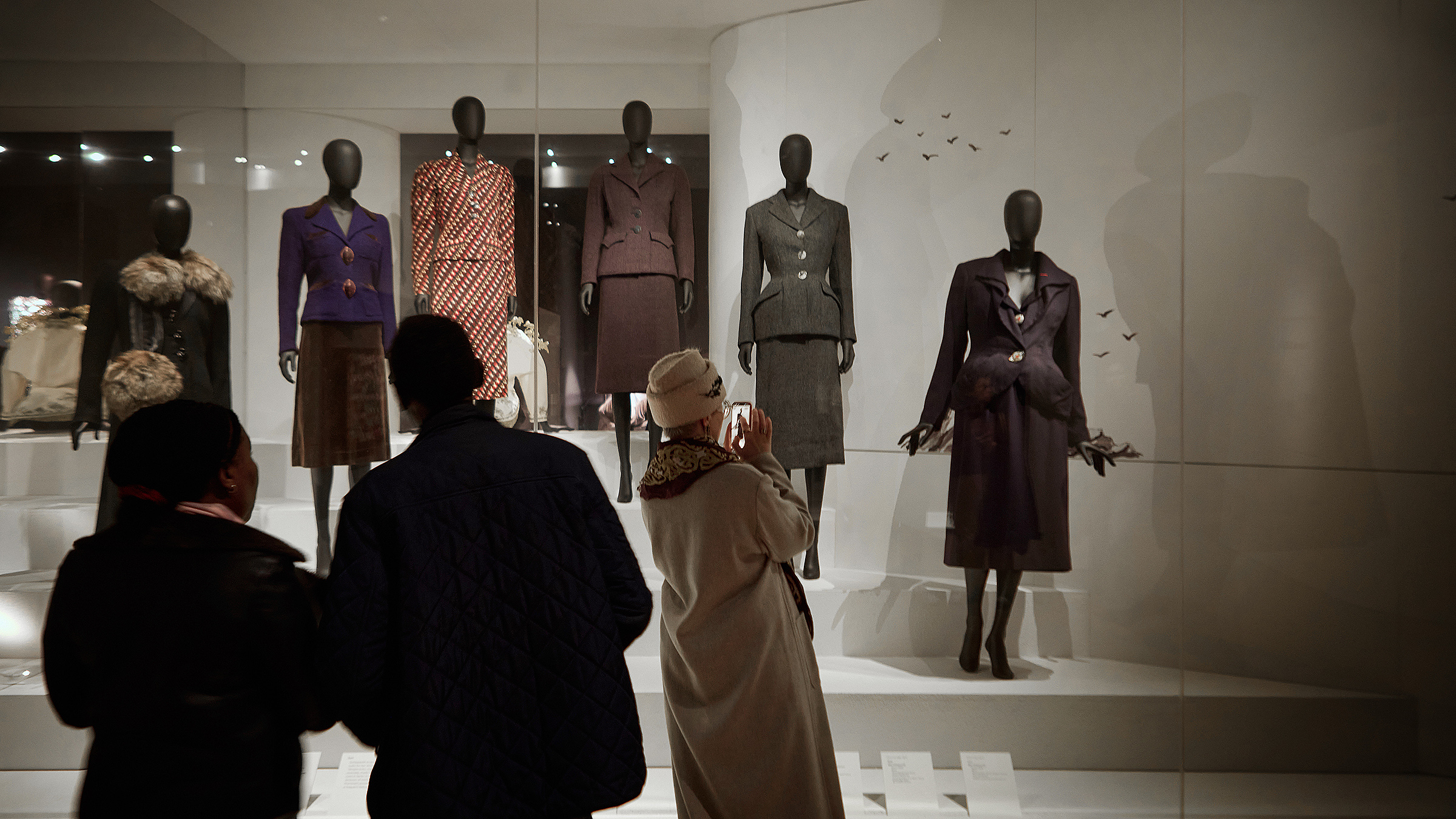
Schiaparelli: Fashion Becomes Art unfolds as a sequence of visual tableaux — almost theatrical in their construction, with a carefully measured rhythm and tension. It operates as an experience: cohesive, immersive, persuasive. This is one of those rare instances where the exhibition itself becomes a statement, nearly eclipsing the objects it presents. And one must acknowledge the curatorial achievement here: assembling such a substantial body of archival material — garments and jewellery from private collections — requires not only institutional reach, but considerable scholarly precision.
The exhibition’s curator, Claire Wilcox, has long argued that fashion within the museum context should be approached not as applied art, but as a mode of thinking. In one of her interviews, she puts it succinctly: Schiaparelli was “a designer of ideas”, rather than merely a maker of clothes. This premise becomes the key to the entire exhibition. Within its logic, Elsa Schiaparelli emerges not so much as a historical figure, but as a cultural construct — a myth shaped through her collaborations with artists of her time, including Salvador Dalí, Jean Cocteau and Man Ray, as well as through the intellectual climate to which she responded with remarkable immediacy.
It is precisely for this reason that the key pieces — whether the famous lobster dress or the trompe-l’œil illusions — are perceived here not as garments, but as statements. As ideas fixed in fabric, as forms of thought translated into material. This shift from craft to concept has been widely noted in international criticism, from The Guardian, which speaks of a “riotous imagination”, to The Art Newspaper, which emphasises the direct dialogue with Surrealism and the presence of rare works shown in Britain for the first time.
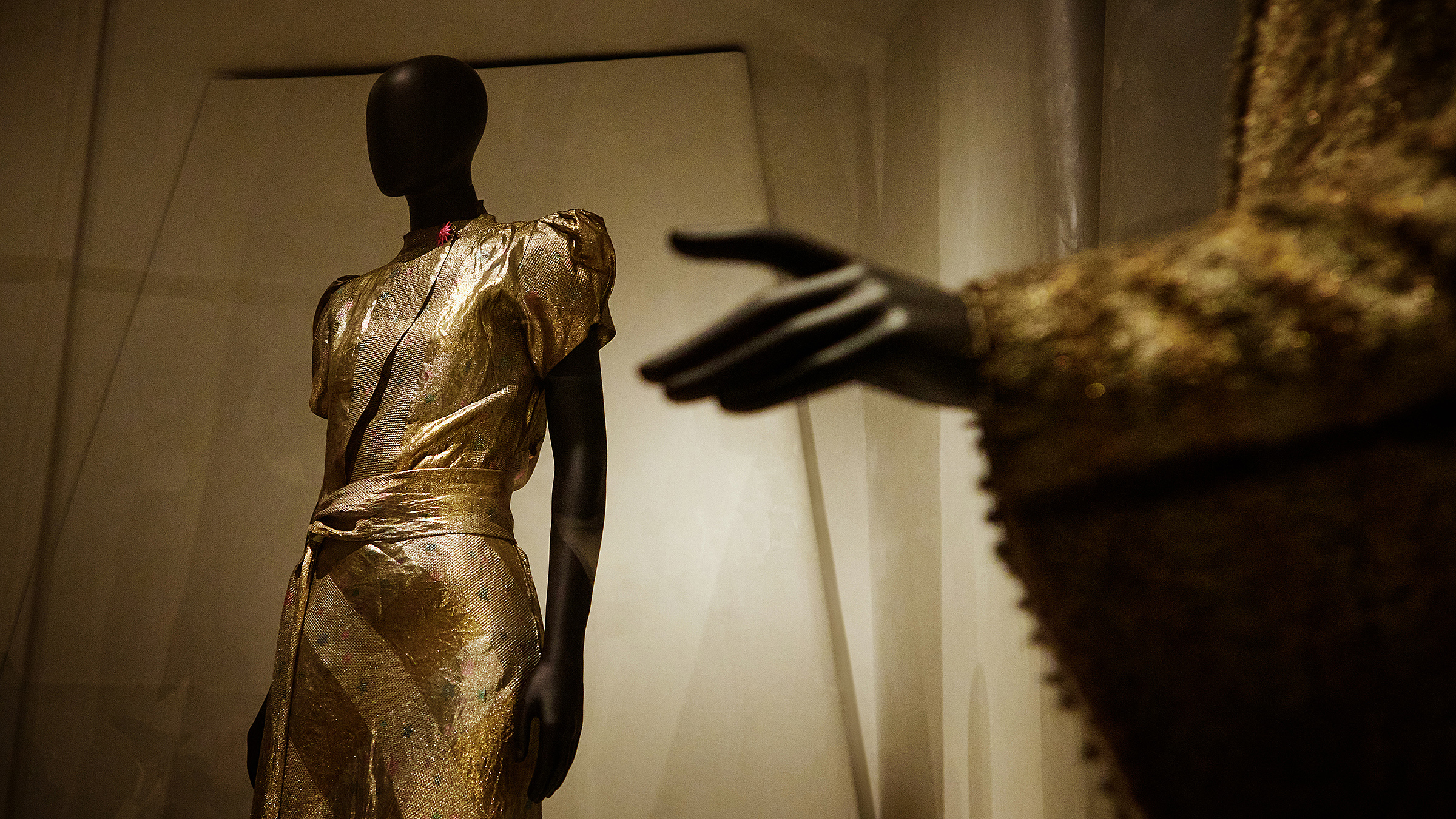
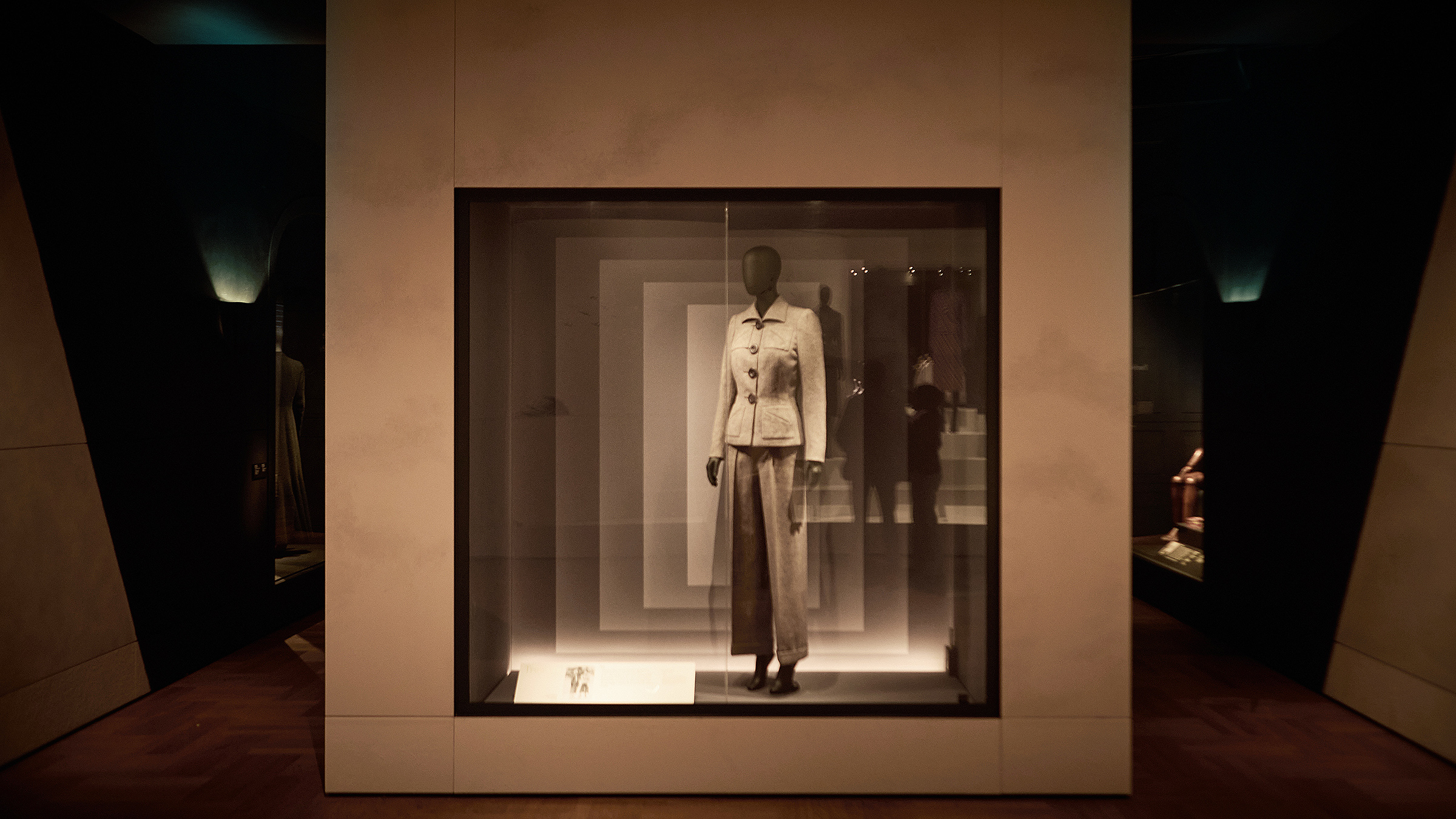
And yet it is precisely within this persuasiveness that a first doubt arises. For all its visual impact and impeccable scenography, the exhibition lacks density. Not scale — the scale is undeniable — but density of material. The historical layer unfolds in fragments, as a sequence of striking yet isolated episodes, bound more by visual logic than by research depth. Compared with recent London exhibitions on the scale of Cartier, there is less sense of immersion in the archive, less opportunity to linger within the material, to examine it from within rather than from the position of a viewer guided along a predetermined path.
This becomes particularly evident in the treatment of jewellery. And yet it is here that Schiaparelli is at her most precise. Her eye brooches, buttons, those small, almost imperceptible interventions into the surface of a garment — these constitute her language. Not decorative, but intellectual. The paradox is that in an exhibition devoted to Schiaparelli, this language is rendered almost secondary, subdued in favour of the overarching scenography.
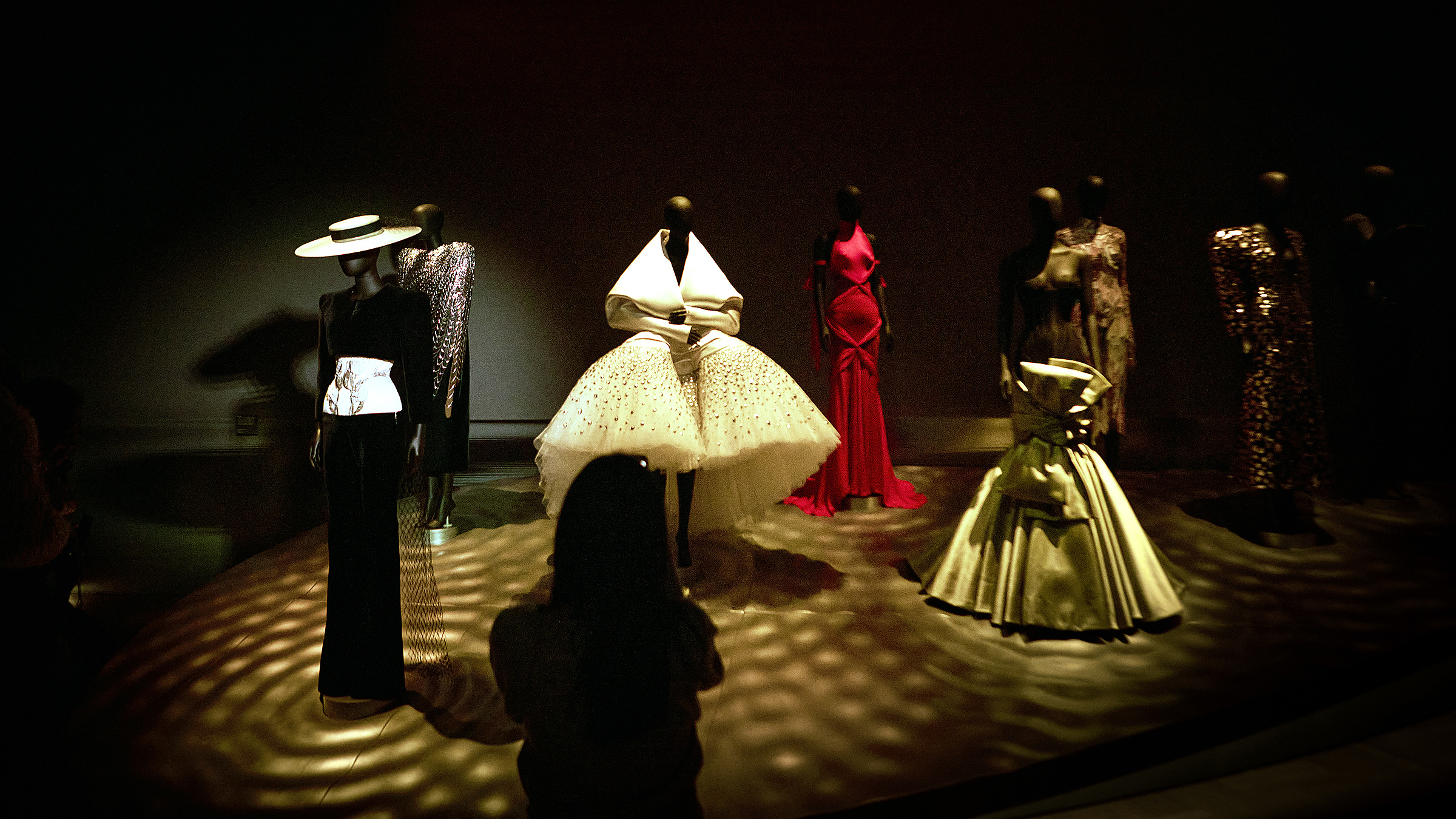
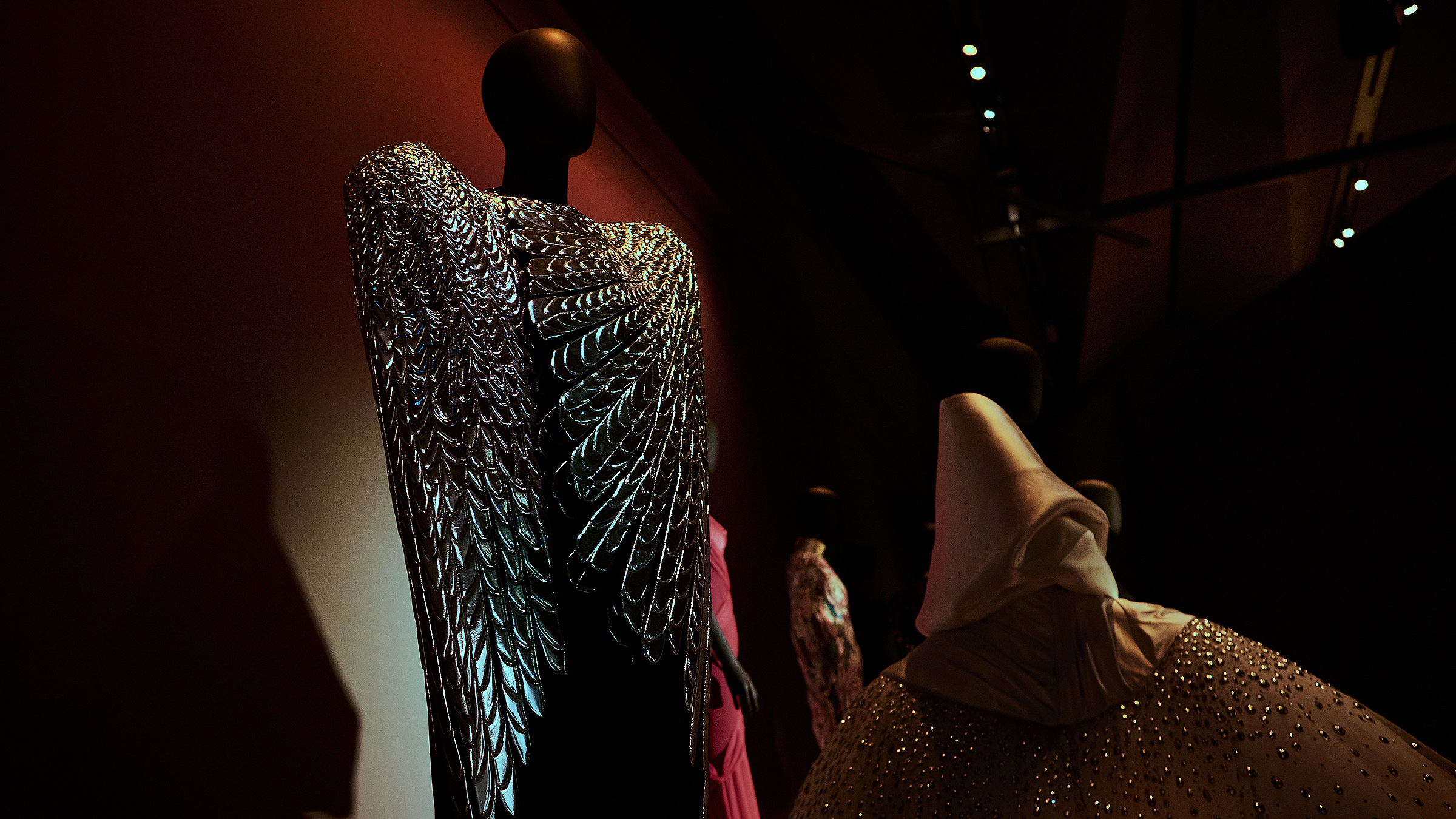
The contemporary strand, shaped by the work of the house’s current creative director, Daniel Roseberry, is integrated seamlessly into the display and, in many ways, becomes its visual climax. His pieces are striking, sculptural, dramatic — they perform exceptionally well within the museum space. And here emerges that subtle tension which perhaps makes the exhibition compelling. Roseberry does not extend Schiaparelli — he interprets her. Skillfully, and at times almost too literally. His language is that of the image: immediate, legible, emphatic. Where Schiaparelli operated through intellectual paradox, he often produces visual effect. This is not a critique so much as an observation of the present moment: today, it is more important to be seen than to be deciphered.
Perhaps one of the most revealing aspects of the exhibition, however, lies beyond its walls. It does not exist in isolation, but is embedded within the broader cultural fabric of the city. The portraits of Cecil Beaton, recently on view at the National Portrait Gallery, reappear here as a continuation of an ongoing conversation. The eye brooch, previously encountered in the vitrines of Wartski, returns in a museum context. London, in this sense, operates as a single, extended exhibition space, where themes, images and figures flow seamlessly from one project to another, allowing the viewer to assemble a cultural narrative piece by piece.
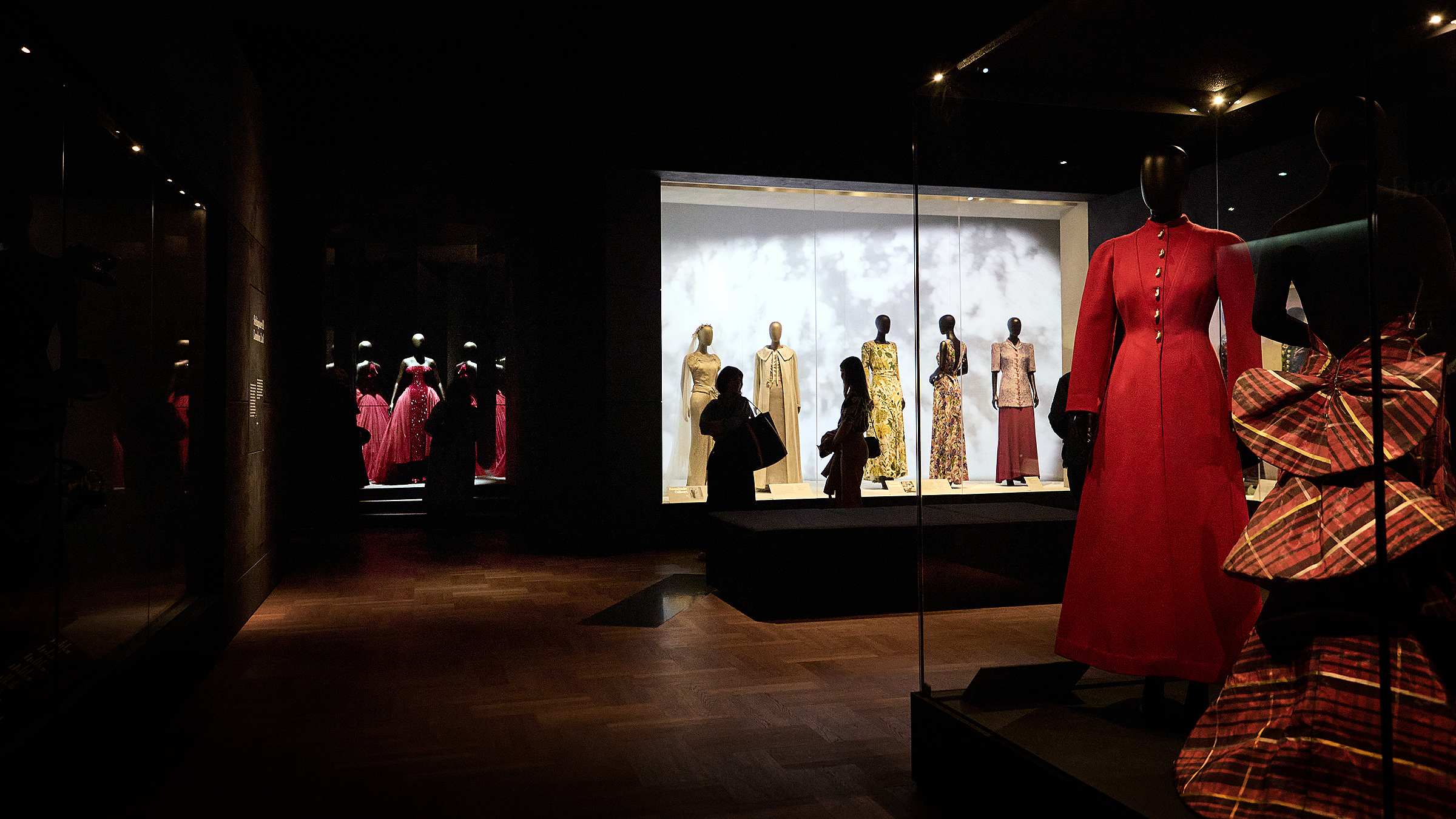
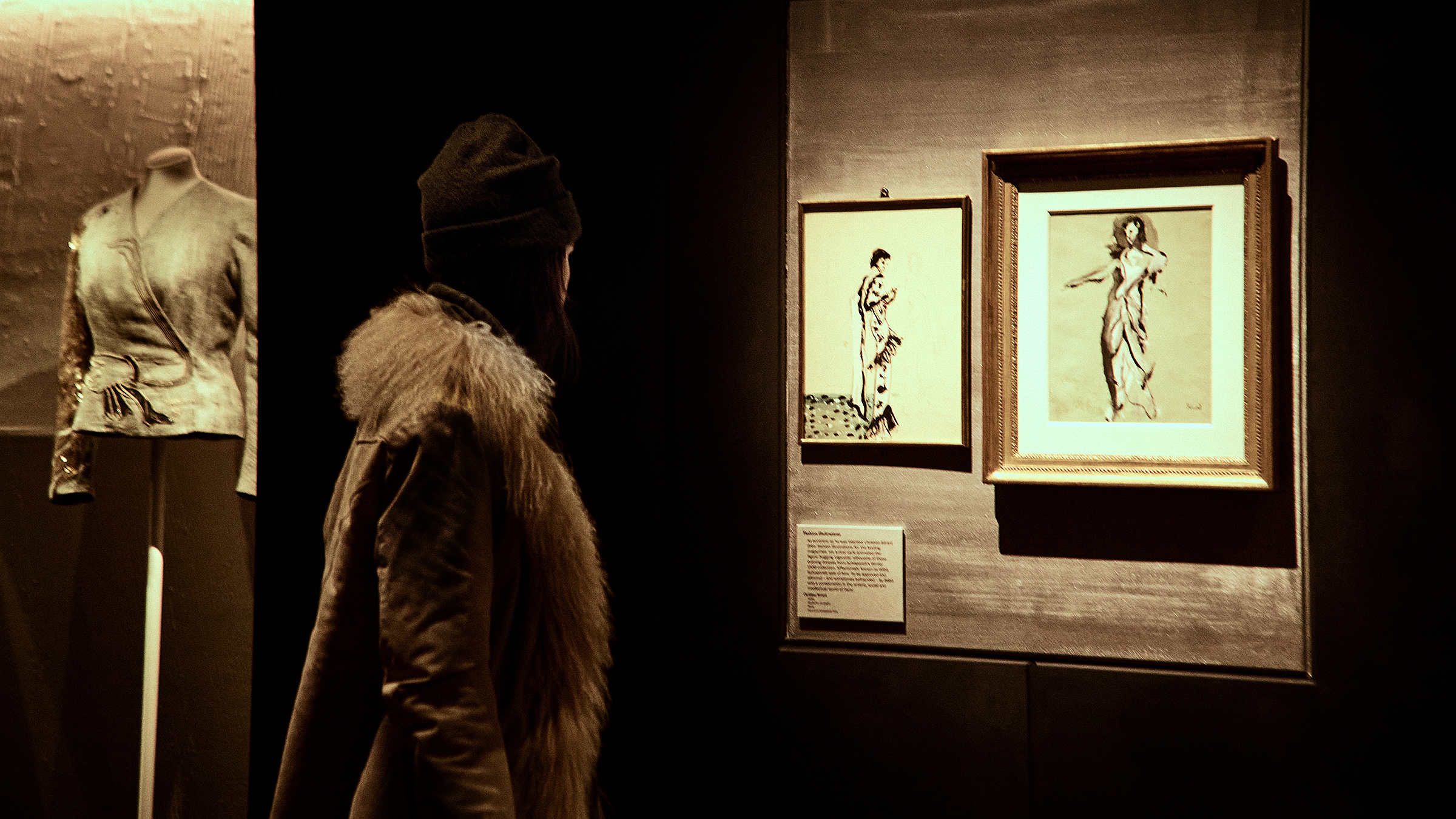
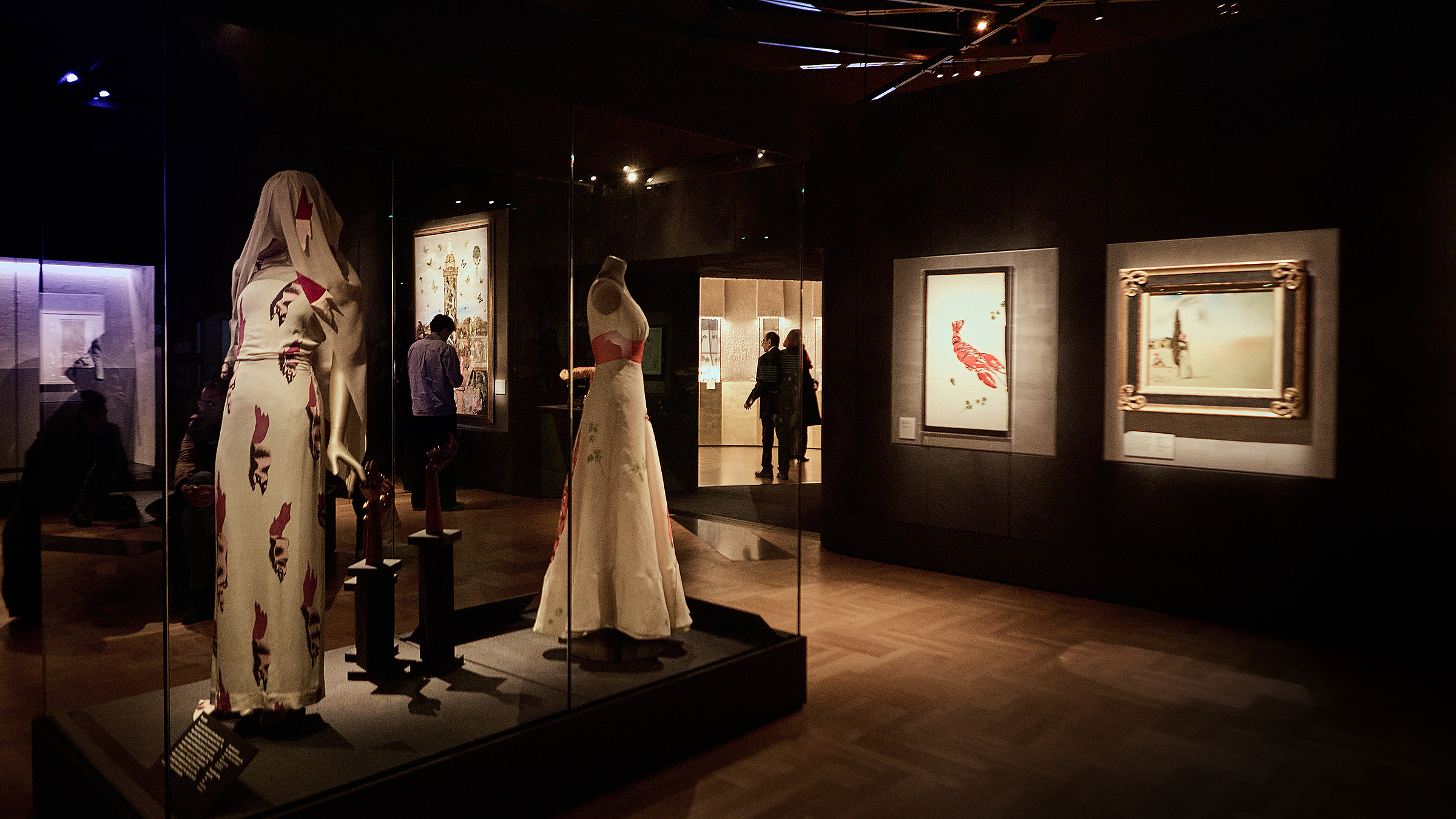
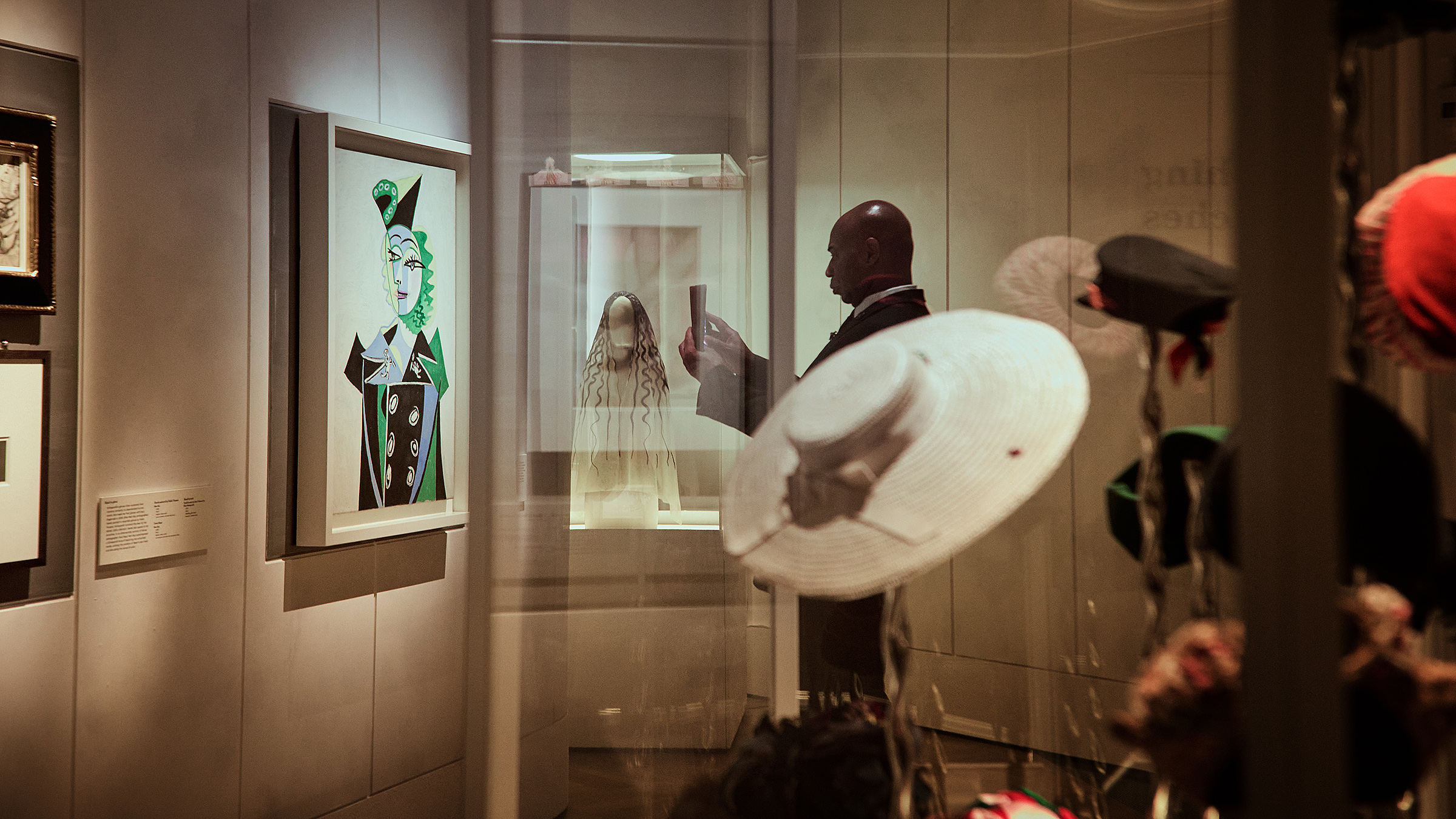
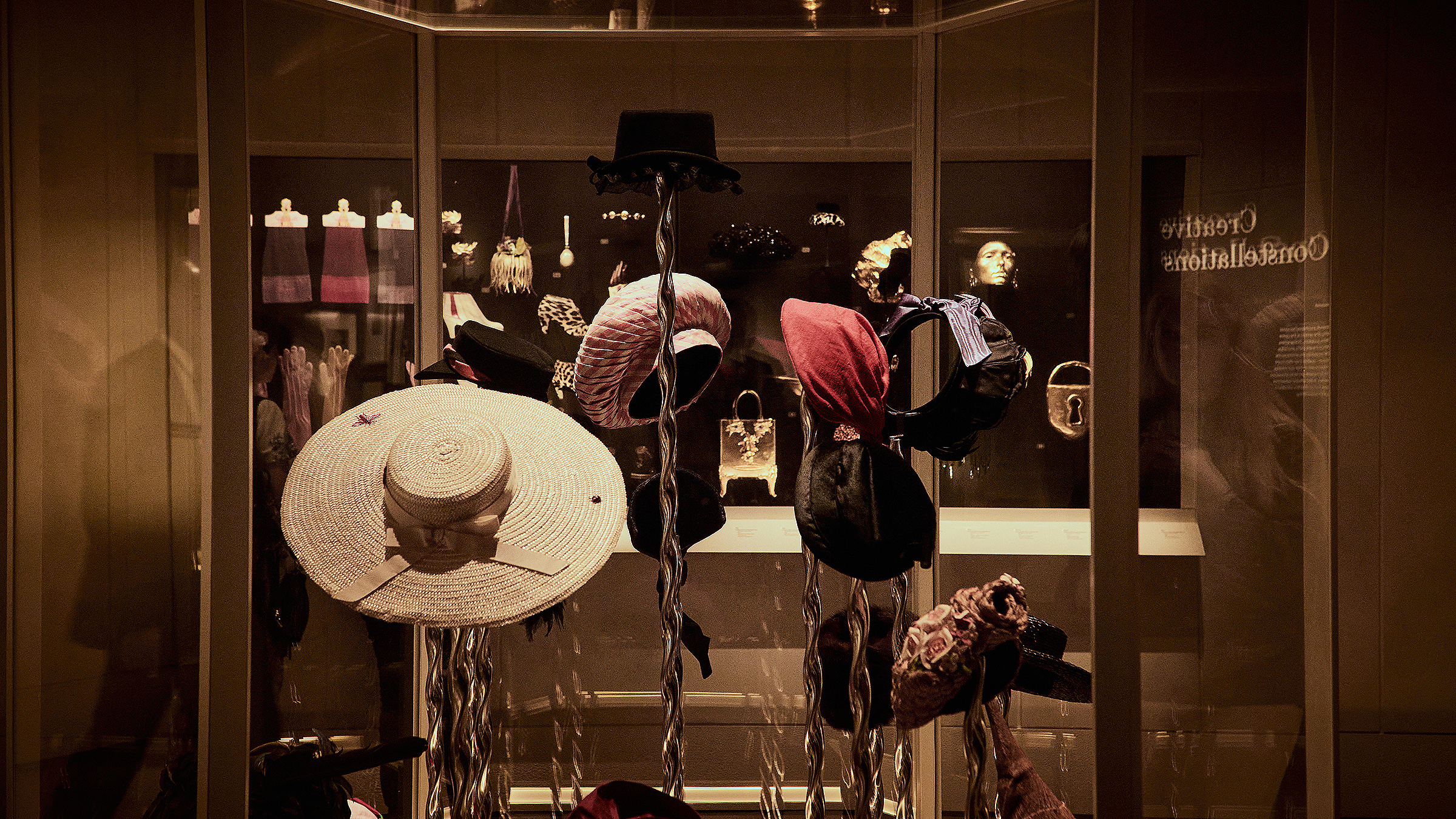
It is therefore all the more surprising that this continuity breaks down in the museum shop. If the exhibition itself is built on wit, audacity and intellectual tension, its retail counterpart feels curiously neutral. There is no risk, no sharpness, no desire to extend the conversation. The catalogue, which ought to serve as a record of the experience, leaves a similar impression of incompleteness: key elements are missing — the jewellery, the buttons, the prints — those very details through which Schiaparelli emerges not merely as a designer, but as a figure of cultural rupture.
And yet — paradoxically — the exhibition remains important. Not as a definitive statement, but as a tool. As a way of calibrating one’s gaze. Schiaparelli is not about taste; it is about perception. And even if this is not entirely one’s cup of tea, it is precisely exhibitions like this that help define the boundary — where fashion ends and thought begins. It may well be worth returning. Not for delight, but for attention. Because certain things only become visible once the initial impression has faded.