What Comes After Cotton?

For more than a century, cotton has remained the dominant natural fibre in the global textile industry. Today, however, the textile market is changing rapidly – not only because of sustainability discussions, but also because the industry itself is beginning to search for new material systems.
According to recent textile market reports, polyester and other synthetic fibres now account for nearly 60–70% of global fibre production. Cotton remains the leading natural fibre at around 20–25% of the market. Linen, despite its strong visibility in fashion and interior design, represents less than 1% of global fibre production. Hemp, nettle, banana fibre, pineapple fibre, and other alternative plant-based fibres occupy only a very small part of the market (less than 1%).
This difference is striking. Linen appears highly visible in contemporary fashion, yet industrially it remains a niche fibre compared to cotton. The reason is simple: cotton is not just a material – it is an infrastructure.
Cotton has been cultivated and processed into textiles for thousands of years. Industrial cotton spinning became one of the foundations of modern textile manufacturing during the Industrial Revolution in the 18th and 19th centuries. Over time, the global industry built enormous systems around cotton: agriculture, machinery, dyeing technologies, logistics, pricing models, and consumer habits.
Consumers understand cotton, manufacturers understand cotton, machines are designed for cotton. This makes cotton stable, scalable, and commercially predictable. Yet the cotton industry is also showing signs of fatigue. Much of today’s cotton market depends on blended fibres, lower-quality raw material, or recycled cotton systems. At the same time, environmental pressure, water consumption, pesticide use, and supply-chain instability continue to push brands toward alternative solutions.
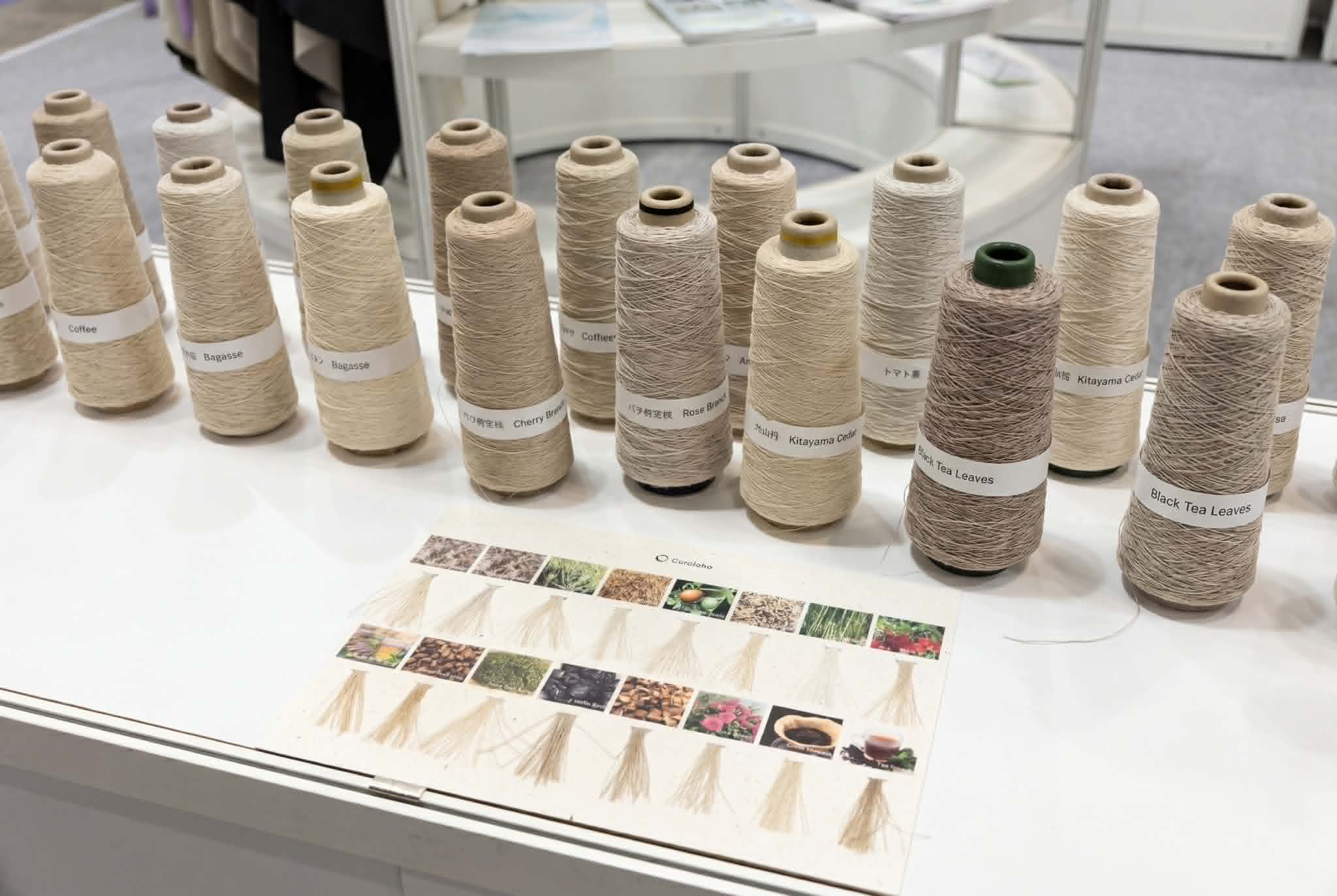
This is where a new generation of fibres begins to appear. Some are natural plant-based fibres such as hemp, nettle, banana, pineapple leaf fibre, lotus fibre, or kapok. Others belong to newer technological categories: regenerated cellulose fibres, microbial materials, milk-protein fibres, or biofabricated systems inspired by bacterial or fermentation processes. Many of these materials began developing seriously during the second half of the 20th century, while some biofabricated fibres emerged only in the last two decades alongside advances in biotechnology and material science.
But despite growing interest, alternative fibres still remain marginal in the global market. Why? Because developing a new fibre is very different from developing a new fashion collection. A fibre must enter an existing industrial ecosystem. It requires machinery, fibre extraction systems, spinning adaptation, quality control, durability testing, certification, and large-scale manufacturing compatibility. Even when a material itself is promising, the infrastructure around it may not yet exist.
Banana fibre is a good example. Countries such as Uganda, India, and the Philippines already possess large agricultural systems connected to banana production. Banana plants generate enormous amounts of agricultural waste that can potentially be transformed into textile fibres. This creates an interesting possibility: alternative fibres may gradually redistribute parts of textile manufacturing toward regions that historically were not major textile powers.
In Uganda, for example, banana fibre development is increasingly connected to regional innovation programmes and discussions around local manufacturing. The fibre itself is not new. What is new is the attempt to integrate it into contemporary fashion and industrial supply chains.
At the same time, many alternative fibres are still expensive to process. Their softness, consistency, and scalability often cannot yet compete with industrial cotton or polyester production. This is why many alternative materials first appear through experimental fashion, luxury brands, or smaller local labels.
Brands such as Stella McCartney, PANGAIA, and Loewe have actively explored new fibre systems and biomaterials in recent years. Some work with pineapple-based materials, regenerated cellulose systems, mushroom-based composites, or bioengineered fibres. Often these projects function both as material experimentation and as a way to communicate sustainability values to consumers.
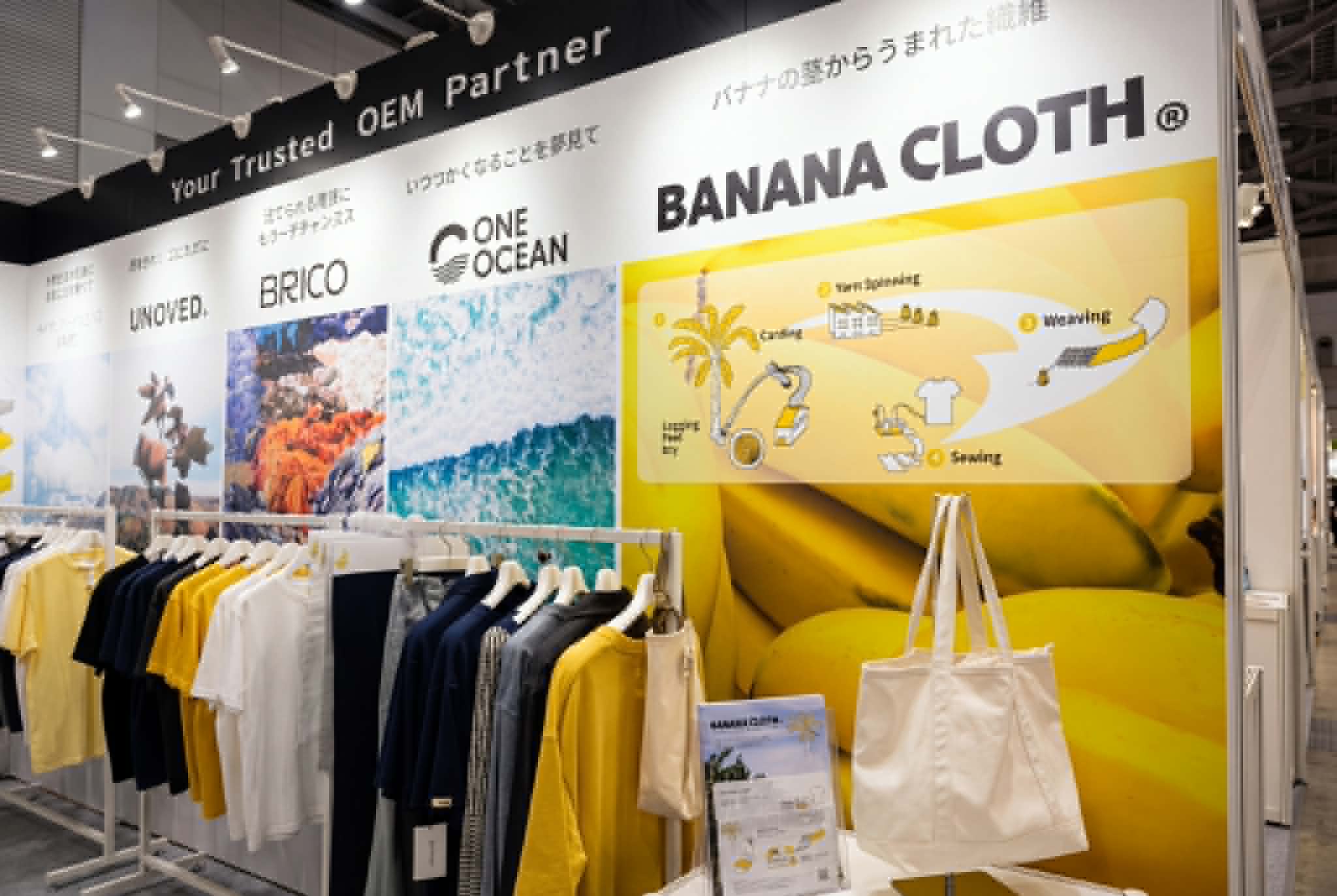

At the same time, smaller regional producers across Asia, Africa, and South America are becoming increasingly important in the development of plant-based fibres. Unlike cotton, many alternative fibres remain highly localised and connected to regional agricultural systems. For consumers, this creates a new kind of textile landscape.
Sustainable fashion is no longer only about organic cotton or recycling. Increasingly, it involves understanding where fibres come from, how they are processed, and what kind of industrial system stands behind them.
Cotton will not disappear anytime soon. Its infrastructure is too large, too stable, and too deeply integrated into global manufacturing. But the future textile market may become far more diverse than the one we know today. And perhaps the most important shift is not that alternative fibres will replace cotton completely, but that they may slowly change who produces textiles, where materials come from, and how the industry itself is organised.