
LONGEVITY: A GLOBAL TREND TRANSFORMING THE ECONOMY, MEDICINE, AND PERCEPTIONS OF AGING

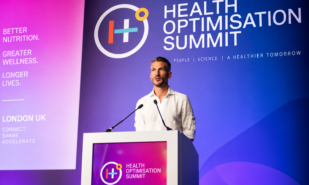
Just a decade ago, talk of aging prevention was viewed as the stuff of science fiction. Today, longevity is one of the fastest-growing sectors of the global economy. It encompasses far more than just medicine; it spans artificial intelligence, biotechnology, diagnostics, insurance, real estate, fitness, nutraceuticals, and even urban planning. This is precisely why major international conferences now bring together scientists and physicians alongside investors, business leaders, government officials, and representatives from technology companies. The Longevity Show in London is one such platform.
THE LONGEVITY ECONOMY
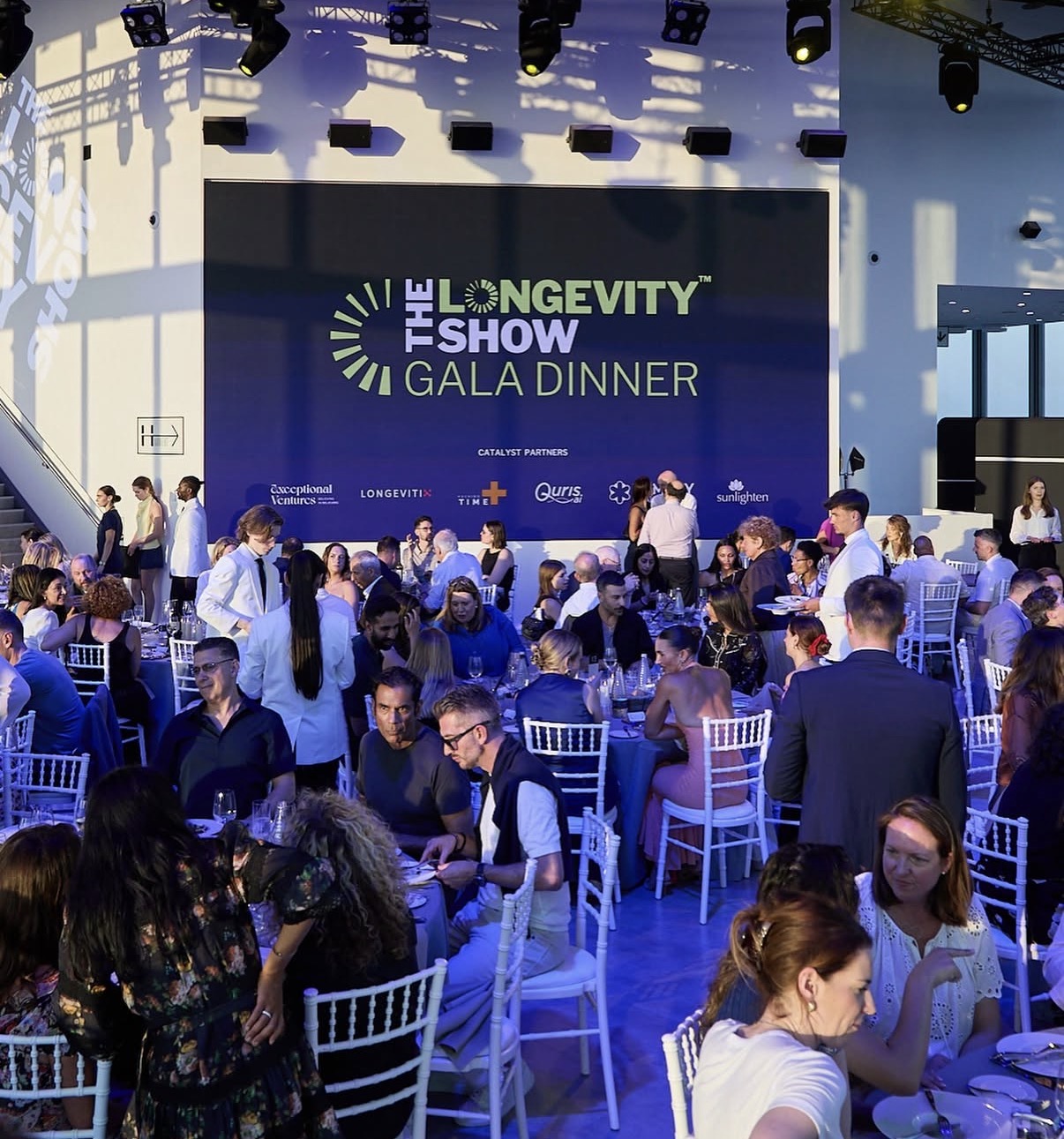
Contrary to popular belief, longevity is not an attempt to make humans immortal. The primary goal of modern science is to extend “healthspan” — the period of life during which a person remains healthy, active, and independent. According to AARP and Economist Impact, people over the age of 50 contributed approximately $45 trillion to global GDP in 2020, representing about 34% of the total. This figure could rise to $65 trillion by 2030 and to $118 trillion by 2050.
That is precisely why the world’s leading entrepreneurs — such as Jeff Bezos, Peter Thiel, Sam Altman, Yuri Milner, Marc Andreessen, and other figures from the tech industry — are investing in research on aging. Today, new preventive medicine clinics, biomarker laboratories, microbiome analysis services, and companies specialising in artificial intelligence, wearable devices, and continuous health monitoring are emerging.
SCALING LONGEVITY HEALTH NETWORKS ABOUT LONGEVITY AVAILABILITY
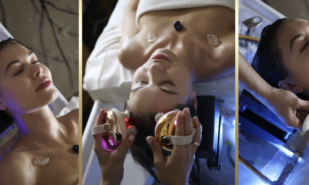
The Longevity Show showcased dozens of innovative companies, including NADclinic, Sens.ai, Hyperice, Nuralogix, Human Regenerator, Inside Out Biotech, and many others. Their booths introduced attendees to technologies for analysing physical health via selfies, athlete recovery systems, neurotechnology-based brain training, home health monitoring devices, digital diagnostics, and AI-powered platforms.
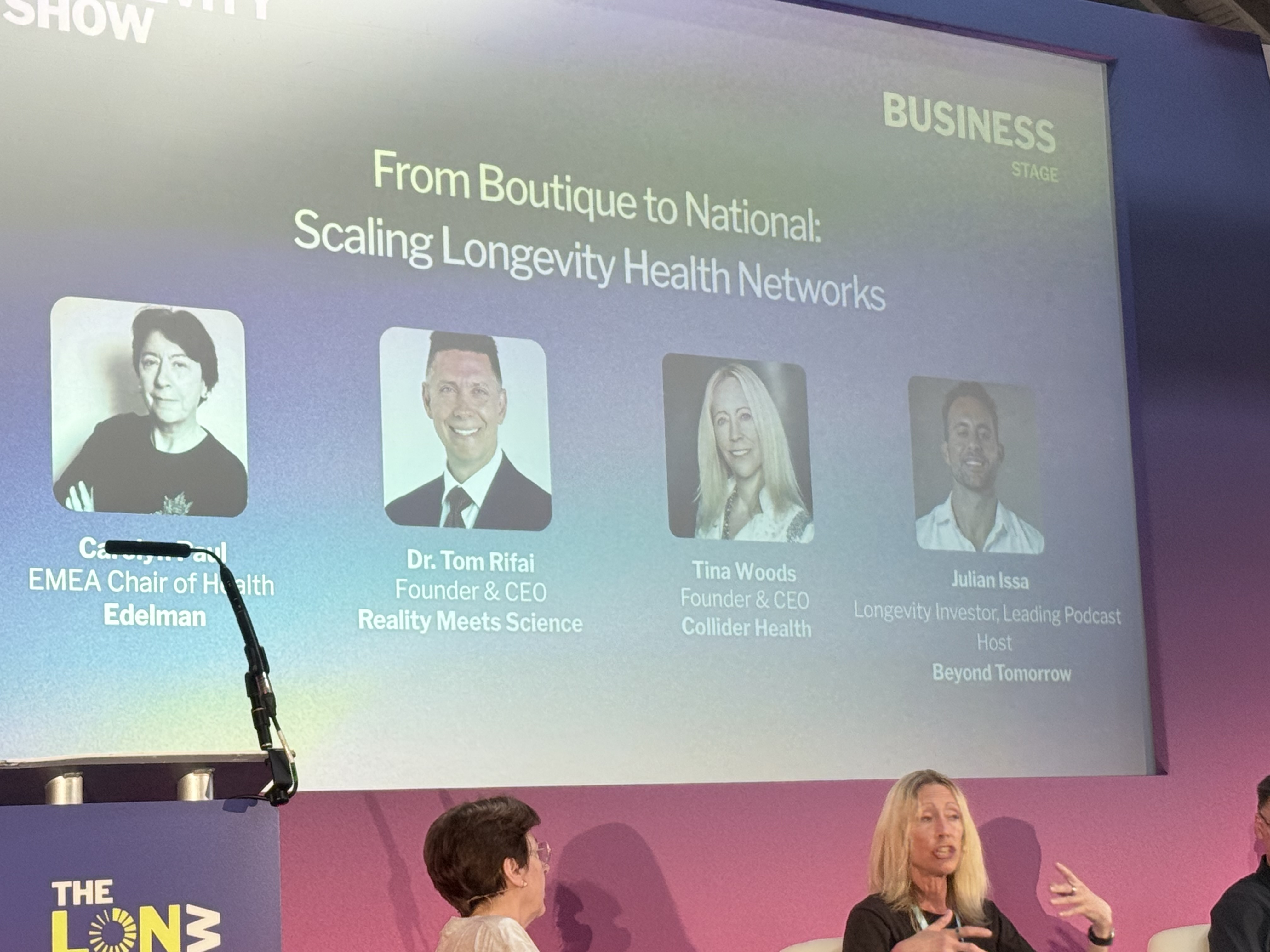
The main discussion at The Longevity Show centred on a key question: how can longevity medicine be made accessible not only to the wealthiest individuals but to millions of patients? This topic was the focus of the panel titled “From Boutique to National: Scaling Longevity Health Networks.”
Participants in the discussion included Cathy Ball, EMEA Chair of Health at the global agency Edelman; Dr. Tom Rifai, a preventive medicine physician and founder of Reality Meets Science; Tina Woods, CEO of Collider Health, a leading UK expert on the longevity economy and an NHS advisor; and Julian Issa, an investor and host of the Beyond Tomorrow podcast.
The conversation proved to be far deeper than a mere discussion of new drugs or technologies. The experts’ key message was surprisingly simple: even the most advanced technologies cannot replace a healthy lifestyle.
The industry is currently experiencing a real boom, with the emergence of new biomarkers, genetic testing, cell technologies, and artificial intelligence systems. Yet, the panelists agreed that it is precisely now that maintaining a scientific approach is crucial. Modern medicine should begin not with prescribing medication, but with understanding what is happening within the human body.
Biomarkers, blood tests, wearable devices, continuous glucose monitoring, and digital diagnostics make it possible to identify risks long before symptoms appear. However, the technologies themselves are not the goal. As Dr. Tom Rifai noted, “Lifestyle is the engine, while all modern technologies are merely the turbocharger.”
During the discussion, experts acknowledged that people today are constantly seeking quick fixes. New drugs, peptides, or injections offer the sensation of instant results.
However, sleep, physical activity, nutrition, stress management, and mental health remain the most effective tools for prevention. That is why experts consider it a mistake to offer patients innovative treatments before discussing their lifestyle.
Artificial intelligence was another key topic. Panelists are convinced that AI will not replace doctors but will be able to support individuals between clinic visits. The discussion highlighted the example of a young woman who has been using ChatGPT for several months as a personal wellness coach to plan her nutrition, workouts, and healthy habits. Experts believe that such digital assistants have the potential to make preventive medicine accessible to millions of people.
Biology is just one part of the longevity story — a point highlighted by Tina Woods. In her view, modern science has for too long focused exclusively on the biology of aging. Yet, human health is determined by more than just genes; factors such as air pollution, microplastics, toxic substances, chronic stress, diet, and environmental quality have a profound impact on lifespan.
However, loneliness remains the most underestimated factor. As Tina Woods noted, modern research shows that chronic social isolation affects health to a degree comparable to smoking fifteen cigarettes a day. That is precisely why the conversation about longevity cannot be reduced solely to laboratory tests. Mental health, social connections, and environmental quality are becoming just as important as cholesterol levels or blood sugar.
One of the panel’s most interesting conclusions was unexpected. Despite immense interest in preventive medicine, experts believe that modern longevity clinics, in their current form, will never become part of the British National Health Service (NHS).
The reason is simple. Comprehensive programs costing €15,000–€16,000 per year — which include whole-body MRI scans, liquid biopsies, genetic testing, dozens of laboratory analyses, and months of physician oversight — cannot be scaled to serve millions of patients.
WOMEN’S HEALTH SUMMIT AND TOBACCO DOCK ON THE LONGEVITY EXPERIENCE
However, this does not mean that longevity concepts will remain the exclusive preserve of the wealthy. According to the panel participants, private clinics are currently serving as laboratories for the future. It is here that new preventive models are being developed; once their effectiveness is proven, they can be gradually integrated into the public healthcare system.
What will be adopted by the NHS is not the high-cost VIP programs themselves, but rather their scientifically validated components – such as early diagnosis, lifestyle changes, digital health monitoring, artificial intelligence, and personalised prevention.
It is worth noting that The Longevity Show has evolved beyond a conference focused solely on longevity. Today, it serves as a major platform integrating medicine, science, technology, education, and a culture of healthy living. This arguably best reflects the industry’s primary development trend: modern longevity is now viewed as a comprehensive system spanning every stage of human life.
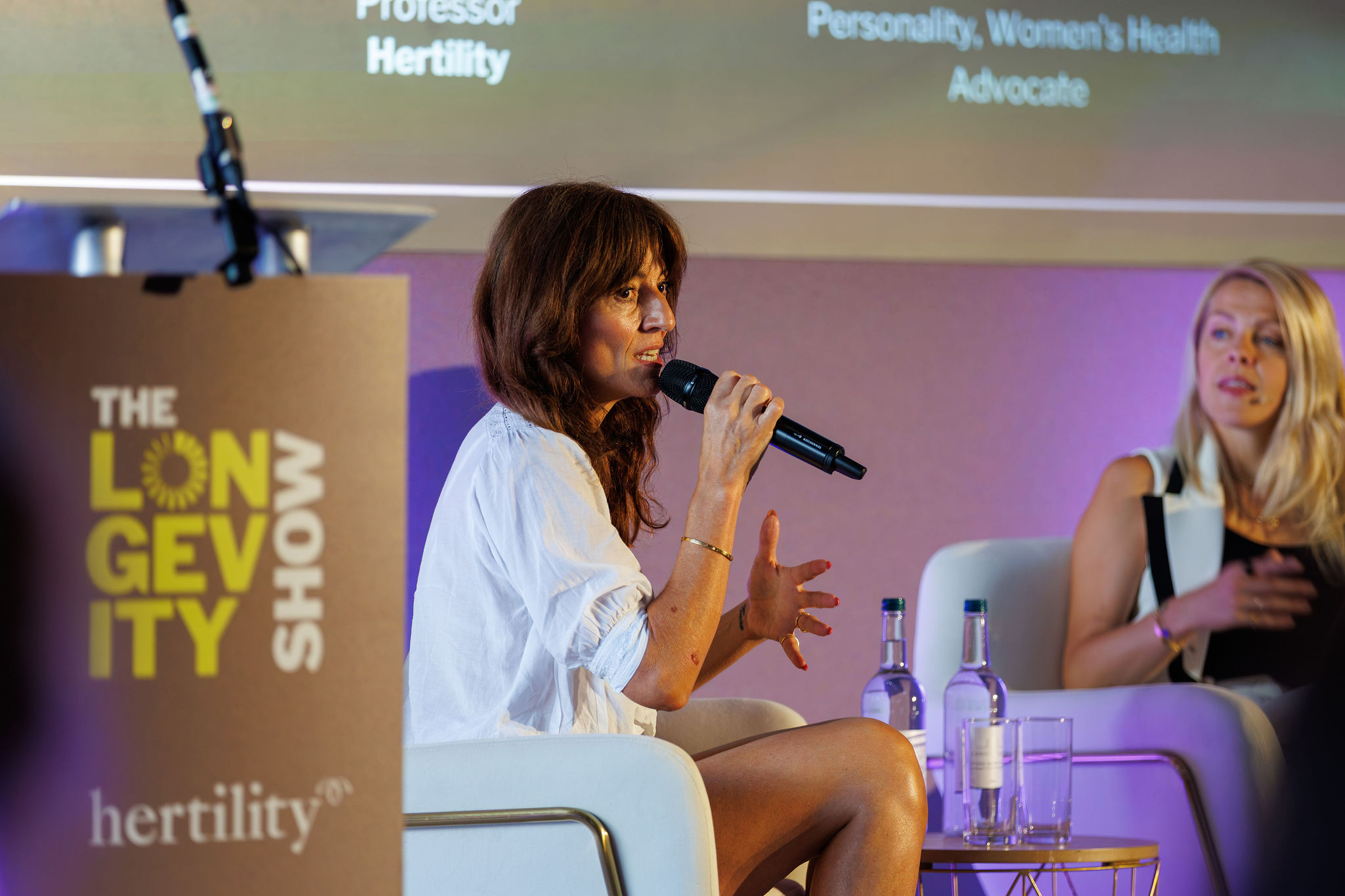
That is precisely why the Women’s Health Summit — a forum dedicated to women’s health, the prevention of age-related changes, and healthy longevity for women — was held alongside the main program of The Longevity Show. Throughout the day, leading physicians, scientists, and entrepreneurs discussed reproductive health, menopause, hormone therapy, mental well-being, and the advancement of personalised medicine.
One of the key themes addressed at the women’s forum was the need to rethink the traditional approach to medical research. Participants noted that, historically, a significant portion of medical science was built upon data derived predominantly from men. Consequently, many aspects of the female body — ranging from symptom presentation to reactions to medications — remained insufficiently studied for a long time.
Today, the scientific community acknowledges this issue. An increasing number of studies take sex-based differences into account, and clinical trials are including enough women to evaluate the efficacy and safety of treatments specifically for them. The field of personalised medicine is also advancing, treating biological sex as a crucial factor in diagnosis and the selection of therapies.
Has the situation changed? Partially, yes. In recent decades, medicine has made significant strides in understanding the nuances of women’s health. However, experts agree that there is still much work to be done. Many conditions require further study that takes sex-based differences into account, and updating clinical guidelines and medical practices remains a key priority for modern healthcare systems.
The forum’s speakers include Dr. Helen O’Neill, a reproductive genetics expert and co-founder of Hertility; physician and nutritionist Dr. Federica Amati; Professor Siobhán O’Mahony; entrepreneur Poppy Jamie; TV presenter Davina McCall; as well as Dr. Rangan Chatterjee, Joe Wicks, Fearne Cotton, Liz Earle, and other experts in preventive medicine and healthy living.
But The Longevity Show is about more than just lectures and technologies. For two days, the Tobacco Dock venue became a space where ideas regarding healthy longevity could not only be discussed but also experienced firsthand. This format reaffirmed that longevity is an integrated system — one that is gradually becoming the new norm in modern medicine and society.

The open-air terrace hosted yoga classes, Peloton Rooftop Workouts, breath-work sessions, mobility sessions, and recovery workshops. These were led by renowned fitness and wellness experts, including Peloton instructor Leanne Hainsby-Alldis, personal trainer Jacqueline Hooton, and breathwork specialist Faith McAllister.
NADCLINIC ON THE PREVENTIVE MEDICINE ECOSYSTEM

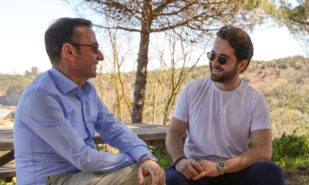
One of the exhibition’s most notable participants was the British company NADclinic, which operates in over forty countries. In an interview with London Cult., the company’s Sales Director, Sarah Hickey, explained that she envisions the industry’s future lying in the creation of a comprehensive preventive medicine ecosystem.
“The industry is evolving incredibly fast. We are constantly seeing new research and technologies. Yet, innovation brings responsibility. That is precisely why our primary mission is to train doctors and foster a safe educational environment,” Sarah Hickey emphasised.
According to Hickey, any path to healthy longevity begins with diagnostics: “People want to better understand their own bodies. Even a single test can change a person’s attitude toward their health.”
She is convinced that it is impossible to objectively assess the effectiveness of a therapy without knowing the patient’s baseline state: “Before recommending treatment, it is essential to understand where the person stands. Only then can real changes be observed after the program is completed.”
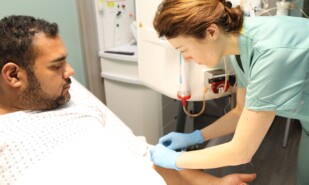
Today, NADclinic is developing not only NAD+ therapy but also diagnostic programs, physician training, and partnerships with clinics, medical centres, and premium wellness spaces. At the same time, the company consciously avoids turning medical procedures into a mass-market retail product. “We want to make NAD as accessible as possible without compromising medical standards,” explains Sarah Hickey.
The company refers to this strategy as the “democratization of NAD”—expanding access to modern preventive methods through physicians, clinics, educational programs, and digital services, while maintaining high standards of safety and quality.
The main conclusion is that The Longevity Show turned out to be far broader than just the medicine.
Today, the field of longevity is evolving from a niche scientific discipline into a new economic model that integrates healthcare, artificial intelligence, biotechnology, digital technology, education, and public policy.
While just a few years ago the primary question was “How many years will a person live?”, experts now frame it differently: “How healthy, active, and independent will those extra years of life be?” Finding the answer to this question appears to be the defining challenge for 21st-century medicine.
Photos courtesy of the Longevity Show press office.