
SOURCE FASHION 2026: HOW THE GLOBAL FASHION INDUSTRY IS CHANGING

While global fashion weeks continue to set aesthetic trends, an event shaping the industry’s economics is taking place at London’s ExCeL exhibition center. The Source Fashion 2026 trade show brings together garment manufacturers, fabric suppliers, developers of innovative materials, and representatives from major European retailers. It is here that discussions unfold regarding who will produce clothing for the global market in the coming years and how they will do it.
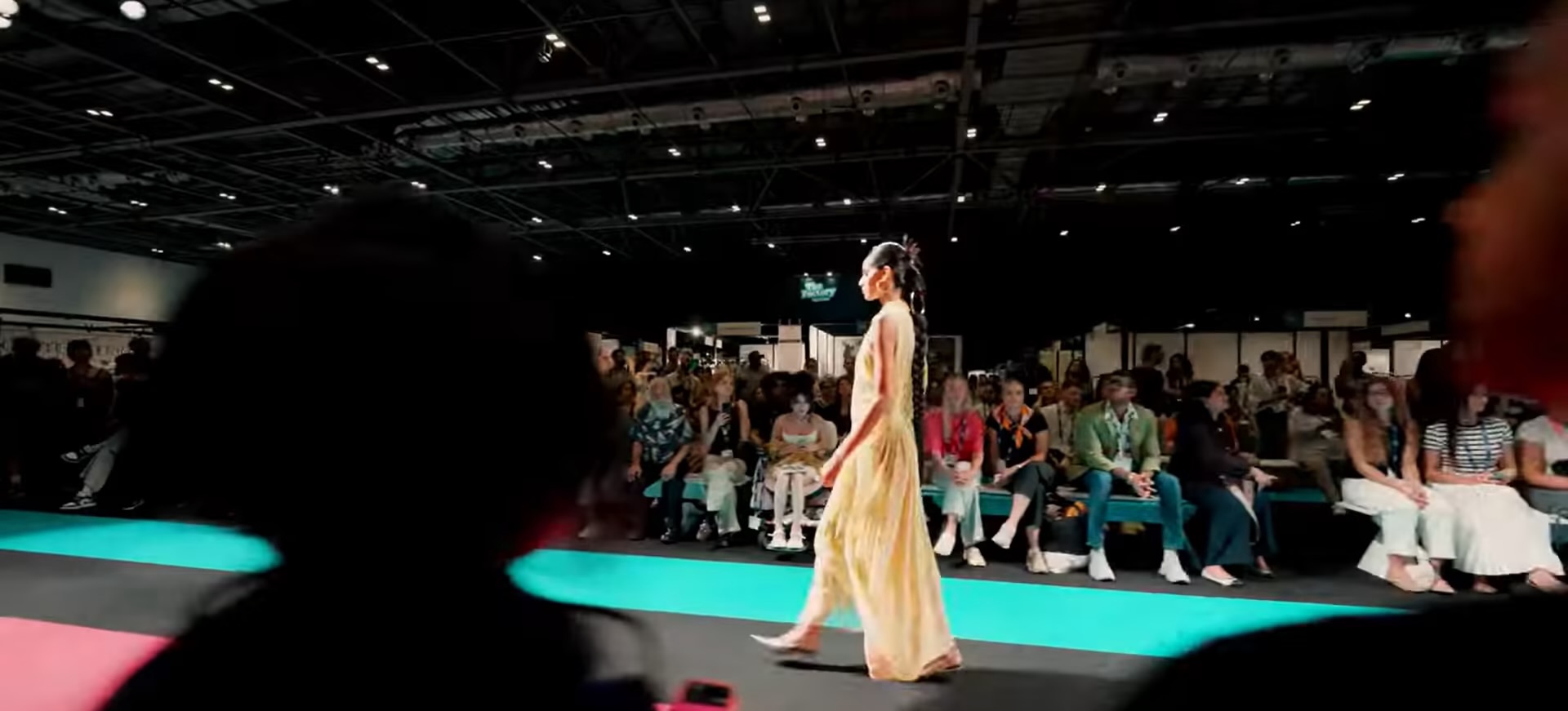
Source Fashion positions itself as Europe’s largest exhibition dedicated to responsible sourcing. The focus is on the entire chain of product creation: from raw materials and fabrics to ready-made collections, private labels and logistics solutions. The main objective of the event is to connect international manufacturers with British and European brands that are looking for reliable partners in a changing global market.
This year, hundreds of companies from China, India, Turkey, Vietnam, Pakistan, Portugal, Lithuania and other countries are participating in the exhibition. For many manufacturers, Source Fashion is an opportunity to enter the UK market, and for brands to find new suppliers as global supply chains are restructured.
DISCUSSIONS ON TRANSFORMATION
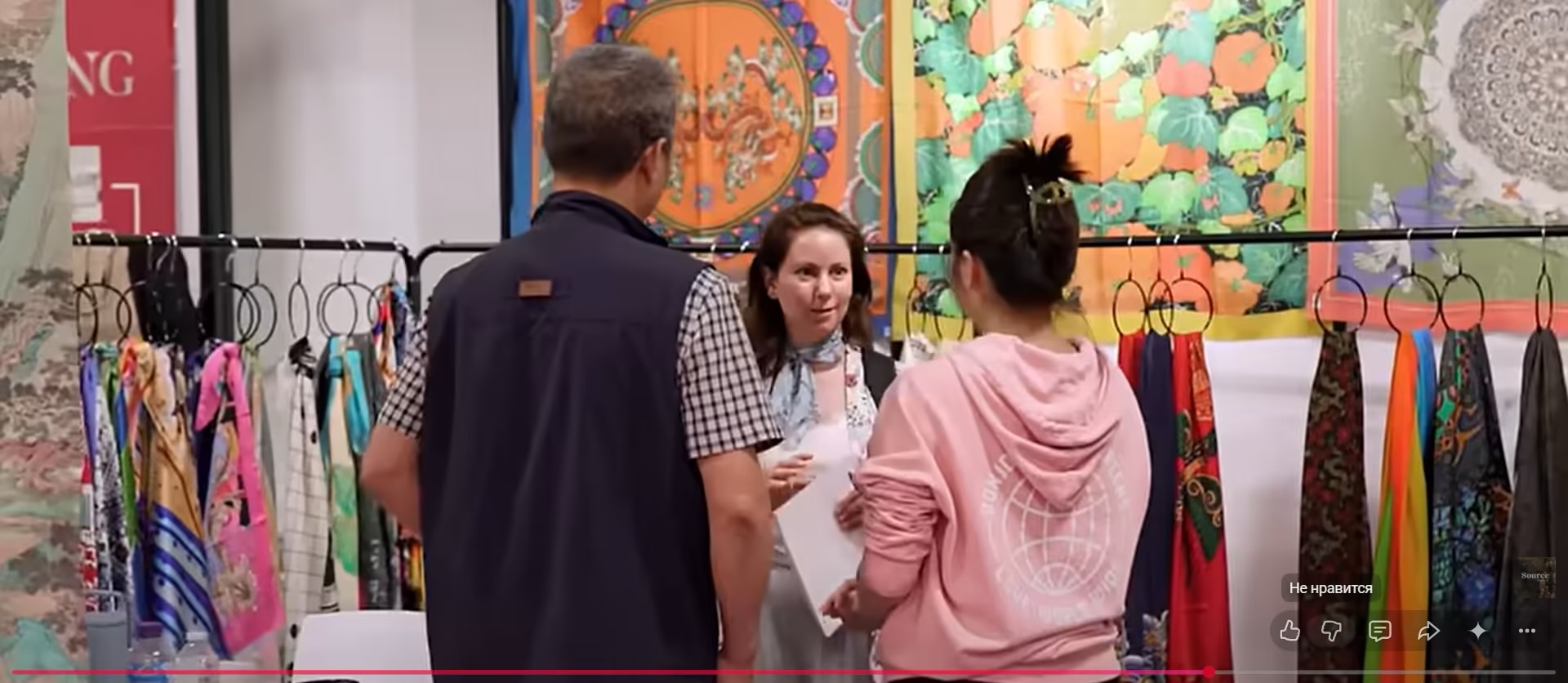
The central subject of the business track was the transformation of the global fashion industry. Nearly all the forum’s discussions focused on sustainable development, new European legislative requirements, and the future of clothing production in the coming years. Safia Minney, founder of the Fashion Declares movement, stated that the industry needs to abandon the model of endless production growth and rethink the very concept of consumption. She believes that the future belongs to clothing designed for a long lifespan, not to constantly changing collections.
Environmental regulation experts discussed new European Union requirements that require manufacturers to be responsible for both product production and the entire life cycle—from the selection of materials to subsequent recycling. Sourcing Journal editor Jasmin Malik Chua noted that manufacturers’ competitiveness is increasingly determined by supply chain transparency, the origin of raw materials, and compliance with labor standards.
Equally important was the topic of changing consumer behaviour. According to conference participants, European consumers are gradually moving away from fast fashion culture, preferring high-quality basics that can be worn for years. This consumer demand is currently changing what the brands ask of manufacturers.
CHINA CHANGES ITS STRATEGY
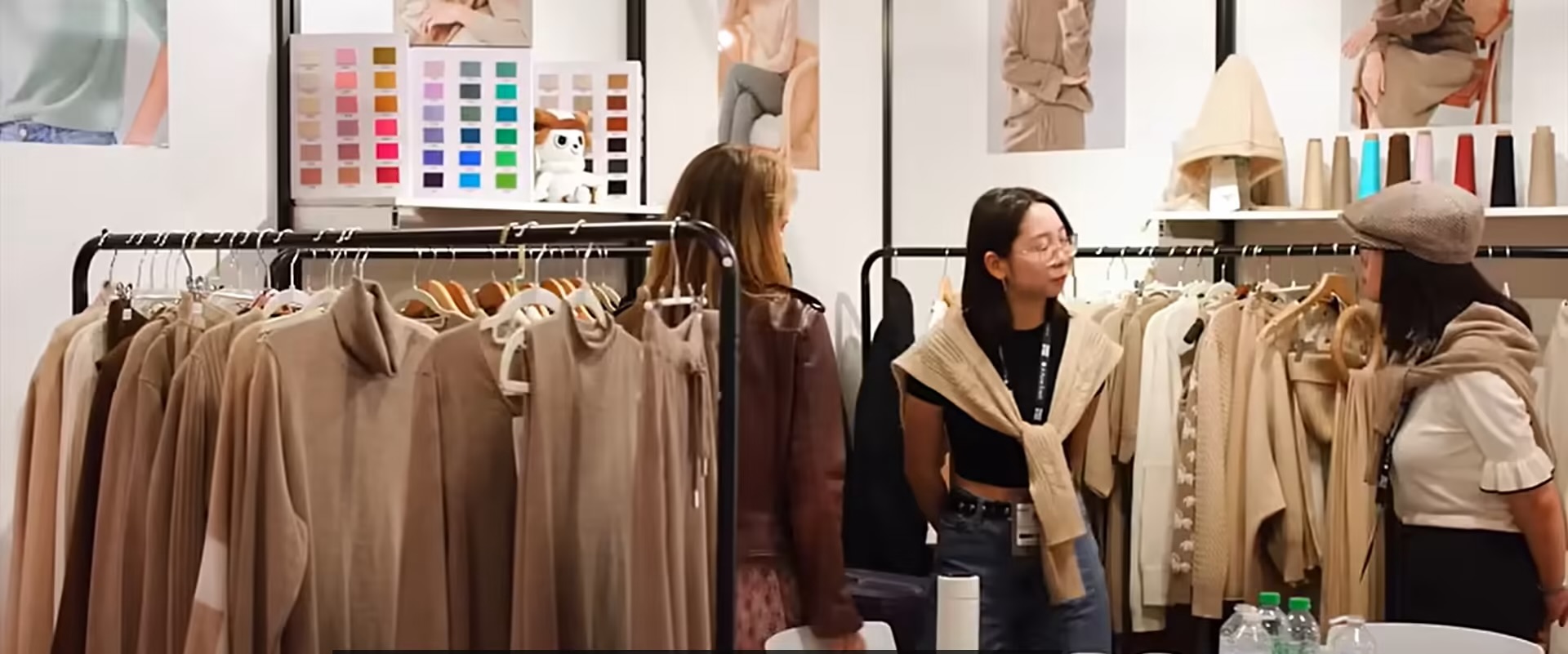
These trends are particularly noticeable among Chinese companies. While just a few years ago China was primarily associated with mass-produced, inexpensive clothing, today many manufacturers are trying to change this image. At the exhibition, several companies emphasised the quality of their fabrics, small batches, and long-term partnerships with brands.
One manufacturer explained that it has its own factory in China and works with independent designers. Clients can bring their designer, select fabrics, and collaborate on a custom collection, which will then be produced at the factory. The minimum order is only 100 items, making collaboration accessible even to emerging brands.
Another exhibitor presented a collection of genuine lambskin products. According to a company representative, all pieces are made exclusively from this material, and the raw materials are sourced from suppliers within China. However, he considers the brand’s philosophy to be its main advantage: “We do things differently from the fast fashion industry. We care about people buying one jacket and wearing it for years.”
Another company from China’s Zhejiang province came to London with a collection of wool and cashmere outerwear. The company, based in Taizhou, specialises in producing clothing for other brands. “We’re looking for fashion brands to work with,” said the founder. Currently, the company doesn’t have a representative office in the UK and hopes to find clients through international industry trade shows.
SLOW FASHION FROM LITHUANIA

Lithuanian brand Natutui took a completely different approach. The company produces clothing in Lithuania and promotes a slow fashion philosophy. The brand offers versatile pieces made from natural fabrics, designed to last. They use linen, merino wool, organic cotton, and innovative eco-friendly materials.
Natutui draws on the nearly 30 years of experience of the textile company Eustilita, in-house production, and complete quality control. The collections are aimed at spending time outdoors and those with an active lifestyle, and most pieces feature versatile designs that are easy to combine with other items.
NEW GEOGRAPHY OF PRODUCTION
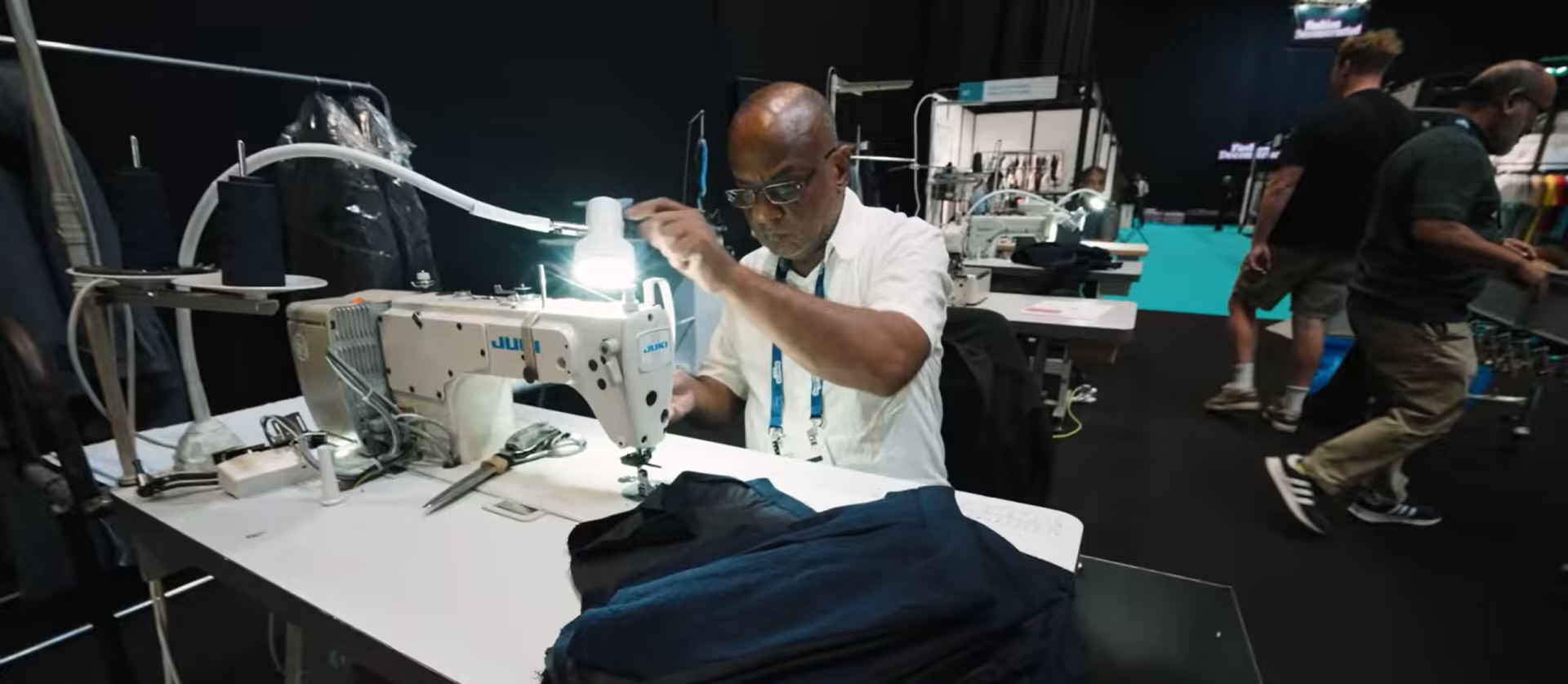
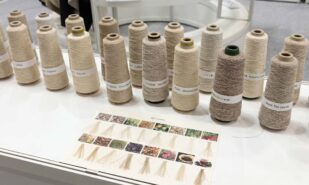
Beyond China and Lithuania, the exhibition demonstrates how diverse the global fashion manufacturing landscape is becoming. Indian companies, for example, are focusing on high-quality cotton and knitwear, strengthening their position as an alternative to Chinese factories. Vietnamese manufacturers continue to actively increase exports and are increasingly sought after by international brands diversifying their production. Portuguese companies offer European brands small batches, fast delivery times, and high-quality tailoring, maintaining their reputation as one of Europe’s centers of premium textile production. British companies, such as The Natural Fibre Company, are demonstrating a growing interest in the local production and processing of natural fibers such as wool, alpaca, and mohair.
Source Fashion 2026 clearly demonstrates that the global fashion industry is undergoing a profound transformation. Whereas previously manufacturers competed on labor costs and production volumes, now, increasingly, the winners are those who can offer brands a full development cycle, a transparent supply chain, eco-friendly materials, and long-lasting clothing. This is why the exhibition can be called a platform for the establishing a new architecture for the global fashion business: fast fashion is being replaced by a model in which quality, durability, and partnership are becoming the currency of the global fashion industry.
Photo: stills from source-fashion organisation