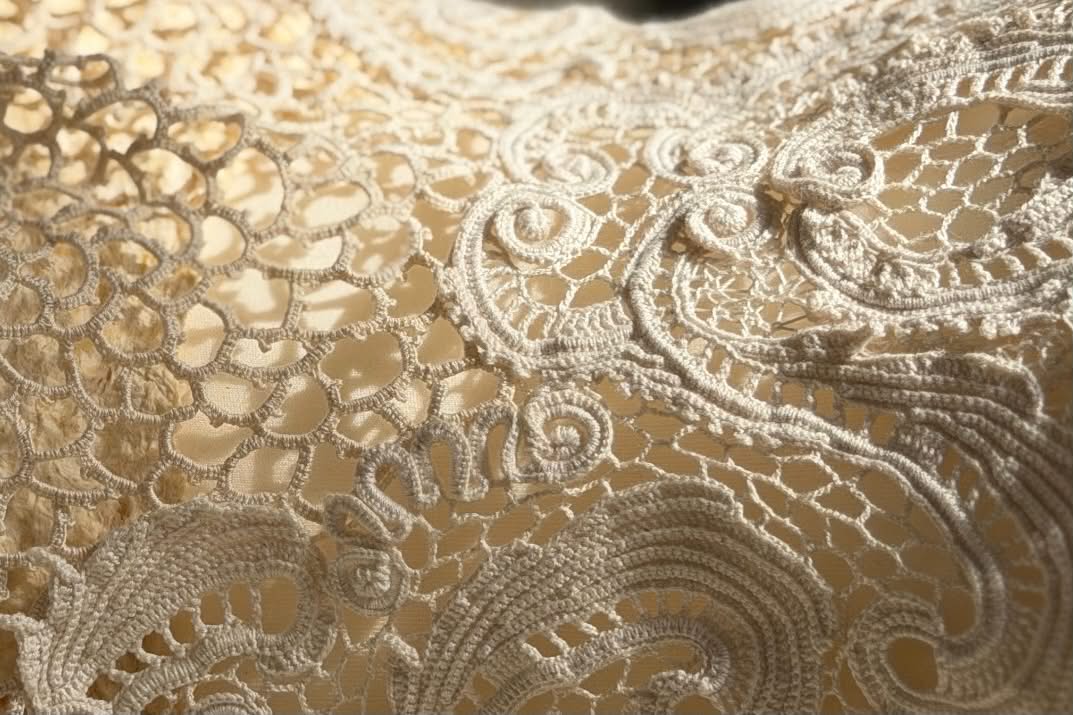
Bound by a Single Thread: Irish Crochet Lace as a Model for the Future of Fashion

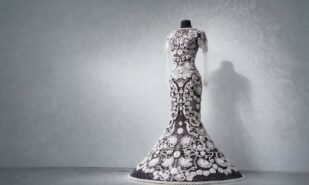
Last week, I spent several days surrounded by Irish lace. It sounds rather romantic. Yet the more I spoke to visitors about the history of this craft, the more I realised that I was not really talking about lace at all. I was talking about collaboration and about why a story that began nearly two centuries ago feels surprisingly relevant to the future of fashion today.
Irish lace emerged in the mid-nineteenth century during one of the most difficult periods in Irish history, marked by famine and economic hardship. For many families, it was not a decorative art form but a means of survival. What made it unique was its distributed system of production: one woman would crochet flowers, another leaves, a third specialised in three-dimensional motifs. These individual elements were later assembled into a single piece.
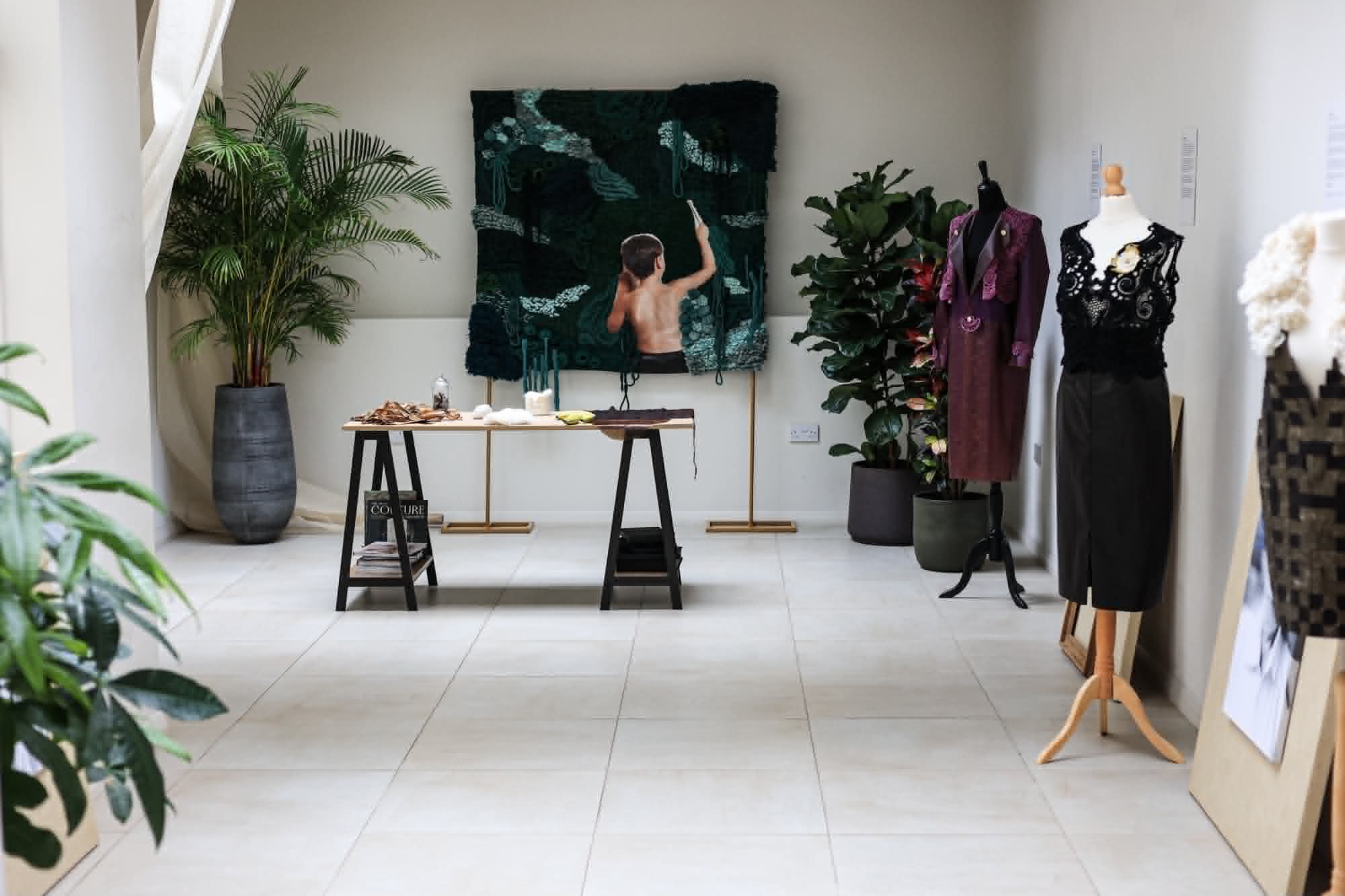
The most challenging part was often not the making of the motifs themselves, but their connection. It was the mesh linking the individual elements that transformed a collection of fragments into a dress, a shawl or a tablecloth. Without it, there were only separate pieces.
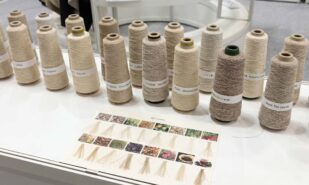
When I look at the contemporary fashion industry, I often feel that we are standing at a similar moment. Across the world, small laboratories, craft workshops, university projects and independent design studios are developing new materials, experimenting with plant fibres, preserving endangered techniques and proposing alternative production models. Each initiative resembles an individual lace motif: sophisticated, compelling and complete in itself, yet too often disconnected from everything around it.
We tend to describe the main challenge facing innovation as a lack of funding. Increasingly, however, I believe the problem goes beyond investment. What is missing is connection. We lack the structures capable of linking researchers with manufacturers, craftspeople with brands, local initiatives with global markets, and knowledge with the systems that can bring it into the world. This is why I find myself becoming less interested in the question of how new materials are created and more interested in how knowledge moves between different worlds.
For decades, luxury was built on excellence in production, quality control, rarity and brand power. Today, however, that foundation alone is no longer enough. The world’s leading luxury groups – Hermès, Prada Group, Kering, LVMH and many others – are increasingly turning towards craft, cultural heritage, local knowledge and emerging material innovations.
At first glance, this may appear to be a search for inspiration. In reality, something more profound is taking place. Luxury is no longer searching merely for new products. It is searching for new sources of meaning.
In a world where technologies are becoming increasingly accessible, true scarcity lies elsewhere. It lies in authenticity, in provenance, in human experience and in cultural context. As a result, attention is shifting towards places that were once considered peripheral to the industry: craft communities, local workshops, experimental laboratories and independent studios.
What makes this movement particularly interesting is that it works in both directions. Luxury needs new narratives and new forms of relevance. At the same time, small-scale innovators need infrastructure, visibility and access to markets. Many of today’s most promising ideas emerge not within corporations but at the margins: in universities, research labs, artisan workshops and local initiatives. Yet without a connecting structure, these ideas often remain confined to exhibitions, research projects or experimental collections.
What they need is translation: translation from the language of craft into the language of industry; from research into business; from local stories into global conversations. The challenge is not to make craft more luxurious, nor to turn every biomaterial into a marketing story. The challenge is to create systems in which smaller practices retain their depth and identity while gaining access to resources, production capabilities and wider audiences.
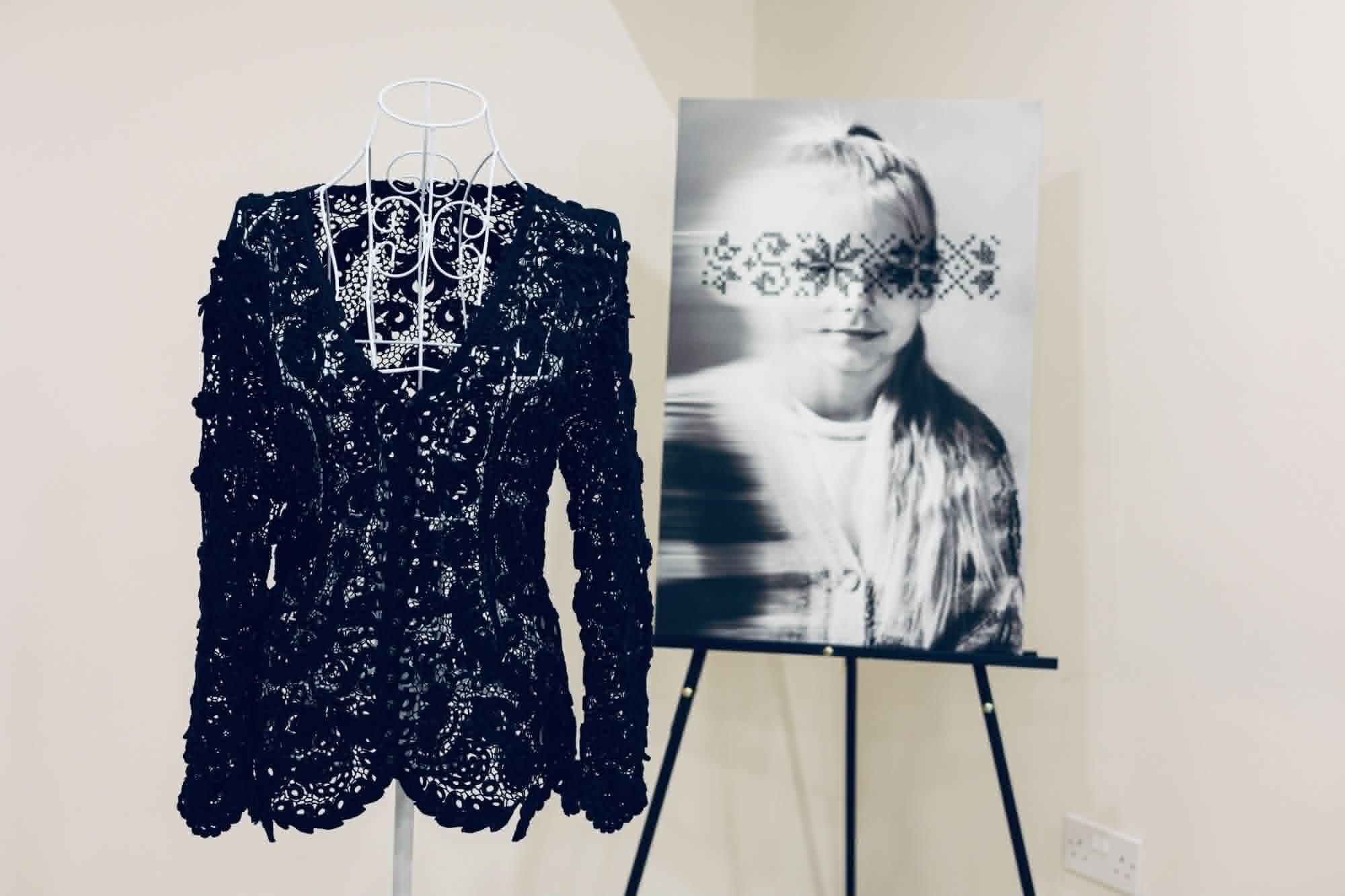
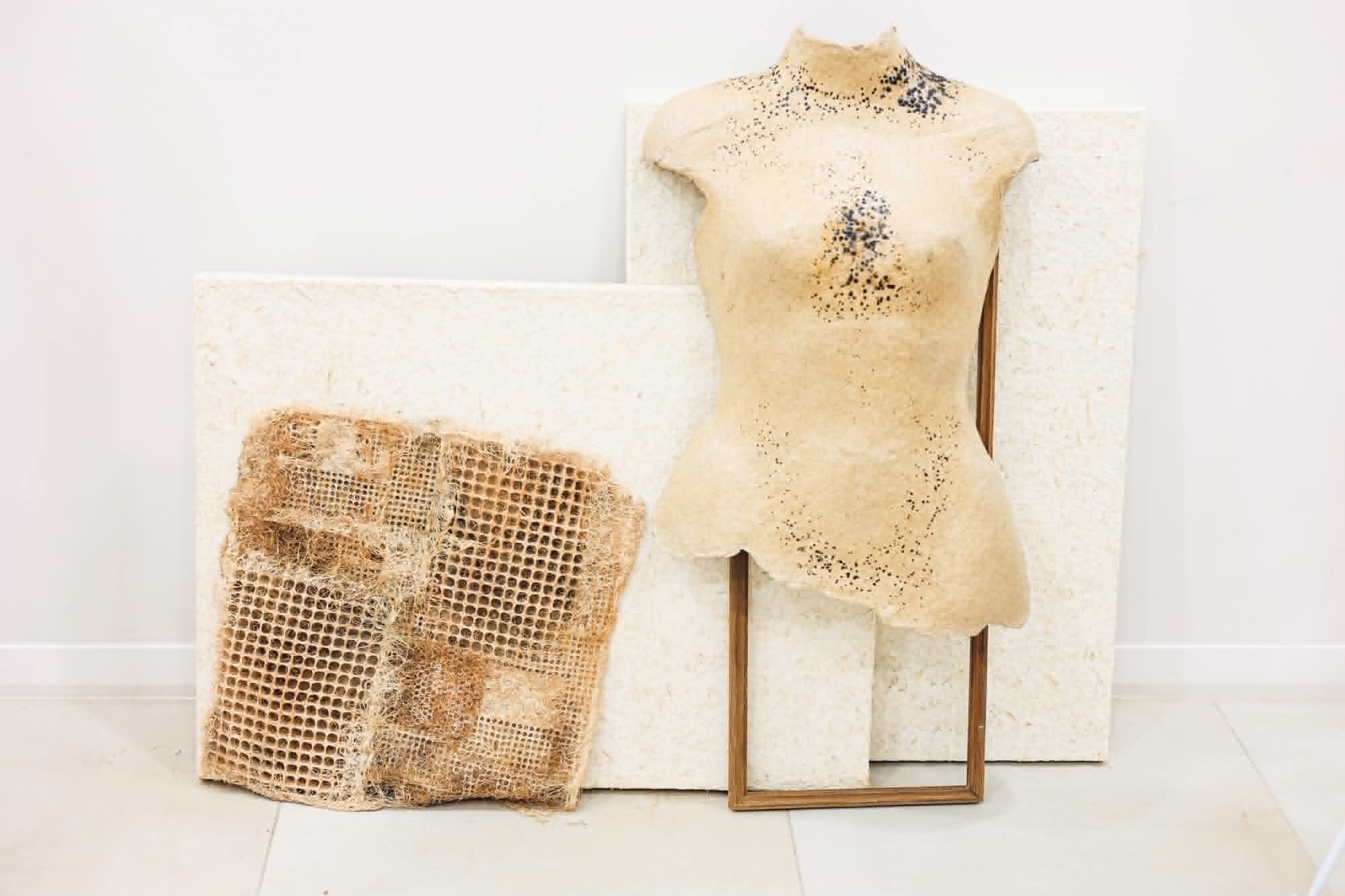
During the exhibition, I repeatedly witnessed the same pattern. Visitors would begin by asking questions about lace, about technique, time and craftsmanship. Within minutes, the conversation would move towards entirely different subjects: new materials, sustainability, education, local production and the future of luxury. Lace ceased to be the topic itself and became a way of describing a much larger transformation.
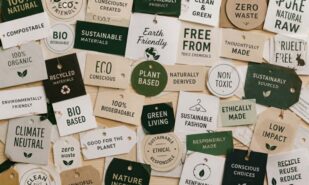
In this sense, sustainability is no longer solely an environmental issue. It is becoming a question of how relationships are organised: between past and future, local and global, craft and industry, materials and markets. Irish lace no longer feels to me like a story about the past. Instead, it resembles a blueprint for the future – one in which value lies not only in individual elements, but in the connections between them. It is precisely this system that contemporary fashion is now trying to restore.