




The Games Conference Every Parent Should Know About

In a city that is accustomed to playing host to global discussions, there are few events that have had a more behind-the-scenes impact than those experienced at Pocket Gamer Connects London. This is neither a fan event, nor a spectacle designed with publicity in mind. Something more thoughtful is afoot here, and more important too. Every year, this event reunites those people who are shaping what happens in gaming with those people who are influencing how millions of gamers, including our kids, spend their time.
“The largest B2B games event in the UK, and one of the most important in Europe, is PG Connects London,” writes one source, with “over 4,000 games industry professionals, media and investors in attendance.” Organised by Steel Media, which has itself been acquired by Enthusiast Gaming, PG Connects London has evolved from a small launch event in 2014 into “a multi-day event that attracts thousands of games professionals from around the globe.” These come together, not to indulge in ‘hype,’ but to “talk about responsibility, longevity, and quality in a rapidly maturing industry.”
This is noteworthy for those who find themselves parenting a child of a school age, roughly from childhood to late adolescence. Games are no longer a disposable toy. They’re a long-term ecosystem that can stick with a child for many years. They can be great at developing strategy, teamwork, creativity, and perseverance. More and more, they’re also introducing a child to concepts such as value, reward, and digital literacy. This is exactly what Pocket Gamer Connect is – a conference that looks at how all these dynamics work.
Among the voices at this year’s conference are those that operate in the intersection of policy, culture, and business. Nick Poole OBE, the chief executive of Ukie, is a representative of the games industry in the UK in the governmental and cultural arenas. This reflects how the conference engages with education, digital wellbeing, and responsible innovation. This, in turn, reflects how the topic of games, when referred to by the voices in the gaming industry, not only pertains to entertainment.

From the studio perspective, one person who is adding to the conversation is Maya Hofree, who is with Supercell. Supercell is recognized in the industry for its focus on long-term trust with its players and its development of games with longevity in mind. This is in contrast to games with high turn-over rates, which have come under scrutiny in recent years.
Other participants come from the ranks of Miniclip, King, Zynga, and Rovio, all of whom have games in households across the planet. Duolingo stands out as an especially interesting player in this event. The company has managed to apply game design concepts to education in such an effective manner as to prove the power of play in education.
In addition to the more famous ones, Pocket Gamer Connects London is informed by a large number of specialists and experts who are crucial for the functioning of games worldwide. Experts from the international game services, for example, Keywords Studios, offer knowledge of quality assurance, localization, and audience protection, while others deal with transparency, regulations, and child protection construed in the context of either families or game developers.
There are also a number of indie and newer publishers. There are indie game developers as well as local companies from the European, Middle East, and Asia regions. Organizations such as Tamatem, Metaplay, and Funday Games seem to give a glimpse of the diverse culture of the gaming world and its focus on a community-based approach.
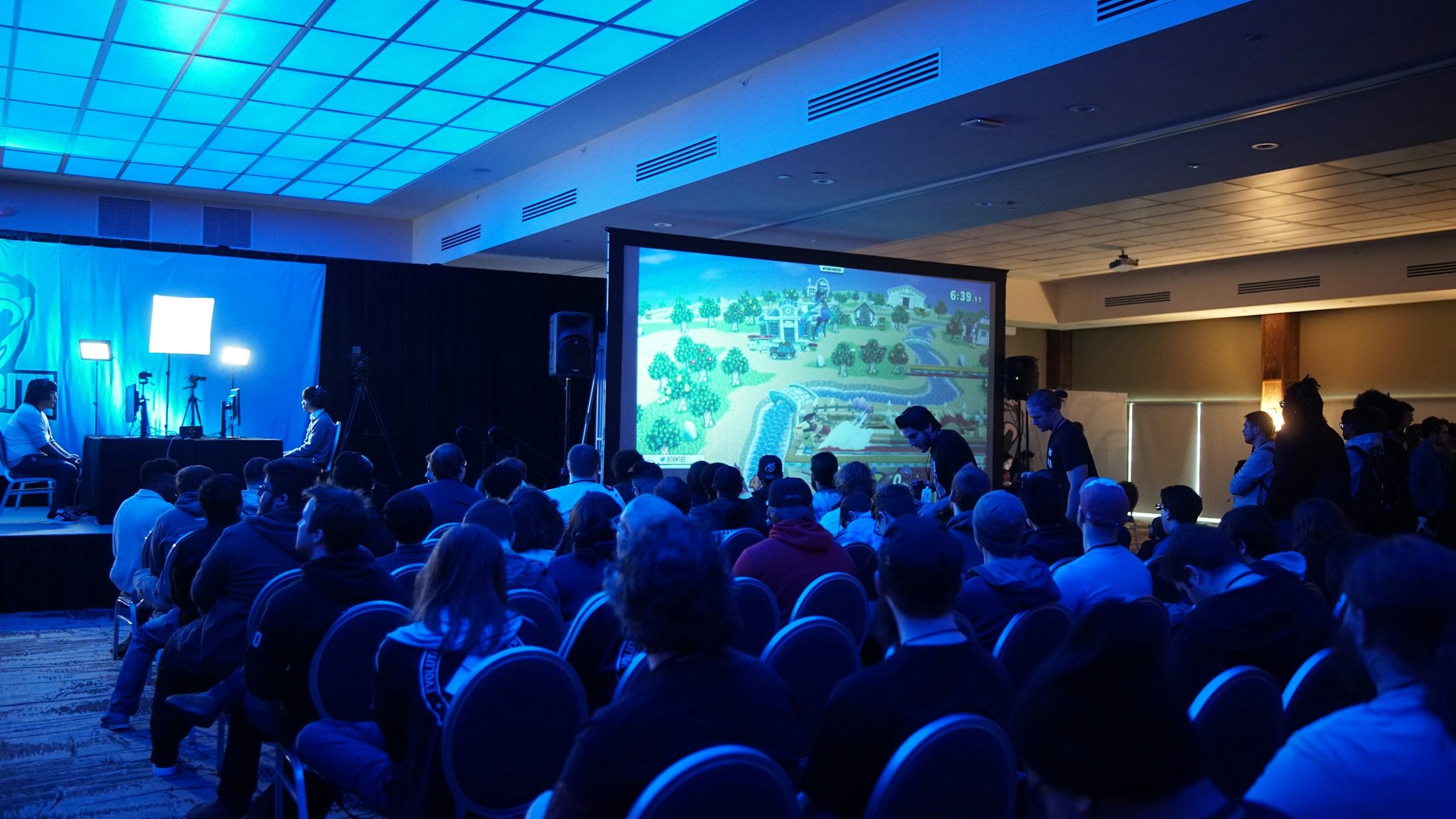
What makes Pocket Gamer Connects London differ from other bigger events of the gaming sector is the focus on conversation. The organized networking opportunities and conversation sessions are created to foster conversation, as opposed to performance. The events are characterized by active attempts to elicit contributions from teachers, media, as well as gamers, reflecting the understanding that trust in games can be created through openness.
For parents, the implications are more practical. The kinds of talks that take place at events like this may help shape the thinking on how games should balance screen time or the role of community management and representation. These issues are increasingly mainstream concerns and not just on the fringes.
The Pocket Gamer Connects London event also symbolizes shifting paradigms in perceptions related to games. Many people involved in the creation of current gaming content have children and understand that digital play has become integral to family engagement. In addition, there have been more open discussions related to designing products that develop creativity, cooperation, and thoughtful engagement.
With the next Pocket Gamer Connects London just around the corner, it again solidifies its place in the list of considered game events in London. It is big without being enormous, impactful without being dramatic. For academics, media, and institutions looking to engage constructively with the game industry, it is where they can meet people seriously pondering the future relationship between games and their audience.
And all at a point when the role that games are playing in the education, socialization, and leisure routines of children becomes even more pivotal, conferences such as this are playing a critical role. This is why Pocket Gamer Connects, taking place in London, is important, not merely to the world of games, but also to concerned parents who would like to be proactively informed about what their children are doing.
Comments are closed.












1 Comment.
Wow! I wanna go there.