To Live Forever: Digitising Consciousness and the Paradox of Theseus

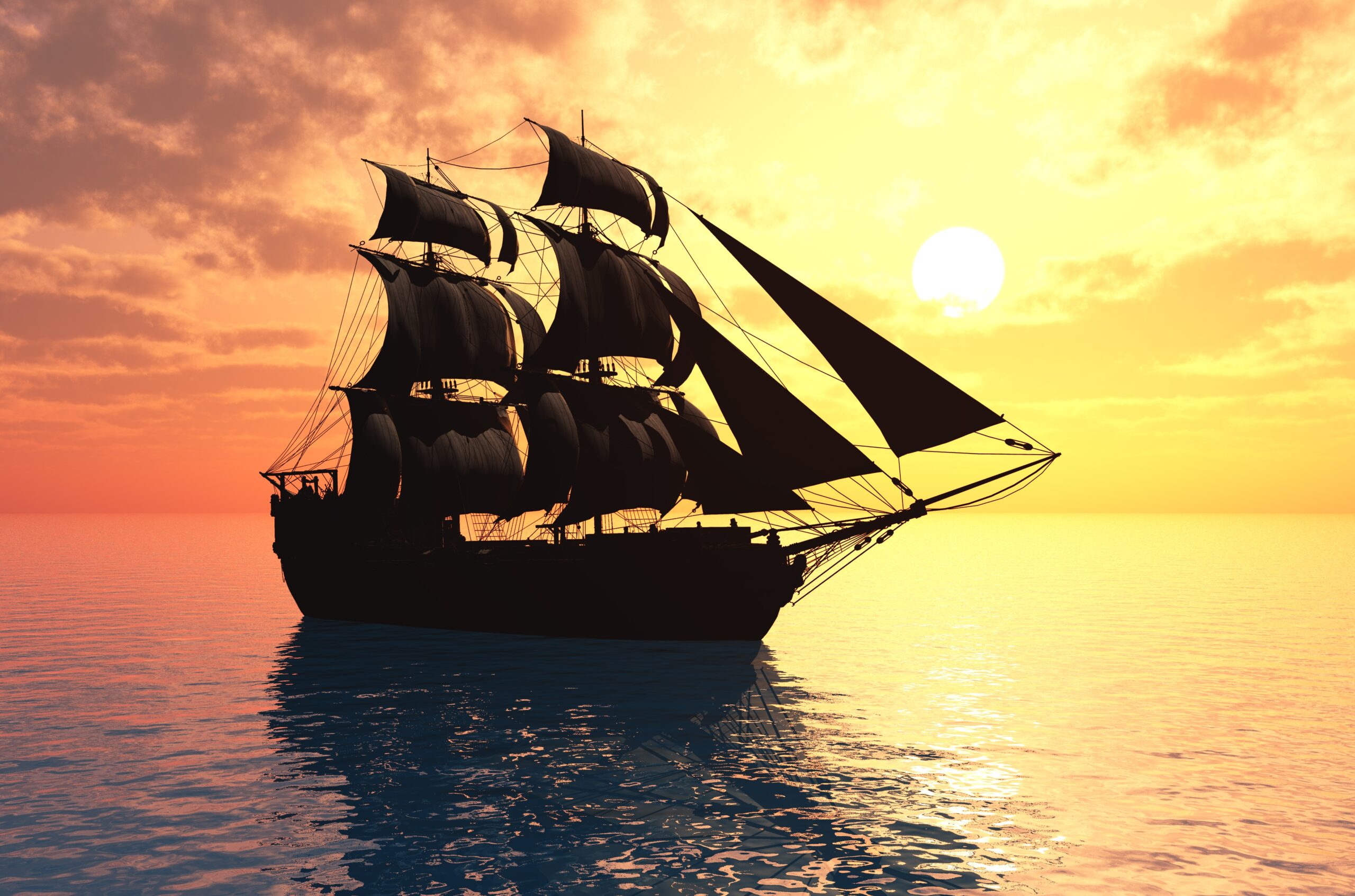
In an ancient Greek myth retold by Plutarch, there is the story of the ship on which the hero Theseus returned from Crete to Athens. The Athenians preserved the vessel and repaired it annually, replacing one plank at a time. Eventually, every part of the ship had been replaced with a new one, giving rise to a famous philosophical dispute: if the parts of a whole are gradually replaced, does the object remain the same object?
The Technical Side of the Issue
This paradox lies at the heart of modern ideas about digitising consciousness and transhumanism as a whole. One thing, however, is a ship. Quite another is a substance as delicate as the human mind. Even if we set aside the religious dimension, the question remains: does a person remain a person… in the absence of a body?
In 2023, Elon Musk announced the first implant in history designed to be embedded in the cerebral cortex. Neuralink was presented as a device intended to restore the ability to walk to people with spinal injuries. Yet both Musk himself and his vast following see Neuralink as something far more ambitious: a new stage in the relationship between humans and machines.
Modern Preconditions for Digital Immortality
It’s not difficult to imagine where such cooperation might ultimately lead. A digital layer of the brain could become the starting point on the path towards a world in which the boundary between human and computer is barely perceptible. And yet, still insurmountable, for the very same reason: the paradox of Theseus’s ship.
The problem with modern computers is that they cannot truly transfer data. They can delete it, copy it, recreate it, but not transfer it. Imagine the human brain as a flash drive. When you “transfer” a file from an external drive to a computer, you are in fact merely instructing the system which format to create. Create being the key word.
Therefore, even if we were to succeed in fully copying the architecture of the human brain and recreating it in virtual space, this would not grant us eternal life. It would merely allow us to create digital clones, convinced that they are us. Useful? Yes. But unsettling, and immoral from every angle.
A Transition That Lasts a Lifetime
There is only one scenario in which the paradox of Theseus’s ship might be circumvented, or at least softened enough that a transhumanist transition would not be equivalent to death.
What if, at the very beginning of life, a person were implanted with a special device capable of functioning in the same way as the human brain? One that could form analogues of neural connections, simulate the work of sensory receptors, and maintain full two-way communication with the body. Both brains would grow and develop in parallel, and eventually, in adulthood, the individual would be faced with a choice: to gradually slow the activity of the organic brain and think solely with the digital one, or to отказаться from eternal life for personal reasons.
At present, the very idea of implanting brain devices in children seems wild and utterly detached from reality. Yet once upon a time, phones and tablets in children’s hands provoked similar debates. In the end, the right to choose will remain with the individual. And only the individual can decide what they are willing to sacrifice in exchange for eternal life.