Space as memory: The Flesh of Space exhibition

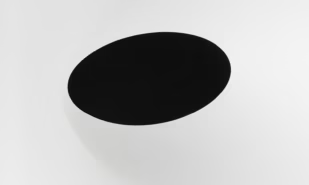
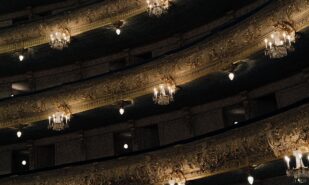
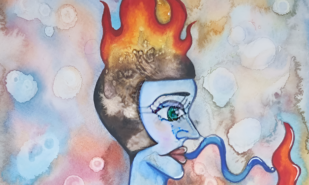
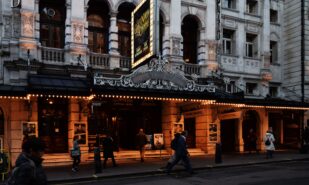
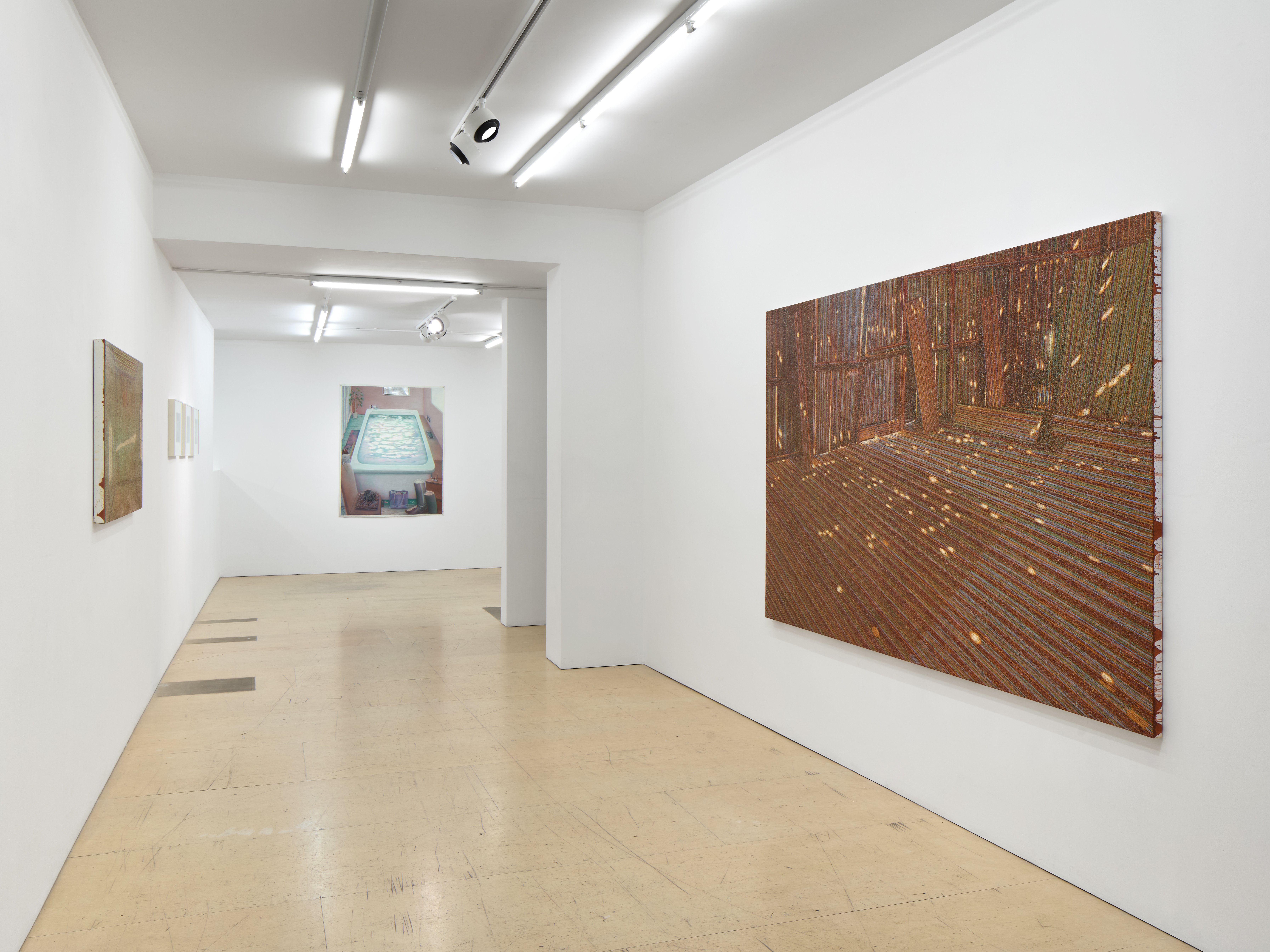
Until December 20, the exhibition The flesh of space is on view in South London at The Sunday Painter gallery. The exhibition explores architectural space as a carrier of memory — of movement, gestures, and the presence of people who once inhabited these walls.
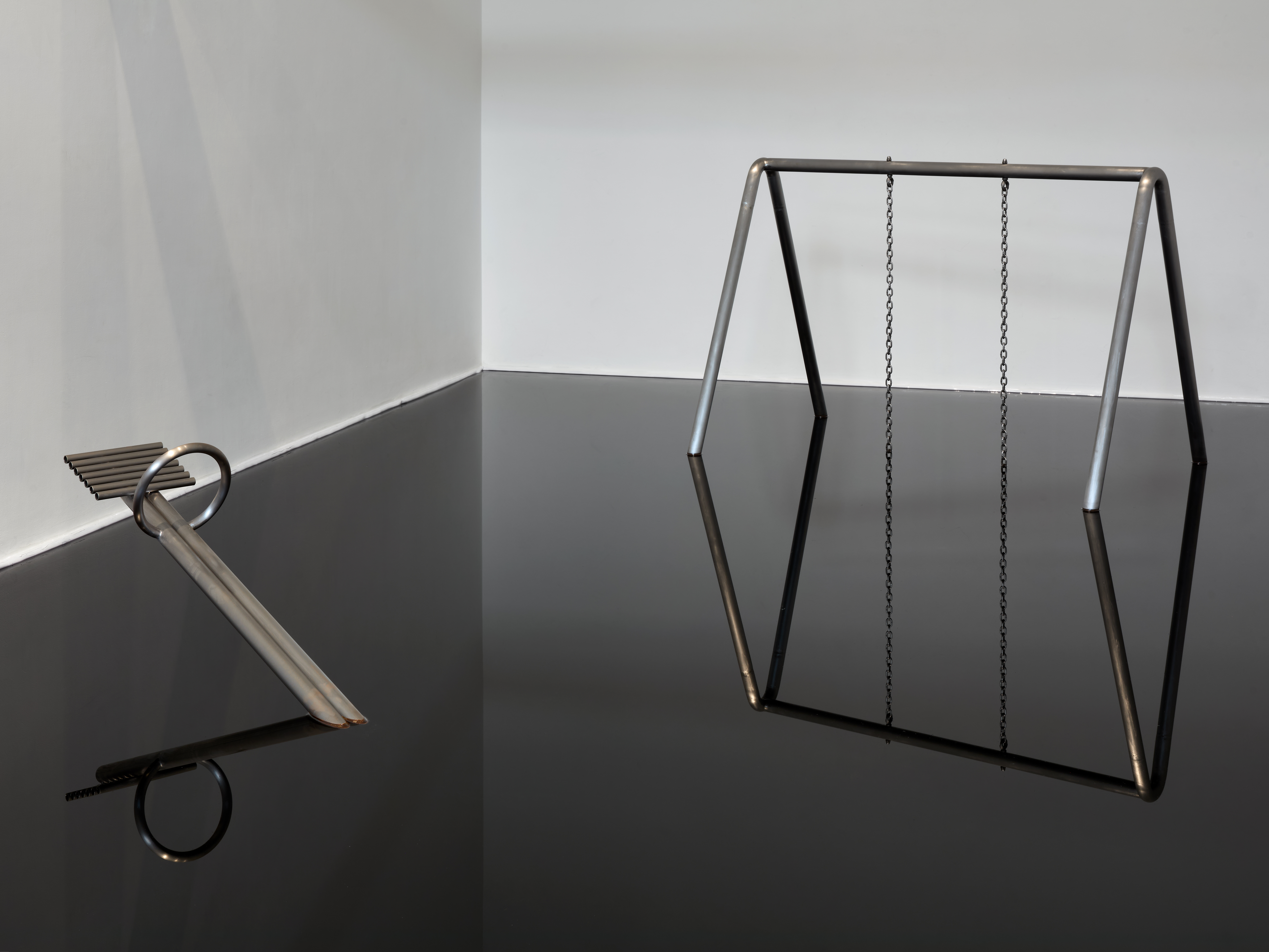
Photo by Ollie Hammick
Despite differing artistic approaches, the project’s participants — Marco Bizzarri, John Divola, Varvara Uhlik, and Zearo — are united by their attention to spaces devoid of people yet marked by traces of human presence. Through painting, photography, and installation, the artists examine architecture as a receptive structure in which light, shadow, proportions, and internal boundaries become tools of the viewer’s experience.
Photo by Ollie Hammick
Photo by Ollie Hammick
Photo by Ollie Hammick
Photo by Ollie Hammick
Marco Bizzarri’s images of abandoned interiors register the condition of materials: blurred outlines, time-altered walls, and surfaces that seem to have shifted into another mode of existence. The artist carefully observes how prolonged inactivity affects a place and how traces of past events accumulate within it.
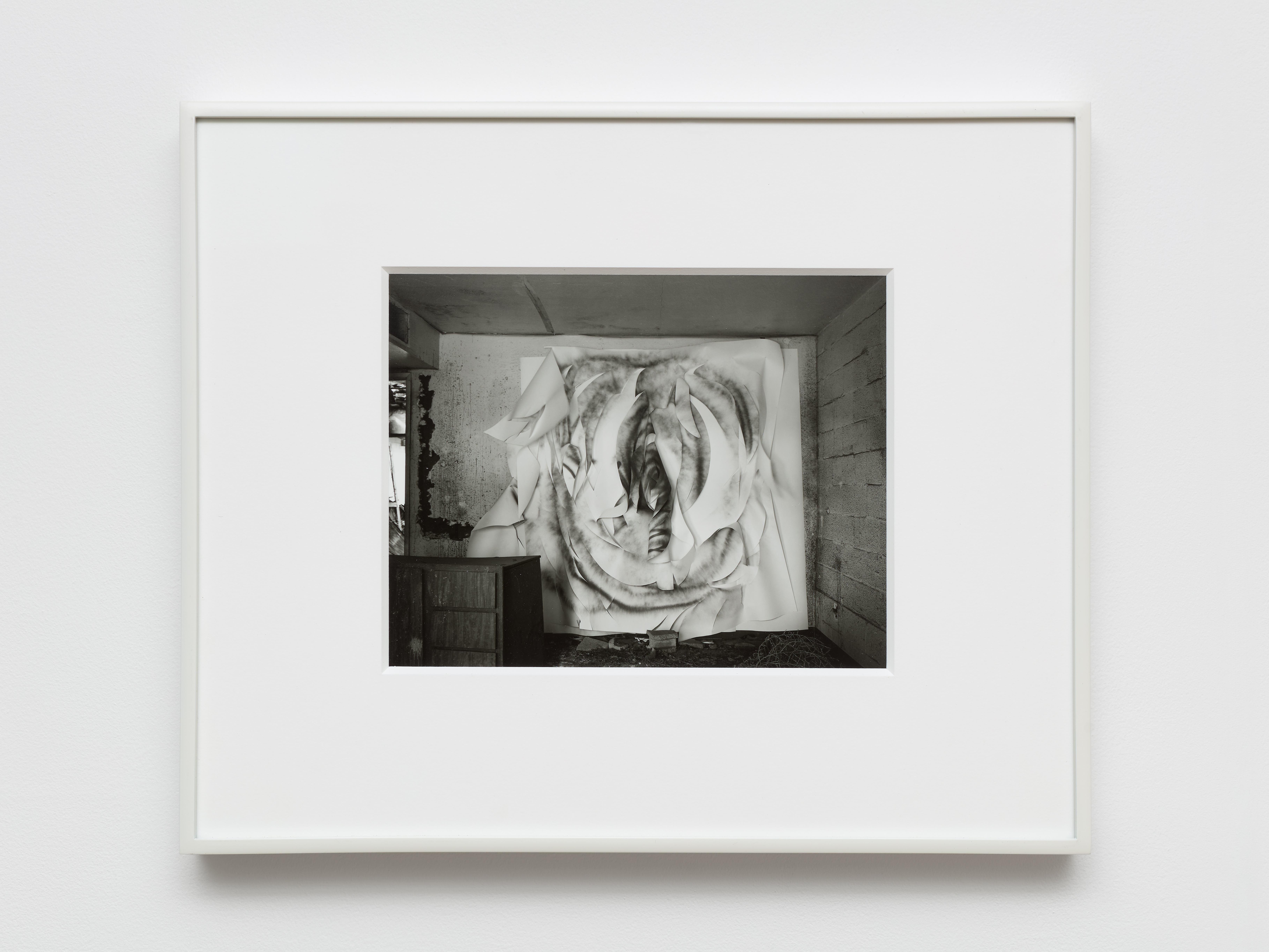
Photo by Ollie Hammick
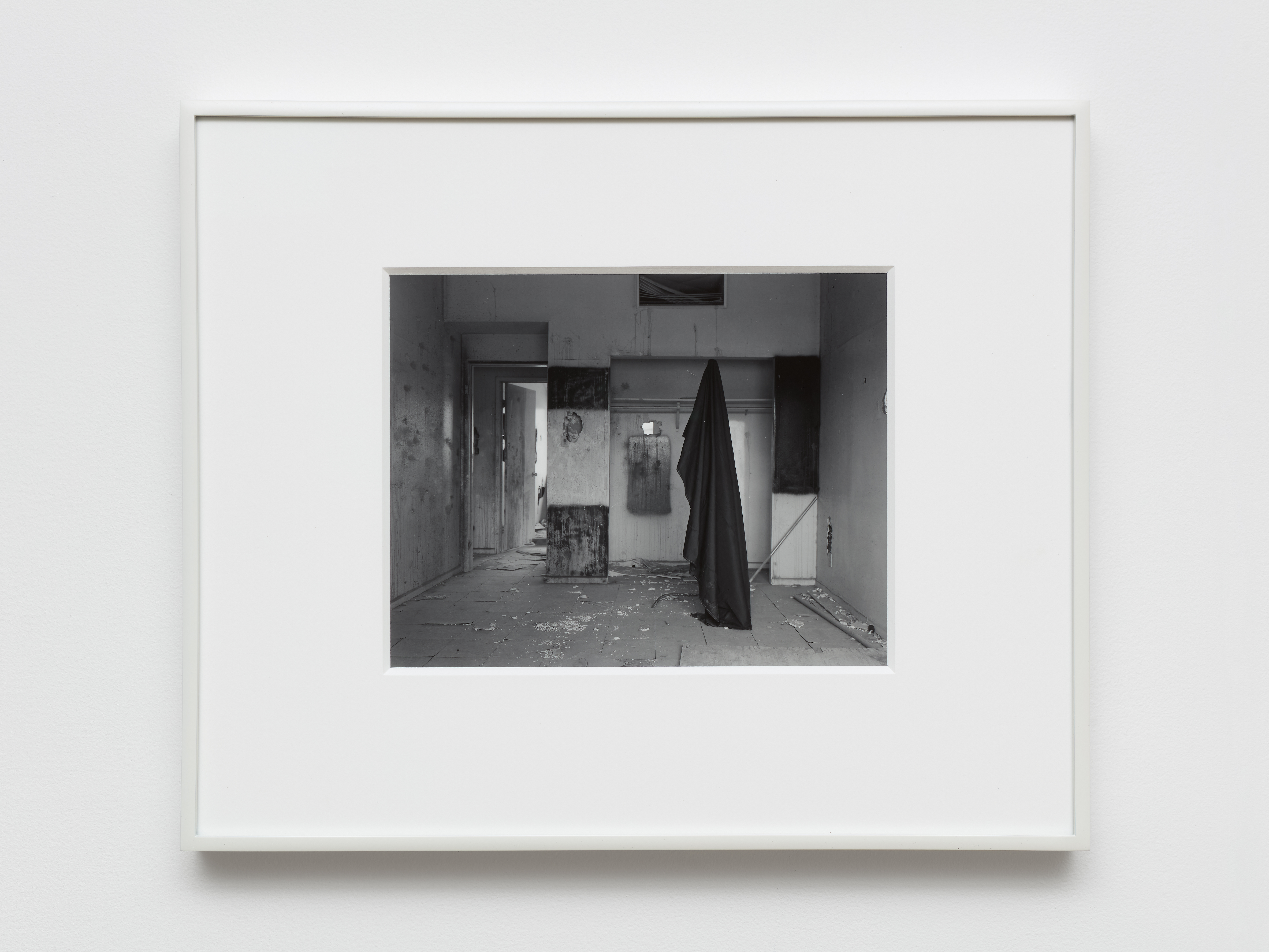
Photo by Ollie Hammick
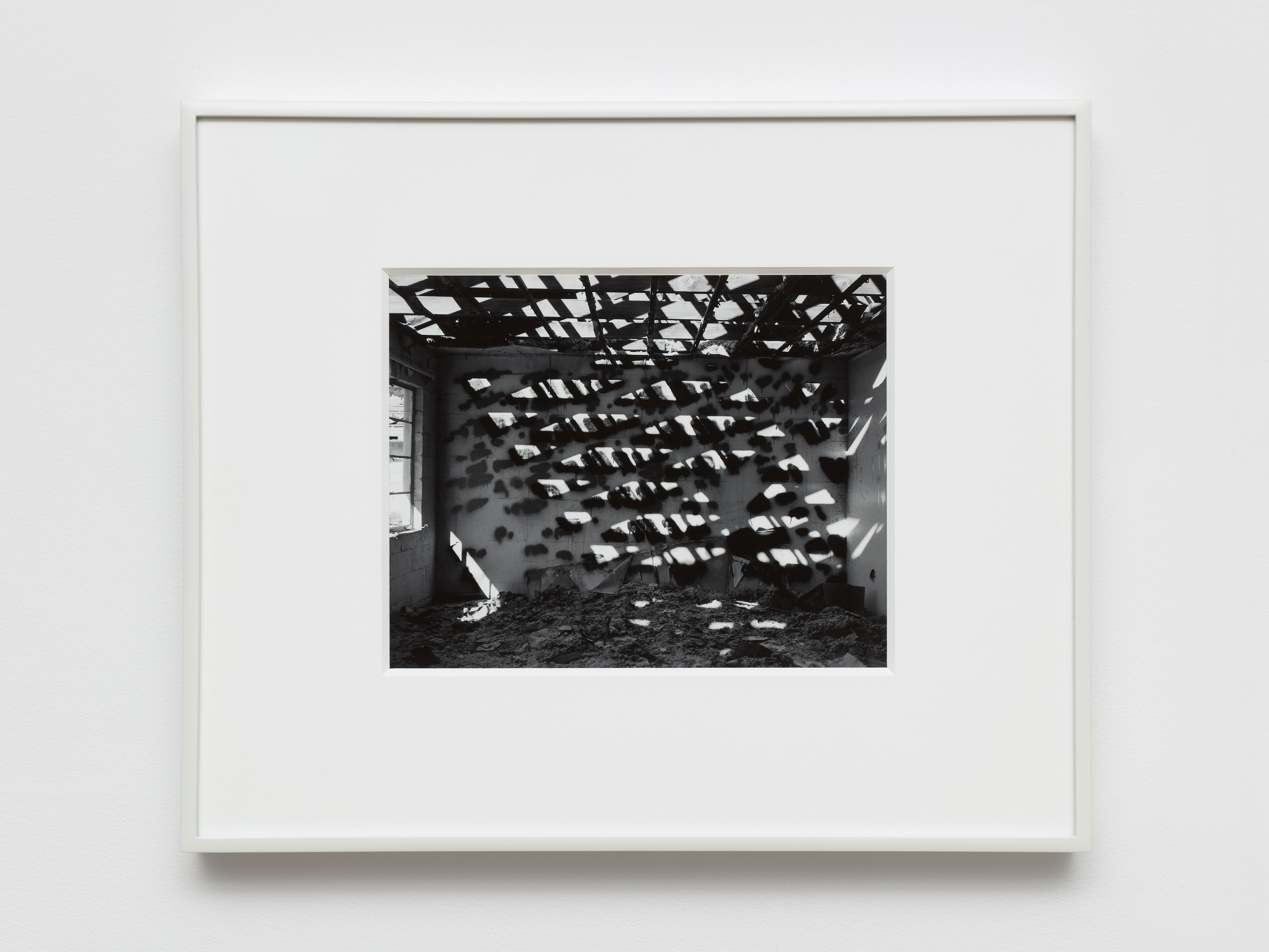
Within the exhibition, John Divola presents spaces where movement is absent but its consequences remain visible. Objects caught in a moment of temporal transition transform territory into a place that preserves action without its source.
Varvara Uhlik’s installation, with lines that alter angles of perception, creates a sense of an inner impulse acting upon space. Zearo’s works focus on the relationship between the body and its absence, when space becomes a point of anticipation — a dense atmosphere of very recent presence.
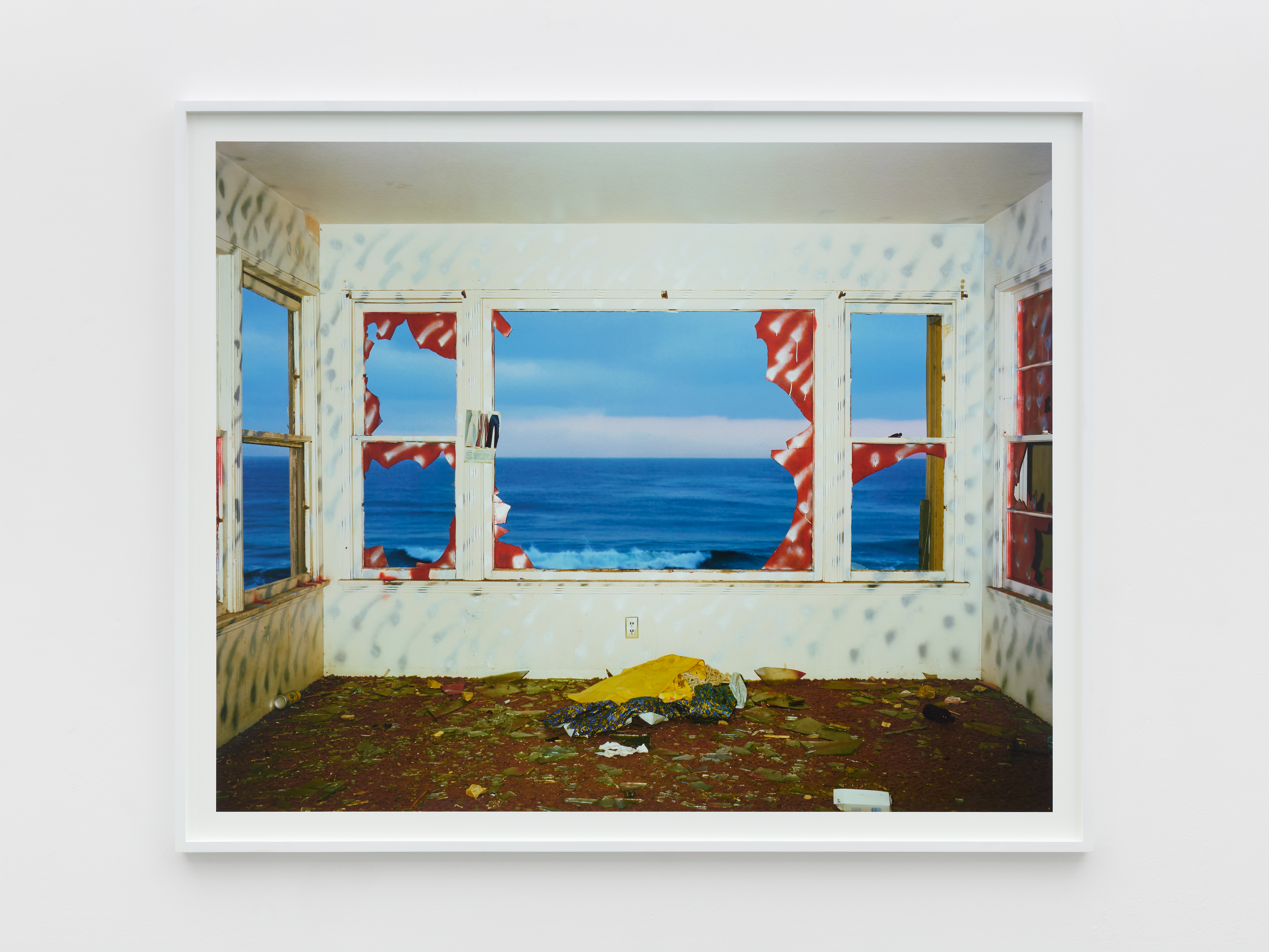
Photo by Ollie Hammick
The exhibition is designed to emphasize the role of light. In the galleries, it highlights not only the artworks but also architectural boundaries. Shadows become an additional layer of perception. “In The flesh of space, walls and interior elements cease to be static objects. They become witnesses — membranes that absorb gestures, atmosphere, and psychological residue. Emptiness itself carries phenomenological weight here,” noted Lisa Modiano, associate director of The Sunday Painter.
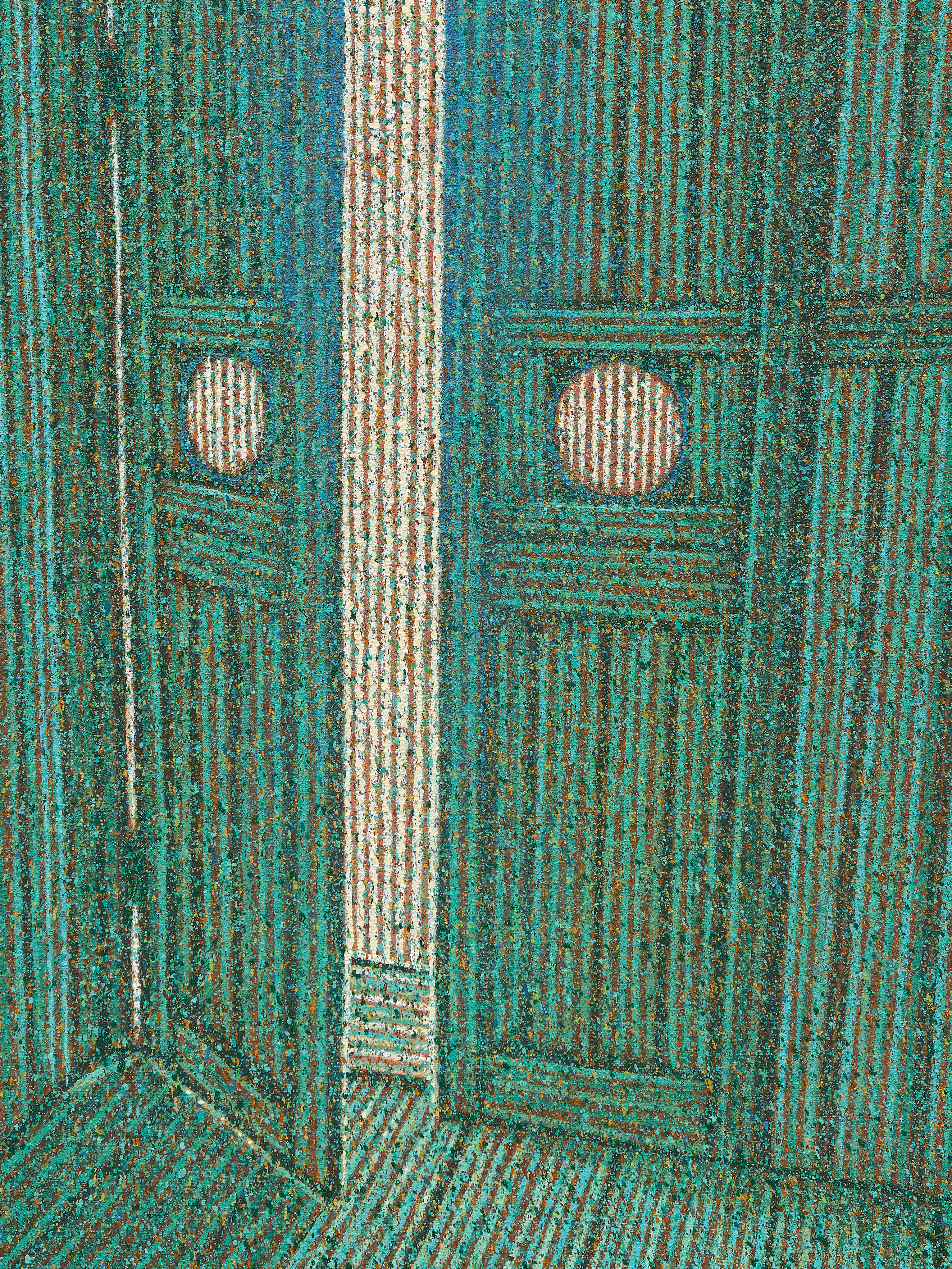
Photo by Ollie Hammick
Photo by Ollie Hammick
The exhibition unfolds across two levels. The Upper Gallery becomes a space for painting and photography, where the works form an almost cinematic sequence of gestures and traces, while the Lower Gallery opens as a “material” stage, featuring large-scale objects and emotionally charged images.
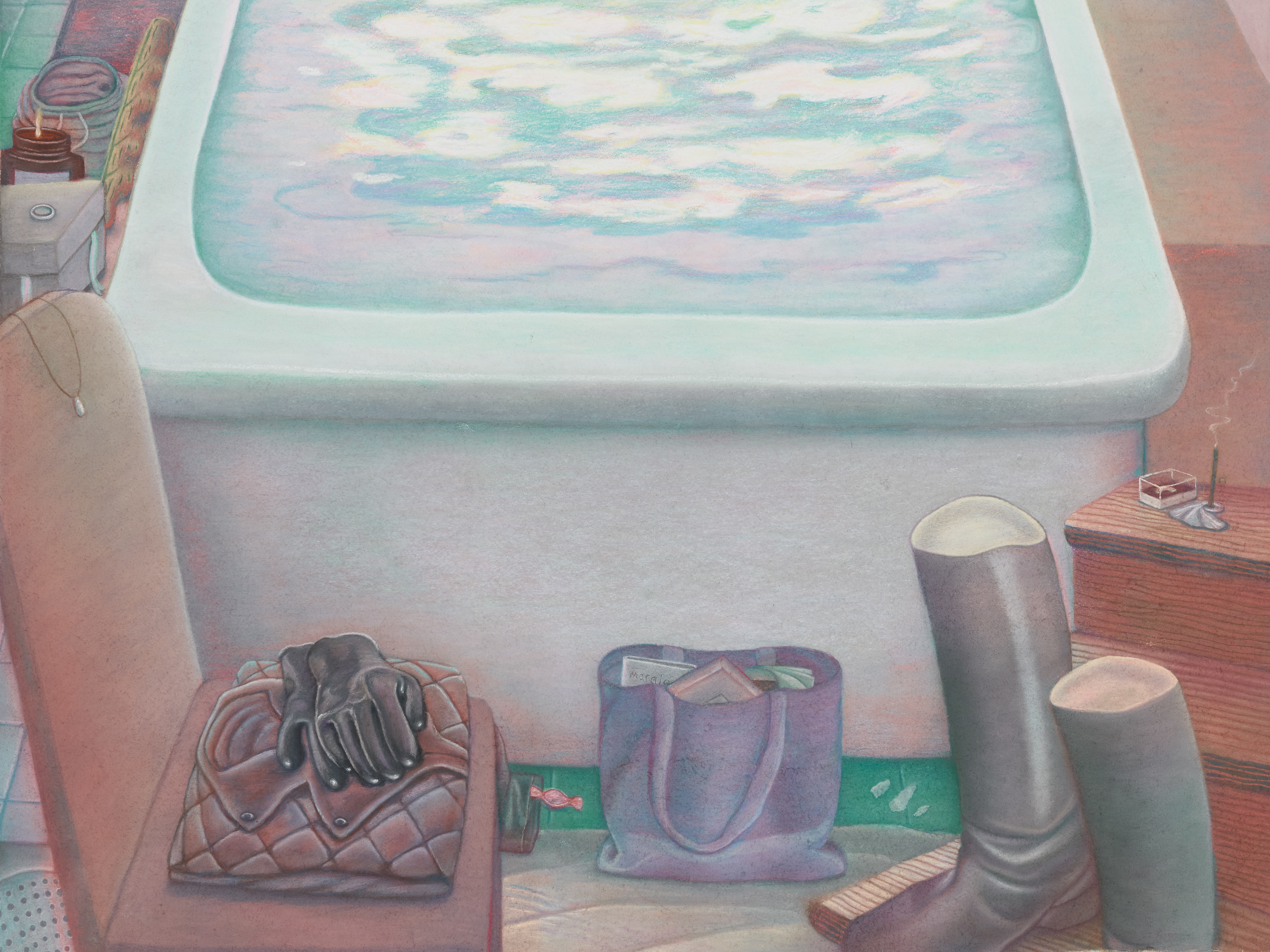
Photo by Ollie Hammick
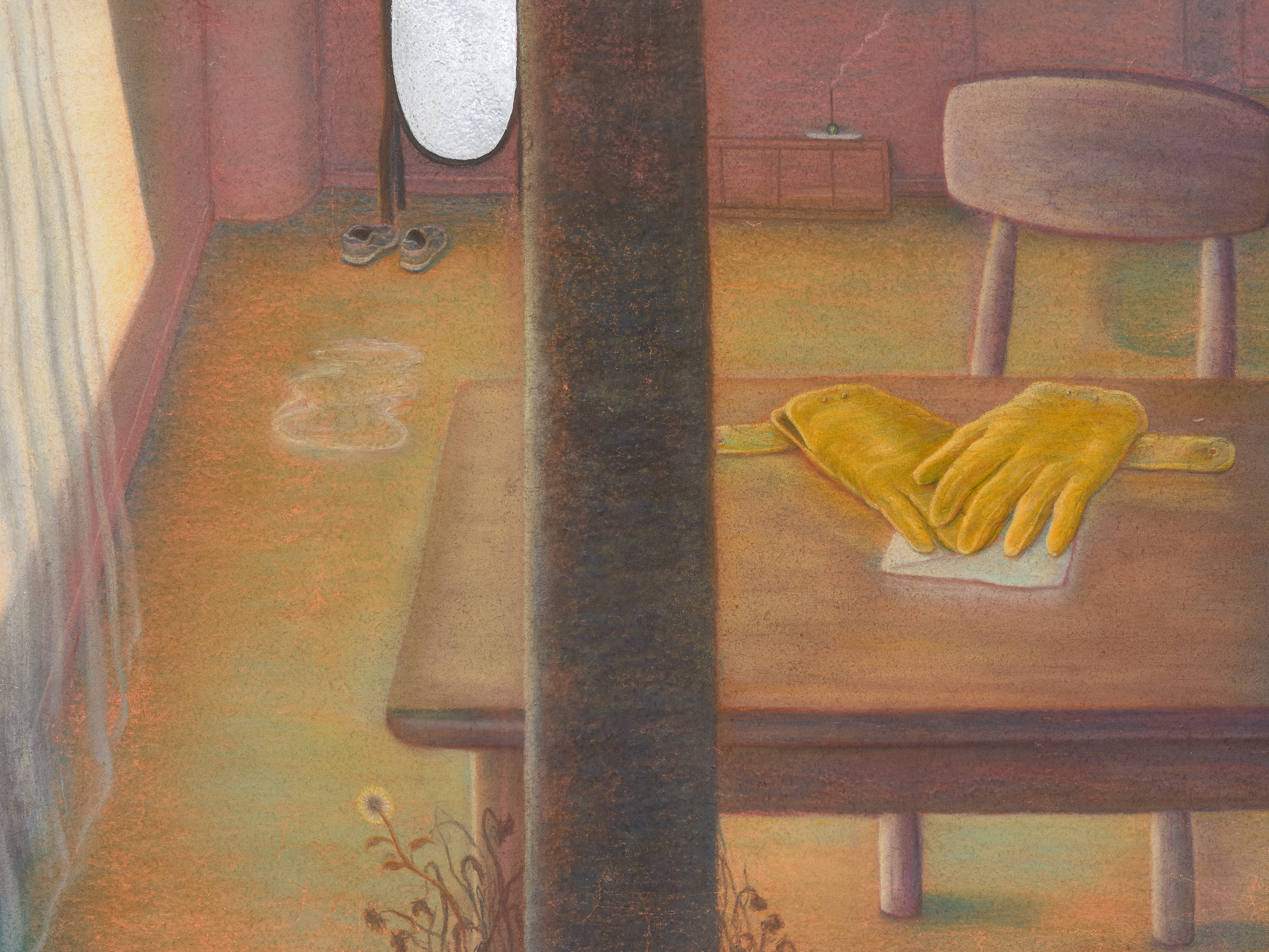
Photo by Ollie Hammick
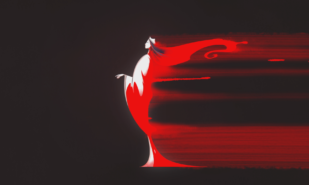
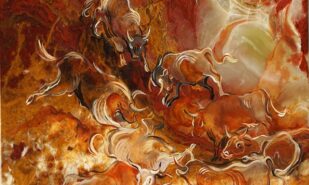
In the Upper Gallery, Marco Bizzarri’s canvases Rayo (2025) and Polvo y estrellas (2025), along with photographs by John Divola, create a sense of immersion in spatial ruptures and fragile states suspended between presence and disappearance. They are followed by three works by Divola from the GAFB, Daybreak series. Installed sequentially, they establish a rhythm of light and quiet traces of movement that no longer belong to a body.
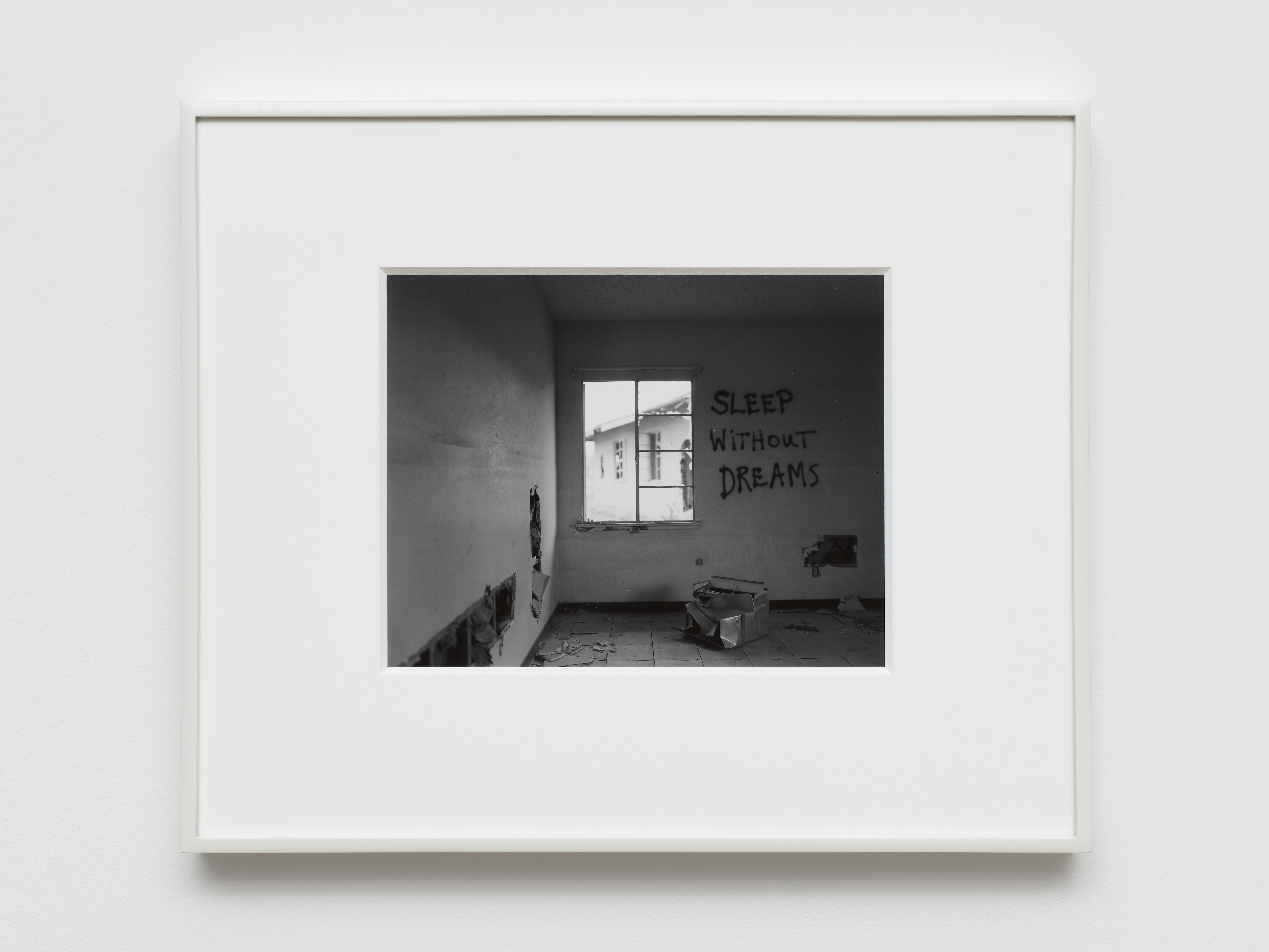
Photo by Ollie Hammick
John Divola (2019)
Photo by Ollie Hammick
Two works by Zearo — Every Shadow’s Diary (2025) and Song to Another Summer (2024) — introduce a sense of “breathing” and a subtle corporeality of surfaces into the space.
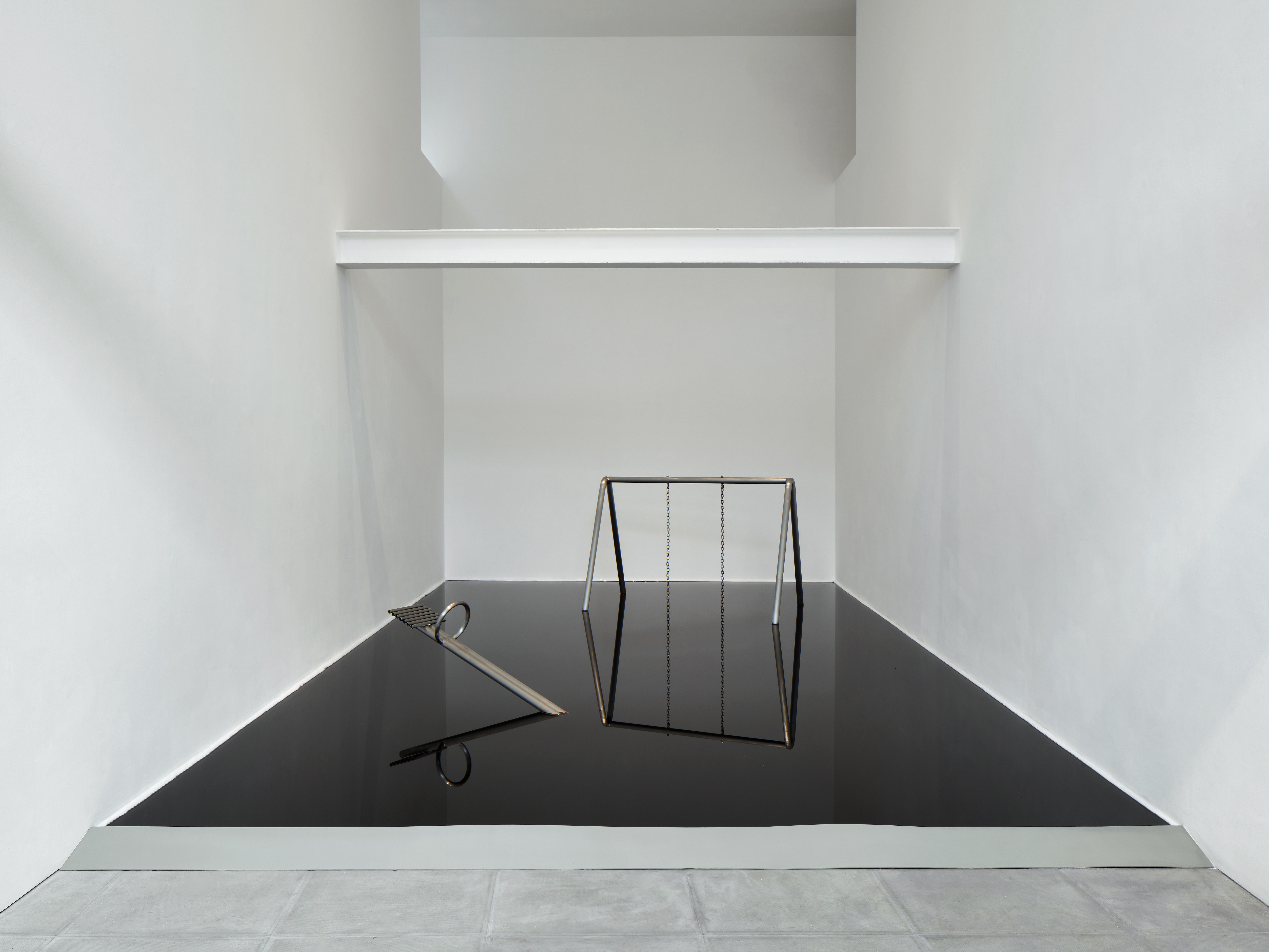
Photo by Ollie Hammick
In the Lower Gallery, the atmosphere becomes more weighty. Here are works by John Divola with a different tonality and sensibility, as well as a spatial installation by Varvara Uhlik. Divola’s photograph Zuma #75 (1977) draws the viewer into a realm of ruined yet living architecture, where each glint of light captures a moment of gradual decay. Nearby is 3_2019_4 (GAFB, Daybreak) (2019) — a more intimate yet equally tense image of a space that has experienced an indeterminate movement.
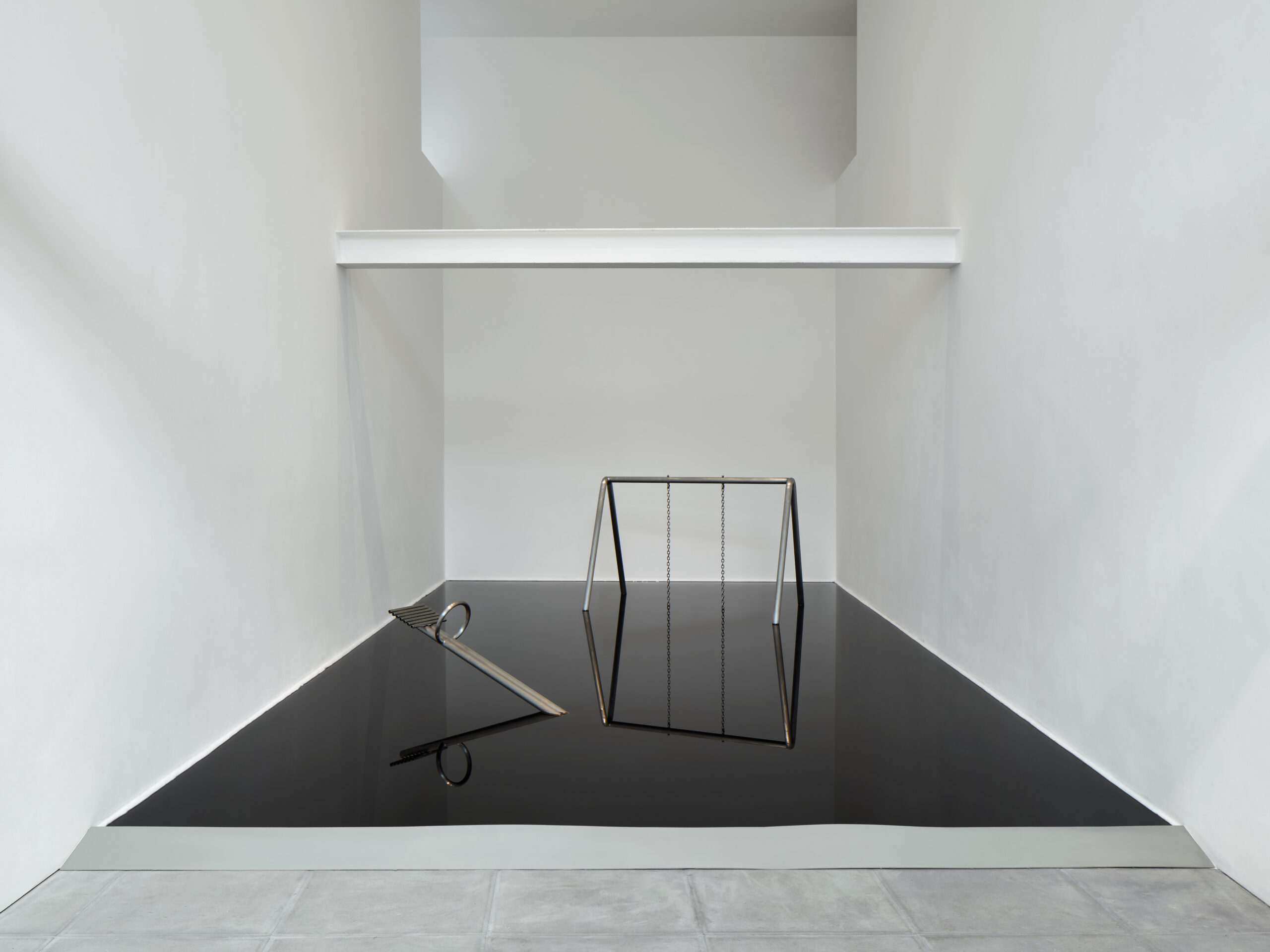
At the center of the lower level is Varvara Uhlik’s installation Play Ground II (2025), consisting of two steel sculptures. Portions of a balance beam and swings emerging above a dark, glossy surface create the sensation of a suspended gesture with palpable inner tension.
The project raises the question of how a place is able to retain lived experience. The idea echoes Gaston Bachelard’s thought in The Poetics of Space that a lived territory extends beyond geometry and preserves an inner life. “The flesh of space does not ask whether places remember, but what exactly they remember. And whether, by listening more closely to these traces, we can come closer to understanding what it means to inhabit the world at all,” explains Lisa Modiano.
Photo by Ollie Hammick
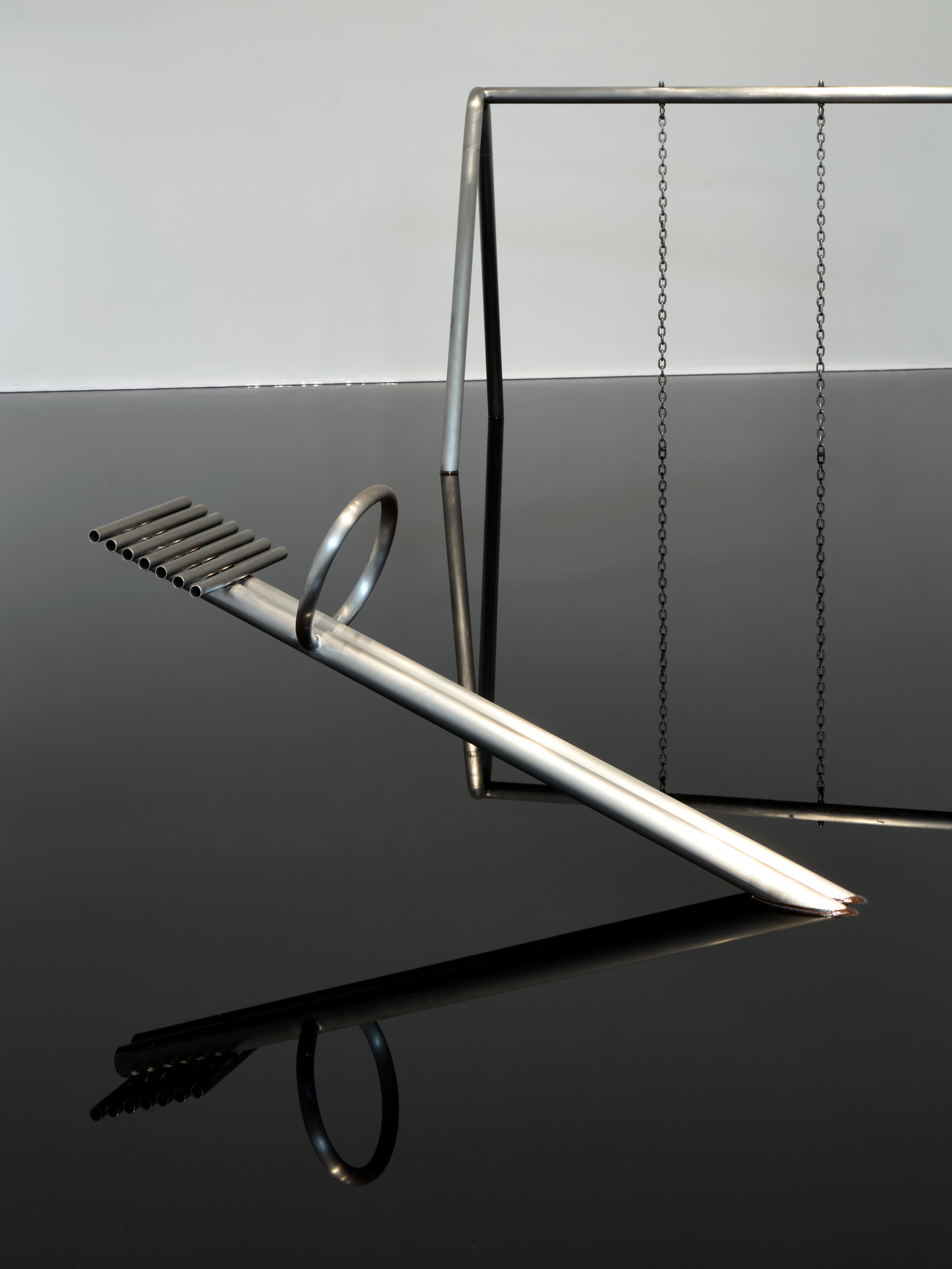
Photo by Ollie Hammick
In London, where the urban landscape is continuously renewed — neighborhoods disappear and new structures emerge — the question of memory resonates with particular urgency. Many buildings continue to exist only in residents’ recollections. Against this backdrop, The flesh of space becomes an exploration of what anchors a place in memory and why the sensation of space can outlast its physical form.
The gallery is open from Wednesday to Saturday, 12:00 to 6:00 pm, until December 20.