Moral Tourism: The Tyranny of Distant Outrage

In an age of instant news, we all seem to know everything. Sometimes you don’t even want to know, yet you find out anyway. A conflict begins somewhere far away, beyond the back of beyond, and within minutes every website and channel across the world is saturated with it. People see striking images, hear plaintive speeches, others are rarely shown – after all, they are less enticing – and an immediate, almost reflexive emotional involvement follows. Very often without knowledge, and without any understanding of the nature of the conflict itself.
In such circumstances it’s extraordinarily easy to judge. But that judgement, moral yet devoid of responsibility or depth of understanding, is precisely what I call moral tourism. (The term is not mine, but it is an excellent one. Not to be confused with ethical tourism.)
People ‘visit’ conflicts emotionally, pronounce their opinions, and then return to their own lives. Other people’s suffering becomes a consumable, fleeting yet ethically tinted. No responsibility. No cost. No consequences. No danger. Only shallow indignation, virtue signalling, and irritation at ‘bad’ news, all masquerading as compassion: ‘Sort it out properly at last, we’re suffering so much because of this conflict.’
This is not solidarity. It’s sanctimony.
Complex realities are flattened into a black-and-white picture of villains, victims, and slogans. The history of the conflict, its internal problems, its compromises, the background and particularities of the opposing sides, all of this disappears, replaced by judgement that is superficial, yet loud and self-assured.

It might seem to make little difference what Diego García from Tárcoles or Zhang Wei from Gaochuan think about the war in Ukraine or the conflict in Gaza. But when there are many Diegos and Zhangs, the tyranny of the global audience begins. The parties to a conflict find themselves under worldwide pressure and must listen to people who bear no responsibility whatsoever for their words. They must heed norms formed in another reality, moral fashions that change week by week. Pragmatism is punished, maximalism rewarded, which does not ease suffering but prolongs it.
People judge societies to which they don’t belong, conflicts they can’t influence and scarcely understand, if at all, and individuals, whom they will never encounter. Without acknowledging the limits of their knowledge or the possibility of error, without recognising that no one’s right to judge is absolute, their pronouncements turn into a kind of moral colonialism: ‘Do as I say because I am morally superior, and I know best.’
As Susan Sontag observed in Regarding the Pain of Others, the mere contemplation of suffering, emotional consumption without responsibility, creates the illusion that to see is to understand.
Twenty years ago the French writer Pascal Bruckner, in The Tyranny of Guilt, wrote: “Nothing is more Western than hatred of the West… We Europeans are born with a burden of vices and ugliness that mark us like stigmata, for we have to recognise that the white man has sown grief and ruin wherever he has gone.”
Bruckner calls this Western self-flagellation a form of moral exhibitionism performed at a safe distance, since those most eager to repent are precisely those least affected by the consequences of that endless repentance. Once again, moral tourism, a moral stance without real consequences.
Bruckner also notes an interesting paradox: Europe’s very willingness to acknowledge its own faults often fuels hostility from societies that make no such painful attempt at self-examination.

Perhaps a clear definition is in order. Moral tourism is a brief, emotional and noisy immersion in the moral landscape of other people’s lives, without any obligation to understand and without consequences.
Three main elements define moral tourism:
- Distance – the moral tourist is not involved in the situation, socially, historically or materially.
- Public moral posturing – the moral tourist loudly and confidently condemns, praises or supports.
- Absence of consequences – the moral tourist withdraws from the conflict as easily as they approached it, without commitments, without responsibility, without cost.
Why does behaviour that is so plainly sanctimonious appear to many as virtue?
Moral tourism satisfies deep psychological needs. In a world where people feel powerless not only to change anything but even to understand it, the binary attitudes of moral tourism soothe and provide cognitive relief. Condemnation feels like action, like the restoration of moral agency: ‘I can’t stop this, but I can denounce it.’
Moreover, shared outrage creates instant communities. Moral tourists need no shared history or common understanding, only shared indignation.
It’s not that this didn’t exist before. But the internet exposes us far more often to other people’s suffering, to fragmentary, easily digestible ‘evidence’, both real and illusory. The web entangles us all, turning us into pseudo-participants in every conflict, pseudo-judges of every dispute, yet without any acceptance of responsibility.
Historically, the two were linked. Those who knew of a conflict were largely those directly involved in it, and they both passed moral judgement and bore the consequences. Careless speech or unfair accusations could escalate violence or bring other unpleasant repercussions. Condemnation was risky, and therefore not rushed.
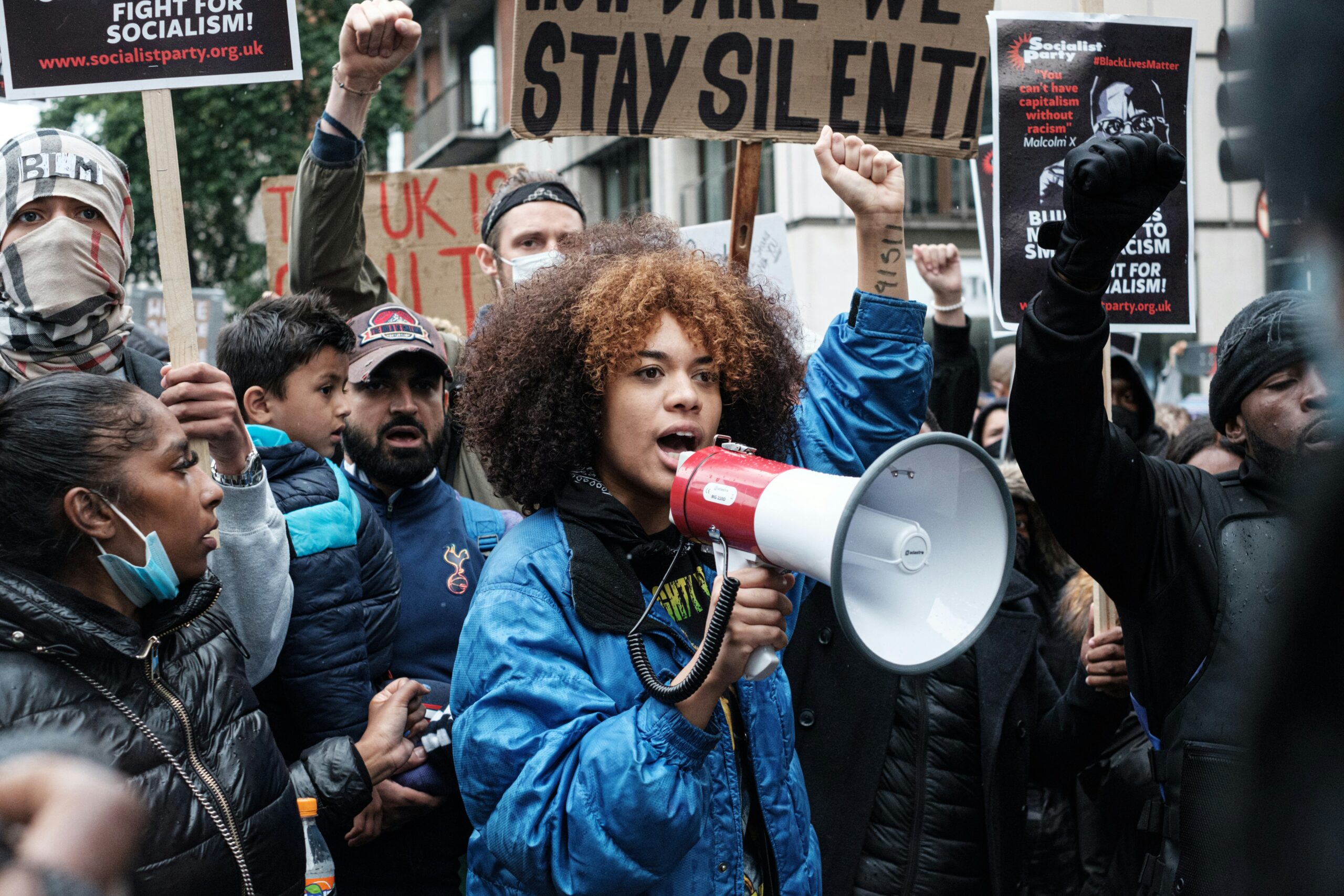
Moral tourism has broken those boundaries. One can judge without fear of retaliation, condemn without helping to put things right, accuse without evidence. The result is a kind of moral inflation. Moral conflicts are flattened. Real situations, with their tragic compromises and contradictions, with the impossibility of ethically flawless choices, are reduced by moral tourists to maximalist rhetoric and performative purity. Looking at you, Venice.
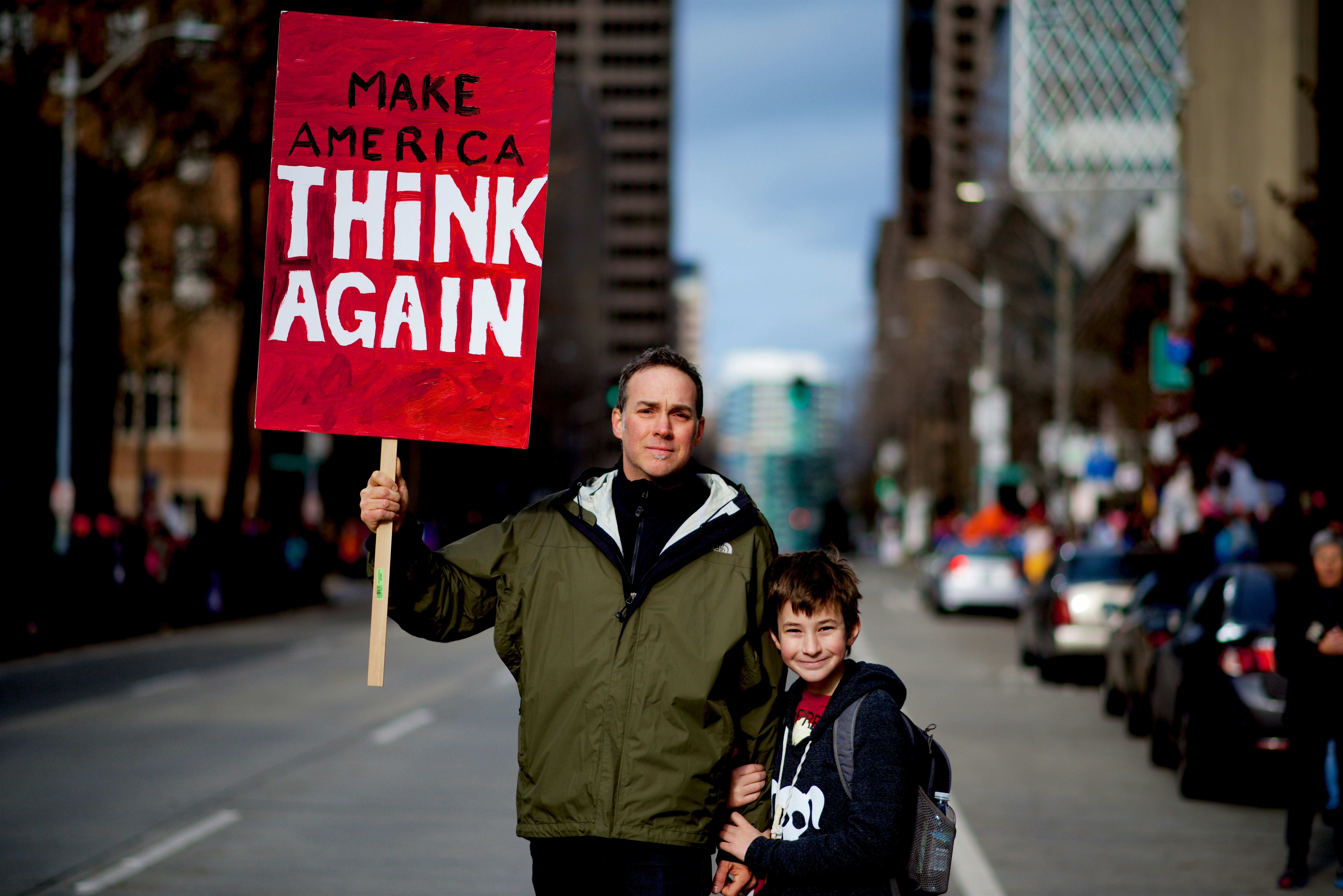
Under pressure from moral tourists, moderation disappears among the parties to a conflict. The moderate hesitate, doubt, clarify, consider circumstances. Moral tourists have neither the time nor the inclination for that. They want absolute certainty and instant outrage. They dislike ambiguity.
As a result, those who will never experience the consequences of their judgements and will never face retribution for them often exert the strongest moral pressure. An ethics turned upside down. Don’t misunderstand me, I am not calling for silence. There always have been, and always will be, things about which silence is inexcusable. But condemnation should be the final stage of the moral chain.
That chain begins with observation, a video, an article, a news report, continues with reflection, the search for other sources, the study of the conflict’s history, and ends with a refusal to oversimplify and an acknowledgement of the limits of one’s own judgement. Only then should those judgements be made public.
A serious, thoughtful person, before judging, will try to learn. Before shouting “From the river to the sea”, they will try to understand which river, which sea, why from that river to that sea, and on what grounds, if any.
Moral tourists stop at the first stage. After all, delayed judgement, refusal of public simplification, and the ability to keep quiet at the right moment are rarely rewarded by crowds on social media. Which is why we live as we do.
Moral tourists come in every variety, left and right, clever and foolish, famous and unknown. Moral tourism has become the default moral posture in a world where people see a great deal, understand little, and control almost nothing. It is difficult to eradicate. But each individual moral tourist can outgrow it. If they wish to.
The only question is whether they will.