The Secret Listeners of Trent Park: Jewish Refugees vs. Hitler’s Generals

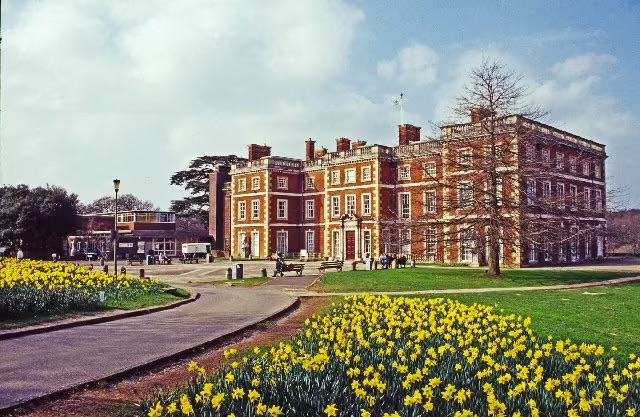
The historic Trent Park mansion in north London, where British intelligence secretly recorded the conversations of high-ranking German and Italian prisoners of war during the Second World War, is to open to the public as a museum for the first time. The Trent Park House of Secrets exhibition will begin on 21 July.
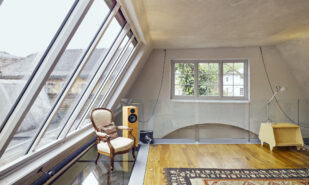
In August 1942, German General der Panzertruppe Ludwig Crüwell became the first senior Wehrmacht officer to be brought to Trent Park – a country estate in Enfield, north London. Accustomed to privilege, the general appeared unsurprised by the remarkably comfortable conditions of his captivity. The captive generals lived in spacious rooms, strolled through the picturesque park, and received good food, alcohol and cigarettes. Sometimes they were even allowed to travel into London. On the surface, Trent Park resembled an aristocratic residence far more than a prisoner-of-war camp.
However, this comfort was part of a meticulously planned intelligence operation. The German and Italian officers had no idea that virtually every word they spoke was being recorded. Behind the Chinese wallpaper and bookcases lay a hidden system of microphones and wiring. The signals were fed to the mansion’s basement, where a team of so-called secret listeners worked – predominantly German-speaking Jewish refugees who had been forced to flee Germany, Austria and Czechoslovakia after the Nazis came to power.
The intelligence gleaned at Trent Park proved extremely valuable to the Allies. In terms of its intelligence significance, the estate was closer to the famous decryption centre at Bletchley Park than to the luxurious country house its inmates took it for.
From Society Soirées to Secret Operation
Trent Park’s story began long before the war. The house was built in 1779, but acquired its modern appearance in the first half of the 20th century thanks to the aristocrat, politician and philanthropist Philip Sassoon, who transformed the estate into one of the most celebrated venues for high society in Britain. Members of the royal family, politicians, diplomats, artists, actors and members of the British aristocracy were all frequent visitors.