Rare Fabergé Pieces and the Wigström Workshop Archive: An Exhibition Marking Carl Fabergé’s 180th Anniversary

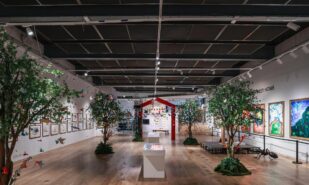
Fabergé’s London boutique is hosting The Art of Wonder, an exhibition marking the 180th anniversary of Carl Fabergé’s birth. The display brings together pieces from the Maison’s archives, historic jewels and contemporary creations inspired by the legacy of the celebrated St Petersburg firm.
The project has been conceived as a dialogue of sorts between past and present. For the exhibition, Fabergé’s London boutique will open up part of its archives, presenting historic objects alongside contemporary jewellery.
One of the most intriguing exhibits will be an album of designs from the workshop of Henrik Wigström, dating from 1911 to 1916. Wigström was one of Fabergé’s principal workmasters and, between 1903 and 1917, ran one of the Maison’s most important workshops. He succeeded Mikhail Perkhin as its leading workmaster and presided over a period of particularly prolific production at Fabergé.
The appearance of such an album is especially significant, since the surviving Fabergé workshop books reveal not merely the artistic conception behind each object, but the very process by which it was made. This 400-page volume contains more than a thousand designs executed in pencil, ink and watercolour. Among them are designs for clocks, cigarette cases and bonbonnières, frames, umbrella handles, electric bell pushes and numerous other objects.
Many of the designs were drawn life-size and annotated with production numbers and dates. This archival material offers a rare opportunity to reconstruct the workings of one of Fabergé’s principal workshops during the firm’s final years in imperial Russia. The album was previously shown at the Victoria and Albert Museum in London as part of the 2021–22 exhibition Fabergé in London: Romance to Revolution.
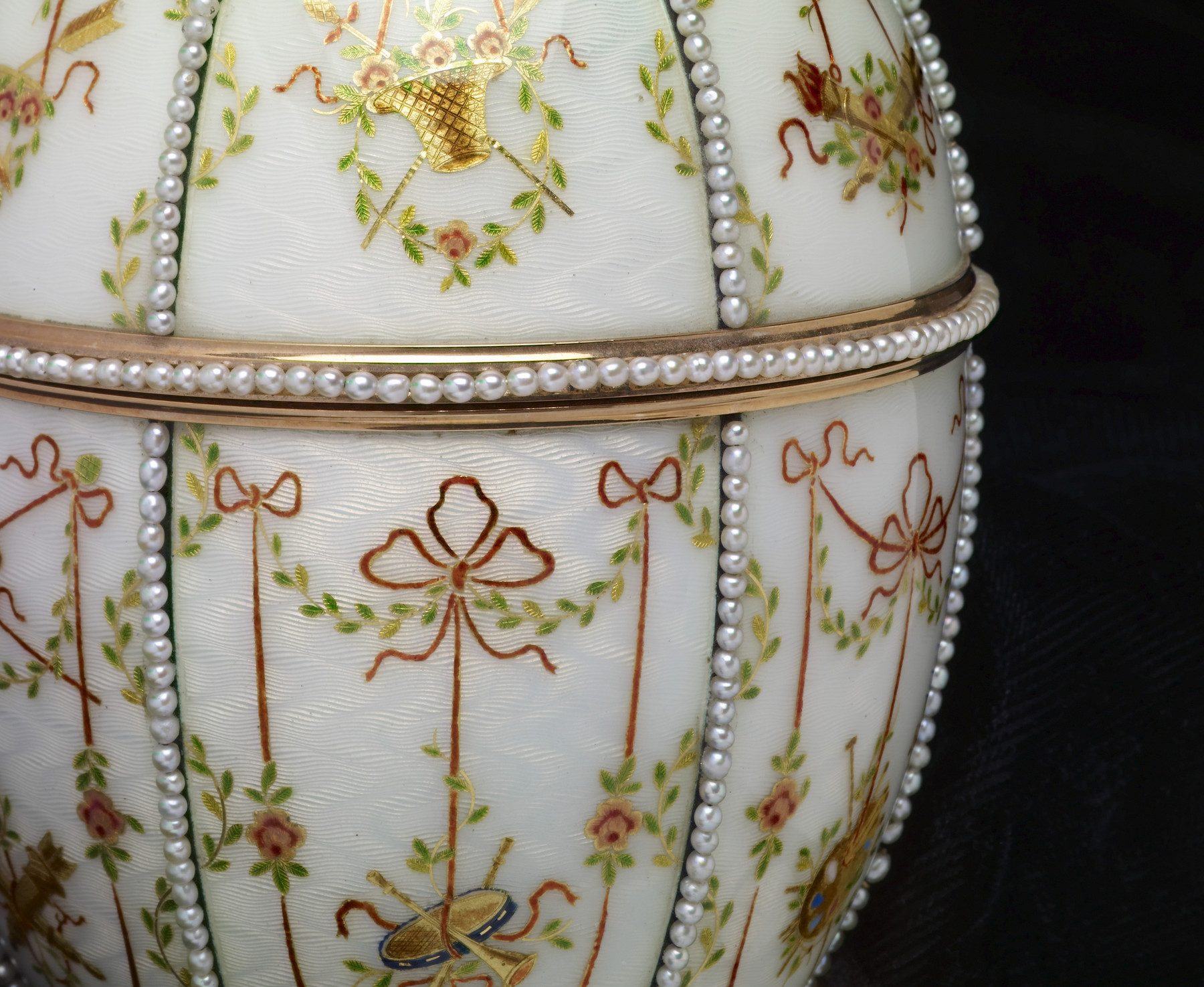
Among the historic pieces announced for The Art of Wonder is a diamond-set white-enamel minaudière made in Wigström’s St Petersburg workshop between 1908 and 1917. There is also a guilloché-enamel electric bell push button in silver, rhodonite and precious stones, made by the workmaster Anders Nevalainen between 1899 and 1903. Visitors will also see a necklace dating from around 1900, set with miniature Easter eggs fashioned from gold, silver, hardstone and enamel. It comprises 14 egg pendants and one further jewelled charm.
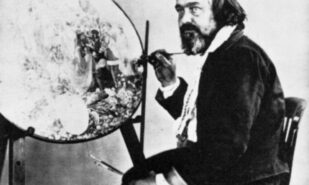
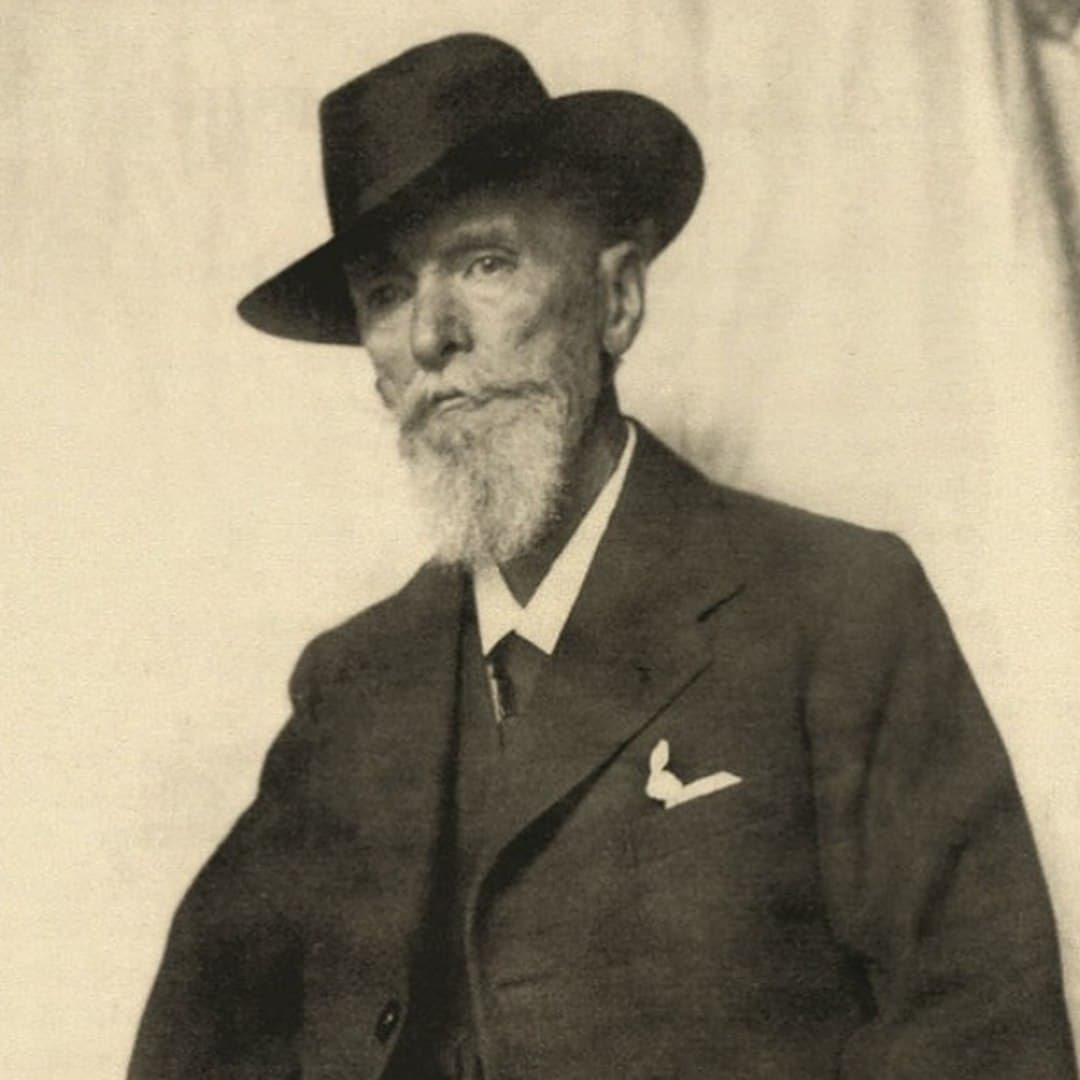
The exhibition’s title refers not only to the spectacular nature of Fabergé’s famous precious objects, but also to the way in which they were produced. Carl Fabergé effectively presided over an extensive network of workmasters, designers, enamellers, stonecutters and jewellers. After taking over his father’s small jewellery workshop in 1872, he expanded the business over the following decades to employ around 500 craftspeople and designers, making it one of the largest jewellery manufacturers of its age. The firm’s clientele encompassed the Russian aristocracy and prosperous bourgeoisie, as well as the Imperial family.
The Maison’s story began earlier. Carl’s father, Gustav Fabergé, opened his jewellery workshop in St Petersburg in 1842. Carl Fabergé was born in 1846, studied in St Petersburg and Dresden and, during his travels through Europe, encountered some of the continent’s greatest collections of jewellery and decorative art. In 1872, he took charge of the family business. The most important turning point for the firm came in 1885, when Emperor Alexander III commissioned an Easter gift for his wife, Maria Feodorovna: a jewelled egg with a golden hen concealed inside.
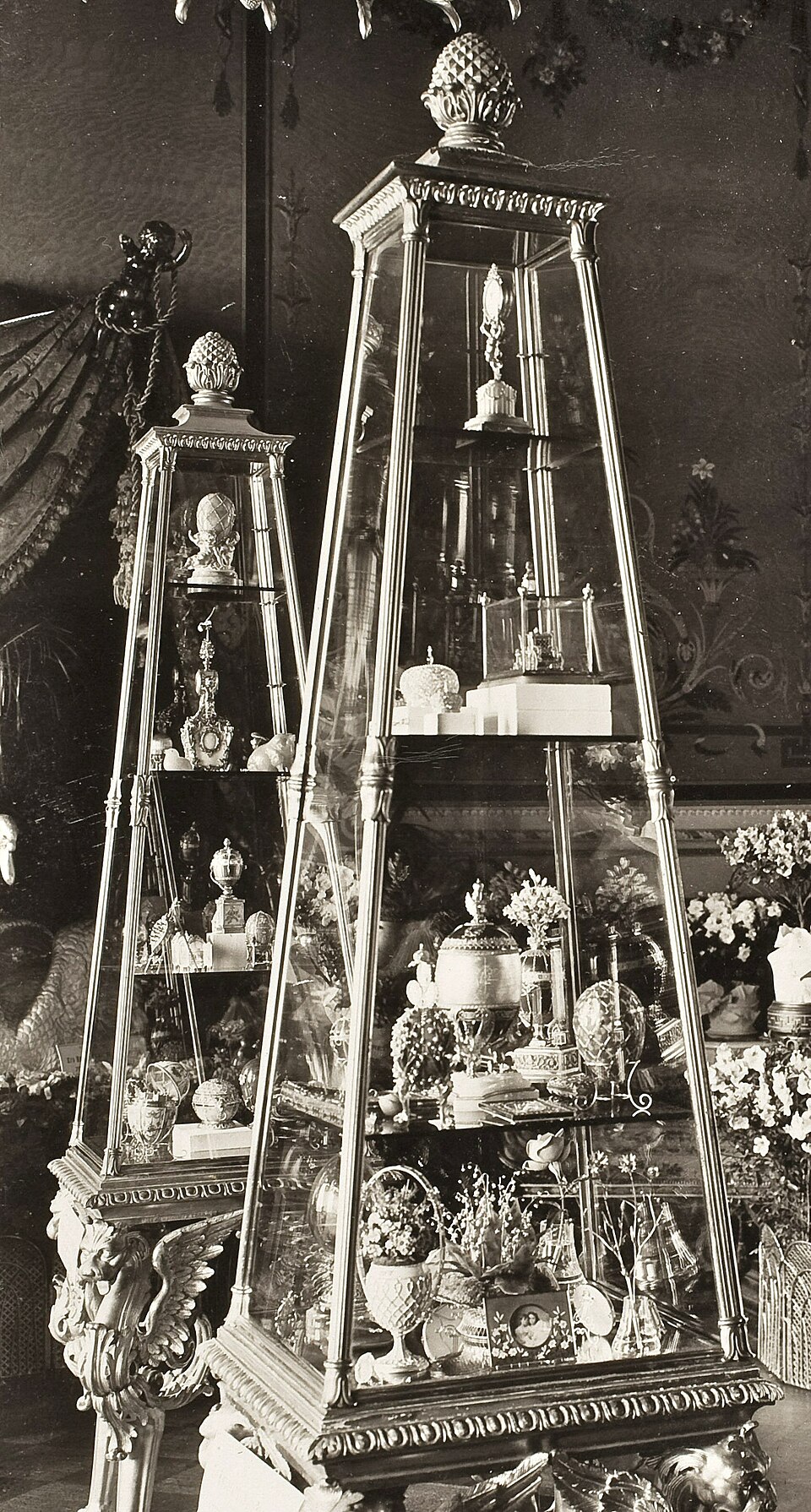
The success of that first commission gave rise to one of the most celebrated traditions in the history of jewellery. Between 1885 and 1916, the House of Fabergé created 50 Imperial Easter Eggs for the Romanov family. Following the death of Alexander III, Nicholas II continued to commission them, usually presenting one egg apiece to his wife, Alexandra Feodorovna, and his mother, Maria Feodorovna. Each object took around a year to create, its design was kept secret, and most contained a miniature ‘surprise’, whether a portrait, a model or an intricate mechanical object.
Not all the Imperial Eggs have survived. According to the Royal Collection, eight of the 50 remain unaccounted for. Three Imperial Eggs belong to the British Royal Collection, having been acquired by King George V and Queen Mary during the 1930s.
The present exhibition continues Fabergé’s long association with Britain. The firm’s first London shop opened in Dover Street in 1906, moving to Bond Street in 1910. The London branch served the British Royal Family, the aristocracy and international collectors. One of the most substantial British commissions was associated with King Edward VII. In 1907, a series of hardstone figures depicting favourite dogs, horses and other animals from the royal estate at Sandringham was ordered through Fabergé’s London branch.
Alongside its historical material, The Art of Wonder also presents the Maison’s contemporary work. A new Forever Pink Opal Egg Pendant has been created especially for Fabergé’s London boutique and will be available exclusively there. The exhibition is accompanied by a separate edit of contemporary jewellery that refers directly to the Maison’s historic motifs: eggs, guilloché enamel, coloured stones and the union of jewellery-making with decorative techniques. The selection includes egg pendants, diamond and enamel jewels, and a contemporary interpretation of the celebrated composition featuring the hen ‘surprise’.
At the heart of the anniversary exhibition, therefore, is a juxtaposition of original objects and working materials from Fabergé’s early 20th-century St Petersburg workshops with the jewellery the Maison creates today.
The Art of Wonder: 180 Years of Fabergé
Dates: 15 September–14 October 2026
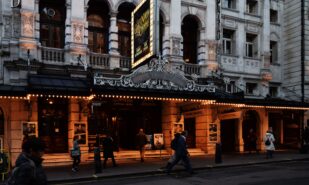
Venue: Fabergé boutique, 14 Piccadilly Arcade, London, SW1Y 6NH
Admission: By appointment through the Fabergé website