
Dubai Design Week 2025: the city as a laboratory for the future

Dubai has long been a magnet for global design, and the new 11th edition of Dubai Design Week 2025 reaffirmed this role. Organized in partnership with Dubai Design District (the city’s major creative hub) and supported by the Dubai Culture and Arts Authority, the festival once again transformed the city into an urban laboratory where ideas were tested against reality faster than anywhere else. Now, in the aftermath, it is already possible to outline the season’s key trends and the emerging scenarios for the future.
From natural materials to sensory systems
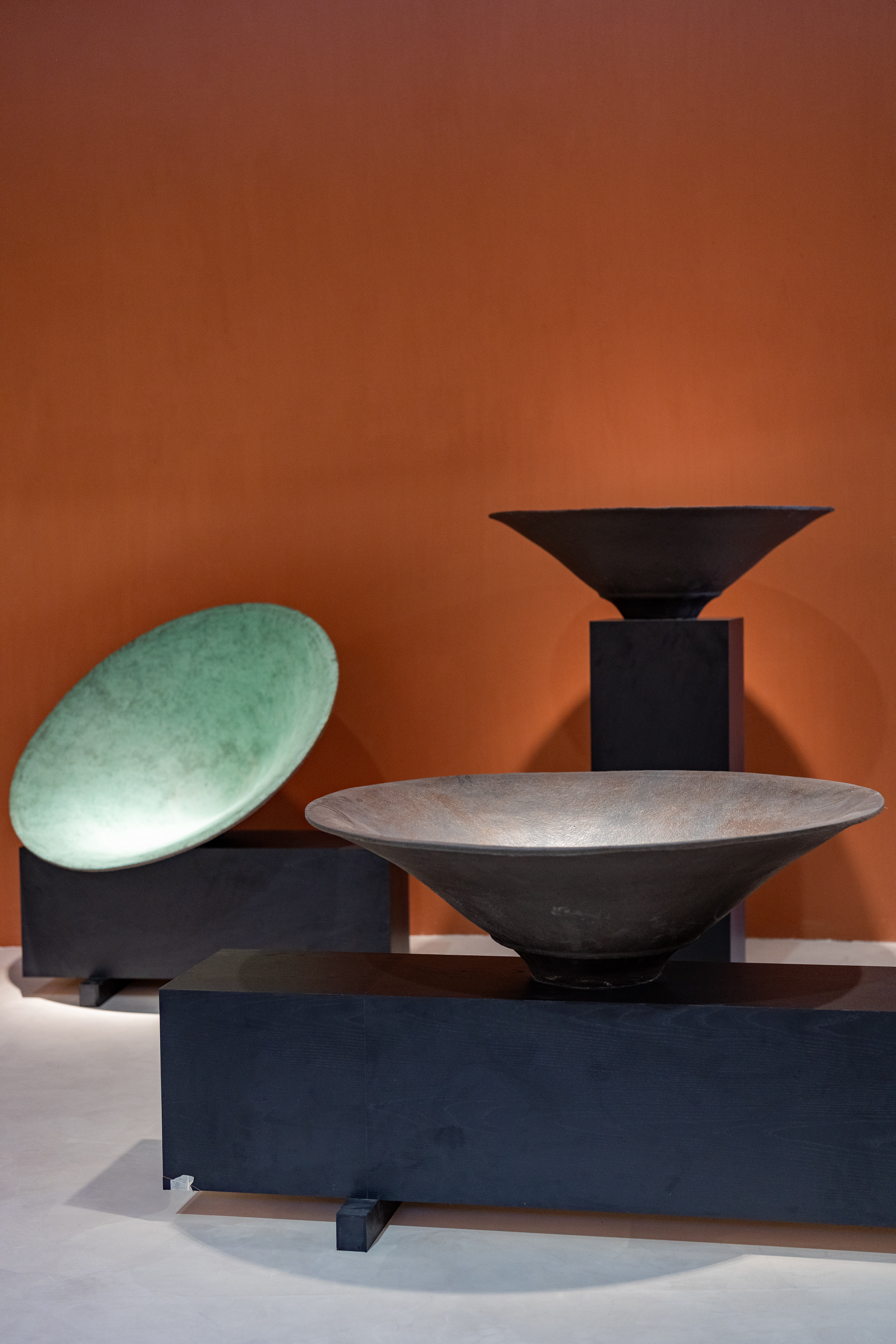
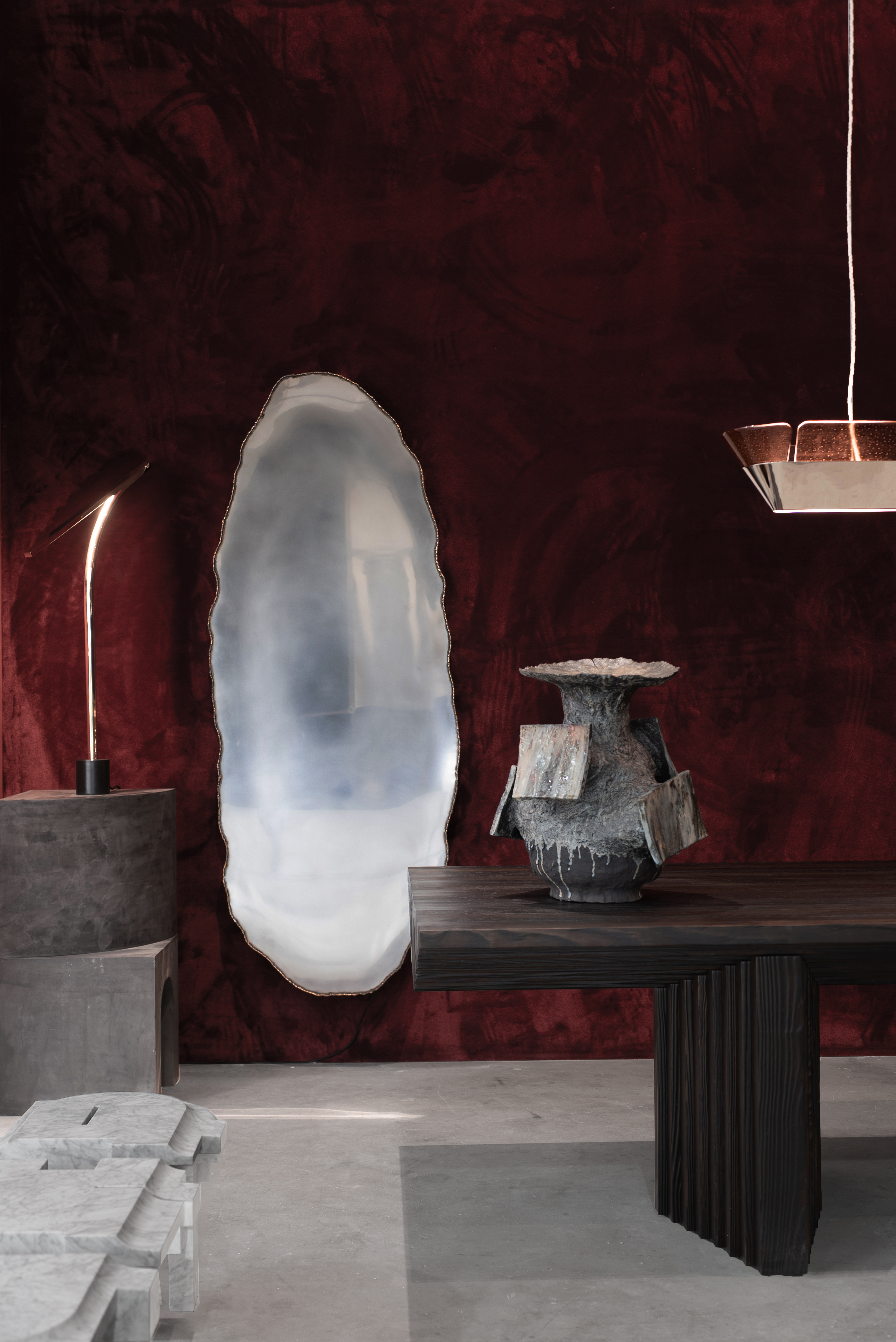
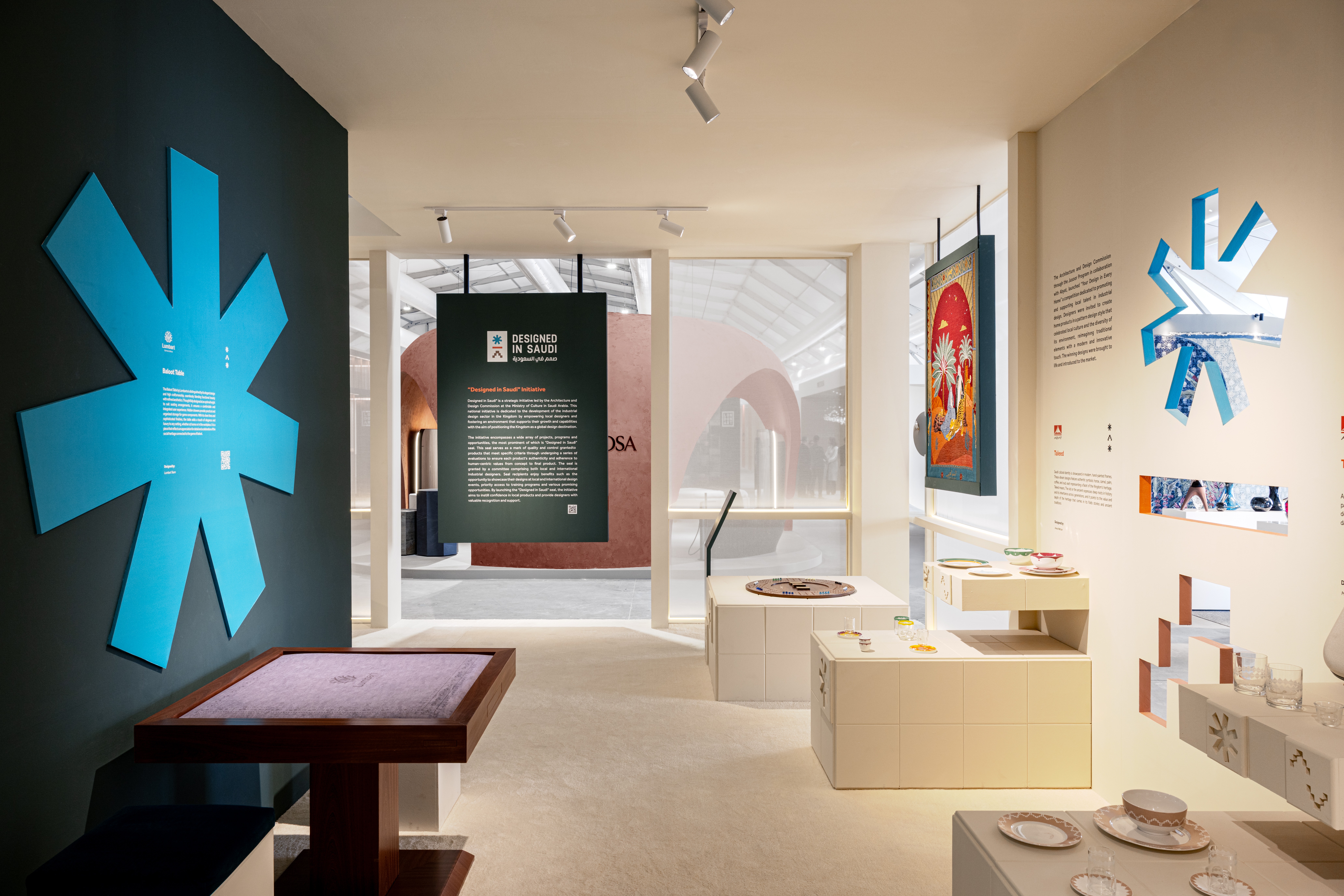
The Middle Eastern context, with its pursuit of a clear and honest contemporary design language, shaped many projects this year. The growing community culture in districts such as Dubai Design District (D3) and Alserkal also played a significant role: local creative communities formed their own ecosystem where craft, design, and art coexisted naturally. Within this environment, large-scale international projects felt organic, seamlessly integrating into the fabric of the city.
The festival’s themes focused on sustainable approaches, the regional context, and the relationship between people and space. Participants explored natural motifs of the region alongside new technological methods, with attention to ecological thinking, tactility, and forms shaped by the Middle Eastern climate.
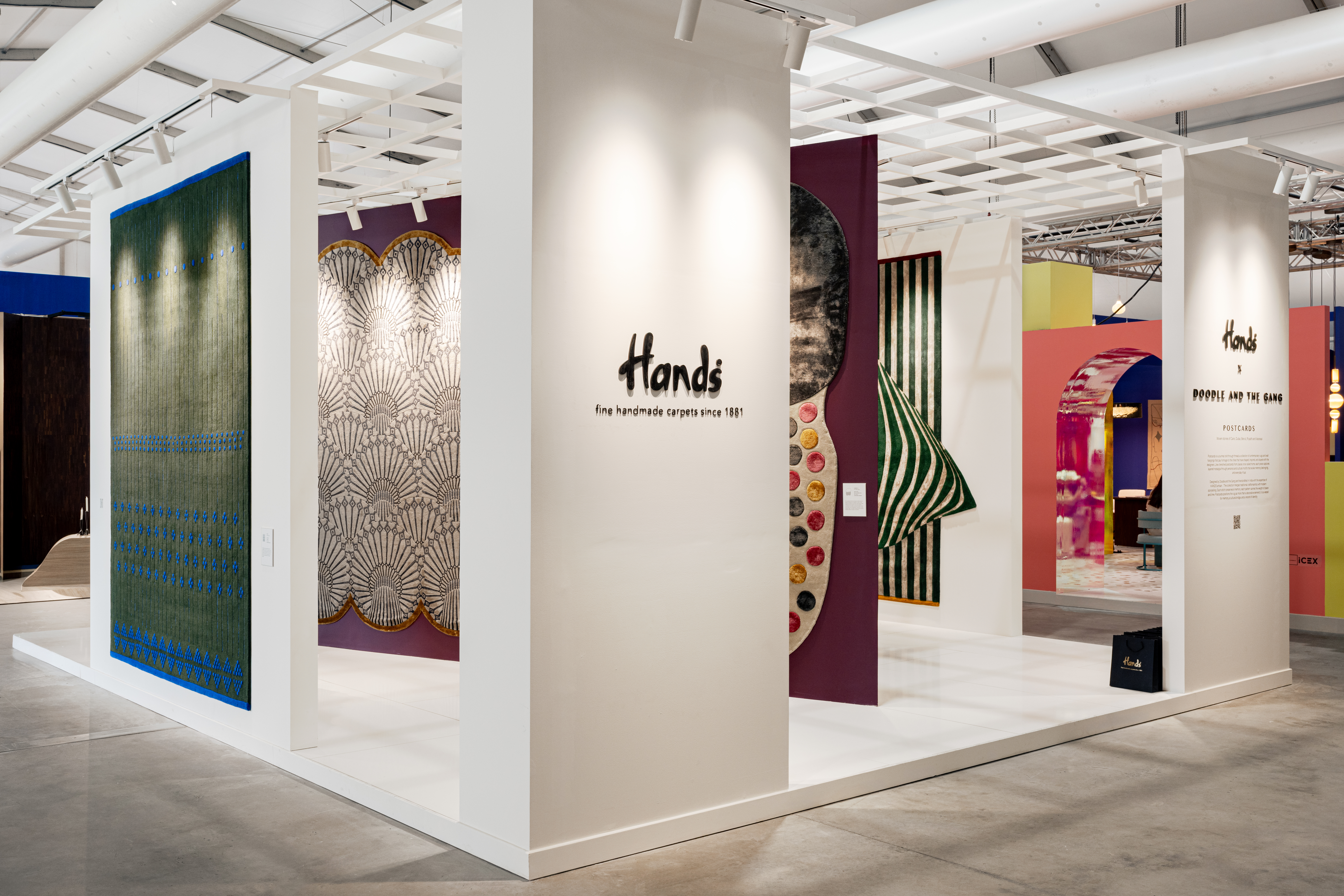
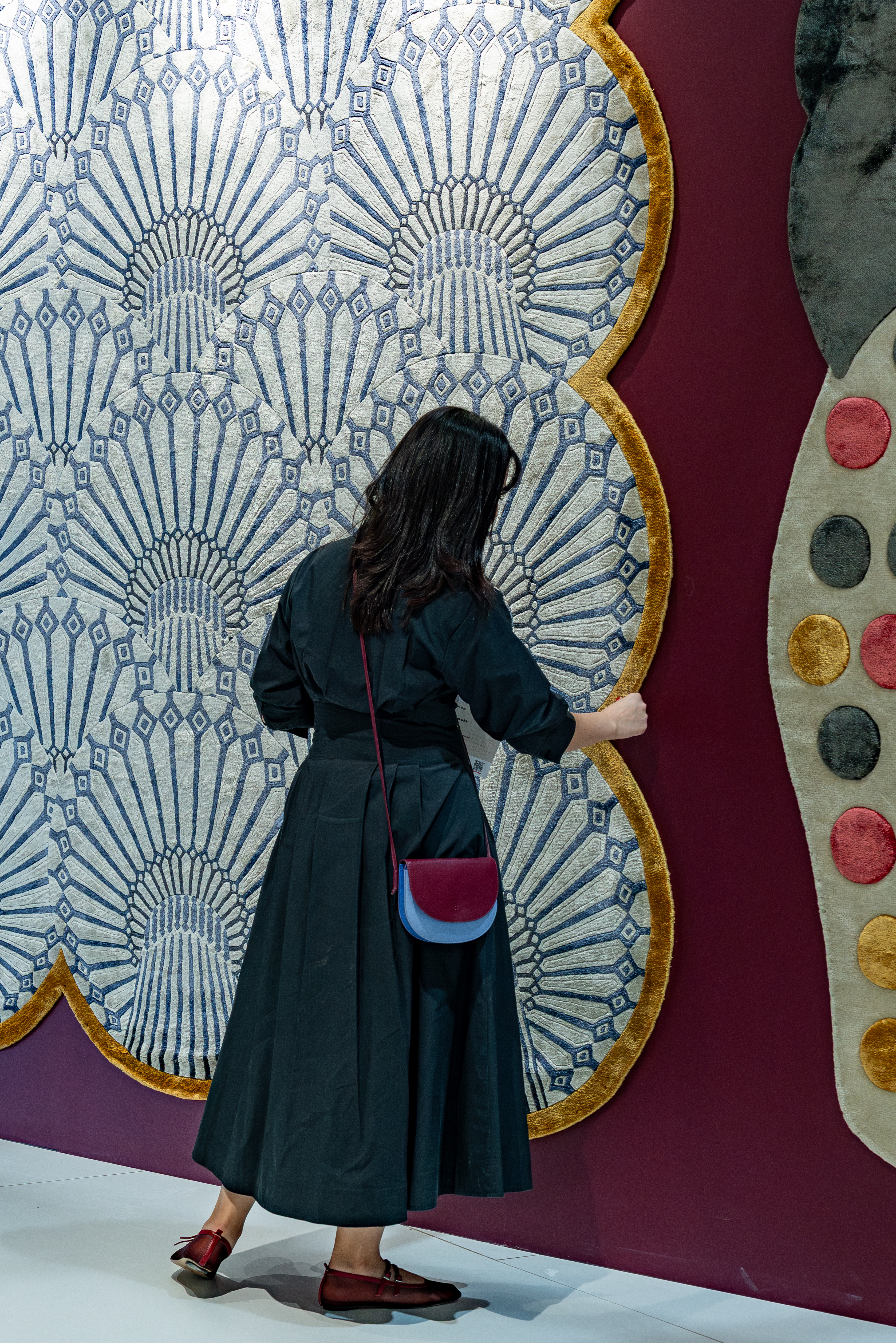
Technology this year served as an atmospheric layer enhancing spatial perception: sensory systems, sound, light, and micro-vibrations helped visitors experience spaces in new ways. As a result, environments reacted more directly to human presence, creating a more personalised and sensory-driven experience. A key tendency emerged: less rhetoric, more research. The trends centred on processes rather than presentation, and architecture appeared less static and increasingly interactive.
Empathy and contextual thinking
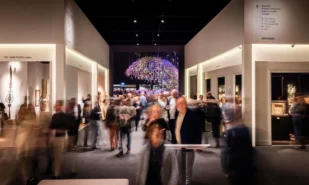
Downtown Design is the leading design fair in the Middle East and a key professional event of Dubai Design Week. It has established a new regional aesthetic direction — shifting from overt luxury toward nuance, materiality, and atmosphere — and has become a focal point for those seeking a balance between craftsmanship and technology.
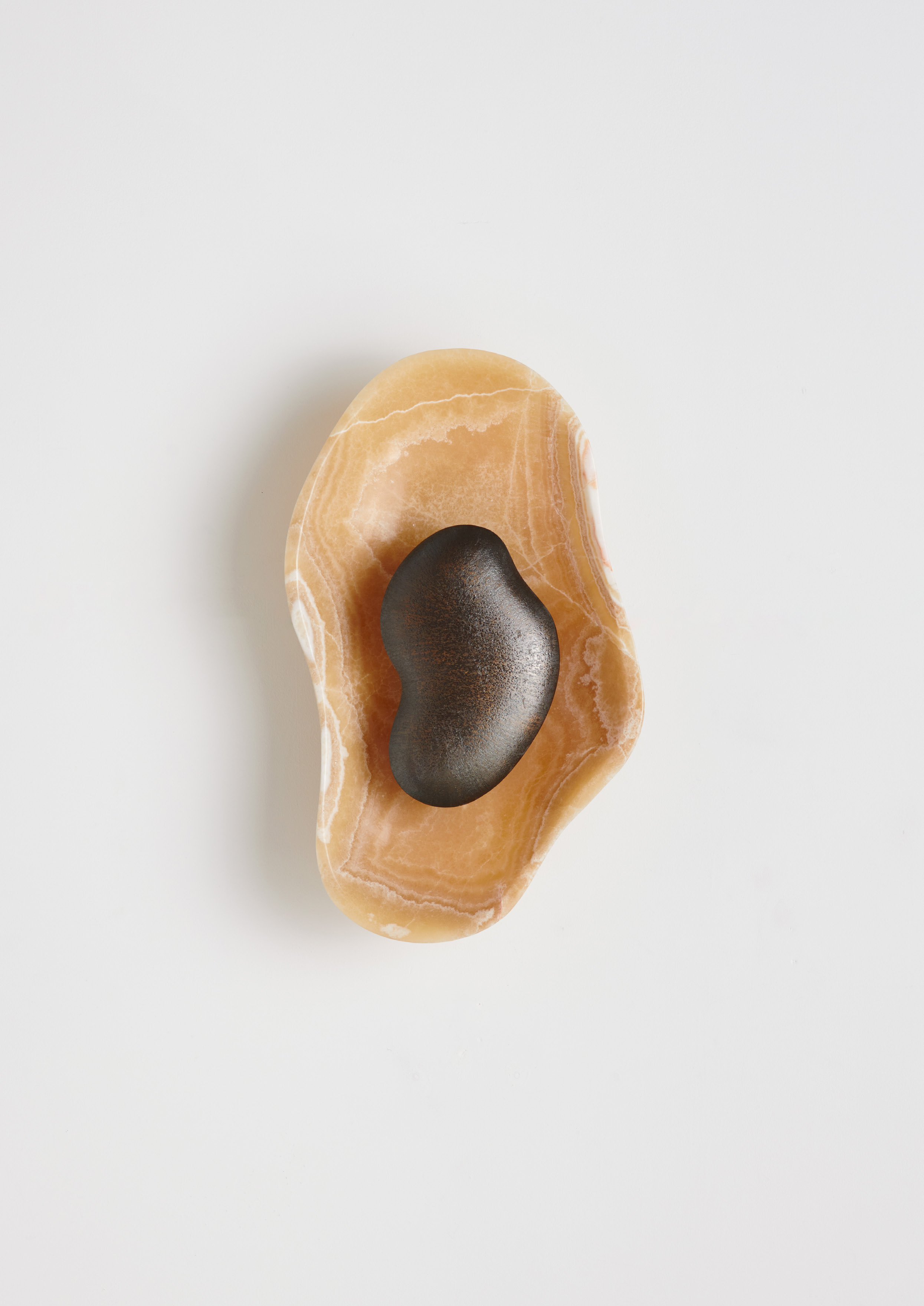
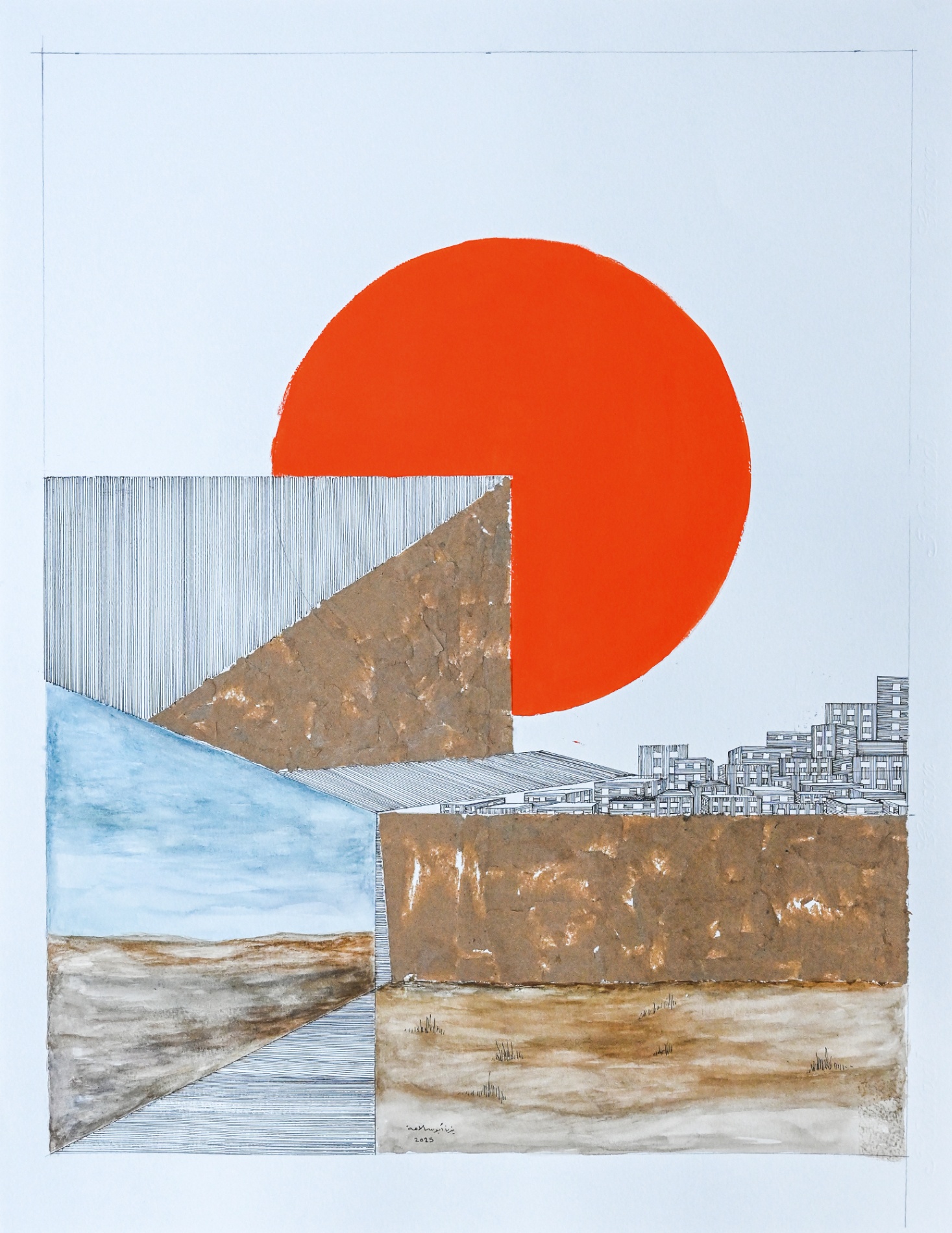
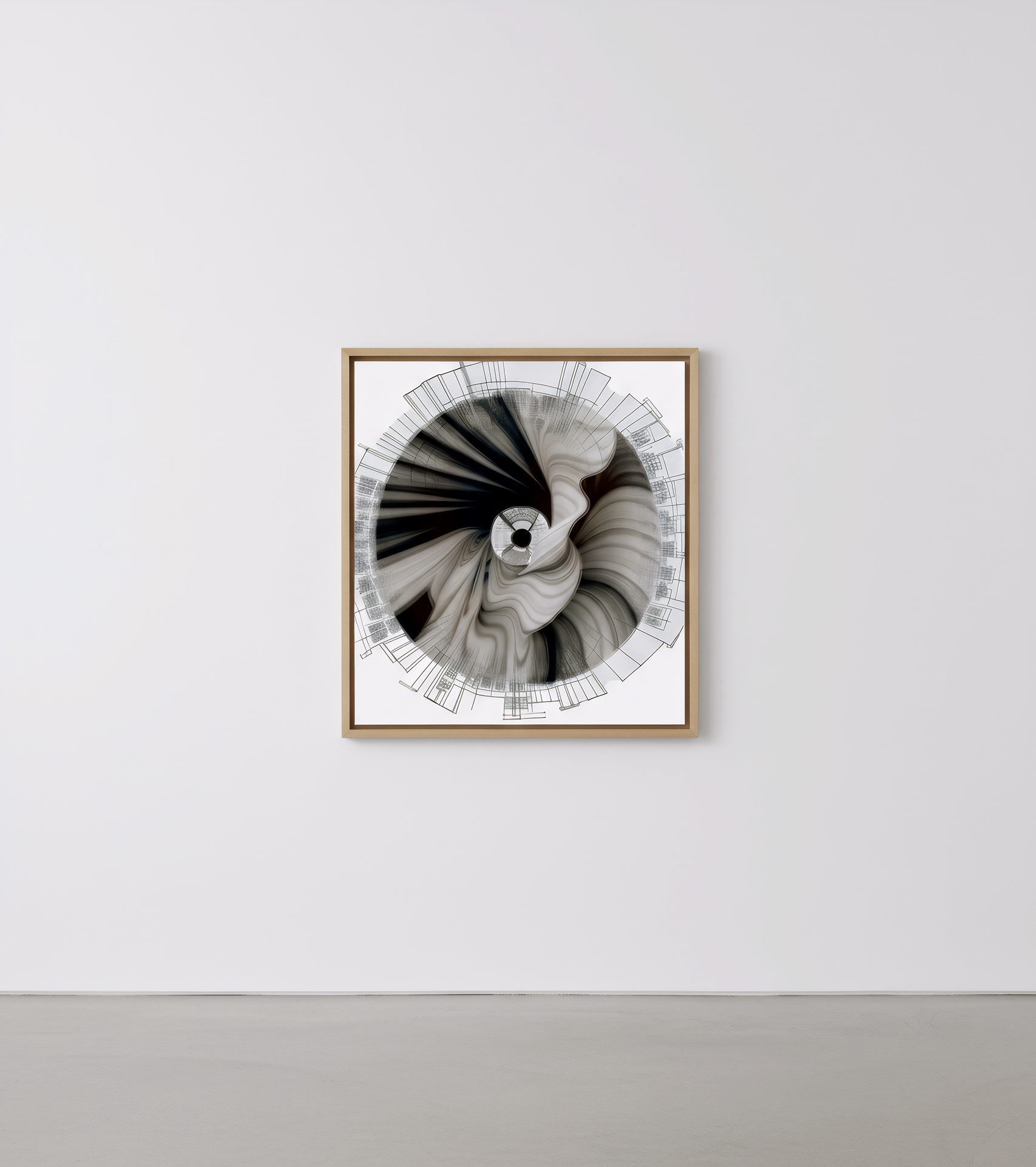
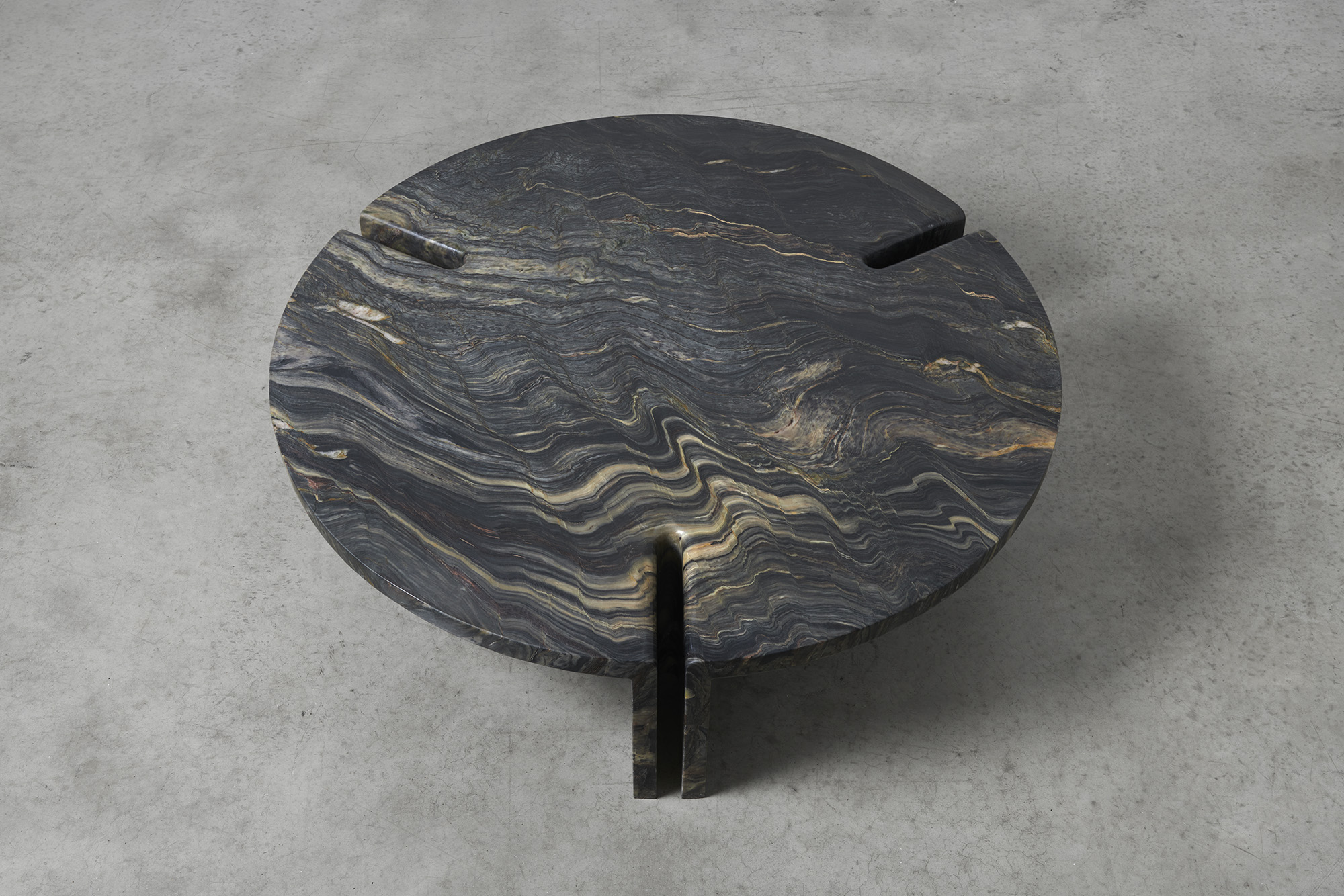
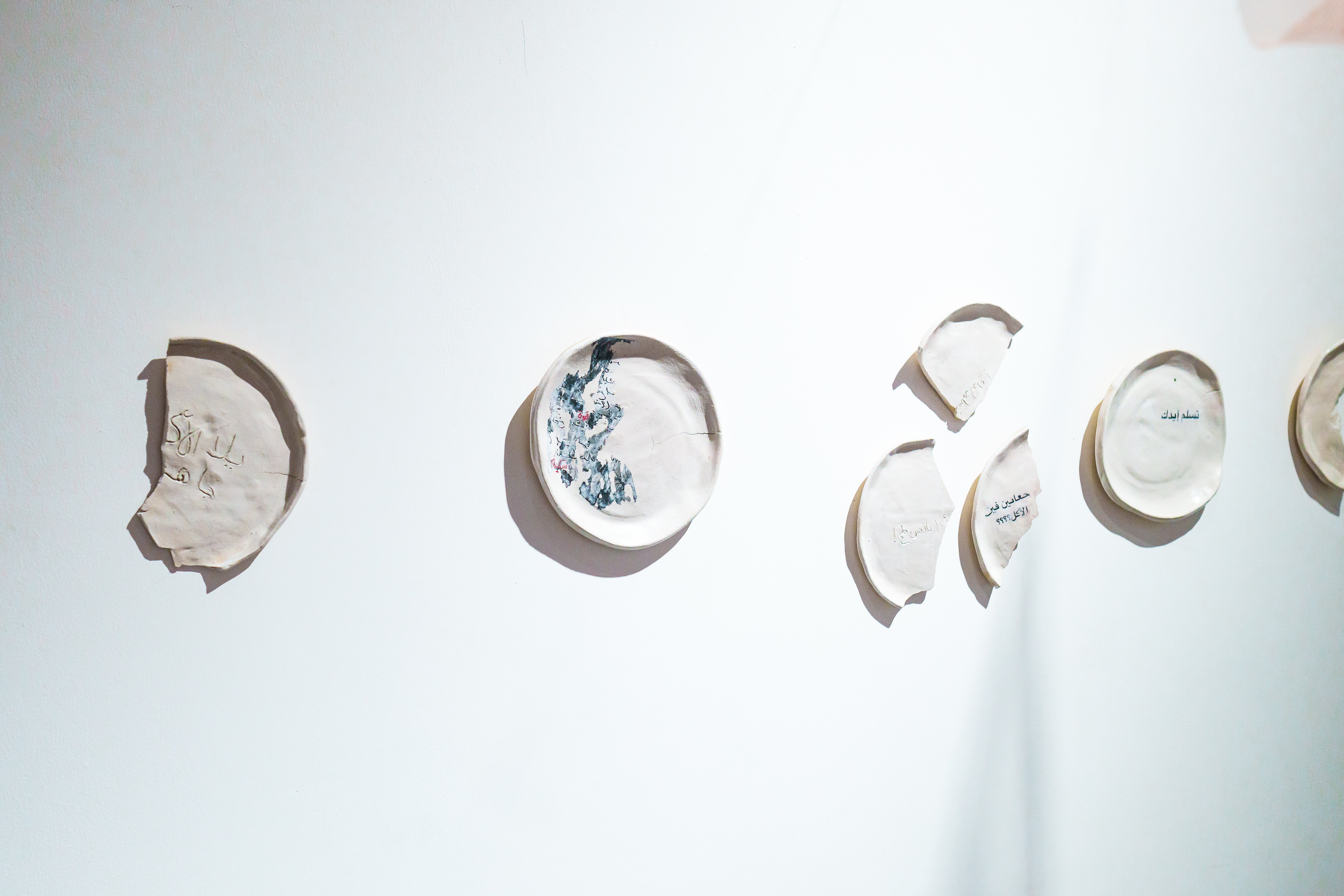
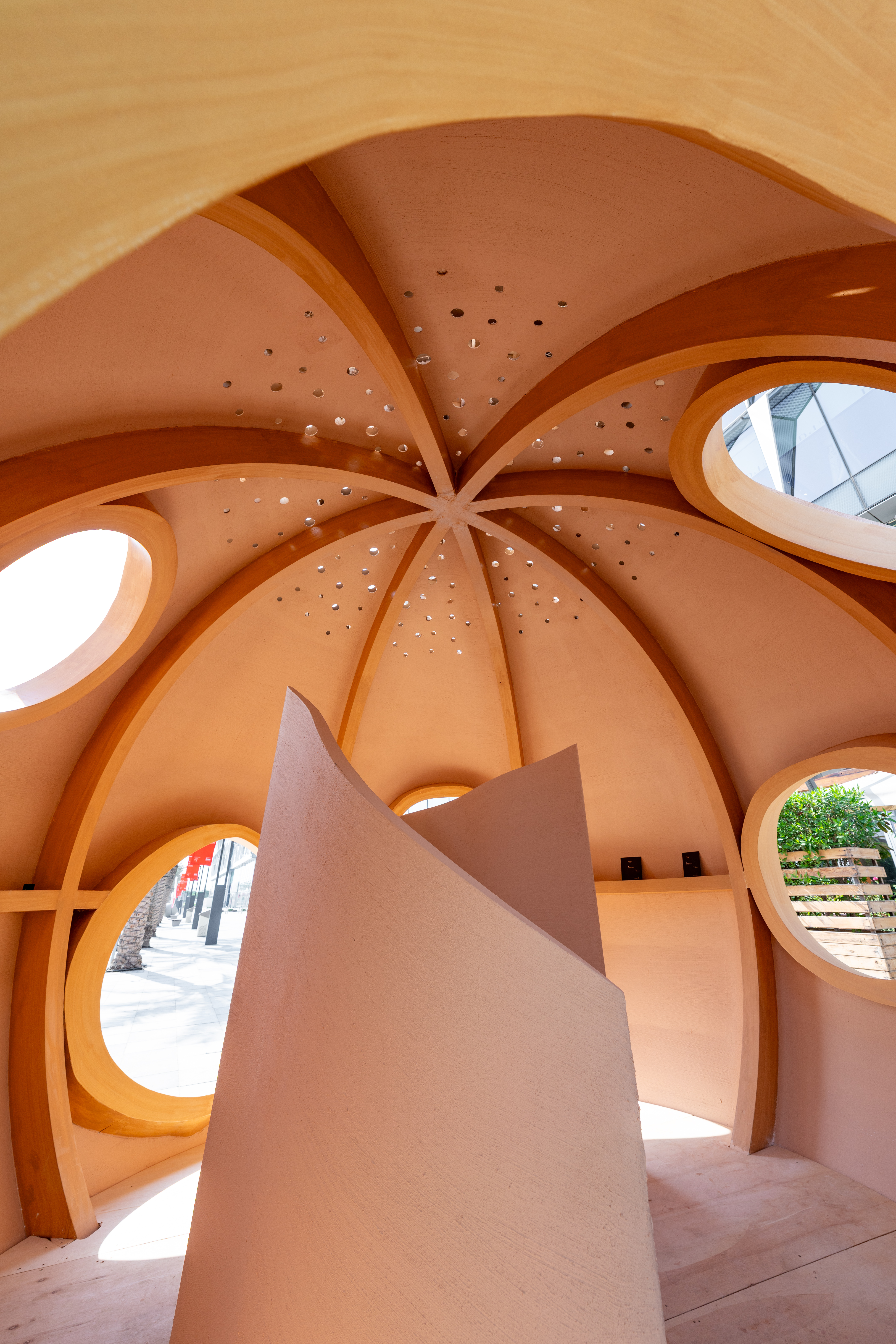
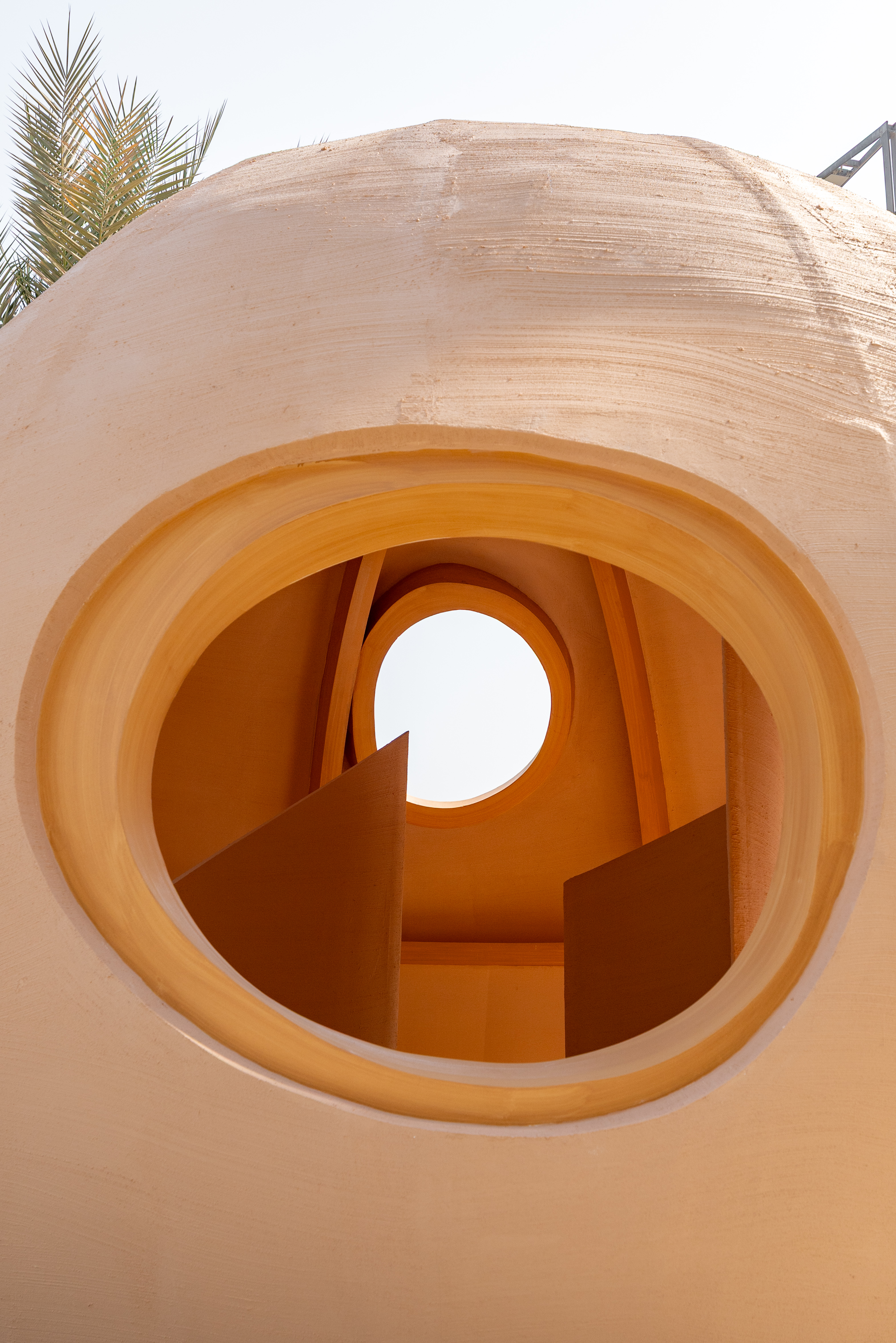
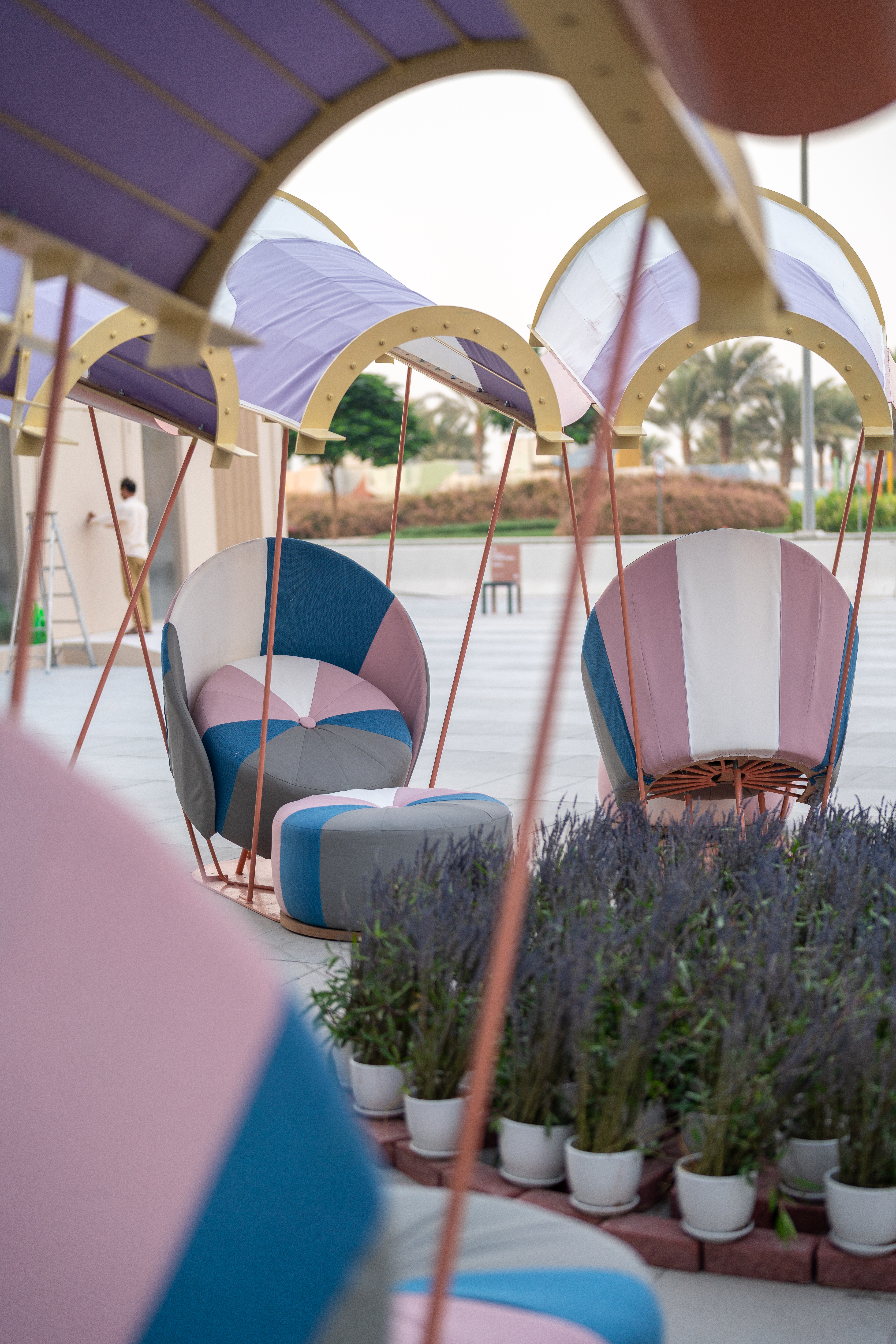
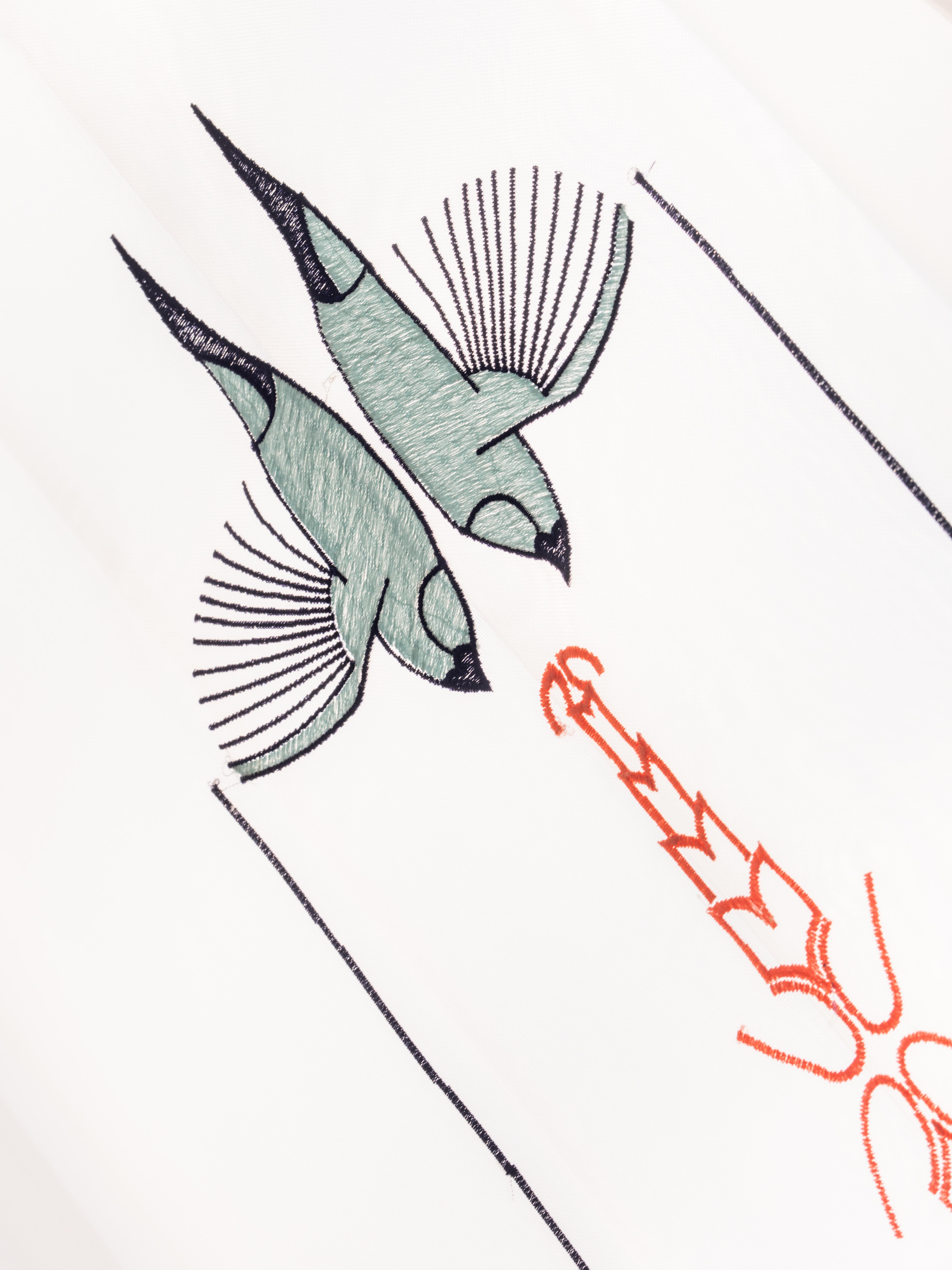
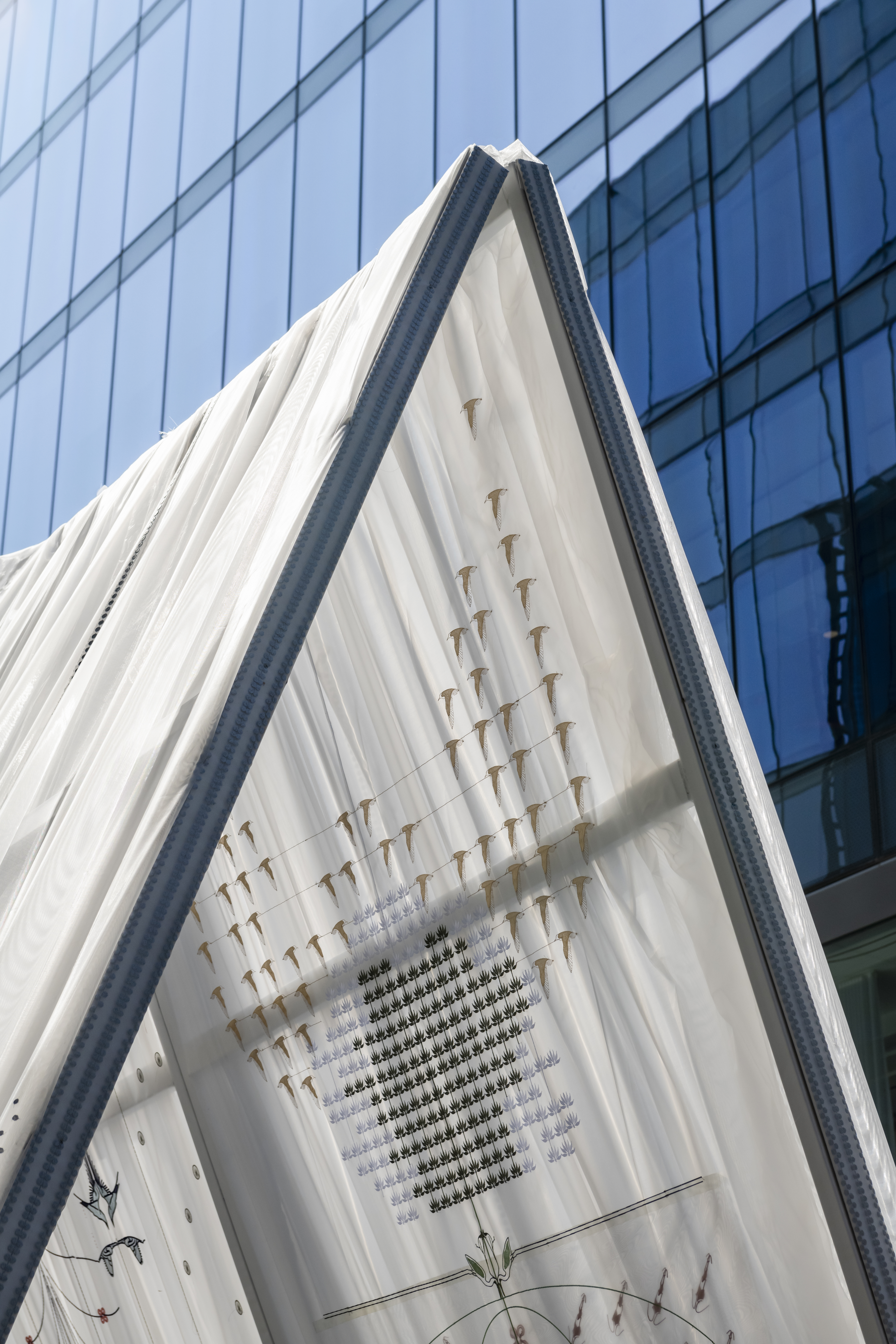
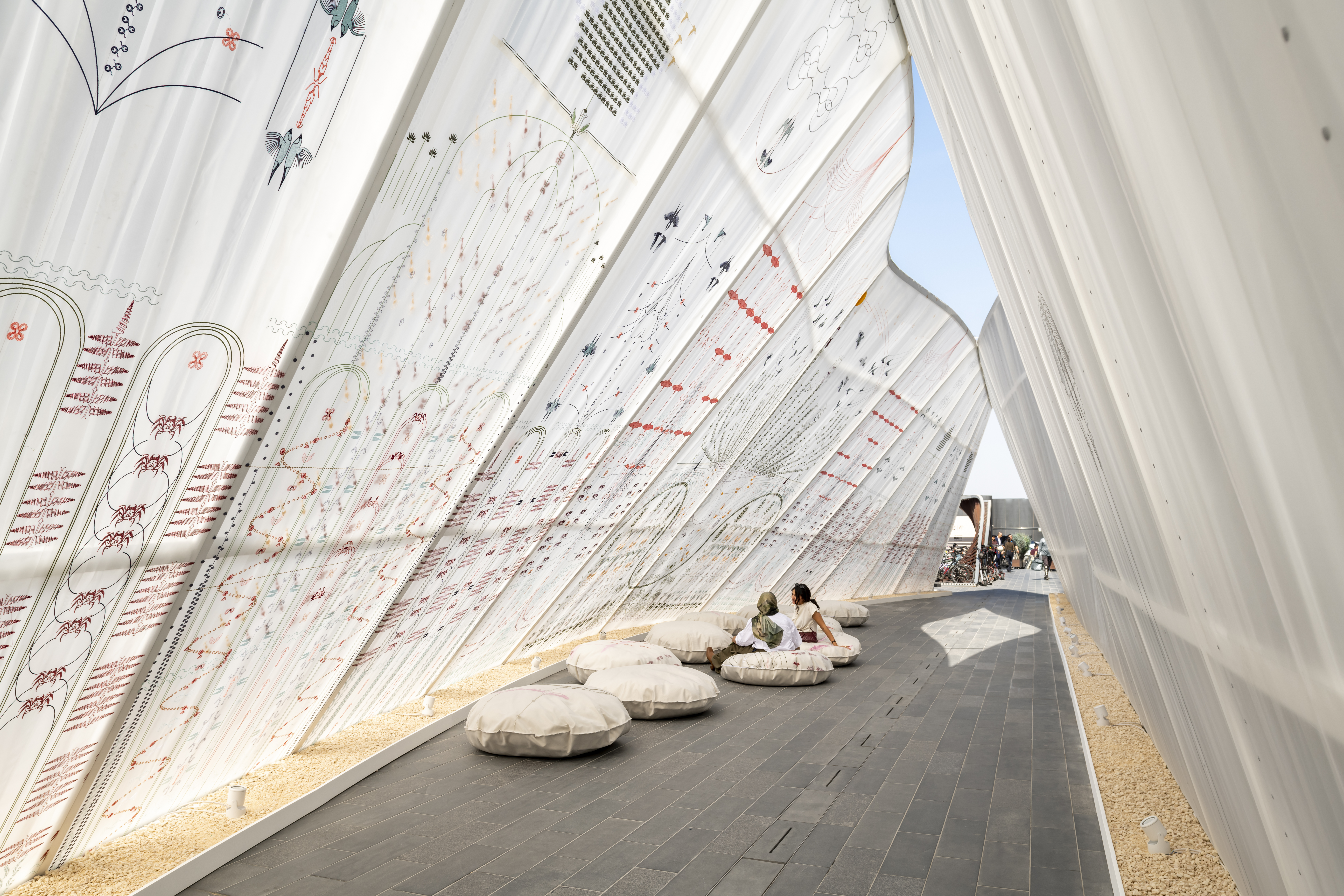
The outdoor installations in the D3 district were defined by thoughtful, finely tuned gestures rather than large statements: shadows, light fields, sound patterns, and structures responding to wind and temperature. The winner of the Urban Commission 2025, When Does a Threshold Become a Courtyard? by the UAE studio Some Kind of Practice, became one of the festival’s defining projects. Omar Darwish and Abdulla Abbas reinterpreted the traditional courtyard as a space shaped by climate, craft, and human presence. The understanding of the desert as a cultural code also became a notable theme this year. Minimalist structures reacting to wind, light, and human movement created an unusual mode of interaction with the city — something often missing in Dubai’s fast pace.
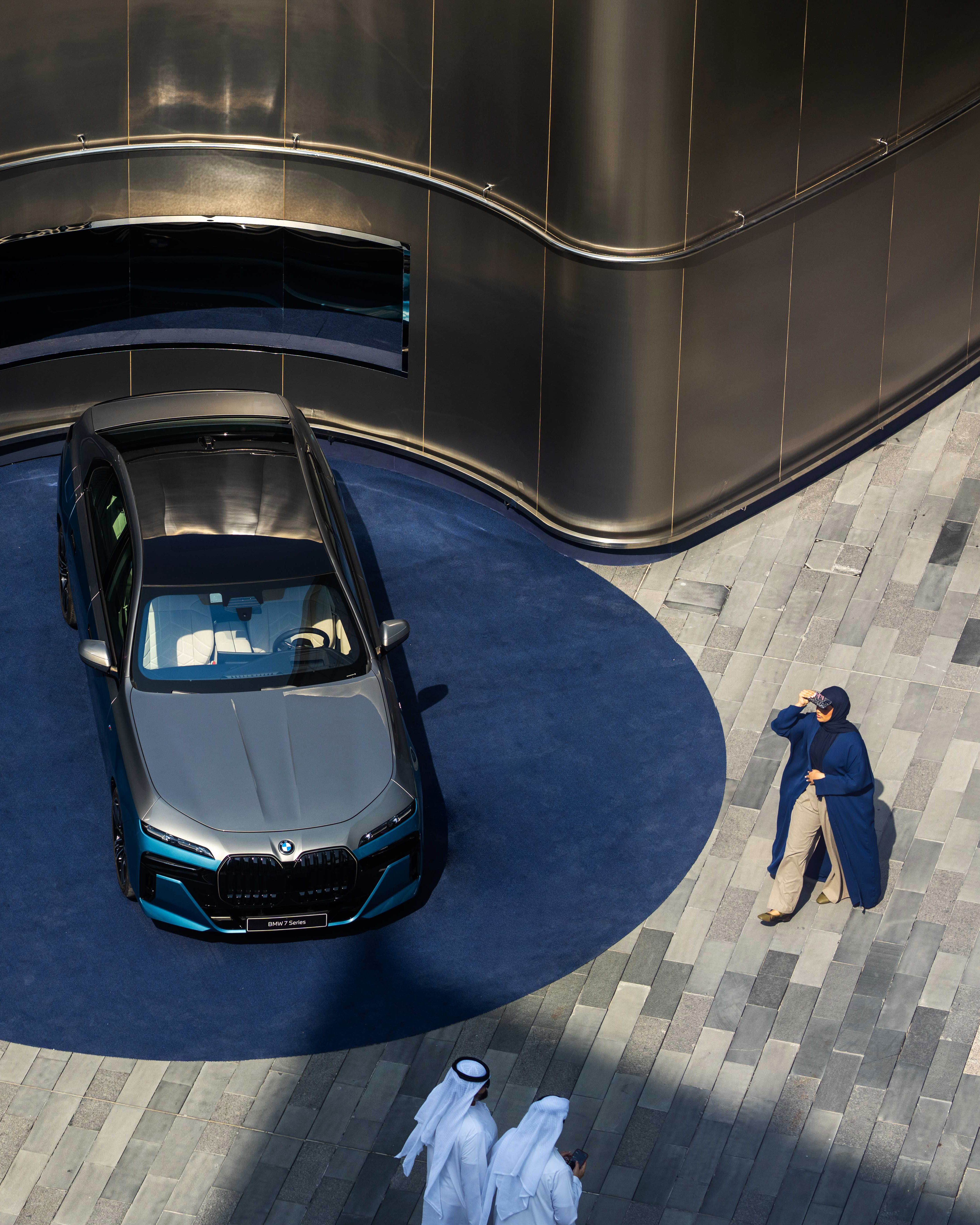
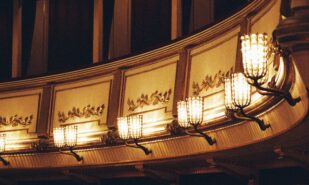
British designer Lee Broom, making his debut at Dubai Design Week, presented a collaborative installation with Huda Lighting, offering his perspective on architectural lighting with a focus on geometry, gradients, and technological precision.
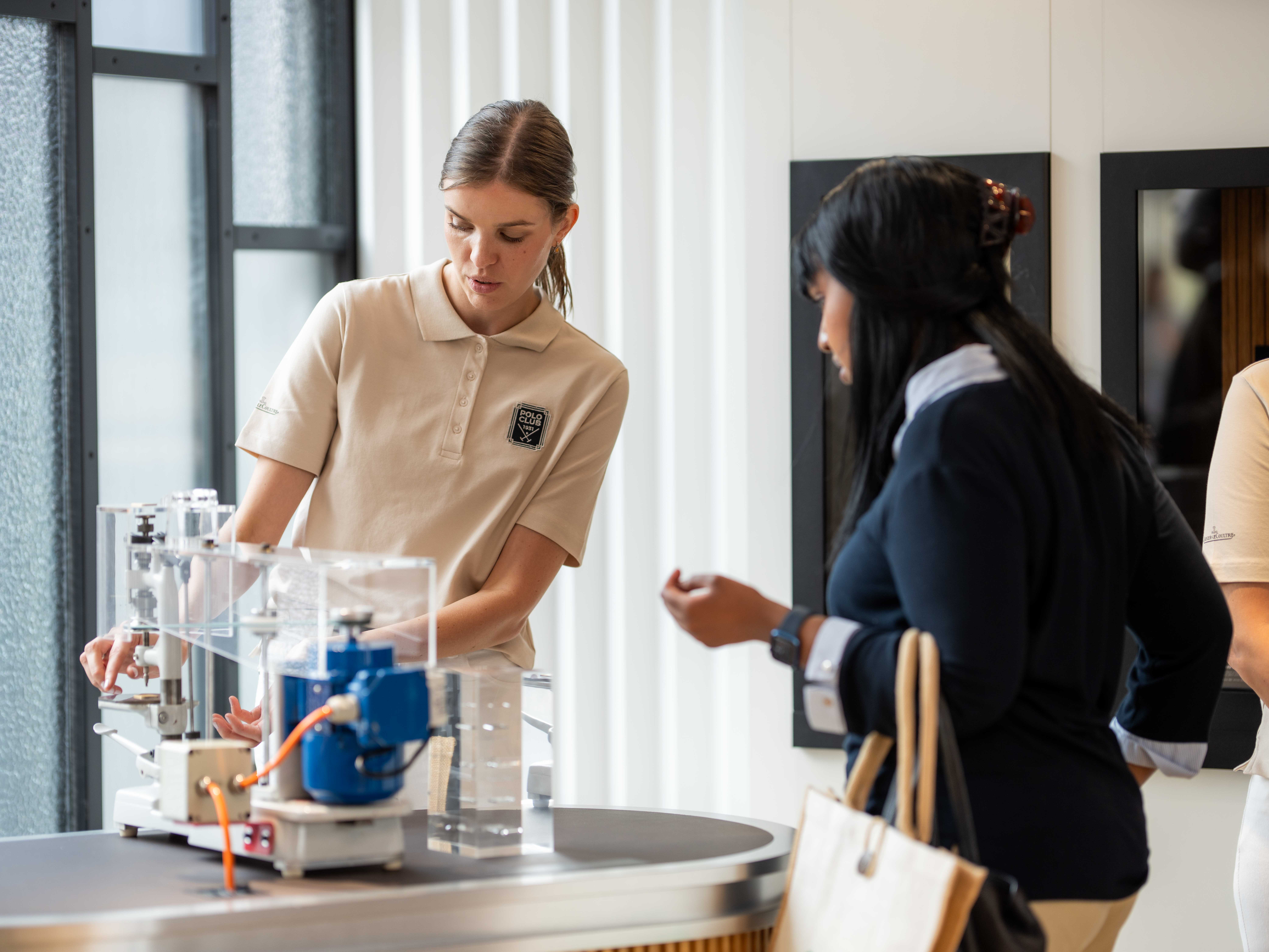
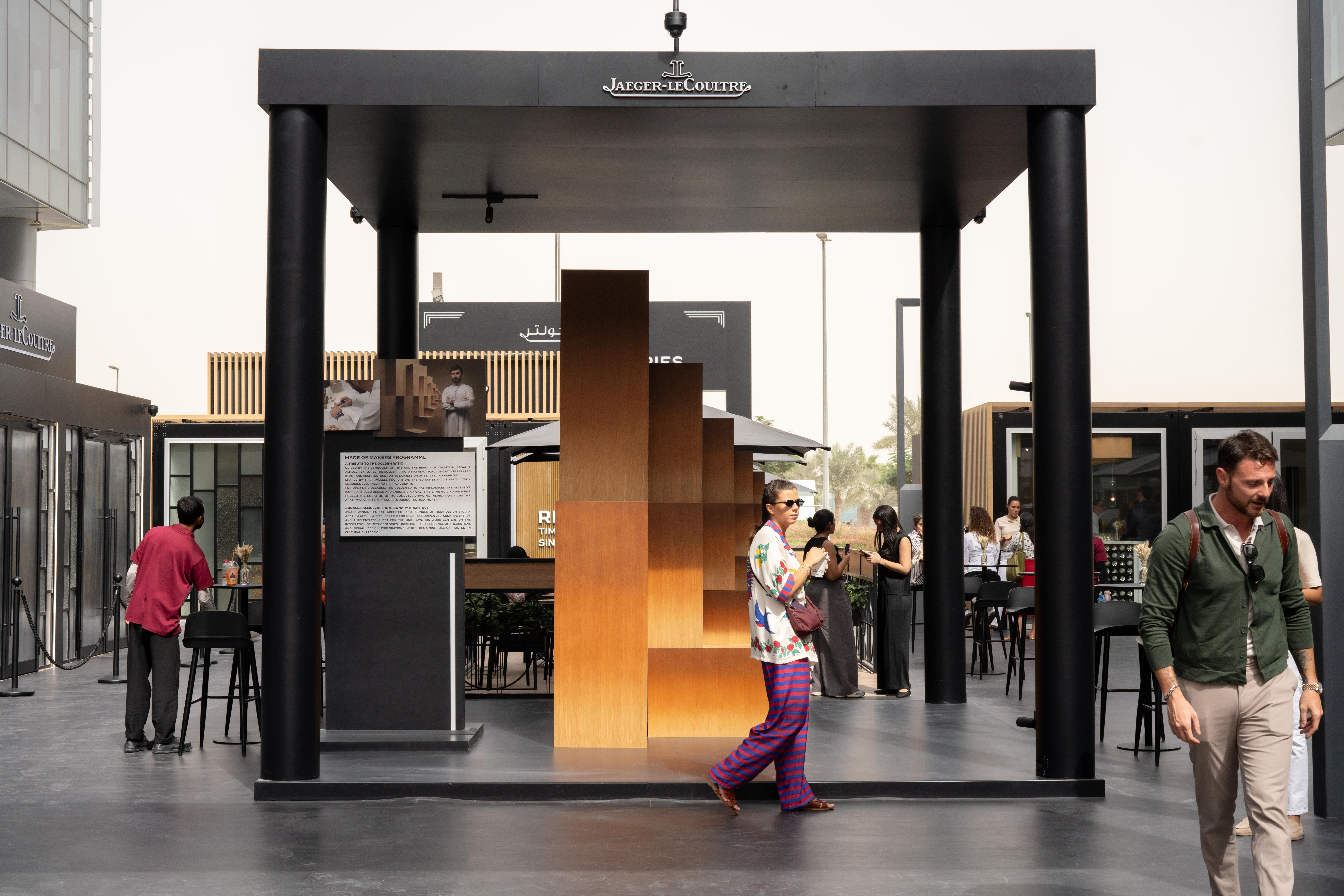
Swiss watchmaker Jaeger-LeCoultre introduced The Reverso Stories pop-up installation, reinterpreting the history and engineering principle of its iconic Reverso model. Archival and contemporary versions of the watch were displayed side by side, illustrating more than 90 years of design and innovation.
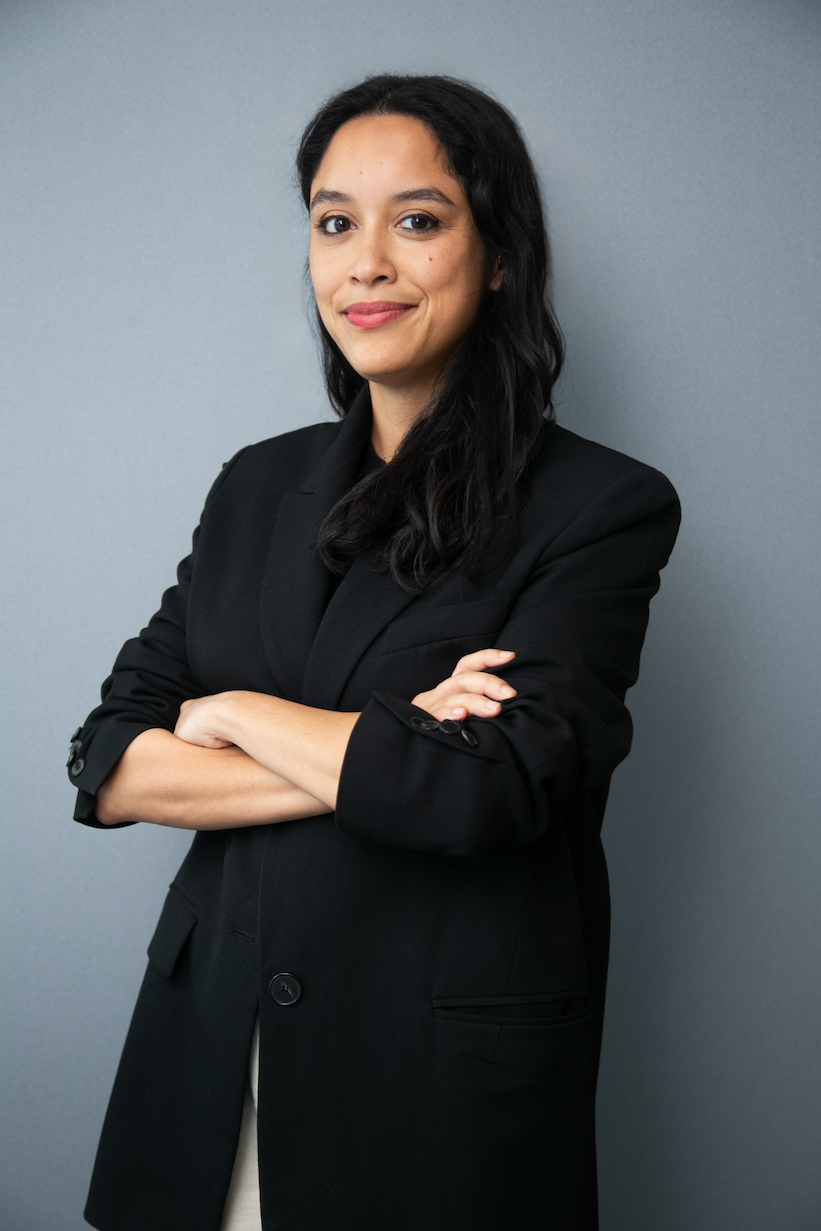
“This year’s edition strongly reflects the aim to platform culturally rooted work while fostering cross-cultural exchange on a global level. The curatorial direction builds on a more reflective and human-centred approach that we have been nurturing in recent years, championing collaborations that transcend borders and disciplines, exploring design not only as a practice of innovation but also as a social connector, a civic and cultural force that shapes how we live together, communicate and build systems of care. In that sense, Dubai Design Week is less about defining a trend and more about reaffirming design’s role as a shared language that can imagine and shape more inclusive and interconnected futures”, — emphasised Natasha Carella, Director of Dubai Design Week.
The Middle East as a source of ideas
Dubai Design Week 2025 demonstrated how the local context becomes a platform for meaning, not just aesthetics. The festival allowed visitors to perceive desert materials differently and understand how technology intertwines with culture.

Where is Middle Eastern aesthetics heading? Away from spectacle and toward conceptual precision, atmosphere, and locality. A distinct visual identity is emerging — one that does not attempt to replicate Europe or Asia. For the global design industry, the Middle East is becoming a source of new ideas — through materiality, architectural language, and evolving spaces for interaction. Dubai, a true urban ecosystem, has once again proved to be a place where conversations about the future begin.