Into the New Year with Theatre: What Is London Preparing for December?

No, there won’t be traditional carols here — but there will be excellent, complex English-language plays and wonderful actors. As 2025 draws to a close, London offers a chance to meet great plays, dazzling productions, and some of the finest performers of our time. Among the playwrights are Shakespeare and Stoppard; among the actors — Nicola Mary Coughlan and David Harewood. And for dessert, naturally, The Nutcracker.
The Playboy of the Western World
Lyttelton Theatre, National Theatre
South Bank, London SE1 9PX
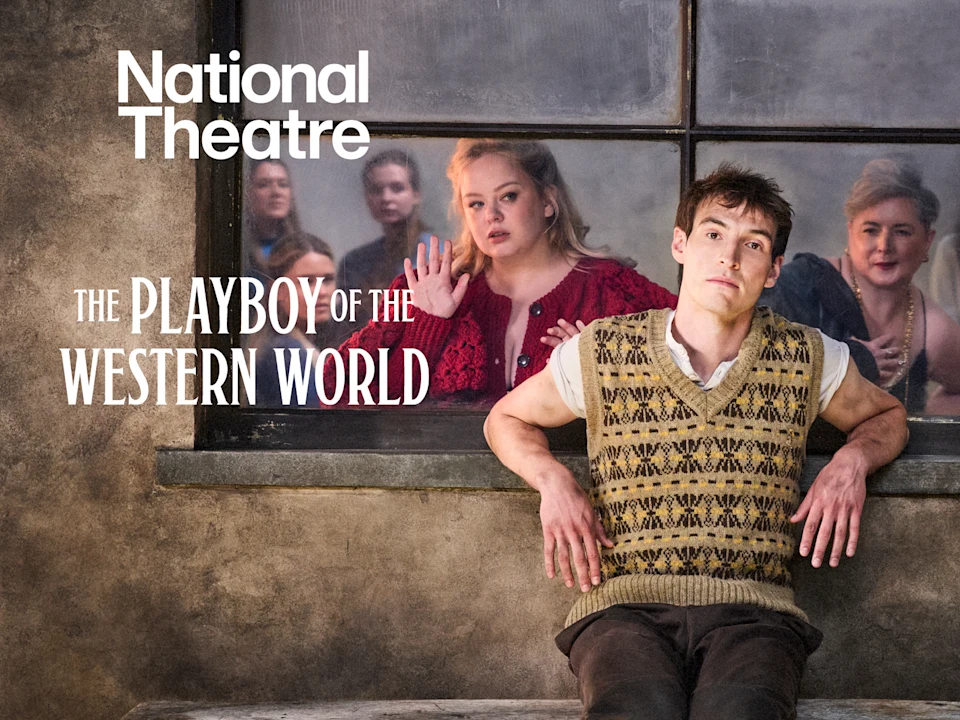
Playwright John Millington Synge, born in Dublin, studied philology and music, co-founded modern Irish theatre with W. B. Yeats — and then wrote the most scandalous play of the decade. Audiences didn’t merely boo the poor actors; they stormed the stage, ready for a fight.
This new production is notable, first, for its powerful cast (Nicola Mary Coughlan alone is worth the ticket!), and second, for its reinterpretation. In 2011, John Crowley staged a somewhat modernised version at the Old Vic, and the reviews ranged widely.
So: an Irish pub at the beginning of the 20th century. A mysterious young man, Christy Mahon, arrives in a remote rural village and claims he has killed his brutal father and is now on the run. The story instantly gives him the aura of a hero.
The play marries the tragic and the comic, light and darkness — no wonder that in the 1920s in the Soviet Union Marc Chagall, designing a production at the First Studio of the Moscow Art Theatre, attempted to embody a Christ-like image on stage.
Synge, who studied Irish linguistics, wrote the play in Hiberno-English; how the actors will navigate this musical dialect is something we’ll soon find out in director Caitríona McLaughlin’s production (look out for our review in the first week of December).
Woman in Mind
Duke of York’s Theatre
St Martin’s Lane, London WC2N 4BG
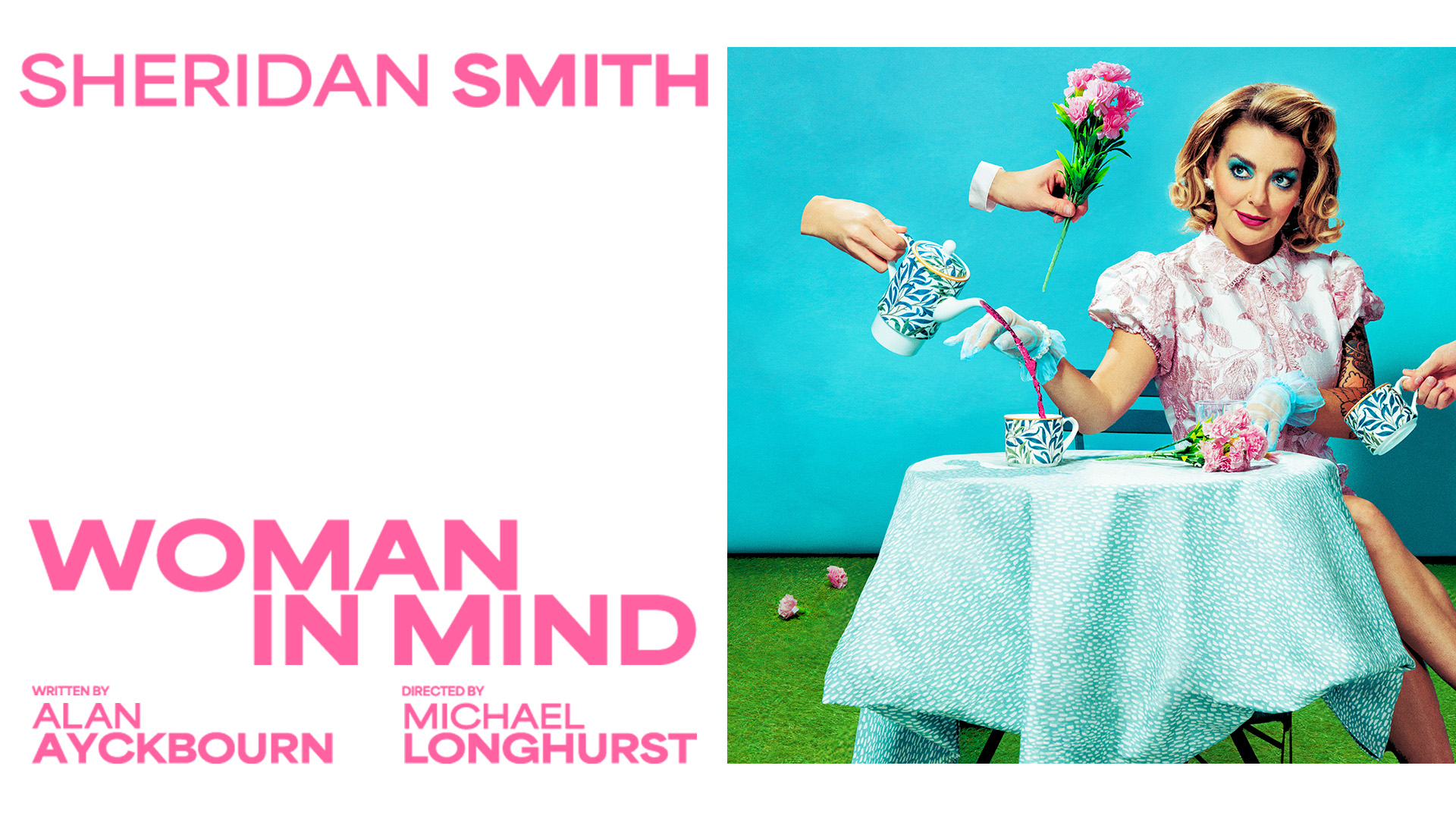
This play by the hugely popular English dramatist and children’s writer Alan Ayckbourn premiered in 1985 in Scarborough and, after roaring success, transferred to London’s West End the following year. Ayckbourn’s most personal play was shrouded in secrecy — no one outside the theatre knew what it was about until opening night.
For 1985 it was astonishingly progressive, but forty years later — will it still speak to audiences? There’s something of Alice and her Looking-Glass here, but Ayckbourn drew on events from his own life (greatly reworked), as well as Oliver Sacks’ The Man Who Mistook His Wife for a Hat — a dramatic homage to the famous book.
It is the story of a quiet, unnoticed tragedy: a woman whose real life is far from happy. Her husband ignores her, her son has broken off contact, her daughter-in-law bullies her. But in her imagination Susan has a different life entirely — a different, perfect family — and gradually the imagined and real begin to intertwine until she can no longer tell them apart.
In Michael Longhurst’s new production at the Duke of York’s, Susan is played by Sheridan Smith, and Romesh Ranganathan makes his West End debut as Bill, her husband.
Smith plays the dissolution of identity meticulously, almost clinically. It is painful to watch — as any descent into madness is. This is not light entertainment, but it is unquestionably powerful theatre.
Othello
Theatre Royal Haymarket
Haymarket, London SW1Y 4HT
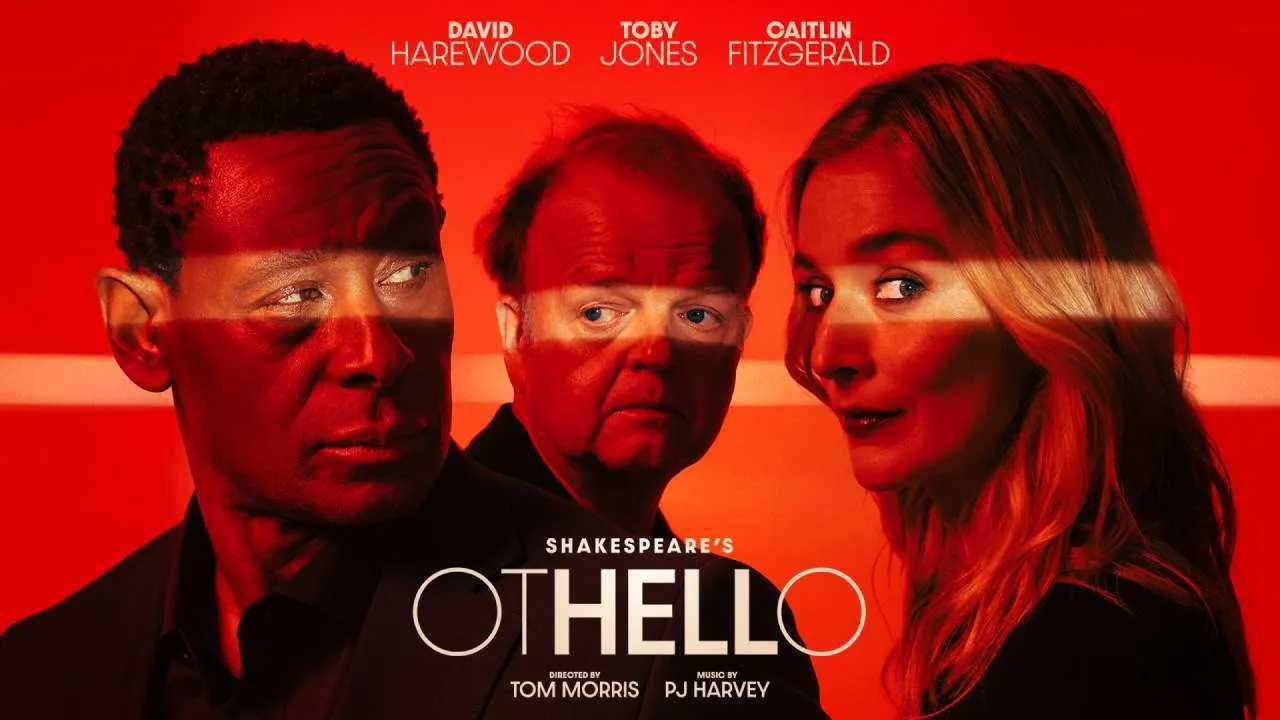
Two and a half hours of Othello, with David Harewood in the title role. This is not Harewood’s first Othello — he played the part at the National Theatre in 1997 and became the first Black actor to perform this tragic role there.
Tom Morris’s new production, however, is not an epic fresco; it is the intimate story of private individuals, of love, jealousy and passion.
Iago is played by the celebrated Toby Jones — the voice of Dobby, the magnificent Vanya (his 2020 Uncle Vanya earned him an Olivier nomination).
This production is fundamentally a duel between two men — mature, experienced — whose souls are ravaged by dangerously youthful passions.
A crucial element is the music by PJ Harvey, who a couple of seasons ago wrote the astonishing score for London Tide at the National Theatre (based on Dickens’s Our Mutual Friend).
Desdemona, played by the exquisitely beautiful Caitlin FitzGerald, seems to breathe love towards Othello, who is ensnared by Iago — that cunning, cold, calculating little demon. Othello is caught like a trusting fly in a deadly web. A psychological thriller, no less.
Time is shown fluidly — vague military uniforms, green trousers — this is a timeless tragedy. Meanwhile the set and costumes by Ti Green give the production a power that is remarkable even for the West End.
Indian Ink
Hampstead Theatre
Eton Avenue, London NW3 3EU

What is Indian ink? It is a type of ink known for its deep, saturated black. Basic Indian ink is created from extremely fine soot ground with water. No binder is needed: the carbon particles create a waterproof film once dry. Quality is tested brutally: a sheet written with ink is placed under running water — if the text survives, the ink is good.
But Indian Ink is also a play by the extraordinary playwright Tom Stoppard.
This is director Jonathan Kent’s first time working with Stoppard. For actress Felicity Kendal, however, it is a return: she played Flora in the original 1990s production, and now plays Mrs Swan.
Kendal is a Stoppard actress — their collaboration began in the 1980s; she appeared in most of his major plays. Intellectual, subtle, clever, she is beloved by audiences and critics alike. Indian Ink was, in fact, written for her.
The action begins in 1930s India: English poet Flora Crewe (Ruby Ashbourne Serkis) enters a complex, emotionally fraught relationship with painter Nirad Das (Gavi Singh Chera). What exactly happened between them? Forty years later, Das’s son, now living in London, tries to uncover the truth.
Kent’s production is the first staging of Indian Ink since its premiere. How will the themes of colonialism resonate today, thirty years on? What does cultural identity mean to a 21st-century audience?
Stoppard’s plays are never simple — and Indian Ink is no exception.
And very soon, in January next year, we will see another Stoppard play — Arcadia at the Old Vic, directed by Carrie Cracknell. Again, time layers, difficult questions, human drama.
Oh, Mary!
Trafalgar Theatre
14 Whitehall, London SW1A 2DY
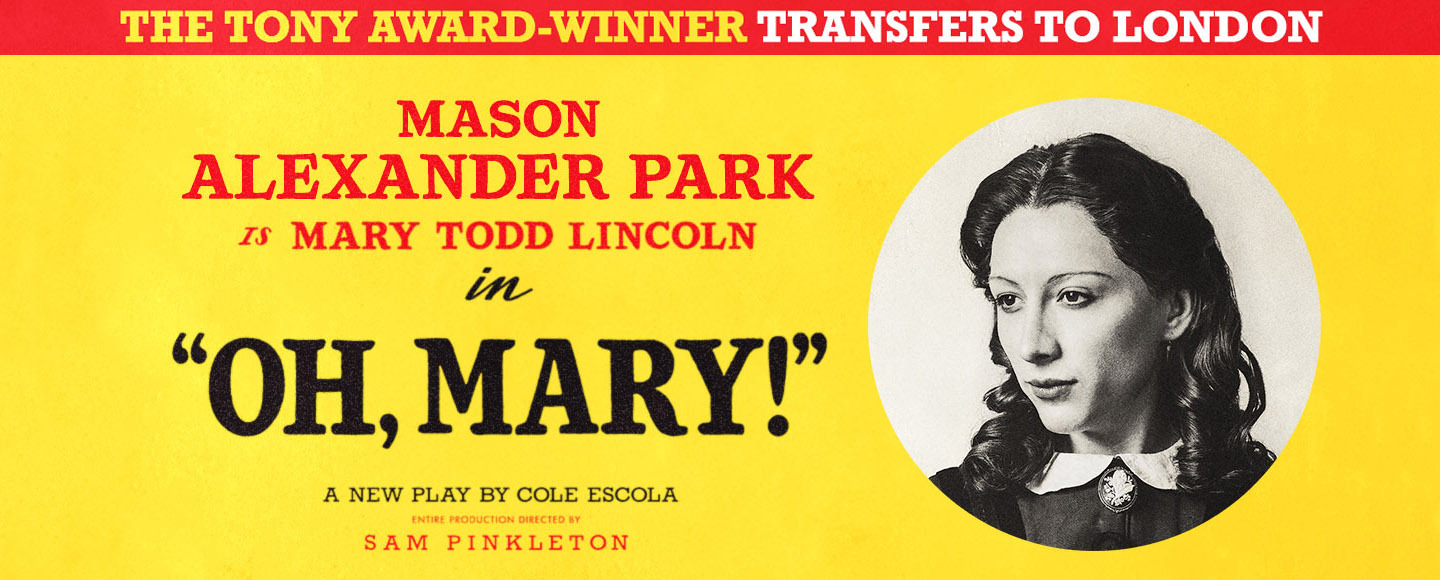
Cole Escola’s dark comedy premiered in the United States: first Off-Broadway, then on Broadway, where Oh, Mary! earned critical acclaim and multiple awards.
Now it comes to the West End. Many elements of the Broadway concept and design have been preserved, and the director is the same — Sam Pinkleton, a Tony Award winner.
Sharp, satirical, utterly irreverent. Chaos, wild humour, gags. The delirious insanity of farce and the unrestrained glitter of camp. Everything is deliberately artificial, stylised, theatrical. Not overacting — but style.
The story is told from the perspective of Mary Todd Lincoln, wife of Abraham Lincoln, set in the weeks before his assassination. Yet this is not about politics — it is about Mary’s feelings: torn between desire, longing for her past life as a performer, and the suffocating role of a politician’s wife.
She is haunted by dissatisfaction and the yearning for something greater than being First Lady.
Mary is played by Mason Alexander Park, who thrives in this comedy at the crossroads of camp and absurdism. Recently Ariel in The Tempest and Margaret in Much Ado About Nothing in Jamie Lloyd’s Shakespeare productions, Park radiates ferocious energy and inexplicable magnetism — you sympathise with them the moment they appear onstage.
Oh, Mary! is a one-act production lasting a little over an hour, and it presses the audience back in their seats with the sheer velocity of its manic theatricality. Historical accuracy? Not here. But irony and tenderness — mixed, whisked, and peaked to sharp, gleaming heights — are abundant.
Paddington: The Musical
Savoy Theatre
Savoy Court, Strand, London WC2R 0ET
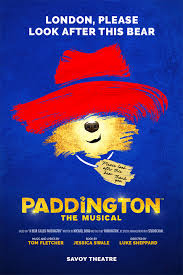
We all know Michael Bond’s beloved story: a small bear arrives from Peru at Paddington Station, gets lost, but doesn’t panic. Searching for a home, the furry traveller finds the Brown family — and the adventures begin.
In the new musical by Tom Fletcher (music & lyrics) and Jessica Swale (book), Paddington’s fresh new life brings new challenges and dangers, including a shadowy threat. The Browns must rescue their bear — and realise that they need him just as much as he needs them.
A small spoiler: marmalade sandwiches will be involved.
Luke Sheppard’s production is wildly popular, thanks in part to its main attraction — Paddington himself, inspired by Peggy Fortnum’s classic illustrations. Adults sit with red eyes, sniffling: he is that touching and that real.
Inside the 1.5-metre bear costume is Arti Shah, an extraordinary performer with vast experience (including work across the Star Wars universe).
Paddington’s facial expressions are controlled by another performer backstage — James Hameed, also the bear’s voice. The technique is incredibly complex — and utterly worth it. The technical team includes some of the strongest specialists in West End musical theatre.
The result is a warm, colourful family show for adults and children alike. The music is delightful, the lyrics funny and tender, the cast excellent — including Teddy Kempner, Amy Booth-Steel, Tom Edden, Aimée Fisher — and the child actors, of course, are wonderful.
P.S.
The Nutcracker
Royal Albert Hall
Kensington Gore, South Kensington, London SW7 2AP
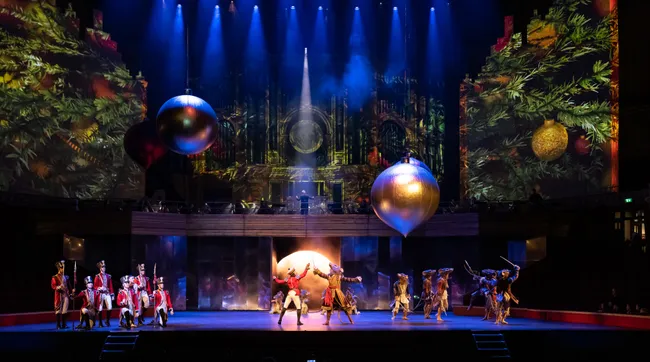
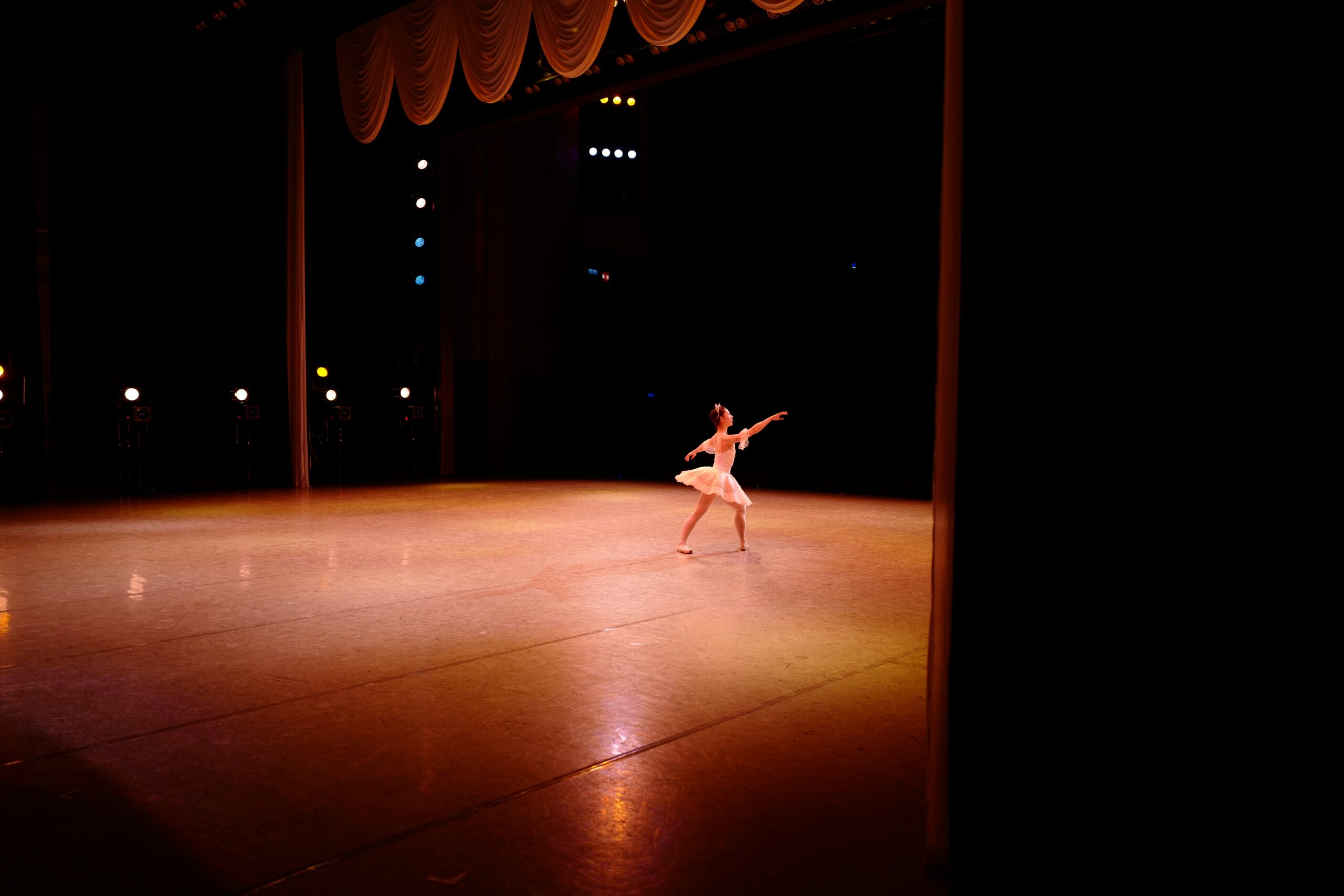
If you have a great deal of money and are ready to spend it on a luxurious evening in London’s most iconic hall, accompanied by Tchaikovsky’s legendary music — this is the place. Only three performances — but it is The Nutcracker. What is Christmas without it?
This year, The Nutcracker is danced by Birmingham Royal Ballet with Royal Ballet Sinfonia. This version is created exclusively for the Royal Albert Hall. The choreography by the celebrated dancer and teacher Peter Wright is based on the great production by Lev Ivanov (and partially Petipa).
Recall the dramatic history of this ballet: after the Revolution, when the Bolshoi revived The Nutcracker in 1922, the choreography of the original production had been almost entirely lost — only fragments and shadows remained.
The Royal Albert Hall production is magical and fantastical: beneath enormous fir branches adorned with gold ornaments, the familiar childhood story unfolds once more.
Expect lavish costumes, large-scale projections, and a full festive atmosphere. The toys come alive, snowflakes dance their classic waltz — all to Tchaikovsky’s immortal score.
But if you don’t have a large sum to spend on a ticket, simply dim (or brighten!) the lights at home, turn on Tchaikovsky’s timeless music — and step into the New Year with it. They say the New Year begins as you welcome it — and what could be better than the shimmering bell-chimes of the Dance of the Sugar Plum Fairy?