Islands and Ruins: Britain’s Market of Unusual Properties

Every property listing in Britain is, at best, a dreary photograph of a lawn and, at worst, a beige-toned, soul-sapping kitchen. But what if, instead of three bedrooms and two bathrooms, you could buy a place once visited by kings, used as a refuge by exiles, or where wine was traded for animal pelts? Here is a look at three castles, two islands, and one sea fort, strange and majestic fragments of British history where time appears to move to its own rhythm. Ghost islands, absurd towers, ancient ruins, all of this is available, if you have a few hundred thousand, or a few million, pounds to spare and a taste for beautiful isolation. Do not miss your chance.
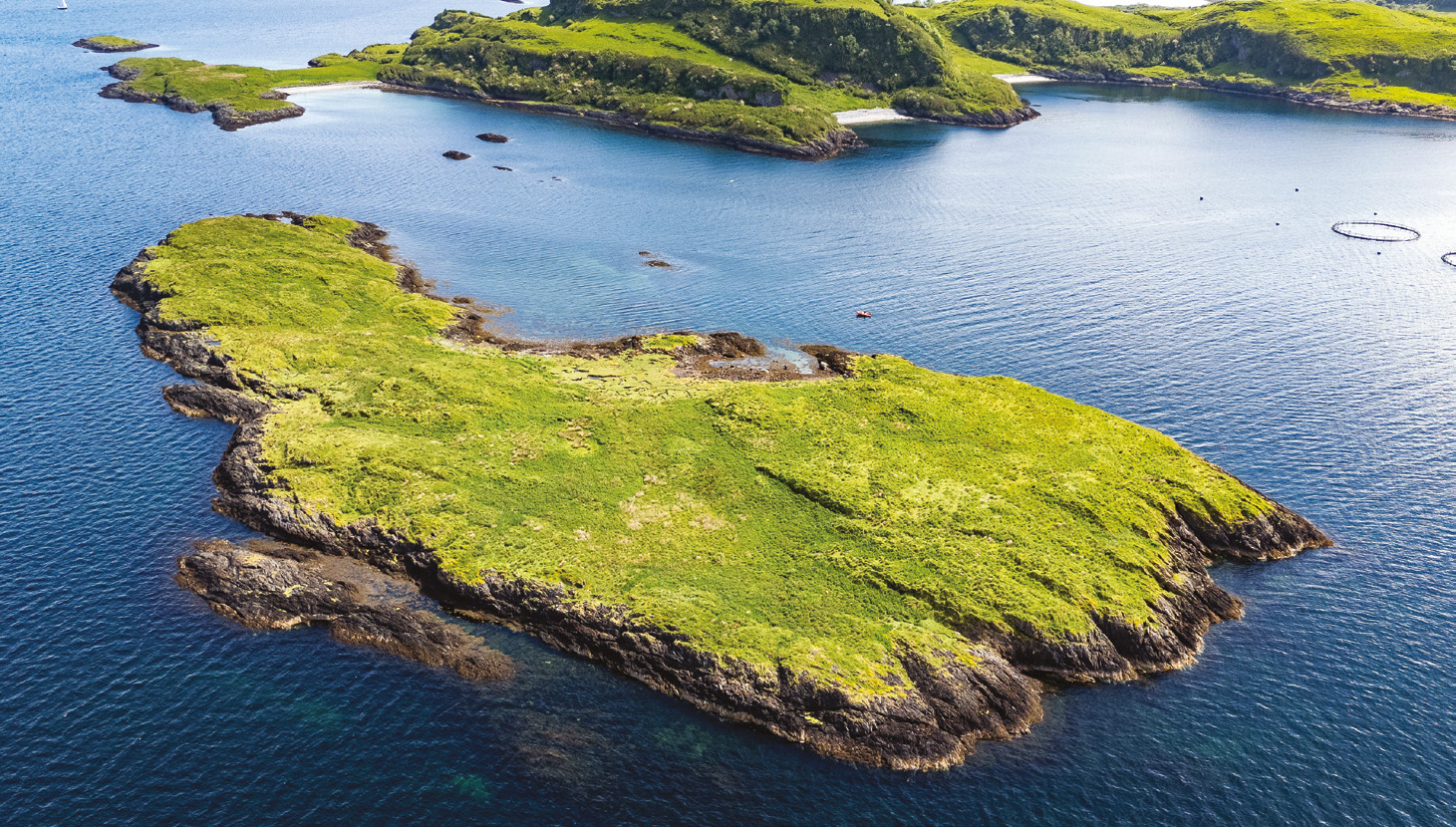
Eilean Loch Oscair, Scotland. £125,000
A secluded ten-acre island in the Inner Hebrides, accessible only by boat, usually a kayak. There are no buildings on the island, which has preserved its pristine character, a true kingdom of otters, seals, and seabirds. A proposal to develop an eco-glamping site here was once submitted, but it failed an environmental assessment. Ideal for those who dream of escaping civilisation, but not too far.
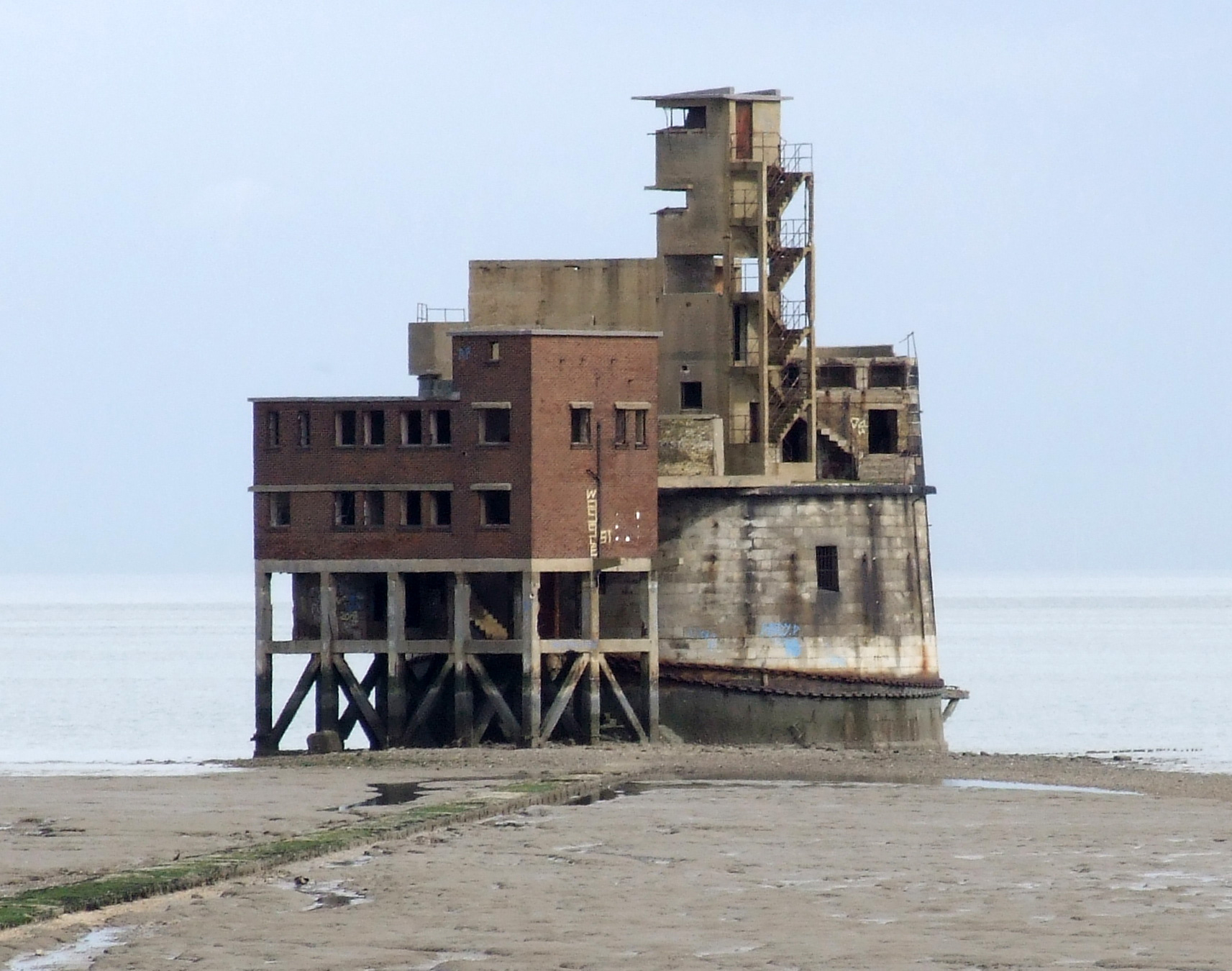
Grain Tower, Kent, England. £159,000 sold
A stilted fort at the mouth of the River Medway, built in 1855 to repel a potential French invasion, but rendered obsolete almost immediately by rapid advances in artillery. It is reachable only by a concrete causeway at low tide. Used as a watchtower during both World Wars, it was decommissioned in 1956 and left to decay. Inside are concrete staircases, steel doors, views across the Thames Estuary, and uninterrupted 360-degree panoramas. Bought in 2014 for £400,000, it was returned to auction nine years later, this time for just £159,000. A brooding residence for anyone harbouring dreams of a Mad Max-by-the-sea existence.
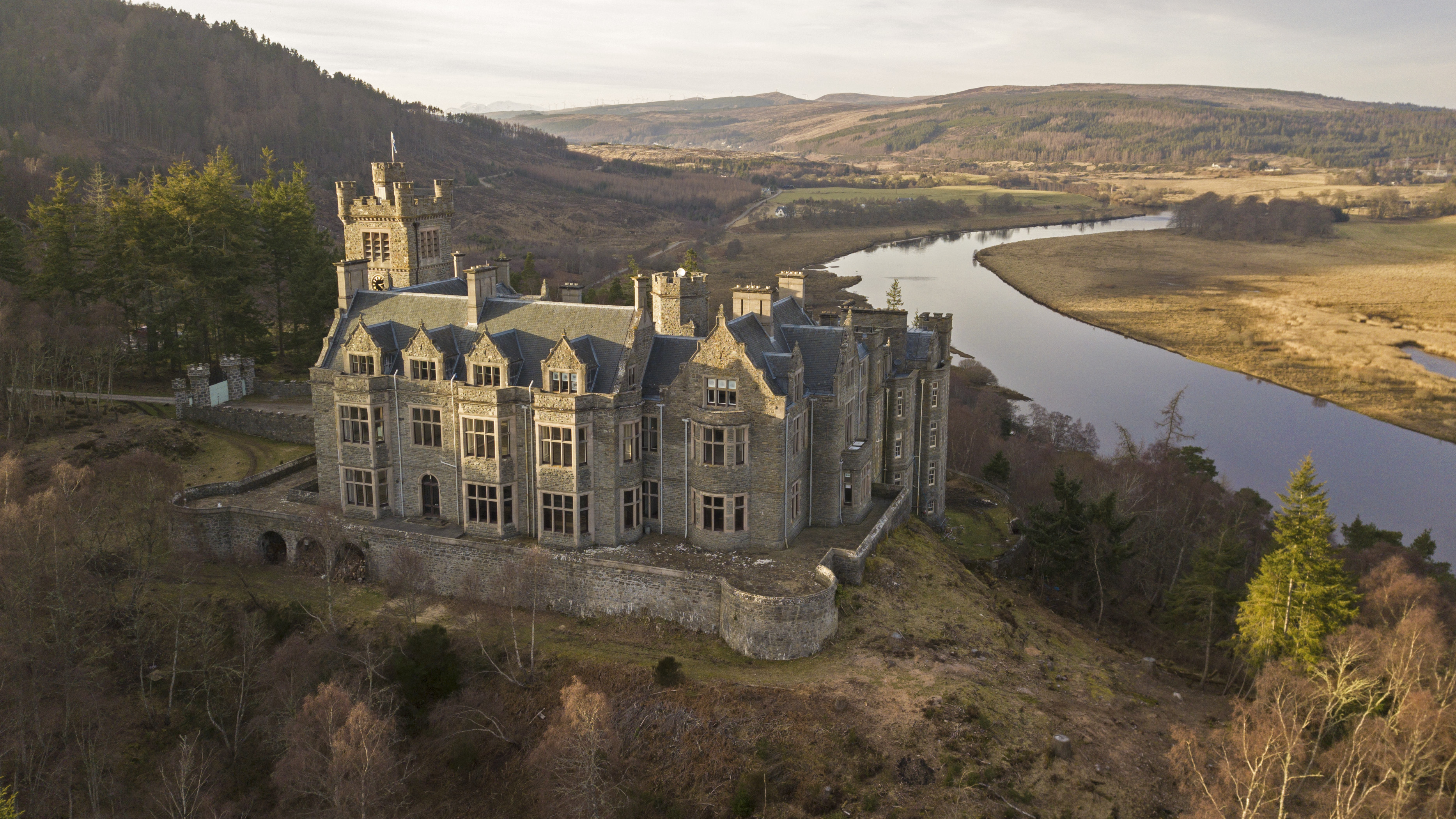
Carbisdale Castle, Scotland. £3.5 million
A grand Victorian structure with marble staircases, towers, and more than forty rooms, built in 1907 out of pure spite. The Duchess of Sutherland erected it on high ground at the edge of her late husband’s estate so that his relatives, who loathed her, would be forced to see it from every angle. During the Second World War, the castle housed King Haakon VII of Norway and his family, who had fled the Nazis. After the war, it became a youth hostel and remained one until 2011, when serious structural damage to the walls and roof was discovered. In the 2020s, the castle was fully restored and subsequently listed for sale.
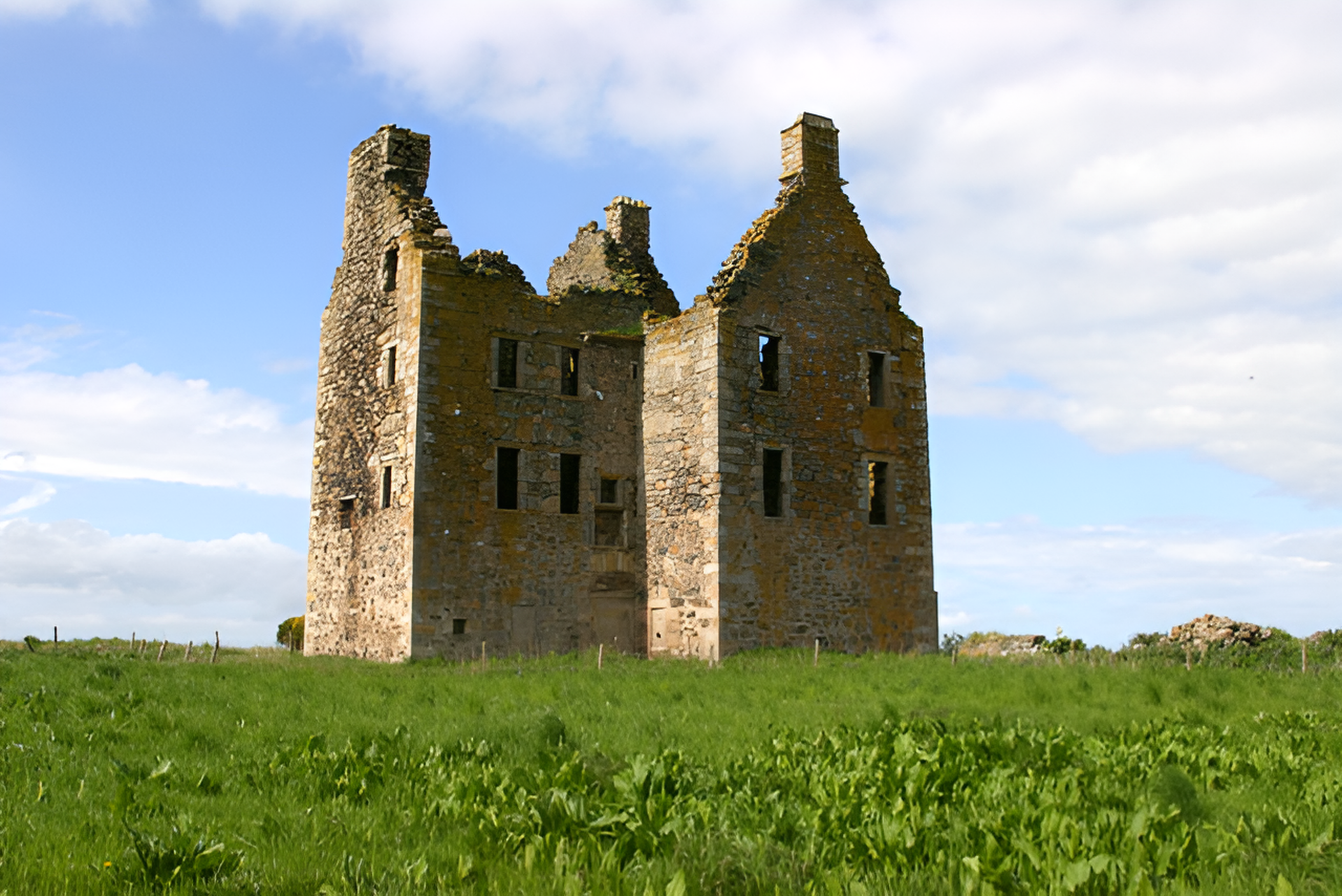
Knockhall Castle, Scotland. £130,000
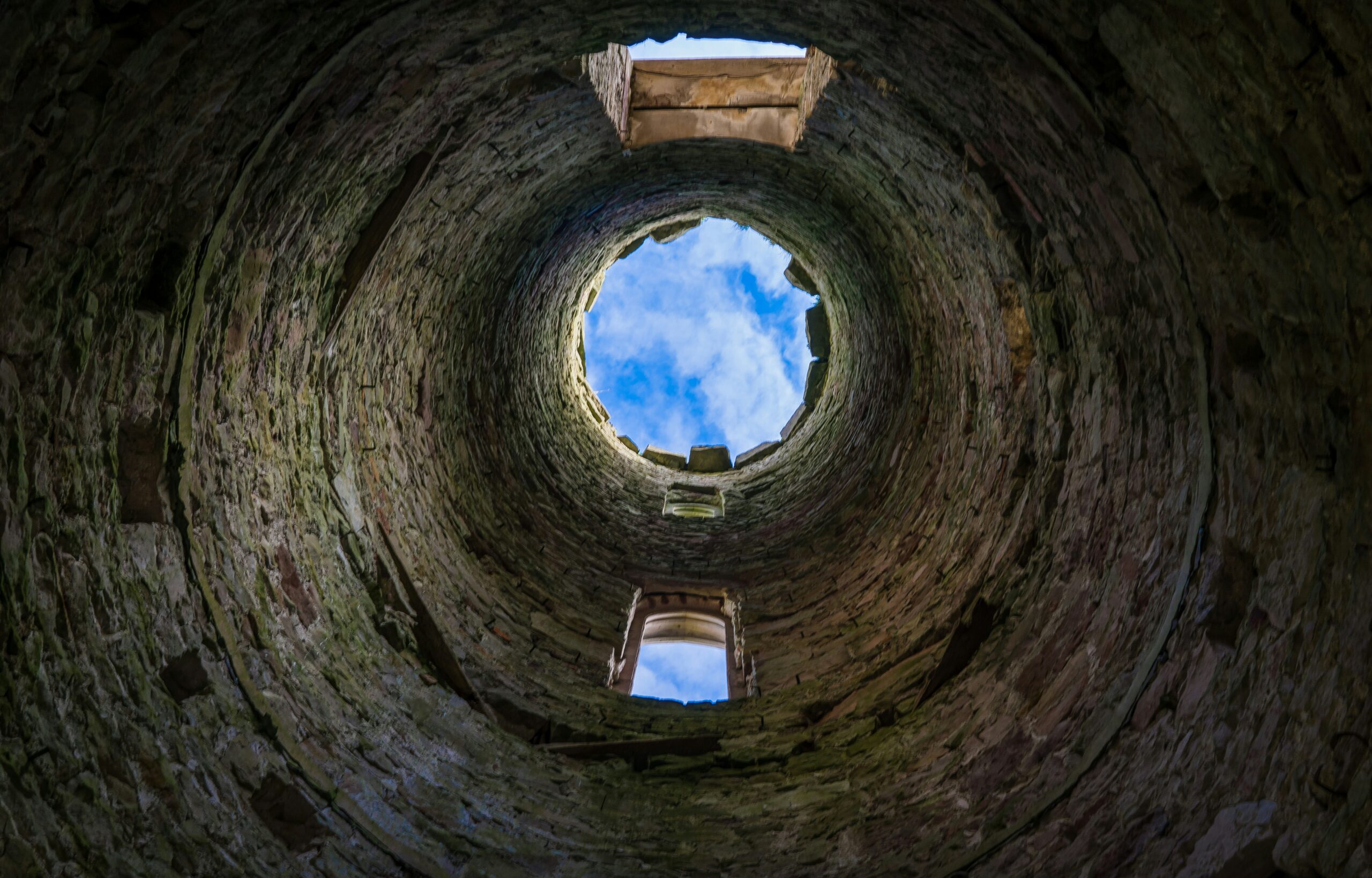
These sixteenth-century ruins near Aberdeen once belonged to the Lords Sinclair, and even King James I stayed here in 1589. A major fire in 1734 left the small castle roofless, with empty window frames, a skeletal tower, and the unsettling charm of a genuine medieval relic. It stands alone in the middle of a field, frequently visited by sheep. Despite its condition, the building is listed as a historic monument, making it eligible for subsidised restoration.
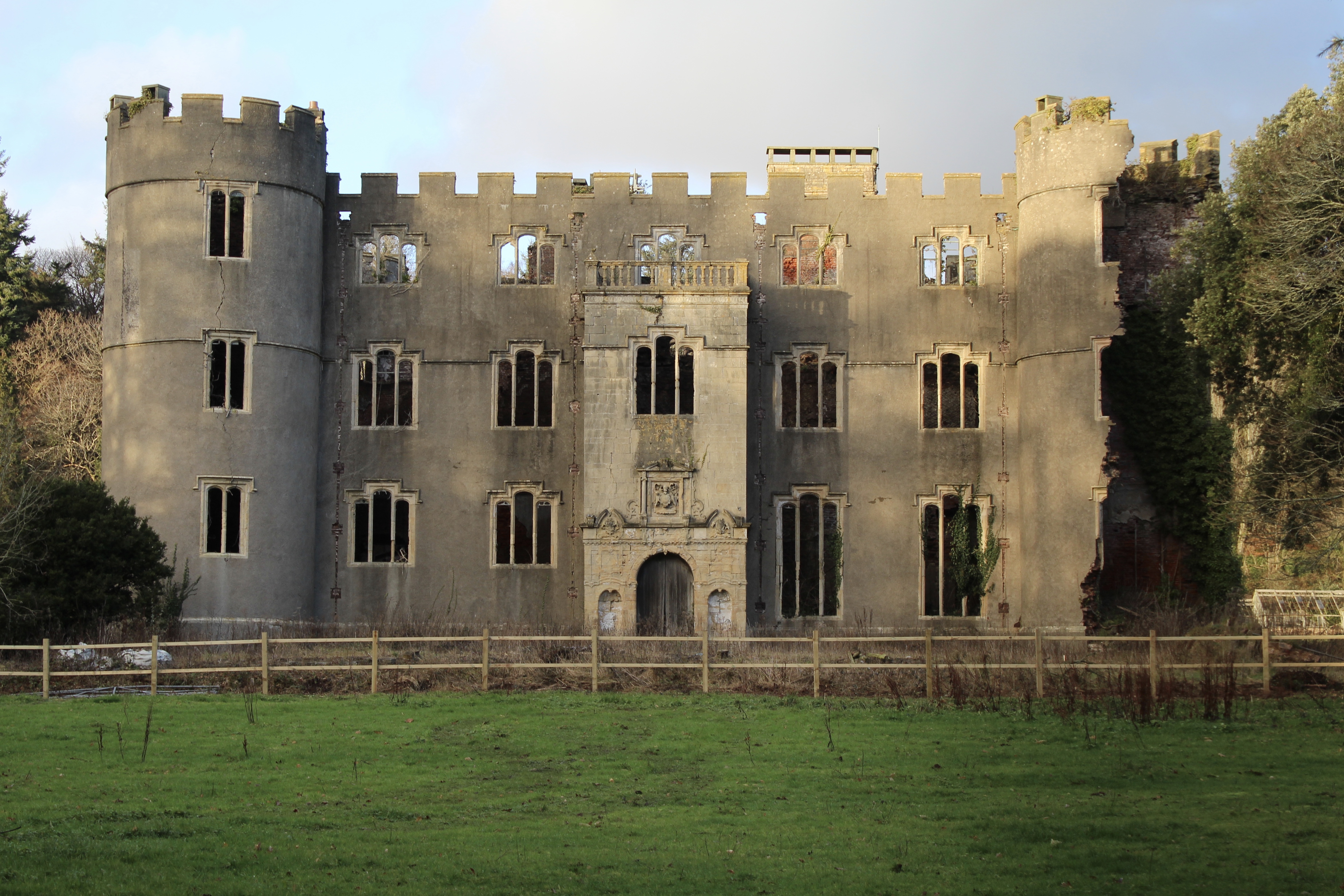
Ruperra Castle, Wales. Price negotiable
A seventeenth-century castle in South Wales, near Newport. It was built by the steward of the Duke of Pembroke and, over the centuries, passed through the hands of merchants, barons, and viscounts. In the early twentieth century, for example, it was inherited by Evan Morgan, a friend of Aldous Huxley and H. G. Wells. In 1941, while housing a military unit, the castle suffered extensive fire damage and was never restored. Nevertheless, its towers, outer walls, and picturesque silhouette remain. Local activists continue to campaign for its preservation.
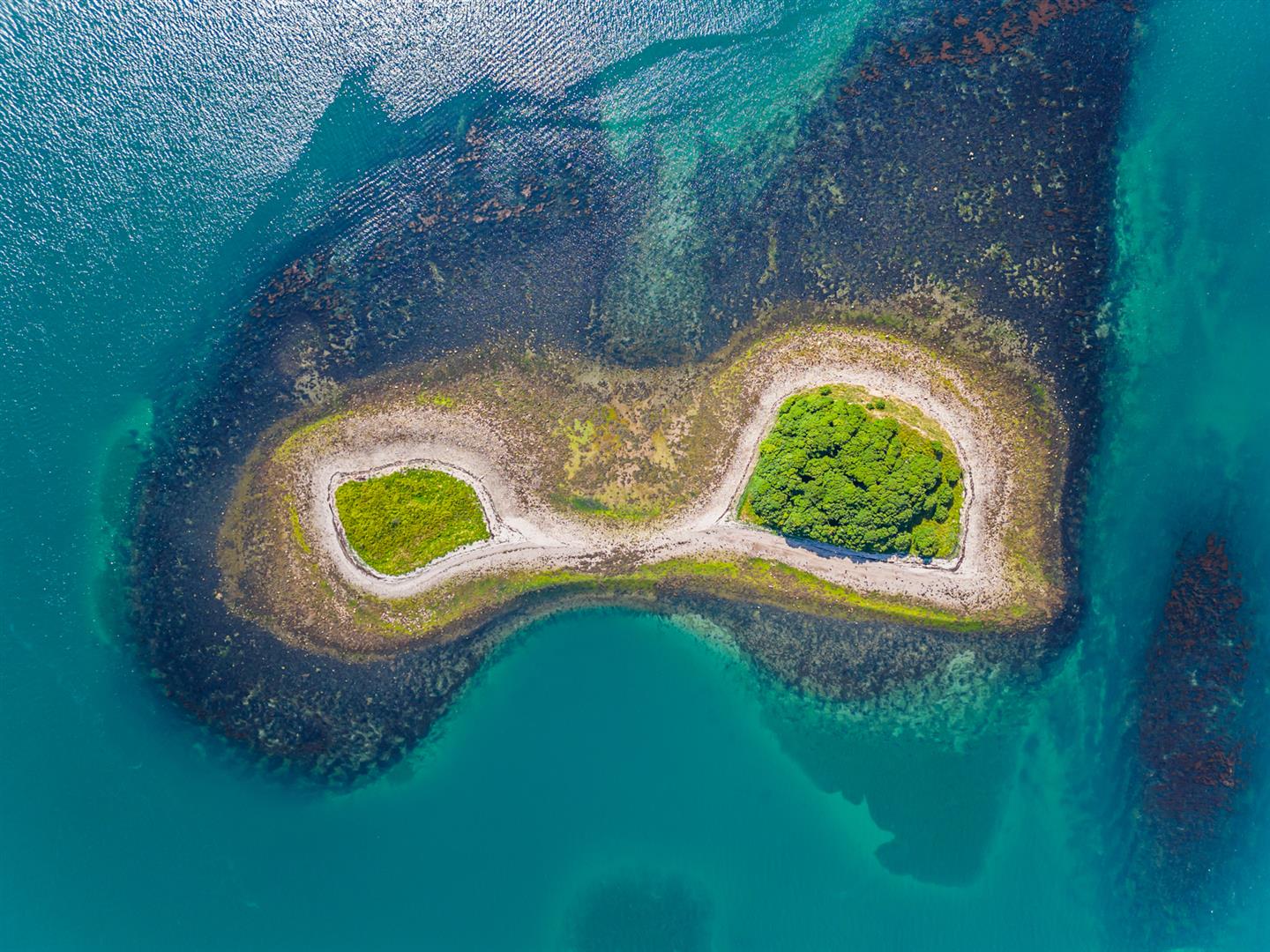
Dunnyneill Islands, Northern Ireland. £108,000
A pair of historic islands in Strangford Lough. The main island, a D-shaped stretch of land measuring around one hundred square metres, is connected to the other by a narrow strip revealed at low tide. Archaeological finds confirm that, in the seventh century, it was a major trading post where merchants from what are now Germany, Iceland, France, and even Russia gathered to trade wine, furs, salt, and slaves. Fragments of continental pottery, cattle bones, and even a ninth-century Arab coin have been unearthed. A genuine prize for any serious lover of history.
If you are weary of noisy neighbours and endless junk mail, perhaps it is time to look elsewhere. Your next home could lie in the middle of the sea, be carpeted in grass, crawl with otters, or gaze across sheep pastures through the hollow eyes of a crumbling tower. The choice is yours: on one hand, a studio flat in Croydon; on the other, a revenge castle, a ghost fort, or a phone-less island. Perhaps you are the one who can finally tame these wild ruins.