London Theatre in March: Romance and Raw Nerve

What’s happening on the London stage this March? Not a huge amount — but what’s there is bright and intense. March promises to be fiercely interesting.
Summerfolk
Olivier Theatre
National Theatre
Southbank
London SE1 9PX
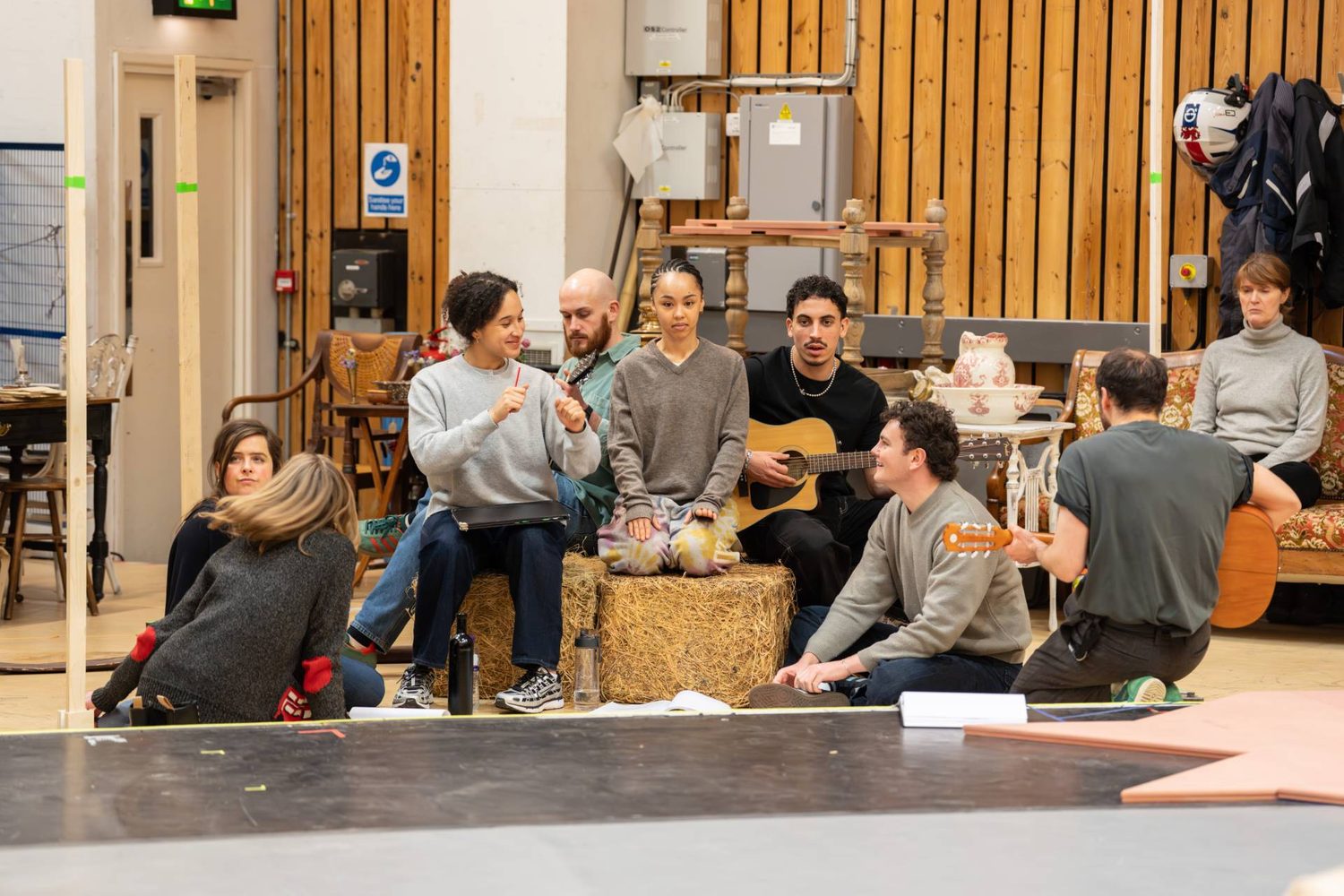
Summerfolk at the National Theatre in 2026? Lord, why?! That was the first reaction, wasn’t it? A play-as-indictment, a social pamphlet exposing the inertia of a well-fed intelligentsia. One is tempted to say — oh, do leave us alone, let us drink our tea peacefully. On the veranda. With a book.
But a strong production of Gorky’s Summerfolk tries to soften the author’s moral superiority (sorry, Gorky lovers!), opening a crack in that seemingly impenetrable structure. It reminds us that in times of social upheaval, no one walks away without staining the hem of their garment.
If you play Gorky straight, he turns into a schoolmaster with a pointer — ready either to rap your knuckles or show you how to march in step. But if you play the piece as a story about people rather than symbols, it becomes alive.
The production is directed by Robert Hastie, whose recent Hamlet at the National Theatre starred Hiran Abeysekera — a fast-paced, vivid production very much in Hastie’s energetic style. One can assume he won’t abandon that dynamism here either, turning Summerfolk into a fresh story about living, doubting human beings.
The cast includes Alex Lawther (The Imitation Game, Black Mirror), Sophie Rundle (Peaky Blinders, Gentleman Jack, Bodyguard), and Paul Ready (Motherland). Also appearing on stage is Ivan Ivashkin, a graduate of GITIS who has worked with Serebrennikov, Molochnikov.
Teeth ’n’ Smiles
Duke of York’s Theatre
St Martin’s Lane
London WC2N 4BG
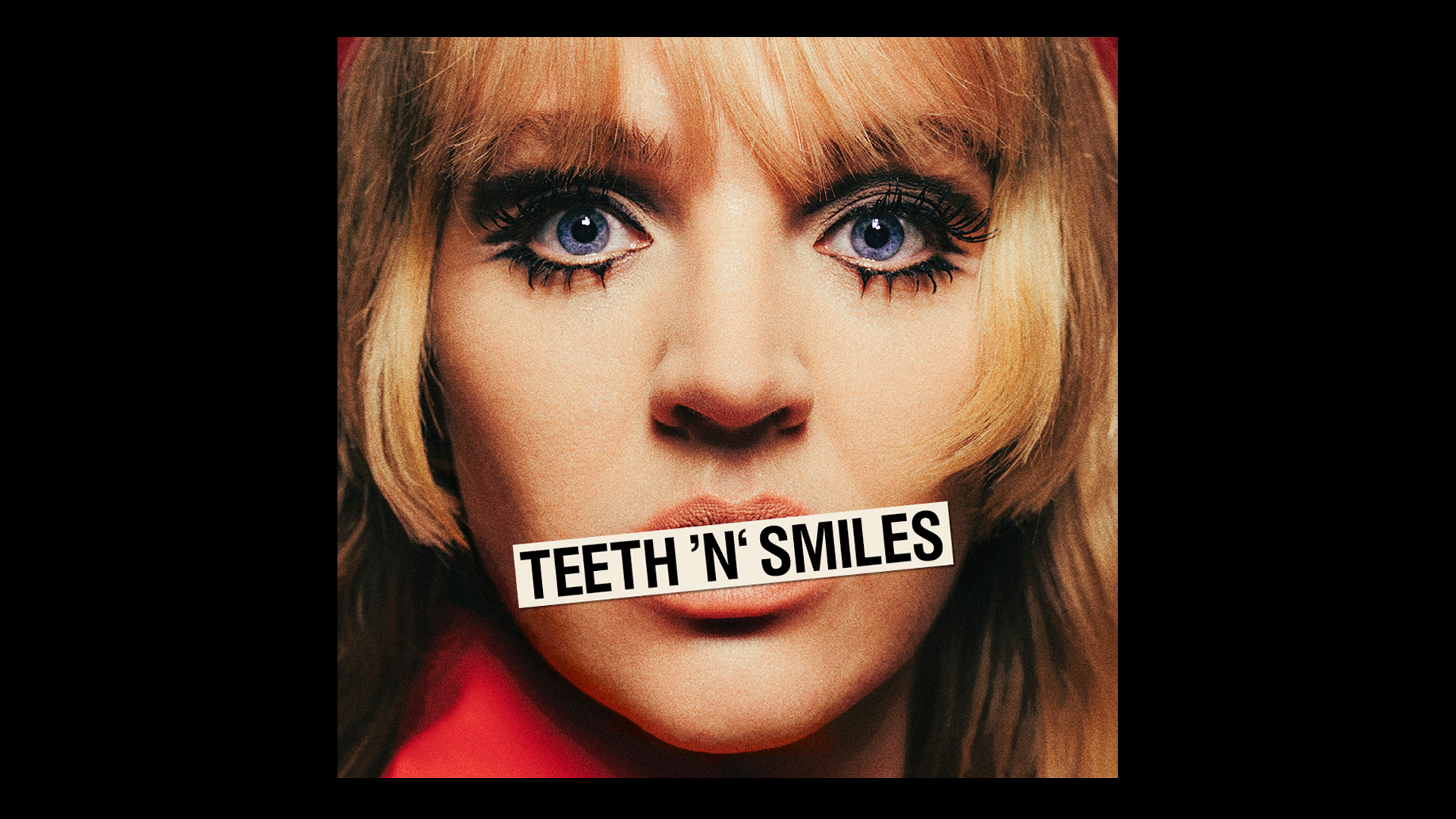
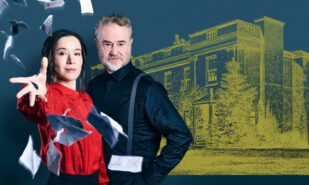
This is a play by the great David Hare — about a singer and her despair, about rock fire colliding with respectable society, about victory and its absence. Hare wrote it about 1969 and staged it himself in the mid-1970s. Back then, Maggie — the lead singer of a failing band — was played by Helen Mirren. Songs were written specifically for the production, and Mirren performed them herself, openly acknowledging an homage to Janis Joplin.
In 1975, the effect was explosive. A story about a singer performing at a university May Ball captivated audiences, critics and rock musicians alike.
In the current revival, directed by James Macdonald, Maggie is played by Self Esteem (Rebecca Lucy Taylor) — not a dramatic actress, but a singer-songwriter in her own right. At the start of the project, she said she was thrilled to work on Teeth ’n’ Smiles, that it was a challenge, and that she approached the material and the team with great respect.
Macdonald and Self Esteem come from very different worlds. Macdonald is rooted in psychological theatre — not a pop director, not a musical producer, not a “clip-maker.” He worked for years at the Royal Court and has directed Hare before. He reveres text. Given the choice between spectacle and drama, he chooses drama.
Self Esteem is fierce, unstoppable, the author of sharp, intelligent, feminist songs — tough, theatrical, uncompromising. This Teeth ’n’ Smiles feels less like rock nostalgia and more like an instrument of class conflict.
Will Macdonald contain Rebecca’s energy within Hare’s dramaturgy? What will the balance be? One thing is certain: don’t expect vintage aesthetics. Yes, the original production featured songs by Nick Bicât (music) and Tony Bicât (lyrics) from 1975 — but Self Esteem’s original compositions will also be performed live in this version.
Macdonald is attentive to text — but he is not nostalgic. There will be no borrowed ’60s or ’70s rock hits here. If you want jukebox nostalgia, that’s another show.
The revival marks the play’s 50th anniversary — though British theatre is rarely sentimental about dates. Perhaps it’s simply time again to ask the same question as in Summerfolk: what does it mean to live honestly in a changing world?
Romeo and Juliet
Shakespeare’s Globe
21 New Globe Walk
London SE1 9DT
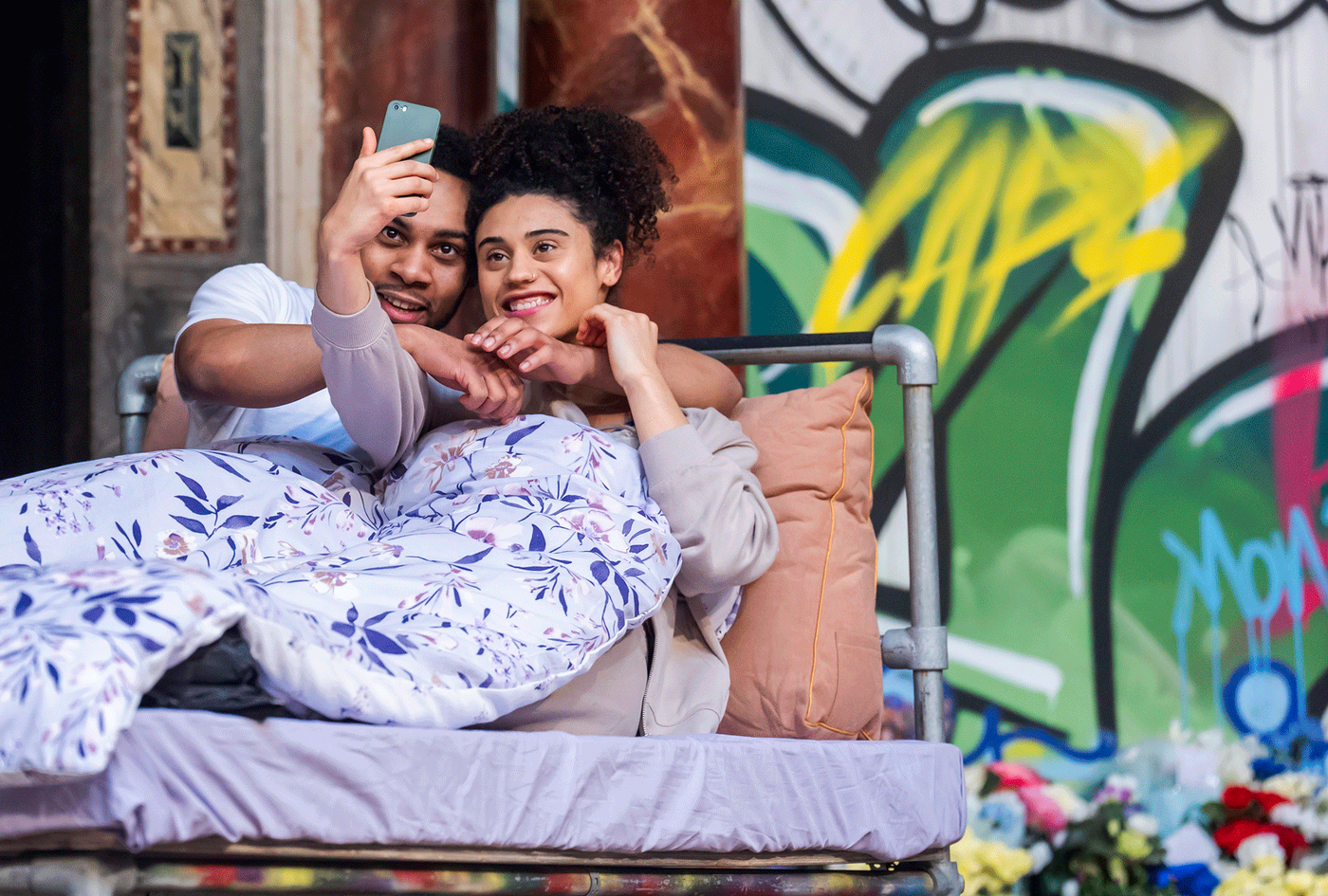
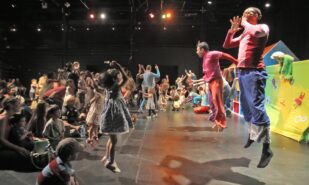
This dynamic 90-minute version is part of Playing Shakespeare with Deutsche Bank, the Globe’s education programme celebrating its 20th anniversary in 2026. Fast, raw and intensely alive — don’t be afraid of the cuts. This is Shakespeare at full throttle.
Directed by Lucy Cuthbertson, the Globe’s Head of Education, the production presents the feud and forbidden love as a story of passion and youthful conflict in a world fractured by violence.
The focus shifts toward teenage perception: impulsiveness, defiance, resistance to adults, and — crucially — street violence. The fight scenes at the Globe are always strong, but here they feel genuinely dangerous. Violence is not romanticised.
Usually Romeo and Juliet is played as lyrical tragedy. Here it’s combustible first love — awkward, urgent, propulsive. No languid pauses. No theatrical sighs. The balcony scene may surprise you. Bring your teenager.
An Ideal Husband
Golden Goose Theatre
146 Camberwell New Rd
London SE5 0RR
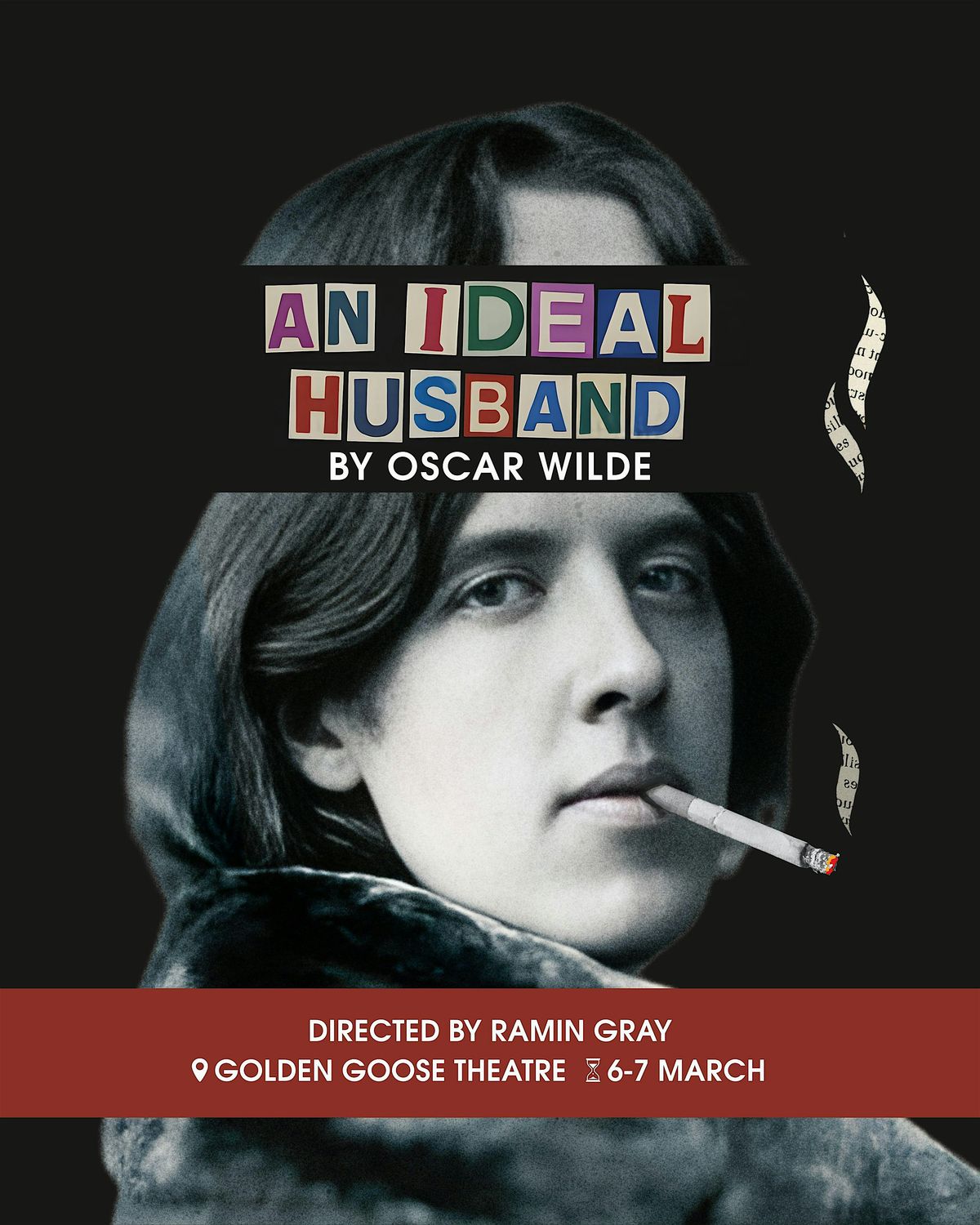
An Ideal Husband by Oscar Wilde is a witty and sharply relevant comedy about power, marriage and reputation. A politician with an impeccable public image finds his hidden past weaponised against him.
Can an “ideal” person exist in a world of compromise? Is moral purity more important than human complexity? Society worships a polished façade — Wilde gently pulls back the curtain.
Directed by Ramin Gray, this is not a traditional costume production. It’s a reworked, almost rehearsal-style version — contemporary, vibrant, nothing museum-like.
In the intimate Golden Goose space, audiences sit close to the actors, and the text cuts sharply. An international ensemble brings fresh accents and perspectives to Wilde’s classic. In the role of Robert is German Segal, a graduate of the Moscow Art Theatre School and the Royal Central School of Speech and Drama, working in London’s international theatre and television scene.
The End: Variations
ARC.SPACE
13 Tottenham Mews
W1T4AQ
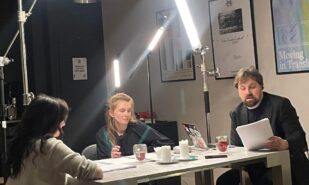
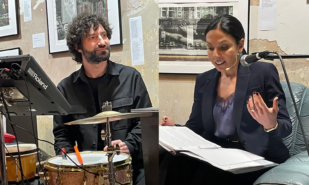
The End: Variations is a work-in-progress developed with MA students from RADA and actor German Segal. Written by Vasily Zorky, it is not simply a reading but an exploratory working presentation in which Zorky collaborates with actors and invited artists.
Four short plays examine different endings — of love, of life, of the universe, of meaning itself. What comes after the end? Does what once seemed essential remain important in the face of inevitability? What if the world is far more fragile than we imagine?
Each piece differs in tone and meaning, yet together they form a unified statement. The project is part of Arc Theatre Lab. It is the Lab’s first English-language project and Zorky’s second work presented at ARC.SPACE. His previous piece, Night Conversation, a screenplay for a future film, was performed by Zorky himself alongside Maria Bolshova and Alisa Khazanova.