Status Symbols: Jewellery, Watches, and What Lies Behind the Glass

Two fascinating watch stories broke in the past few days. Most people won’t care – unlike jewelry headlines about hundred-carat diamonds or Marie Antoinette’s pearls, watch news only entertains watch snobs. Still, it’s the perfect excuse to talk about why timepieces are a far more powerful status signal than jewelry ever will be.
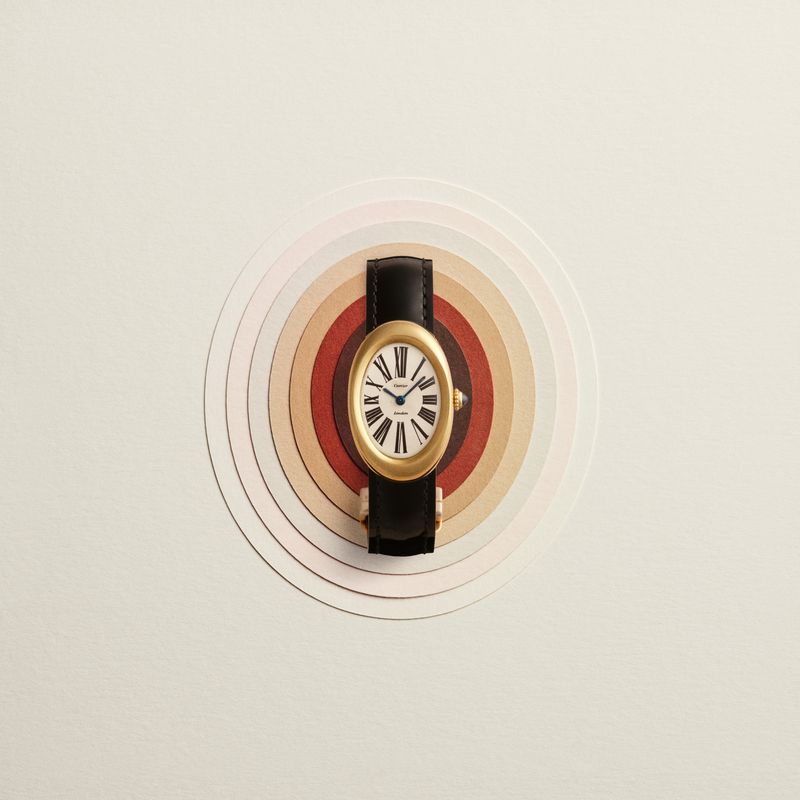
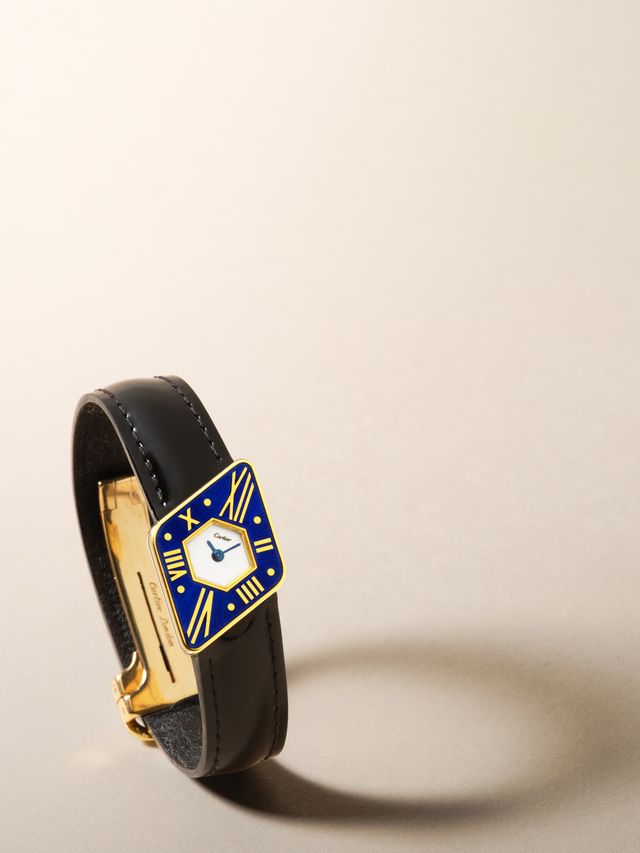
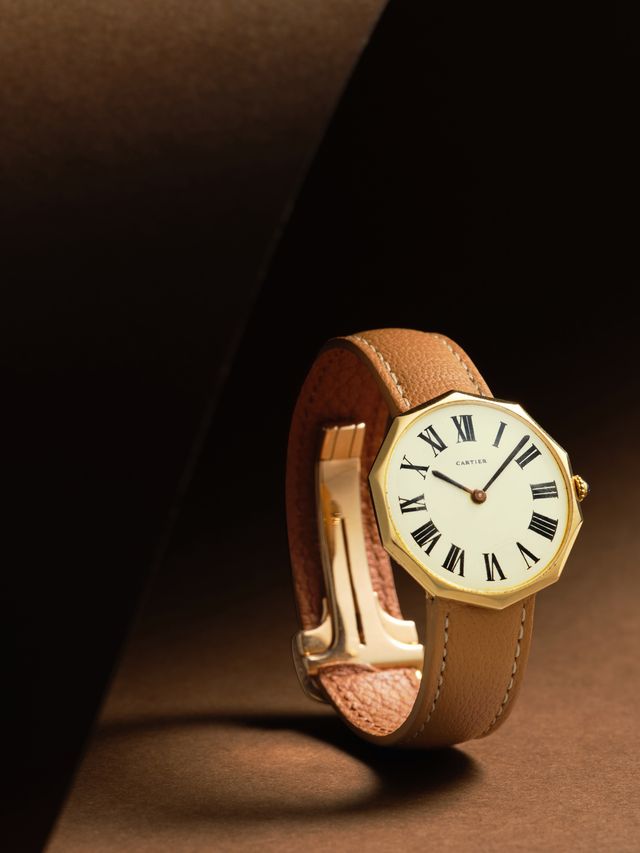
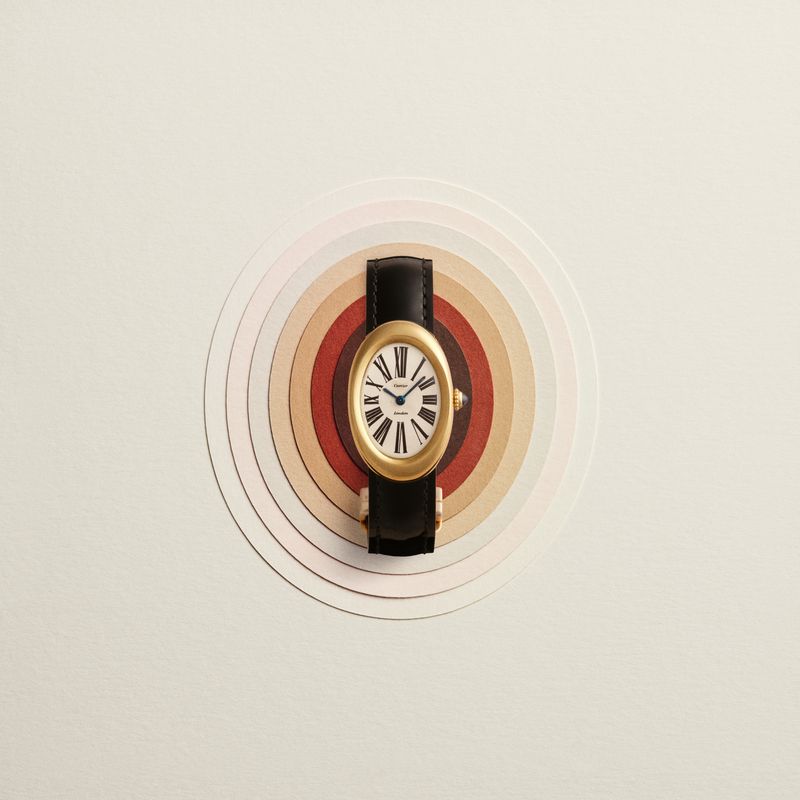
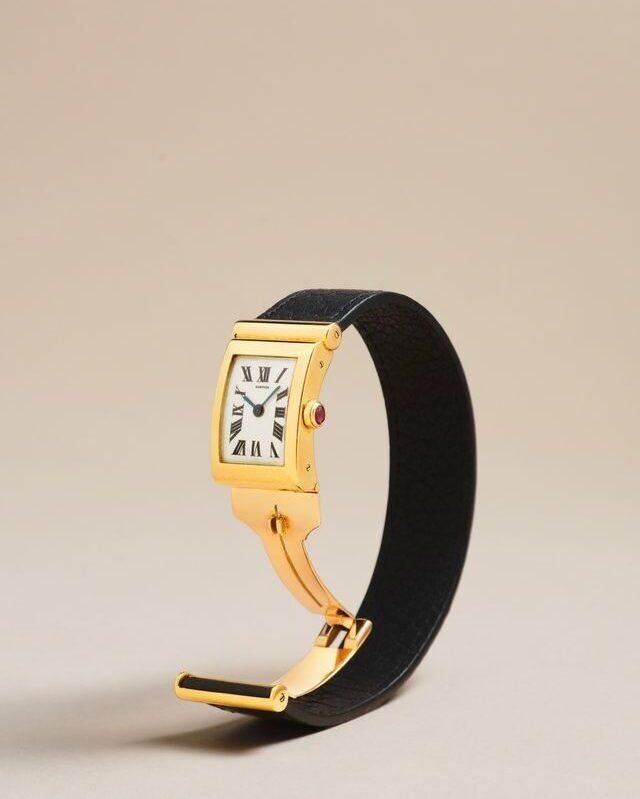
First: Sotheby’s has already begun offering an extraordinary collection of rare Cartier watches under the hammer – over 300 pieces. The first sale from this series has already taken place. A single collector’s holdings are being distributed across auctions in Hong Kong, Geneva, and New York throughout 2026. The Hong Kong sale took place on April 24th; Geneva is next. The house expects to bring in around $15 million and will almost certainly exceed that figure (auction houses always lowball their estimates so they can later boast about having exceeded them). The marvels to watch are the experimental models produced by Cartier’s London branch – British clients commissioned custom riffs on every iconic design, some of which exist as one-offs. The Island has always had a soft spot for mechanical toys, and the Maison kept delivering.
Second: Timothée Chalamet has bought into a watch brand. Yes, just like that – he became a minority shareholder in Urban Jürgensen, a Danish watchmaker founded in 1773. He’ll serve in the truly essential role of a “creative advisor”, as well as the face of the brand, effectively stepping away from Cartier – at least on the horological front. In the official announcement, he spoke of a long-standing passion for watch mechanisms and drew a parallel with filmmaking — countless tiny details and processes that come together to create something magical.
It looks like the actor is repositioning himself for a more intellectual image and a future hit for heavier dramatic roles – hence the move from “approachable showcase for popular jewelry” to “connoisseur of complex mechanical watches.”
And he is betting right. Mechanical watchmaking is a profoundly snobbish affair. And like everything snobbish, it signals status louder than almost anything else. As does anything that demands an investment of time and intellect, not just money.

Jewelry is far more straightforward — expensive, conspicuous, desirable as a symbol (a Love bracelet for an anniversary, a Tiffany’s ring for a proposal, a Juste un Clou for a birthday or Christmas). Subtler layers of meaning are reserved for rare collectors or industry insiders. For 99% of consumers, what matters is the emotional hit – a shiny thing to show off.
With jewelry, few clients can truly appreciate the finesse of the craft. With watches, even a novice grasps that this is not merely an object – it’s a complex instrument. The difference is roughly that between “beautiful” and “brilliant.”
The barrier to entry – not to buying, but to making – is dramatically higher: it takes not just capital and talent, but deep knowledge, years of training, and hard-won mastery. And it needs affinity with technology as well – a high-stakes industrial twist. That’s why there are far fewer watch brands than jewelry houses.
Every watch brand carries a story – or at the very least a compelling idea, not just “interesting design.” And the longer and the more intricate that story, the better. In-house manufacturing, patents, mechanical marvels – all influence the wider industry and add exponential value. If a company can afford to indulge in wild engineering experiments – minute repeaters that play melodies, dials that track shifting constellations – it already sits comfortably in the top ten. The ability to sell the same model year after year, turning it into a coveted piece that collectors salivate after? You can count those on one hand. The brands that have made their name synonymous with a particular style, complication, or innovation? Practically as rare as a unicorn.
And besides – how many legends can you name about a piece of jewelry that didn’t belong to a movie star or a crowned head? Personally, I can’t think of many.
Which is exactly why Chalamet may have calculated this rather well.