The Road to Damascus

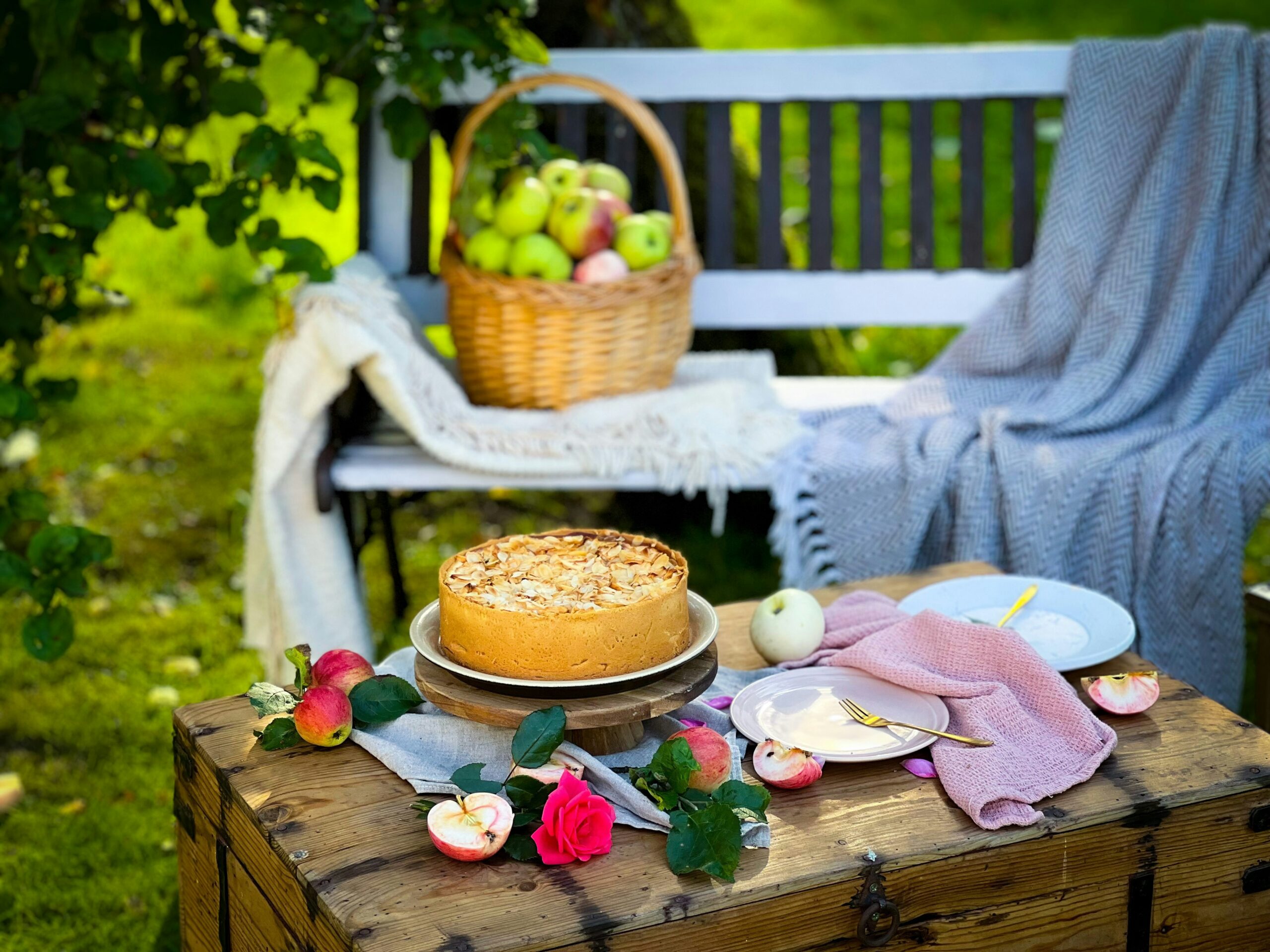
Pavlik stretched luxuriously. There were about twenty minutes left before the alarm. He had been dreaming of his mother, her hands flashing briskly over a huge bowl of sliced apples, the smell of dank, mouldy August tree-leaves, the threat of early school mornings looming close. But for now there was a rare, scorching day descending upon their ramshackle dacha.
Grandfather, who’d got it from the district military office just before retirement, had been unable, or unwilling, to grab a better, sunnier plot, so they’d been allocated a ridiculous triangular patch almost in a ravine, beside an old railway line.
On the bright side, at the back ran a stream of crystal clarity. Hedgehogs often came down to it, and a beaver had apparently settled there too, loudly gnawing at the riverside willows at night.
The dacha itself was already half a lost cause. The roof was blooming with moss and leaking, the floor smelt like a dugout, and there was no money for repairs. Father had long since departed for a new, thrilling life. He had been invited to the Volga to design yet another flashy something for the self-assertion of a new governor, a bridge, perhaps. New admirers appeared at once, then an invitation to teach, female students, snug Italian suits, loafers on bare feet, a red scarf, and off it went… A second youth, as Mother put it.
But what exactly had he been dreaming of? Hands, flies, wasps, the first sweet pre-autumn leaf rot, the smell! The smell of jam.
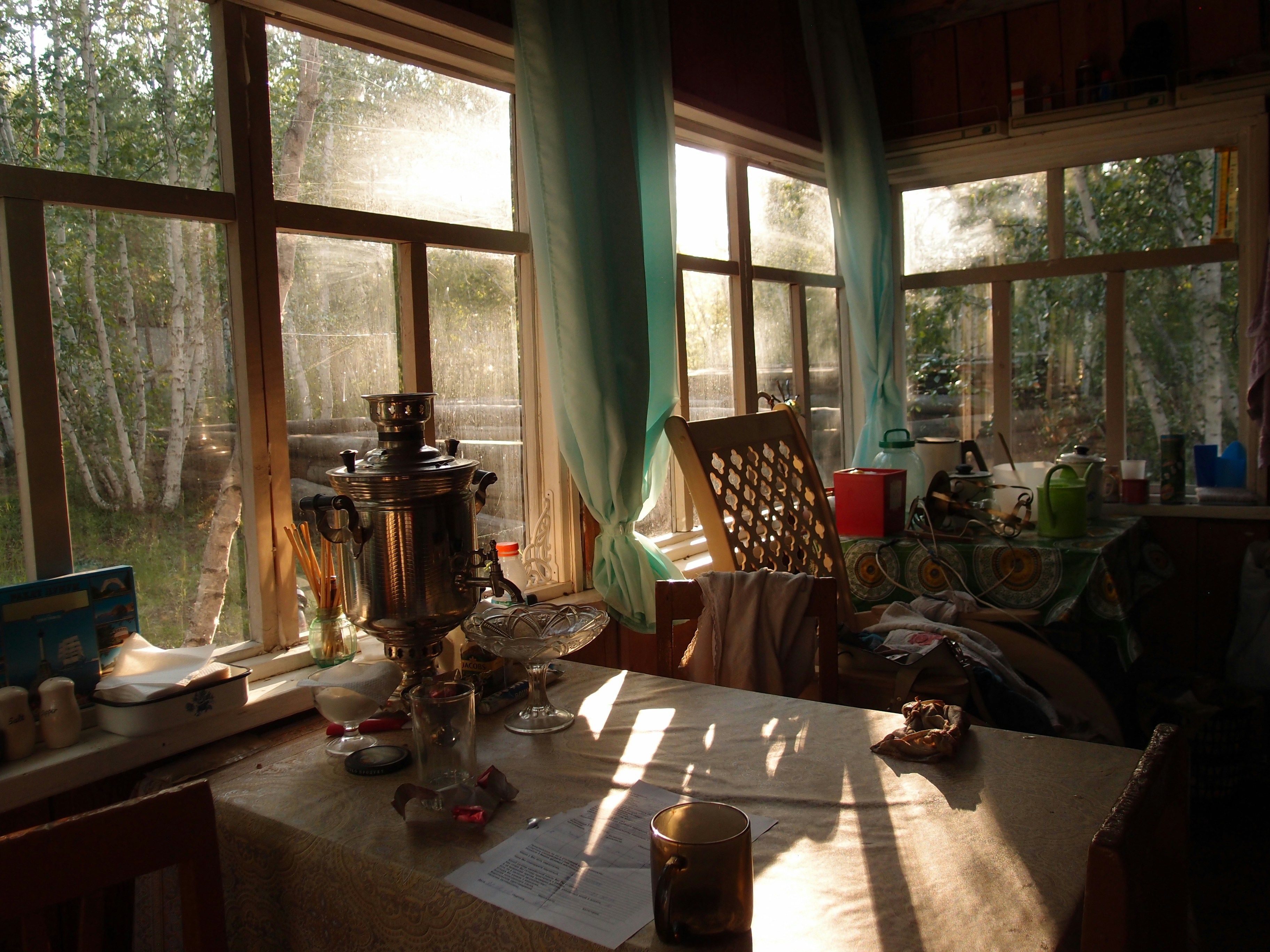
His mother’s shadow behind the curtain. The anticipation of a carefree day. The river, cooled overnight, dangerously swift. The field, scorched dry by the heat. The familiar pink nose of the dog lifting an old dacha blanket. Shadows of happiness. Everyone alive.
The alarm clock.
A narrow bed in a narrow room of a narrow house in Copenhagen. Sober, bright, cold light. There were no curtains, they were not customary here.
A quick, tasteless but healthy breakfast. A dietician now ruled Pavlik’s meals. And cholesterol. The last hole on his elastic belt spoke eloquently of the fact that if Pavlik wanted his laboratory to finish its research this year and secure the next grant for deeper work, then Pavlik would eat tasteless food for breakfast, lunch, and supper, God damn it.
The expensive insurance, which he topped up out of his own pocket, guaranteed nothing unattainable, but allowed a tolerable existence, provided the recommendations were followed to the letter.
To put it plainly, Pavlik had grown monstrously fat. And who wouldn’t have? He had been passed over by the academic council, not a single white ball. His mother had died. His aunt had taken the flat and the dacha. Yes, somewhere there had been his legally mandated share of the inheritance, but he wasn’t going to sue an old fool and grabber who had spent her entire life envying every one of Mother’s successes, her fair-haired prodigy of a son, and her flamboyant, careless, Russian-style bogatyr of an architect husband, and the fact that everything had gone well for her, for this woman herself ugly and physically negligible, yet merry and light as a hummingbird. She took it all. And it brought her nothing good. Misfortunes rained down upon her in that same cursed year.
But the worst part was that Yanka had left.
She left for no reason. Just as she had once appeared. Bright, daring, with a tiny firm breast and the steel ankles of a gymnast. She was wildly gifted physically and used none of those heavenly endowments. She lived by her instincts and talents, agile as an animal, wearing a sharp and spicy scent, with small, tenacious hands and large feet, a white rim around her lush, greedy, skilfully crafted lips, sharp knees, tiny dusky ears, and a beautiful little head. No particular thoughts or life plans had ever inhabited Yanka’s charming, close-cropped head. But. There was one thing Yanka aspired to with a force surpassing all her other desires combined. Freedom of movement.
Which happened to coincide with Pavlik’s invitation to the Netherlands at one of the conferences where he presented a paper. And then the country simply bored her. On his post-tax salary, after rent and food, there was not much travelling to be done for two. So she began to travel alone. While Pavlik saved money and grew heavier. Something broke in Pavlik.
He mourned her and let her go, but didn’t even manage to ask her anything at the end. She’d blocked him everywhere, left no trace. Their mutual acquaintances remained in Moscow and knew nothing about her. Yanka simply vanished, swallowed whole by the European abyss in a single moment.
So he lived for nine years. He rented a tiny mezzanine on the fourth floor, but at least close to the laboratory.
He went for walks, endured idiotic corporate functions with colleagues, learned Italian for some reason, played table tennis, became fond of chess and opera, and made his peace with solitude.
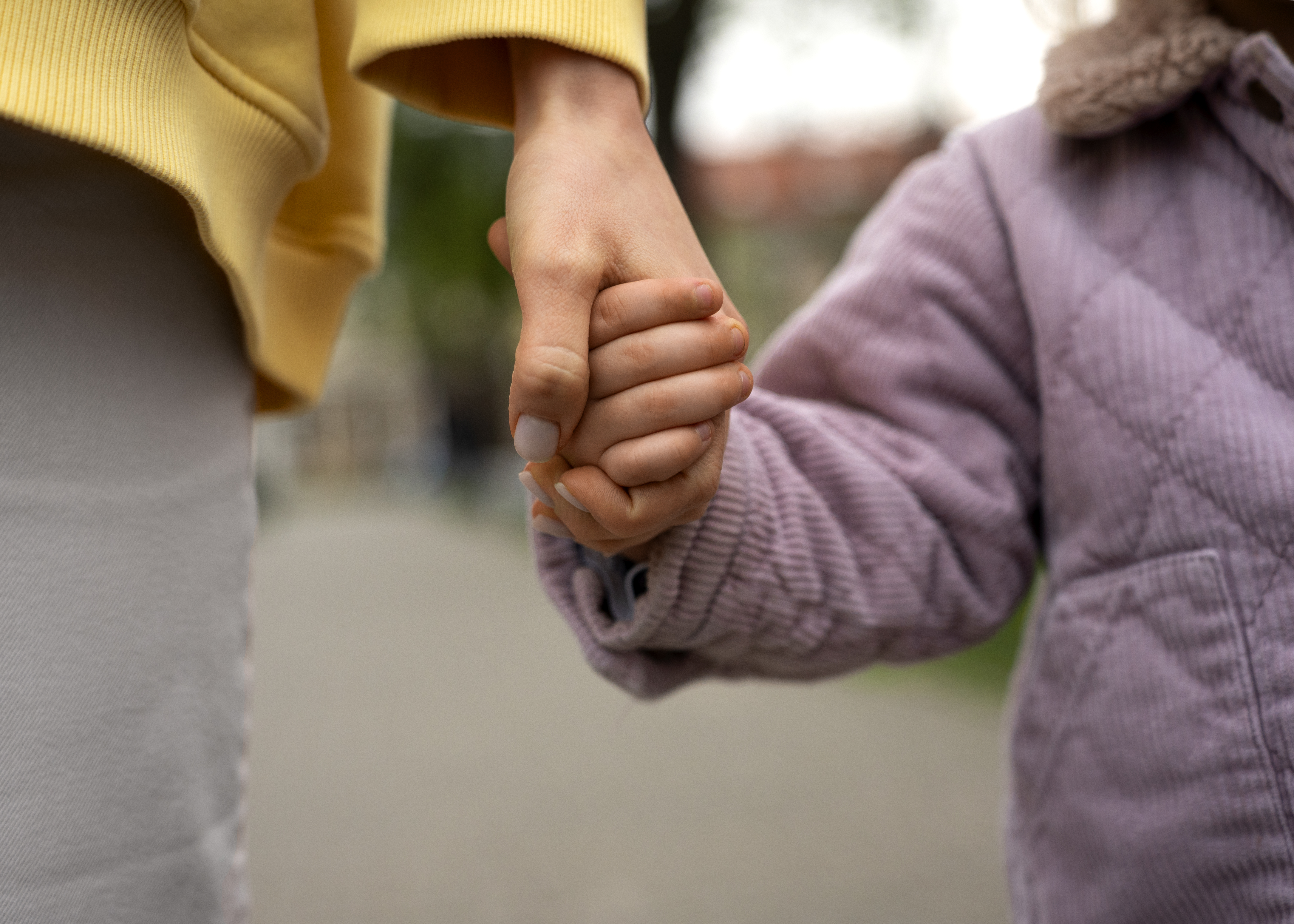
And then she returned. She came to his workplace. Plumper, cheerful, and familiar. Holding by the hand a son named Pavlik, all eyes and golden curls. She simply rang and said: my son and I are waiting for you at our spot. We are marrying you.