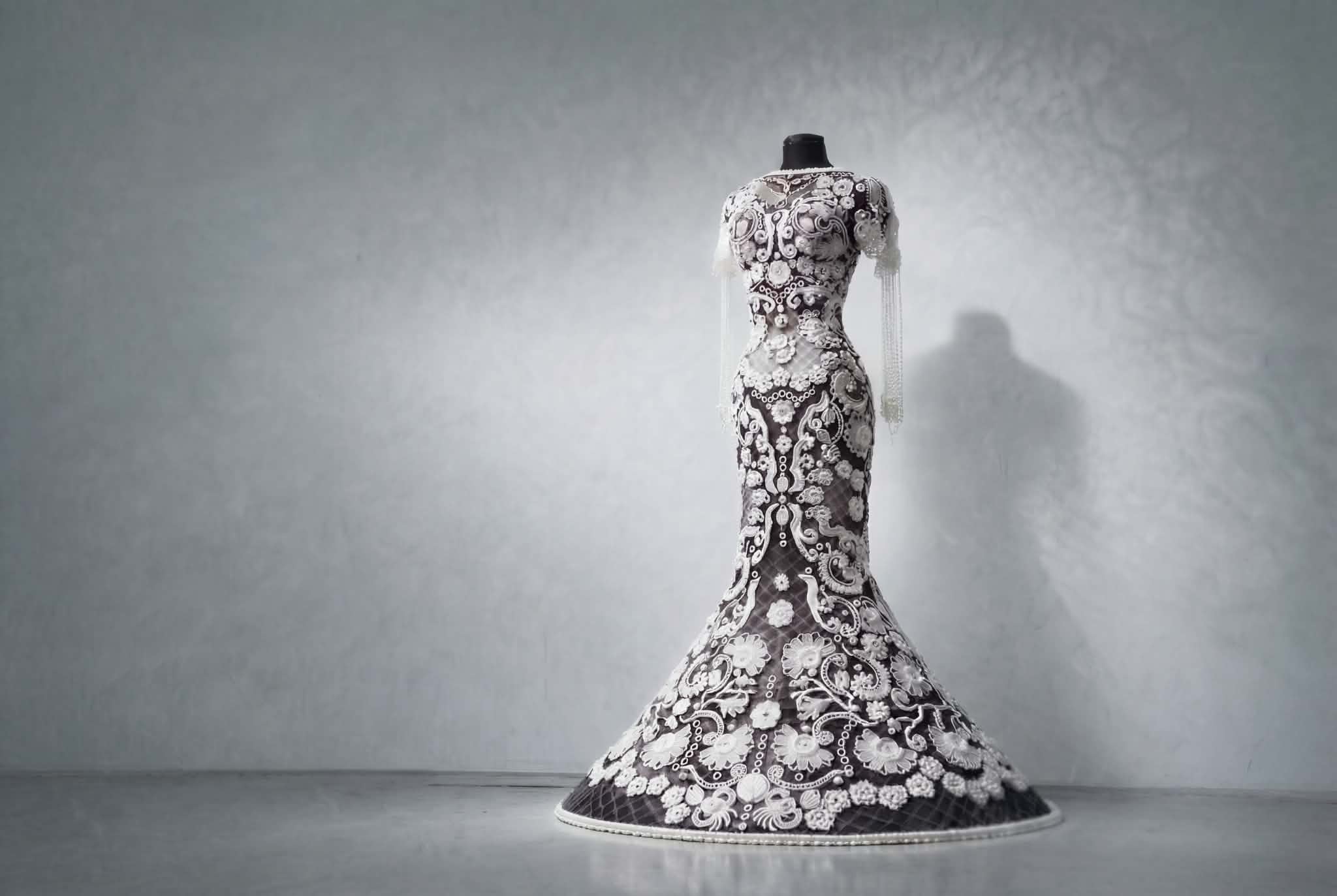
What Remains of Craftsmanship After Industrialisation?

Today, craft is often associated with small workshops, handmade products, and traditional skills. Yet only 250 years ago, craft was not a niche part of the economy — it was the economy.
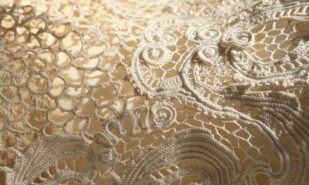
Before the Industrial Revolution, more than 90–95% of clothing, textiles, and household goods were produced by hand or in small workshops. Weaving, lace-making, embroidery, dyeing, and tailoring were not considered cultural heritage. They were simply the standard way of making things. Craftspeople were manufacturers, entrepreneurs, and an essential part of the economic system. Industrialisation changed this model almost completely.
How the Role of Craft Has Changed
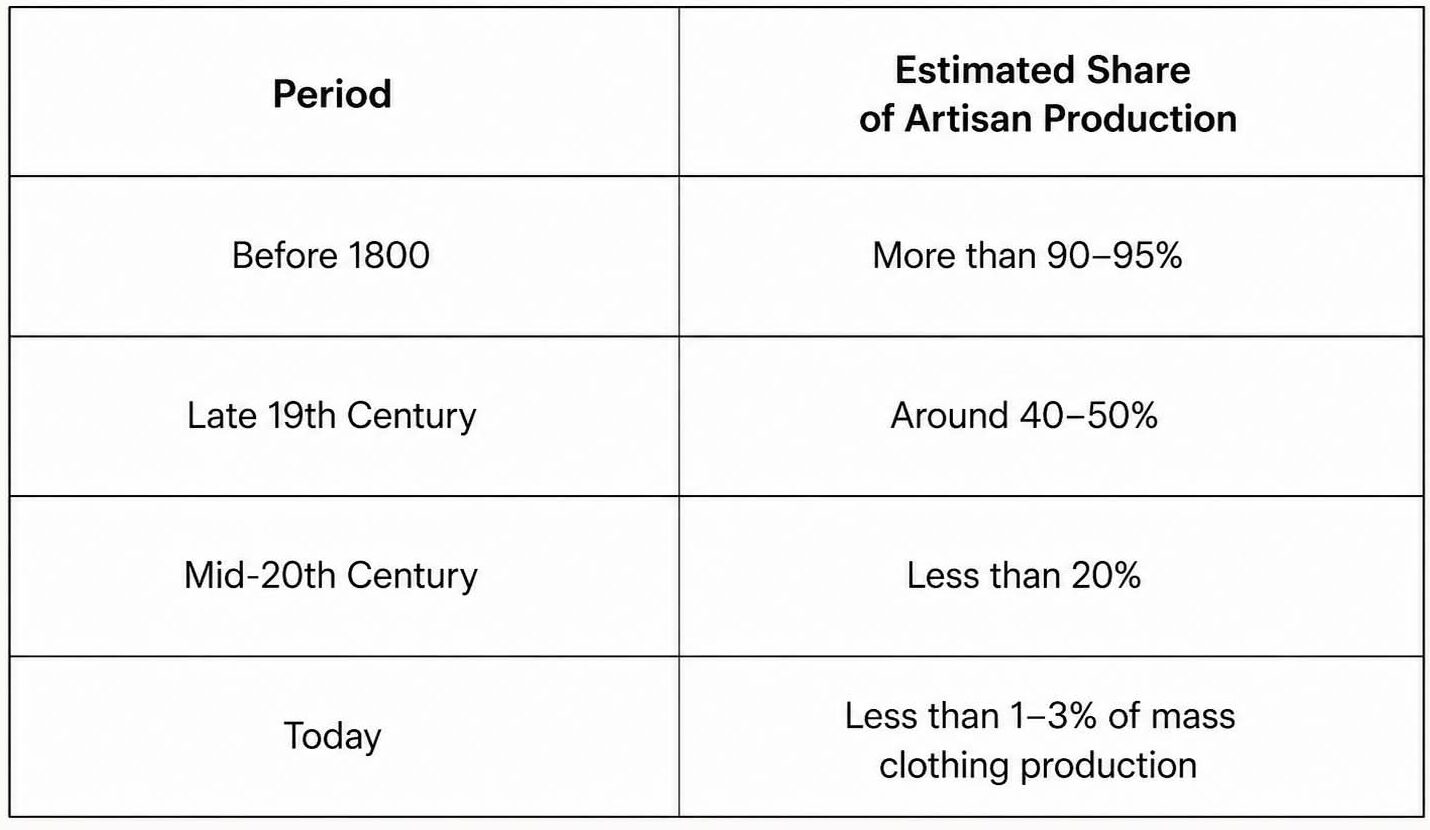
Today, around 97–99% of the world’s clothing is produced industrially. Machines proved faster, cheaper, and more predictable than human labour. At first glance, it might seem that craft has lost the competition. But something else happened.
Craft lost much of its functional value and gained cultural, emotional, and symbolic value. If lace was once purchased because people needed lace, today it is often valued because it represents skill, history, time, and human involvement.
The Craft Market Today
Despite the dominance of industrial production, the craft sector remains economically significant. Current estimates place the global handicraft market between $700 billion and $1 trillion. Many analysts expect it to grow to between $1.3 and $1.5 trillion over the next decade.
However, this growth does not signal a return to pre-industrial production. Modern craft rarely exists as an independent production system. Instead, it has become part of other economic models, creating value where industry cannot easily offer uniqueness, provenance, or human connection.
What Is Actually Growing?
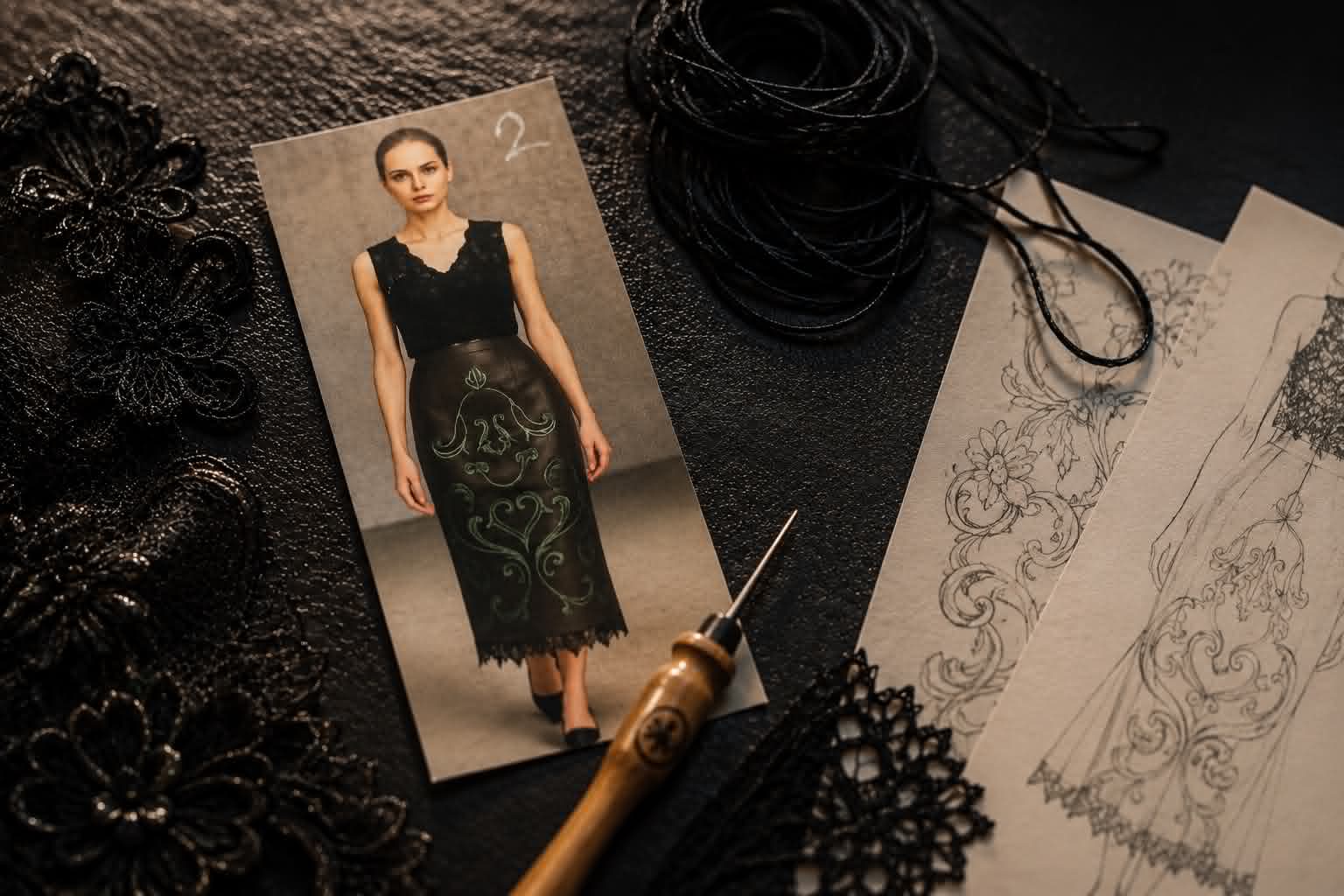
When analysts talk about the growth of the craft market, they are not only referring to an increase in handmade products. What is growing is demand for provenance, transparency, and authenticity.
Consumers increasingly want to know:
- who made the product;
- where it was produced;
- what materials were used;
- how it was made.
In many cases, the story behind an object has become almost as important as the object itself.
Five Models of the Modern Craft Economy
1. Craft as Cultural Heritage
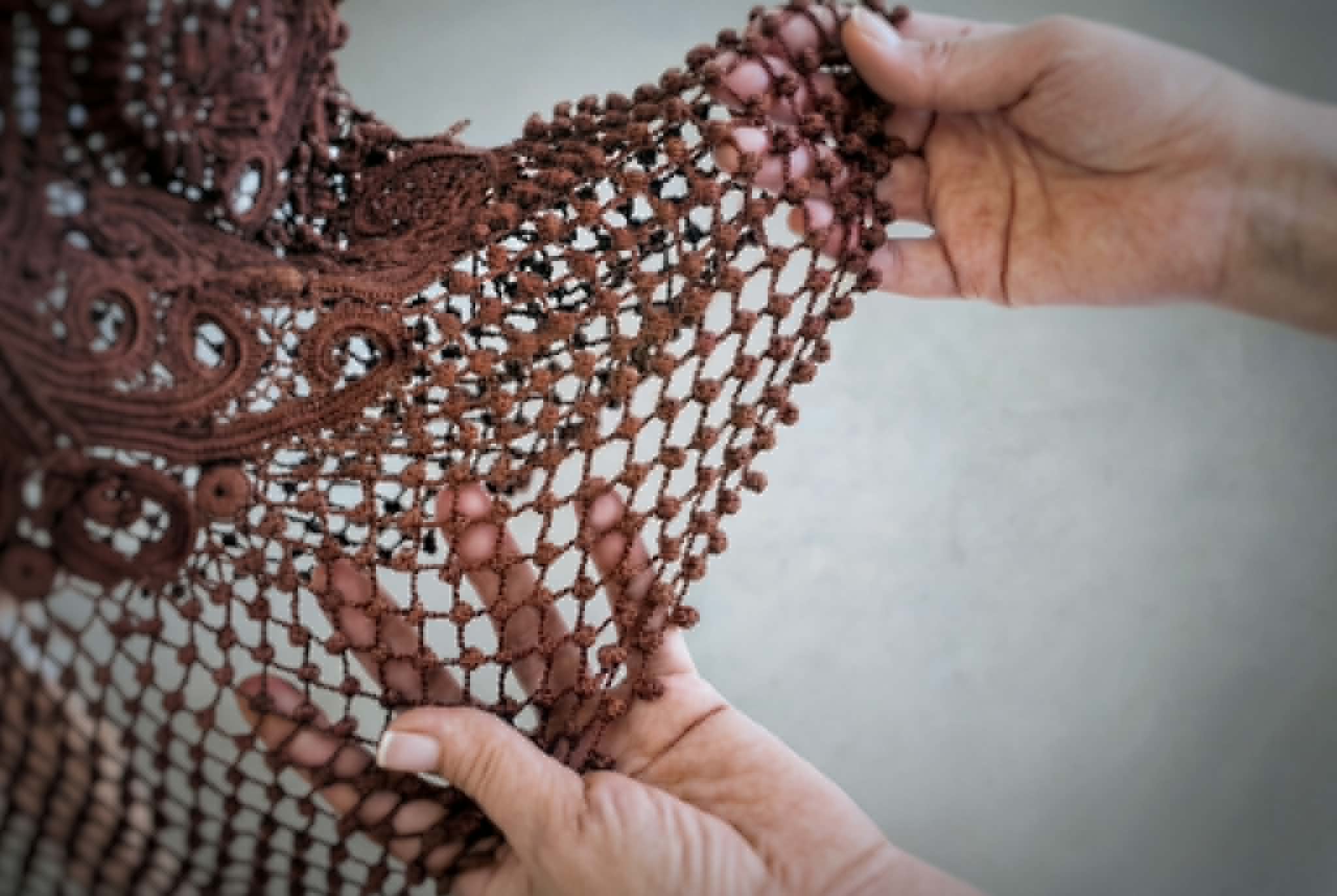
Irish lace, Scottish tweed, Japanese weaving traditions, Italian wool, and regional textile techniques are valued for more than the products themselves.
They carry the identity of a place. People are often purchasing a connection to a region, a history, and generations of accumulated knowledge. Even in the age of e-commerce, craft remains surprisingly local.
It is also worth noting the emergence of modern craft ecosystems that bring together traditional skills and independent makers. Unlike factories, these models operate as distributed networks of specialists contributing to different stages of the production process.
One example is Atelier DeLace, a lace house that brings together artisans, designers, and original techniques within a shared creative and production environment. Here, value is created not only through the finished object, but also through accumulated knowledge, experience, and the preservation of a craft tradition. Projects like these demonstrate that craftsmanship can remain a competitive and relevant model within the modern economy.
2. Craft as Luxury
The luxury sector remains one of the strongest economic environments for craft. Leading couture houses continue to rely on hand embroidery, lace-making, embellishment, pleating, and other labour-intensive techniques. Some garments require hundreds or even thousands of hours of manual work.
Many luxury brands not only preserve traditional skills but actively invest in specialist workshops and artisan ateliers. Fashion houses such as Chanel, Dior, Hermès, and Valentino continue to support embroidery houses, lace makers, feather ateliers, pleating workshops, and other highly specialised crafts that require decades of training and experience.
For luxury fashion, craftsmanship is not simply a tribute to tradition — it is a strategic asset. The more difficult a product is to reproduce by machine, the more valuable it becomes.
3. Craft as Personal Brand
Digital platforms have created new opportunities for independent makers. Platforms such as Etsy have given artisans access to a global market while also revealing an important feature of the modern craft economy.
People are not only buying an object. They are buying the maker. They are buying a story, a set of values, and a personal approach to making. If industrial businesses sell products, craft businesses increasingly sell trust. As a result, makers often need to become storytellers and community builders alongside their creative work.
4. Craft as Wellbeing
Over the past decade, craft has taken on another role. Knitting, embroidery, weaving, ceramics, and other forms of handwork are increasingly associated with reduced anxiety, improved concentration, and emotional wellbeing. For many people, the value of the process has become just as important as the value of the outcome. Craft produces not only objects but also experiences.
5. Craft as Innovation
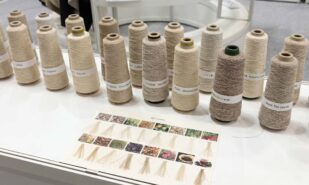
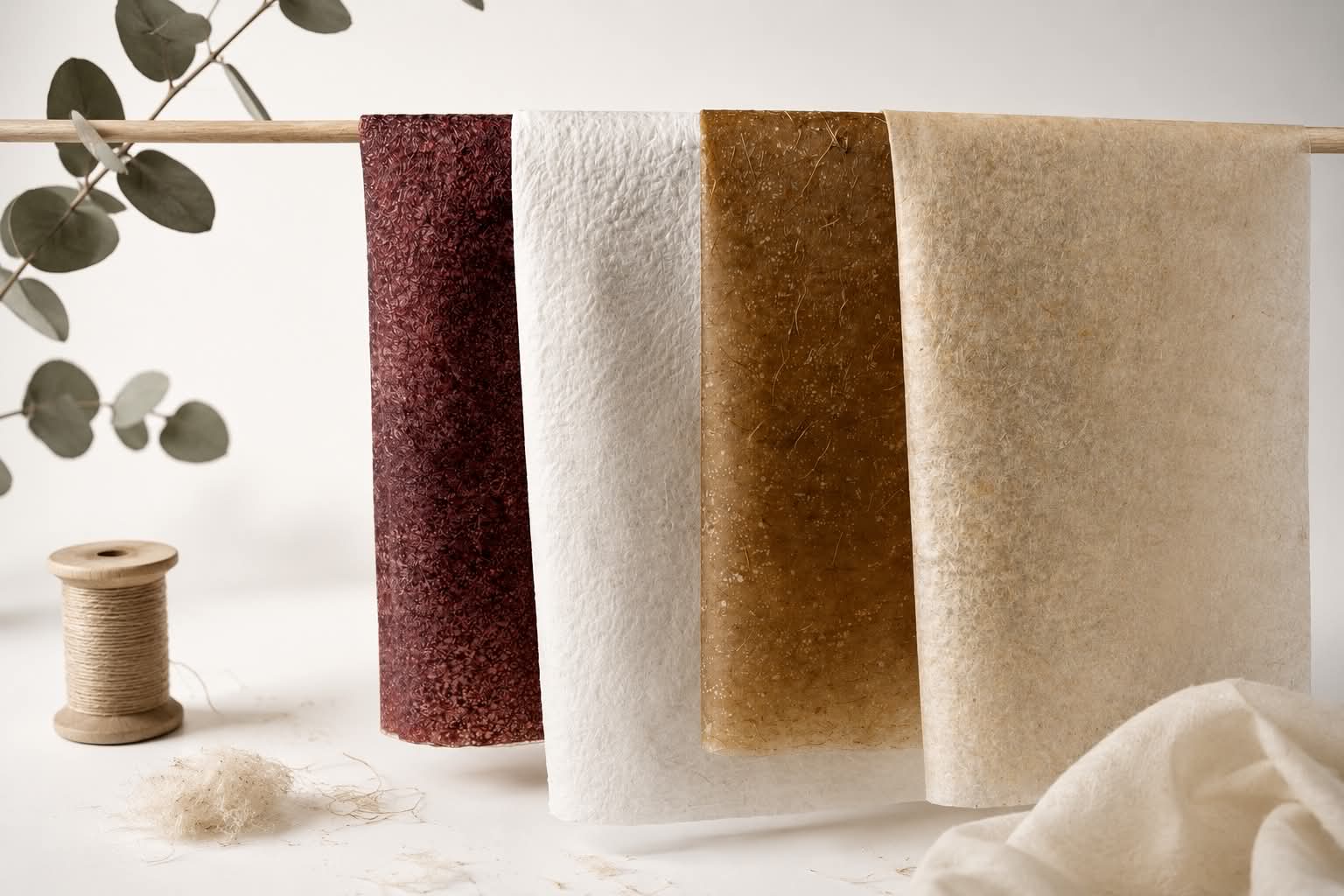
The newest model is closely linked to material innovation. Many biomaterials, experimental textiles, and sustainable material systems are currently being developed in small laboratories, studios, and research workshops rather than large factories.
Their development often resembles traditional craft practices:
- strong reliance on human expertise;
- long periods of experimentation;
- accumulated practical knowledge;
- direct transfer of skills and experience.
Paradoxically, small workshops and laboratories are increasingly becoming places where future technologies emerge.
The Real Challenge Facing Craft
It is often assumed that the biggest challenge facing the craft sector is limited demand. In reality, the challenge may be something else — trust.
When we buy from a large brand, we trust a company and its reputation. When we buy a handmade object, we trust a person. This is one reason why craft is difficult to scale. It sells more than products. It sells relationships between people.
What Comes Next?
Craft is unlikely to return as the dominant production system of the past. Nor does it need to. Over the last two centuries, its role has changed.
Today, craft exists as cultural heritage, luxury, independent entrepreneurship, wellbeing practice, and a platform for innovation. The more processes become automated, the more valuable human skill, attention, and involvement appear to become.
Perhaps the most important role of craft in the twenty-first century is no longer to produce things, but to preserve knowledge, trust, and meaningful human participation in an increasingly automated world.