A Festival on a Scorched Pitch: About Football and More Than Football

Almost a quarter of a century ago, in 2002, Bernard Werber published a collection called “L’Arbre des possibles” that contains an intriguing story titled “Bread and Spectacles.”
“After the 2022 World Cup, all humanity contracted a fever for the round ball, and that sport established itself as the best way to settle international disputes. Thanks to it, the poorest, smallest, and most unknown countries could rise to the rank of major powers. This arrangement made it possible to indulge in a sort of one-hour-and-thirty-minute war without weapons. The Burmese could defeat the Spaniards, Rwandans could rout Americans, Finns could handle the Brazilians… Football allowed peoples to shine on the international stage regardless of their language, religion, culture, or wealth.”
Sounds appealing, doesn’t it? Now, in 2026, when the United Nations is effectively failing at its task, one might imagine entrusting FIFA with the role of global regulator for planetary-scale problems. Especially since this year the organization’s expected revenue – around nine billion dollars – is nearly three times the regular annual budget of the UN’s blue-flagged office.
But no: we cannot. Because today football, on television and in stadiums, performs a very different function. Orwell captured it precisely in Winston’s thoughts about the proles:
“Hard physical work, care of the home and children, petty quarrels with neighbors, movies, football, beer, and above all gambling filled the entire horizon of their thoughts. It was not difficult to keep them under control.”
Umberto Eco put it another way:
“Is armed struggle possible on the Sunday of the World Cup? Is revolution possible on a footballing Sunday?”
Originally, spectacle was not a festival; it was a ritual by the fire, where the tribe gathered to watch the dances of shamans clad in masks confronting hostile spirits. Those contests were a way to make peace with the surrounding world—droughts or unending rains, departed kin or gods already conceived by that time. Spectacle did not distract from reality; it complemented and connected people to it.
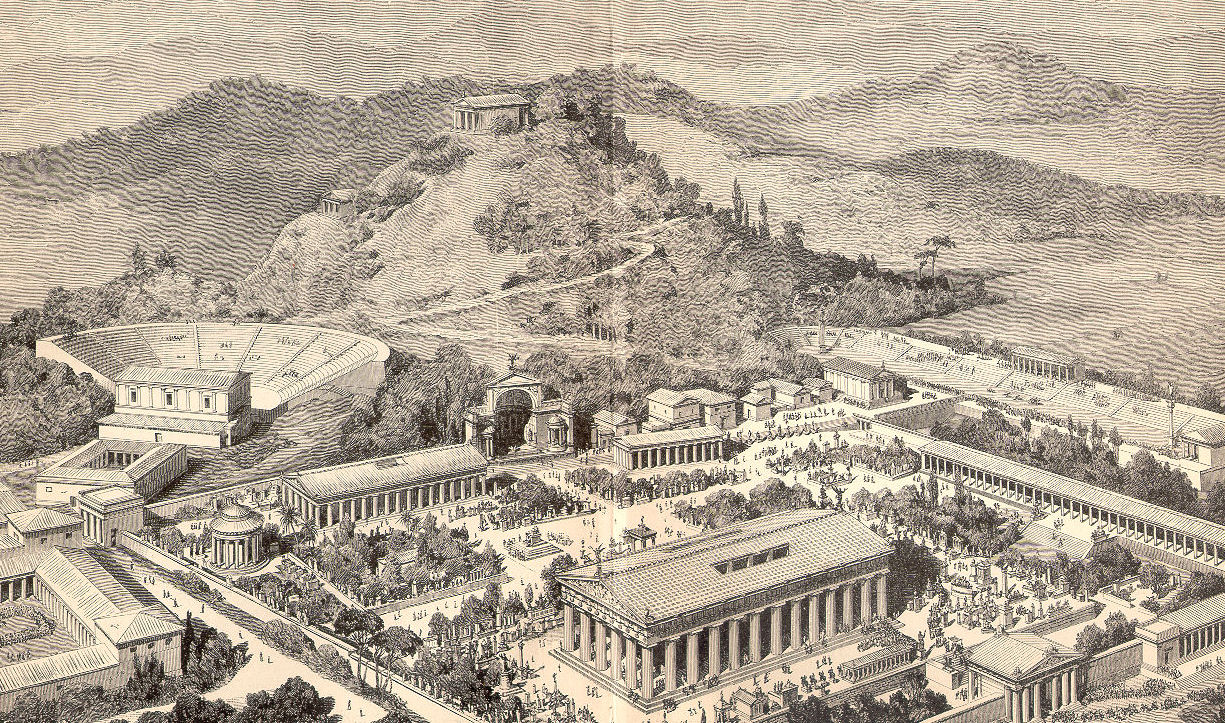
Then cities appeared, along with squares, theaters, and arenas. For the ancient Greeks, the Olympic Games remained bound to the worship of Zeus, and theater to the cult of Dionysus. They called it ἀγών – agon, contest – and the term encompassed far more than sport. A philosophical debate in the square was an agon, a political speech was an agon, a tragic playwright’s competition was an agon. All these agons became not merely spectacles but mass festivals.
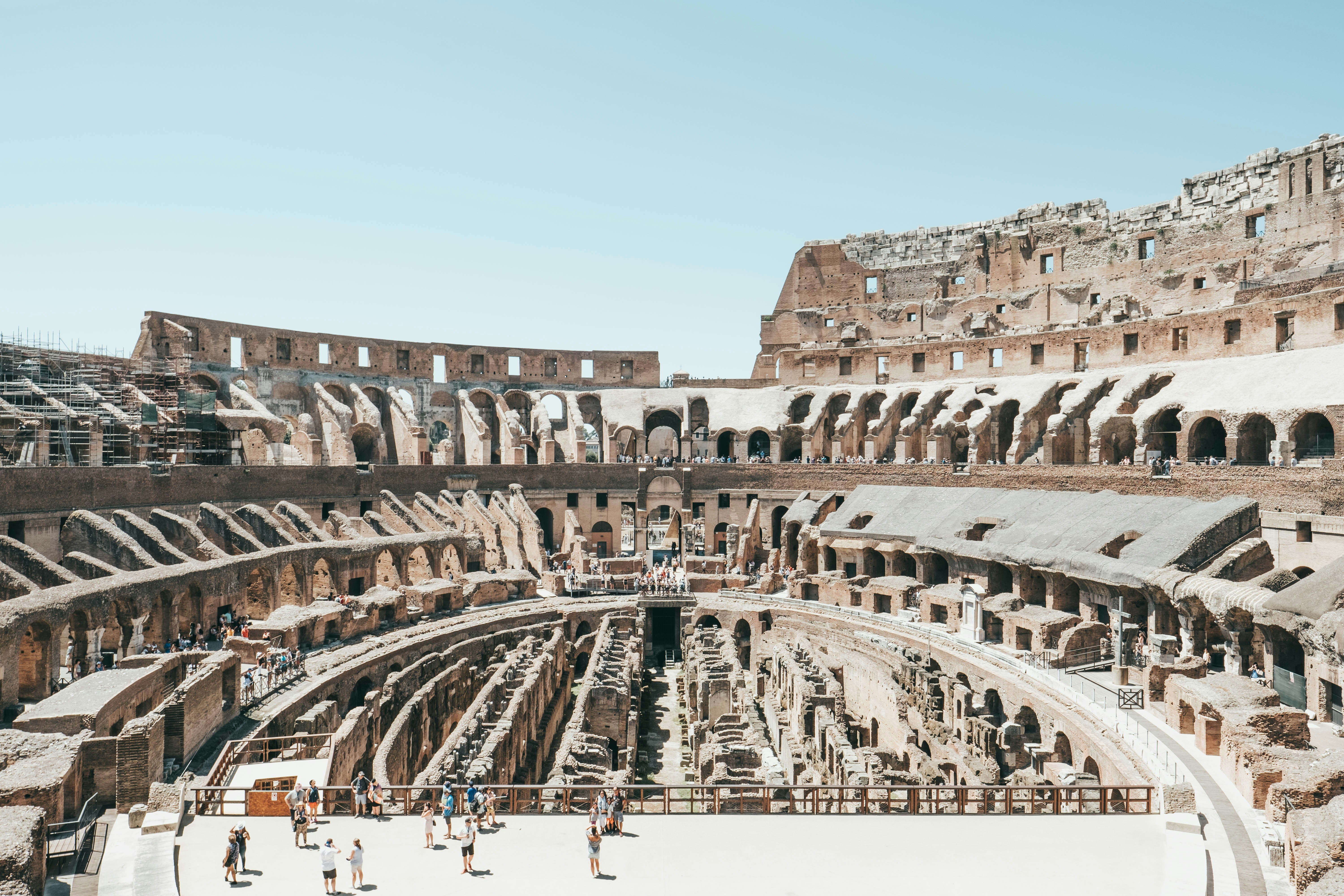
However, empires do not want citizens who, after a festival, return to their households with questions for the gods and fate; they want spectators who are sated, deafened, and grateful. The Greek agon transformed into the Roman arena, a stage for displaying state power before the crowd. Emperor Vespasian began building the Flavian Amphitheatre on the site of a lake in Nero’s palace complex; ten years later his son Titus opened it. It was a forceful gesture – Nero had taken Rome for himself, and we have returned it to the Romans. The Colosseum held up to eighty thousand people and hosted gladiatorial combats, beast hunts, and battle reenactments. Its opening lasted one hundred days; this was no mere festival – it was a demonstration of a new power, one that could feed, entertain, and control Rome.
Decimus Junius Juvenal, one of the harshest satirists of late first – early second century Rome, wrote bitterly and scornfully about a society he saw as rotten. In his Tenth Satire he tore into the Colosseum and the populace, who had once dispensed power and offices and had now reduced their desires to two things. Panem et circenses: bread and circuses. But Juvenal was not merely calling the people stupid, wanting food and entertainment. He was saying the people had renounced political will.
Rome fell – the mechanism remained. The Church took monopoly over festivity – processions, mysteries, and numerous saintly parades replaced the blood of gladiators with the blood of martyrs. Over time, it became clear that even this was insufficient; there were too many canons, prohibitions, and constraints. The Middle Ages added a new option to people’s lives: the carnival. Not merely a holiday, but an authorized malfunction in the system where the fool became king, the poor mocked the rich, authority was smeared with dirt, and in general all that was base was deliberately brought to the surface. It was a valve through which, for one day, pressure from countless restrictions could be released. Today one could shout, laugh, dance, dress up – but the next morning the bells would ring for matins, the shops would open as usual, and the masters of life would be themselves again. The world would return to its place, and yesterday’s spectacle would have granted just enough liberty not to demand it seriously.
Gradually, kingdoms consolidated in Europe, an imperial line around the myth of the emperor tightened in Japan, and the ummah – community of believers – took shape in the Islamic world. Nations began to emerge – imagined political communities, as Benedict Anderson described in his book.
“A nation is imagined as a community because, regardless of the real inequality and exploitation existing within it, it is always thought of as a deep, horizontal comradeship.”
It was in this context that the Olympic Games were revived. Pierre de Coubertin may have thought he was returning the world to ancient ideals of agon, but in truth he created a global ritual of national confrontation. The paradox of the modern Olympics – under five unifying rings and a single flame – is that immediately after the opening, an action meant to unite nations transforms into their antagonism, and what stands on the podium are not athletes but the flags raised behind them and the loudly played anthems. A global festival built on the idea of peace becomes a mirror of the world’s contradictions. Boycotts, doping wars, sanctions on athletes – these are the smoke left after politics has extinguished pure flame.
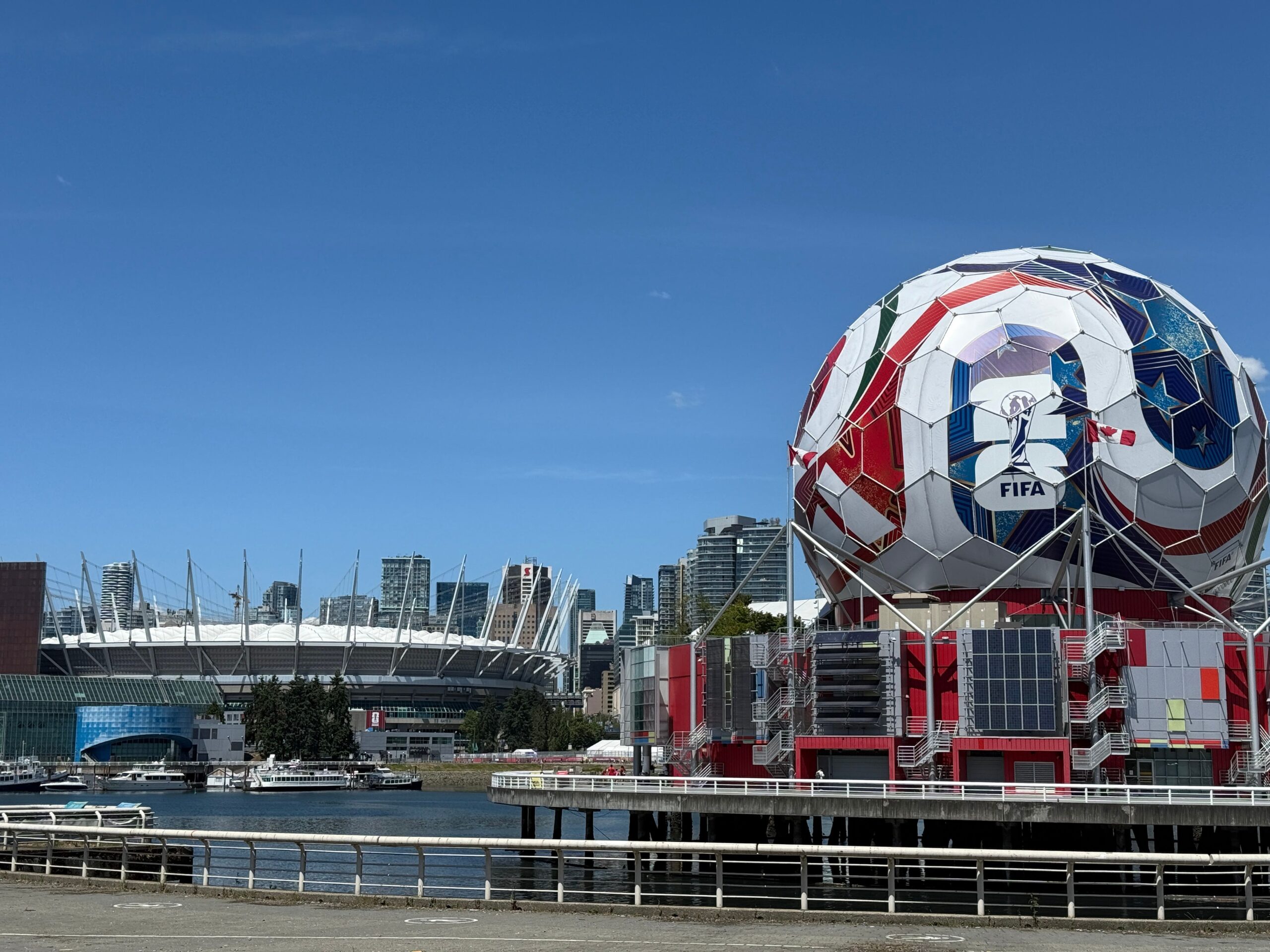
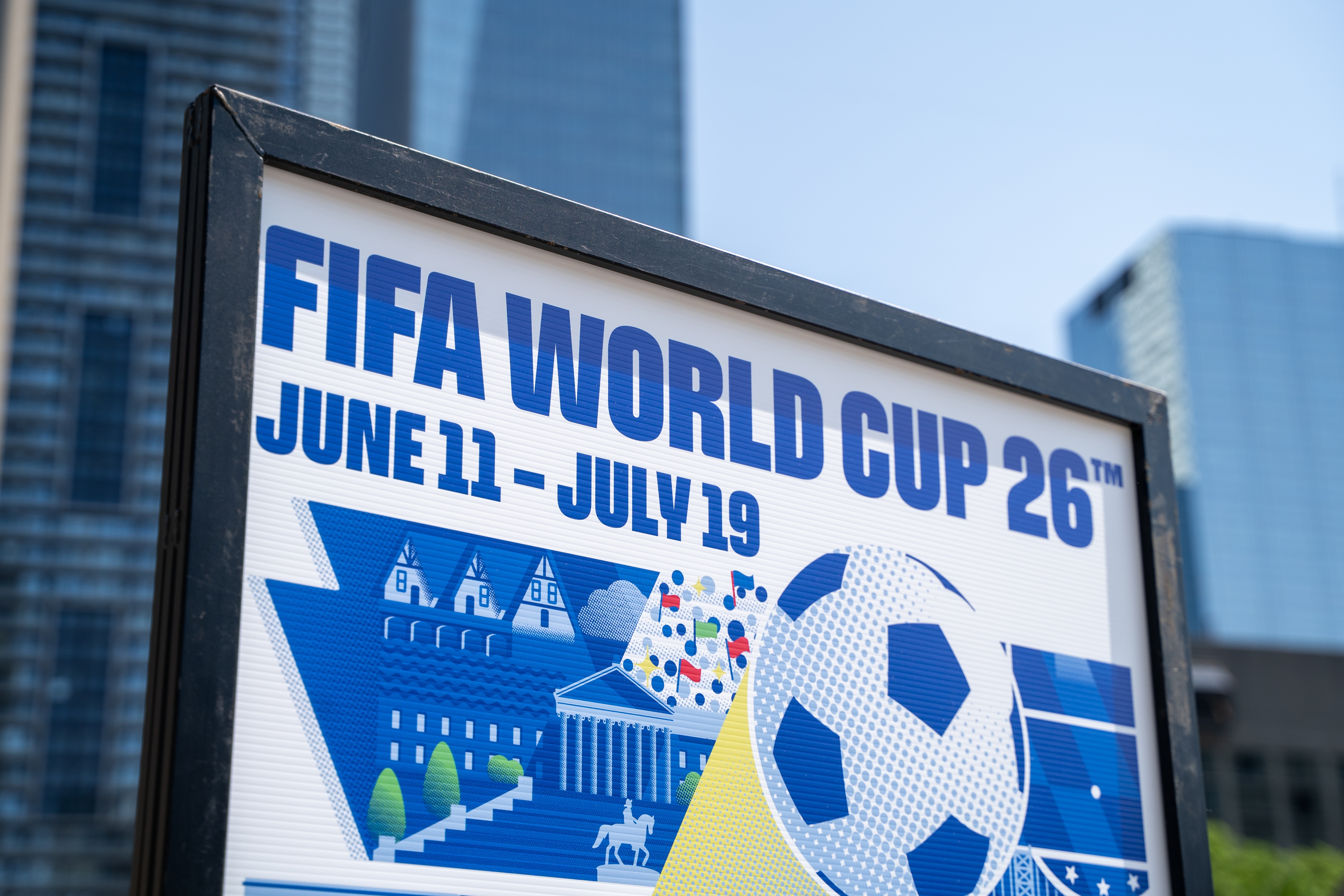
And now we are on the arena again. The arena of the FIFA World Cup, staged in three countries – Mexico, Canada, and the United States. This arena stretches across dozens of cities, airports, border crossings, hundreds of hotels and fan zones, thousands of visa applications and refusals, and hundreds of thousands of unsold tickets. One hundred and eighty thousand, to be precise.
The previous World Cup in Qatar was scandalous: exploitation of migrant labor on construction sites, stadium air-conditioning in the desert heat, and restrictions on freedoms under an Islamic regime.
This tournament is gathering steam. Greenly estimates the 2026 World Cup will generate 7.8 million tonnes of CO2 – equivalent to roughly 1.7 million cars running every day for a year. And that is not from the stadiums themselves but from the fans and media moving between them. Summer weather in these countries may become a test of extreme heat; a quarter of matches will exceed safe thermal limits. Against this backdrop FIFA’s marketing gods invented three-minute water breaks in halves – adding roughly ten hours of advertising time for broadcasters. A minute of ads costs about one to one and a half million dollars, depending on the match. How much of that money will reach a children’s pitch in Curaçao is unlikely to be discussed during broadcasts.
Against the backdrop of recent American immigration policy, tensions around attendance have risen. The U.S. denied entry at the border to the first-ever World Cup referee from Somalia, Omar Abdulkadir Artan, even though he held a visa and FIFA accreditation. The Iranian team had to move its training base from Arizona to Tijuana in Mexico; part of its administrative and technical staff lacked U.S. visas entirely, and the players’ entry permissions arrived only on the eve of matches. Iran may play without its supporters—the ticket quota for their national organization was reportedly revoked. Football promises a world without borders, but border controls refused to cooperate.
The most American stadium food – hot dog and a pint of beer – will cost, on average, £30 at a match; for that sum Quality Chop House in central London serves a full lunch. A ticket for the final in New Jersey is officially from USD 2,000, but in some venues it reaches USD 11,000 – the price of a mid-range used car.
All of this is well described in the Reuters piece “The World Cup’s Vibes Are Off”; read it to see how the vibe really evaporated. The tournament formally remains a celebration of global unity, but in fact it exposes the world’s contradictions – political, economic, migratory, and climatic. What the ancient Greeks called agon has become agony.
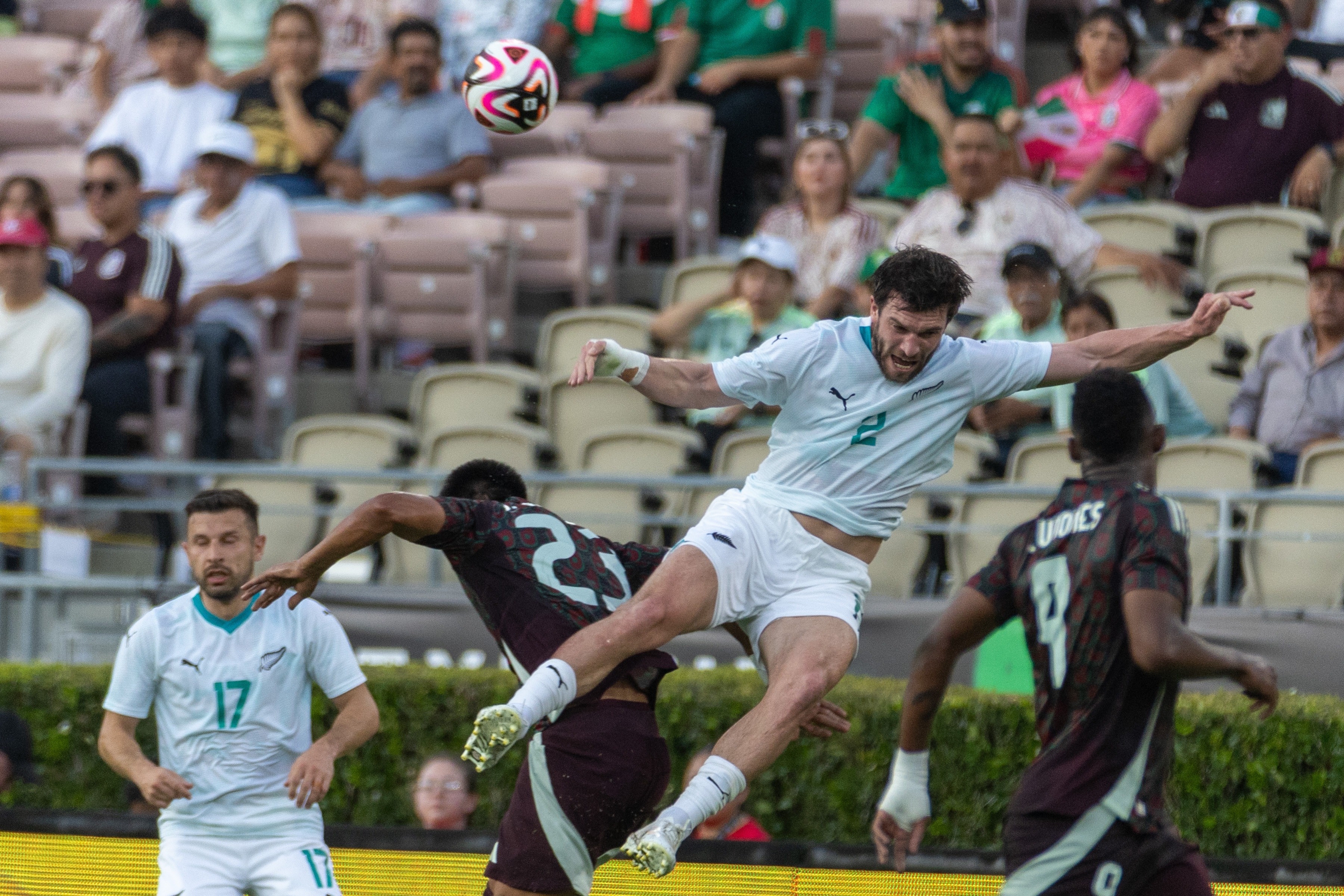
Yet amid all this madness an Argentine blogger, El Scarso, unexpectedly found in the crowds the quietest, most unobtrusive player of the tournament—the New Zealand defender Tim Payne – and decided to make him the icon of the games, despite FIFA’s ratings. He set him against Mbappé, Messi, and all the other Ronaldos. In a short time Tim’s Instagram leapt from four thousand to five million followers, and he became the choice of a new kind of hero for the opening contest. A fire was lit beside the footballing Colosseum, and it drew attention.
In Bernard Werber’s story, the final match of the football battle is between Thailand and New Zealand. It is 2030 there; football is entirely different; people die, matches last eight hours, and rules are nearly nonexistent. Thailand wins. In this 2026, I wish victory to Tim Payne and to everyone who watches the game not as a confrontation of flags, anthems, and nations. I wish victory for myself – the ten-year-old boy standing in goal during a penalty, dreaming of saving the ball so he could hug all the players afterward and peacefully go home, drink cold tap water, and fall asleep to a kindly tale about Zeus. Even knowing now that there were no kindly tales there.