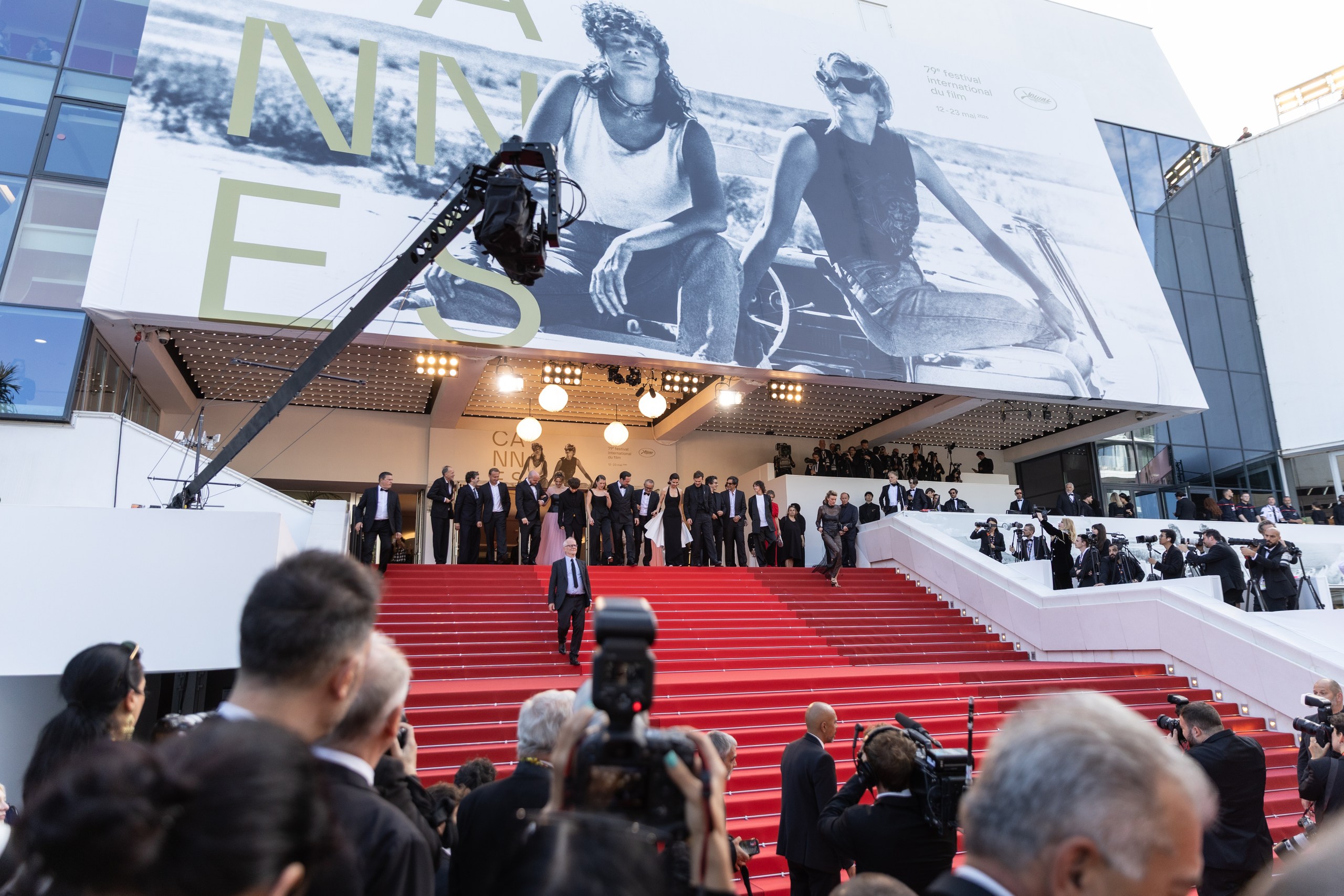
An Alumni Reunion of Major Auteur Cinema in Cannes

This year, the Cannes Film Festival competition did not welcome new heroes, but rather directors whom Cannes has long known and already rewarded. It was not a showcase of discoveries, but of returns. The programme included an especially large number of films connected to France, whether through directors, producers, co-productions or financing. Even when the filmmaker was not French, there was often a French partnership behind the project.
Hollywood, by contrast, was barely present. Not in terms of stars on the red carpet; there were plenty of those. But in terms of major studio films, the kind that once came to Cannes as large-scale attractions. Critics explained this through the studios’ caution: weak box office results in recent years have made Hollywood less willing to take risks and thus reduce production. This year, Cannes had no blockbusters on the scale of Top Gun or Indiana Jones, films that turn the festival into a global advertising platform. There were, however, American names in competition: James Gray, Ira Sachs, Adam Driver, Scarlett Johansson. But this was more the America of independent and festival cinema than the Hollywood of large franchises. Fewer studio premieres, more directors awaited precisely for their artistic statement.
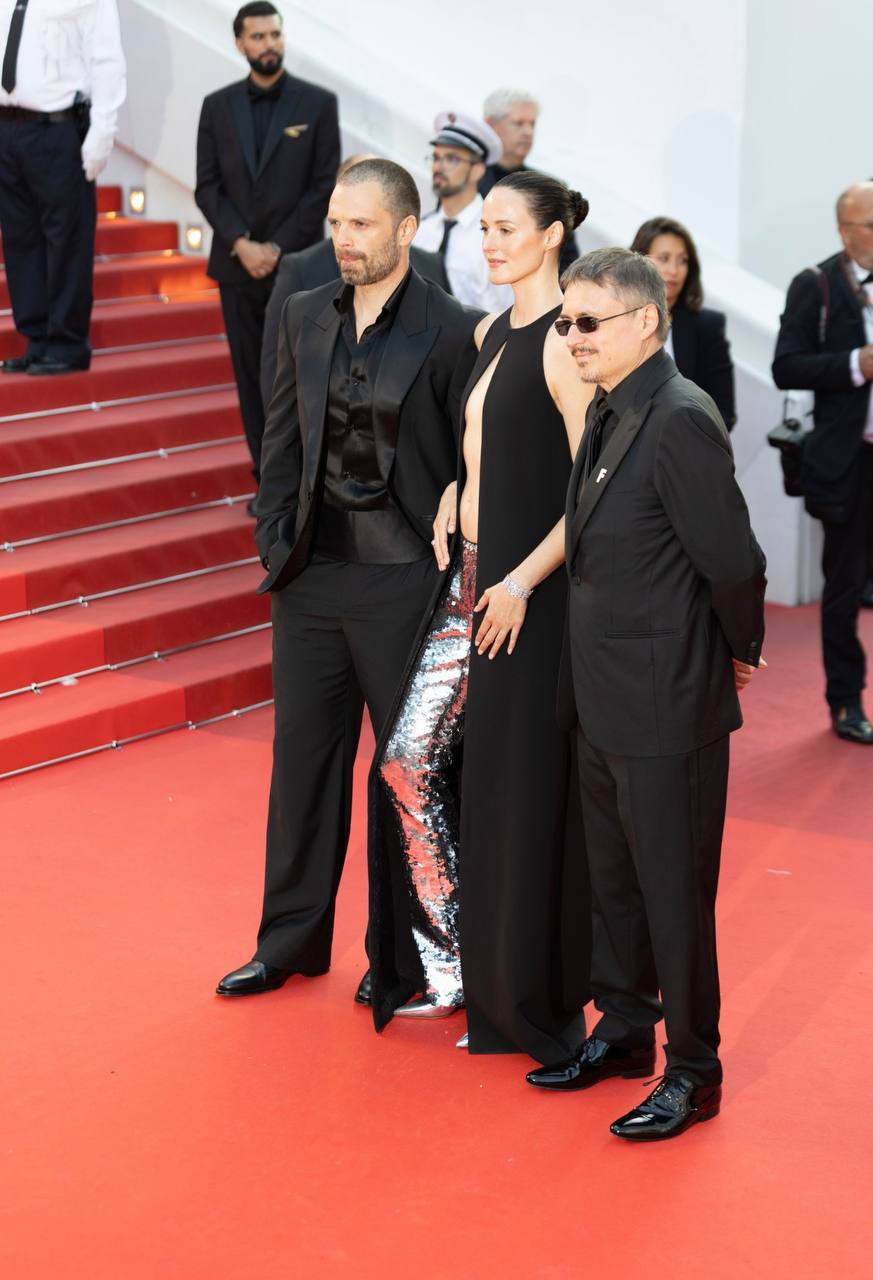
In that sense, the final awards did not come as a surprise. The jury, chaired by Korean director Park Chan-wook, chose Cristian Mungiu’s Fjord as the winner. This is the director’s second Palme d’Or. He received his first in 2007 for 4 Months, 3 Weeks and 2 Days, a severe drama about an illegal abortion in Romania under Ceaușescu. Even then, Mungiu was interested not in the scandalous subject as such, but in a person trapped between private misfortune and the state machine.
In Fjord, he once again takes a private family situation and depicts how it spins out of control. Bruises are noticed on a child, the school and social services become involved, and the parents are forced to explain their methods of upbringing to an external system of rules. Mungiu said that the film was conceived as a call for tolerance, inclusion and empathy, and added that people need, from time to time, to re-examine their own convictions and remember that another person’s disagreement does not automatically prove them wrong. Fjord does not tell the viewer: here is a good progressive system, and there is a bad traditional family, or the other way around. Mungiu shows how two sides, each with its own truth, stop communicating and immediately move to accusation.
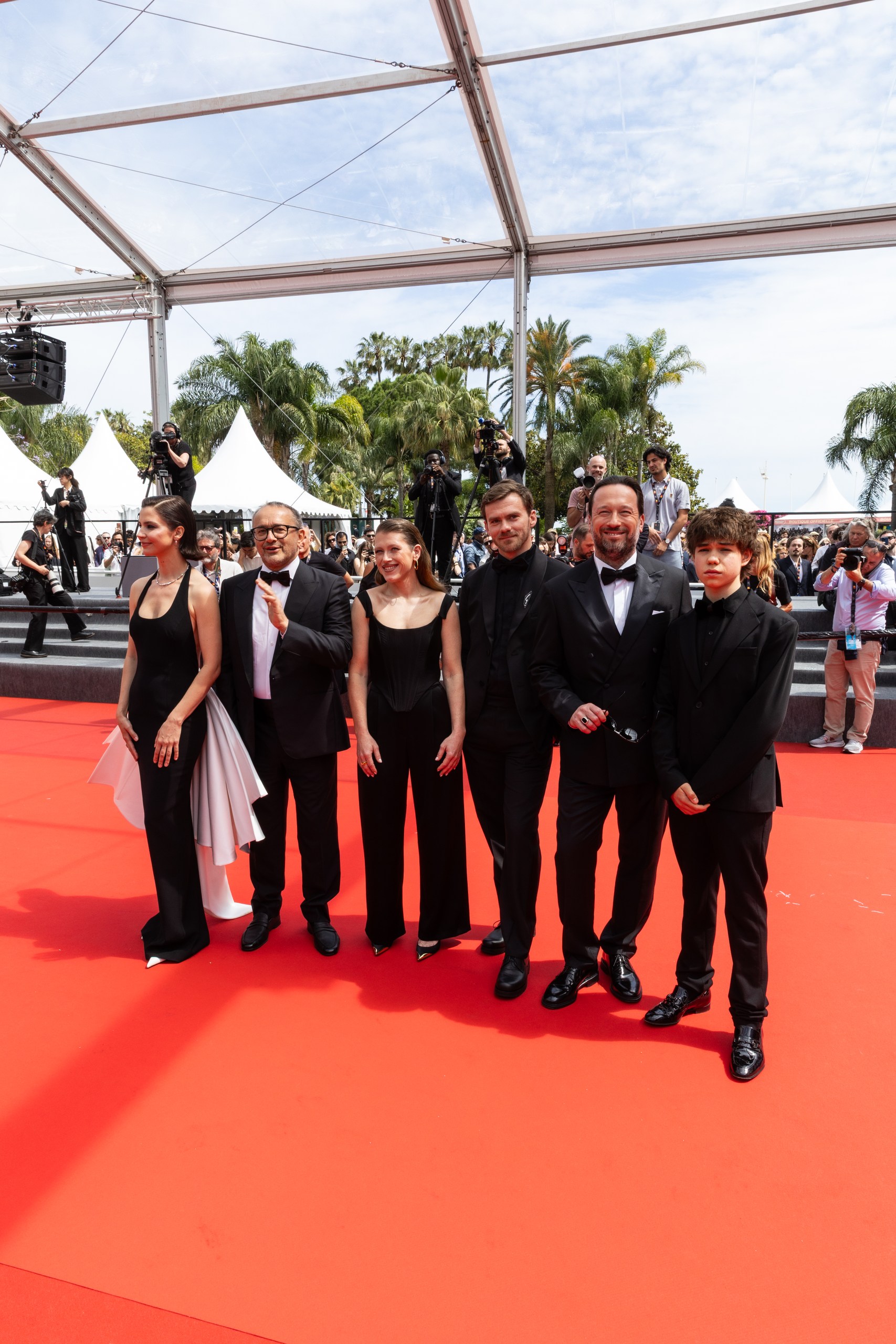
The Grand Prix went to Andrey Zvyagintsev’s Minotaur, a French-Latvian-German film in Russian with Russian-speaking actors. Zvyagintsev almost always begins his films with a private drama, with family, marriage, home, relations between parents and children, but gradually leads it toward a conversation about the structure of society. His The Banishment, Elena, Leviathan and Loveless have already received major awards at Cannes.
Gleb, played by Dmitry Mazurov, runs a large company in a provincial Russian city. He has a wife, a son, a house, money, and the habit of keeping everything under control. But two catastrophes enter his life at the same time. The first is private: he learns of his wife’s infidelity. The second is public: after the beginning of the mobilisation, his company is ordered to provide men to be sent to war. Zvyagintsev shows not only the Russian reality of 2022, with its mobilisation, military recruitment offices, business, officials and bureaucratic logic. He shows how quickly a person can become a monster when circumstances give him power over another person’s life. War enters the everyday lives of the characters through an official’s office, conversations at work, omissions, career calculations and the habit of not asking unnecessary questions.
Zvyagintsev himself said in an interview with Le Monde that the war serves as the backdrop to the events of Minotaur, but that he does not consider the film a political statement. For him, the following matters: cinema should not become a poster, even when it speaks about war. But after his victory in Cannes, when he received the Grand Prix, he appeared not only as the author of a film, but as a person who had been given a public stage. And then he spoke directly: “Millions of people on both sides of the line of contact are now dreaming of only one thing: that the endless killings of human beings should finally stop. And the only person who can stop this meat grinder is you, Mr President of the Russian Federation. End this slaughter. The whole world is waiting for it.”

Ryusuke Hamaguchi’s All of a Sudden brought the prize for Best Actress to Virginie Efira and Tao Okamoto. It is a film about a nursing home, and about how care for elderly people can become a soulless procedure. A person is washed, fed, treated, moved from one place to another, but is increasingly no longer seen as a person. This is exactly what the film is about: where the line lies between care and indifferent servicing. The jury decided to honor both actresses with awards as their roles are inseparable, and the meaning of the film hinges on their interaction. Hamaguchi himself had already received the Best Screenplay prize at Cannes in 2021 for Drive My Car, and later won the Oscar for Best International Feature Film.
The male acting prize was also shared. Emmanuel Macchia and Valentin Campagne received it for Lukas Dhont’s Coward, a film about two soldiers of the First World War who try to preserve the possibility of human closeness. That is why, as with All of a Sudden, the jury recognised not a single acting performance, but the connection between two people on which the meaning of the film depends.
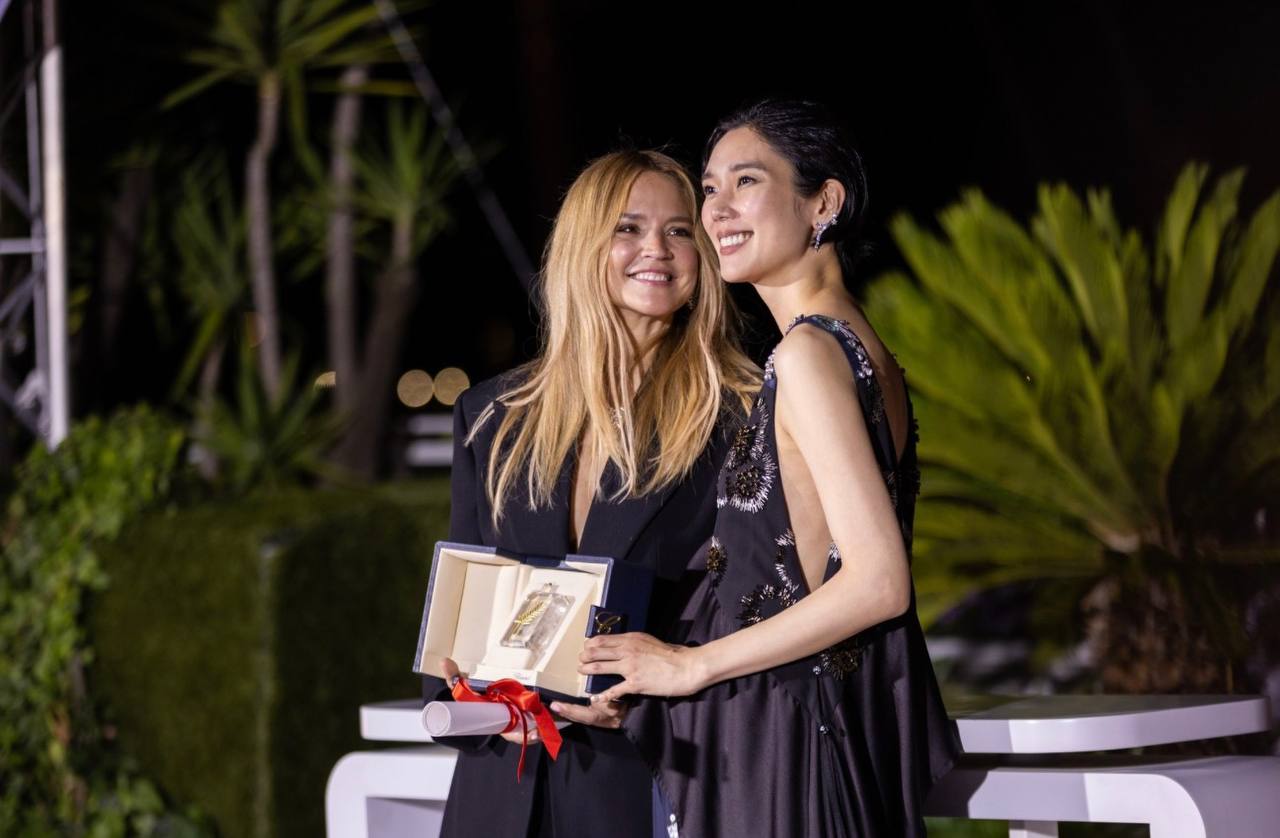
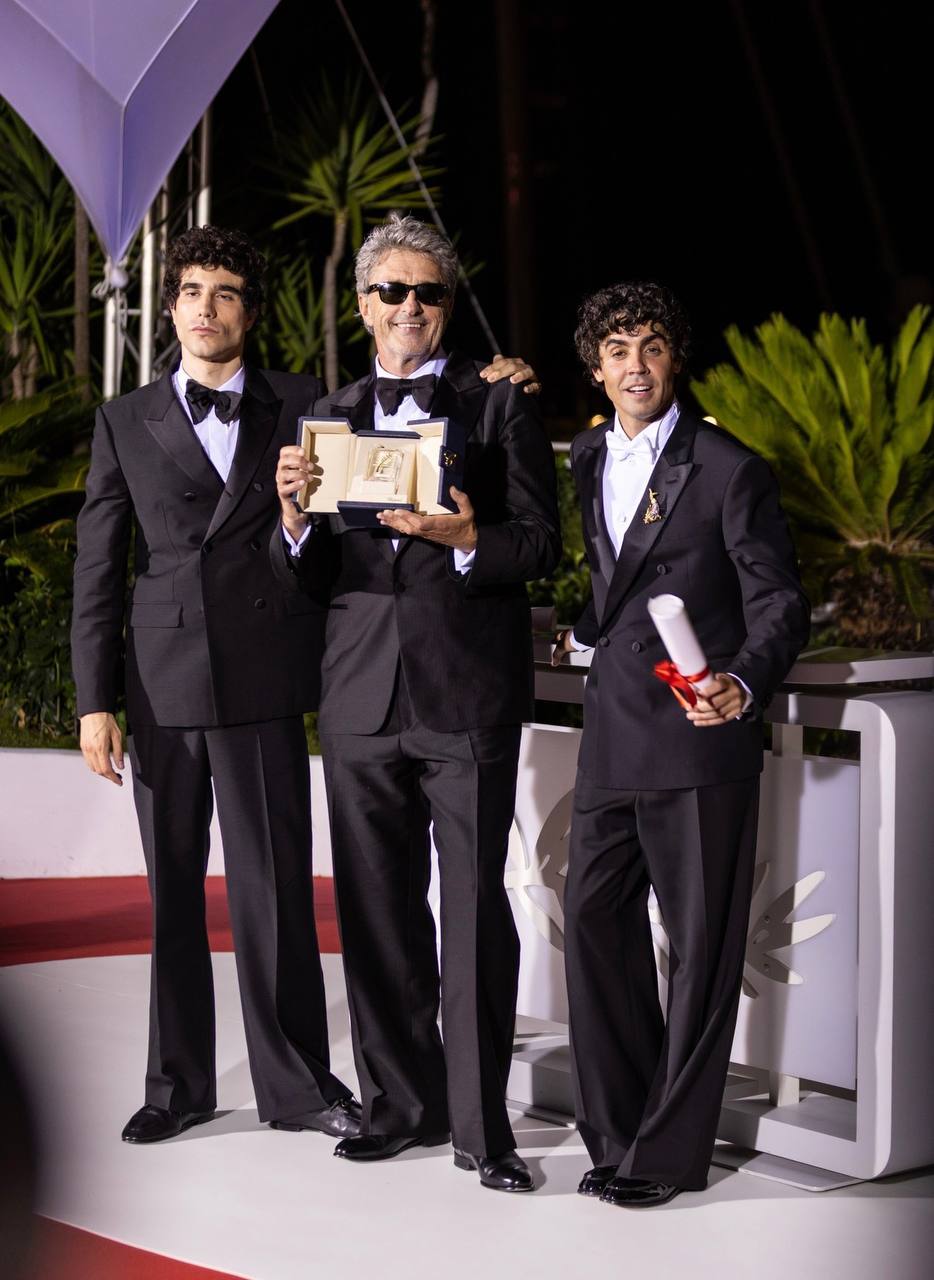
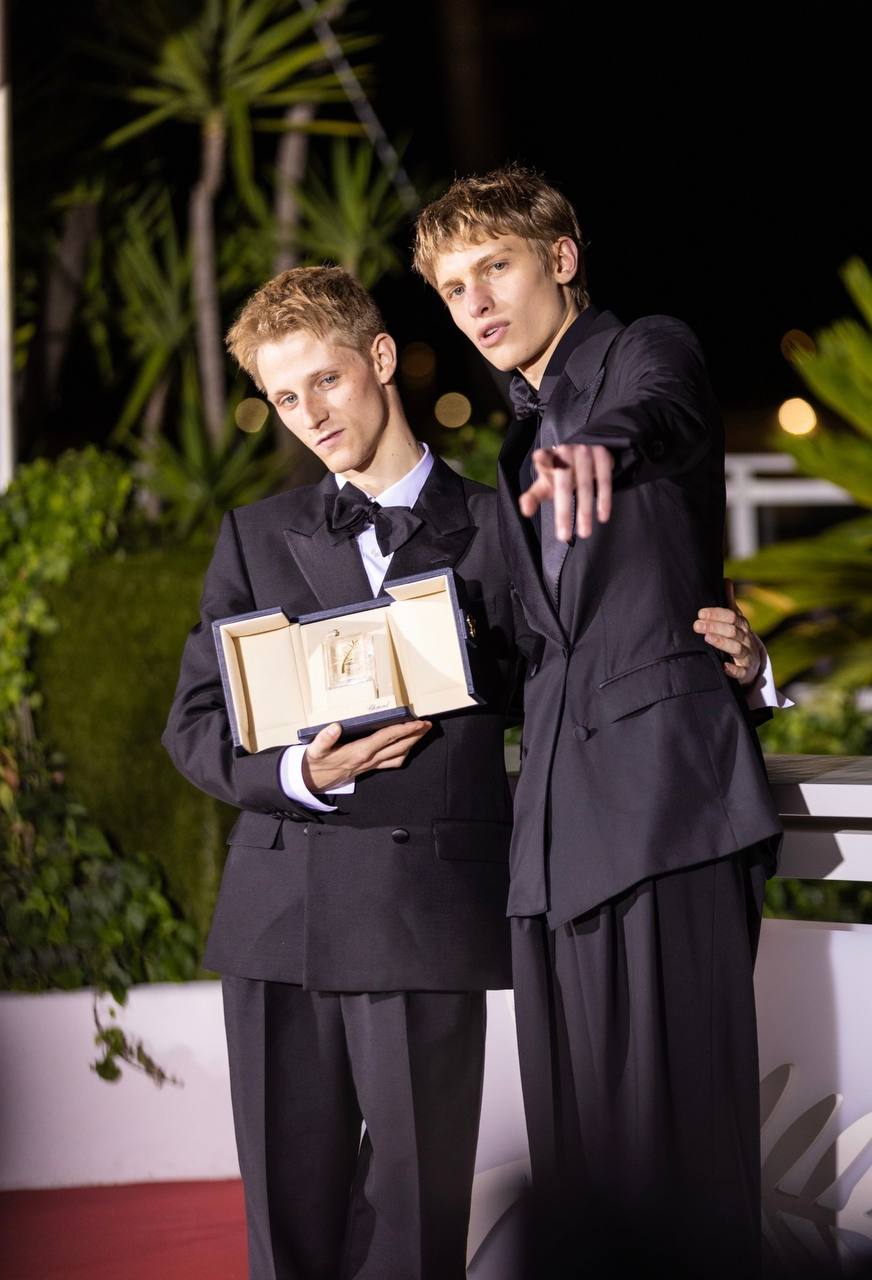
Another shared award, the prize for directing, went to Paweł Pawlikowski for Fatherland and to the Spanish duo Los Javis for La bola negra. These were two almost opposite directorial works. Pawlikowski’s film is a compressed black-and-white work about the German writer Thomas Mann, who returns to Germany in 1949 after exile and finds himself in a country where the word “homeland” can no longer be pronounced. Pawlikowski received the directing prize at Cannes in 2018 for Cold War.
Los Javis made a large Spanish film about three men in different eras, about Lorca, the Civil War, repressed sexuality and memory. That is why the shared prize looks logical: the jury recognised one theme, but two different directorial views of it.
The Jury Prize went to Valeska Grisebach’s Das geträumte Abenteuer, a drama about a small Bulgarian town where fear, criminal ties and the past begin to show through the surface of quiet life. The screenplay prize went to Emmanuel Marre for Notre salut, a film about France in 1940 and a man who tries to justify his accommodation with the Vichy regime as service to the country.
In the end, not all critics saw courage in the distribution of the awards. Il Manifesto directly called it a “palmarès without much freedom”: in effect, the jury chose strong but fairly safe films by well-known auteurs. Many publications wrote that the festival did not discover a new name this year, did not change the idea of contemporary cinema, but drew up a careful summary: serious subjects, recognised directors and quality filmmaking were rewarded, without any real risk.
Outside the competition, the industry was discussing how much of the human would remain in the cinema of the future. Closed panels on AI were held at the market, and Meta became an official partner of the festival. Cannes drew a line: AI as a tool is acceptable, but a film in which generative technology effectively replaces the author cannot compete for the Palme d’Or.
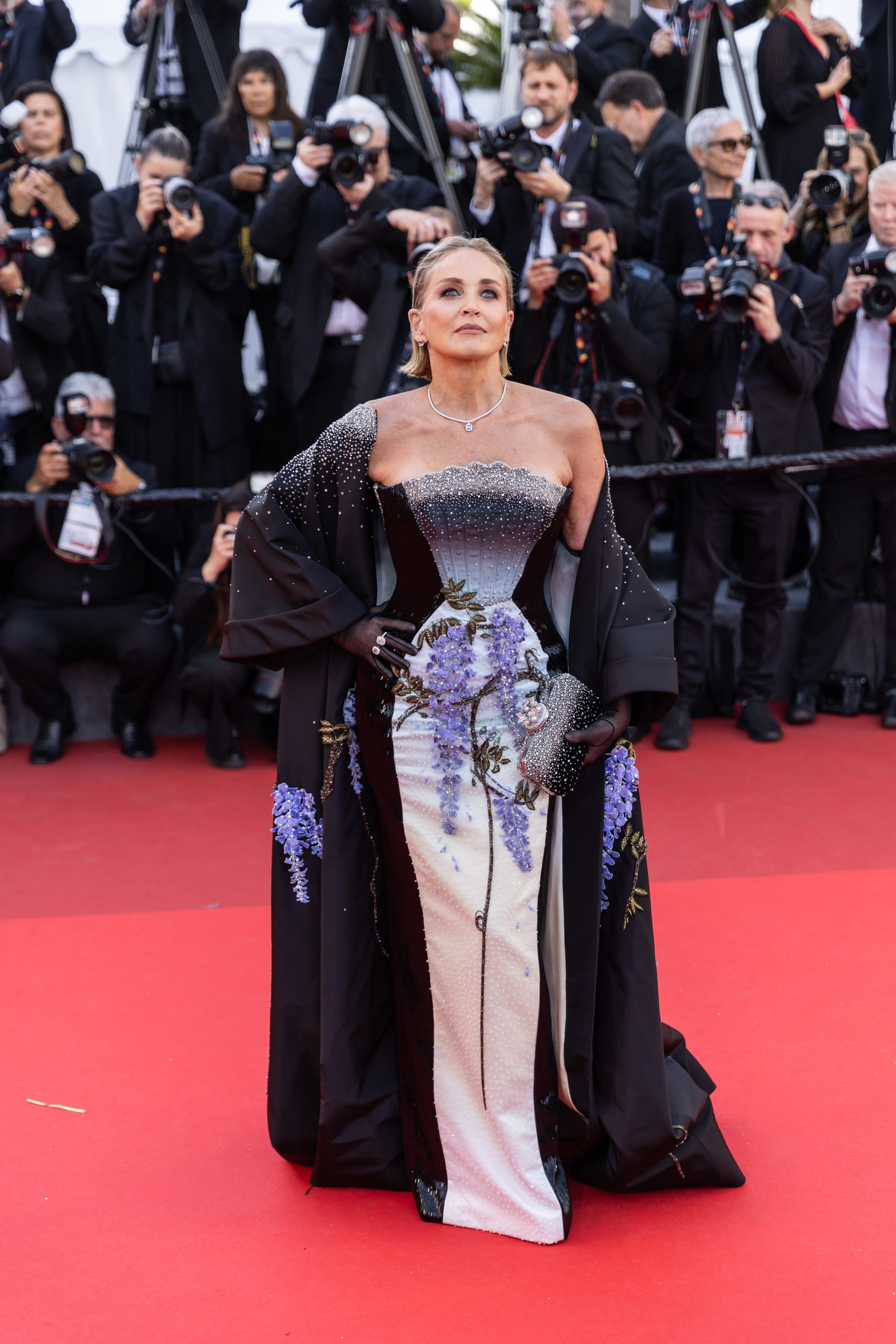
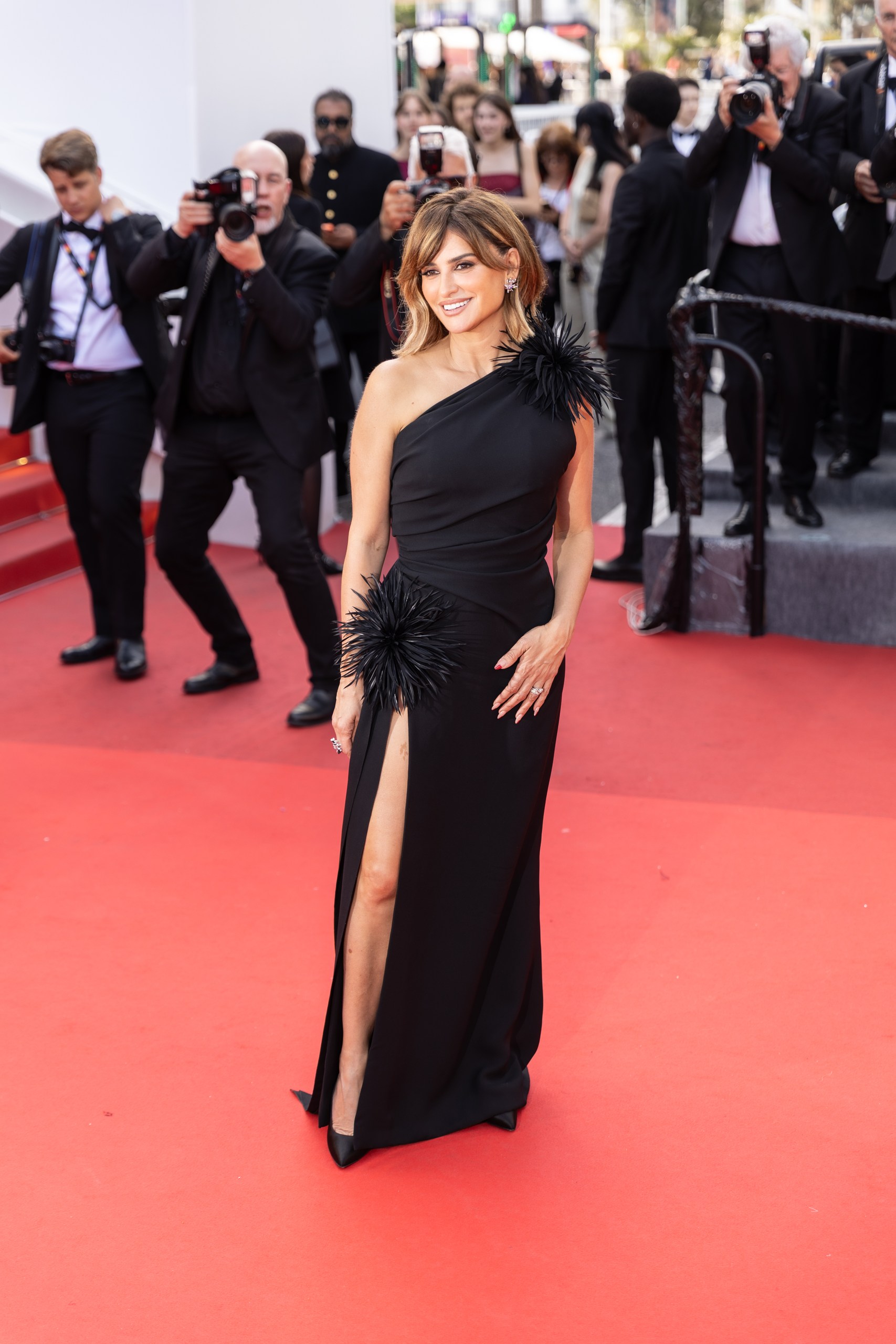
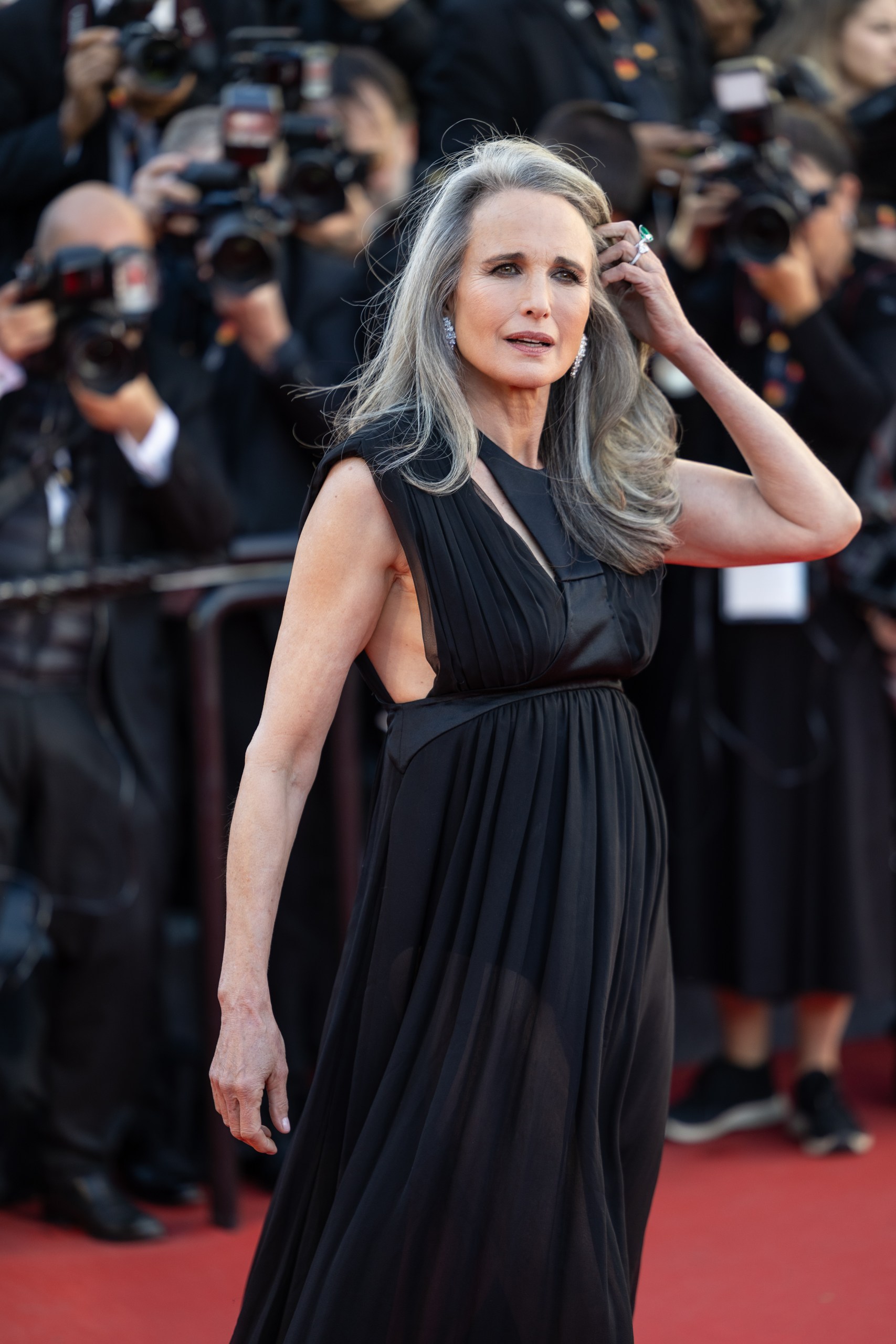
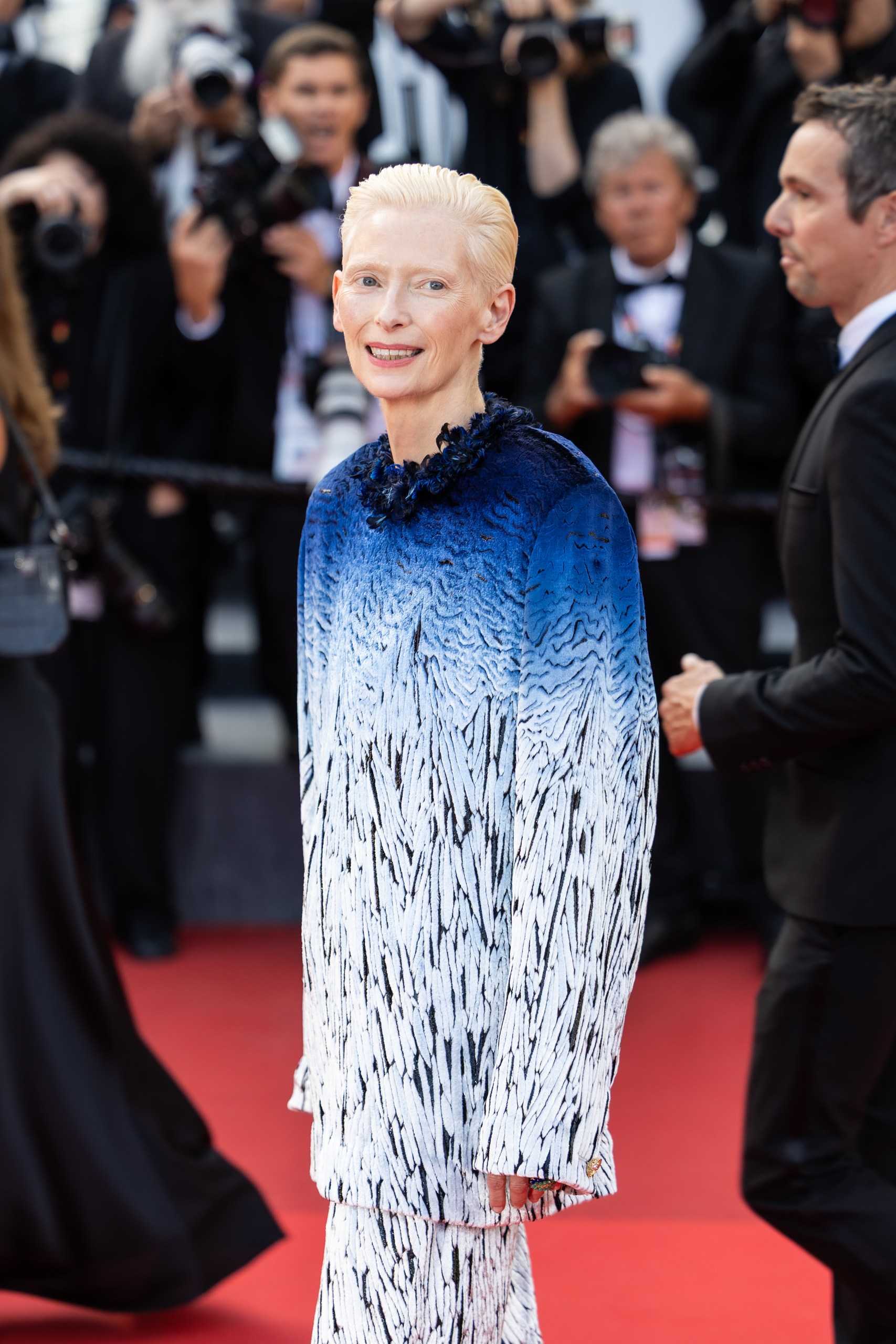
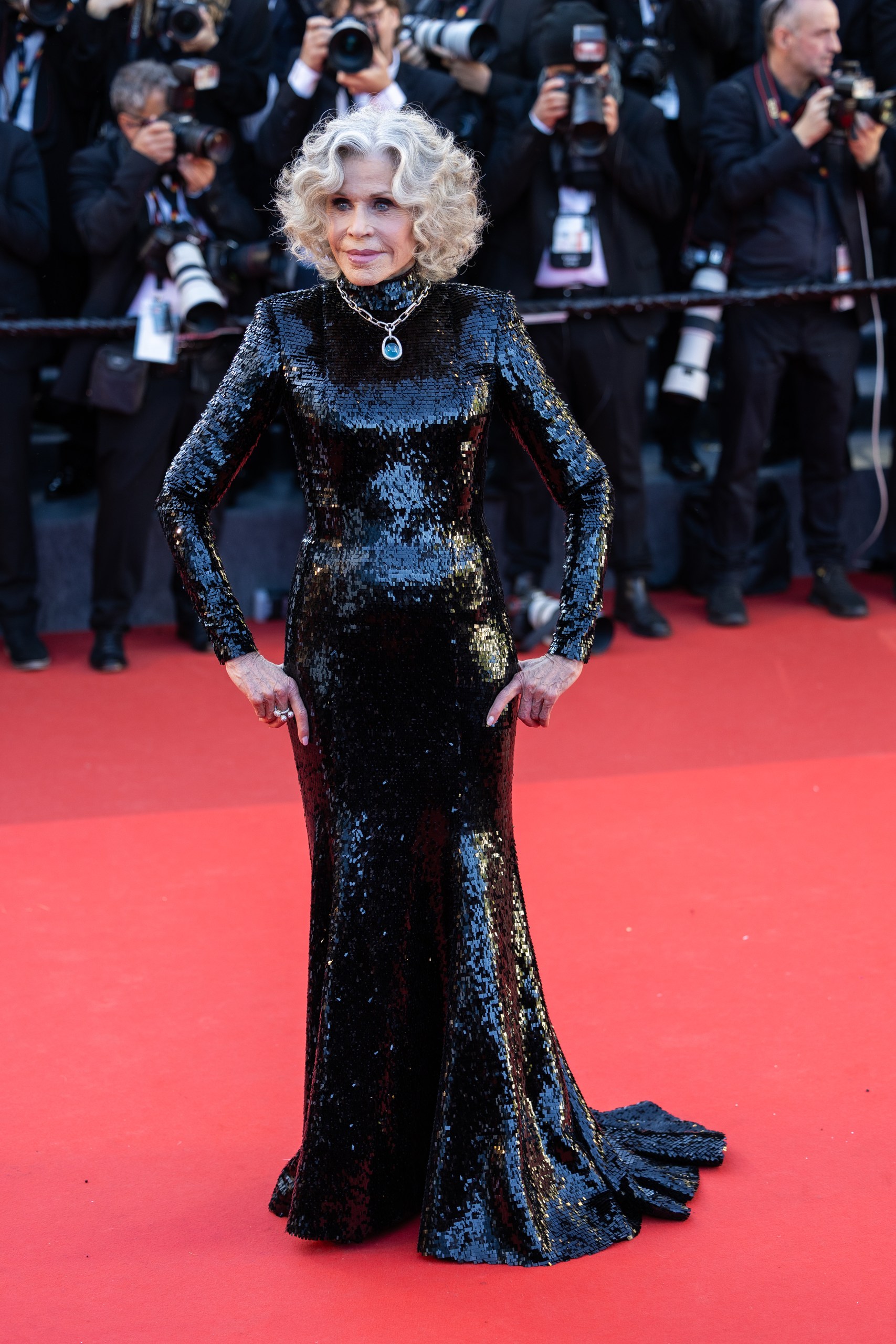
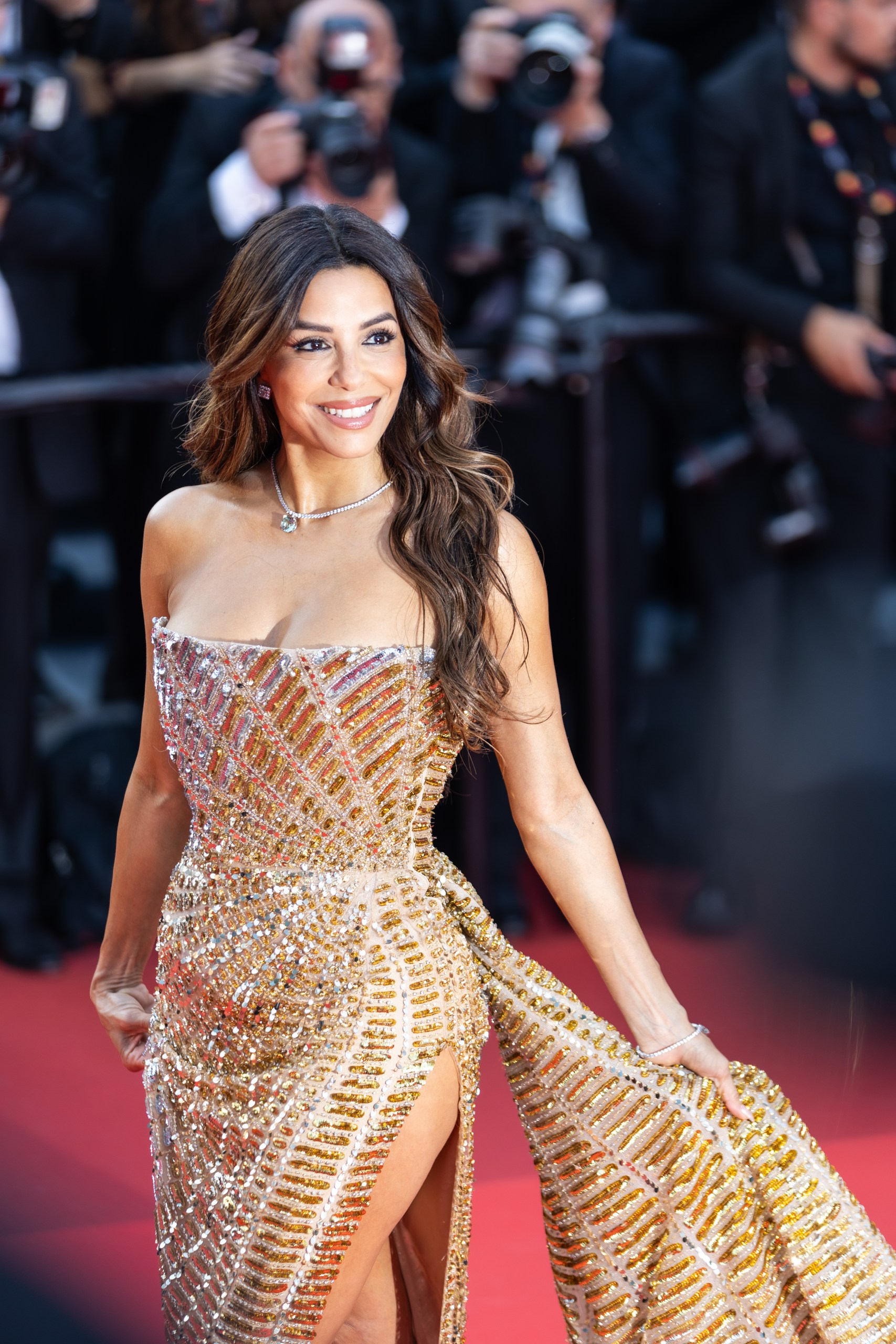
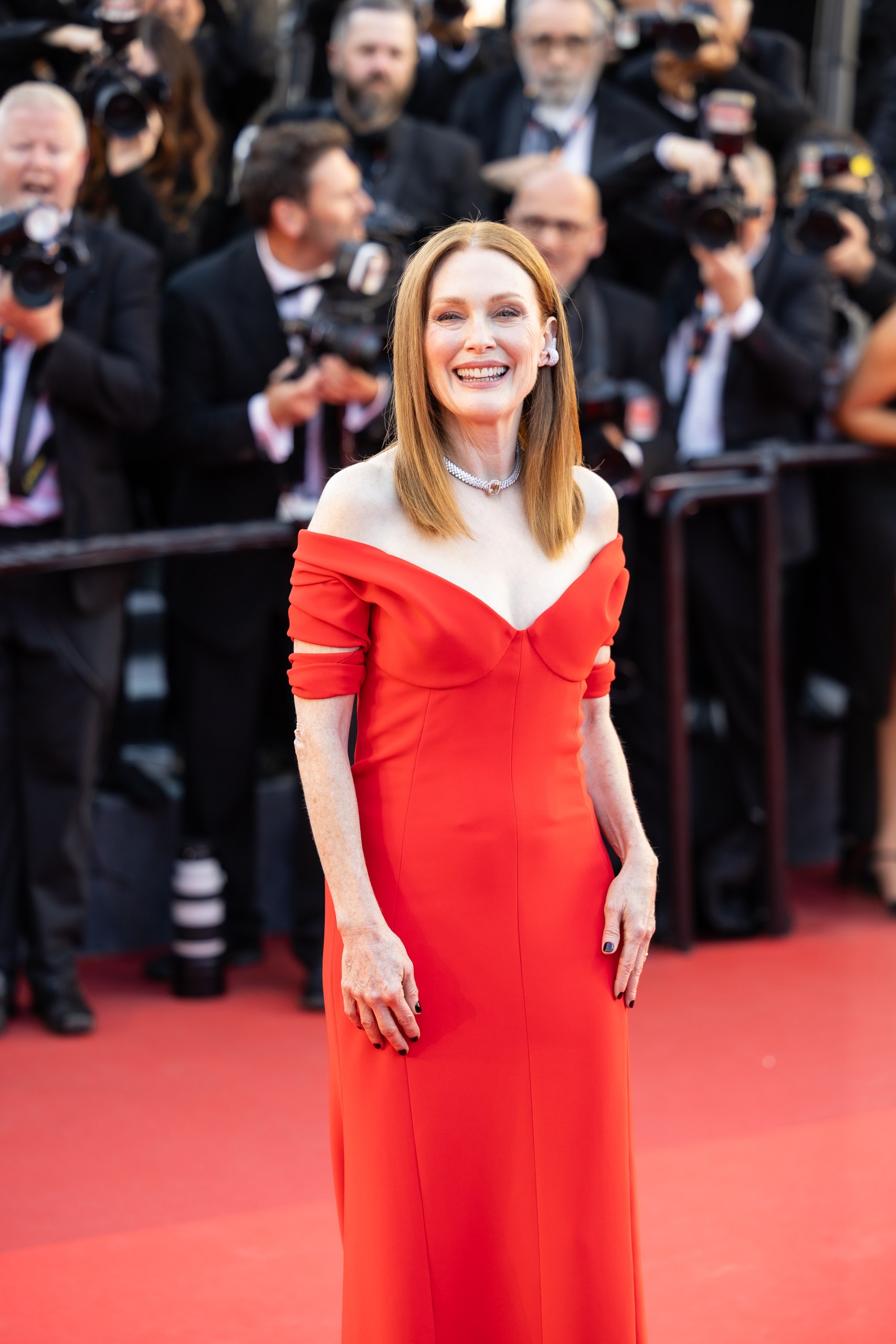
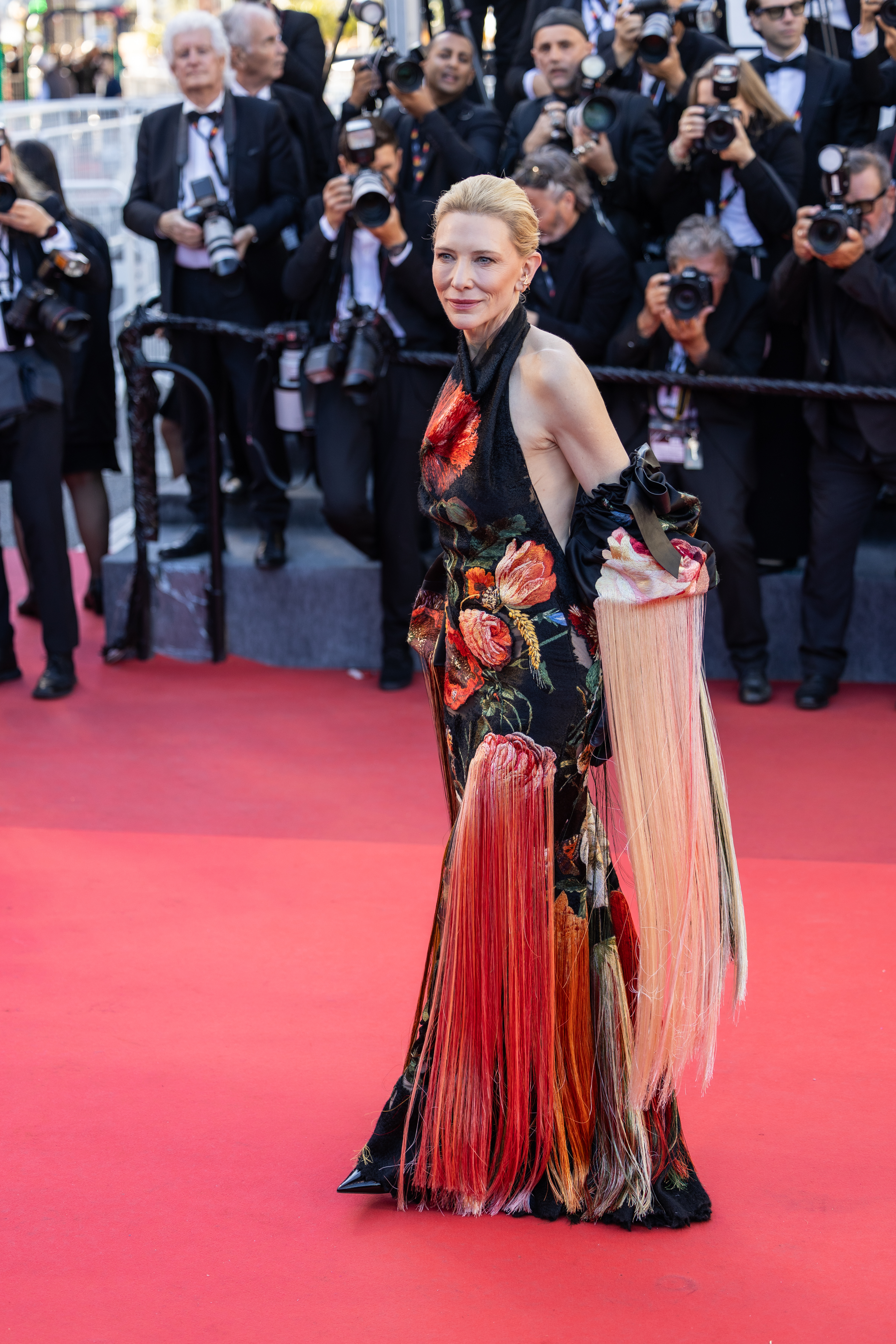
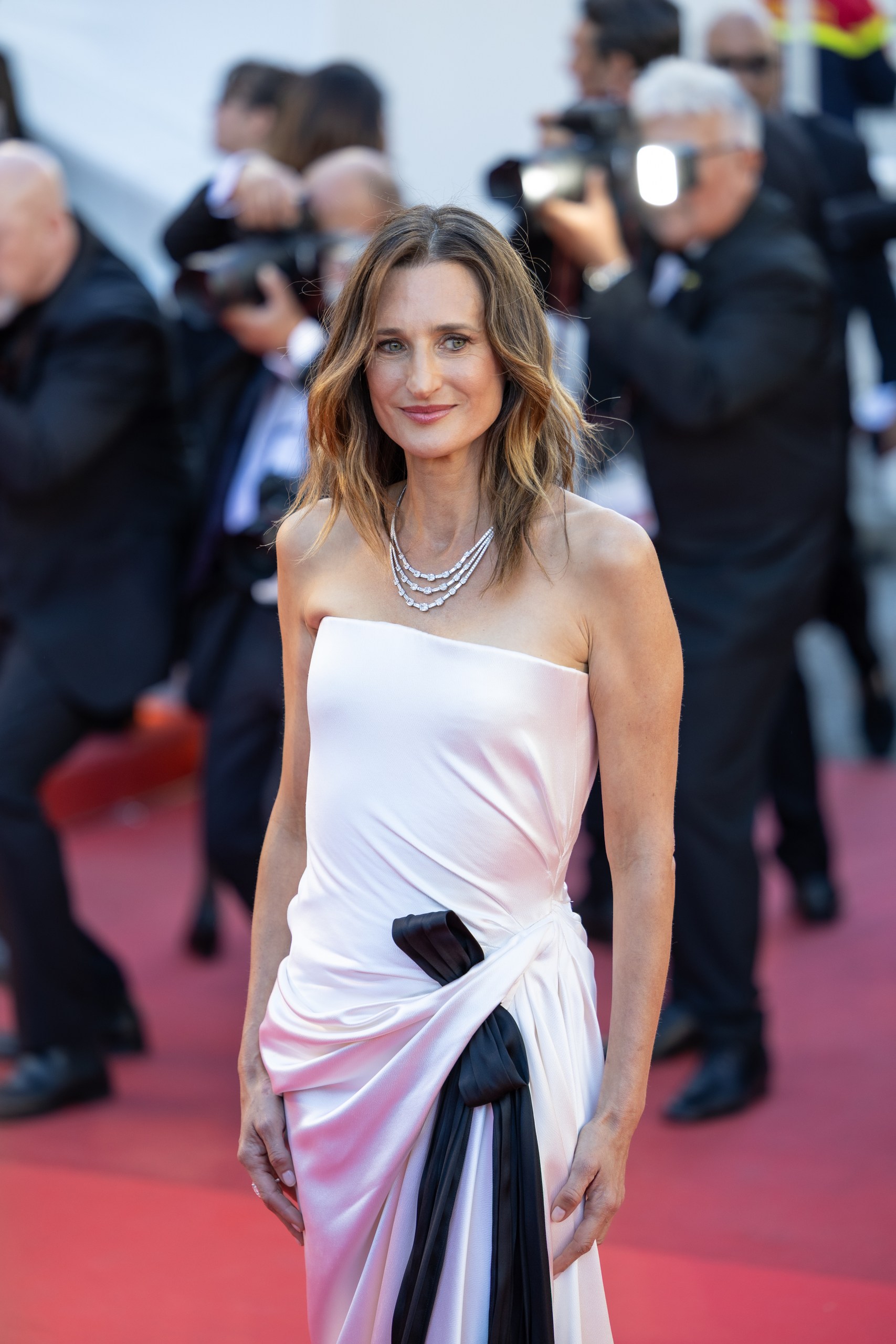
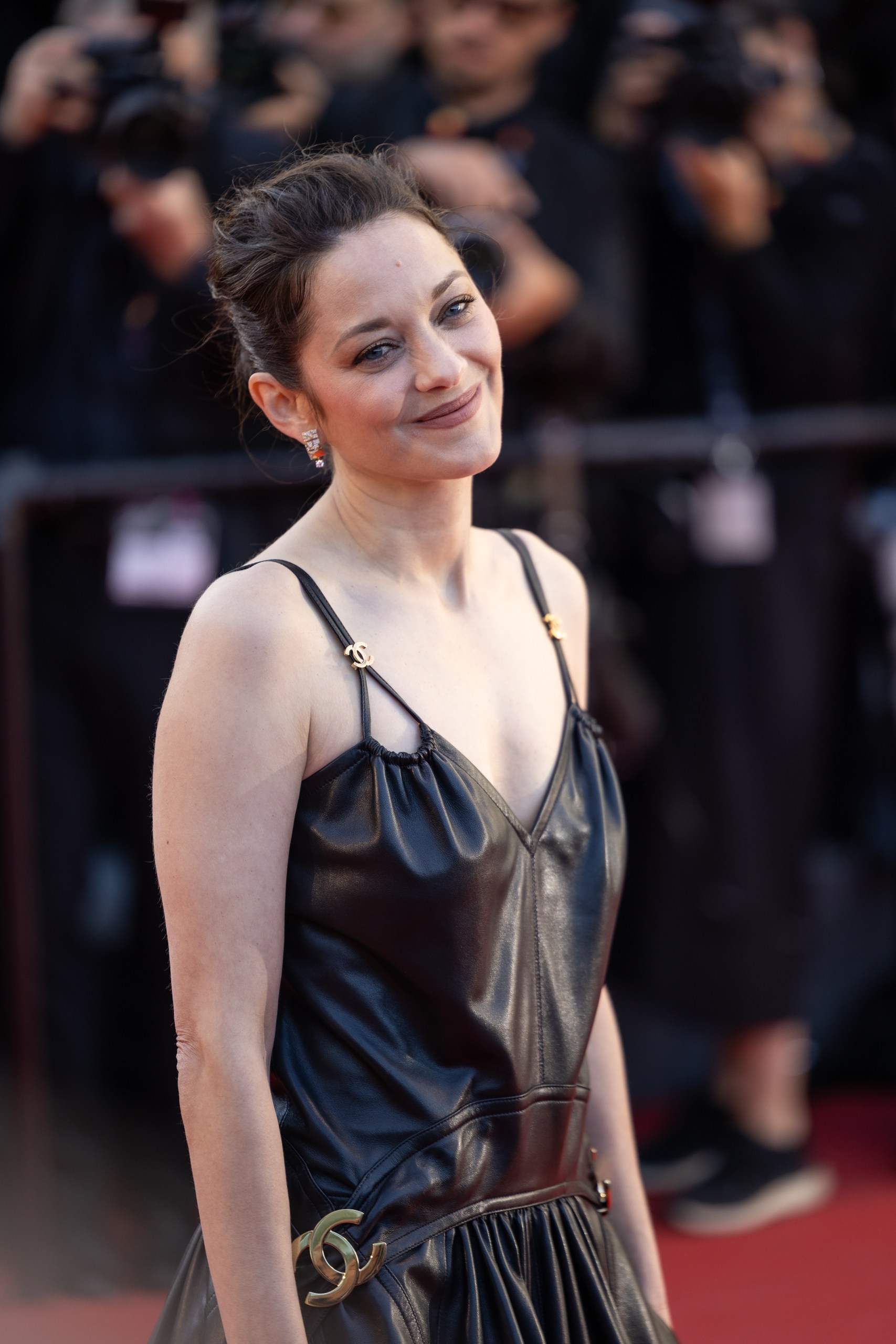
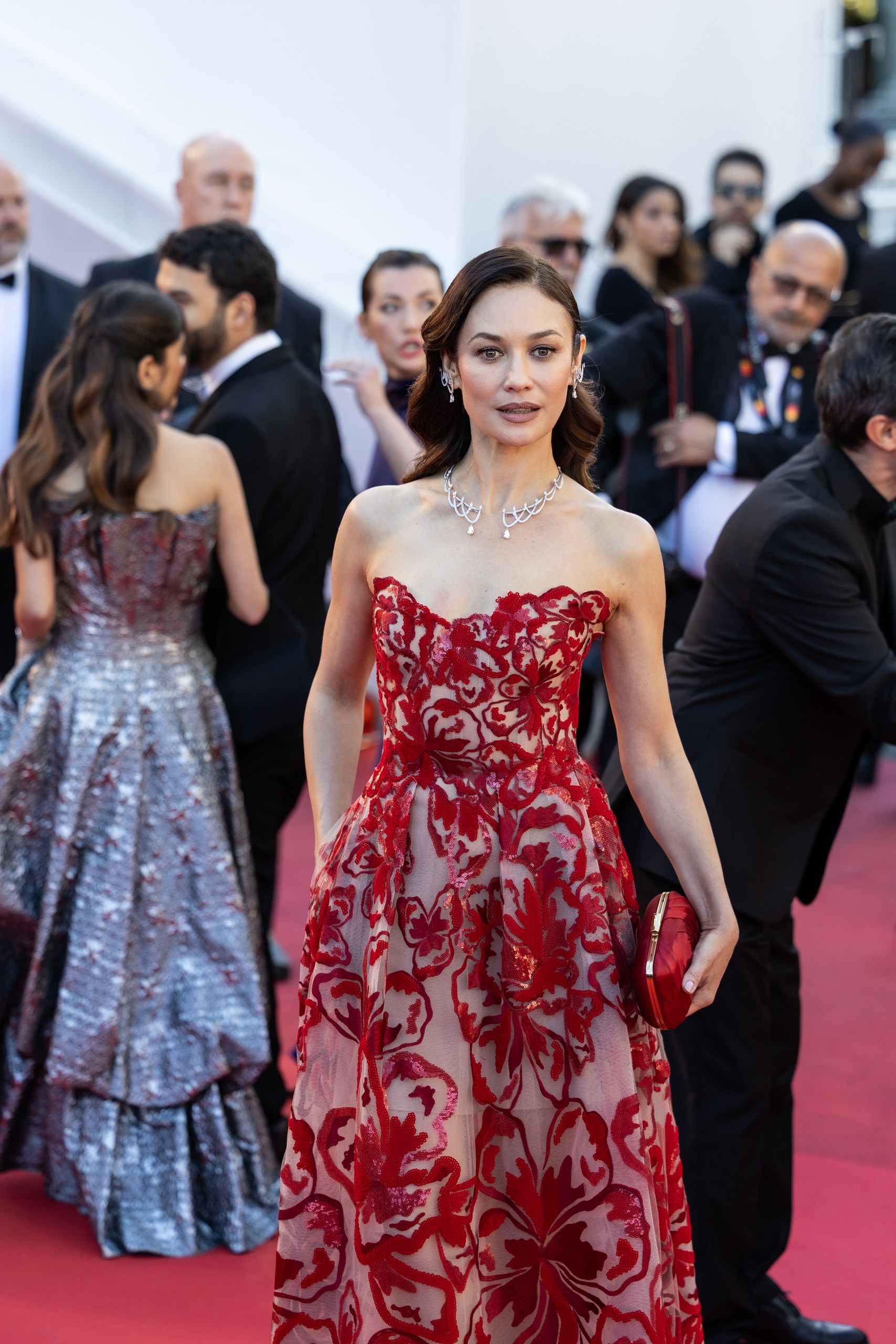
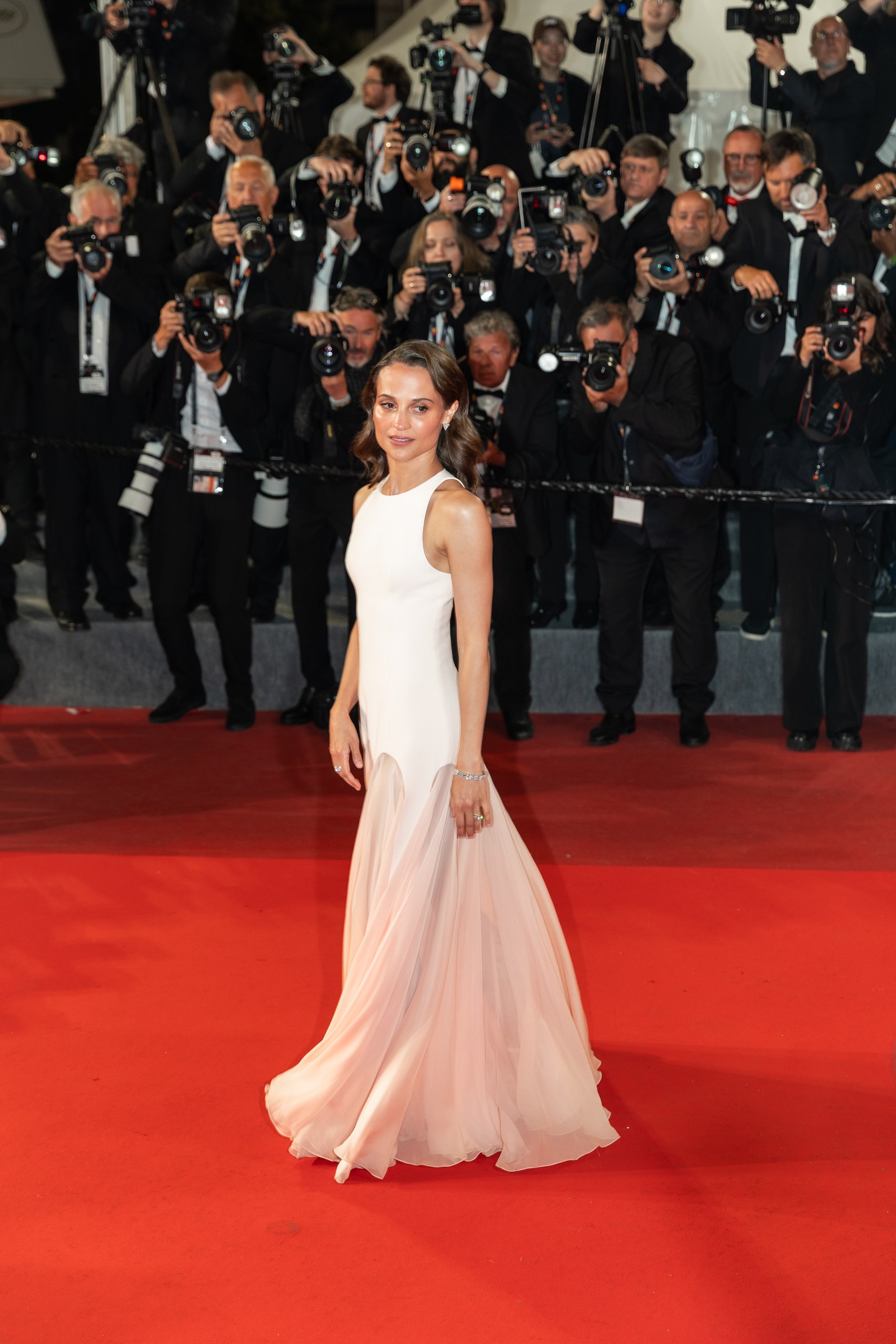
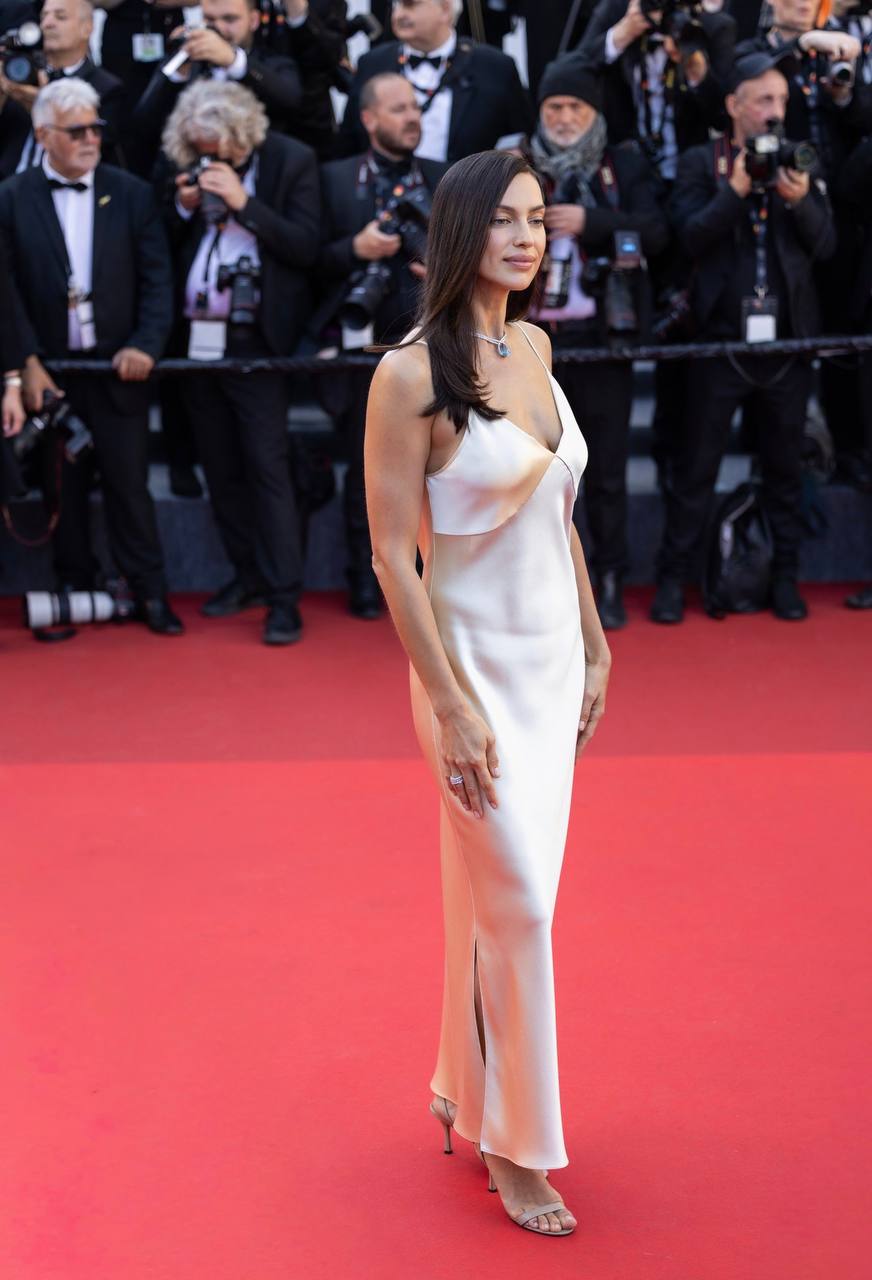
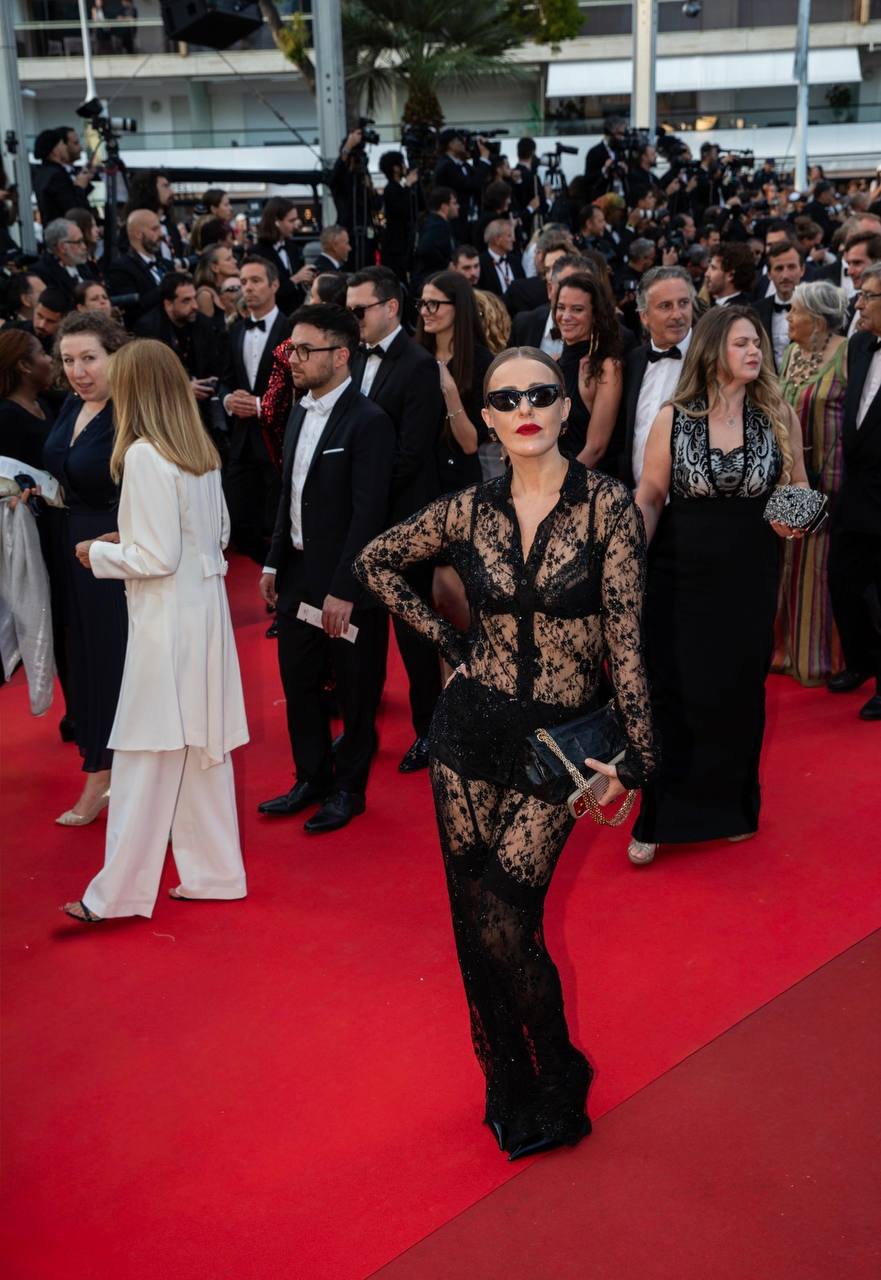
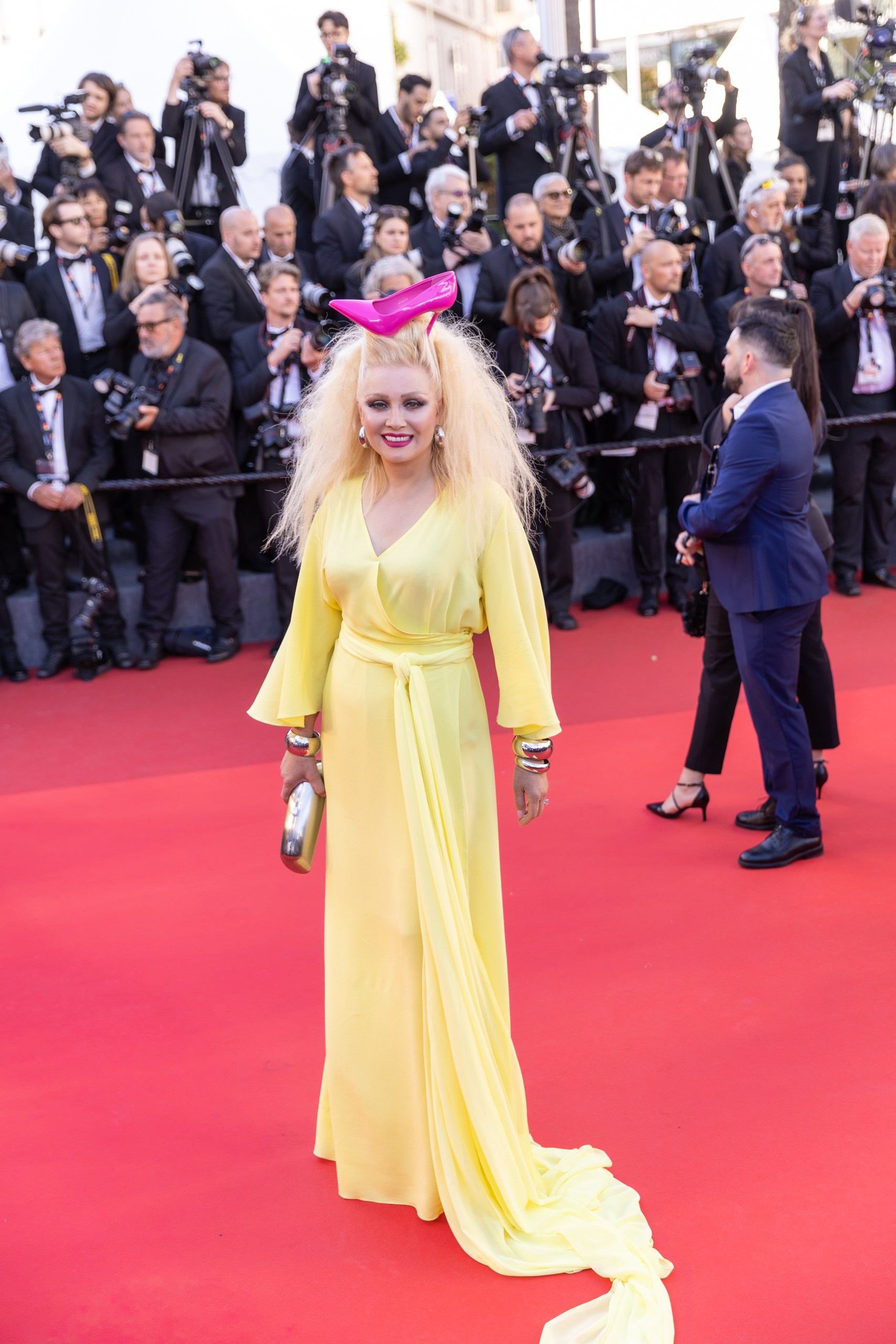
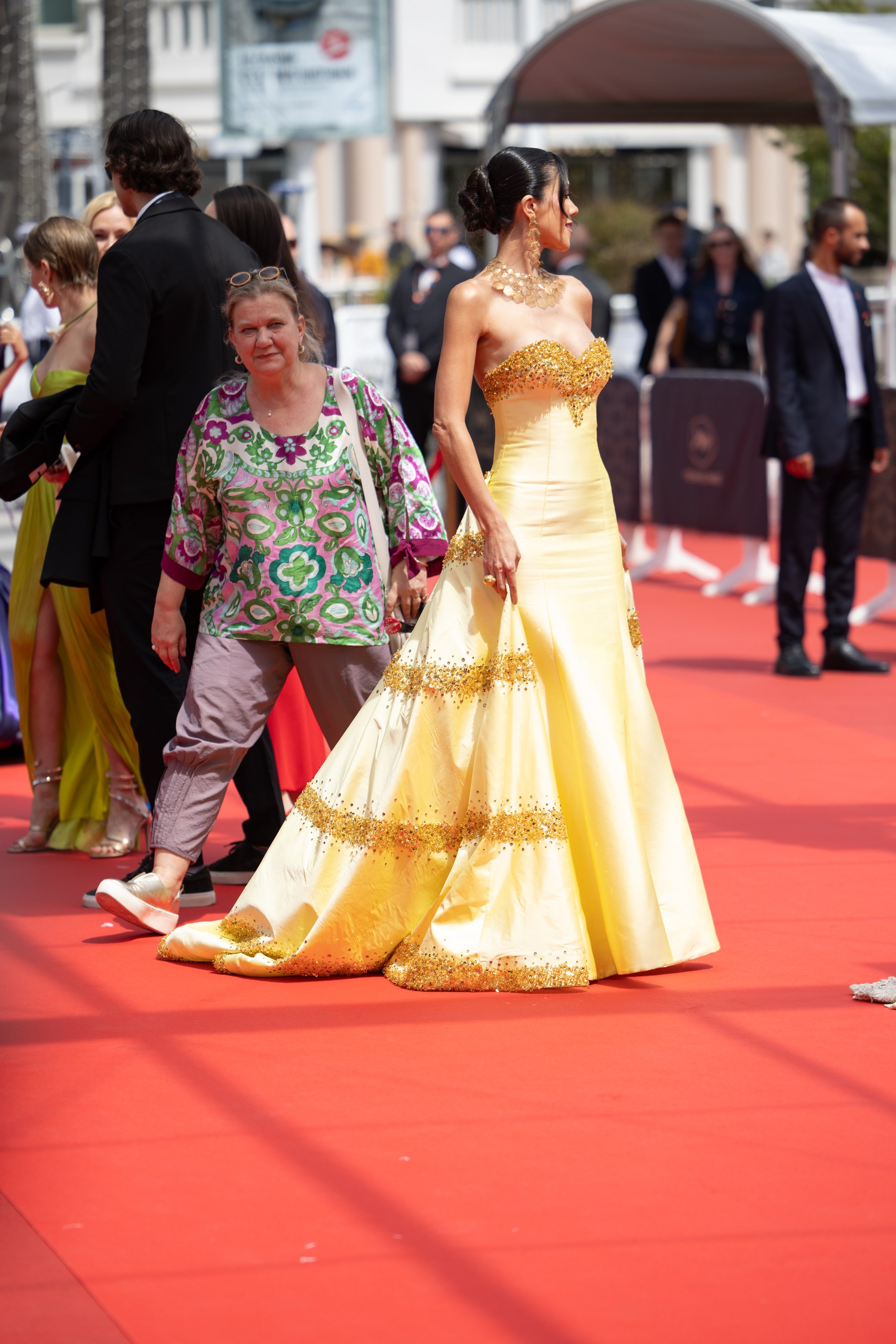
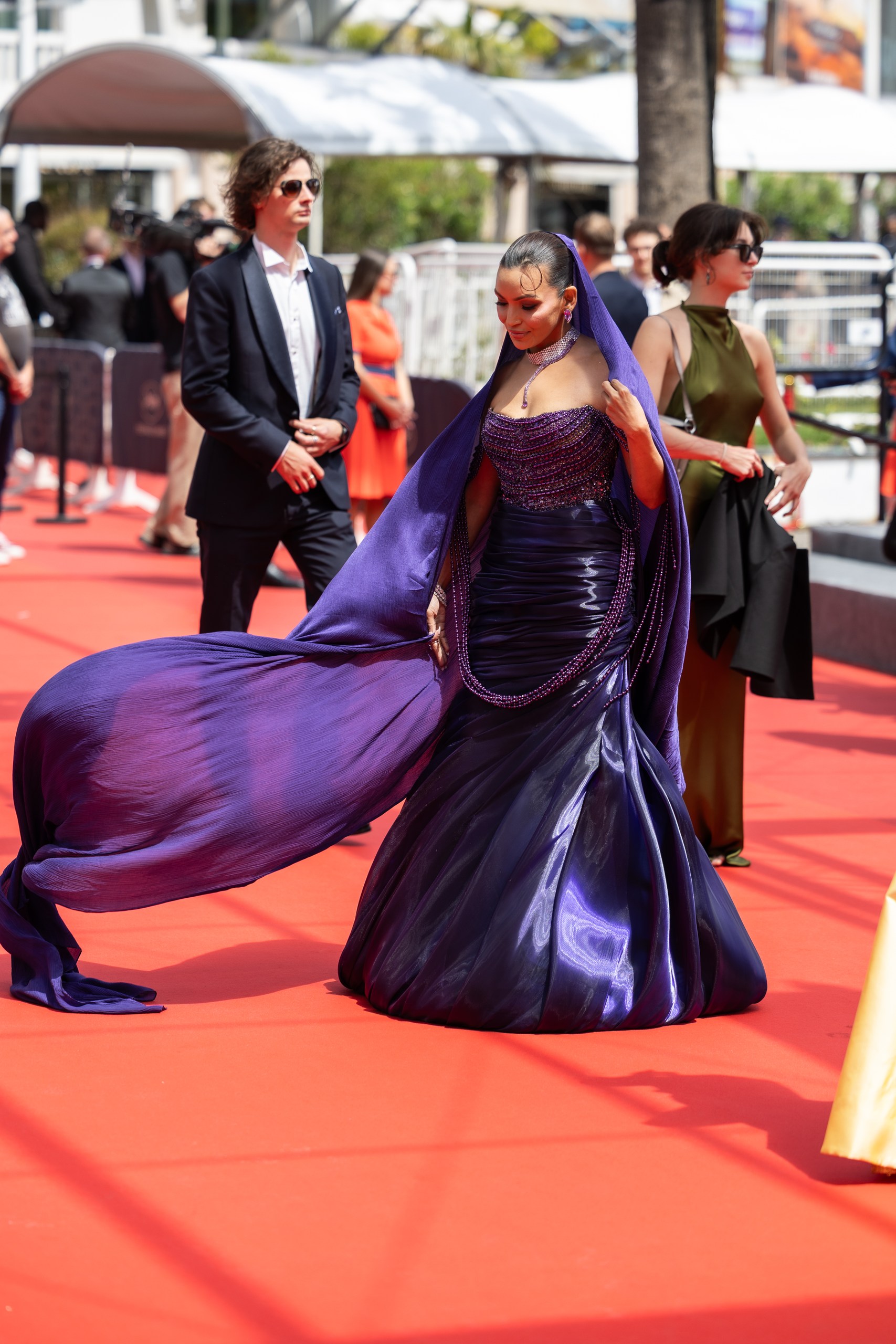
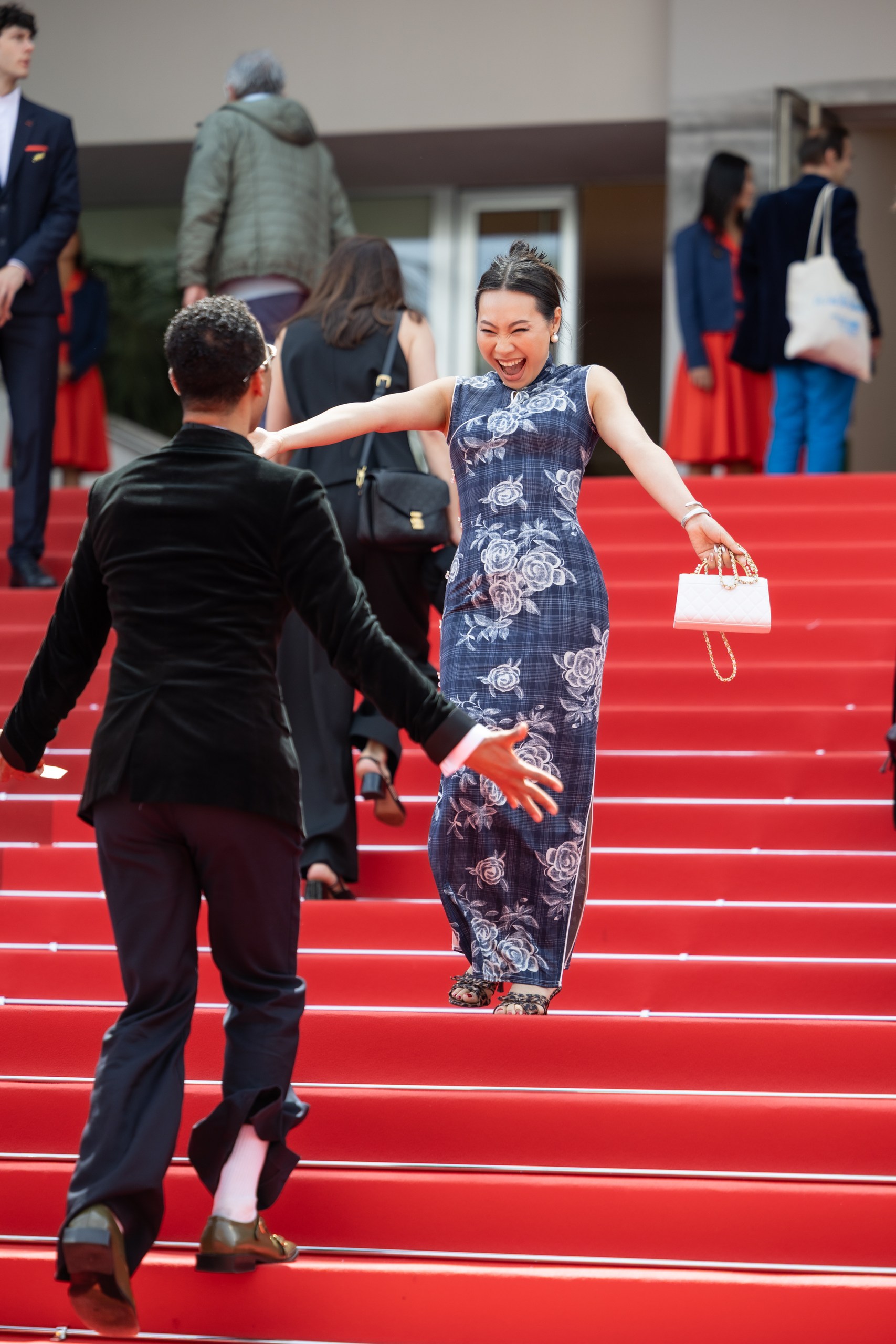
And while critics argued about the films by Mungiu, Zvyagintsev, Pawlikowski and AI, the festival lived not only in serious conversations. The red carpet, dresses, dress code, star appearances, accidents. These are the things from which the next day’s festival new arise.
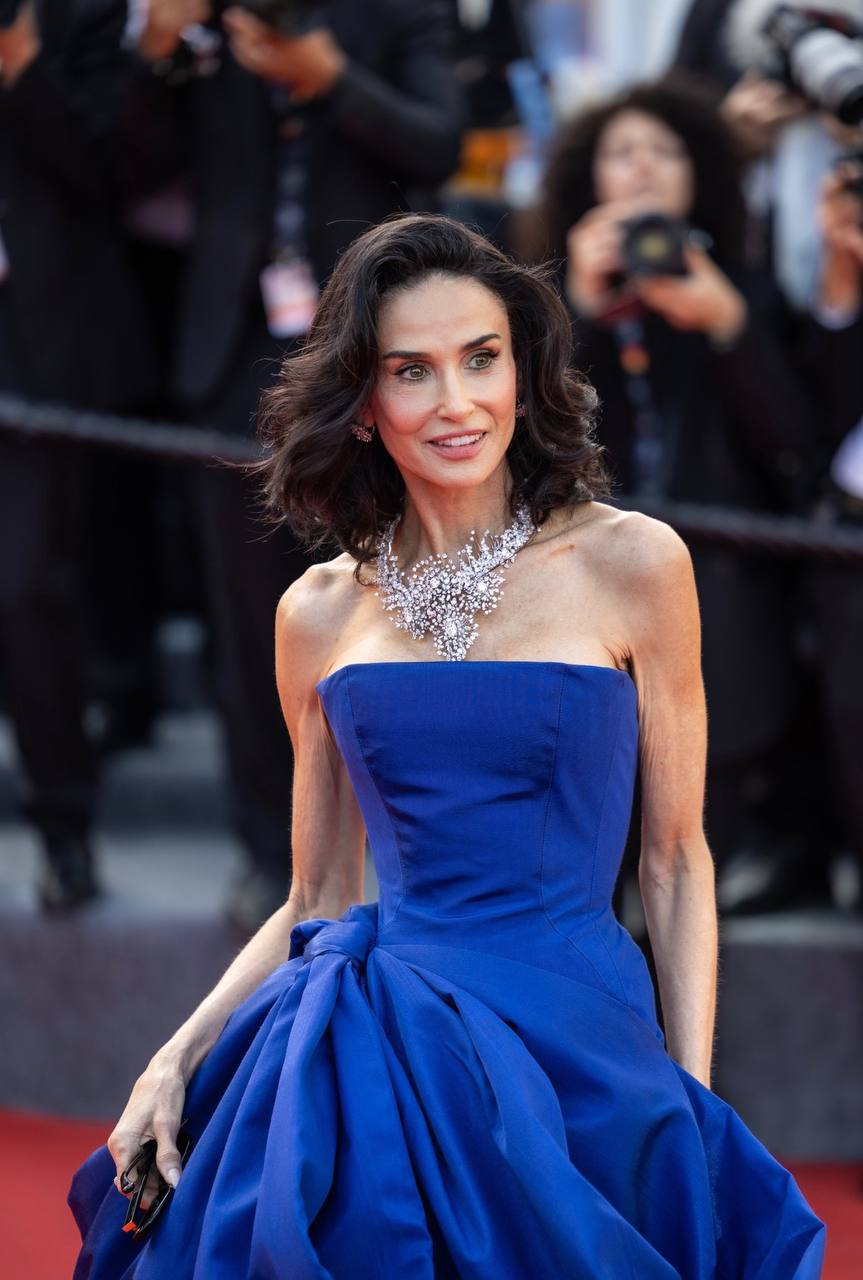
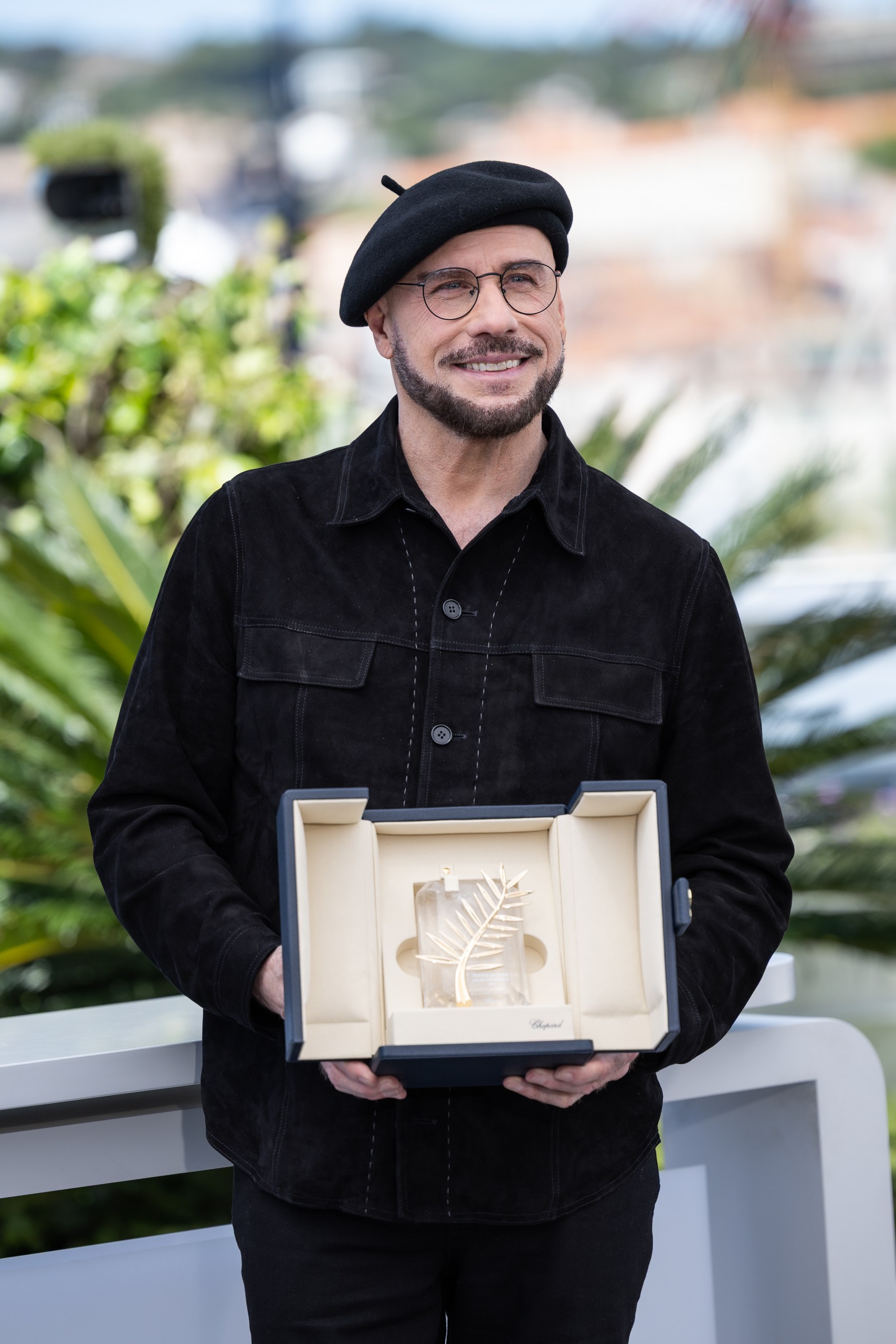
Demi Moore, a member of the main competition jury, gave the press a new reason almost every day to discuss another appearance: her wardrobe turned into a separate parallel programme of Cannes. Kristen Stewart once again demonstratively walked the red carpet in sneakers instead of the elegant shoes prescribed by the dress code. John Travolta received an honorary Palme d’Or, cried on stage, and was unexpectedly remembered in the festival’s society pages for his charming berets. After the screening of Paper Tiger, director James Gray decided to intensify the ovation by calling Scarlett Johansson on FaceTime, but Scarlett did not answer, and her voicemail played for the whole auditorium. This, usually, is how a film festival unfolds: between major cinema, emotion, and the glittering, slightly absurd human fuss around it.
Photo by @Tatiana Volobueva