Fashion Revolution: What Do We Buy Together with a Dress?

Not so long ago, fashion answered only two questions: what is a dress made of and who designed it? First, we chose fabrics: silk, linen, wool and cotton. Later came synthetic materials, making clothing more affordable and practical. Then came the era of designers, when the name of a fashion house became almost more important than the fabric itself. Today, a new revolution is beginning. Perhaps the quietest one in the history of the fashion industry. Gradually, we are starting to buy something else together with a dress — information.
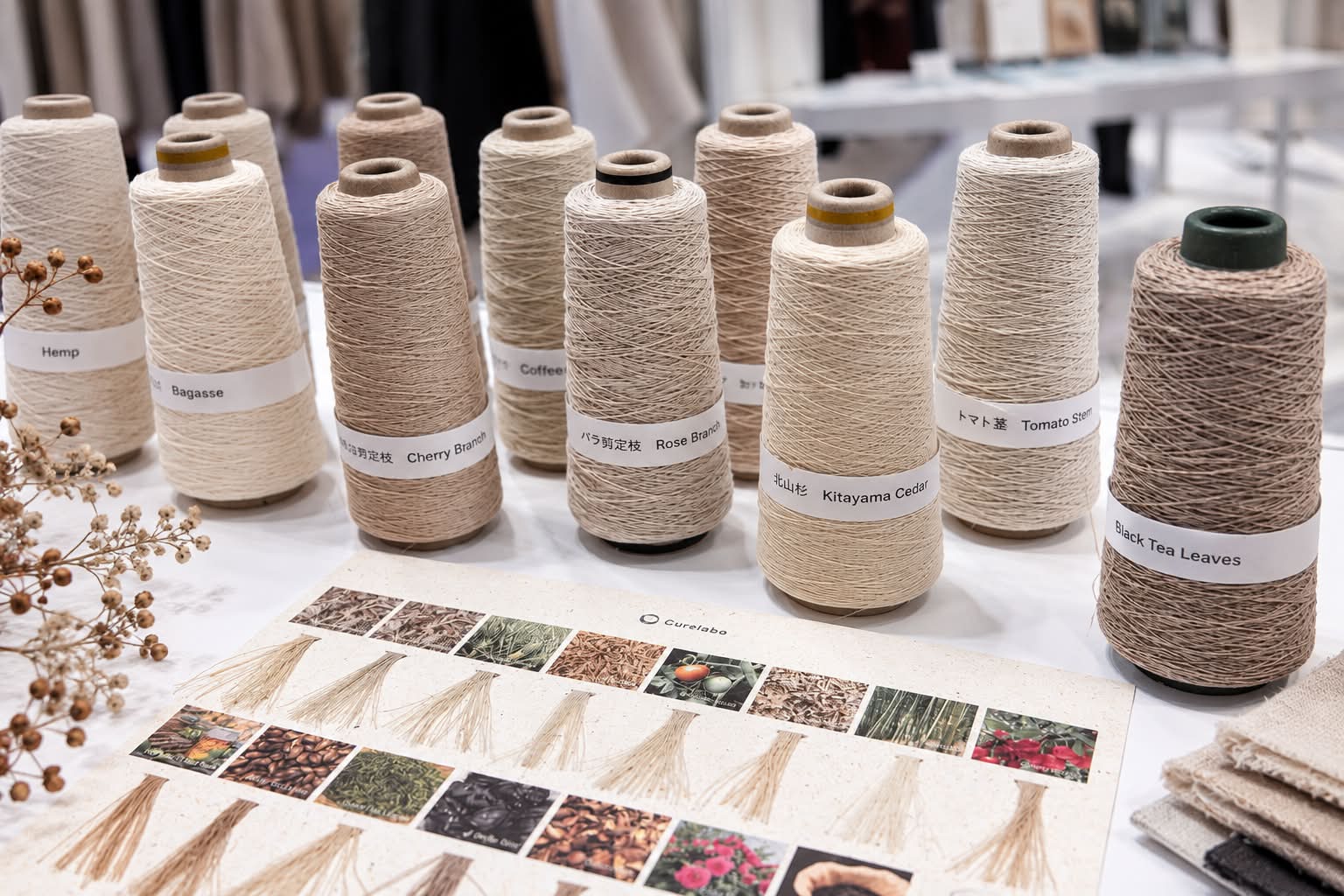
Where was the raw material grown? Which factory produced the fabric? Who made the garment? Can it be repaired? Can it be recycled? What will happen to it in ten years’ time? Only a few years ago, these questions were mainly of interest to industry specialists. Today, they are becoming part of a new fashion reality. The reason is not that brands have suddenly become more sustainable — the rules of the game are changing.
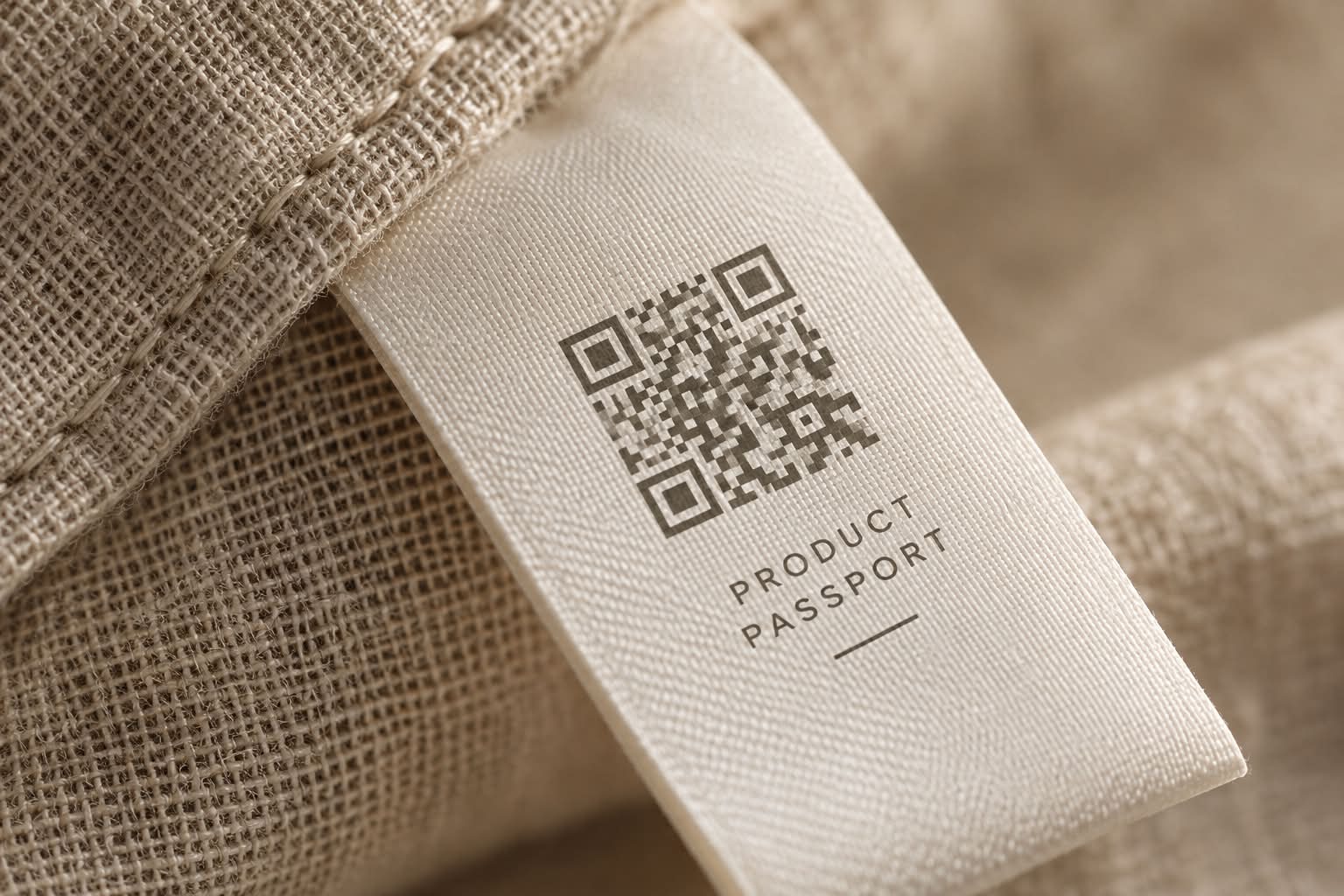
The European Union is gradually introducing new requirements for the textile industry. In the coming years, garments will begin to receive Digital Product Passports (DPP) – digital records containing the full story of an item: the origin of its materials, its production journey, composition, repair options and recycling potential. At the same time, the principle of Extended Producer Responsibility (EPR) is being introduced. This means that brands must think not only about selling a product, but also about what will happen to it at the end of its life.
For the first time in many decades, the very definition of a quality product is changing. It is no longer enough to create a beautiful dress. It is equally important to understand whether it will meet the expectations of the future. That is why the world’s leading fashion brands are investing not only in new materials, but also in digital infrastructure, supply chain traceability and production transparency.

A good example is Stella McCartney. The brand has long been associated with sustainable fashion and innovative materials. Today, however, its work goes far beyond fabric choices. Stella McCartney is already testing Digital Product Passports, using technologies to trace the origin of materials, introducing digital systems to verify supply chains and openly stating that it is preparing its collections for future European requirements. In fact, the brand is designing not only clothing, but also its digital identity.
It is important to understand that this revolution will not happen overnight. Today, the most significant changes are taking place across the European Union. The UK is moving in a similar direction, developing its own regulatory framework. In the United States, there are still far fewer nationwide mandatory requirements, while many Asian countries continue to follow their own approaches. However, the European market is now setting the direction for the global fashion industry, which is why international brands are already beginning to adapt.
Over the next five years, we are likely to see these new requirements introduced step by step. Within ten to fifteen years, they may become as familiar a part of clothing as the fabric composition label sewn inside every garment today. But this fashion revolution does not have only one direction. Some brands are preparing for the future through digital transparency, innovative materials and supply chain traceability. Others are moving towards the same goal through a deeper commitment to craftsmanship, longevity and timeless design.
Hermès is a good example of this second path. The French fashion house has built its sustainability story around products designed to last for decades, exceptional craftsmanship and a culture of repair. Many Hermès pieces are created to be used for a lifetime, while dedicated workshops help restore and preserve them rather than replace them. It is a different route to the same destination: creating products whose value does not end at the moment of purchase, but continues to grow over time.
The most interesting part is that most consumers will probably never notice the moment when this revolution is complete. We will still talk about new collections, favourite designers and the colours of the season. But at the same time, the value of a garment will no longer be defined only by the quality of its fabric or the prestige of its brand, but also by the story behind it.
Photo by Tasha Lapidus.