Learning to See: Paul Smith’s World at Selfridges

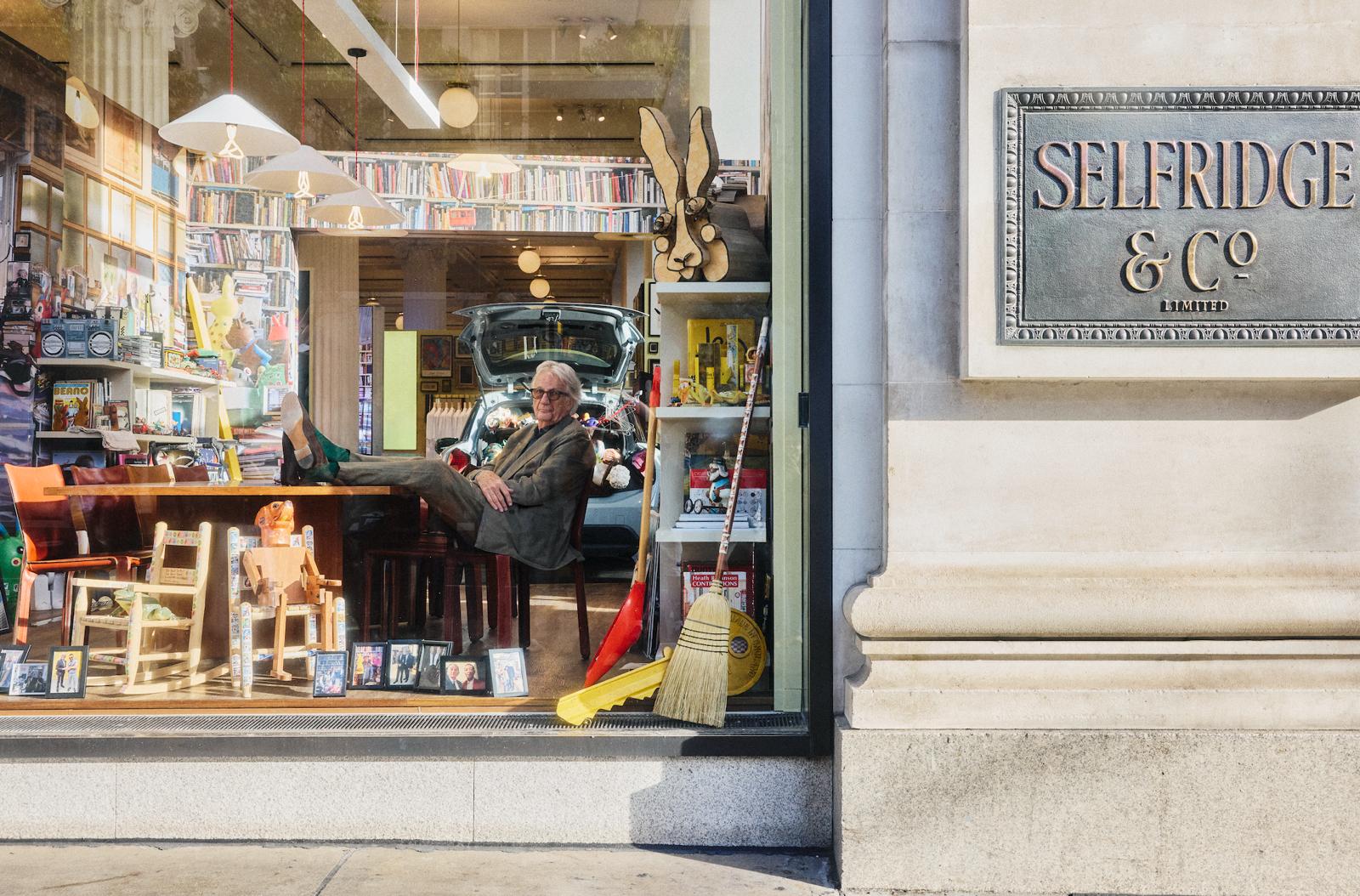
On 7 September, a Paul Smith corner opened at Selfridges, where it will remain until 19 September. Although “corner” is perhaps too dry a word for a space that feels more like a small immersive theatre.
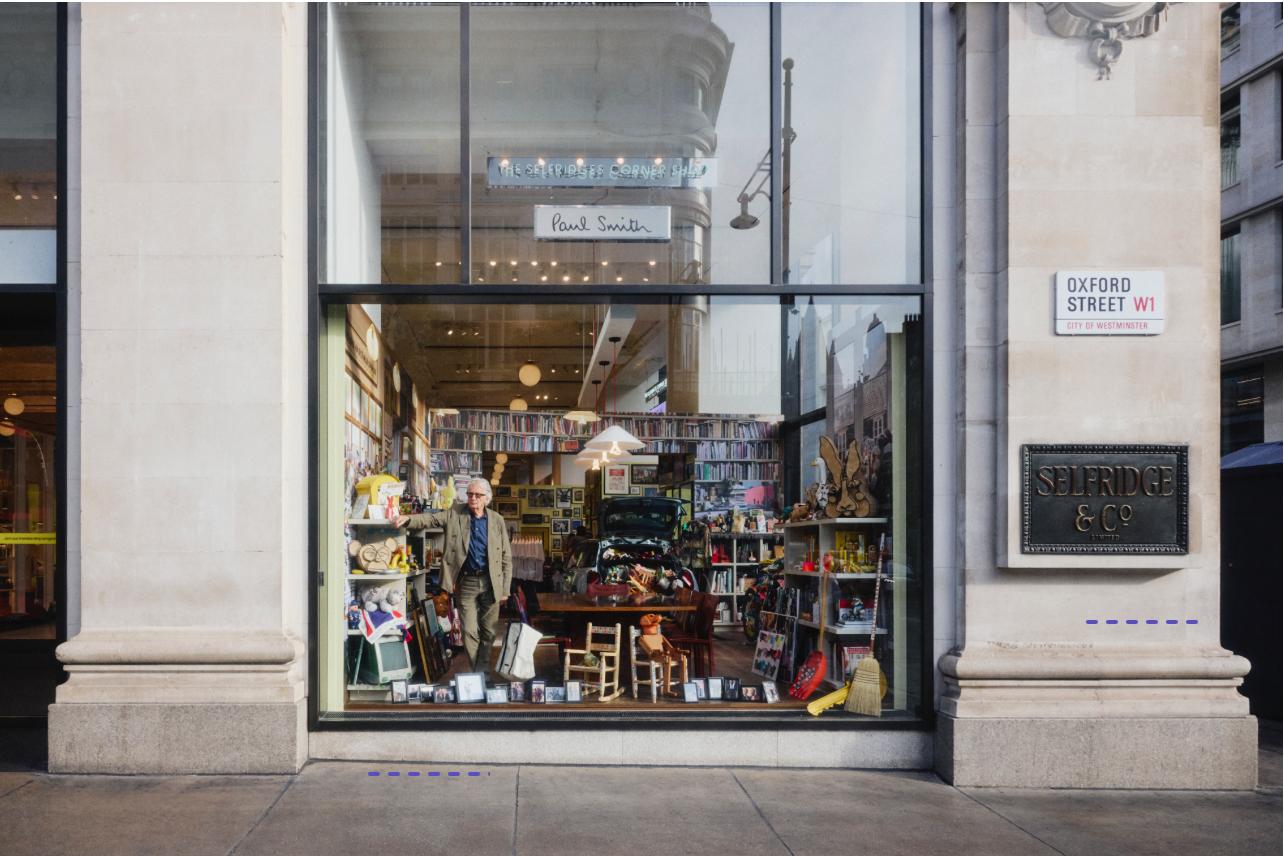
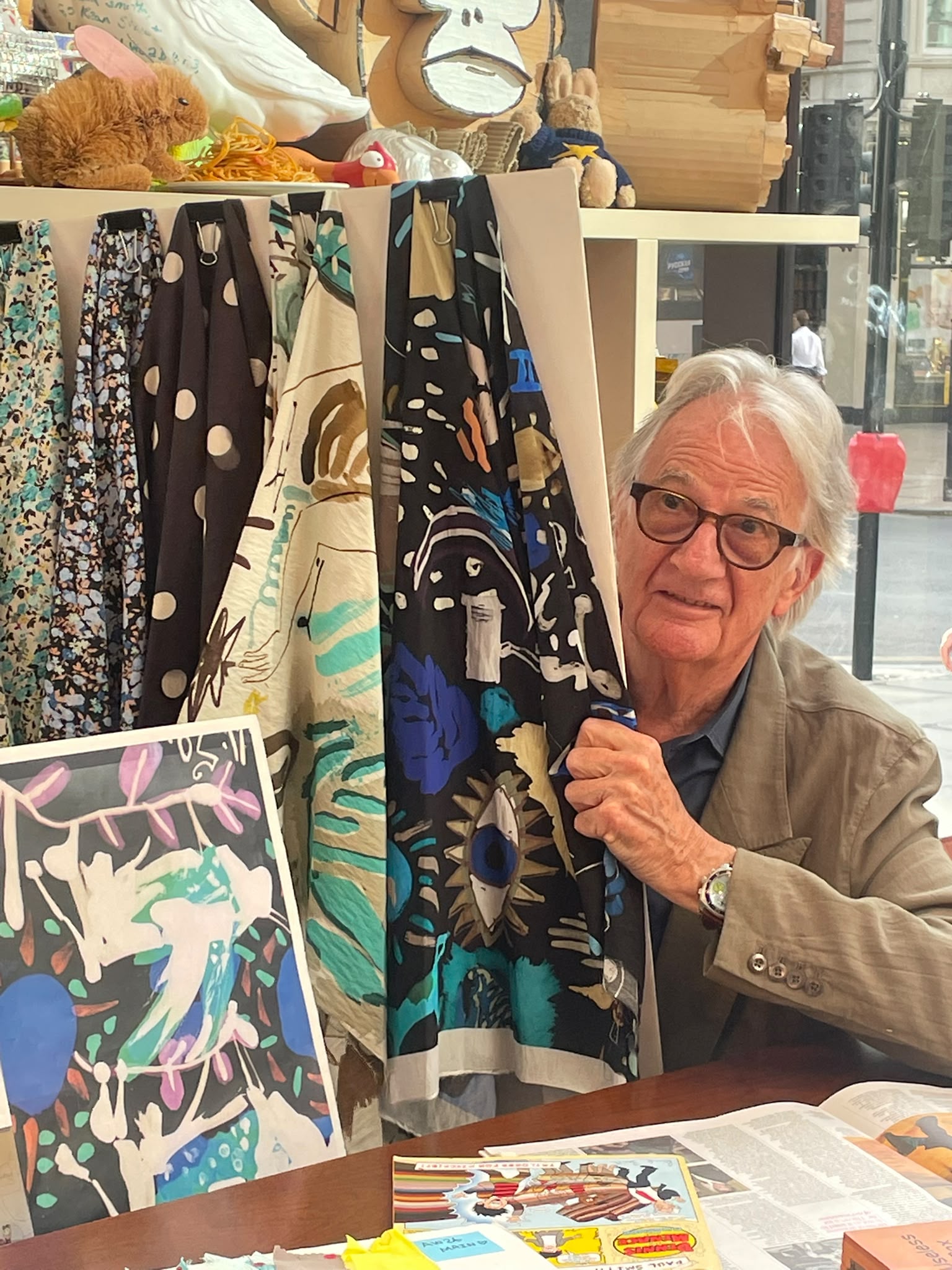
Sir Paul Smith’s studio has been recreated here. Works from his personal art collection hang on the walls, some of them available to buy. From one corner, Paul McCartney looks out from a black-and-white photograph; nearby hangs an image of a very young Sir Paul Smith, peering at the viewer through the splayed fingers of his hand. There are books and records on the shelves, rugs underfoot and, at the centre, a wooden desk that makes you want to reach out and touch it.
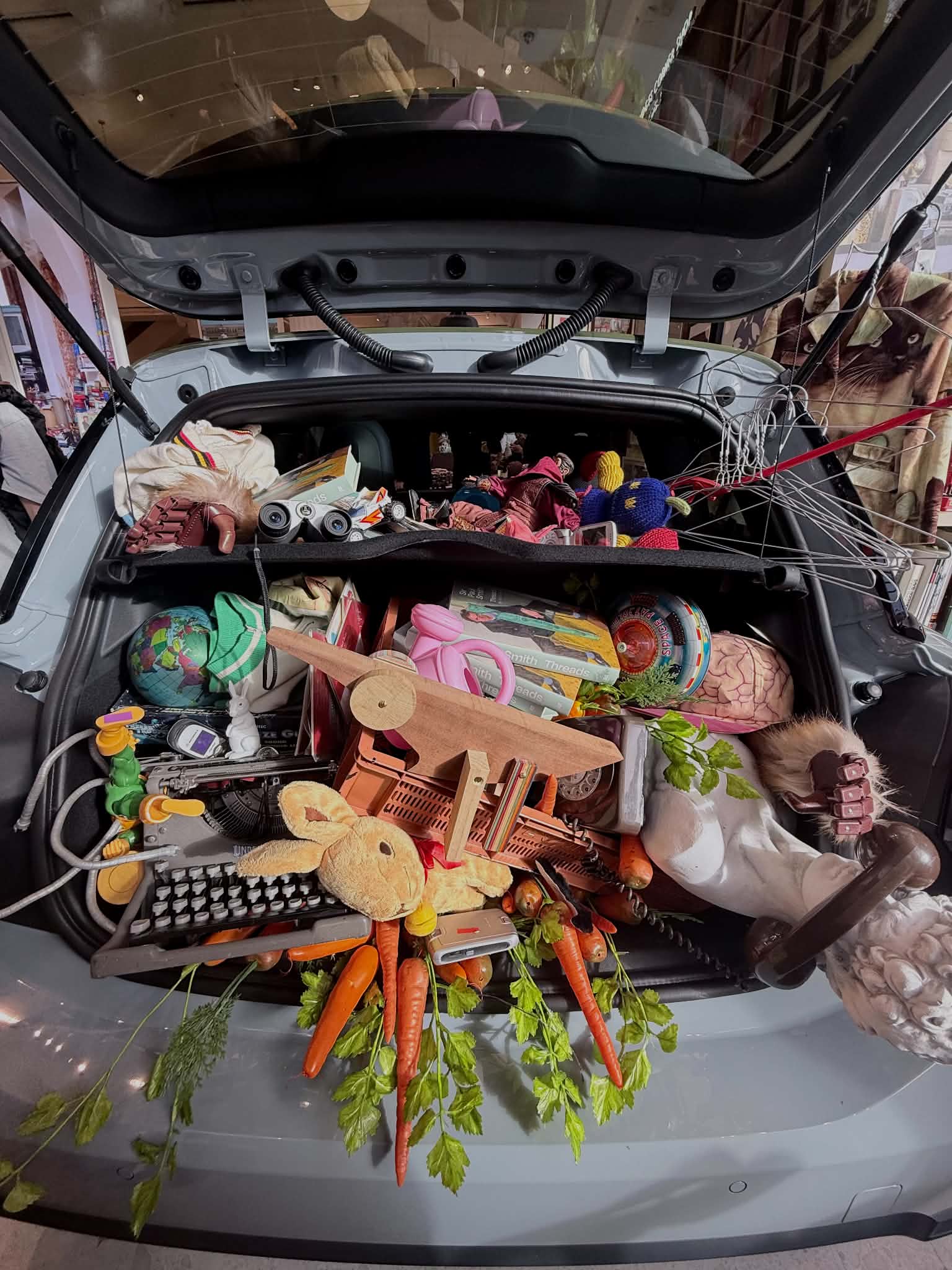
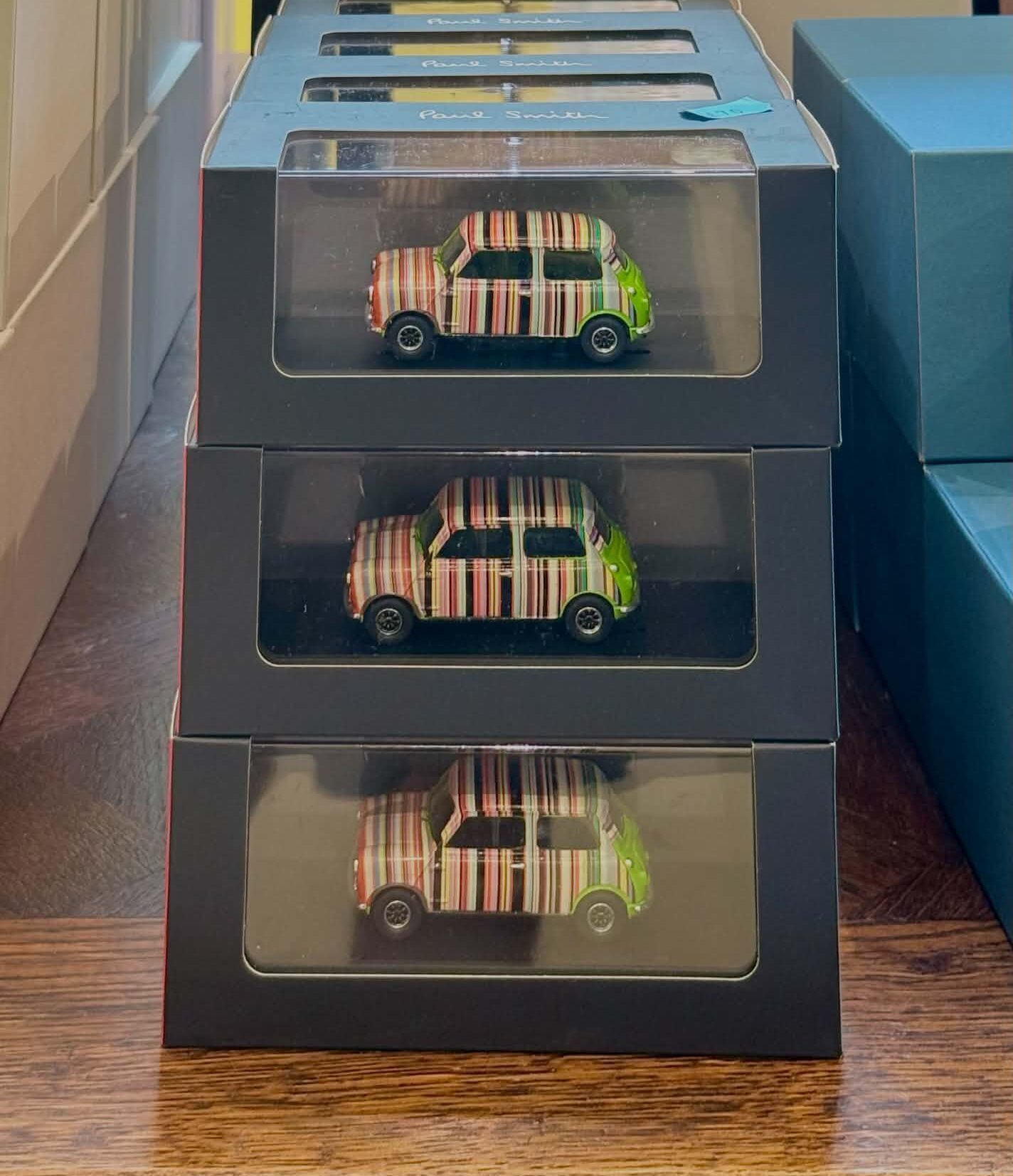
Another scene is provided by a special-edition Mini Cooper created in his honour. Its round, wide-eyed headlights gaze into the corner, while the boot faces the recreated studio, packed to the brim with objects: a typewriter, toys, plush carrots — small things that appear random only at first glance. Together, they form a very personal system of coordinates.
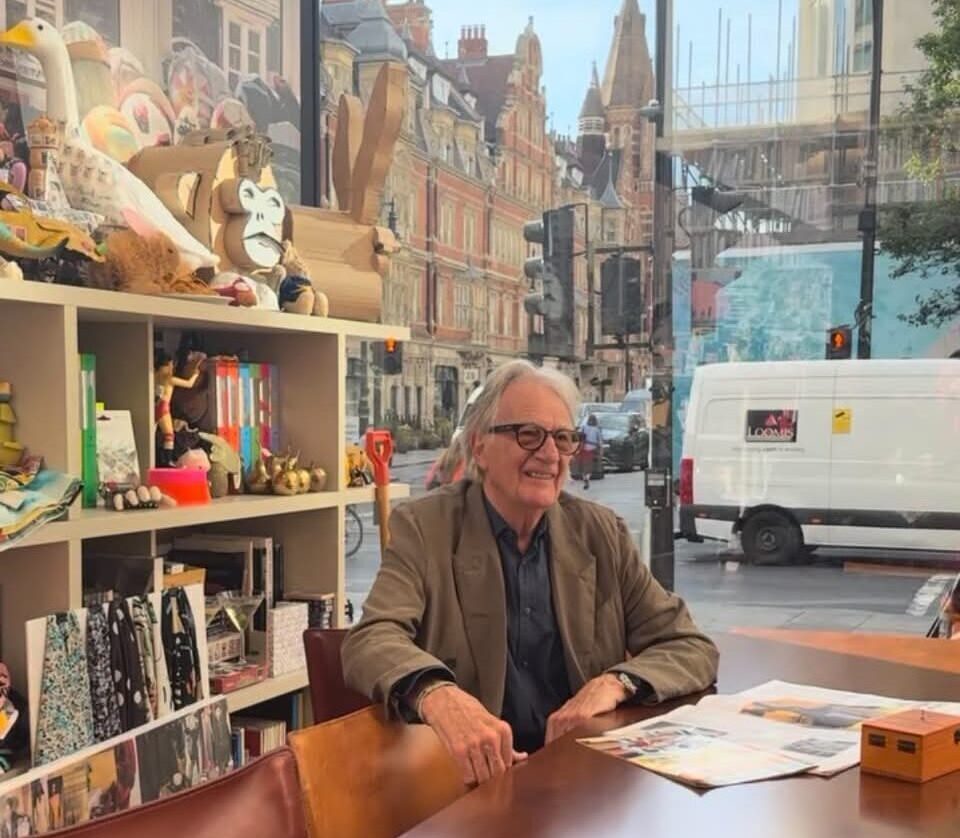
The moment you enter, you stop being merely a visitor to a department store. You walk across the rugs, read the titles on record spines, study photographs, run your hand over the wood of the desk, peer into the boot of the Mini — and almost without noticing, you become absorbed into this world, part of it yourself.
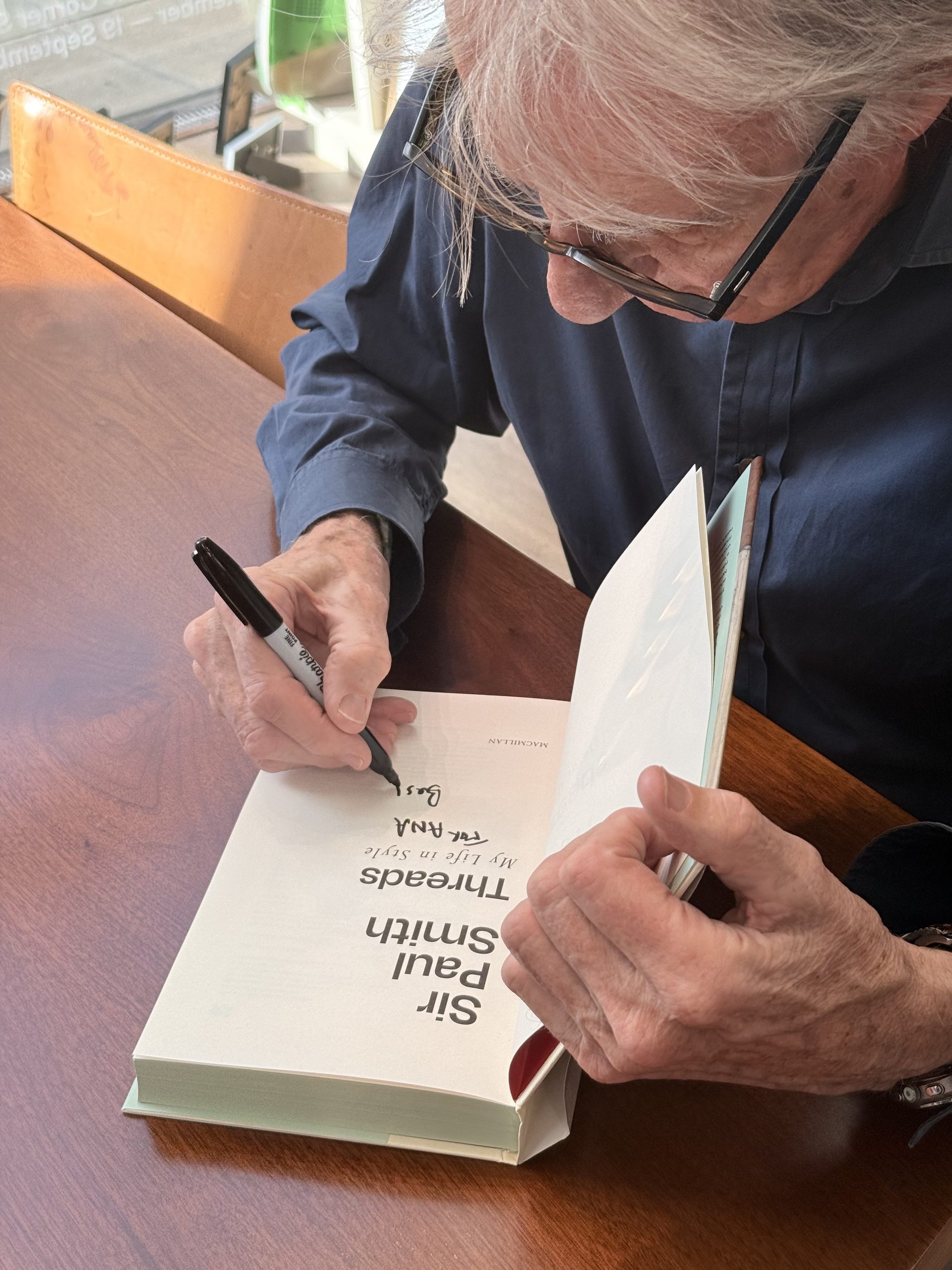
Sir Paul Smith’s new autobiography, Threads: My Life in Style, arrived just in time for the opening. Its first chapter is called Learning to See. It feels like the perfect formula both for this space and for Smith’s work as a whole. He writes that it was his father who taught him how to look at things, how to notice details, and also how to talk to people and keep a sense of humour.
The book has an easy, conversational rhythm, as though you were sitting at that very desk in his studio while he told you about his life — sometimes laughing, sometimes pausing to reflect. Rather than reading like a parade of achievements, the autobiography unfolds as a sequence of vivid episodes. Smith recalls leaving school at fifteen, surviving an accident that changed the course of his plans, meeting his future wife at twenty-one, and finding himself immersed in the London art and fashion scene of the 1960s. A tiny shop in Nottingham grew into an international brand, yet, as the book notes, Smith still goes onto the shop floor on Saturdays to talk to customers.
Even the chapter titles sound like little stories in themselves: A Suit for Mr Bowie, Armani in the Snow, Bare Breasts & Green Hair, Life as a Bicycle Race. They contain so much of what also runs through Smith’s design: curiosity, humour, eccentricity and a complete lack of fear when it comes to colour.
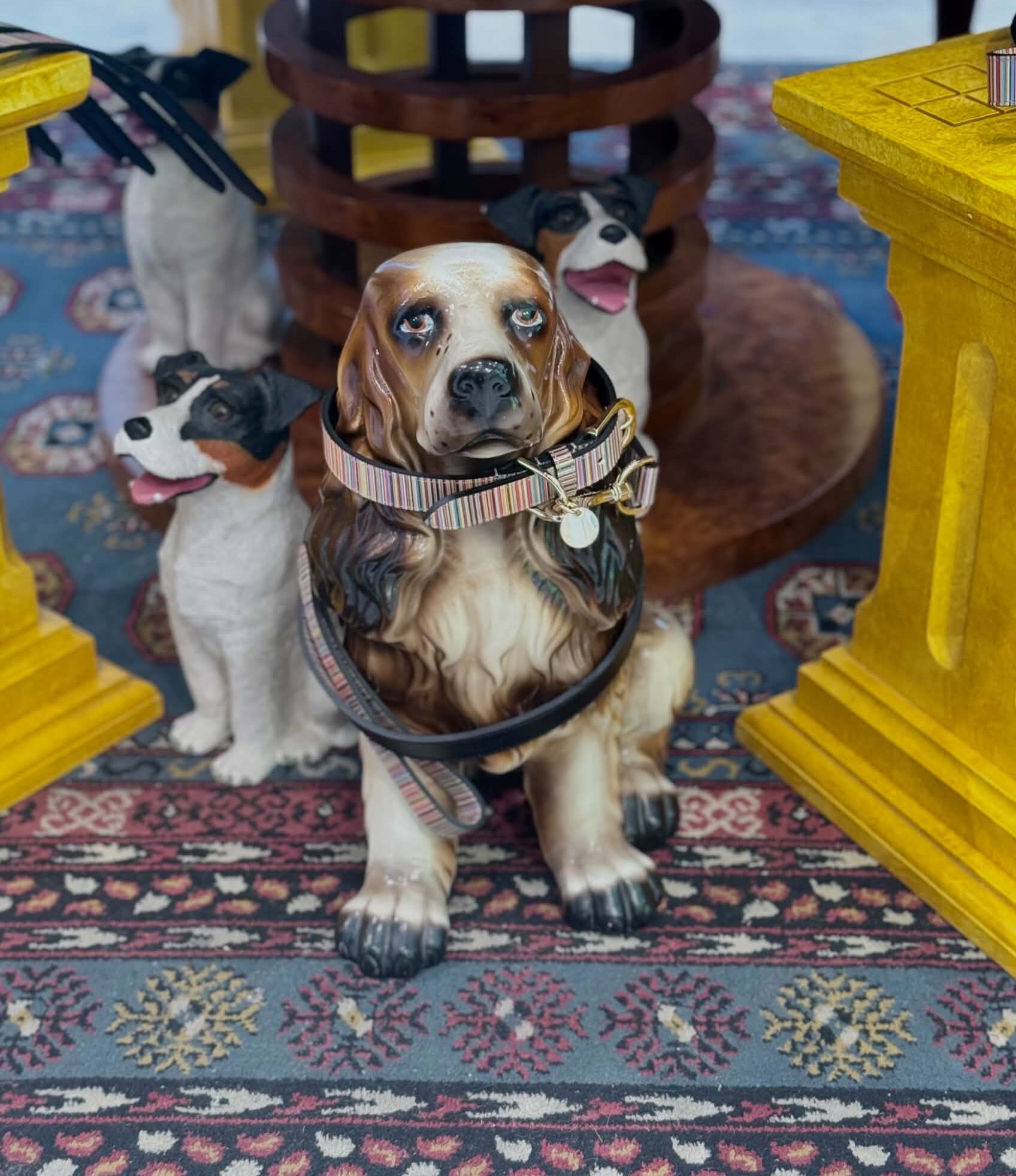
And, of course, colour is everywhere in the Selfridges space. The iconic stripe appears on sweaters, accessories and even dog collars. But it is not simply about a recognisable pattern. The whole corner is filled with brightness, movement and an astonishingly fresh kind of energy — fresh almost in a physical sense, like biting into a crisp apple.
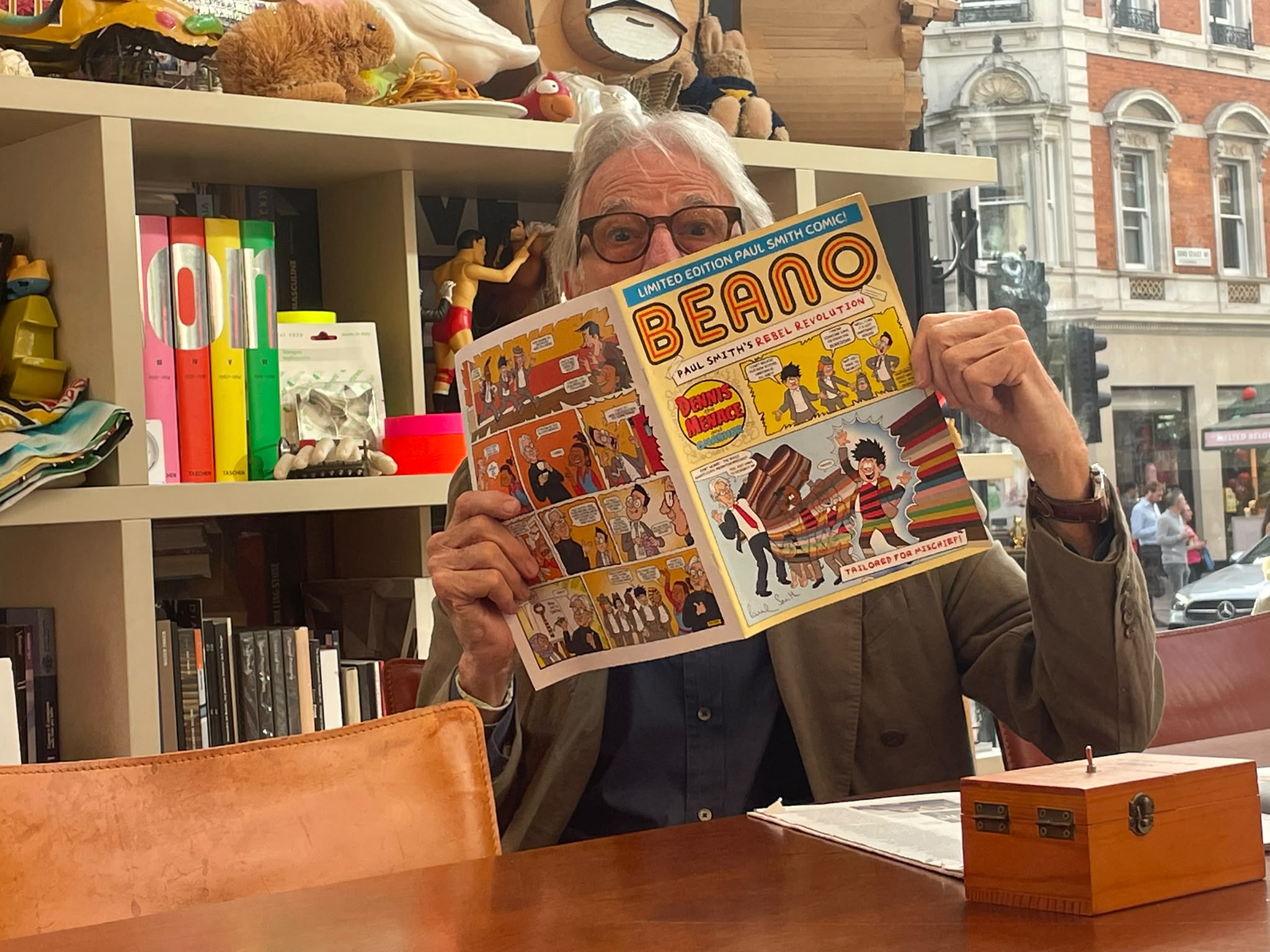
Sir Paul himself was there for the opening, posing for photographs, talking to guests and joking with them — warm, easy and entirely without distance. It echoed both what he writes about himself and the way his world seems to work: look, notice, talk, remain curious.
We spoke to Sir Paul Smith about how to turn everyday life into a tiny theatre — and ourselves into its performers.
Can colour and form bring a little theatre into everyday life?
Of course, yeah. I mean, colour is so full of optimism. Look at the sunshine, look at the sunset, look at the colour of the moon, look at the colour of the autumn leaves and the spring leaves. So, colour, colour, colour. Autumn leaves are rusty colours, spring leaves are beautiful green, grass is green.
And, of course, smells are important too. The fragrance after it has been raining, when you smell that freshness. Or coffee, or freshly baked bread, or fresh air by the seaside. It is all to do with the senses — with what we see, what we feel and what we notice around us.
And what is your favourite season?
I don’t really have a favourite, but as a clothes designer, normally winter is more interesting because we wear more clothes. You have more layers.
In the summer, especially this summer, which was extraordinarily hot, people were wearing just T-shirts and shorts. So, for a designer, that is a little bit limiting.
But in the winter you have scarves and hats and gloves and gilets — there are many more possibilities. It is a lot more fun.
You have a big birthday this year. Did you want to celebrate it in any particular way?
I would have been very happy to forget it, but my team were not happy for me to forget it. So now I’ve had to do many, many things. And now everybody knows I’m not 21 years old — which is how I feel.