‘Nowhere to Wear This’ and other Goldsmiths’ Hall classics during the traditional annual Fair

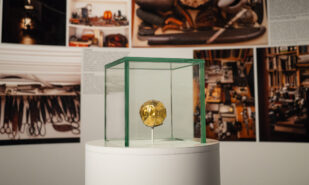
The Goldsmiths’ Company, one of Britain’s oldest livery companies, holds its traditional exhibition at Goldsmiths’ Hall in late September each year, bringing together independent jewellers from across the UK to present their work.
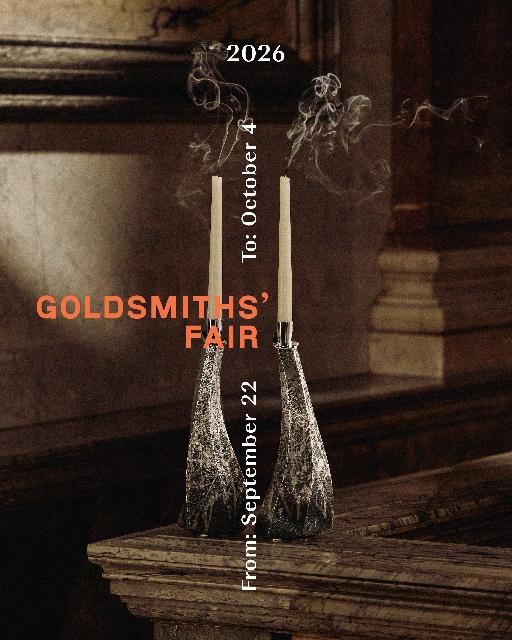
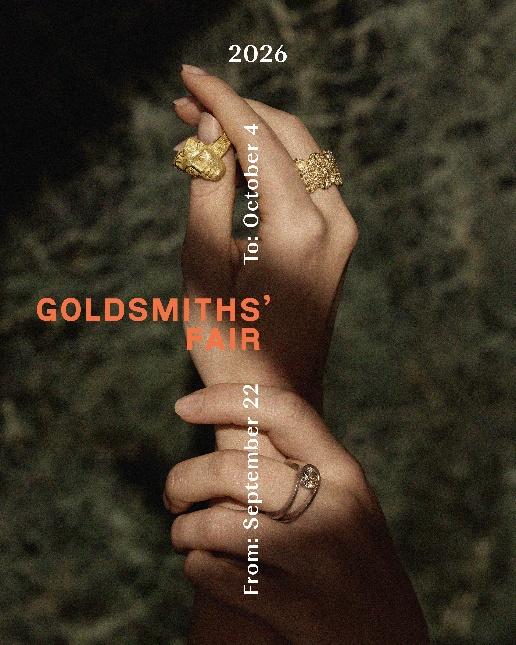
This year, the Goldsmiths’ Company marks its 700th anniversary, while the fair itself turns 45. This edition offers the chance to see, and, crucially, to buy, the work of 138 British jewellers and jewellery designers. The first half exhibit from 22 to 27 September, the second from 28 September to 4 October.
Giving visitors the opportunity to buy directly from jewellers who have no representation through galleries, shops or online marketplaces, and rely solely on their own websites and social media to showcase their work, is one of the fair’s principal aims and part of its social mission. Ticket sales and stand fees (yes, even after a rigorous selection process, exhibitors still pay for their stands) do not cover the cost of staging the event. In effect, this makes it an initiative driven entirely by the Goldsmiths’ Company’s social mission.
Why should any of this interest you? On the one hand, there is no reason why it should. These are highly individual, sometimes bewildering pieces, costing more than those you will find at the big brands or on the high street. Many are difficult to imagine wearing in everyday life. ‘I’d have nowhere to wear this’ is the most common reaction at half the stands.
On the other hand, the exhibitors are devotees in the truest sense. For a designer-jeweller working in a niche, the barriers to entering the jewellery industry are extraordinarily high. It is not simply a question of the cost of materials, but of the sheer number of hours spent learning the craft.
For a quarter of a century, the jewellery world has fought for its place among the fine arts, and to be judged on more than the value of its materials. Yet there is no escaping the fact that gold, silver and precious stones keep rising in price. And that is before you factor in the cost of tools, or the time and money spent acquiring the skills.
One of Britain’s most striking young jewellers, Joy BC (Joy Bonfield-Colombara), recounts her nine-month apprenticeship with a Japanese jeweller. He spoke no English; she spoke no Japanese. Yet for nine months, six days a week, she went to his workshop and stood beside him for eight hours a day, simply repeating what he did. Because she wanted to learn. And she certainly did not do it so that one day a client could tell her: ‘Well, there’s so much gold in your pieces. If I ever get tired of them, I’ll just melt them down.’
Which of the 70 designers exhibiting each week you choose to look at is entirely a matter of personal taste. Recommending anyone, even those singled out by the distinguished panel of professionals, is a thankless task. For one thing, professionals judge work by entirely different criteria from those used by people outside the industry. For another, jewellery is always a private conversation between you and the object.
The only judgement that matters is: ‘I personally like this, this piece speaks to me, it touches something in me.’ From a functional perspective, or even as an investment, jewellery is the most useless thing there is. A jewel is pure communication, with the world and with yourself. And if that is the case, who else can possibly tell you what suits you and what does not?
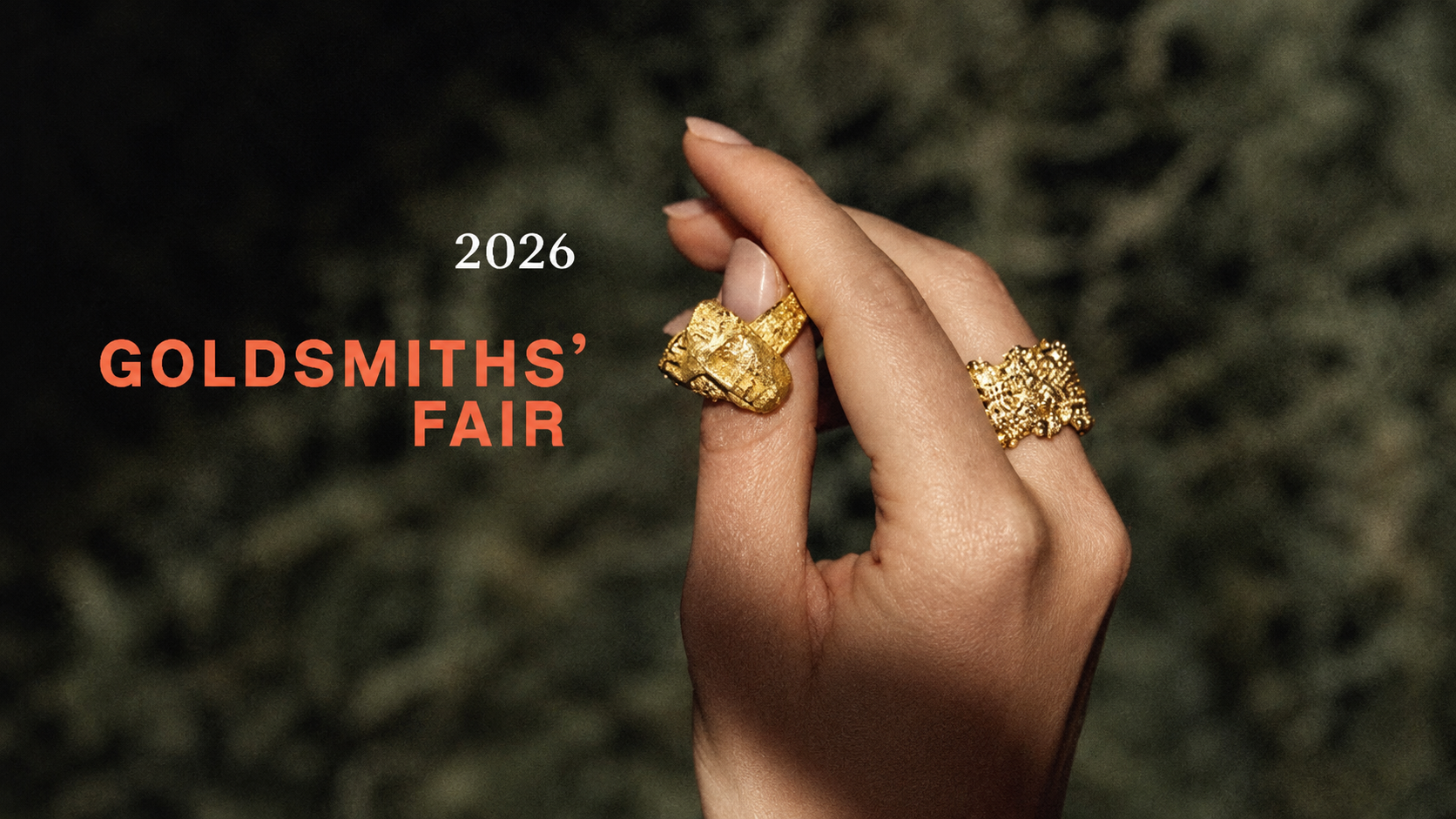
Photo courtesy of Goldsmiths’ Fair