Seoul: Where Fashion Lives Today

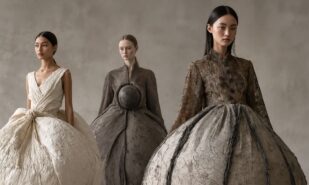
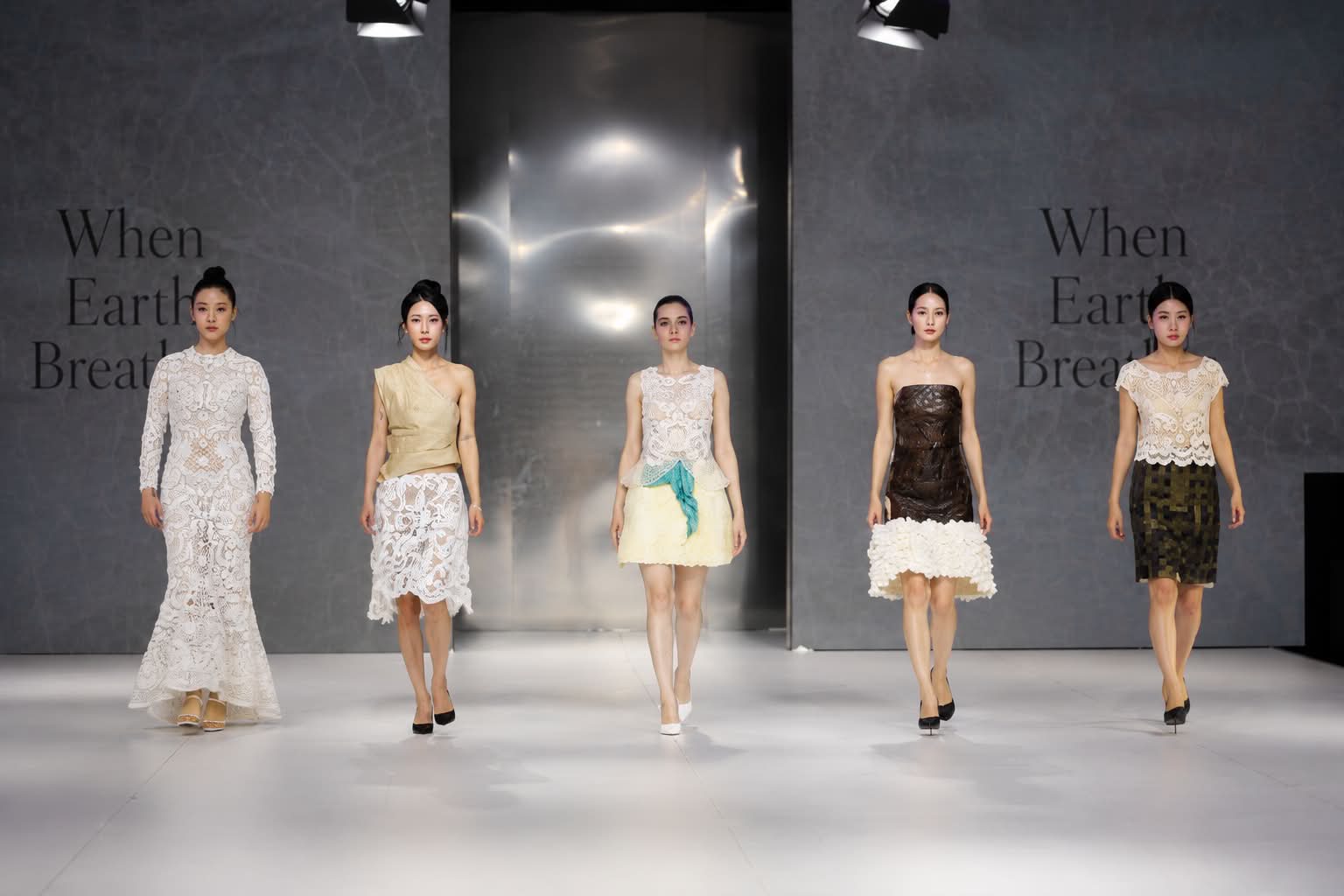
When we brought our When Earth Breathes collection to the Seoul Runway Show at Dongdaemun Design Plaza (DDP), I expected another international fashion week. However, it became clear within the first few days that fashion works differently in Seoul.
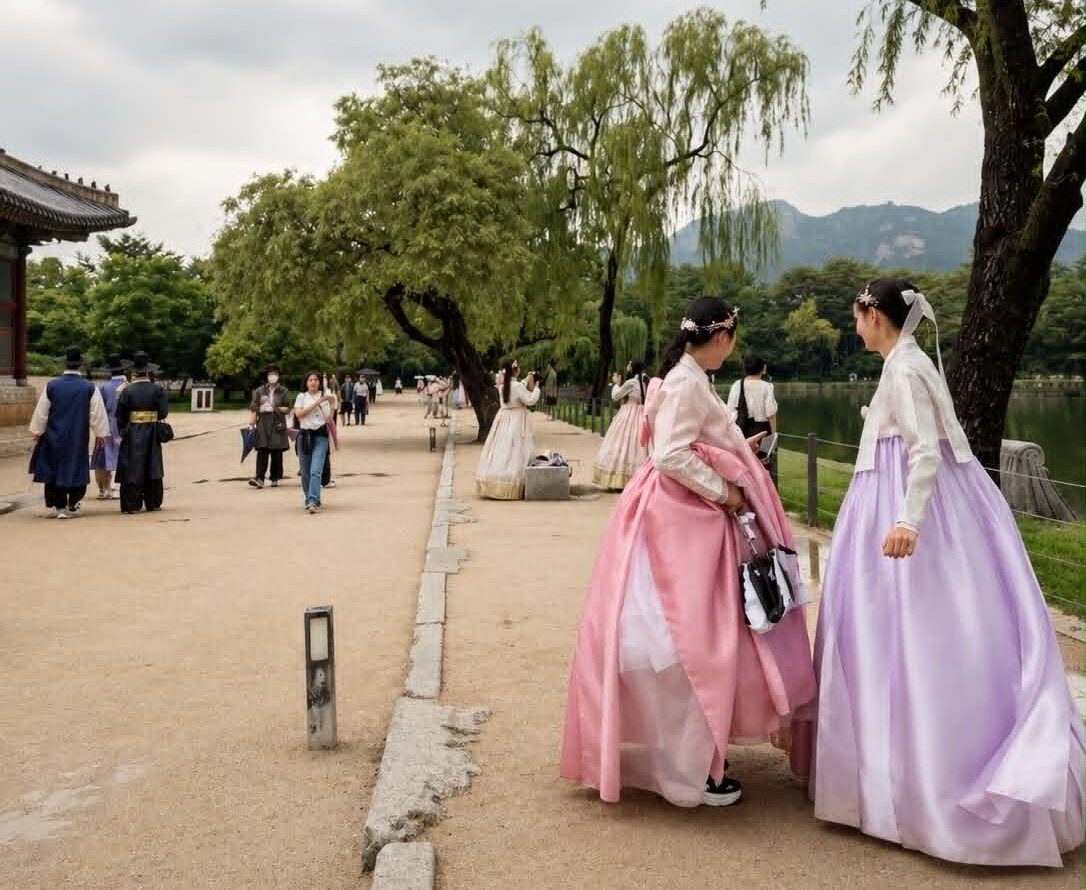
Here, fashion exists not only on the runway and not only in stores. It runs through the entire city, connecting manufacturing, commerce, digital technology, education and cultural traditions into one system. That is why Seoul is interesting to see not simply as another fashion capital, but as a model of what the fashion industry of the future could become.
The first thing that stands out is the absence of the usual boundaries between haute couture and mass production. In many European fashion capitals, these worlds are separated: boutiques are in one area, ateliers in another, while production facilities are often located outside the city centre. In Seoul, it is completely different.
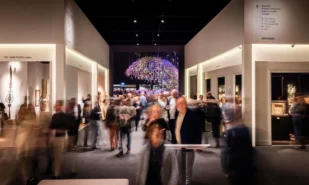
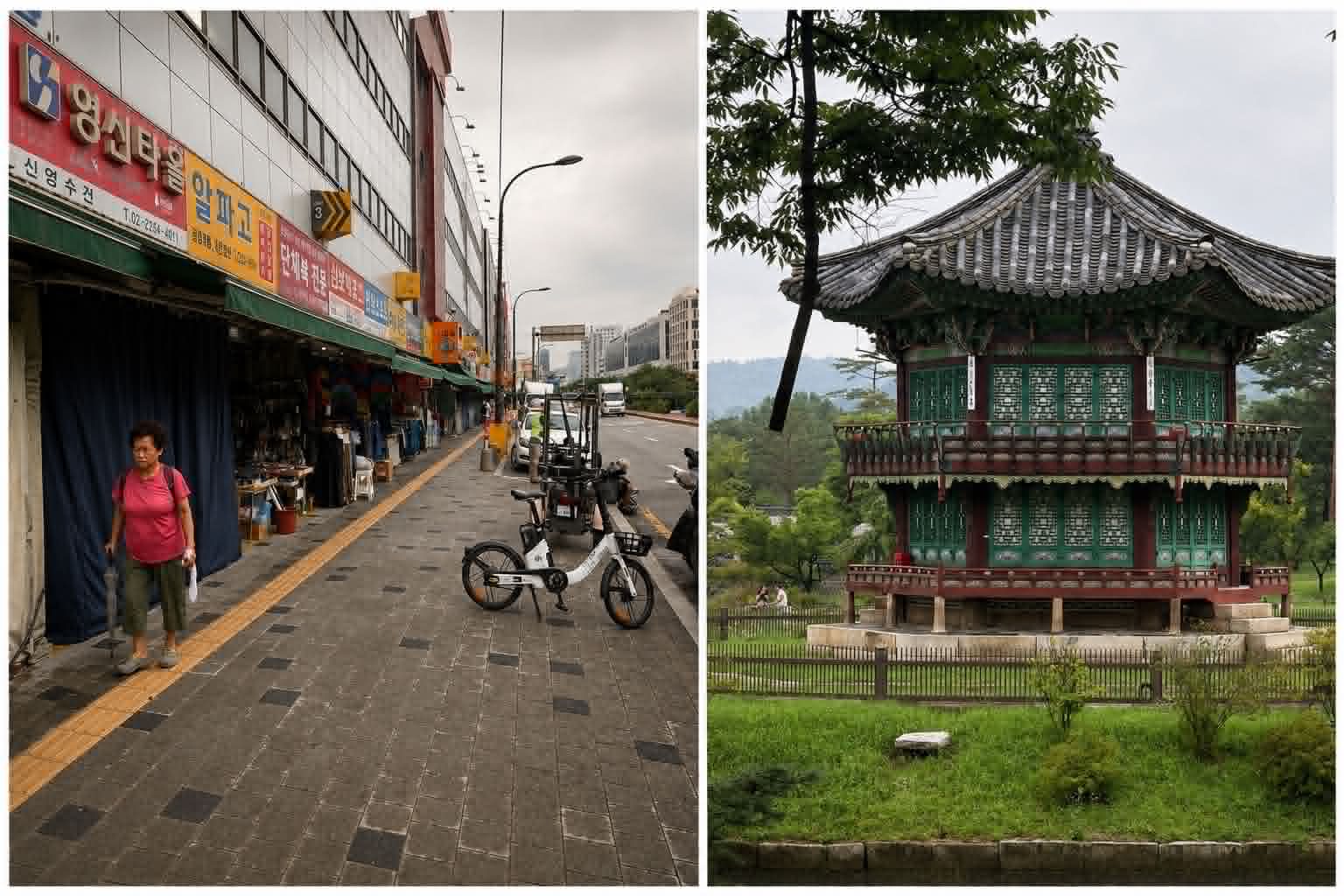
Around DDP, where international runway shows take place, is one of Asia’s largest textile and garment districts. Wholesale fabric markets, haberdashery shops, small ateliers, multi-storey fashion malls, night markets and spaces for designer presentations all exist side by side. There is no sense of separation between them. Manufacturing, trade and fashion presentation are literally across the street from one another. It creates the impression that fashion here is not separated from everyday life. It is not the privilege of a closed industry but remains part of the city’s wider ecosystem.
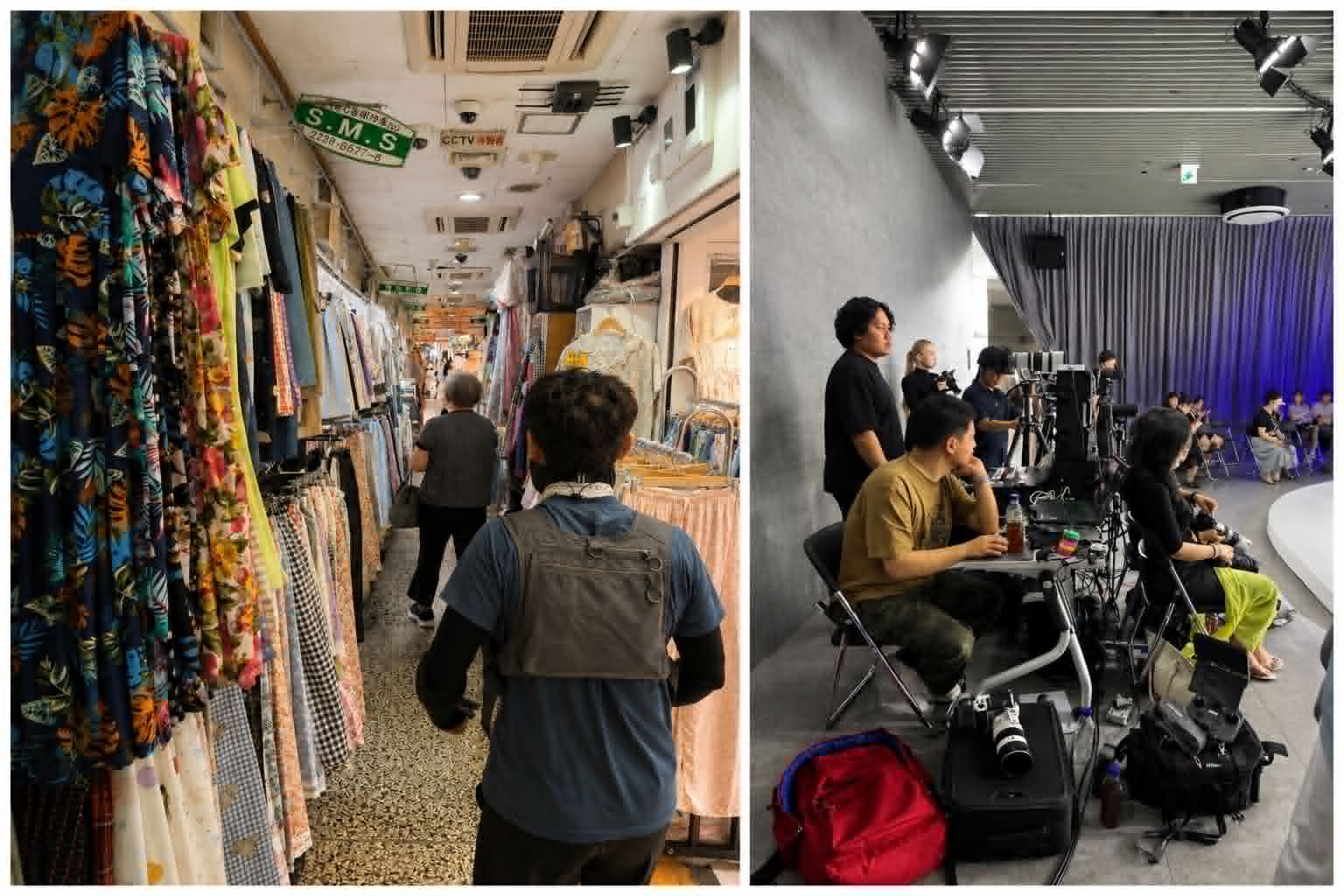
At the same time, it is interesting that the streets themselves do not look like a display of high fashion. This becomes especially noticeable after Paris or even some areas of Tokyo. The streets are full of tourists, office workers and students. Most people dress in a practical, functional and understated way. Looking only at everyday street style, it would be difficult to imagine the scale of the fashion industry hidden behind the buildings.
The real life of fashion unfolds in the digital world. Almost every runway show is followed immediately by photographs, videos, interviews, backstage footage and short-form content. The digital content becomes part of the event itself, and sometimes even its most important continuation. It feels as though contemporary Korean fashion exists in two dimensions at the same time: the physical and the digital, with the latter often playing the greater role in how fashion is shared and experienced.
The modelling industry is equally revealing. The large number of agencies, castings and young people hoping to enter the profession reflects a highly competitive market. Competition of this scale does not appear without demand behind it. In this sense, the modelling industry becomes a useful indicator of the growth and strength of the wider fashion sector.
At the same time, Korean models represent their own professional standard. There are distinct expectations regarding height, proportions, movement and presentation. This is not an attempt to follow European ideals, but a separate aesthetic shaped by the local market. For international designers, it means that bringing a collection to Korea also requires understanding the local context.
Another observation felt particularly important to me. South Korea is often described as one of the world’s most technologically advanced countries, yet this technological progress has not replaced respect for craftsmanship. Traditional crafts, national dress, decorative techniques and careful attention to detail remain an important part of the country’s cultural identity. They do not compete with modern technology; instead, they exist alongside it.
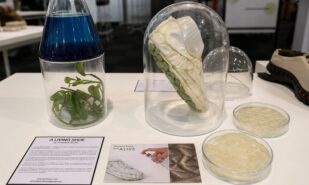
Perhaps this is why our collection, combining handcrafted Irish lace with new biomaterials, was received not as a conflict between tradition and innovation, but as a natural dialogue between the two. There is a clear understanding here that innovation does not have to replace tradition. Sometimes it simply offers it a new future.
There is another interesting contrast. The Korean fashion industry is actively building its international presence by inviting overseas designers, organising international runway shows and developing collaborations with global brands and educational institutions. At the same time, it carefully preserves its own identity. There is no strong desire to become “the next Paris” or to copy European models of development. Instead, Seoul seems confident in offering its own vision of what a modern fashion industry can be, inviting the world to engage with it on its own terms.
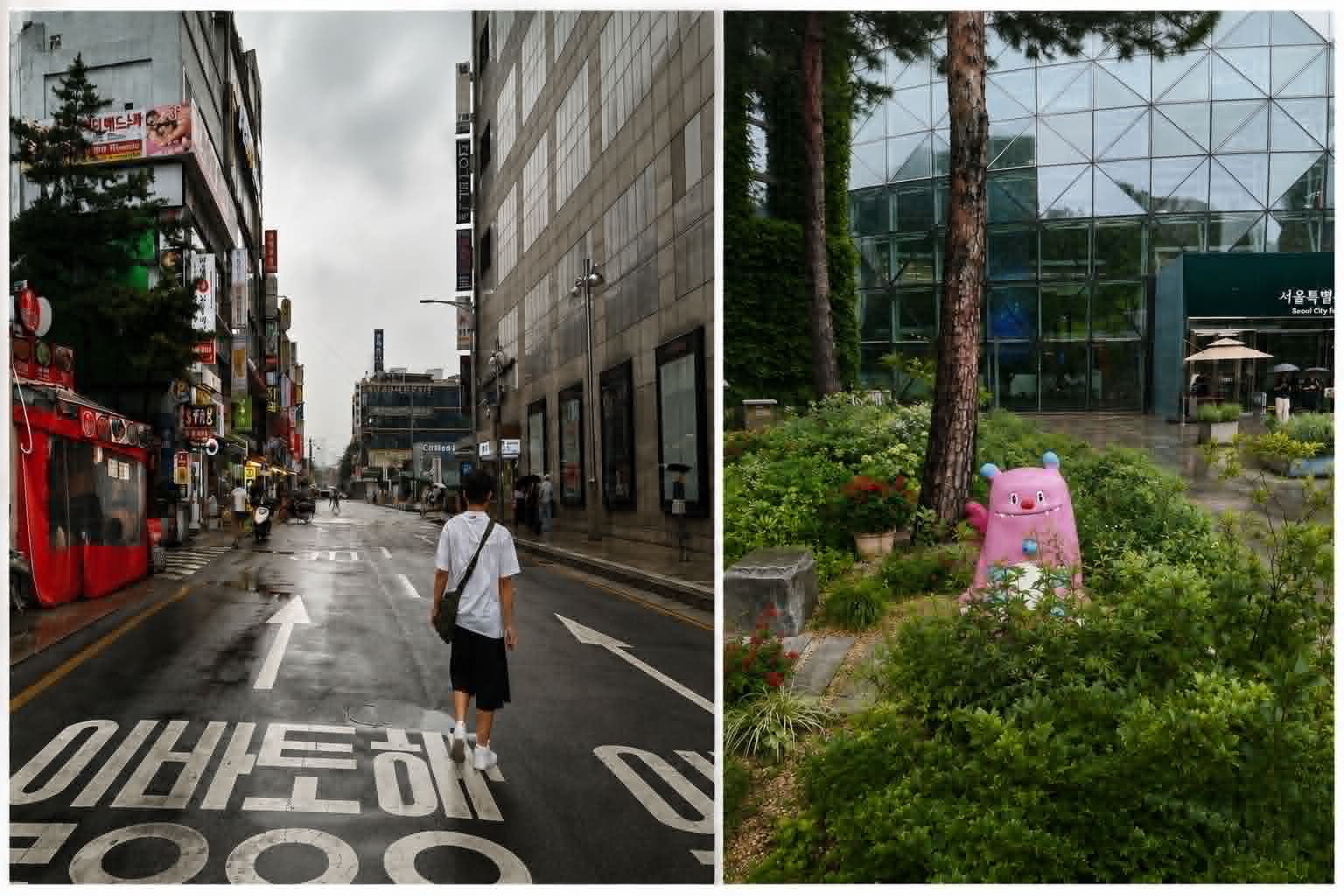
Perhaps this is Korea’s greatest strength. Here, fashion is understood not only as clothing or aesthetics, but as infrastructure. It brings together manufacturing, technology, digital media, education, craftsmanship, commerce and culture into a single system in which every part supports the others.
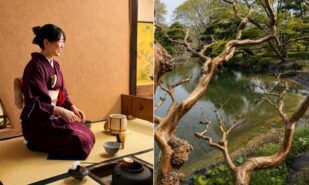
After travelling through Japan, I wrote that its design culture grows from silence, emptiness and respect for materials. South Korea left me with a very different impression. Here, fashion grows from speed, organisation and constant movement forward, while still remaining deeply connected to its cultural roots. And perhaps that is what makes Seoul one of the most fascinating places today from which to observe how the global fashion industry is evolving.
Photo by Tasha Lapidus