When Everything Is in Fashion

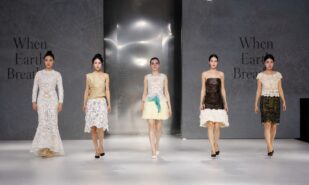
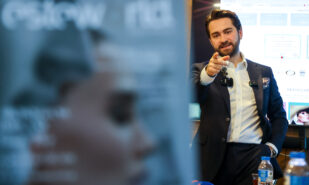
London Fashion Week took place from 17 to 21 September this year, and its programme offered a clear picture of what fashion has become today. McQueen returned to the London schedule after 25 years, alongside Burberry and Mulberry, while H&M staged a show with Nick Knight and SHOWstudio. Marks & Spencer made its London Fashion Week debut with a ‘see now, buy now’ collection, and eBay presented its Endless Runway of pre-loved fashion. Emerging designers, major fashion houses, high-street retail and resale all appeared within the same fashion space and at the same time. This coexistence of very different parts of the industry feels significant. It reflects a much wider change and raises a simple question: what does fashion actually mean in the twenty-first century?
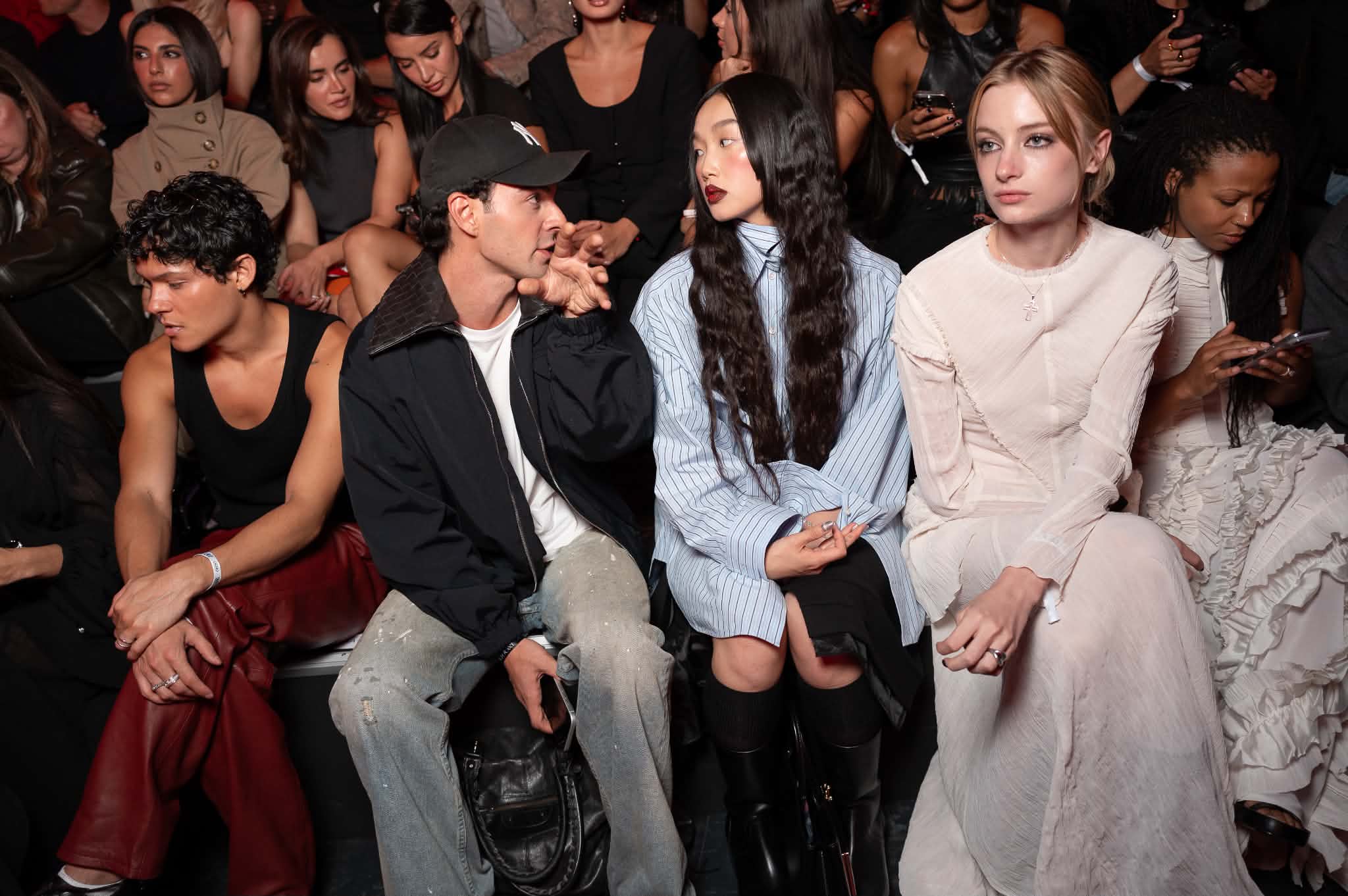
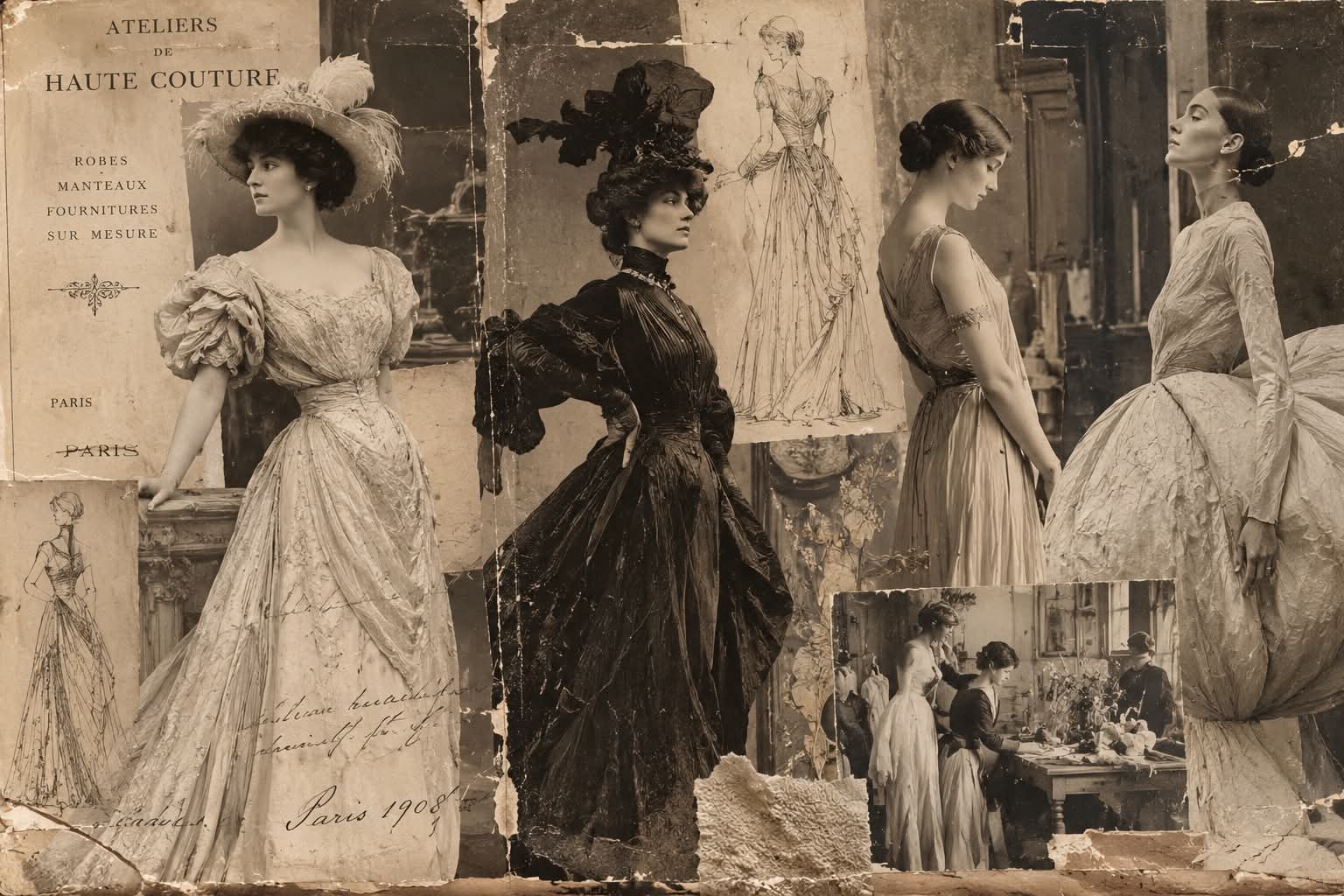
During the twentieth century, almost every decade brought a change that was impossible to miss. Silhouettes and lengths changed, as did our relationship with the body, materials, production and the way clothes were presented. The boundaries between menswear and womenswear, evening and everyday clothes, acceptable and provocative were constantly moving. Changes in fashion reflected changes in time, and clothes recorded them very clearly.
At the beginning of the twentieth century, the female body was released from the old structure of dress. The 1920s radically changed the silhouette and the idea of femininity. After the war, the New Look shaped the body in a completely different way again. The 1960s brought the mini, youth culture and new materials. Later came prêt-à-porter, unisex fashion, punk, Japanese deconstruction, the Belgian school and minimalism. These were not simply changing trends. Each time, the basic idea of clothing changed: how it could look, what it could be made from, who could wear it, where it could be worn and what it could say about a person.
Twentieth-century fashion developed in a sequence. The new did not always destroy the old, but it always showed movement. It is often quite easy to look at a photograph and recognise the decade. With it, we can often recognise the social context, ideas of beauty, status and age, and sometimes even the time of day. Clothes were a system of fairly clear social codes. In the twenty-first century, this sequence has almost disappeared. Simultaneity has become one of its main fashion characteristics.
Today, mini exists alongside maxi, oversized clothes alongside a defined waist, and the male suit has moved beyond gender. A silk evening dress can appear at breakfast, while trainers are worn with clothes that only a few decades ago required a particular type of shoe, hairstyle and occasion. The 1950s, 1970s, 1990s, Y2K, sportswear, vintage and new designer pieces can all exist easily in one wardrobe. Even references to the nineteenth century are more likely to become theatrical or artistic gestures, while the whole twentieth century has turned into a huge open archive from which we can freely choose.
This is not eclecticism in its traditional sense. An eclectic look still had a hierarchy: there was a main style, with other elements that disrupted, complicated or completed it. Today that hierarchy is disappearing. Different elements have almost equal value, and the image becomes a collection of fragments of identity. A single outfit can contain a thousand different faces, and those thousand faces become a way of saying: this is me.
In this sense, the twenty-first century has taken the process of liberation started in the previous century to its limit. The twentieth century gradually freed people from corsets, fixed lengths, gender boundaries, class and age rules, and the strict separation of day and evening dress. The twenty-first century has freed us from the need to follow one idea of what is fashionable. Today, we can consciously ignore the main trend of the season without looking out of touch with our time. Fashion has stopped offering one image of the modern person. Individuality has taken its place.
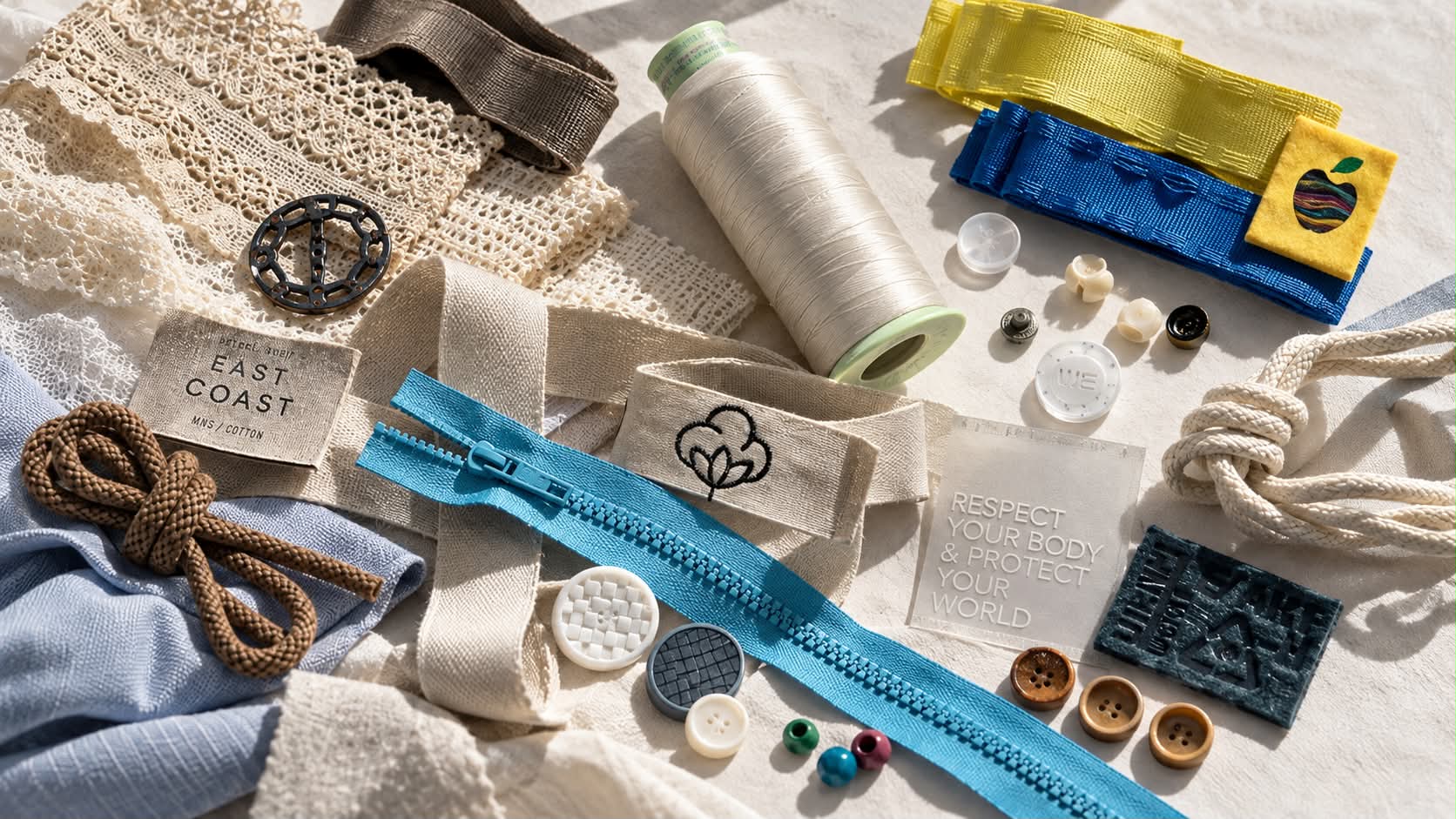
But this is also where its main paradox begins. By putting the individual at the centre, contemporary fashion also breaks that individual into many small parts. The industry sells us a complete look less often and sells us pieces of identity more often. A bag can speak about status, a vintage piece about our attitude to consumption, trainers can break the formality of a suit, and jewellery can show cultural belonging. Even a small charm or chain can become its own statement. Individuality is no longer in opposition to the commercial system. It has become its ideal product. We are not sold a ready-made identity, but an endless number of details from which we can build and rebuild ourselves.
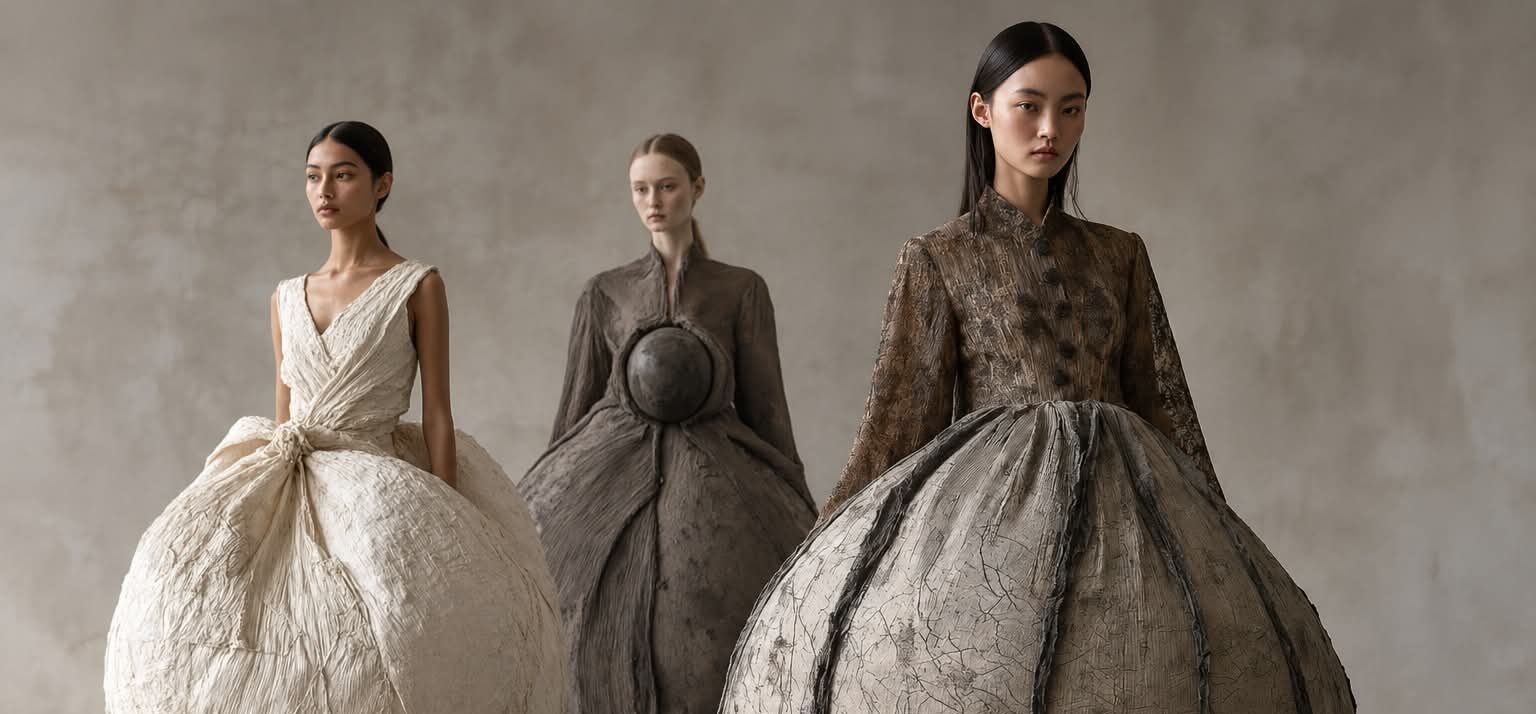
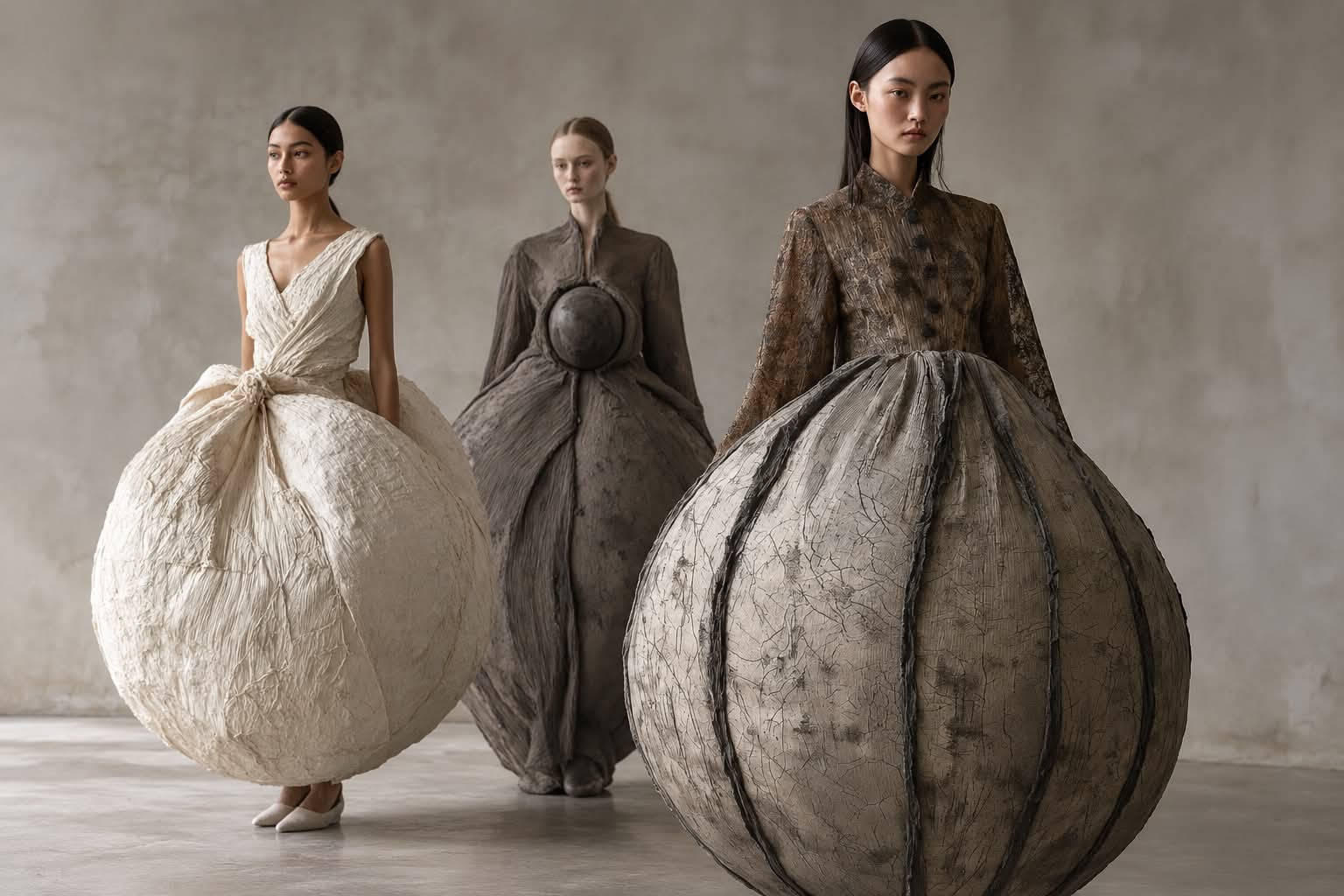
At the same time, real innovation in fashion is moving from the surface towards the inside of the object. While silhouettes travel freely between past decades, major changes are happening in materials and technology. Biomaterials, new cellulose fibres, recycled raw materials, grown structures, 3D production, digital design, local and on-demand manufacturing are changing not so much how clothes look, but what clothes actually are. The twentieth century mainly changed how fashion looked. The twenty-first century is increasingly changing what fashion is made of and how it exists.
This is why the feeling of stagnation in contemporary fashion is both real and misleading. In terms of form, fashion constantly looks backwards and exists in a state of endless simultaneity. In technology, development continues, but it has become much less visible. Between these two movements stands the individual, with almost complete freedom to build a personal image, while at the same time facing an endless offer to buy one more small fragment of identity.
This is why fashion today can look so neutral and so diverse at the same time. It no longer has one face because it is made from millions of individual faces. It tells us less and less what a modern person should look like. Instead, it has become a tool through which we construct ourselves. At this point, the question of what fashion is can no longer be reduced to the next silhouette or the next trend. When everything can exist at the same time, and each person can create their own combination of past and present, technology, status and personal history, the greatest change in twenty-first-century fashion is the disappearance of the need to be fashionable at all.