The Well Walk Theatre: The Alchemists of Puppet Theatre

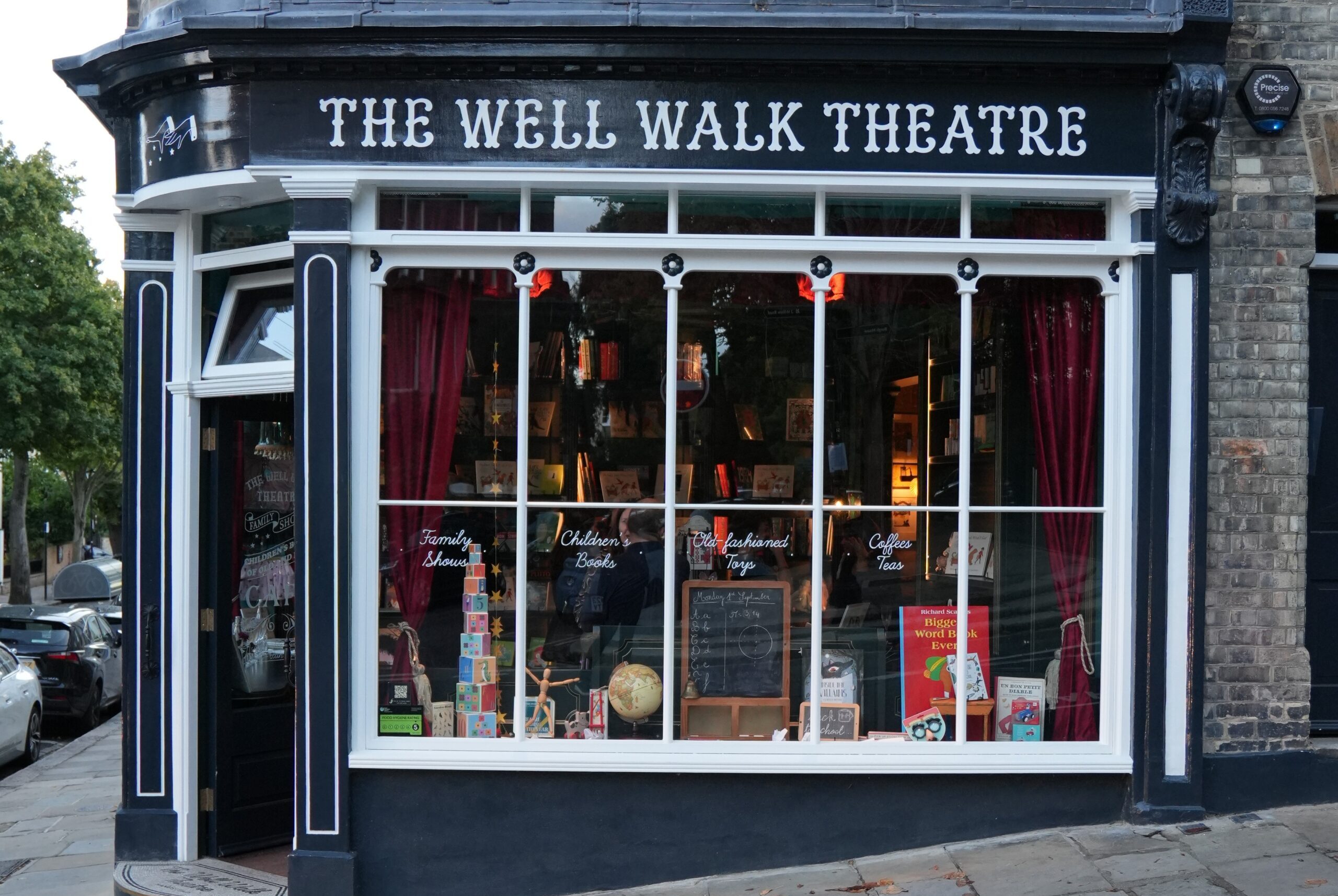
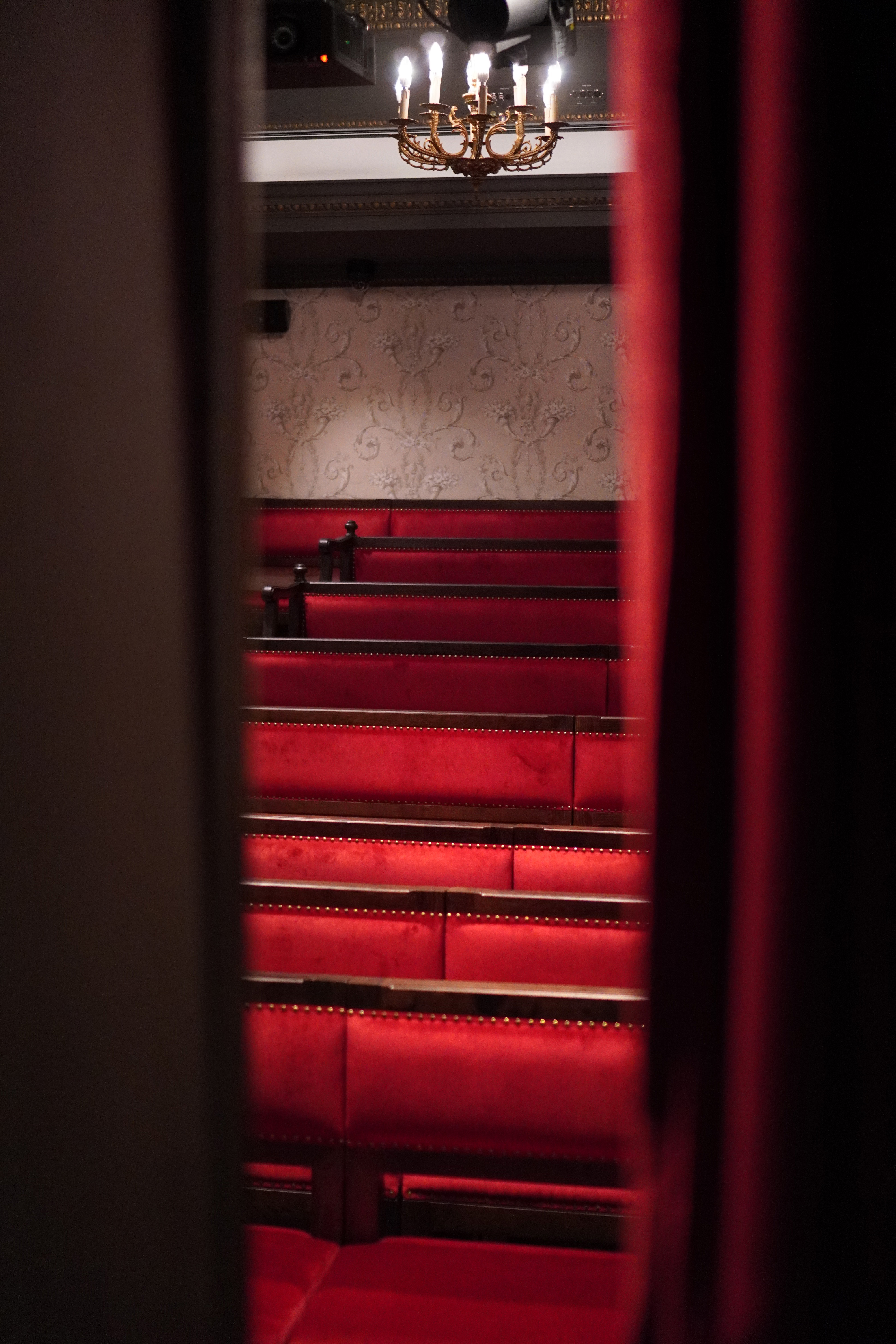
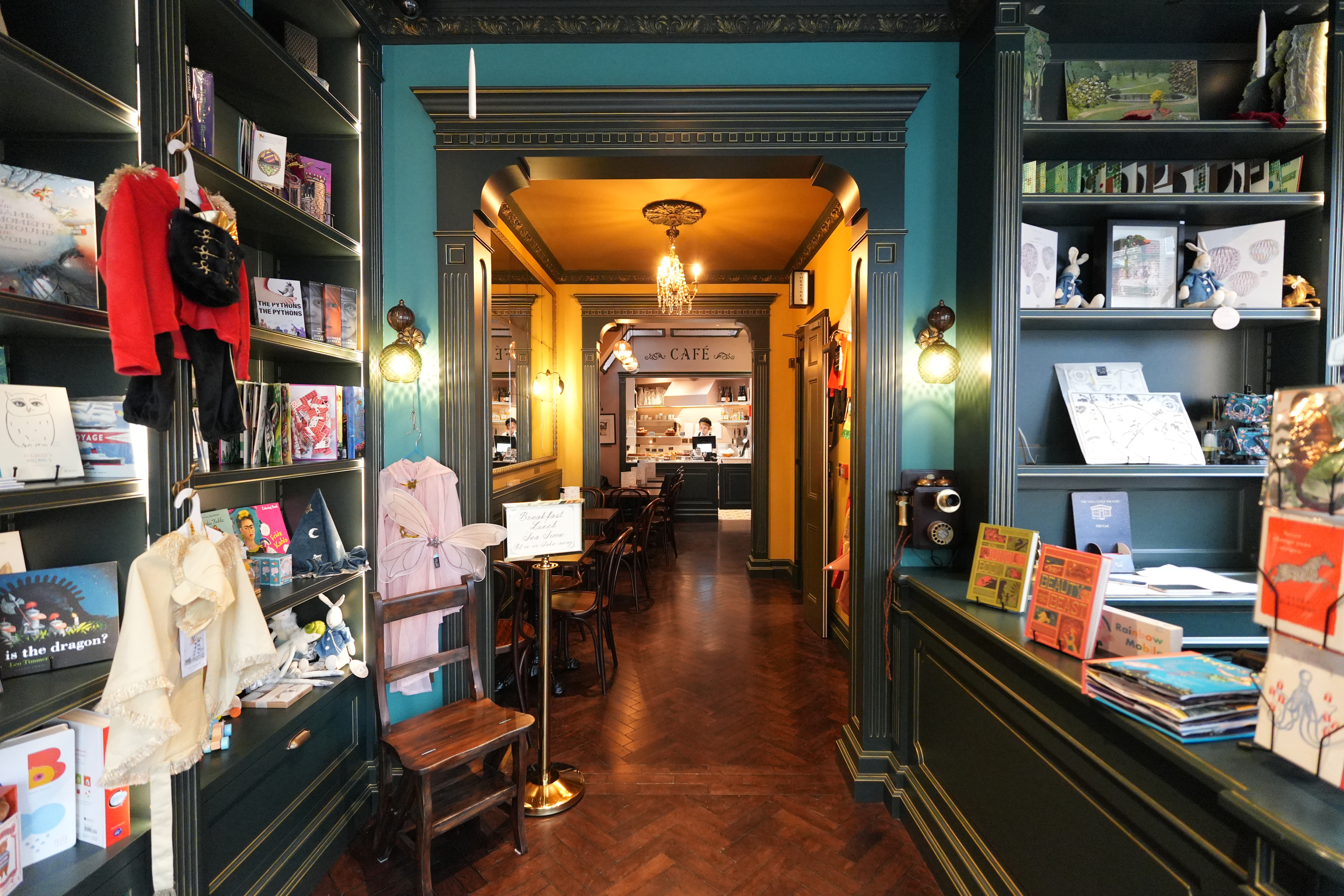
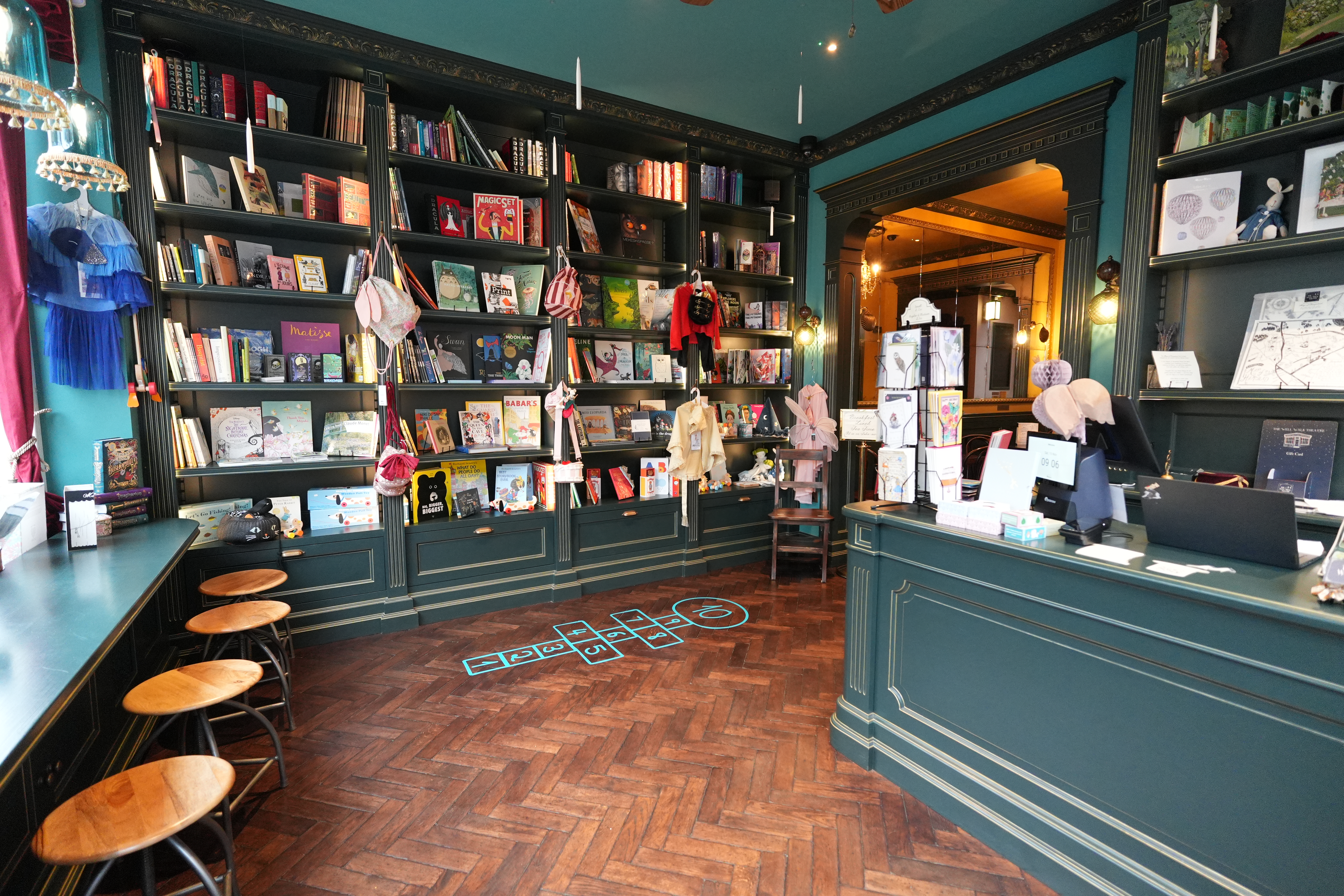
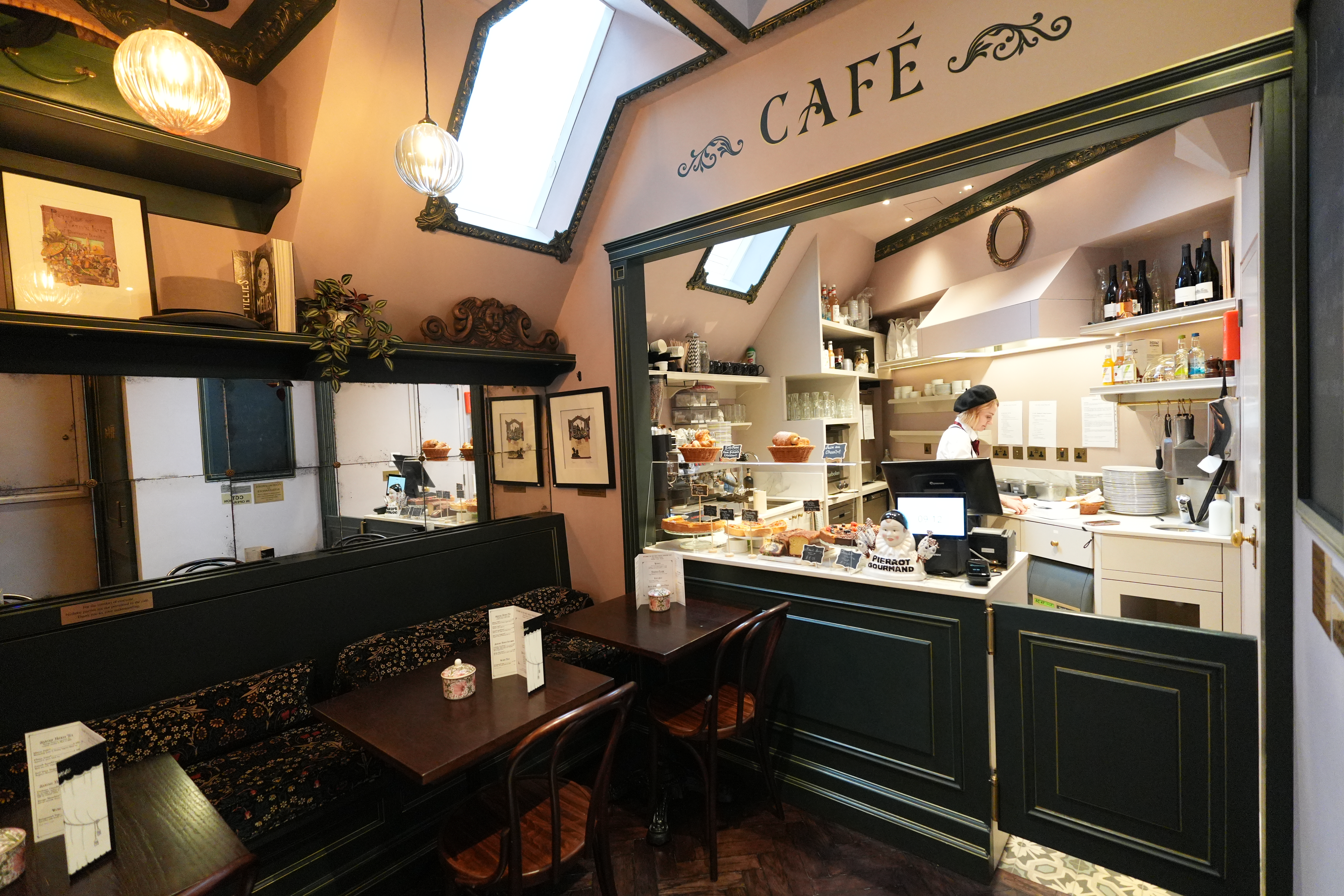
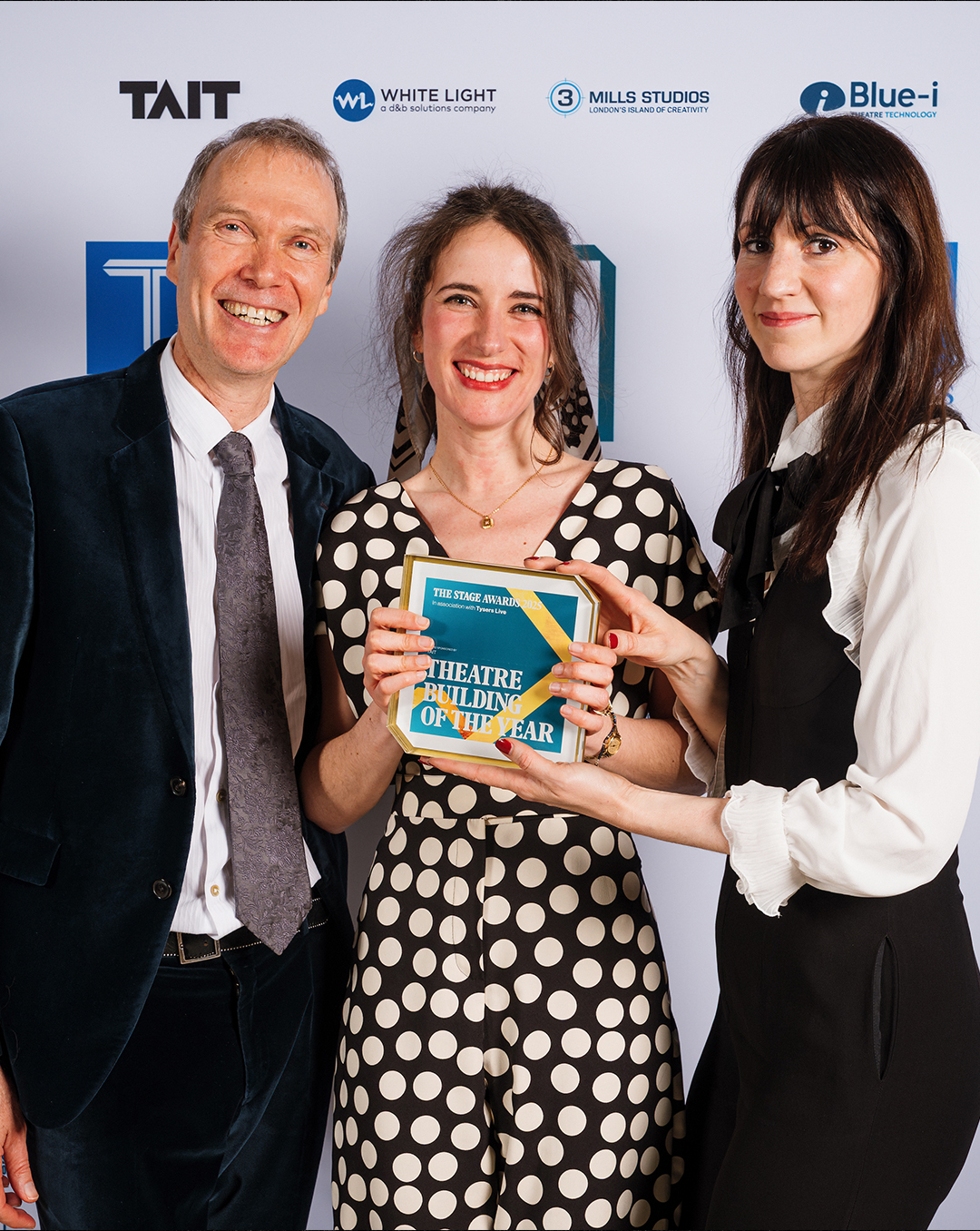
The Well Walk Theatre was opened not so long ago by Zina Drouche and Dylan McNeil, together with actress Marina Turmo, and already this unique little theatre has become deeply loved by its audience. People come there to drink beautiful coffee with homemade cake — the café is open every day — to browse and buy unusual books in the tiny bookshop, to watch old films and animation, but most of all to immerse themselves in theatrical magic inside the small fifty-seat auditorium.
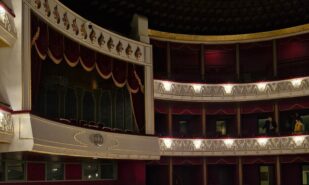
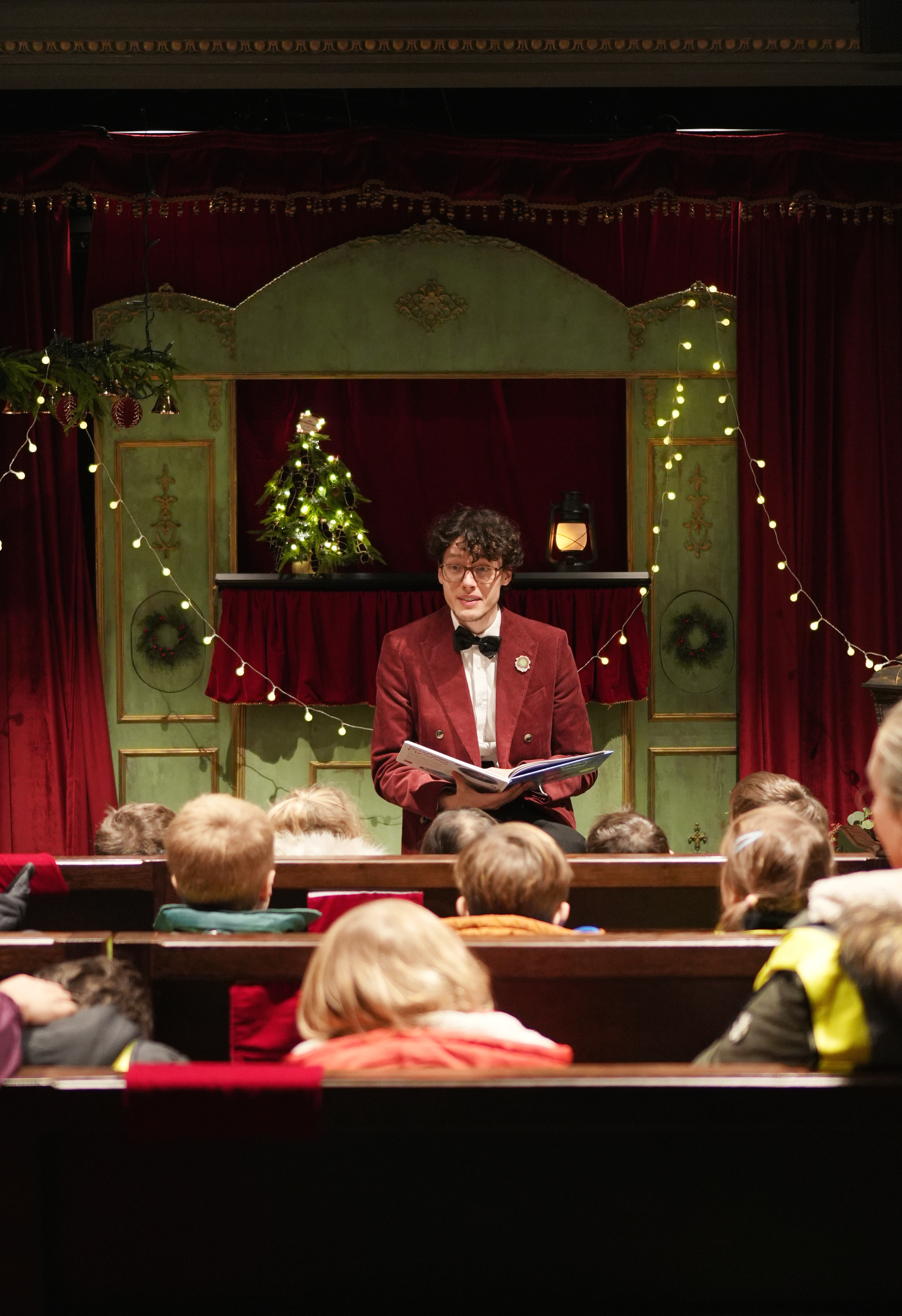
An auteur theatre is already something rare in London. A puppet theatre even more so. Lovingly restored, The Well Walk Theatre feels above all like an antique box full of extraordinary things. The glowing lamps look like old grandmother’s necklaces, the wooden furniture like tiny toys carefully polished by hand. You open the little door of this theatre-box and suddenly you become… a child again? No, not exactly. Rather someone curious again — someone ready to watch, to feel, to empathise.
And recently the small team behind The Well Walk Theatre opened another beautiful new space: a workshop under a glass roof where they plan to organise мастер-классы and artistic workshops. We spoke with Zina Drouche, Dylan McNeil and Marina Turmo about the theatre, its unique performances and its puppets while sitting around a huge wooden table surrounded by a wonderfully mismatched collection of chairs.
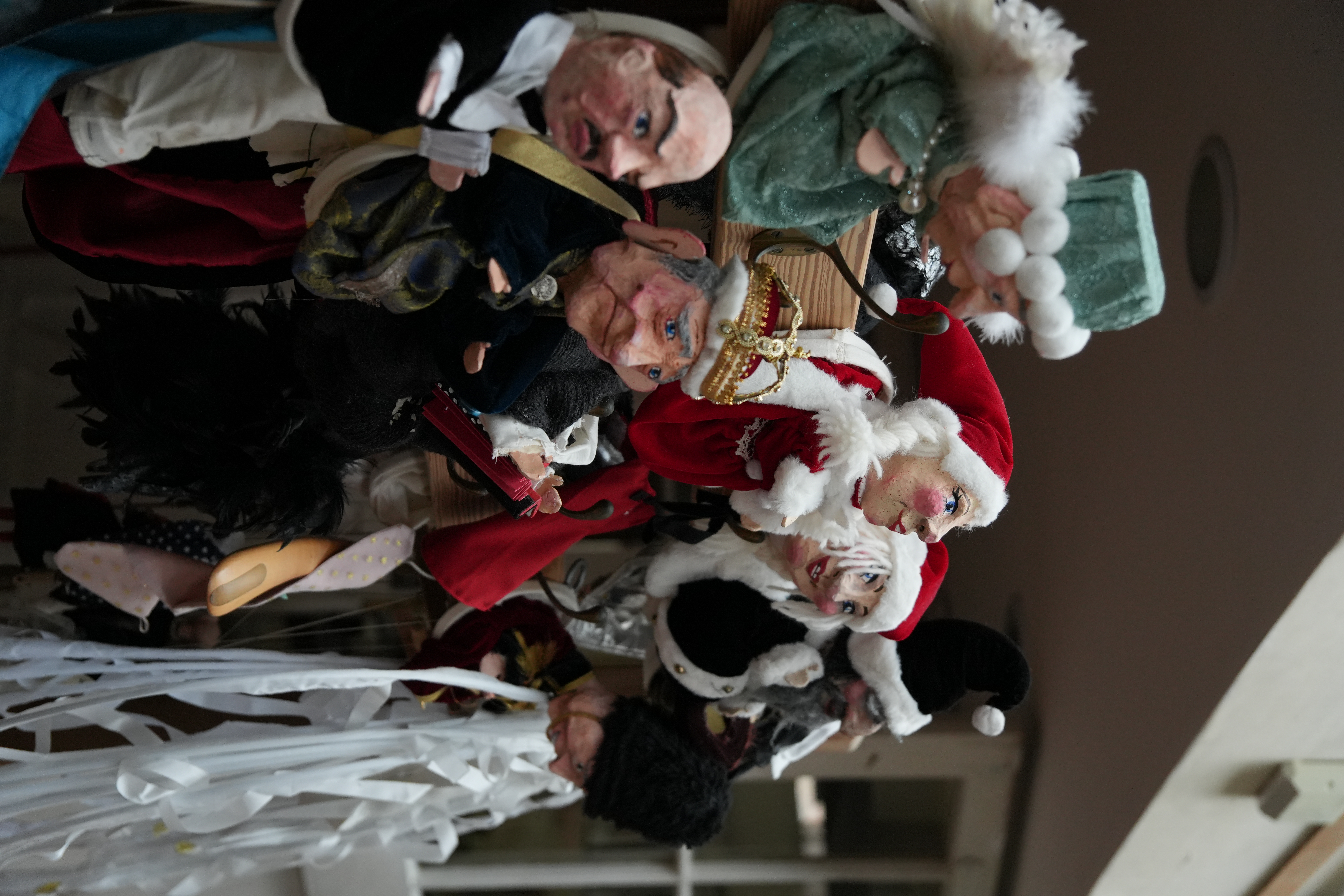
When did you feel, okay, this is it — we are opening a new theatre?
Zina: I think for me it was the moment when we went for the first time inside the building. Before that we already started in our living room — this was the very first stage — and we were really looking for a place, like a little shop, where we could develop all our projects.
I come from Paris, I grew up in Montmartre and I was fascinated by shops, like little shoemakers, boulangerie, all these artisans, and I always dreamed of having a little shop to make dreams for children. To make puppets, create new things, and perform.
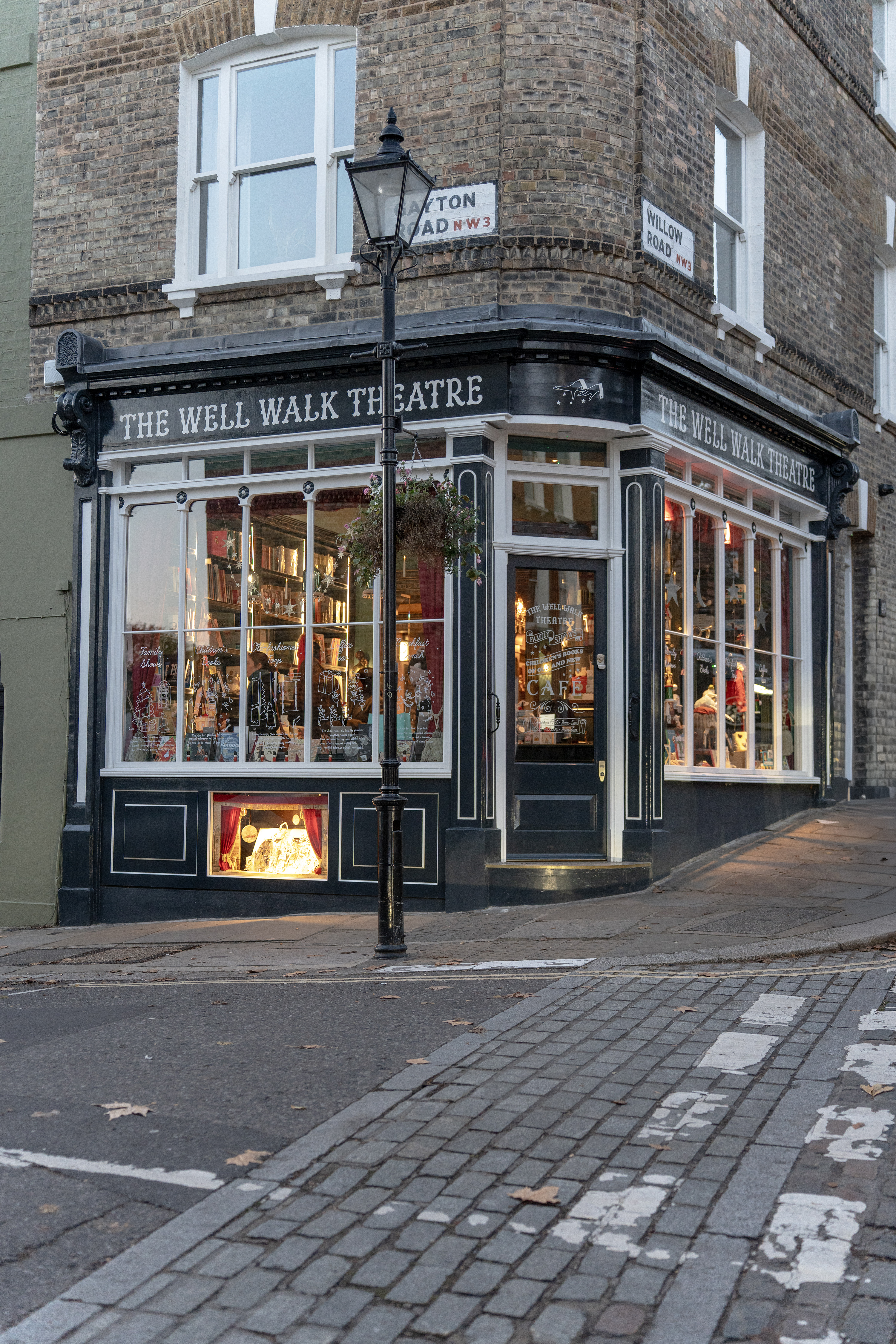
We knew the pottery shop because when we moved to London we were going to Hampstead and we discovered this amazing place. It was closed for many years, dirty, spooky, dusty, totally abandoned, with spider webs everywhere. It was very mysterious and intriguing, very romantic, but closed.
At one point Dylan mentioned that the potter passed away and that they put the place on the market. So we went to see it, and as soon as we stepped inside… I remember this feeling, like, “Oh wow… Here we can have a bookshop and a café.” Because we love books, we love illustrators, we have a lot of friends who are making beautiful books. And maybe a café where everyone could meet, where you can meet the artists after the show. And downstairs there was this basement with no windows — perfect for the auditorium.
Dylan: It came very fast, that was my feeling. At least in my recollection, almost instantly we said: “Bookshop and café, boom!” In a way, the building was speaking to us. It was more like: “This is what you are going to do.” Okay, okay, we’ll do it.
Zina: And I also remember a moment with Marina when we came here on a day like today, very sunny, and Marina decided to write some words to explain the history of the place and our plans. Because she’s a wonderful illustrator, she was drawing all these little things directly on the window. The sun beam came through the window and reflected all the words on the wooden table. It was magical.
And to come back to what I was saying about the little shops in Montmartre and Paris — I think everywhere now there is this tendency, all these little places are closing down for big corporations. And I think it’s a shame – it’s very important to come back to something a bit more human.
For me it’s also connected to our own story with Dylan because we met in Paris when I was working at Théâtre du Rond-Point, and it was a theatre with a café and a library.
And I’m just so happy now to see all the people who are coming to the theatre for performances, but also all the neighbours who are coming to have a coffee, to discuss. We make so many friends, and it’s lovely because it’s a place where we can be all together, sharing a good coffee, a nice cake, and talking about…
Dylan: …performance, literature. Yes, that was really the moment. Everything started with this little wooden theatre in the living room, and then we were performing in the street. And after that the construction process was very important. It took a lot of time, also because of COVID, but we had an amazing team working on the project. Sometimes it was a bit difficult, but in general it was an amazing human adventure.
So the theatre was born before you even opened in Hampstead?
Zina: At the beginning I just took a curtain, I asked a friend who plays piano, and I performed in our living room. And directly I felt that I had something very special. I saw the reaction of the children first, and the parents also. They were like, “You need to develop this, it’s incredible.” And I took it seriously.
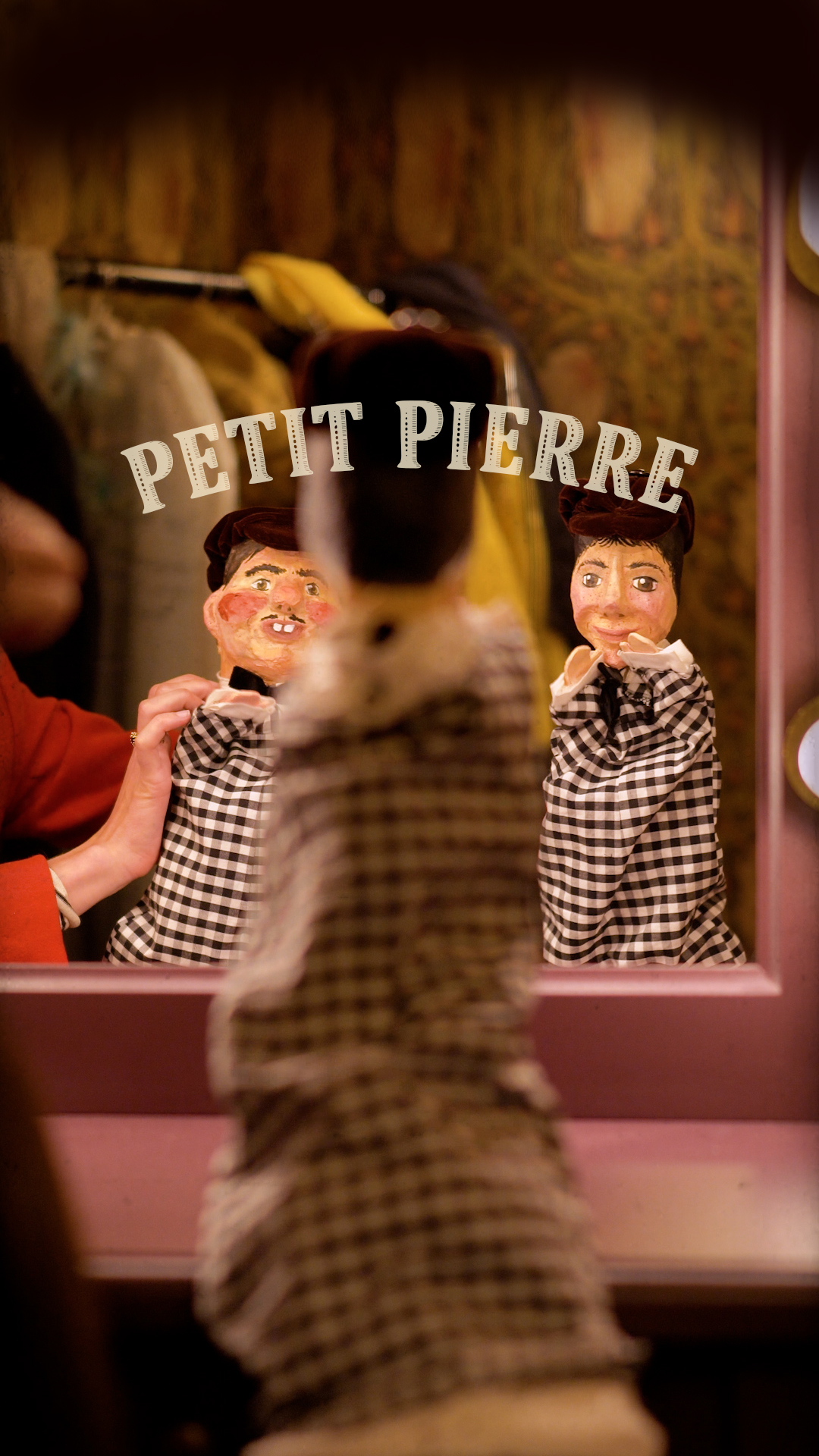
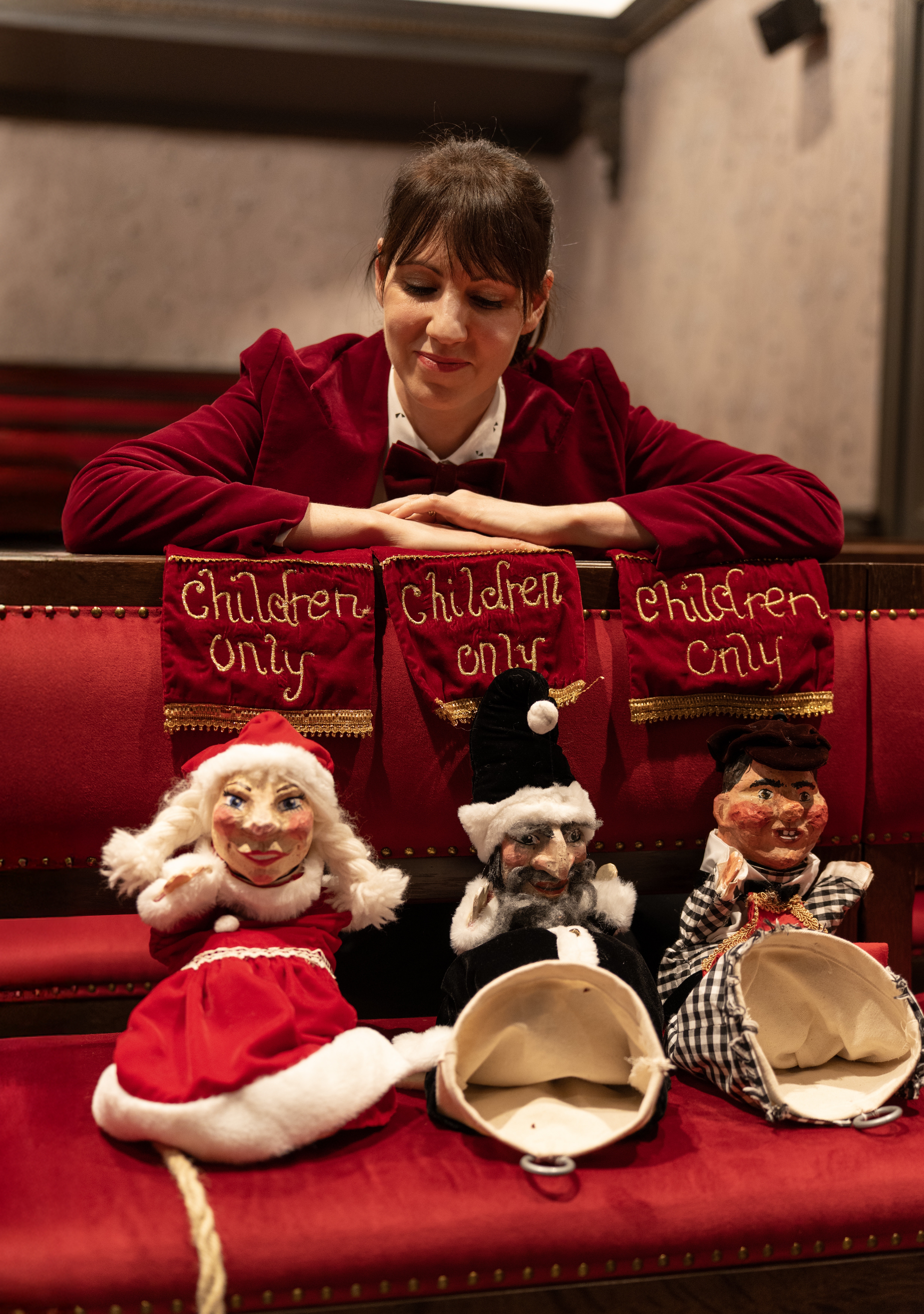
“Petit Pierre from Paris” was the first show that I created. It was in a castelet, a traditional puppet booth. In Paris we have the Théâtre de Guignol, which is like the French Punch and Judy. It was extremely popular, first for adults, and very political, and after it became something more for children.
When I was a kid, I went there every Sunday with my friend. The kids were all together, the parents were on the side. The characters were fighting, laughing, crying, it was scary and funny at the same time, all these puppets moving and talking. It was a tradition. And when I arrived in London, I was very keen to keep this French culture in our place, and obviously for our children too.
My daughter was turning four, and I realised that birthday parties in London are a huge thing, everything very big and elaborate. And my daughter was like, “Okay, what are we going to do for my birthday with my friends?” And I said, “You know what? When I was a child I was going to Guignol. Why don’t I make a Guignol for you?”
She loved the idea. So I went to the attic and I found this very antique screen that we brought from France from Dylan’s grandmother. I restored it, made a little window in it, and I asked a friend who is an illustrator to help me. We made different backgrounds and two puppets: Petit Pierre and Gnafron. One is the lead character, the other one is the one doing silly things. And I thought, “What about music?” Wonderful — I had a friend who played piano.
I did everything in ten days because I had to be ready for the birthday. The story was about Petit Pierre from Paris, this little French guy working in a grocery shop who decides to go to London for one day to meet the Queen and give her a Camembert. So he takes the Eurostar, arrives in London, goes to Buckingham Palace, and they say: “No, no, no — do you have a permit for the cheese?” (laughs) Because Brexit had already happened, so we needed a little political thing. And honestly I had so much fun myself. I was inside on this little wooden chair, doing all the voices… and the children reacted immediately. The parents also said, “The story is amazing! Did you hear it? It’s so funny!” And I had this feeling — you know, like when you make a big discovery. I thought, “I think I have something very special”.
I was a costume designer, I love fabrics, I love making things, and I think I brought all this into the puppet shows — into the performances, the voices, the details. And I never studied acting, I never went to drama school. But I was extremely lucky because I met wonderful people in my life. Obviously I met Dylan, who always believed in me and pushed me to do things. And also in Paris, when I discovered the world of theatre and cinema, I was extremely lucky to meet this amazing director, Alfredo Arias. He opened so many doors for me.
I worked with him, then at Théâtre de Chaillot, at Théâtre du Rond-Point — these huge theatres in Paris. I learned so much there. I stayed very late watching rehearsals, being backstage with the actors. And I think I took a lot of inspiration from everything I saw. And after that I was like, okay, I’m going to do my own thing for children. And I really enjoyed it. And I think the children love it too, so perfect.
Is it difficult today to keep an independent theatre alive in London?
Dylan: Yes and no. Right now it is difficult because we are expanding, and there is a lot of work going on, including in Thailand, which is extremely demanding. There is a lot of pressure on us to deliver more shows, more birthday parties, more workshops, more everything. But as soon as we find our rhythm — I think maybe another year, year and a half — I think we should be okay. If we are smart enough to put everything into place, I think this is something that is going to last. Because what we present is very unique. It’s very unusual what we do, and there is a big demand for good quality shows — things which are interesting for the children and for the grown-ups, which are not condescending, which are not taking children for idiots.
We have all been children ourselves, and we’ve all seen many shows where you just think, “Okay, this is a kid’s show, but it’s not talking to my child the way I would like this show to be talking, and it’s not talking to me either.” And here, even the shows for the youngest ones are very interesting for the grown-ups. There are enough layers, enough degrees of understanding, that adults enjoy them a lot too.
As a matter of fact, very often at the puppet shows there are more adults than children. And sometimes it’s like three generations coming together — the children, the parents, and the grandparents. So for us it’s really a little moment of pride when we see that.
Zina: We had a family coming recently, and the mum had just had a baby two days before. And she said, “I had to come for my older son, but I was also very happy to come and see something together with him.”
At Wells Walk Theatre you combine two art forms — cinema and theatre. I’m thinking especially about your film screenings.
Dylan: We like to present things that are a bit rare, unusual, and maybe even endangered. We specialise in something quite vintage and retro. If you look at the shows that we present, they are very traditional. The puppets are very traditional. The magic shows also always have this very old-school kind of environment or vibe.
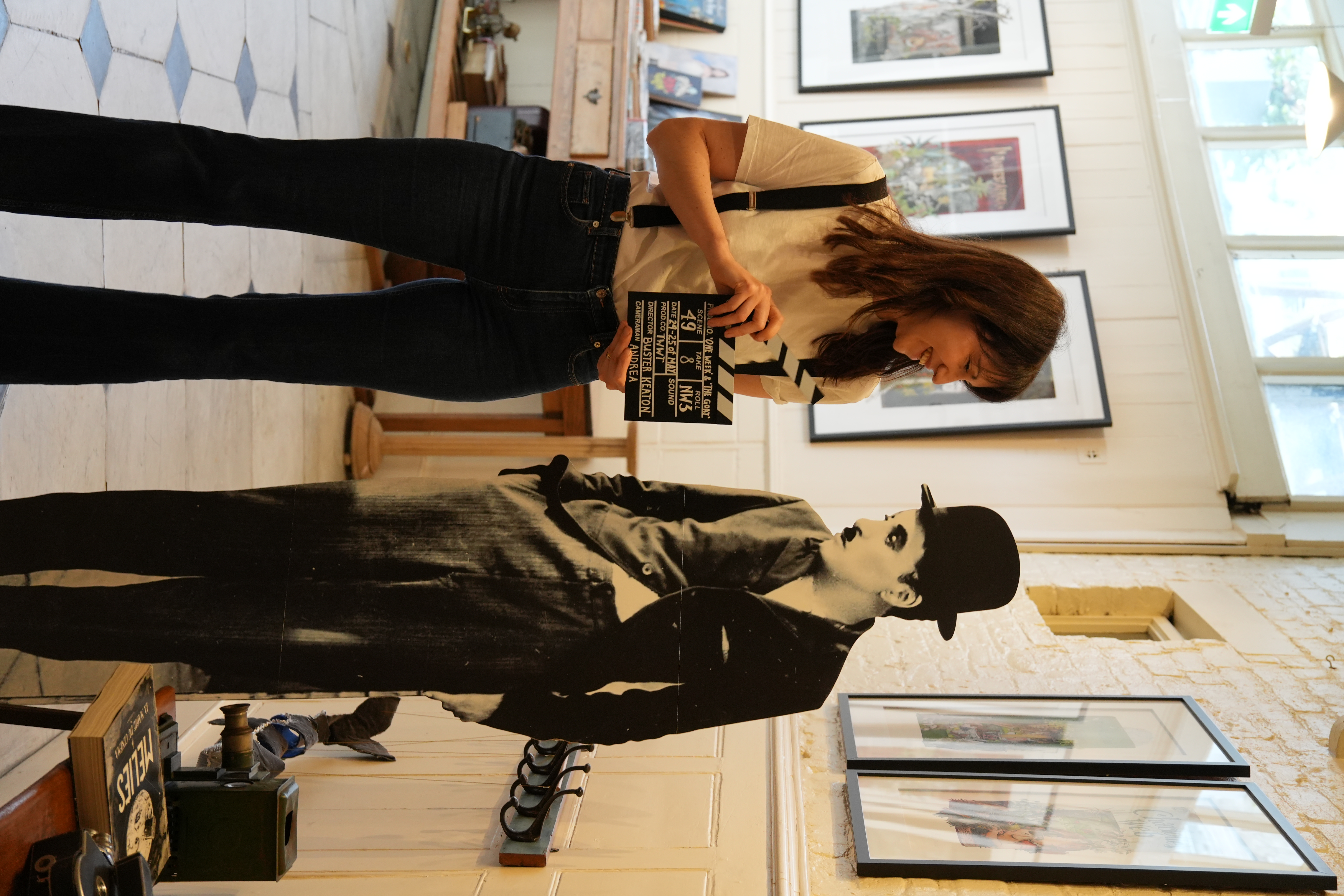
There is something very nostalgic about what we do. And for me, silent movies with live music tap into exactly the same feeling of nostalgia. You don’t really get to see them anymore. Very seldom on the screens. And these are wonderful things to rediscover as a family. Again, Chaplin, Buster Keaton — these are things which speak to both generations. It’s wonderful to see a Chaplin movie as a kid, and it’s even more wonderful to rediscover it as an adult. He’s even better than you thought he was when you were a child.
I really like curating those rare finds, those little gems that you don’t get to see anymore. And actually, as soon as we can do more evening events, I definitely want to present things like Sergei Eisenstein or Alexander Dovzhenko — those treasures which you almost never get the chance to see on screen now.
You work with puppets with your hands. Can you describe your relationship with the puppets? Are they alive?
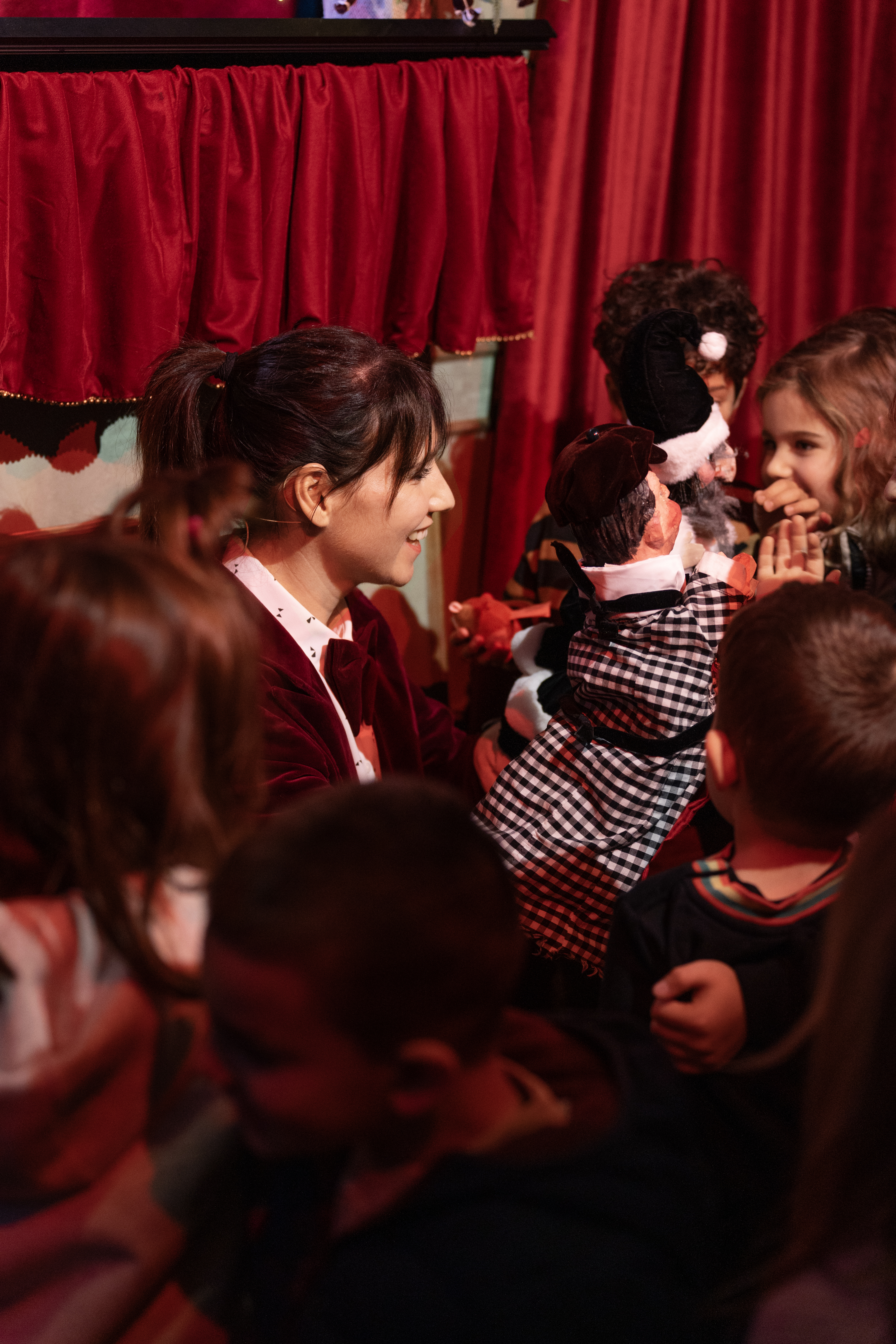
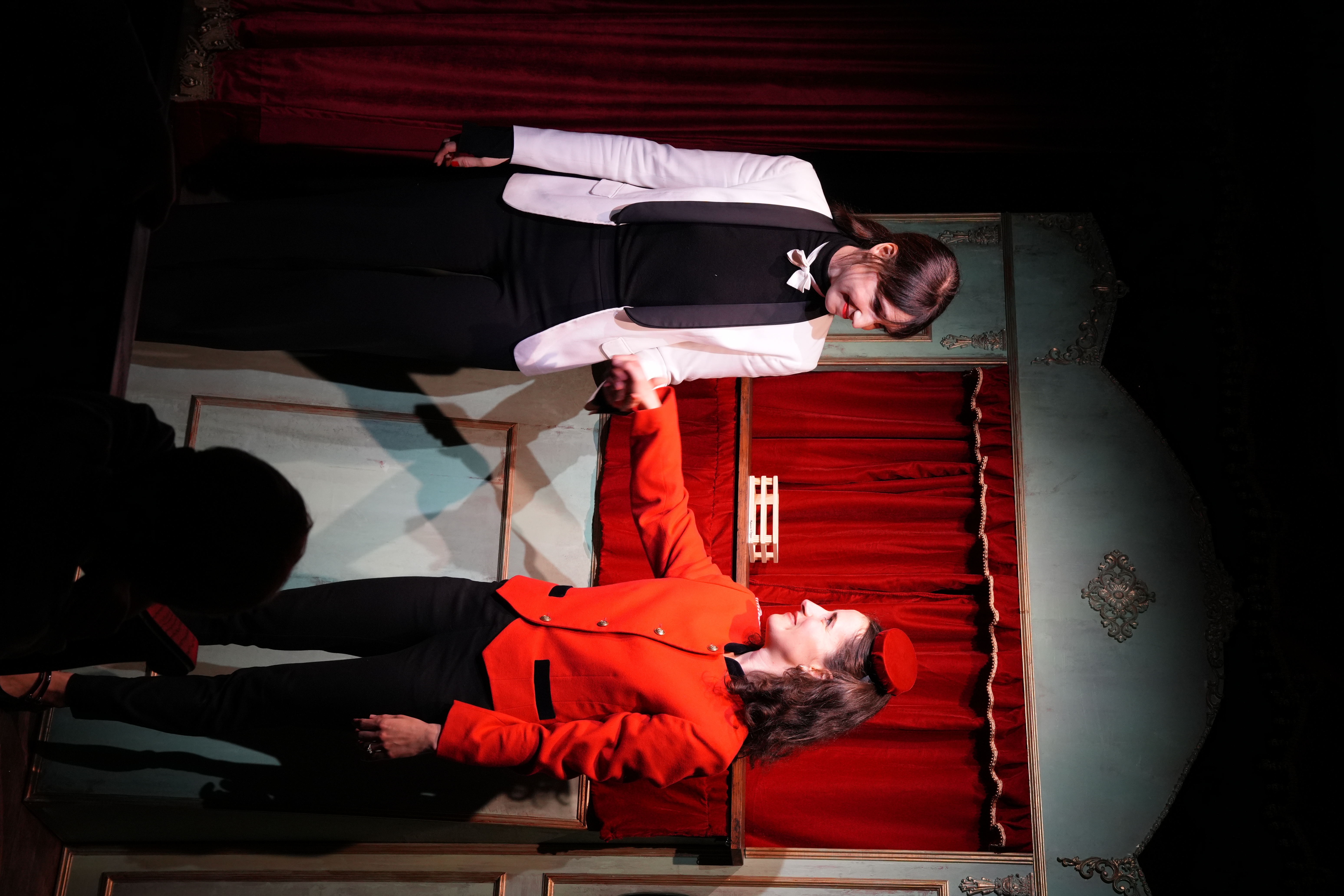
Zina: It’s funny because the children were speaking about exactly that after a recent show. When I’m performing the puppet show, I’m inside the booth. I can see the children, I can hear what they are saying, and sometimes I react — so the puppets answer them. And Marina is in front, adorable in her little red costume, and she’s really the link between the puppets and the audience.
And after each show I come outside with the puppets to meet the children. I sit on the floor with them and we talk together. I remember one child looking not at me, but directly at the puppet, and asking: “Are you alive?” It was so touching.
Marina: A lot of children are a bit anxious before the show because they don’t know what is going to happen. I try to reassure them, and some of them ask me: “Are the puppets real? Are they alive?” And I think the answer I landed on is: “They are real puppets”.
I really like that answer. And then sometimes at the end children start arguing with each other, like: “Oh, don’t be silly, they are not real!” And I say: “No, they are real puppets. Real puppets”. We did a lot of shows, and every time it’s the same thing — the children come to touch the puppets, they talk to them.
Zina: Sometimes I become very emotional because I feel so proud to be able to give these emotions to children. We are making memories for them. And even the older children, sometimes they pretend they don’t care, but I can see in their eyes they are like, “Oh wow… can I try?” Of course I let them hold the puppet. And they ask me: “Who did all the voices?” “I did all the voices”. “No, you were not alone, there were a lot of people inside the booth!” “No, I just changed my voice for the different characters”. “No, your husband was inside the booth too!” “No, he wasn’t!”
Marina: Once we had slightly older children, maybe seven or eight years old, and at the end we decided to do a little Q&A. We thought they would ask questions about the booth, or how the puppets work. But instead they started asking questions… to the puppets. I remember they asked: “How old are you?” and “Why do you like sausages so much?”
Can artists and puppeteers come to you with ideas? Can they become part of the theatre programme?
Zina: It’s true that we started with our own productions because obviously this is our personal project. The idea first was really to present our own work, to show what kind of theatre we are creating. And after that we see if certain performances are going to fit our universe. It’s very important for us. We are never going to programme something that is not in our style. We really want to keep the theatre in this spirit, so that the audience knows they are going to see something very special.
And already now we are collaborating with different companies. For example the Magic Show — we met the performers and we loved what they were doing. They adapted the performance to our theatre, and we received very beautiful feedback from the audience. We also invited Awful Monsters because we saw this beautiful performance before the theatre even opened. We were like, “Wow, this is already something extraordinary”. And then last week we had the pleasure for the first time to receive the French company Les Anges au Plafond.
I had the pleasure to meet the founder, Camille Trouvé, in Paris, and I even collaborated with them on a project because they have an amazing team. They are creating very beautiful productions. Their first show, which they created together with her husband Luis, is called Le Cri Quotidien. Usually they are doing huge performances, very large productions, but this one is a smaller form. Last summer they performed in Avignon, and this show was perfect for our theatre. Exactly the kind of thing we love — a puppet story, almost like a book.
French theatre often works as a permanent troupe — a theatre-home. British theatre is very different: actors audition, come into a project, and then leave. In France, for example at Comédie-Française, there is a permanent company working together with a director. Do you feel close to this system?
Zina: It’s funny because I was speaking about exactly this with Camille Trouvé recently. They are working with a national theatre in France, they tour a lot, they love travelling and meeting other companies. And she asked me: “Do you want to tour with your productions?” And I was like, “Yes but… I prefer to stay home”. Obviously I would love different audiences to see the shows. But I really like the fact that we are such a small theatre, and that we stay home and create things here. It’s almost like homemade things. Very intimate.
So this is your nest?
Zina: In a way, yes. So for us, collaboration is more about bringing talent into the nest. Giving artists the possibility to develop projects here. But it’s true that it’s rare to find the perfect performance that really fits our universe, because we put a lot of effort into what we want to present. I really like the idea of developing talents, and I would love to do that also through workshops here, maybe even artist residencies.
Is this also why you opened workshops in the new part of the theatre?
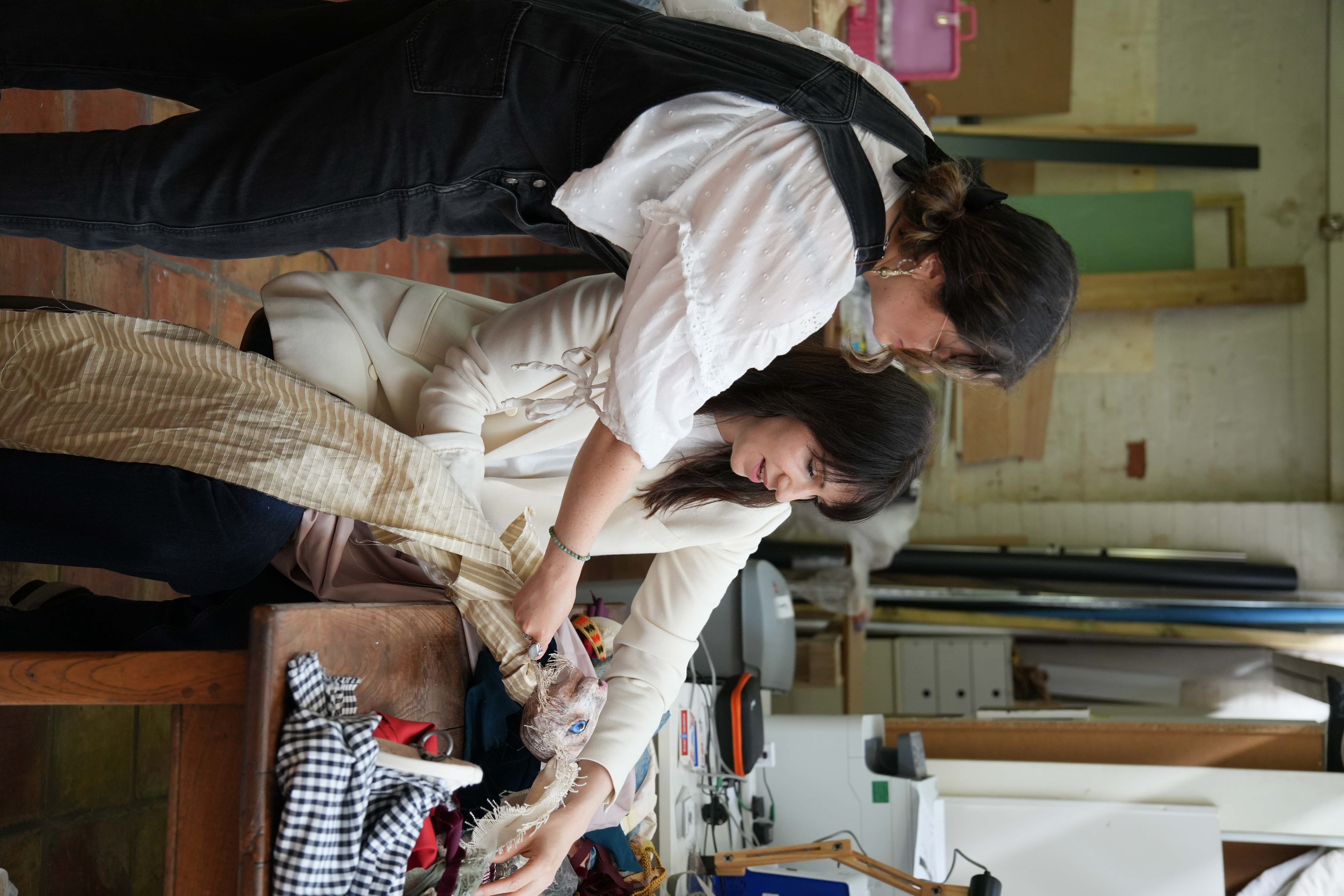
Zina: This is a very important part of the project. When we decided to open the theatre, I had this vision very, very fast that I wanted a place where I could develop the project like an artisan. And then the workshop became very important too. When we created the theatre, we met this amazing woman, a violin maker, who was working next door. And we discovered this place where people were making violins, textiles, all these things. Then we started using the space to create our puppets and our sets because the theatre itself is too small and we simply didn’t fit anymore. And we realised: okay, we need to open this place to the public.
Children always want to see behind the booth. There is always one or two children asking, “Can I see what is going on?” One of my dreams is really to create workshops and build performances together with children of different ages. Some make the puppets, some write the story, and after we all perform together, because it’s beautiful to do all these things together.
So very fast we understood: okay, we need workshops for children, but also for adults. Honestly I think doing things with your hands today is extremely important. We are always typing — on the phone, on the computer — all the time. But creating something yourself gives such satisfaction. Also the exchange with other people, people you know or you don’t know, and suddenly for two hours everybody is making things together. It’s a very special thing. I really like opening the backstage world to people. Showing what is happening behind the scenes. Because things are not just appearing magically — it’s a lot of work.
I love giving little tours of the theatre sometimes. We start speaking in the bookshop and then I say, “Come, let me show you the theatre”. And it’s a very precious moment because we are sharing our dreams with people.
It sounds like a mission.
Dylan: Actually it’s very simple. The mission is to transmit. To make people happy. To share experiences.
You sound like alchemists. Really. Turning sulphur and mercury into gold.
Zina: It was so funny when a school teacher asked our children what their parents do for work. And my son, he was maybe five years old, and he said: “My mum makes amazing puppets for children. And you know what? She’s like a wizard”. And I just loved that. I was like, of course — a wizard. It really feels like that.
Dylan: Alchemists — we’ll take that. The alchemists of puppetry.
Photo by Yulia Orlova