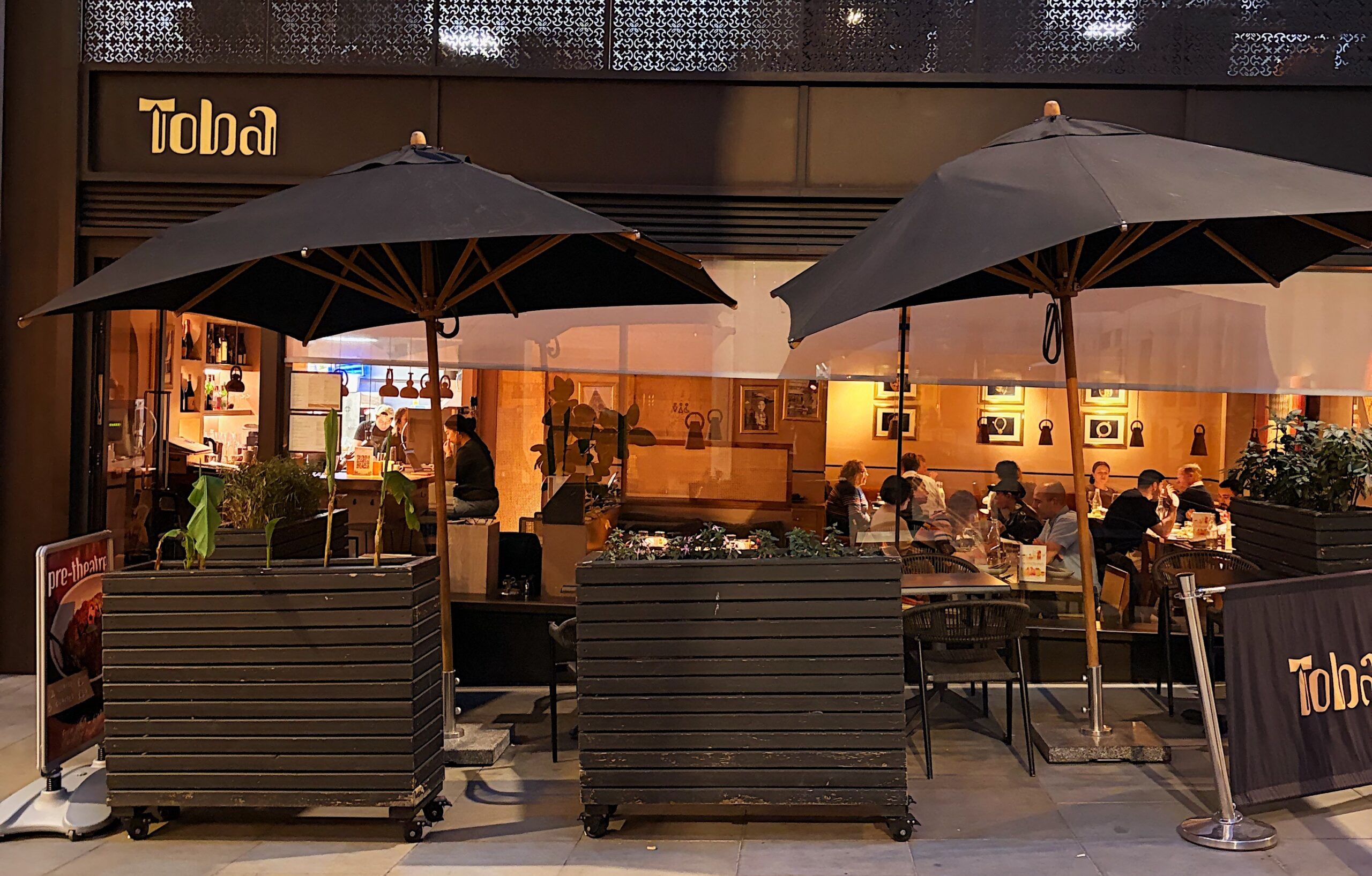
Tears of Chilli and Joy: Dinner at Toba

If you ask me which flavours take me straight back to my three years in Southeast Asia, the answer is always the same: pandan, ginger, tempeh, peanuts, and chilli. This is the rustic, comforting food I ate in small Javanese villages, and the distinctive sauces Auntie Puspa taught me to make in Bali. A few days ago, I had dinner at Toba, a wonderful Indonesian restaurant in St James’s. They stay true to authentic Indonesian flavours but adapt them smartly for a London restaurant setting, turning rural recipes into high-end cooking without losing their soul. Actually, a lot of the dishes are the chef’s family recipes, which makes dining there feel even cosier.
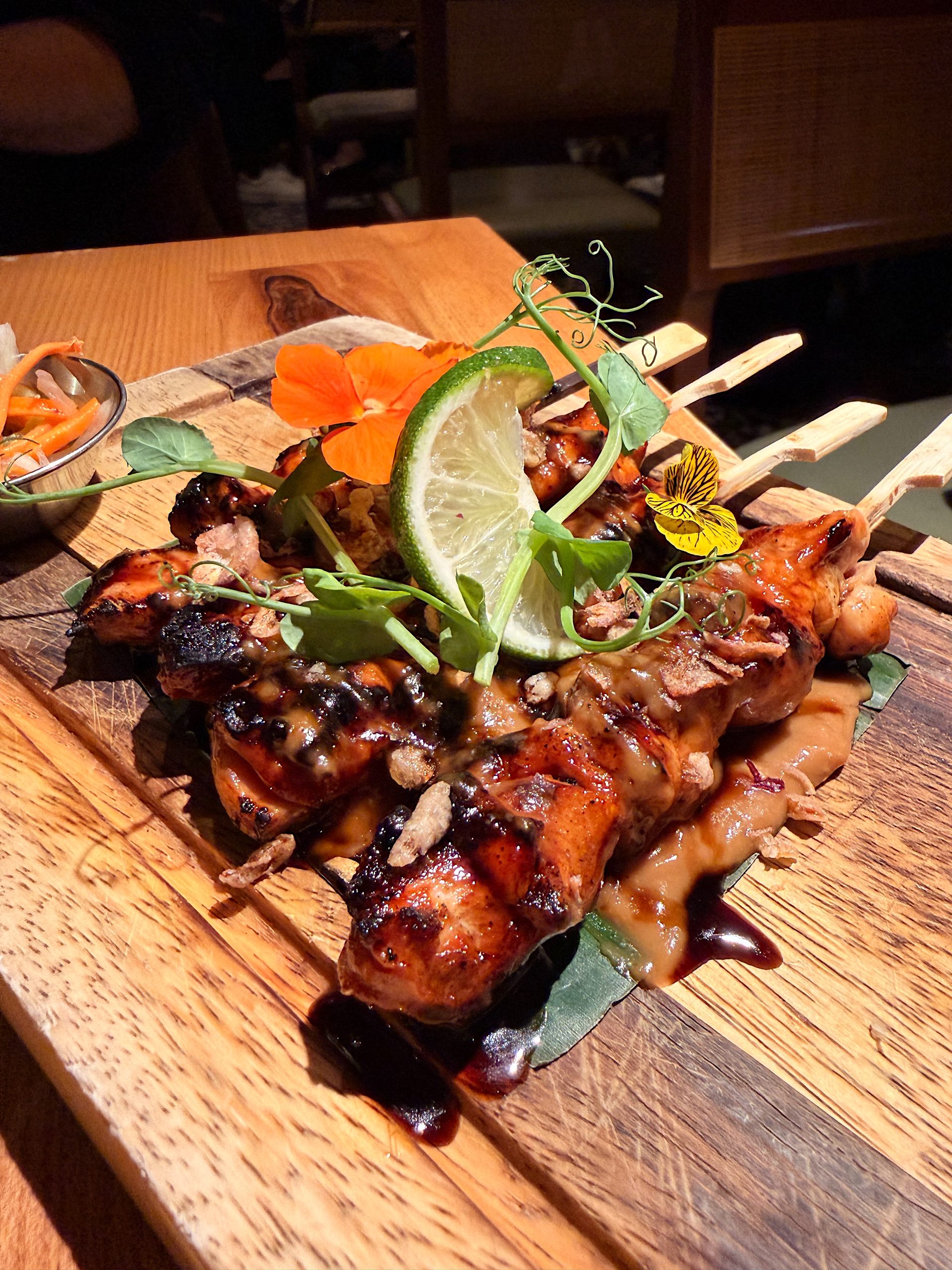
We started with the Indonesian street food classics — smoky, charred chicken Satay Ayam and Tempeh Mendoan Kremes. Usually, you expect a fiery kick from an Indonesian satay sauce. Here, Chef Pino has created a delicate, rich peanut emulsion and spread it over perfectly cooked chicken thighs, topped with a sweet soy glaze and paired with a sharp side salad to cut through the richness. It’s a seriously accomplished take on a street food staple. To my taste, I would have liked a bit more spice in the chicken marinade itself, but I spotted the Satay Rembiga Sapi (beef marinated in complex Indonesian spices) on the menu — an excellent excuse to plan my next visit.
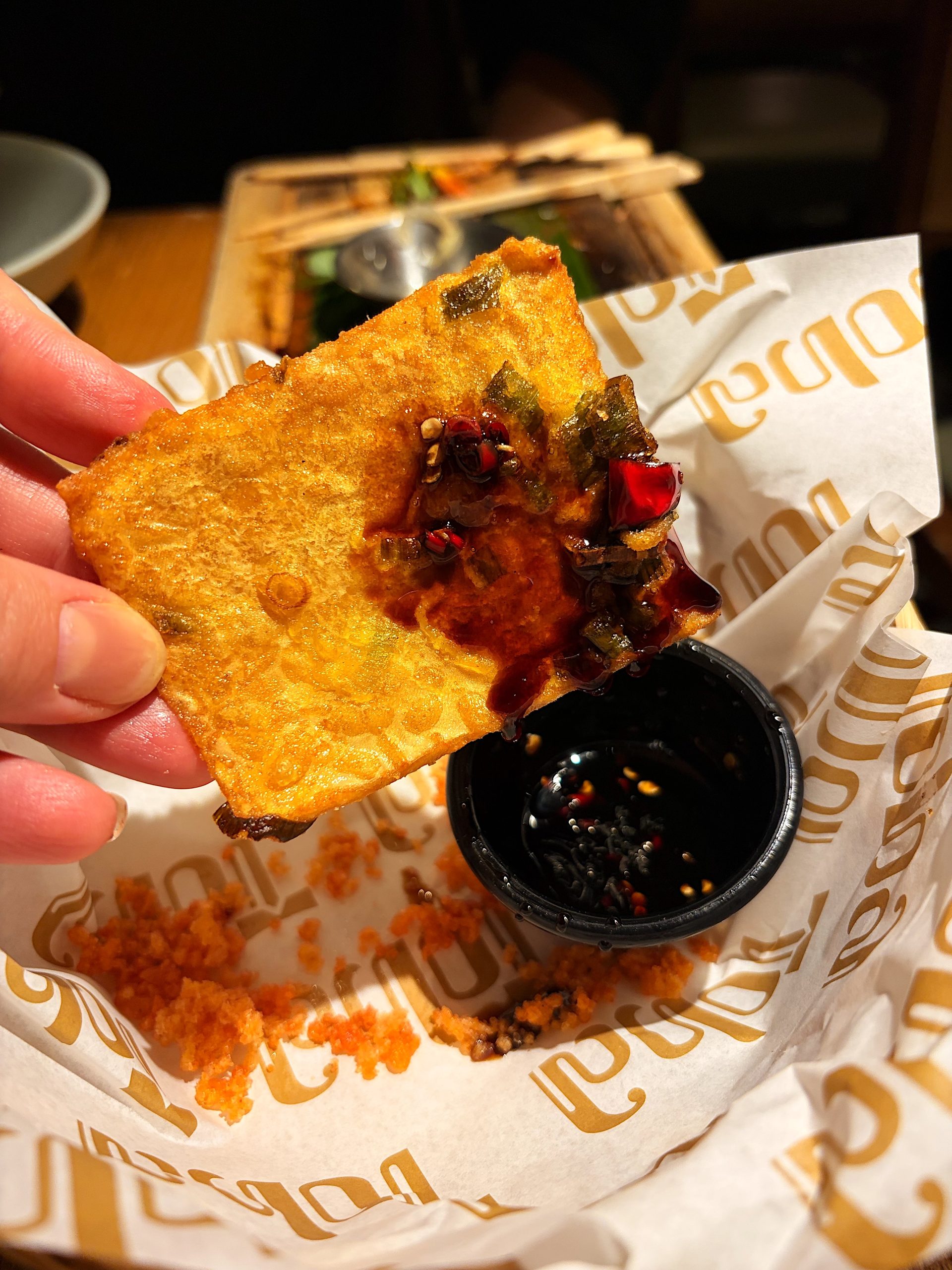
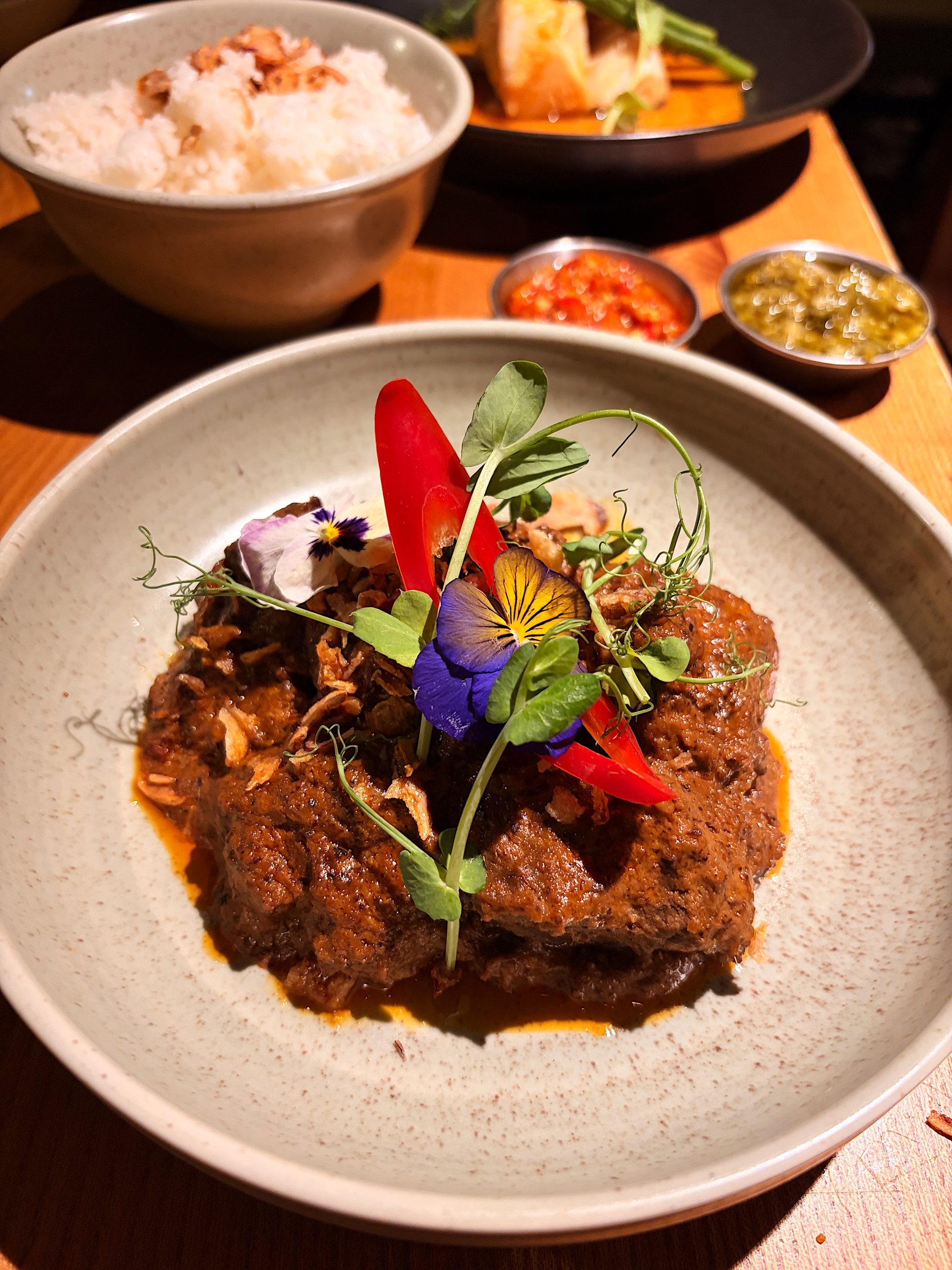
The tempeh was a revelation. When I think of tempeh, the first thing that comes to my mind is chunky blocks of it deep-fried in stir-fries and salads, but Toba’s version is entirely different. They slice it wafer-thin, coat it in finely diced onions, and fry it until completely crisp. I haven’t quite seen this tempeh cooking technique before. It stays soft inside but packs a proper crunch. If the chicken satay was all about smooth creaminess, this wakes up your palate with a sharp hit of fresh chilli and sweet soy sauce. I could have easily eaten three portions of this. We continued with two mains — Ikan Arsik (cod fillet in signature sauce) and Beef Rendang (slow cooked beef in spiced coconut).
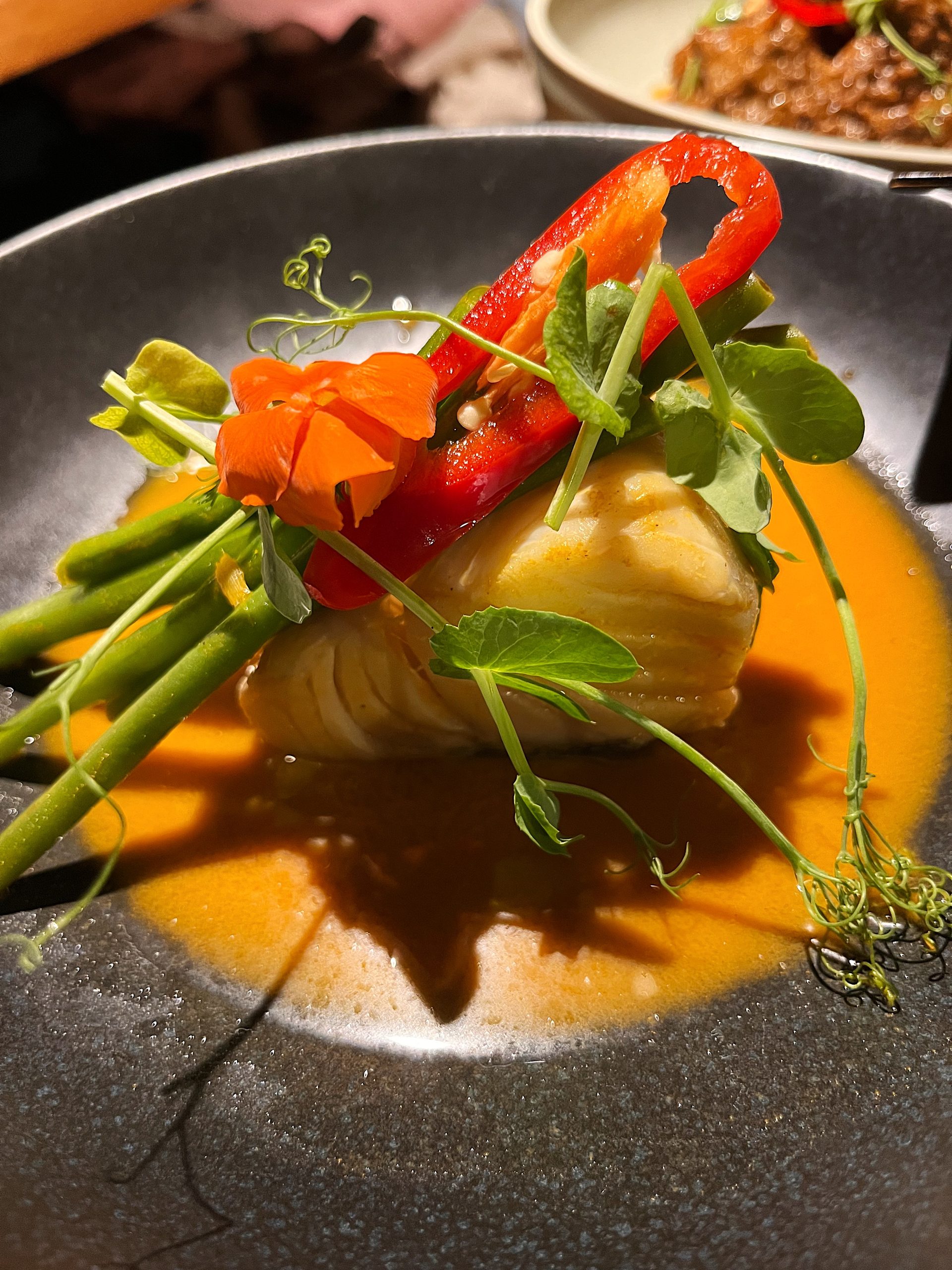
I’ll admit I’m not usually a big fish eater, but this was the star of the dinner. While you could easily praise how well the skin on cod was cooked, it was the sauce that stole the show. It’s a massive hit of lemongrass, galangal, lime, and something completely new to me — andaliman spice from North Sumatra, right near Lake Toba itself.
It reminded me of green Sichuan pepper or Japanese sansho pepper with its light numbness and citrusy notes, which, it turns out, all belong to the same Zanthoxylum genus.
The sauce was light, fresh, and slightly sour; it played perfectly against the fish. I couldn’t part with it and finished it with a spoon, feeling absolutely no shame even if it violated dining etiquette. The hearty beef rendang in a rich coconut sauce is exactly what comfort food should look like, and at £22 for a generous portion, it’s brilliant value for the area. Personally, I would have loved just a bit more sauce, but the spicing was spot-on and the dish as a whole was fantastic.
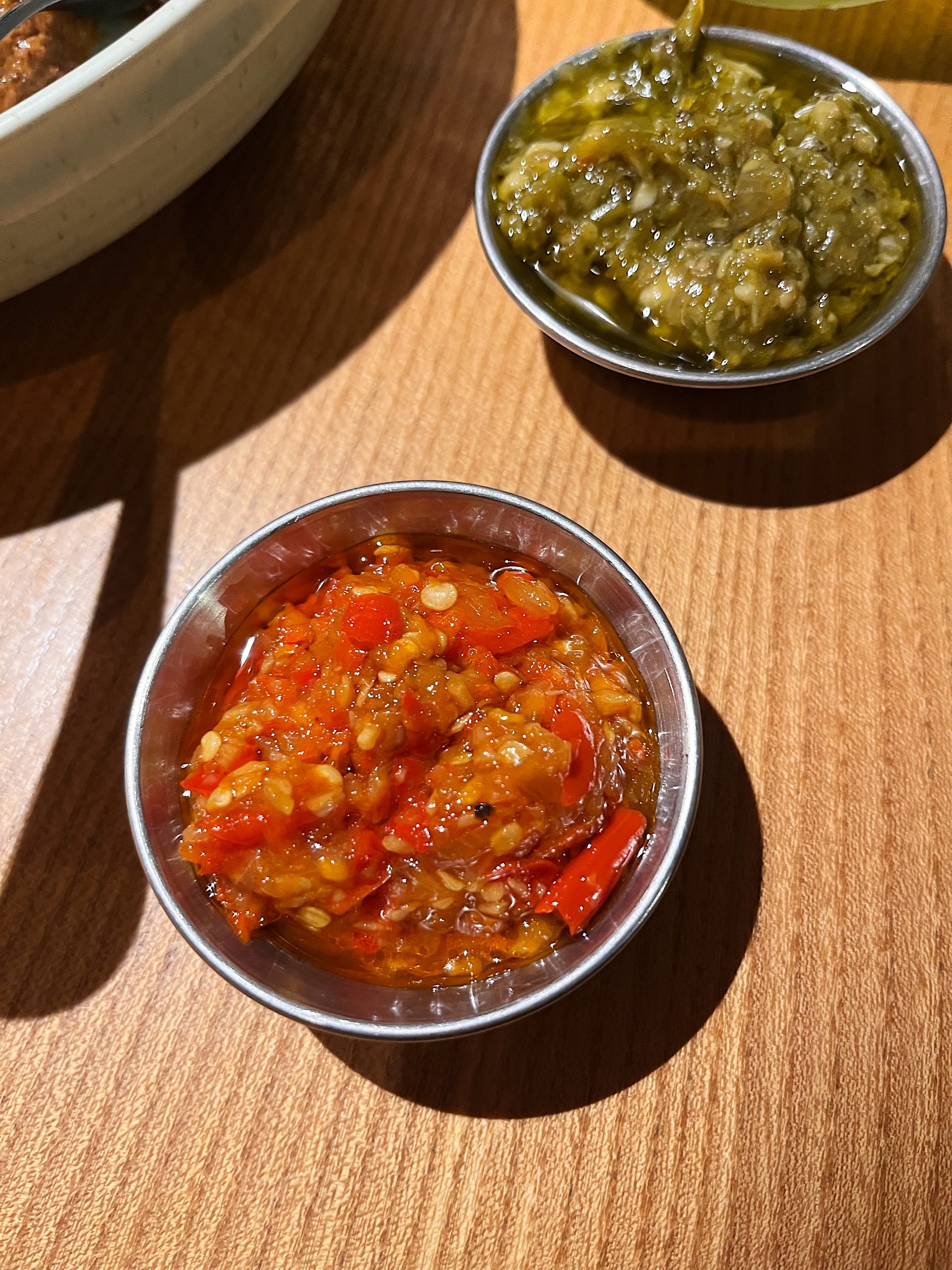
I paired it with a house-made red sambal that deserves a shout-out. Store-bought sambal often relies on a dark, seafood umami, but Toba makes theirs fresh from chillies and roasted shallots, adding a deep, savoury warmth to everything it touches. And yes, the sheer heat of it made me shed a tear while eating, and I have zero regrets! Honestly, I expect this kind of food to be unapologetically spicy, a level of heat you can rarely get in London. I’m finally happy.
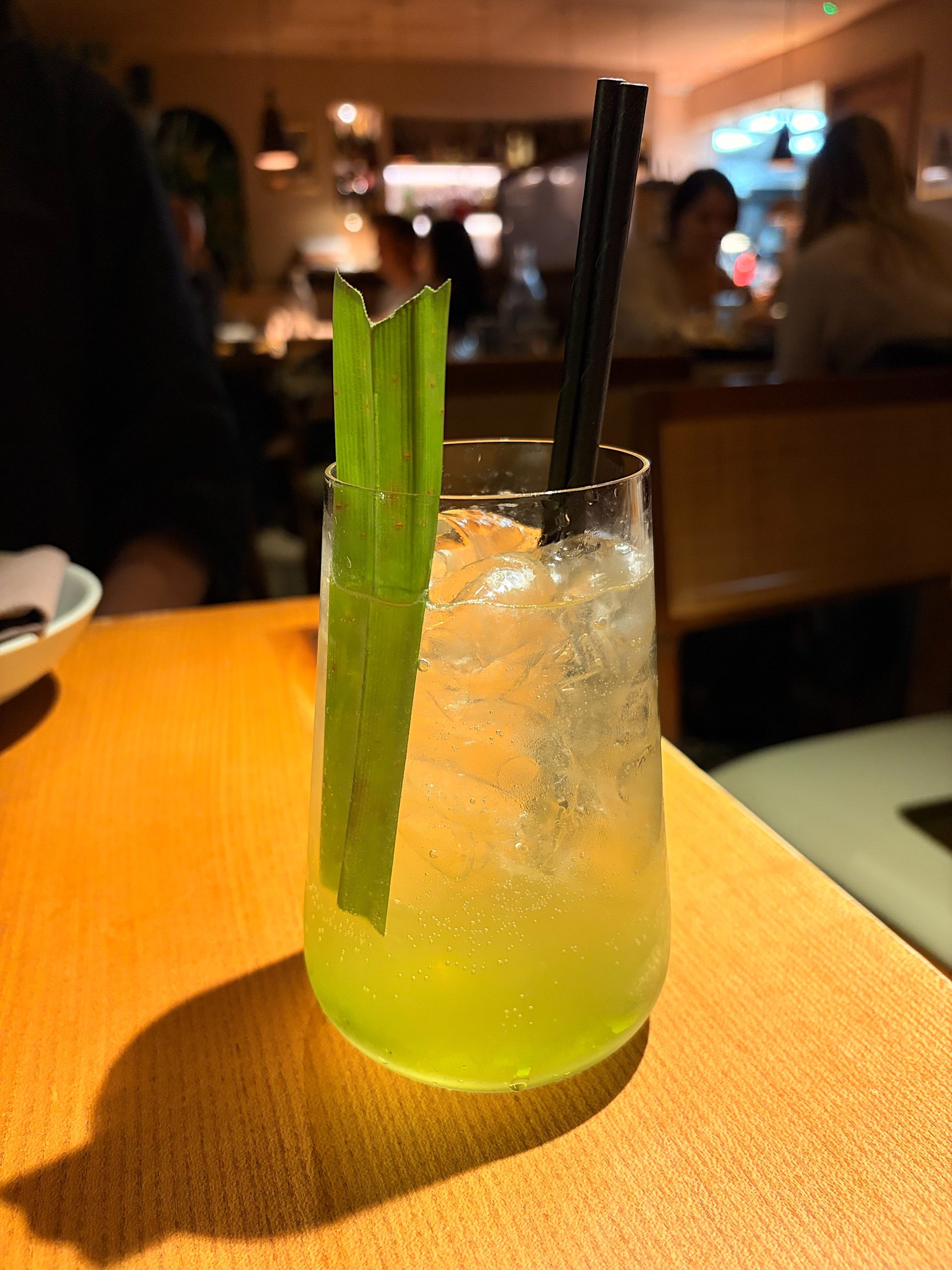
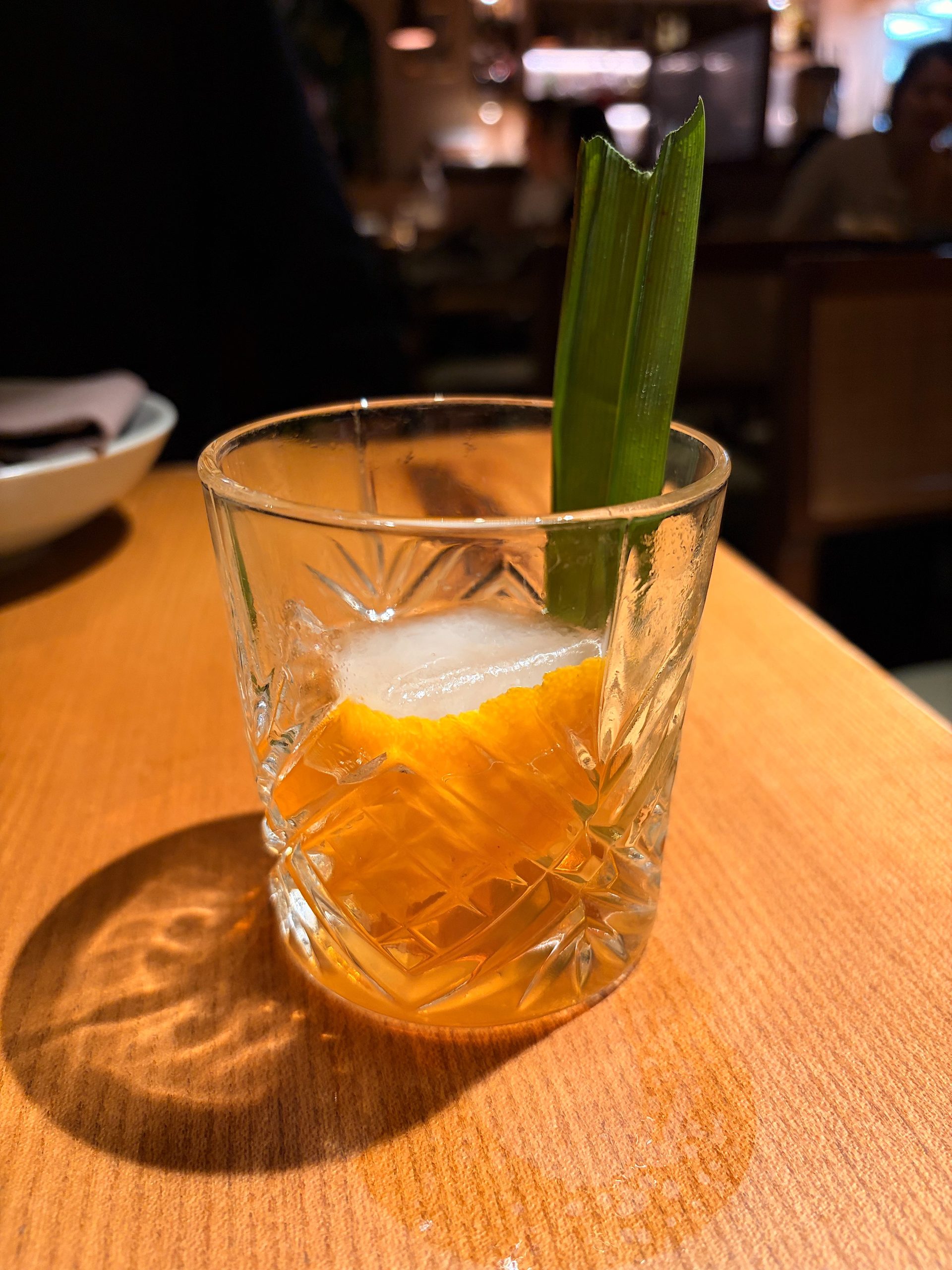
I always like to balance out a spicy meal with something sweet and sour, and the Pandan Mule was a great find. Pandan is a tropical grass with a highly unique flavour profile. To me, it’s a comforting mix of vanilla and cooked glutenous rice aroma. If you’ve ever been to Malaysia, Singapore, or Indonesia, you will have caught this sweet scent even in the city parks — pandan grows everywhere there. Having fresh leaves in my cocktail was a lovely touch, slowly infusing the long drink the entire dinner.
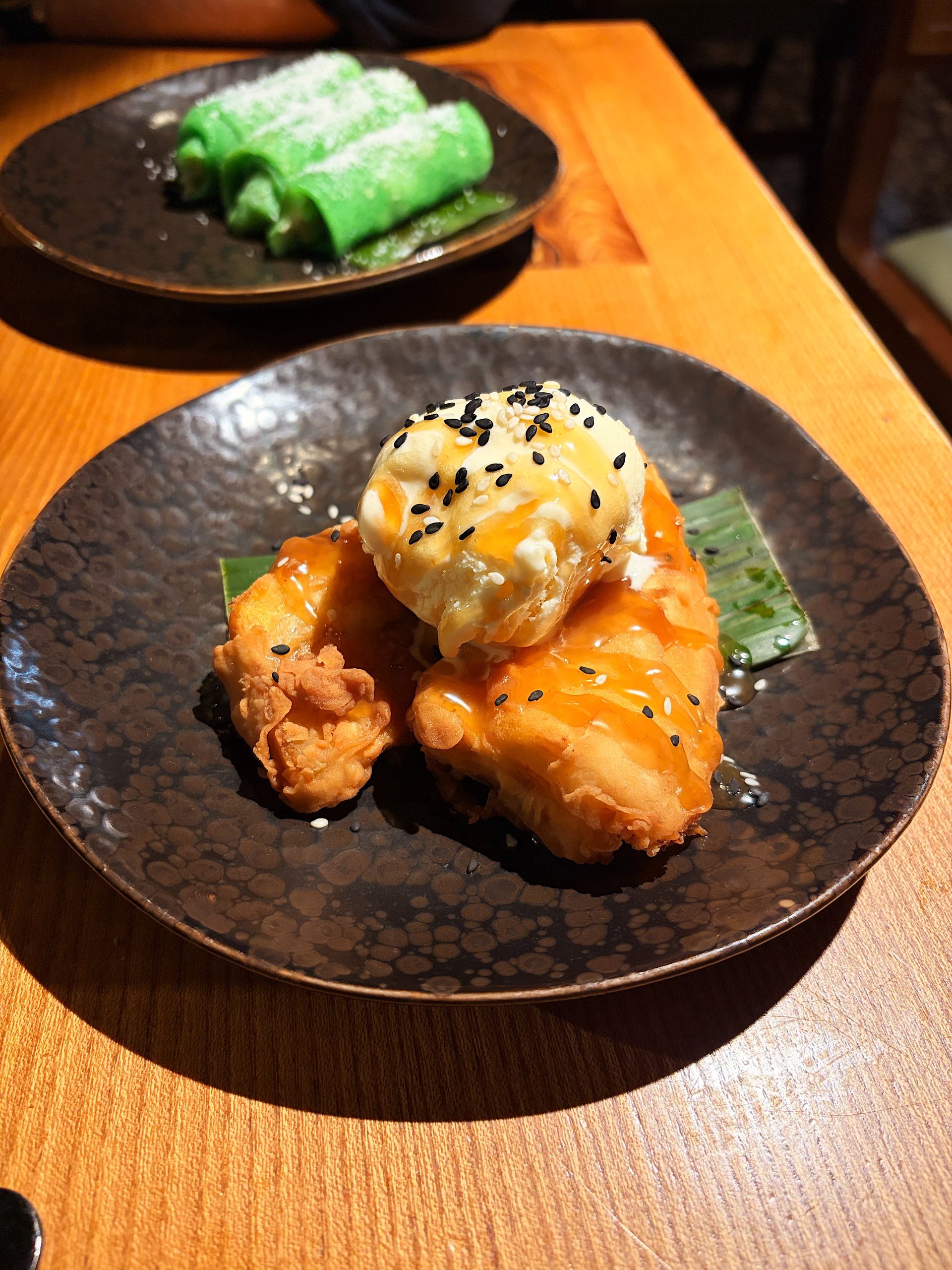
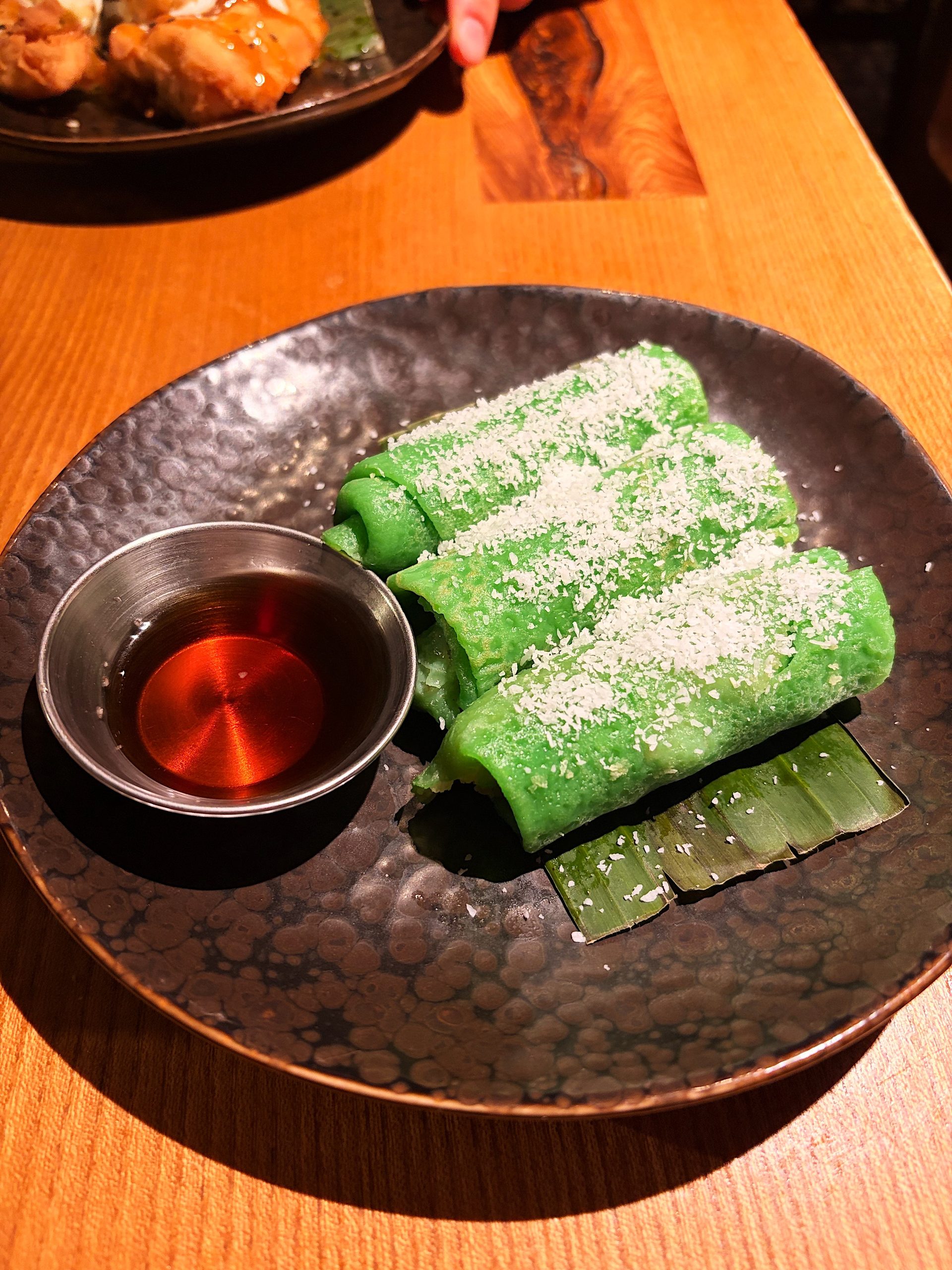
We finished our dinner with two desserts — Pisang Bolen (caramelised plantain pastry) and Dadar Gulung (crepes with shredded coconut and palm sugar). While the Dadar Gulung is a hit for the restaurant, my favourite was the warm caramelised plantain with ice cream. Plantains aren’t as intensely sweet as bananas, so they keep a fudgy, rich texture that works perfectly with melting sweet ice cream. In Indonesia, you will find similar pisang goreng (banana fritters) everywhere. It’s a go-to dessert beloved by locals and tourists alike, served in every setting from street stalls and food courts to small coffee farm cafes.
London is not short on Southeast Asian restaurants, but it is rare to find one that refuses to dilute its roots for a broader audience. I deeply appreciate a kitchen that honours rural tastes and street-food traditions, which are, frankly speaking, the true backbone of Indonesian cuisine, and elevates them to a truly high-end standard. Go, order the fish, shed a tear over the sambal, and I promise you won’t regret it.
Photo by the author