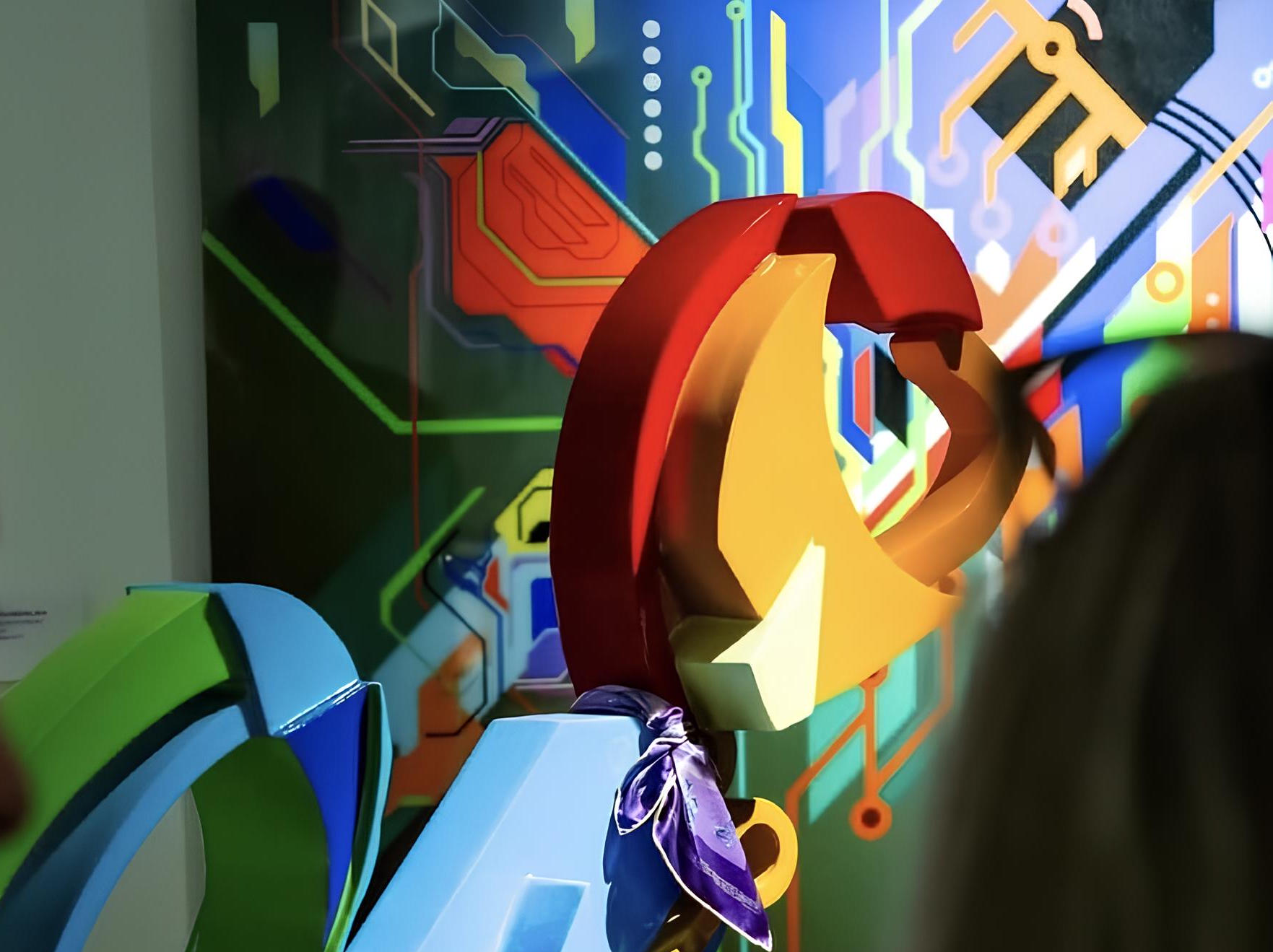
How to Collect Digital Art: An Art Advisor’s Guide

Digital art has a knack for making perfectly sensible people feel they need a degree in computer science before buying a picture. You don’t. You need curiosity, a few good questions and the confidence to ask them twice if the answer is, “It’s on the blockchain.”
A video, a generative work, a coded artwork, a screen-based piece and a physical object made with digital tools are not the same thing. An NFT, where one exists, is a blockchain-based record associated with a work; it does not necessarily represent the work in its entirety, and owning the token does not automatically give you copyright.
Start with the art. Then find out what you actually own.
1. Fall for the work, not the technology
Imagine it on your wall — or your screen — when the launch party is over. Do you still want to look?
Give a moving work more than three seconds; give a still image more than a scroll. See it at the scale and in the setting the artist intended. Ask how it sits within the artist’s wider practice and what makes it distinctive.
“The future of art” is an entertaining sales line, but it is not a substitute for liking what is in front of you.
The best digital art should work as art first and technology second.
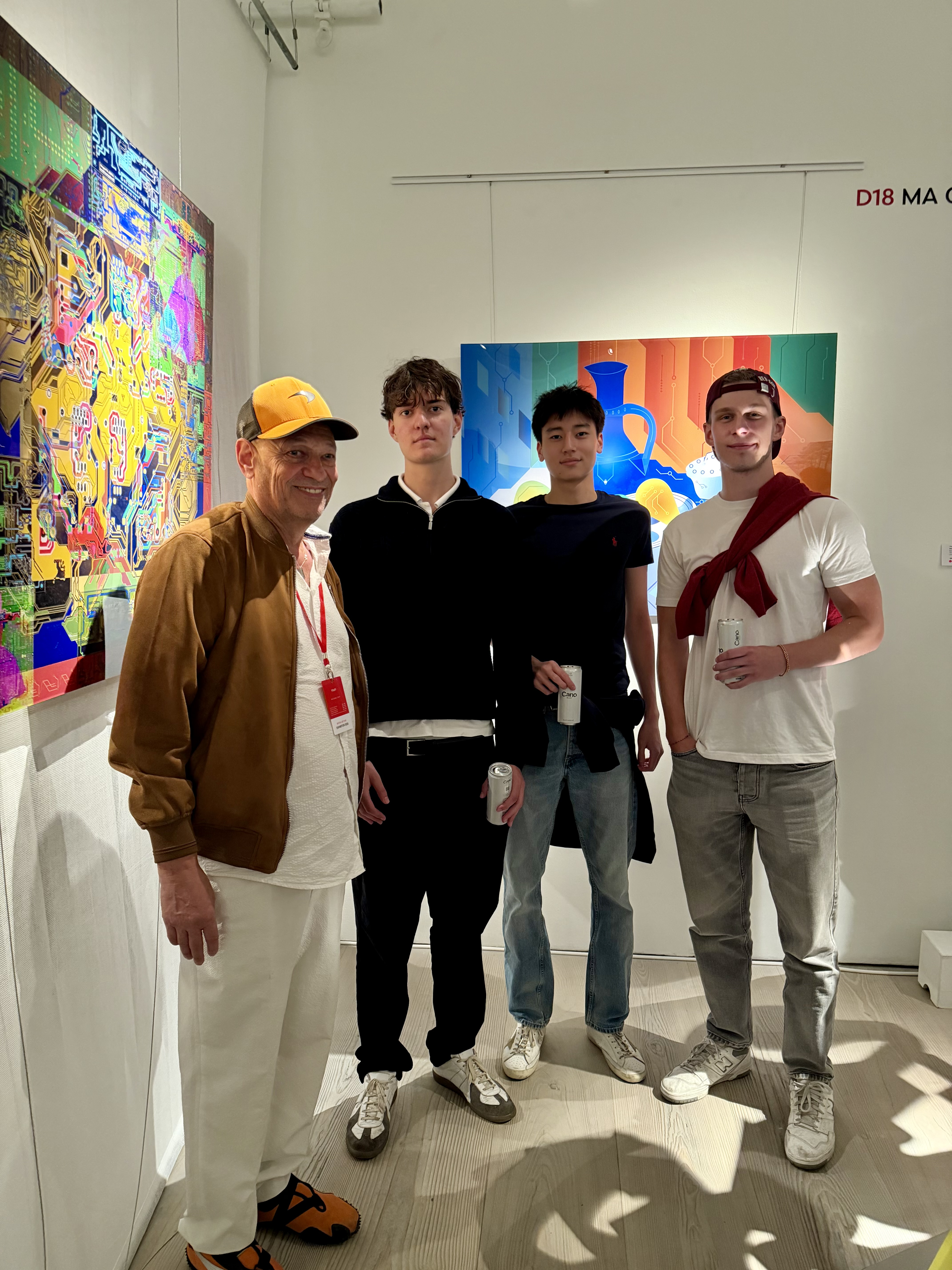
2. Ask what is actually in the bag
Is it a unique work or an edition? How many editions exist? Are there artist’s proofs?
And, importantly, what exactly are you buying: a master file, display file, certificate, token, print, screen, or a combination?
Write down the title, date, edition number, format and technical specifications. Find out what you can transfer if you eventually sell the work.
Think of it as checking the label before leaving the boutique – except the label might need to tell your future self which software opens the artwork.
3. Paperwork is part of the pleasure
Ask the seller to show you the work’s path from artist to you, and keep the invoice, certificate and any agreement safely together.
The less glamorous questions matter: Can you display it publicly? Post an image online? Lend it? Make backup copies? Resell it? Transfer the token or associated files?
Buying an artwork does not automatically transfer copyright. A clear agreement means you can enjoy the work without staging a detective drama later.
And if you are thinking about future value, look beyond the technology: provenance, edition size, exhibition history, institutional recognition and the artist’s wider practice and market all matter.
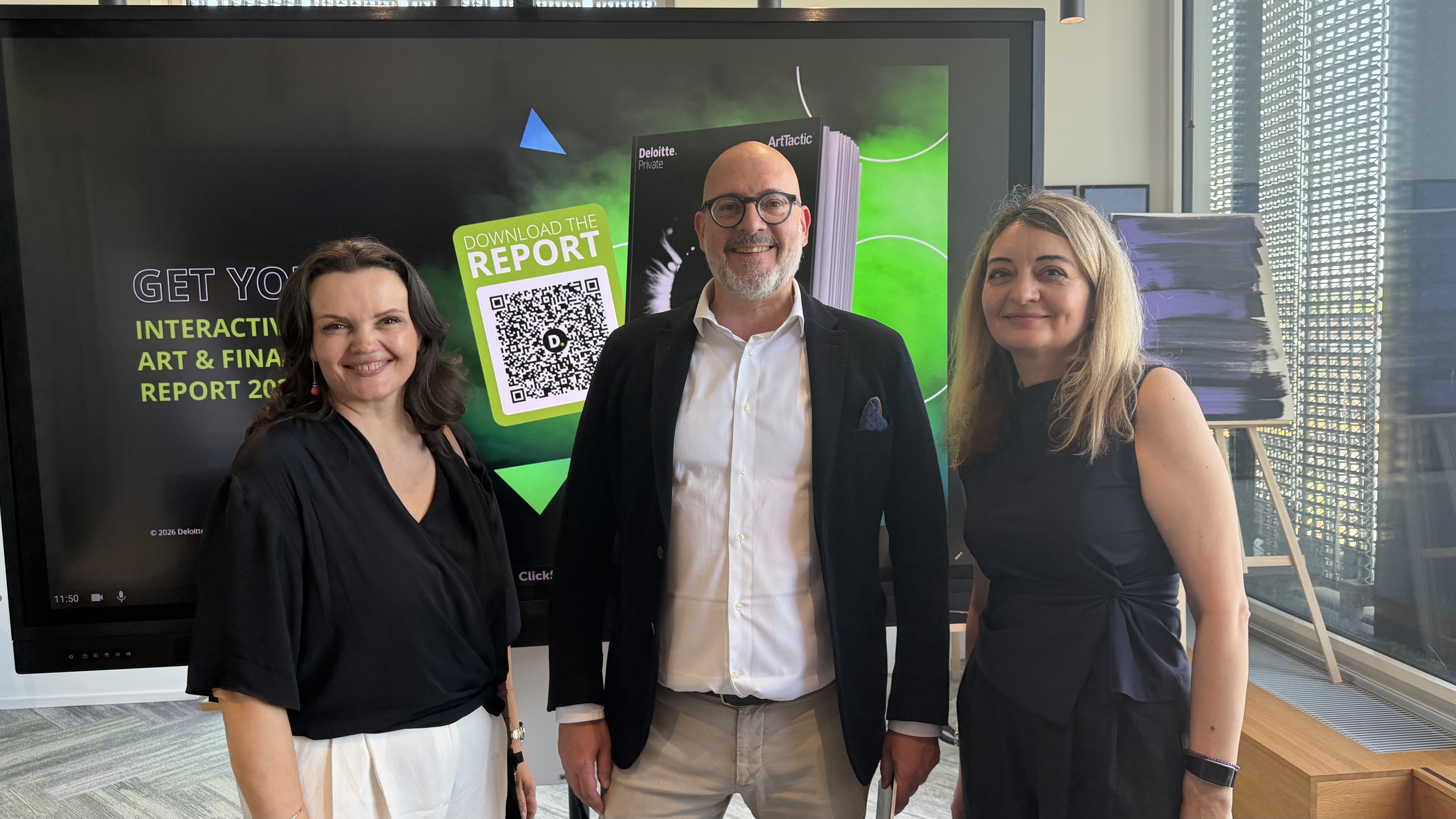
4. Give it a dress rehearsal
That spectacular gallery installation may behave rather differently in your sitting room.
Before buying, test the brightness, sound, aspect ratio and sightlines. Find out what the work needs to live—screen, sound, software, connectivity — and what happens when that technology inevitably changes.
Ask for installation instructions. If possible, try the work in its intended space.
Five minutes of testing can be more revealing than fifty exquisite screenshots.
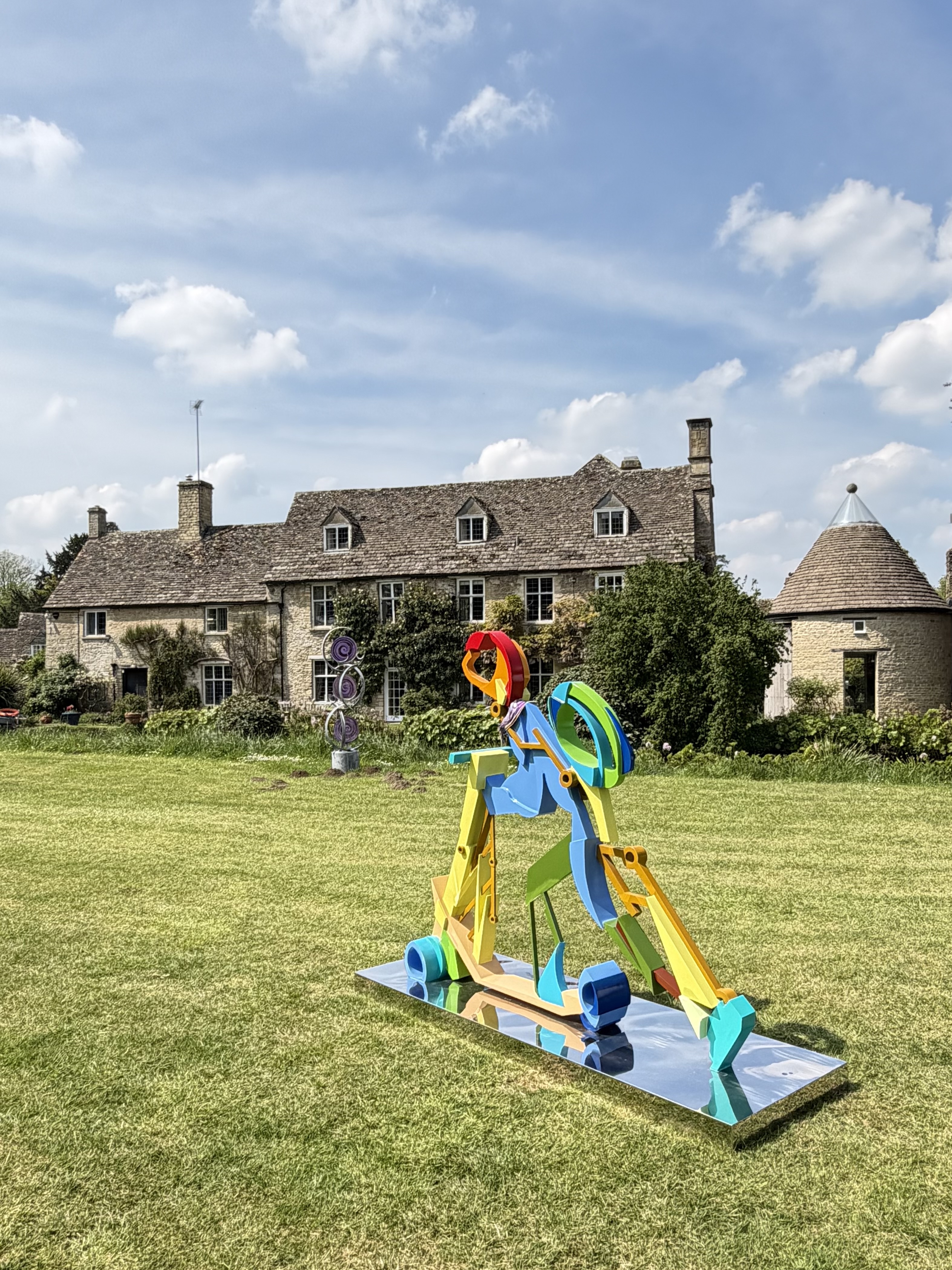
in Cotswolds at art collectors, Lucy and David Abel Smith.
5. Collect for the long term
Digital collecting does not end when the artwork arrives.
Keep the original files, agreement, and installation notes together, with verified backups in separate places. Record the equipment and software used to display the work.
Ask who can help when a device fails, a service disappears or a file format becomes difficult to open. Find out whether the artist permits migration, emulation, or future technological updates.
Conservation may not sound as glamorous as collecting, but discovering that your prized artwork now requires a laptop last sold fifteen years ago is considerably less glamorous.