Floating Islands: Eugenio Barba and Theatre as a Way of Being Together

Director, founder of Odin Teatret, one of the creators of theatre anthropology and author of the concept of the “Third Theatre” (Terzo Teatro), Eugenio Barba has for decades spoken about theatre as a practice, a community and a way of life. Today, 29 October, Barba turns 90, and it can be said that his ideas continue to find expression in theatre today.
Between ethics, performance and community
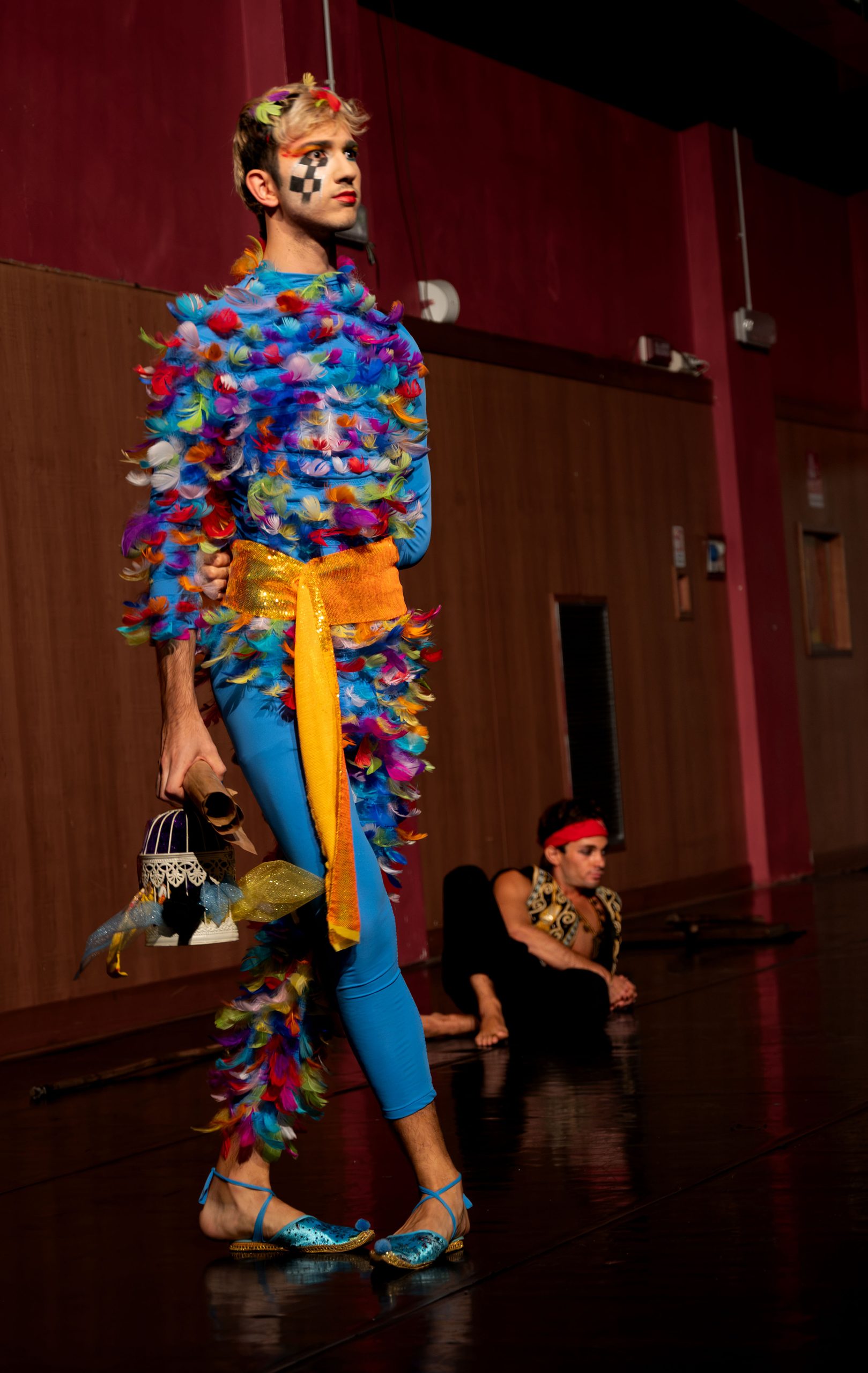
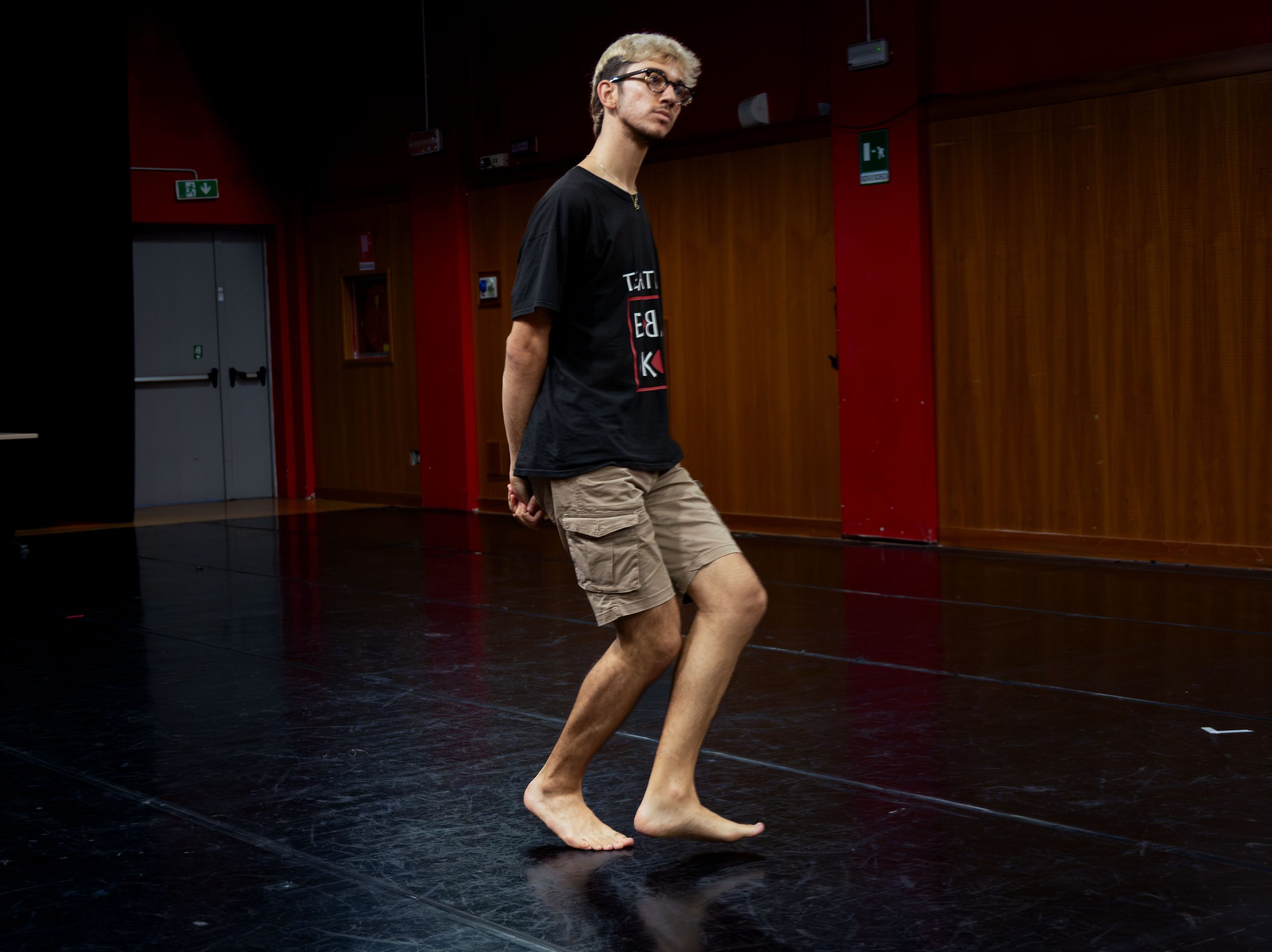
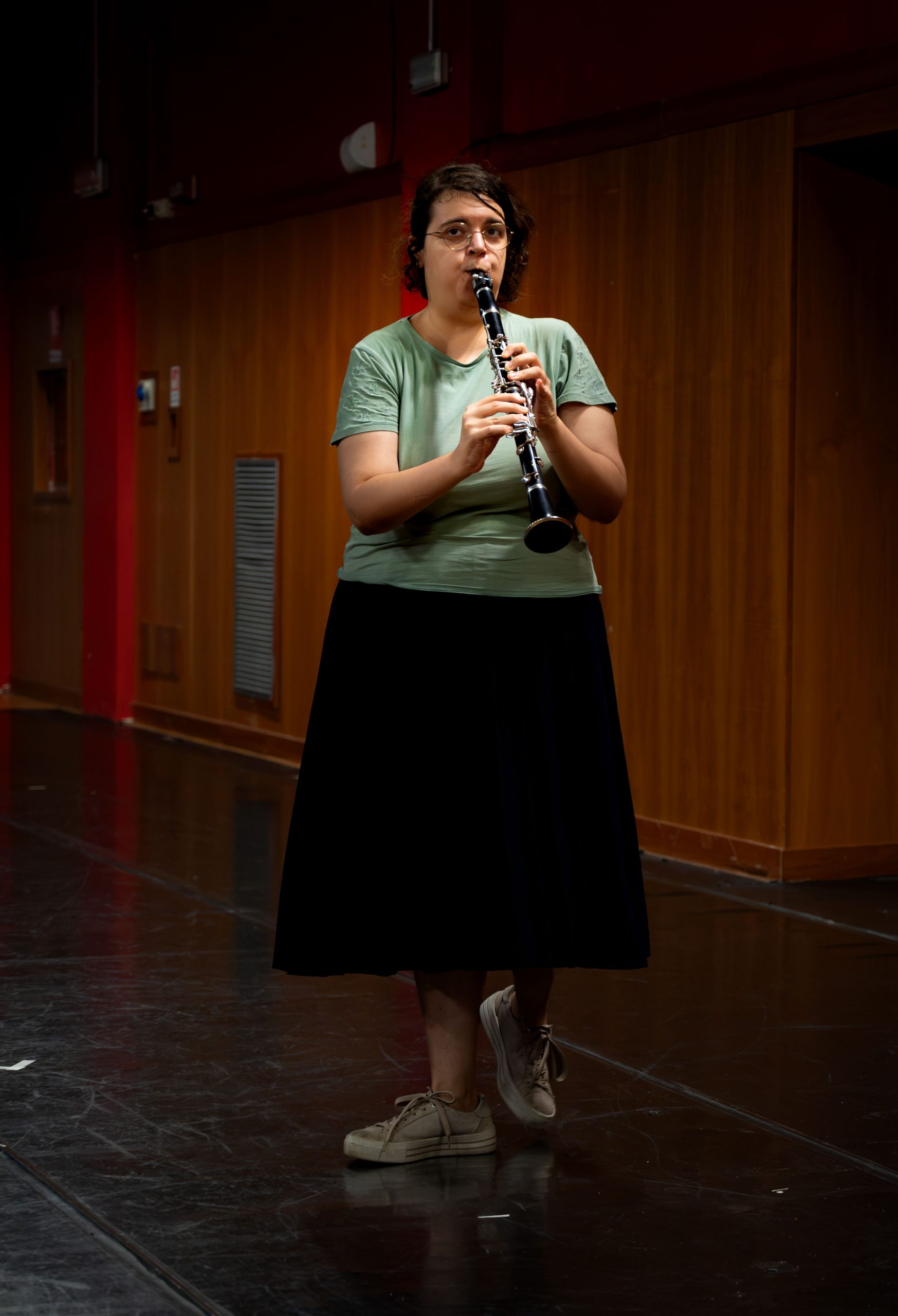
This autumn, for two days, Bologna became a meeting place for people for whom the “Third Theatre” remains a living practice. The international conference «Third Theatre: Between Ethics, Performance and Community» brought together representatives of theatre groups and critics at the University of Bologna. Among the participants were Eugenio Barba and Odin Teatret actress Julia Varley.
The starting point for the discussions was the fifty-year history of the “Third Theatre”, from Barba’s 1976 text to the present day. Eugenio Barba and Julia Varley discussed this with Manuela Filomena Ottaviani, collaborator in Moral Philosophy at the Department of Philosophy and Communication at the University of Bologna and adjunct professor in Arts du Spectacle at the University of Arras. But the conversation quickly moved from the past to the present: how the “Third Theatre” lives today, how it coexists with institutions and how the experience accumulated over decades is passed on to new generations.
This year, two anniversaries coincide: Barba turns 90, while the concept of the “Third Theatre” turns fifty. But the questions Barba formulated half a century ago have not disappeared: with whom do we make theatre, why do we remain together for decades, and how do we build our own practice?
Theatre without a ready-made model
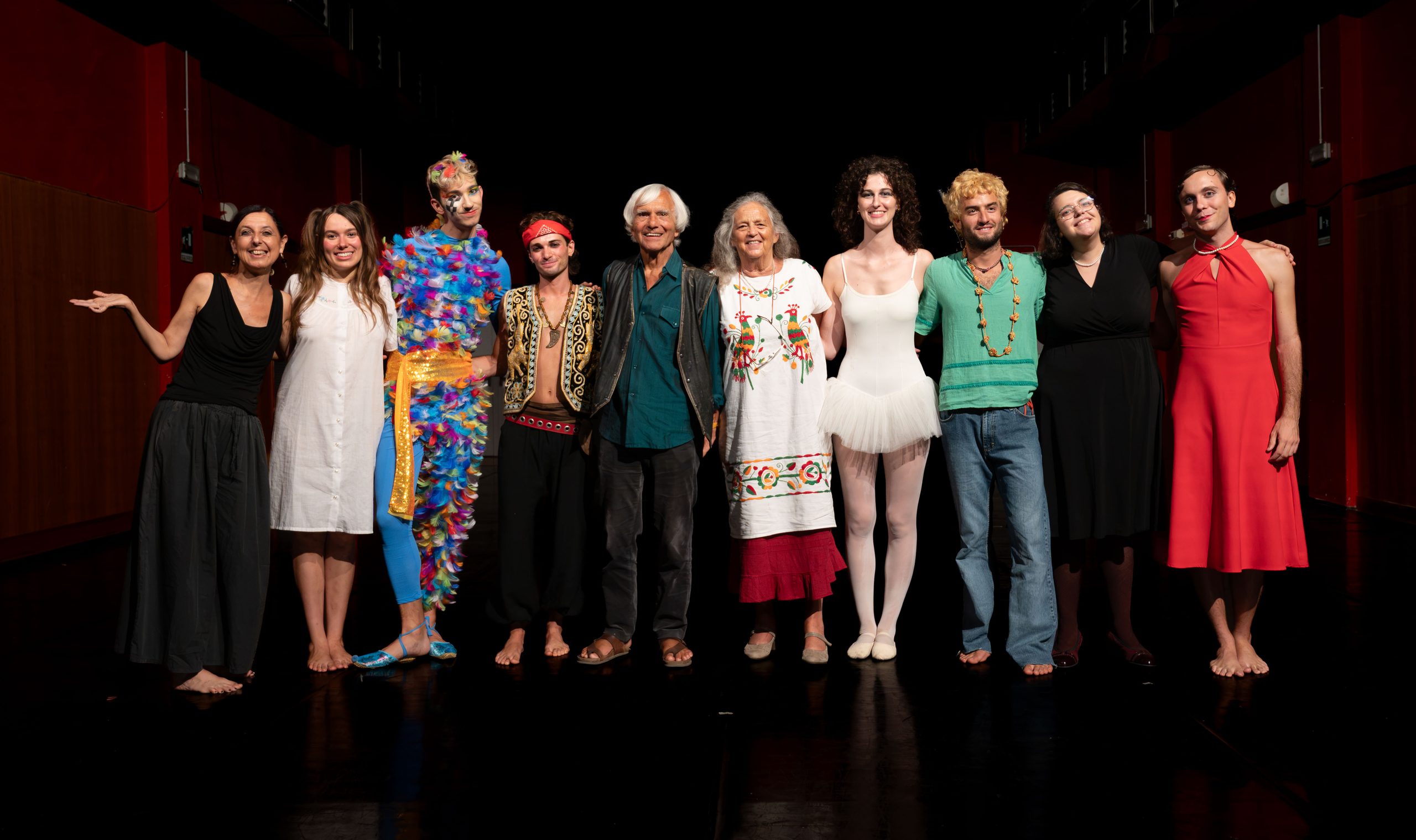
Odin Teatret was founded in Oslo in 1964: Barba brought together young people who had not been admitted to drama school. Two years later, they moved to the small Danish town of Holstebro, where they were given the premises of an old farm and transformed them into a theatre themselves. From the outset, actor training was at the centre of their work: a daily physical and vocal practice from which their own theatrical language gradually developed.
In 1976, Barba gave a name to a phenomenon that already existed around him and called it the “Third Theatre”. The term came to describe groups working outside major institutions and not necessarily belonging to the avant-garde, with their own ways of learning, living together and building relationships with audiences.
Eugenio Barba wrote his text Terzo Teatro for participants in the International Meeting of Theatre Research, held in Belgrade in September 1976 as part of BITEF, which that year hosted the Theatre of Nations festival. Originally, it was an internal document, but it soon acquired the status of a manifesto for independent theatre companies in Europe and Latin America. The text was first published in 1976 in International Theatre Information (UNESCO, Paris).
Julia Varley recalled theatre in the 1970s as “one whole thing”: life, shows, interventions, ways of being together, rebellion, action, energy, friendship, political struggle and teaching. Barba did not invent a single model. He recognised what was shared by groups that, independently of one another, were already searching for a new way of making theatre and living within it.
Floating Islands
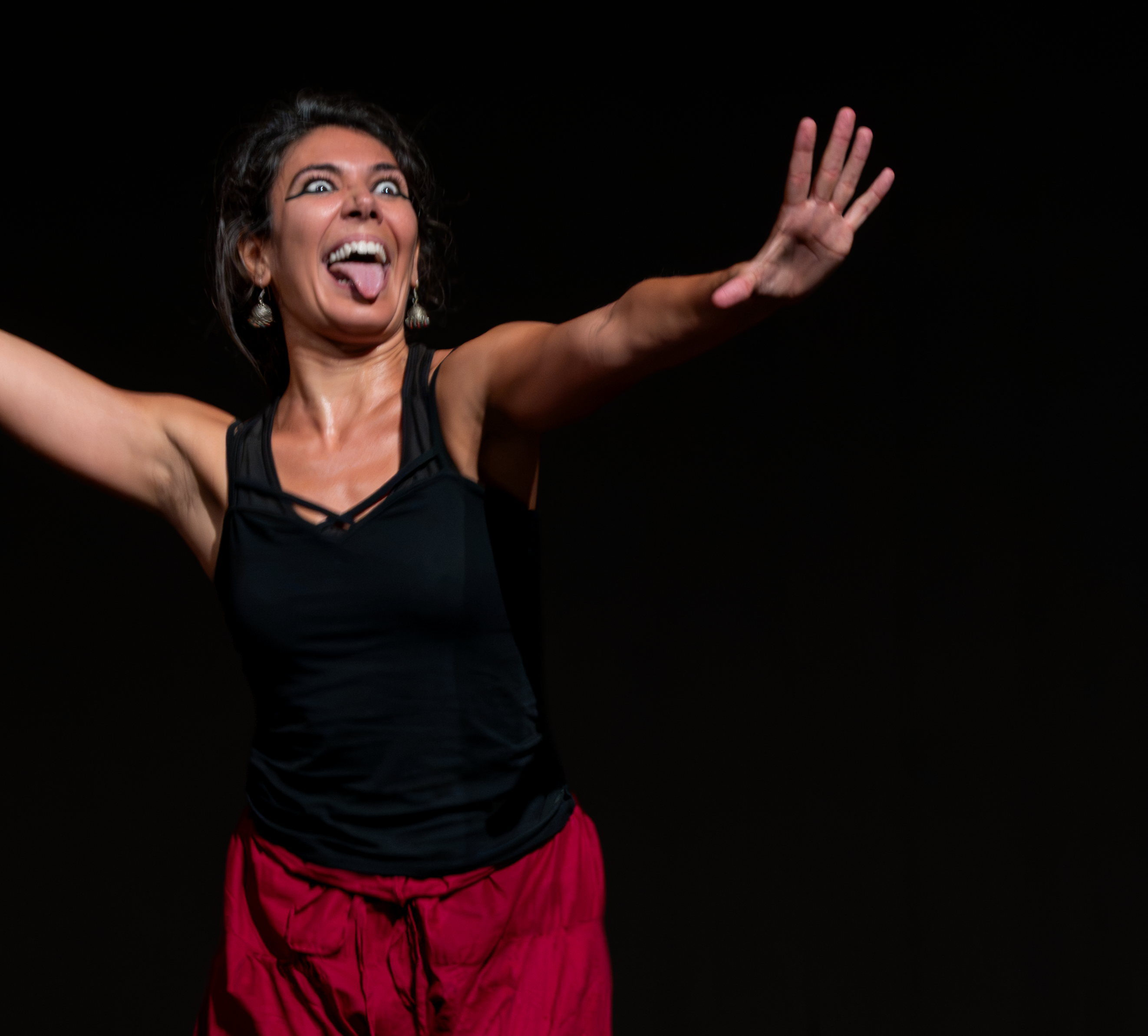
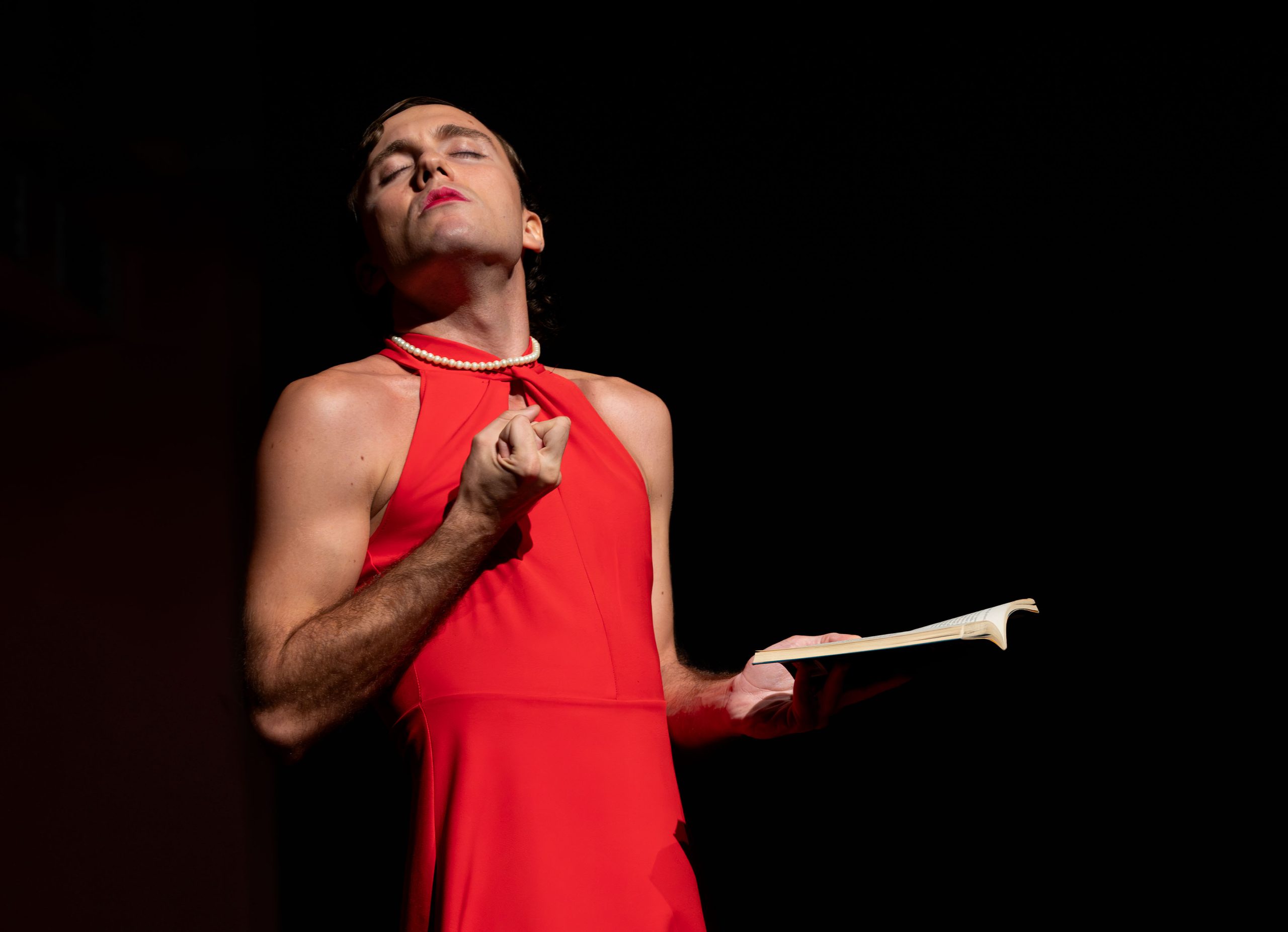
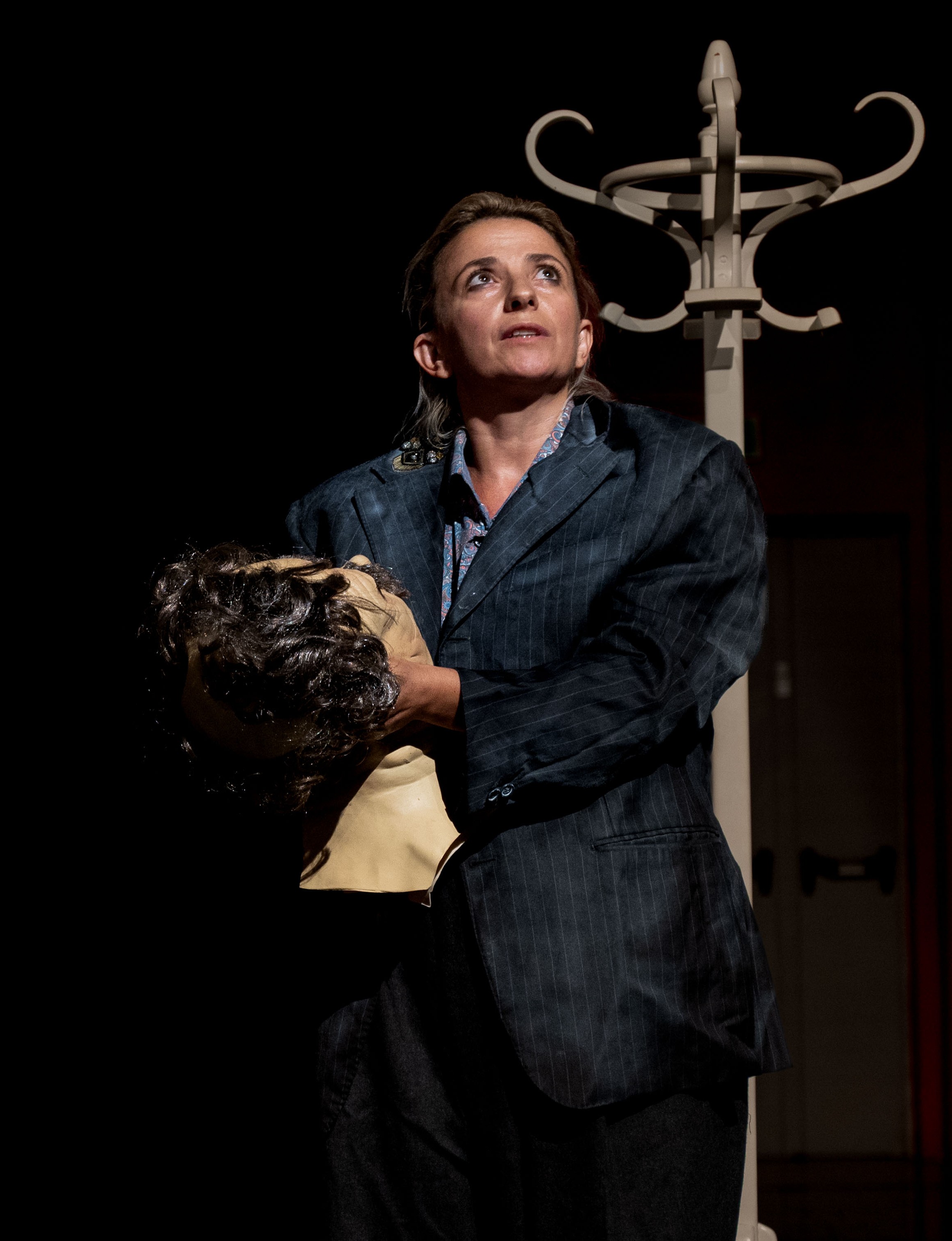
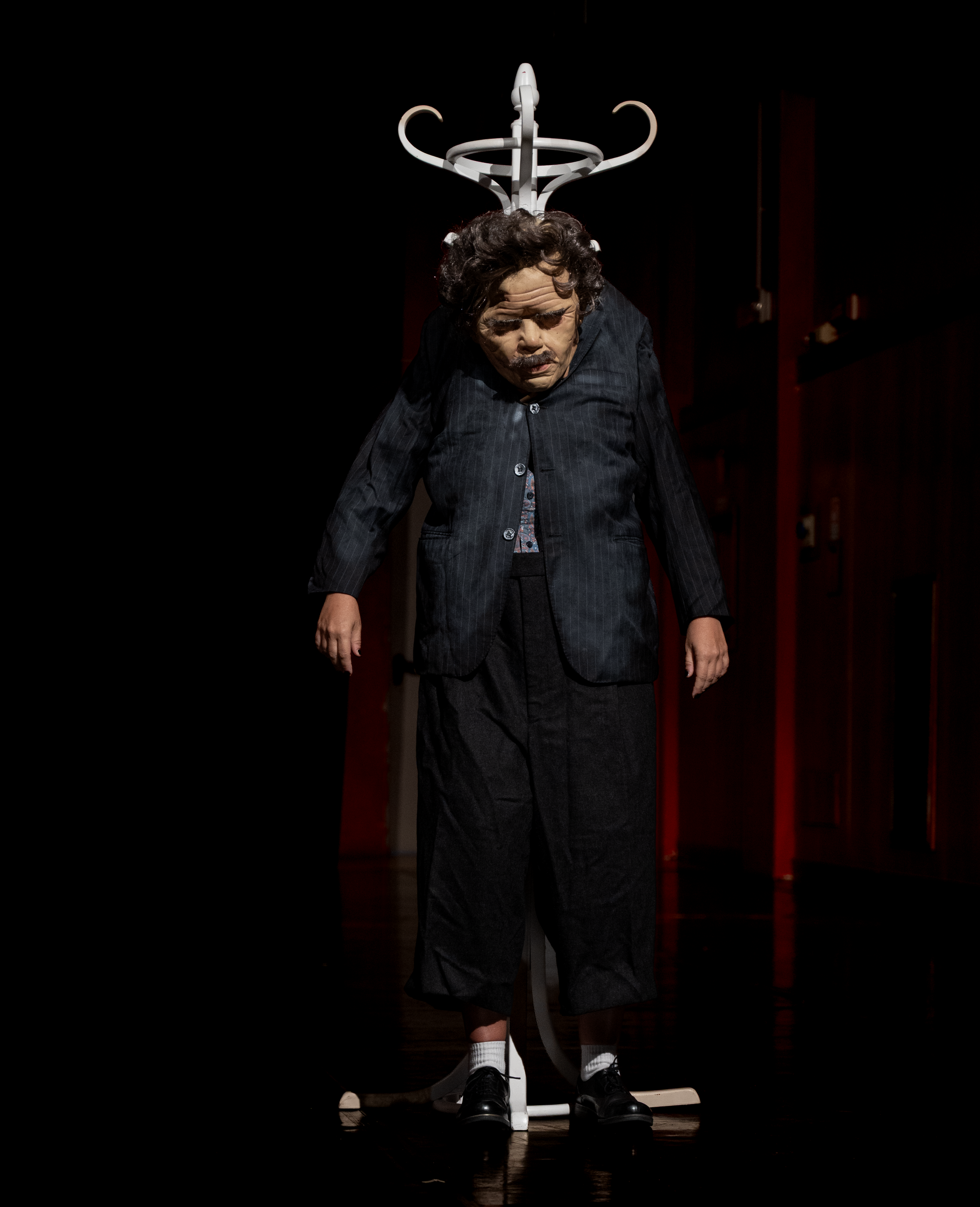
Later, one of the most precise metaphors for the “Third Theatre” became the “floating islands”. They have no common method: each group develops its own practice, while connections emerge through meetings, exchange and the transmission of experience.
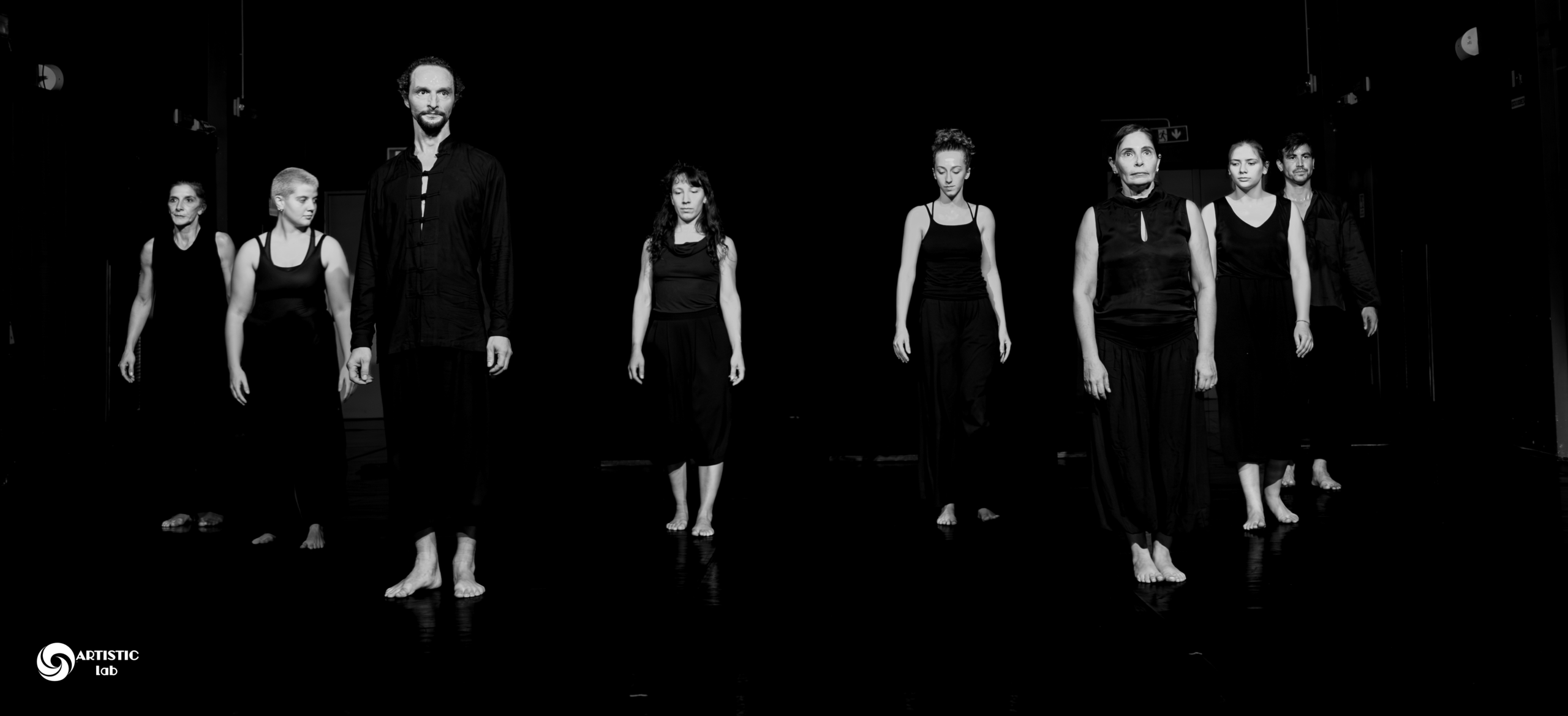
In Bologna, this image became almost literal. The second day of the conference was conceived as a journey through an archipelago of contemporary theatre groups, inspired by Italo Calvino’s Invisible Cities. Botteghe Spinoza 38 presented the groups as separate islands, and Marco Polo told Kublai Khan (Eugenio Barba) about them.
Each group spoke about its own work. Teatro dei Venti, for example, spoke about actor training based on the martial art of Kalaripayattu. Abraxa Teatro spoke about urban theatre. The group La Maskara discussed the tradition of commedia dell’arte and the use of masks in performances. Teatro dell’Aleph spoke about the voice as part of the actor’s practice. Performer and dancer Giovanna Zanchetta spoke about physical expressiveness.
These different experiences are united by time. Skill is built through daily practice, knowledge is passed from person to person, and collective knowledge gradually becomes the memory of the group.
Time against speed
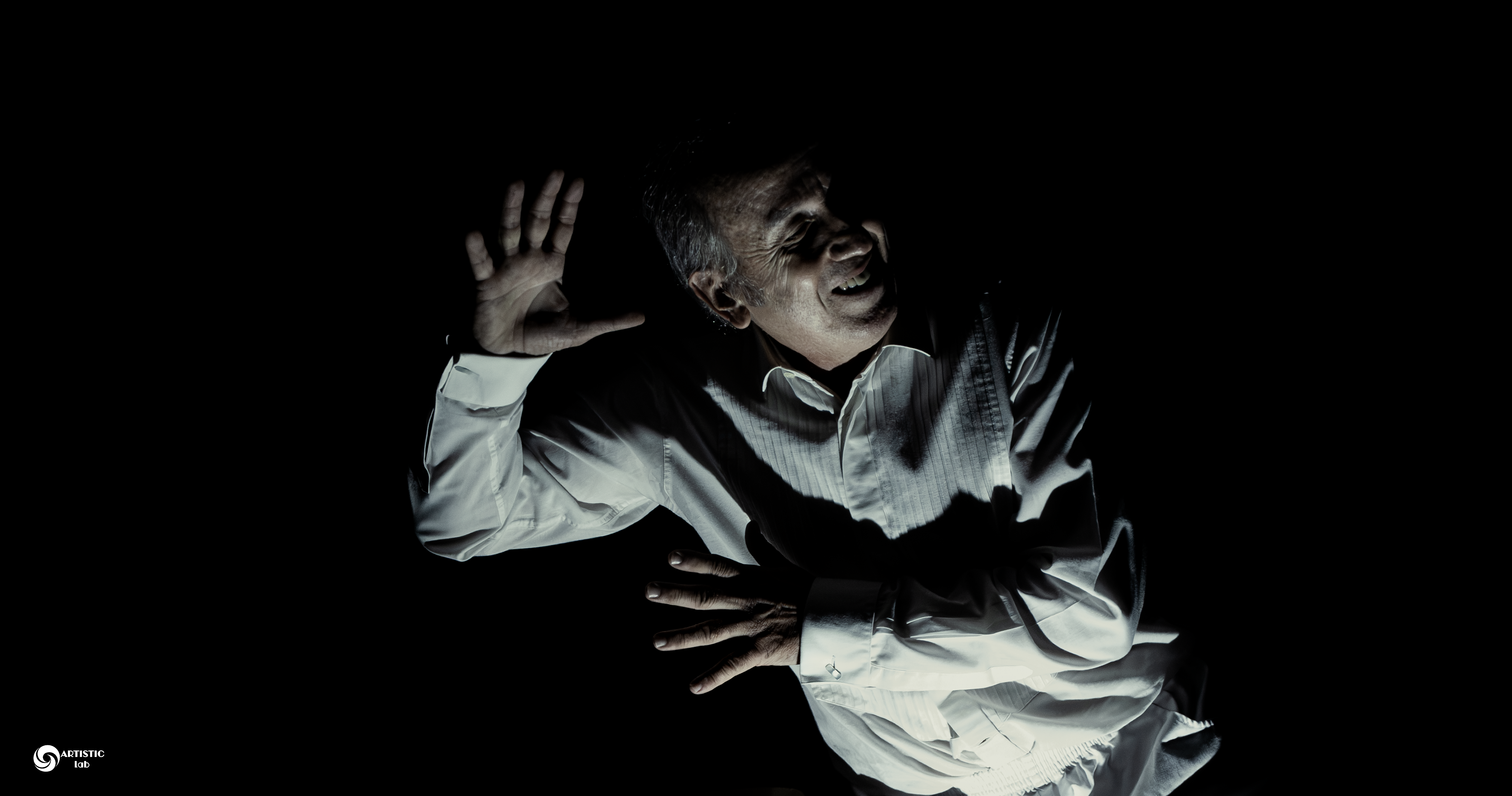
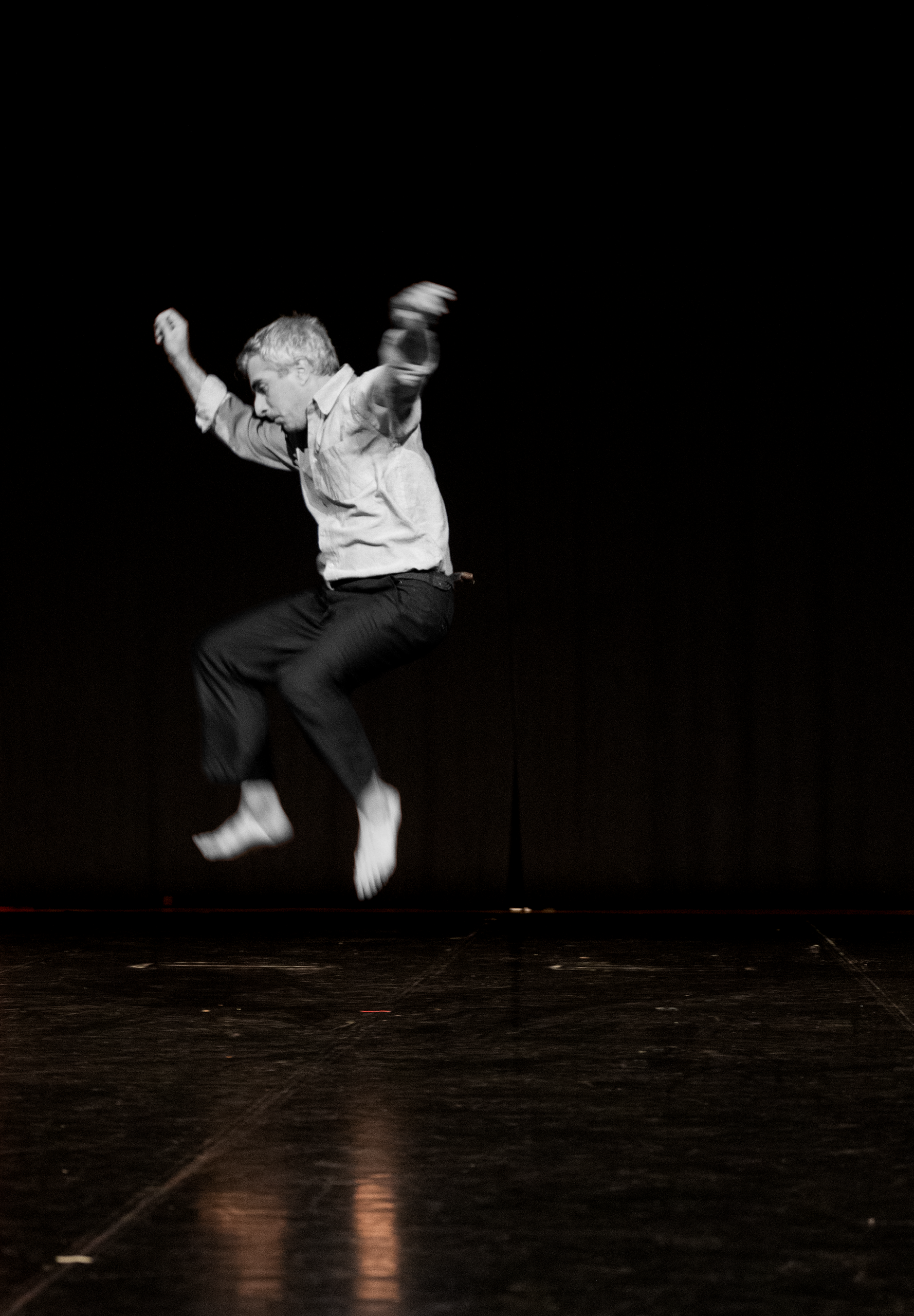
Contemporary theatre increasingly exists within the rhythm of individual productions, festivals, residencies and temporary teams. This is particularly noticeable in London, where major institutions, independent venues, international festivals and projects lasting several weeks or months coexist. Such a system brings speed, mobility and a constant exchange of ideas. But at the same time, it raises another question: what happens to theatre when people work together not for the duration of a single project, but for ten, twenty or fifty years?
For Odin Teatret, time became part of the method. Actor training was built around a constant return to technique: it was repeated and gradually altered. Knowledge cannot be separated from the person: it accumulates in the body, passes through experience and is transmitted through working together.
Since the 1970s, Odin has developed the practice of “barter” with local communities: from person to person. Perhaps this is why Barba’s experience is of interest not only as the history of a single theatre group. It raises a broader question: can theatre remain a space for long-term relationships within a culture built on constant movement?
Being together
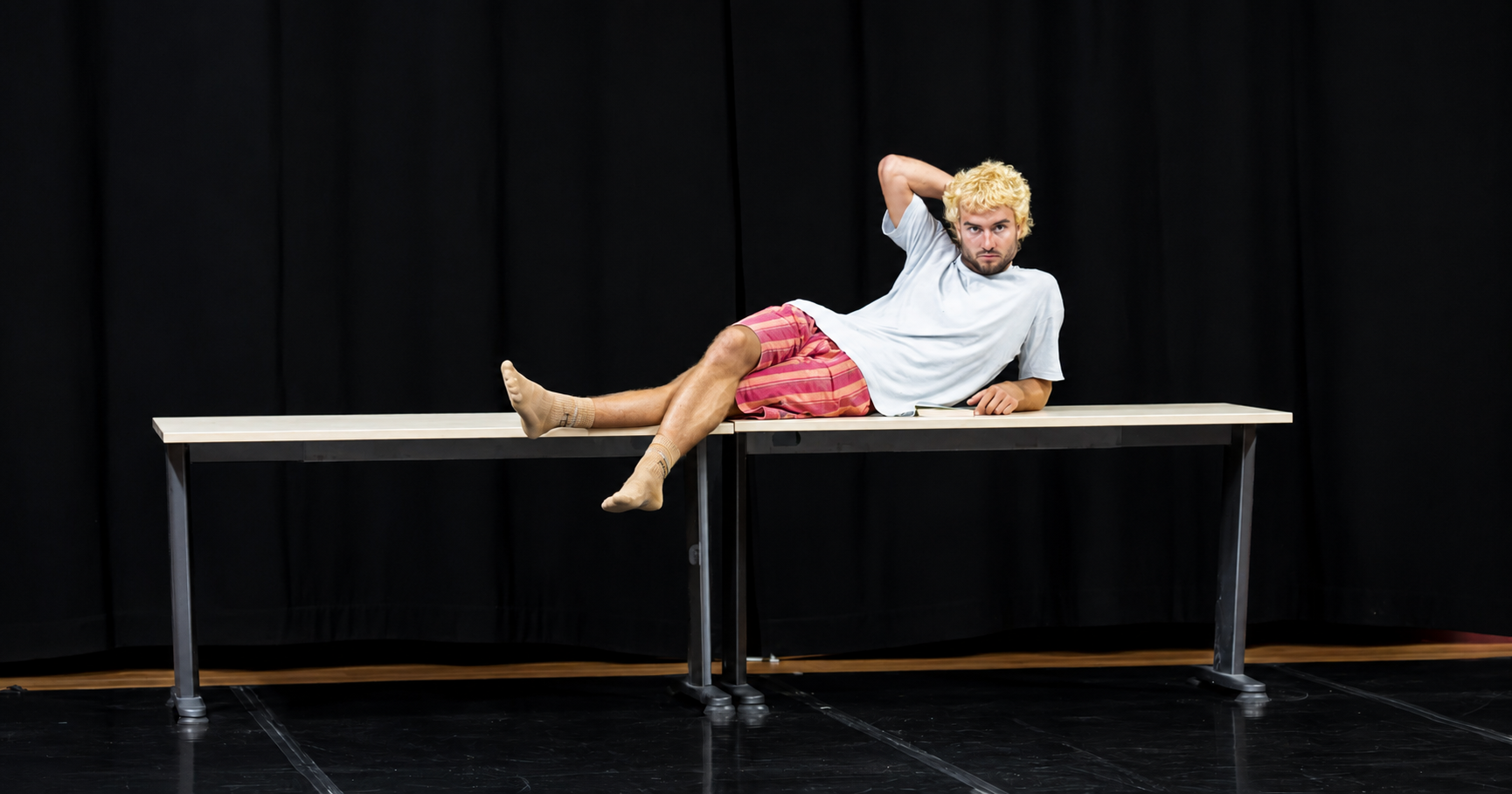
Fifty years later, the “Third Theatre” still resembles an archipelago more than a school. The languages, cities, countries and stories told by actors change. Something else remains: time spent together, shared work and the relationships from which theatre gradually emerges. And the question still sounds the same: what remains after the performance, and why do people, years later, make theatre together?
Photo by Ilaria Pichelan/Artistic lab