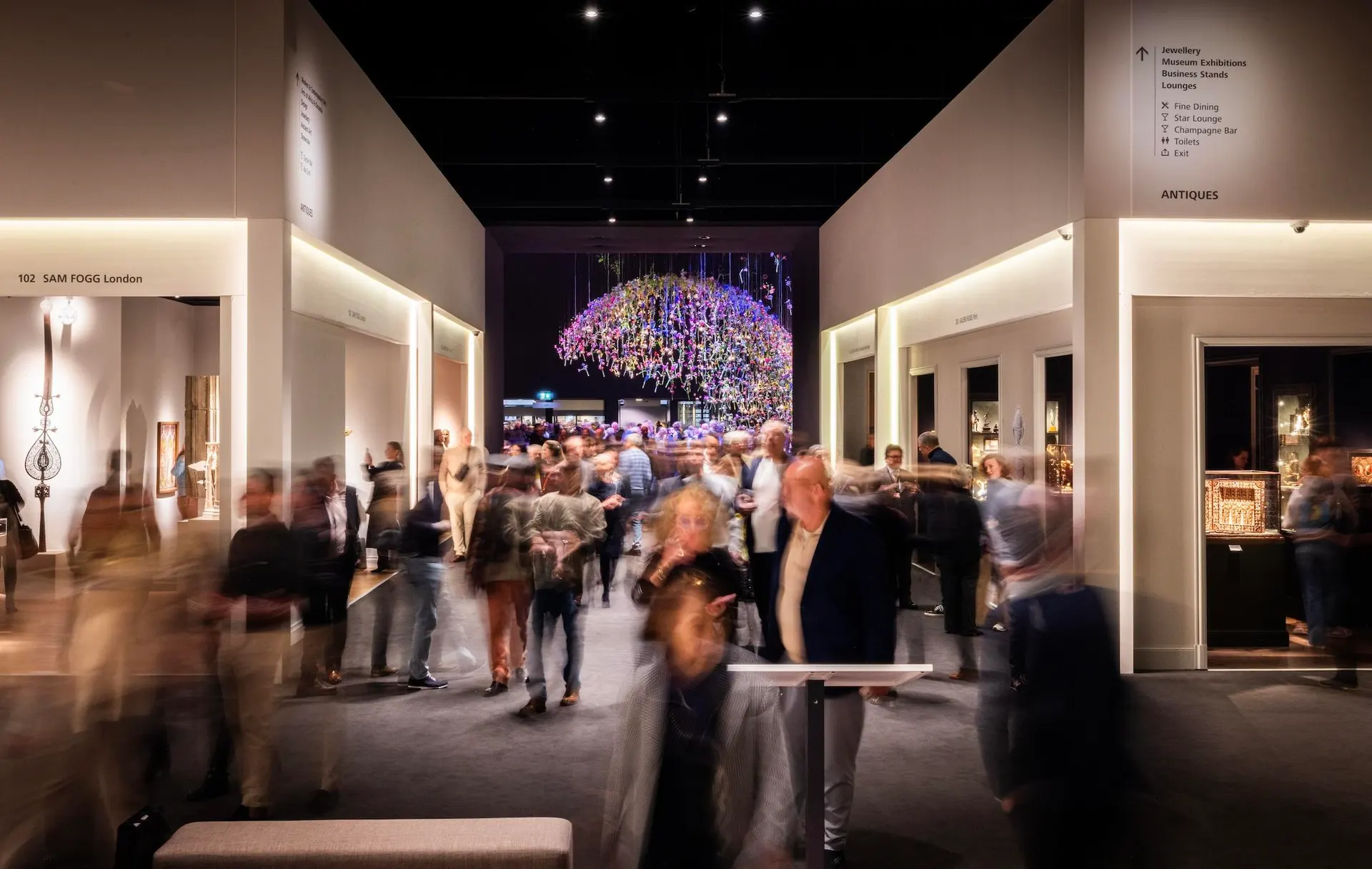
TEFAF in Maastricht: a Changing of the Guard

The season of European art fairs and major exhibitions kicked off with BRAFA in Brussels back in January. Now we are in the thick of one of the oldest and most respected fairs — TEFAF in Maastricht — with the Venice Biennale and Art Basel waiting in the wings.
TEFAF has been running since 1988, and throughout those years it has been celebrated for presenting the broadest spectrum of museum-quality art — from ancient fossils, oriental and tribal art, medieval manuscripts and Renaissance furniture all the way to contemporary work. Every piece is of museum level, which is why it is such a mark of distinction for a gallery to be accepted as a participant. “Maastricht is not the easiest place to get to,” says Nicolas Luchsinger, executive director of Buccellati, “which is why only the true connoisseurs make the journey.” And, one might add, the professionals and collectors with deep pockets.
Maastricht is indeed not the easiest place to reach, and yet for the first four days of the fair hotel prices in the city double and there is not a room to be had. Last year some 50,000 people attended – still fewer than before the pandemic, but a remarkable number nonetheless for a fair with no curatorial programme and an average asking price starting in the hundreds of thousands of dollars.
Who are all these people? In part, collectors. Holders of inherited wealth and family businesses. The skill of collecting was passed down to them by earlier generations, along with property portfolios and trust funds. They tend to gravitate towards Old Masters and buy on their own. Last year I watched one such representative of “old money” purchase a Monet, the entire transaction taking fifteen minutes. I spend longer choosing apples at the market.
The new collectors typically seek the support of art advisors and turn a trip to the fair into a social occasion — for them the process matters no less than the result. The professionals – curators, dealers, advisors — come to maintain their working networks and to see what is new on the market. At the moment, incidentally, the talk is of a looming “oversaturation” of the market with quality art: collections are passing from the boomer generation (those now in their eighties) to millennials (forty-plus). And this handover often leads to collections being put up for sale to cover inheritance taxes.
Speaking of which, this “new generation of young collectors” has become something of a mantra in the art world. And these, too, are either fourth-generation collectors or newcomers with solid cultural backgrounds and well-trained eyes. The wave of “new money” lacking such cultivation swept into Maastricht only once before decamping to the TEFAF New York spin-off.
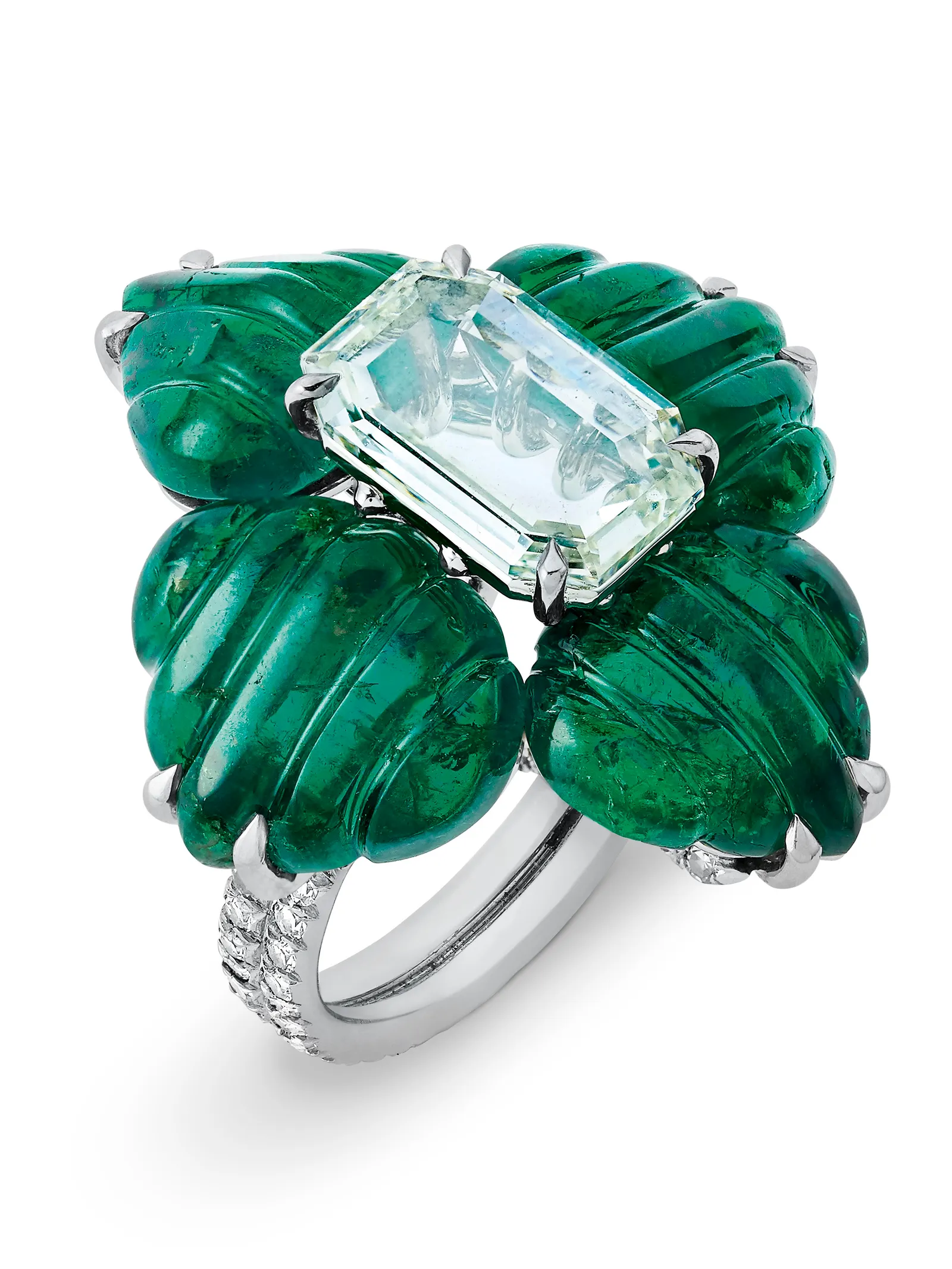
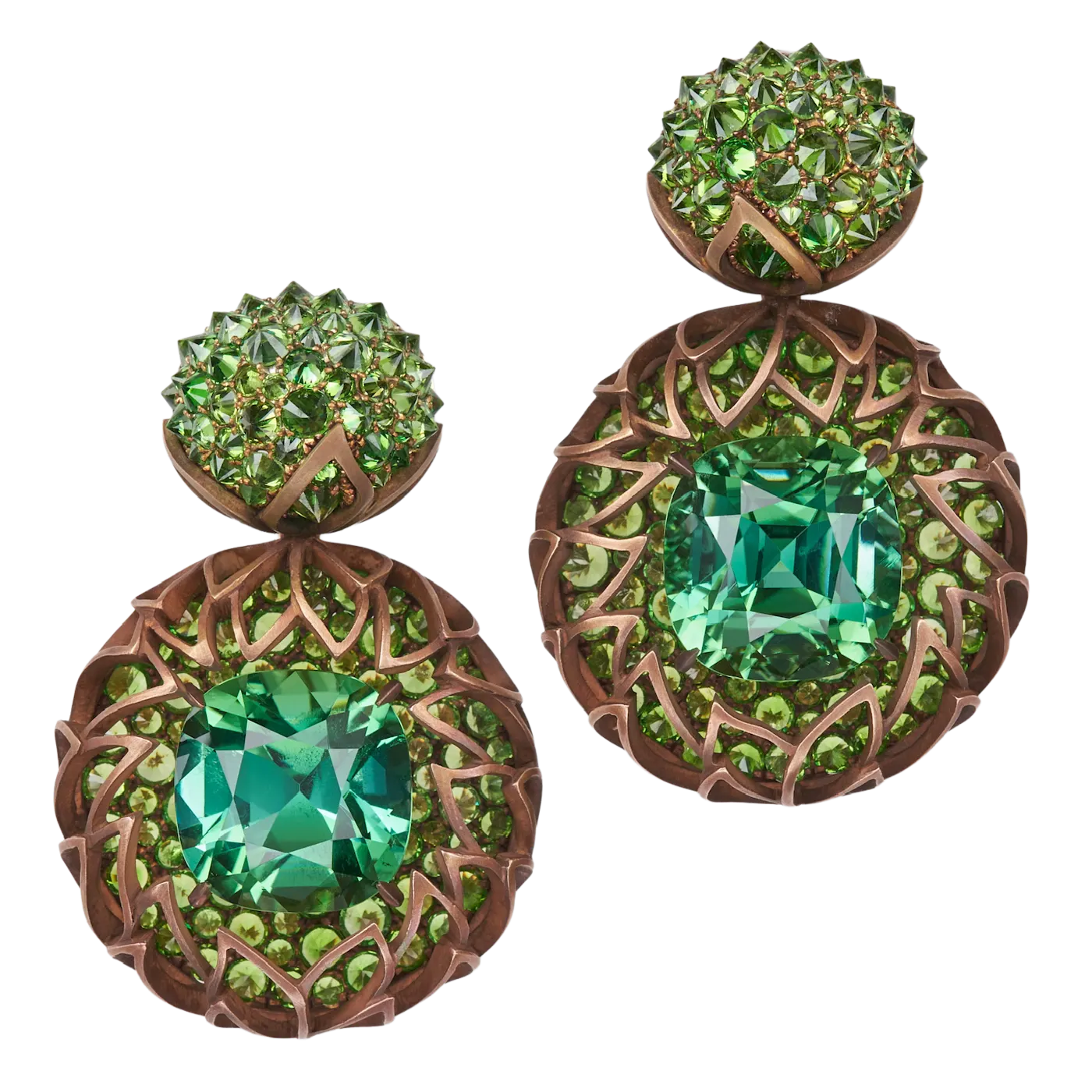
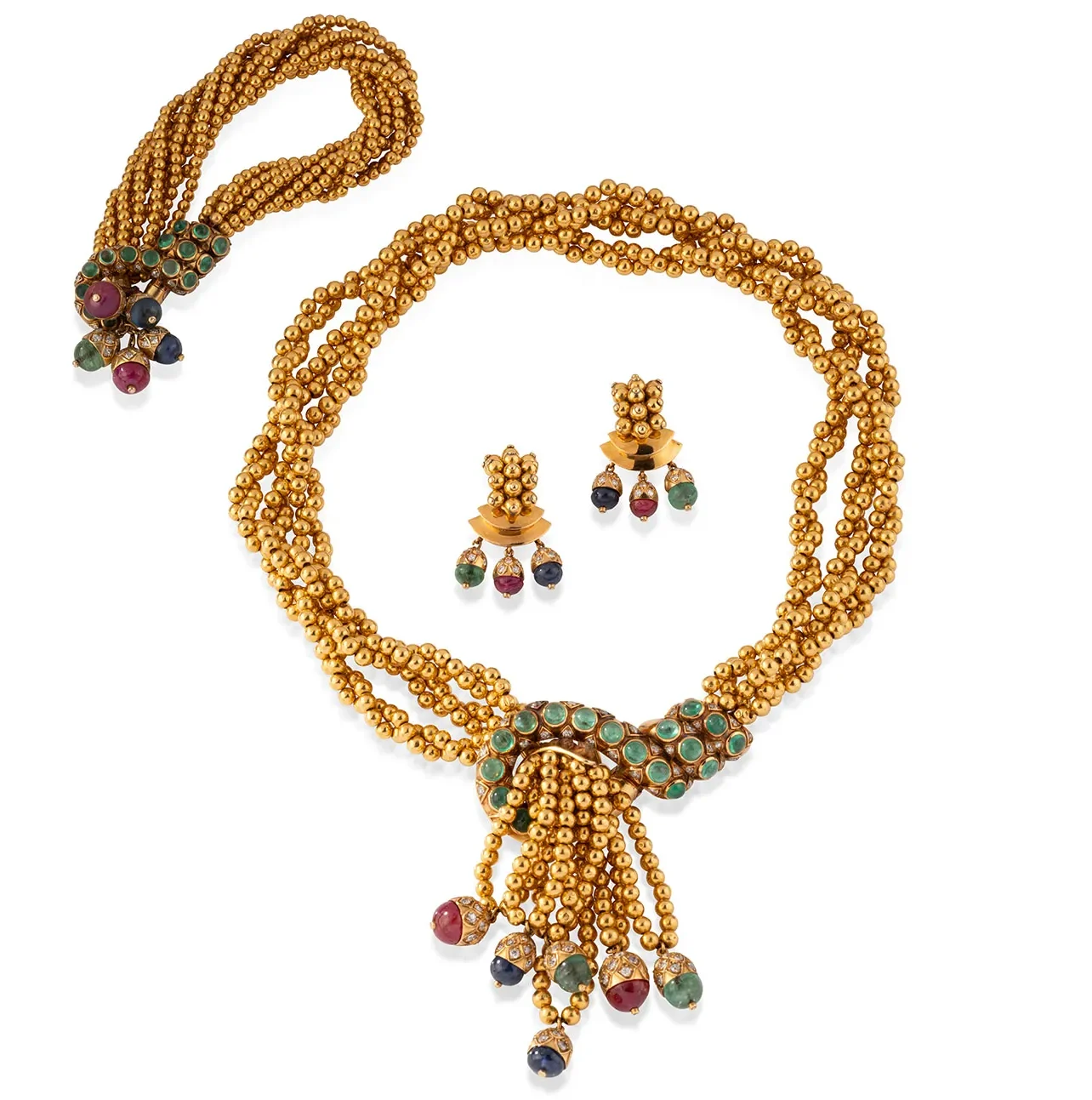
Jewellery occupies a special place at TEFAF. In fact, it is probably the fair’s most dynamic sector — its landscape is shifting faster than any other. Just fifteen years ago, fine jewellery was shown exclusively by antique dealers offering pieces with royal or, at the very least, aristocratic provenance. The sole representative of contemporary design was the Munich house Hemmerle — today Christian Hemmerle, the company’s fourth generation, sits on the fair’s governing board and has, it seems, been instrumental in opening the doors to an increasing number of fresh names.
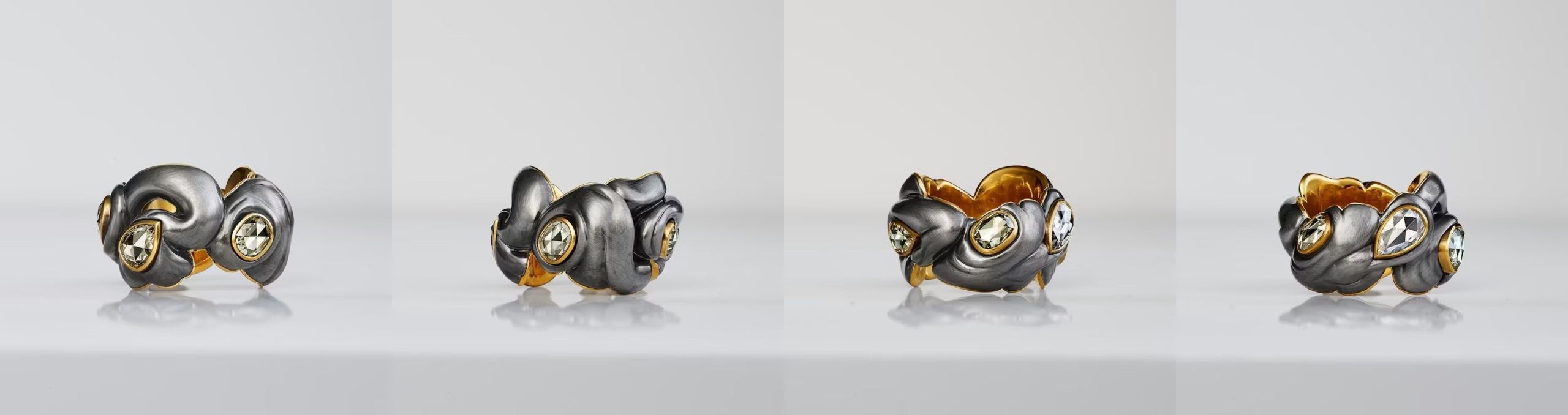
Year by year, the antique dealers dwindle and their places are taken by contemporary designers. This year has brought a whole landing party of young talent: Cora Sheibani, based in London and passionate about the history of jewellery (she is a regular at meetings of the Society of Jewellery Historians); Krishna Choudhary, also London-based, a vivid representative of the new wave of Indian jewellery design, showing under the brand Santi (named in honour of his father); the Brazilian designer (likewise working in London) Fernando Jorge; and the young Belgian Dries Criel (whose work could be seen at London PAD). The German Otto Jakob is by now effectively a TEFAF veteran, and can scarcely be called a «young» designer — he is rather a patriarch of contemporary jewellery design, restoring ancient techniques with immense devotion and mastery.
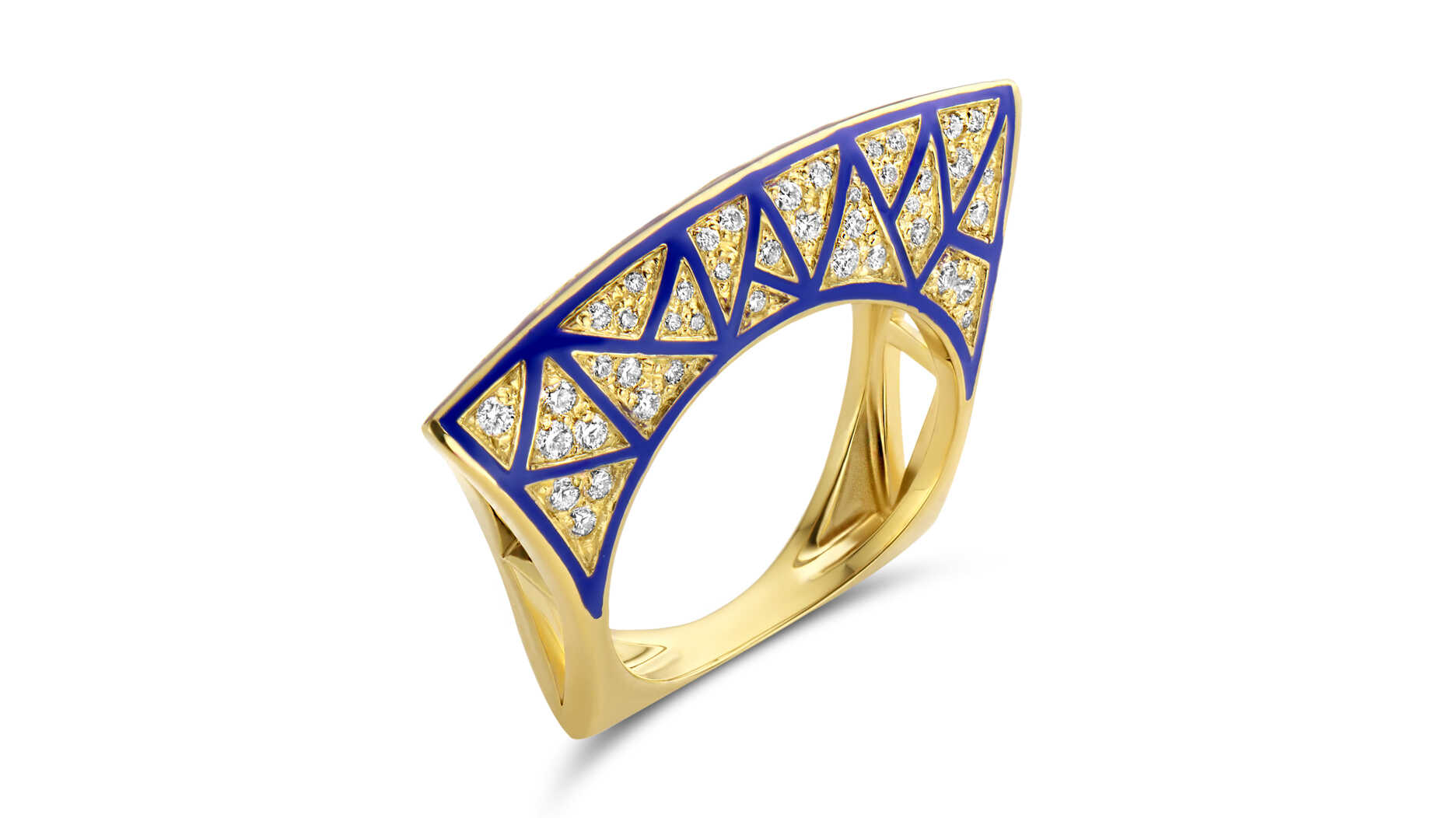
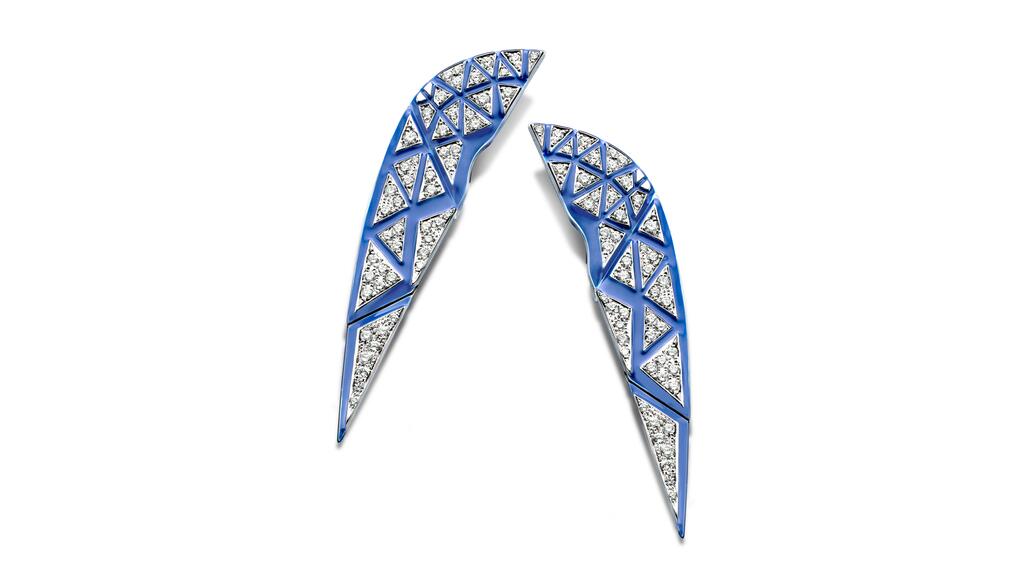
Incidentally, this effect of «the new that looks old» is something that greatly appeals to jewellery collectors (which is precisely why so many jewellery collections begin with the Italian house Buccellati, whose pieces look as though their design has not changed since the 1600s). It may well be this same impulse that informs the other designers too — Cora Sheibani plays with the Renaissance, yet as if a necklace from the age of the Medici had been reimagined by the design department at Apple. The jewellery of Santi is an exquisite fusion of Indian decorative orientalism and European Art Deco. Dries Criel makes jewellery as though it were micro-architecture — precision, a near-austerity of line, each one justified by structure. Fernando Jorge’s pieces are the least likely of the group to be called «collectible» — too bright, too alive, made for everyday life rather than a collector’s safe.
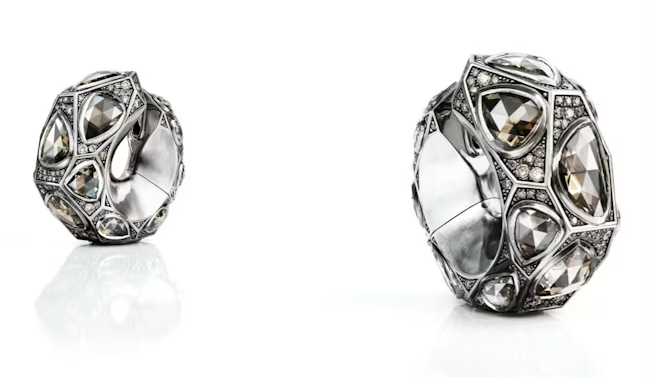
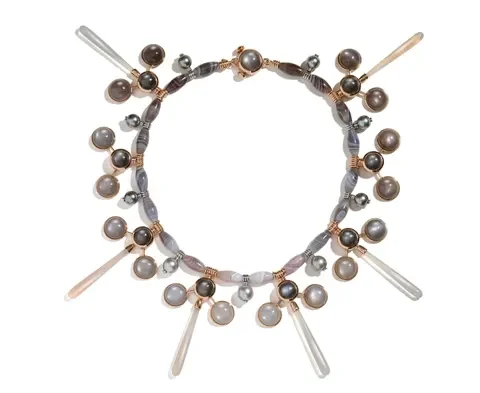
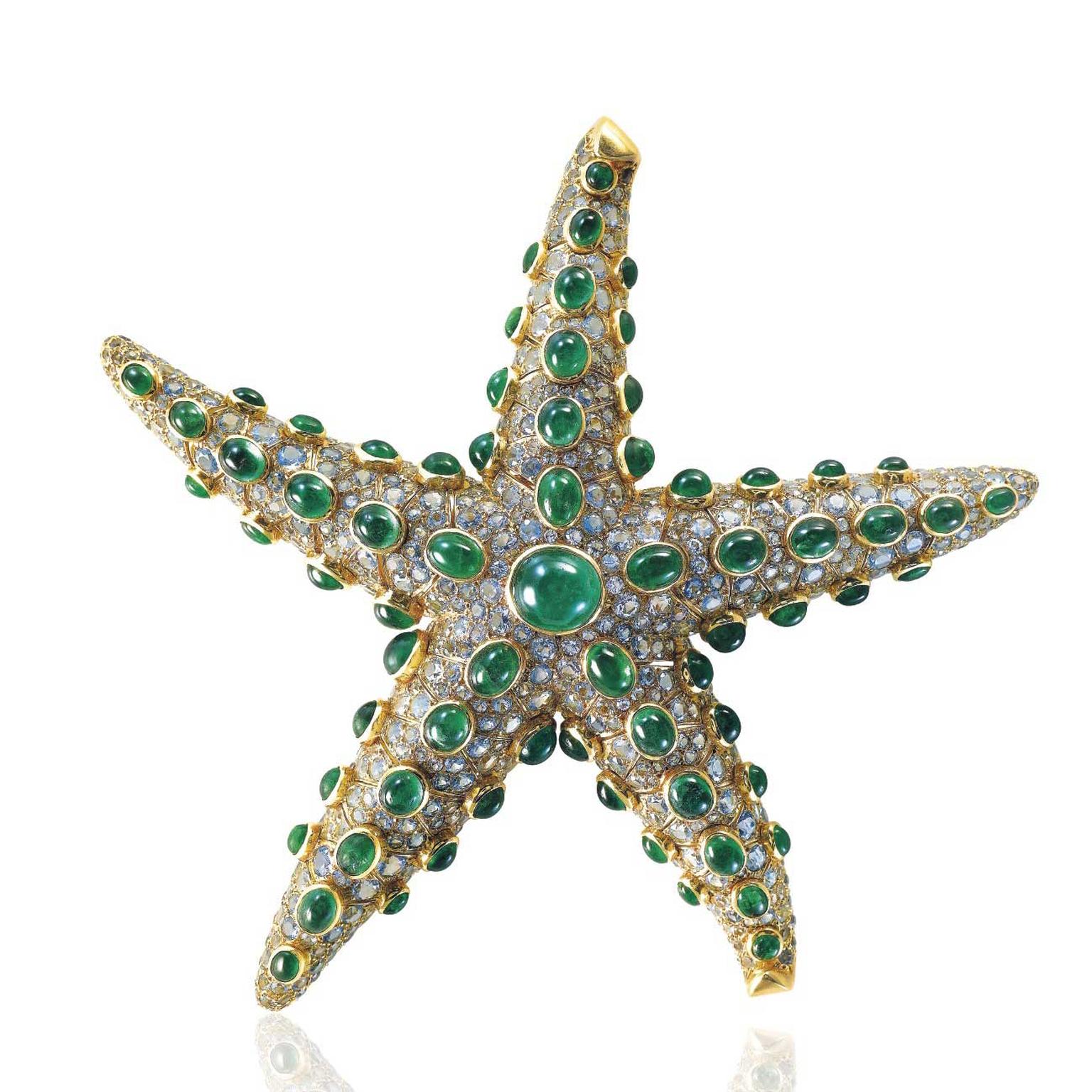
A place apart in this jewellery department belongs to the booth of the French house René Boivin — a storied name that some in the trade call “the originator of modern design.” A boutique for the revived maison is due to open in Paris this May, and in the meantime the stand shows both new and, far more intriguing, historical pieces. The most remarkable is the famous “starfish” brooch — it is utterly impossible to believe that this creation dates from the 1940s, a decade when the prevailing taste ran in an entirely different direction. And in the same booth there is a separate vitrine dedicated to the Roman jeweller Maurizio Fioravanti, who works in micromosaic. Or, more precisely, one might call it nano-mosaic — the tiny details are invisible to the naked eye and can only be seen with a loupe. Jewellery sorcery of the most extraordinary kind.