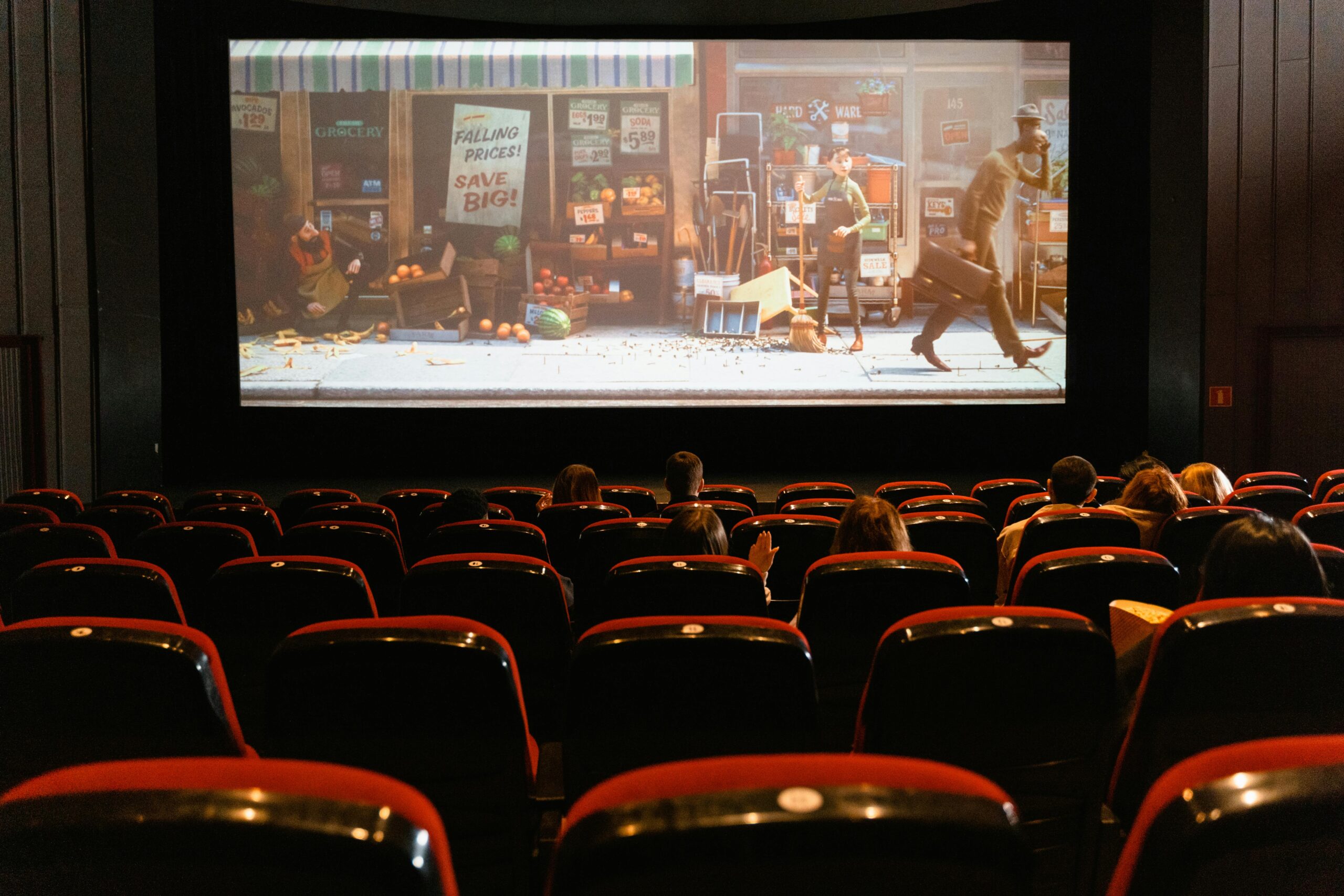
British Animation Festival: Where New Worlds Are Born

Animation has long ceased to be merely children’s entertainment. It is a unique and complex field in which artists have vast opportunities for expression and limitless potential for creating their own worlds. Animation festivals, in turn, have become important points of attraction for creators, studios, and audiences alike. One such event is the British Animation Film Festival — an independent festival that, over the years, has established itself as a platform bringing together some of the most exciting voices in contemporary animation in London.
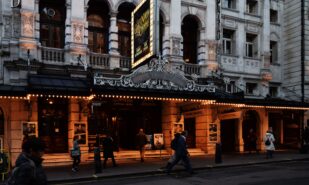
The fourteenth annual British Animation Film Festival took place at the уютный Lumiere Cinema. The festival is organised by Film Festival Guild, a company dedicated to supporting independent cinema. Since its inception, BAFF has focused less on big names and more on emerging talent. Here, audiences can discover works by young directors, film students, and independent animators who are just beginning their journeys but are already offering bold and unconventional ideas.
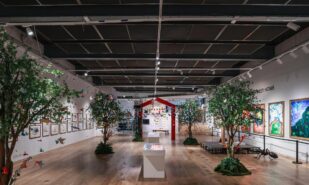
The festival lasts just one evening, yet within that time it presents a rich programme of short films — ranging from lyrical and philosophical to experimental and provocative. The BAFF programme is both stylistically and generically diverse: from classic 2D animation and 3D projects to stop-motion and experimental videos created with the help of AI. What matters most is that the language of animation here can take virtually any form.
At the pre-selection stage, the Film Festival Guild team filters out works that do not meet the basic requirements, after which the so-called Official Selection is formed — a list of films to be screened. Despite its independent format, the festival has a well-structured evaluation system. Winners are chosen by a professional jury made up of industry representatives, while audiences are also invited to vote after the screenings. This approach allows for a balance between expert judgment and audience response.
The British Animation Film Festival creates a space where new names emerge, visual ideas are tested, and distinctive artistic voices are born. For filmmakers, it offers a rare opportunity to present their work to a wide audience; for viewers, it is a chance to experience animation beyond the mainstream — vibrant, daring, and unexpected.
This year’s event was hosted by British actor, director, and producer Stuart Brennan. Setting the tone for the evening and maintaining a lively connection with the audience, he conducted Q&A sessions with the filmmakers. The structure of the evening followed a simple but effective rhythm: film — discussion with the director — next screening. A warm and distinctive tempo defined the festival, leaving not a single moment for boredom.
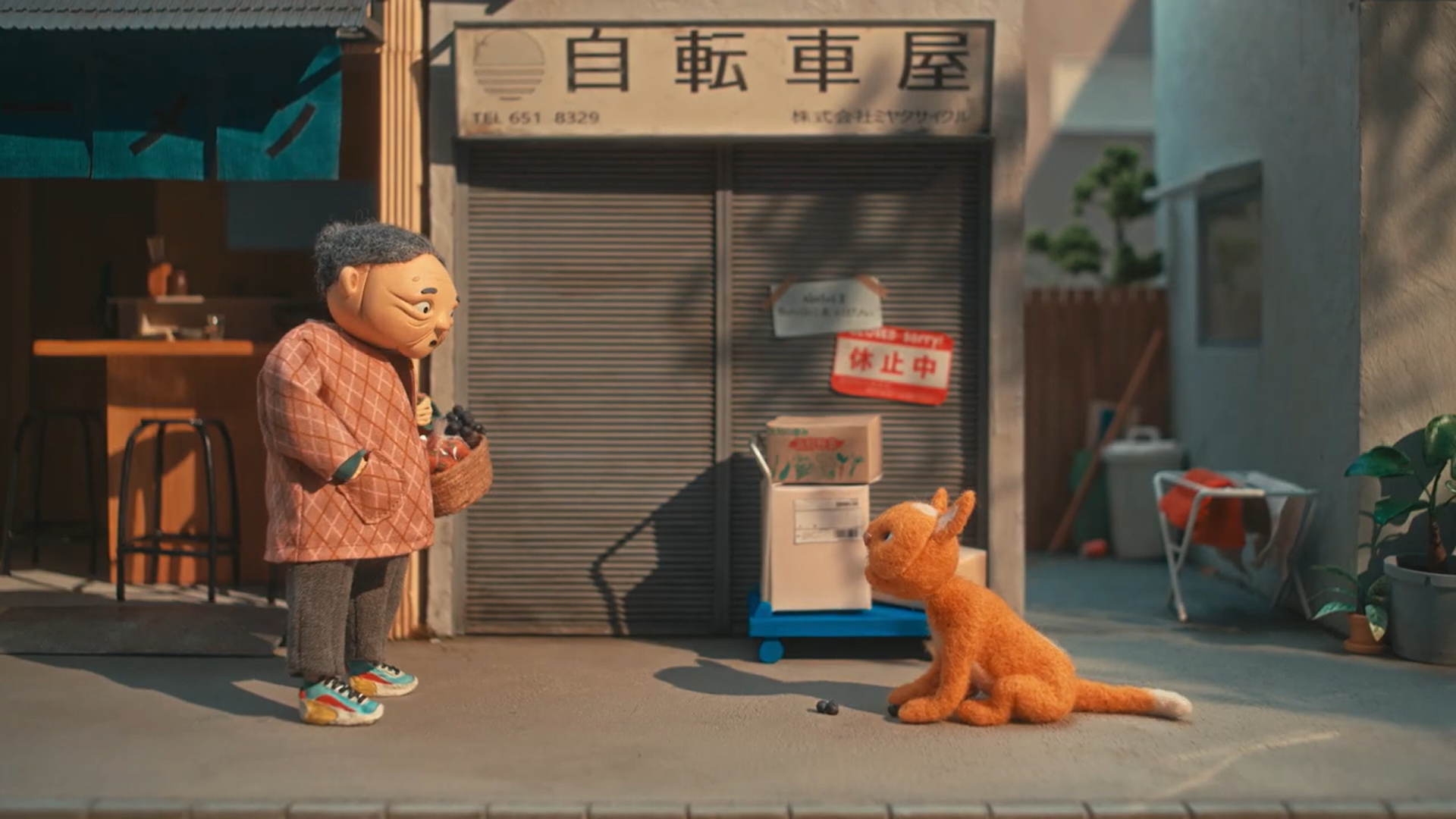
Among the works presented was the fifteen-minute stop-motion piece Budō by Alexander Toma and Amanda Aagard — a phantasmagorical story about an elderly woman and a giant ginger cat: Tokyo, loneliness, widowhood, a cold world — and a cat that saves the one who once saved him. The music video Love of a Girl (by The Avett Brothers) by Victor Haegelin dazzled with its whirlwind pace and carousel-like смена декораций, props, characters, and faces.
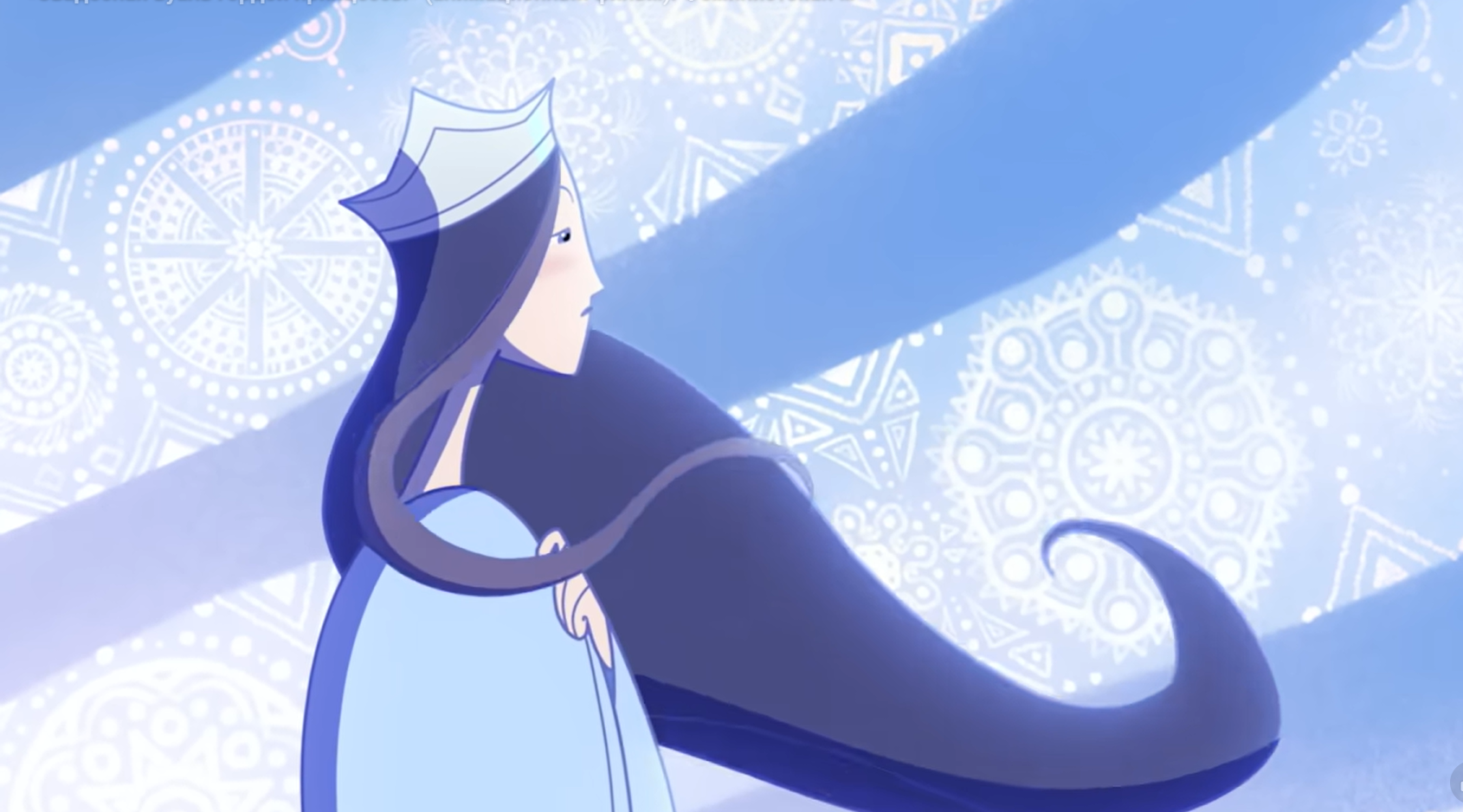
The delicate and melancholic Strokes of Wildflowers by Livvy Seabrook-Wilkins explored how people survive after a stroke, rendered in a soft watercolour animation that seems to do everything in its power not to hurt. The drawn film The Wedding Veil of the Proud Princess by Anna-Ester Volozh unfolded as a slow, unsettling fairytale, twisting and unravelling on screen like a staircase — or perhaps a weightless veil.
The delightfully funny and painfully relatable The Undying Pain of Existence by Oscar Jacobson told the story of a struggling life model battling a mosquito under the watchful eyes of artists. Meanwhile, The Robertsons by Sam Cardy — a puppet satire in the style of the 1950s about Soviet robot spies — received The Rising Star Award.
Other prizes — matte black lion statuettes with a paw resting on a golden sphere — were awarded to a range of remarkable films and their creators. Karl Doran, founder and creative director of the agency Flow, presented the mesmerising five-minute piece Journey from the Forest of Eels, which won Best 2D Animation. Voyage of the Red Rabbit by Sam Gualtieri took home Best 3D Animation, while Strokes of Wildflowers received the Audience Award.
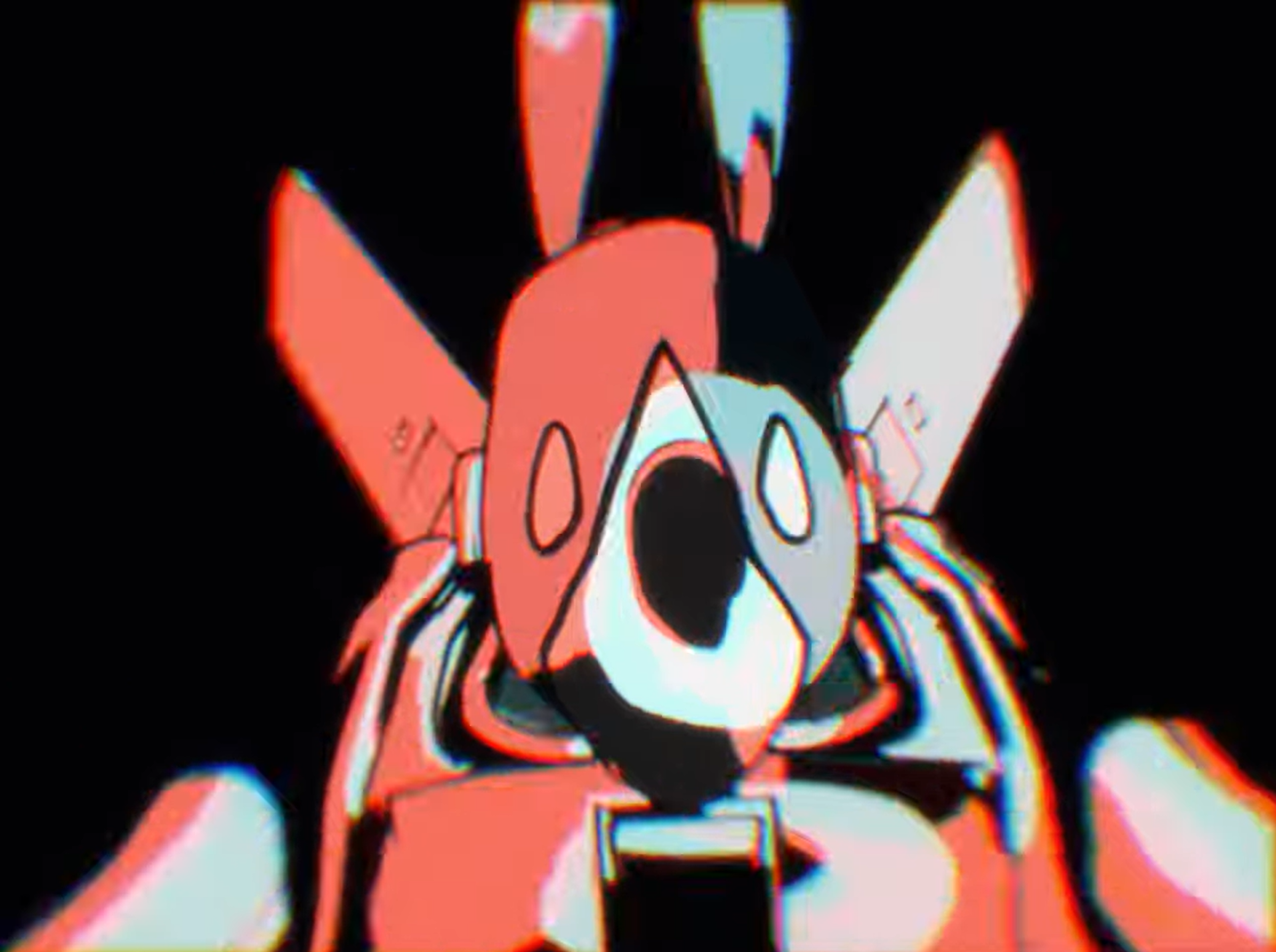
Citrus Cyclops by Magdalena Metrycka stood out as a striking example of how an entire family story — its business and relationships — can be told in just a single minute, enriched with a wide spectrum of emotions. The film received The Lotte Reiniger Award for Innovation.
Of course, simply taking part in the festival is already an achievement. Even those films that did not receive awards were met with enthusiastic applause — such as the five-minute Ducks by AJ Jefferies, a true sci-fi blockbuster with an unexpected twist.
In her opening speech, festival organiser Jessica Maxfield said something particularly important:
«In a world saturated with fast, fleeting content, we hope this festival serves as a reminder that there are still artists creating something meaningful and unforgettable — work that not only entertains but inspires».
Animation is a painstaking, complex, and at times thankless art form. Films can take years to complete, but animators are people of extraordinary patience — and, perhaps, a touch of obsession. The British Animation Film Festival is a unique and essential event, celebrating the artists behind this remarkable craft.