How to Tame Paris… Without Going Mad?

How to tame a city? “This aspect is too often underemphasized,” says the Fox. “It means making connections” (Antoine de Saint-Exupéry, “The Little Prince”). This article is about getting to know a city, making connections, experiencing its true life, distinguishing one city from thousands of others. And if you’re lucky, you’ll find a true friend here, one you’ll always want to return to.
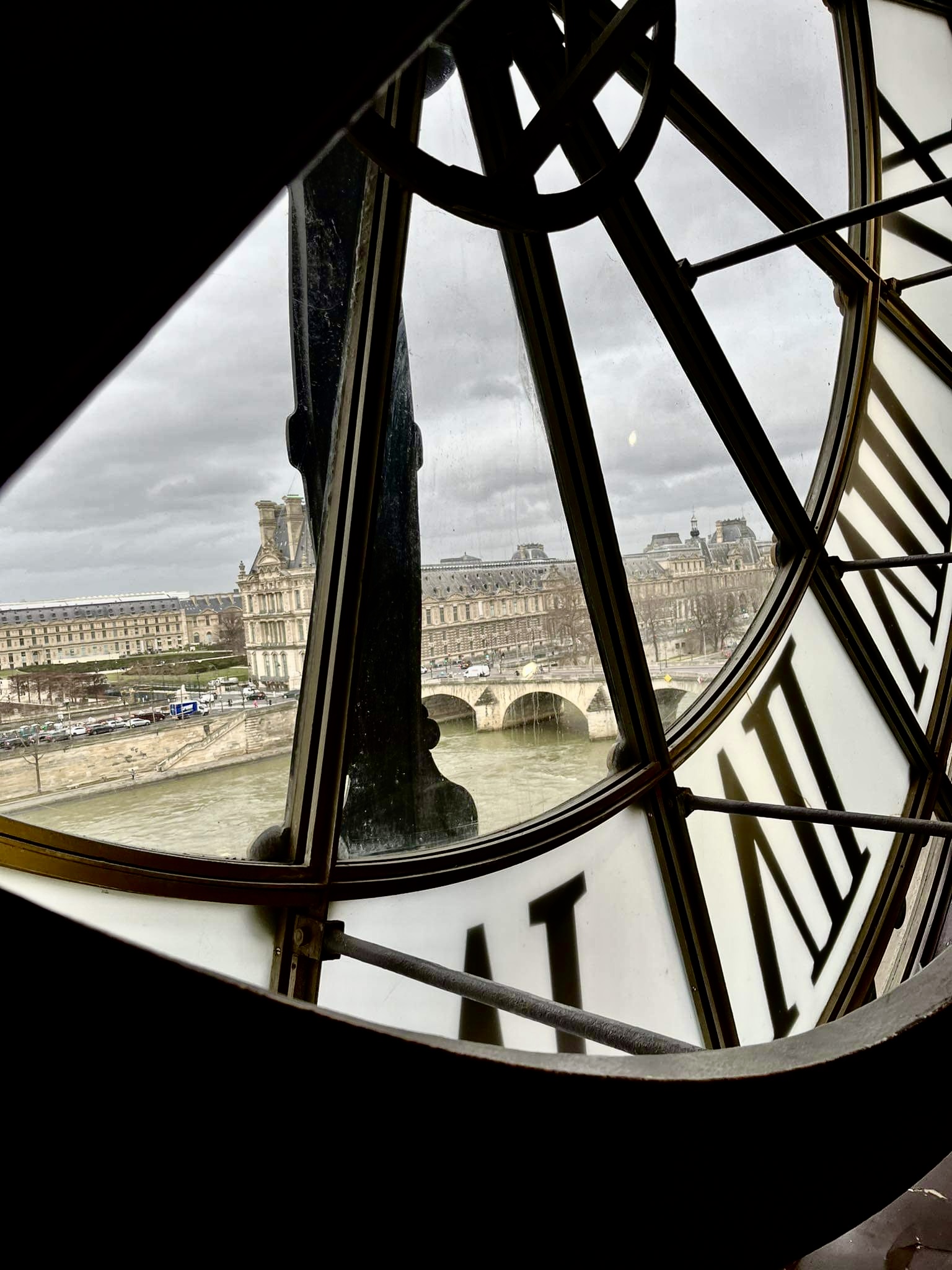
Paris and unmet expectations are synonyms. There is no disappointment more crushing than the disappointment of Paris. Paris is about love and beauty, we were told. But not everyone has someone to share their love of the city with. And not always is there time to tame a city. Or at least a little part of the city. The smaller that part, the better. And the smaller are your chances to catch “Stendhal Syndrome” or the “Florentine Syndrome.”
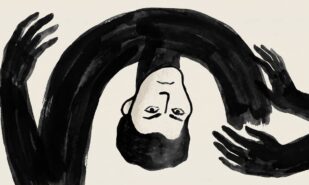
The concentration of art and beauty in Paris and Florence is so immense that sensitive people can experience deeply unpleasant sensations, including panic attacks, dizziness, and hallucinations. The story began, as the name suggests, in Florence and the first to describe the phenomenon was Marie-Henri Beyle, known to us by his pen name, Stendhal.
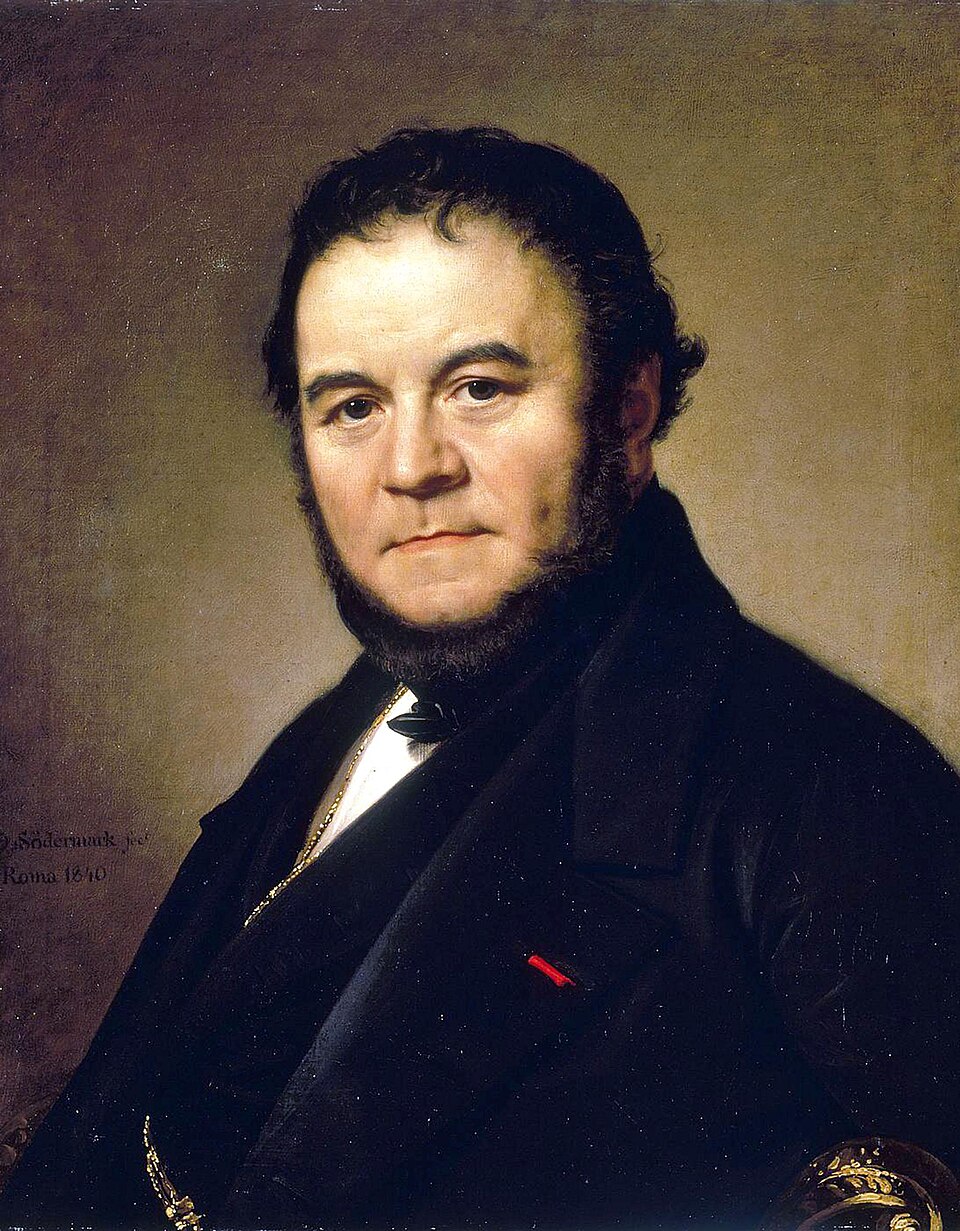
On 22 January 1817, having arrived in Florence from Milan, he wrote:
“I was in a sort of ecstasy, from the idea of being in Florence, close to the great men whose tombs I had seen. Absorbed in the contemplation of sublime beauty… I reached the point where one encounters celestial sensations… Everything spoke so vividly to my soul. Ah, if I could only forget. I had palpitations of the heart, what in Berlin they call ‘nerves’. Life was drained from me. I walked with the fear of falling”
(Stendhal, “Naples and Florence: A Journey from Milan to Reggio”, 1817)
Nearly two centuries later, Italian psychiatrist Graziella Magherini named this phenomenon “Stendhal Syndrome” (La Sindrome di Stendhal). She had spent many years as a psychiatrist at the Santa Maria Nuova hospital in Florence and in 1989 published a book of the same name. In her view, such reactions are linked to a pre-existing “latent psychological or psychiatric disorder, which manifests as a reaction to depictions of battles and other masterpieces.”
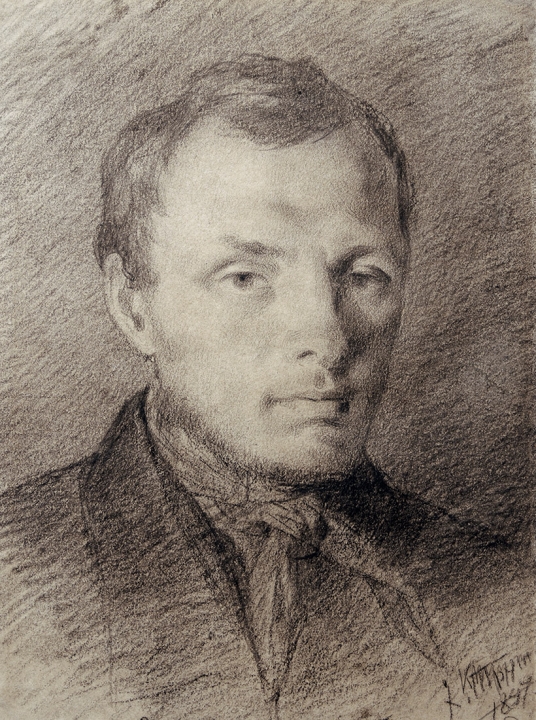
In 2005, Brazilian neurosurgeon Edson José Amâncio published the paper “Dostoevsky and Stendhal’s Syndrome” (Amâncio E.J., Arq Neuropsiquiatr, 63, 1099–1103). He wrote: “Upon encountering a masterpiece of exceptional beauty, a person may experience an altered perception of reality, emotional imbalance, a panic attack, and anxiety with somatic symptoms. The syndrome typically affects highly sensitive individuals for whom works of art elicit a sense of awe — often artists, poets, writers, and art students.”

It is believed that Dostoevsky himself encountered “Stendhal Syndrome” at the Kunstmuseum Basel looking at Hans Holbein’s painting The Body of the Dead Christ in the Tomb. He described his impression of the painting in The Idiot:
“Yes, it’s a copy of a Hans Holbein,” said the prince, who had had time to examine the picture. “Though I’m not much of an expert, I would say it’s an excellent copy. I once saw the original”
“1 like to look at that picture,” Rogozhin muttered after some silence; he seemed to have again forgotten his own question. “That picture?” the prince cried out under the impression of a sudden thought. “That picture? Why, it’s capable of destroying faith in some people!” “It does just that,” Rogozhin suddenly and unexpectedly agreed”
(Fyodor Dostoevsky, “The Idiot”, 1868)
The “Florentine Syndrome” or “Stendhal Syndrome” is also known as hyperkulturemia or an “art attack,” by analogy with “heart attack.” In the summer of 2020, the director of the Vatican Museums, Barbara Jatta, gave an interview in which she noted that after the pandemic the number of cases of “Stendhal Syndrome” had multiplied many times over.
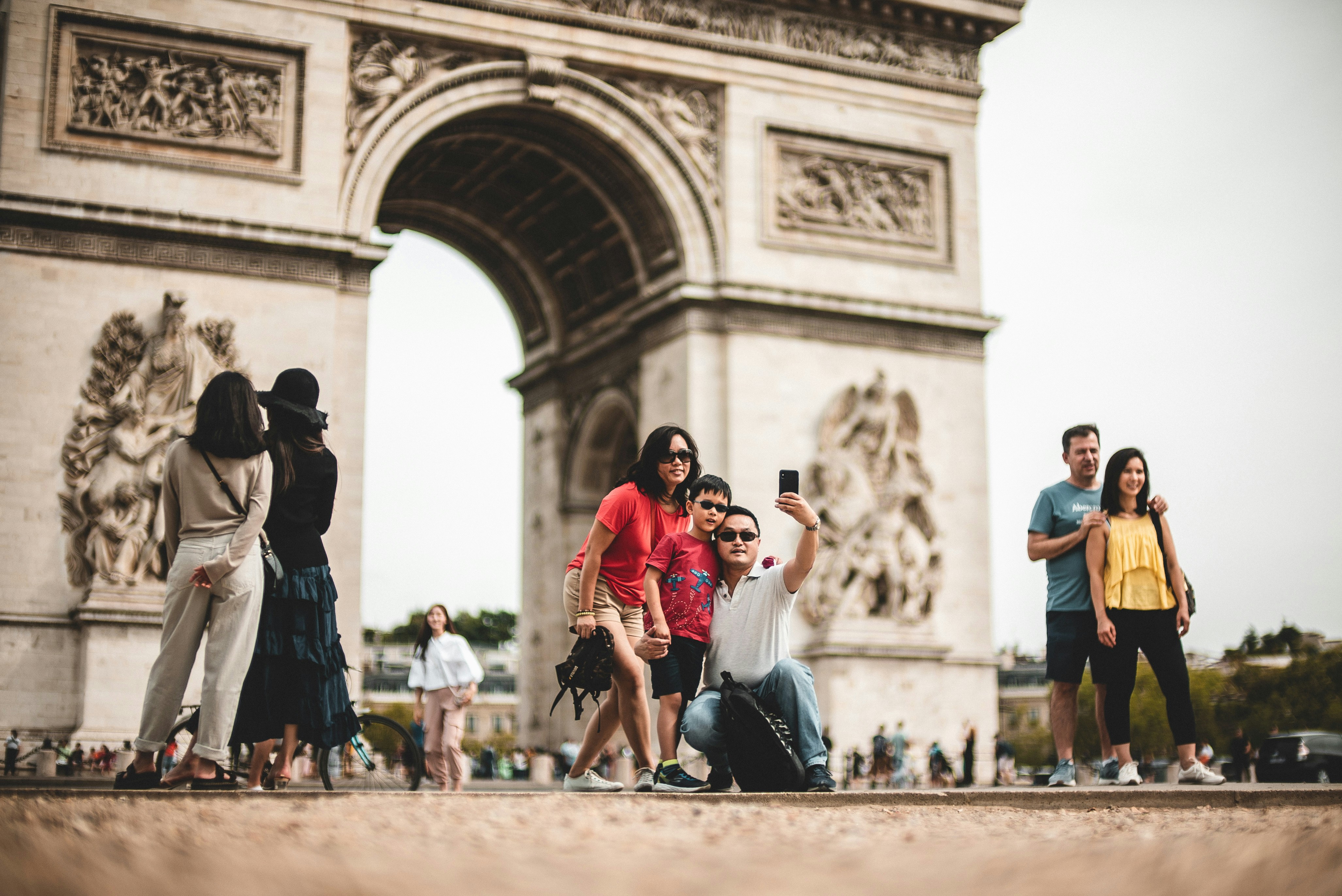
Yet Paris has its own chapter in the history of disillusionment. “Paris Syndrome” (Syndrome de Paris, パリ症候群) was identified in 1986 by Japanese psychiatrist Hiroaki Ota who was working at the Sainte-Anne hospital in France. A description of the syndrome was published in the French psychiatric journal Nervure in 2004. Dr Ota identified three main causes: the language barrier, cultural differences and the idealisation of the city. “As it turns out, the psyche of Japanese travellers is unprepared for visiting cities like Paris. They come hoping for hospitality and encounter quite the opposite. Their nerves cannot withstand the strain,” explained psychologist Hervé Benhamou. The gap between cultures proves too vast and the contrast between romantic expectations and reality too stark.
Alan Bradley in “The Sweetness at the Bottom of the Pie” wrote: “Everything is always a muddle just before it settles in.” Take care of yourself and tame Paris in small doses. It is worth it.