Brighton Festival: 60 years of art on the edge of the sea

In May 2026, Brighton once again turns into one large cultural space. From May 1 to 25, the famous seaside city hosts the 60th Brighton Festival — the largest curated multi-genre festival in England. More than 100 events, over 140 artists, five world premieres and dozens of exclusives — dry numbers only hint at the scale. In practice, this is three weeks during which theatre, music, visual art, literature and public discussions literally dissolve into the city. But it is not only about the anniversary: the festival is entering a new phase, changing the very model of its existence.
The history of Brighton Festival began not in 2026 and not even in 1967: the first steps toward creating the festival were made in 1964, and the full festival already took place in April 1967. Even then, the programme showed that mixture of “high” and “popular” that would become the festival’s calling card: the bill featured Yehudi Menuhin, Laurence Olivier, Pink Floyd and The Who. In the programme introduction of 1968, the first artistic director Ian Hunter formulated the task of the festival as an opportunity to look at art anew — where the “serious” and the “supposedly frivolous” exist side by side.
It is precisely this breadth of registers that largely made Brighton Festival famous. In the 1970s it confidently worked simultaneously in several cultural paradigms: in 1970 Arthur Rubinstein performed here, in 1971 opera stood side by side in the programme with Ella Fitzgerald. A year later, the Royal Swedish Ballet performed at the festival.
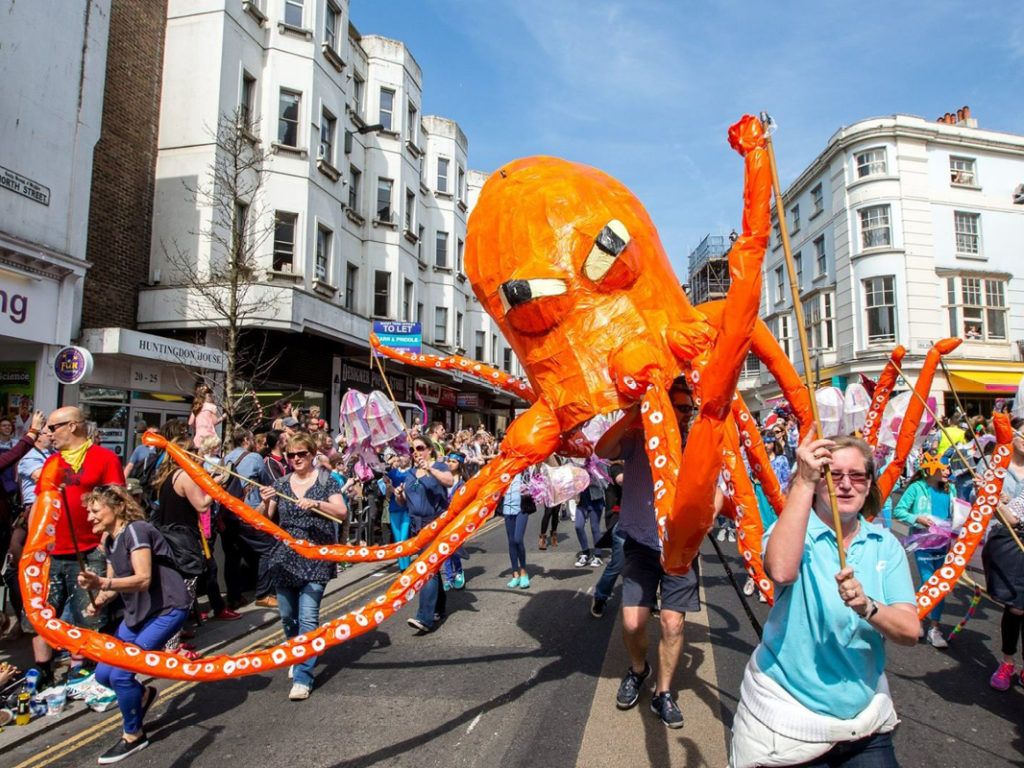
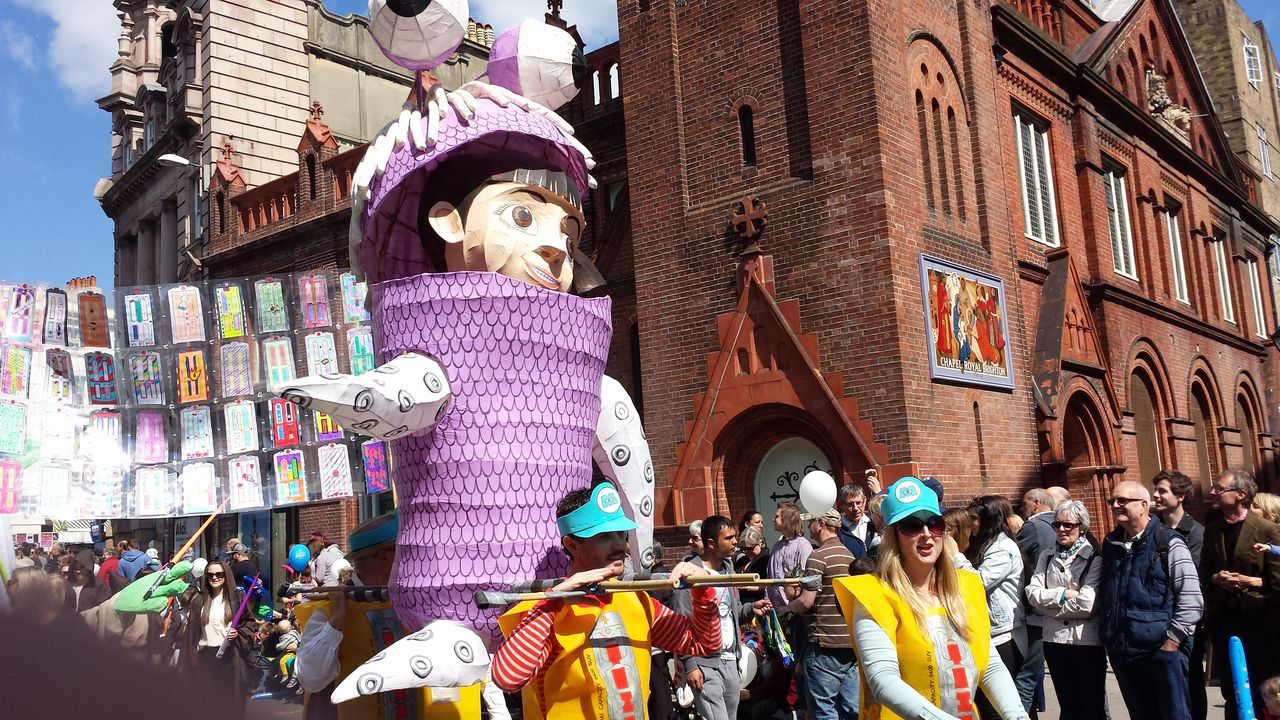
In the middle of the freedom-loving 80s, Brighton Festival spills out of halls into the urban space, when on the streets of the city audiences watch street theatre, and over the next two years the format became the festival’s hallmark: already twenty mobile stages and more than 500 participants turned Brighton into a huge open venue. Thus, the festival becomes a laboratory of urban cultural experiment.
The festival continued to expand genre boundaries: in the 90s, stand-up comedy and theatrical debuts of young companies became established in its programme, but at the same time the headliners included, for example, Etta James, Elvis Costello and Jimmy Somerville. Brighton Festival finally became a place of meeting of the elite and the mass, the popular and the new, a place for equal dialogue.
In the first quarter of the 21st century, incredible projects were created within Brighton Festival. Thus, Nick Cave and Laurie Anderson took part in a special tribute concert to Leonard Cohen, and Asian Dub Foundation presented the world premiere of their soundtrack to The Battle of Algiers.
And the performance by the team Groupe F in Preston Park gathered an audience of 50 thousand people — an indicator not only of the artistic but also of the social scale of the festival.
The year 2009 became a turning point: the role of guest director appears at Brighton Festival, and the first such curator was Anish Kapoor. He was followed by Brian Eno, Vanessa Redgrave, Michael Rosen, Hofesh Shechter, Ali Smith, Laurie Anderson, Kae Tempest, David Shrigley, Rokia Traoré, Lemn Sissay, Marwa Al-Sabouni, Tristan Sharps, Nabihah Iqbal, Frank Cottrell-Boyce and Anoushka Shankar. Thanks to the figure of the guest director, each new season was unlike the previous one not only by the set of events, but also by a special, clearly defined tone.
The main difference of 2026 is structural. After 16 years of work with invited curators (guest directors), the festival moves to a new model: now the programme is formed by a team under the leadership of CEO Lucy Davies and producing director Beth Burgess. Davies is one of the key figures of British theatre management, previously working at the Royal Court and Young Vic. It is indicative that it is under her leadership that Brighton Festival begins to produce its own performances for the first time. And Burgess has been working with the festival since at least 2015, as executive Producer & Director of Production.
You look at the programme of 2026 and immediately understand why the festival still not only maintains its reputation, but also remains young. Officially, more than 100 events are announced, and among them — five world premieres.
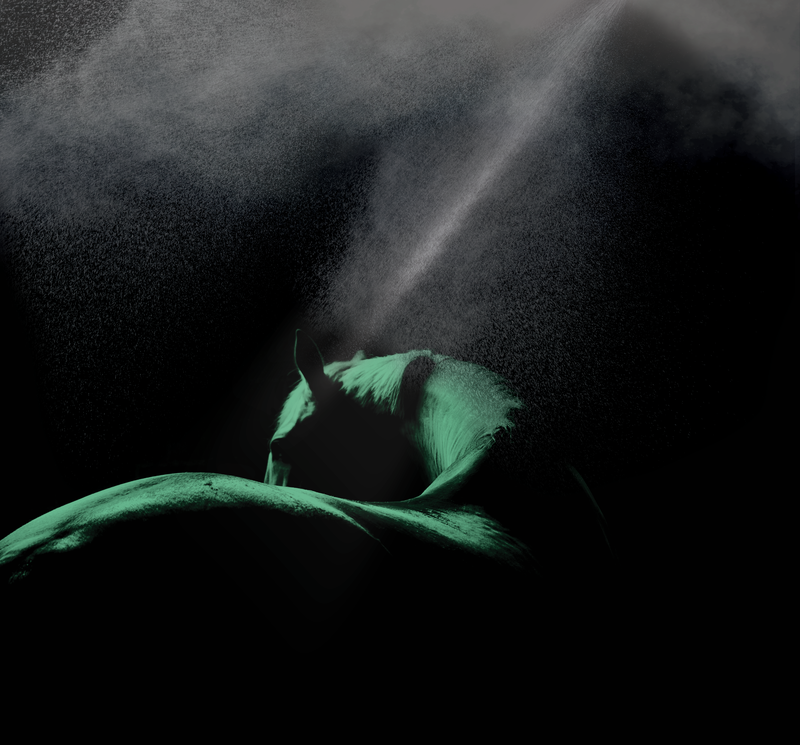
One of the main accents will be Kohlhaas — the central theatrical event of the 2026 festival and a new stage in the life of Brighton Festival. Firstly, this is the first original work in the history of the festival, produced by Brighton Festival itself. And also, it is a world premiere and the first major project created specifically for the renewed space of Brighton Dome Corn Exchange. The performance runs from May 1 to 5, 2026.
The plot is based on the novella by Heinrich von Kleist “Michael Kohlhaas” (1808) (the adaptation was written by Italian playwrights Marco Baliani and Remo Rostagno). In the Brighton Festival version, this is a story about what happens when the justice system does not work, but the hero refuses to accept it. This is a reflection on justice, exploring the nature of protest and resistance, which is absolutely consonant with the present day. The director and translator of the English version is Omar Elerian (he worked as associate director at Bush Theatre, staged productions at Royal Court Theatre, Almeida, Royal Shakespeare Company). On stage, in the solo performance Kohlhaas, will appear Arinzé Kene (he performed in the first production of Girl From the North Country at The Old Vic, and is also known to audiences for his work in Black Mirror).
This is the first joint production of Omar Elerian and Arinzé Kene since Misty — one of the most discussed British performances, which made a big impact in 2018. Misty was then shown at Bush Theatre, and later transferred to the West End. Themes of identity, expectations of society, and pressure of the industry on the artist were described in his text by Kene himself, and the production by Omar Elerian broke the boundaries of theatre right before the audience’s eyes: it was theatre, and a concert, and performance, and live art. Misty was nominated for the Laurence Olivier Awards and became one of the most important theatrical statements of its time. Then the Elerian–Kene duo showed how they can create bright, intense solo works at the intersection of text, music and direct address to the audience. Therefore, it is quite clear that Kohlhaas within the framework of the 60th Brighton Festival is an expected and unique event. Kohlhaas will almost certainly not be a “classical production”, but something very personal.
Among other premieres is the circus work of the NoFit State troupe “Carnation: the revolution is coming and I have nothing to wear”, and among the major theatrical events — the performance “Dark Noon” by the company fix+foxy, which has already made a splash in Edinburgh, New York and Sydney.
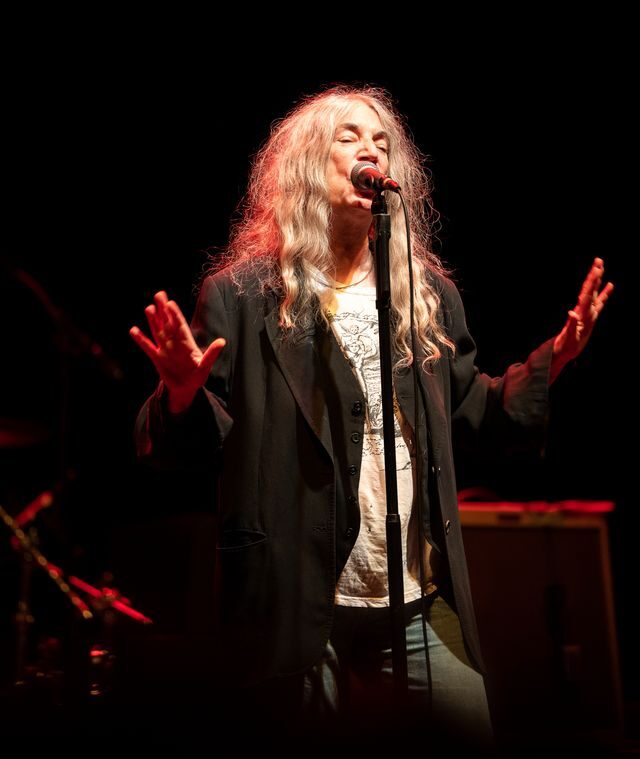
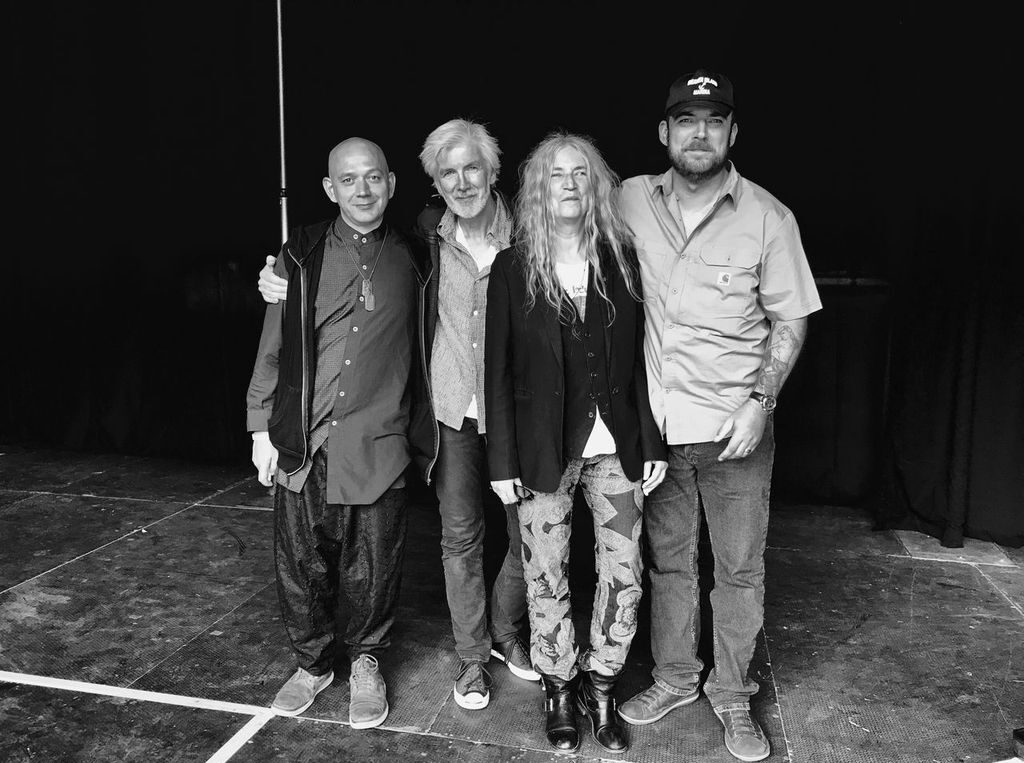
The musical part of this year’s programme is extremely large-scale: for two days in Brighton will work the great Patti Smith. On May 12 — a concert by Patti Smith Quartet at Brighton Dome Concert Hall, and the festival exclusive is An Evening of Words and Music. This author’s evening is a combination of poetry, text and live music. Let us recall that Patti Smith is not only a musical icon, but also a laureate of the National Book Award for her memoir Just Kids.
Laurie Anderson — one of the most influential figures in contemporary art, an American performance artist, musician, composer and writer — will return to the festival for the first time since her curatorial season in 2016 with the project The Republic of Love.
The programme also includes Beverly Glenn-Copeland, and the project Zamrock Allstars: Sampa The Great x W.I.T.C.H. will bring together on one stage pioneers of the unique genre Zamrock and one of the most notable figures of the new African music scene.
Brighton Festival began as a project in which Laurence Olivier and Yehudi Menuhin found themselves alongside Pink Floyd and The Who. Today it connects literature, music, theatre, urban rituals, social themes and new forms of participation. Brighton Festival remains one of the most lively and flexible cultural institutions in Britain.