Leaving the West End: London Theatre in May

London theatre has never been confined to the West End playbills. Beyond its glittering boundaries lies an equally vibrant — and in many ways more flexible — scene. Off-West End is a space where theatres can afford boldness and risk: where form is experimented with, contemporary themes and new writing are explored, and where playwrights, directors, and actors in active search are given a voice.
It is in the Off-West End that productions emerge which strive both for impact and for precision of expression. From intimate dramas to reimagined classics, these performances offer the audience a more personal and thoughtful experience. We have selected several productions that feel important to us — among them debuts, experimental works, provocative pieces, and, of course, works by well-known and successful stars of the British stage.
FLUSH
Arcola Theatre
24 Ashwin St, London E8 3DL
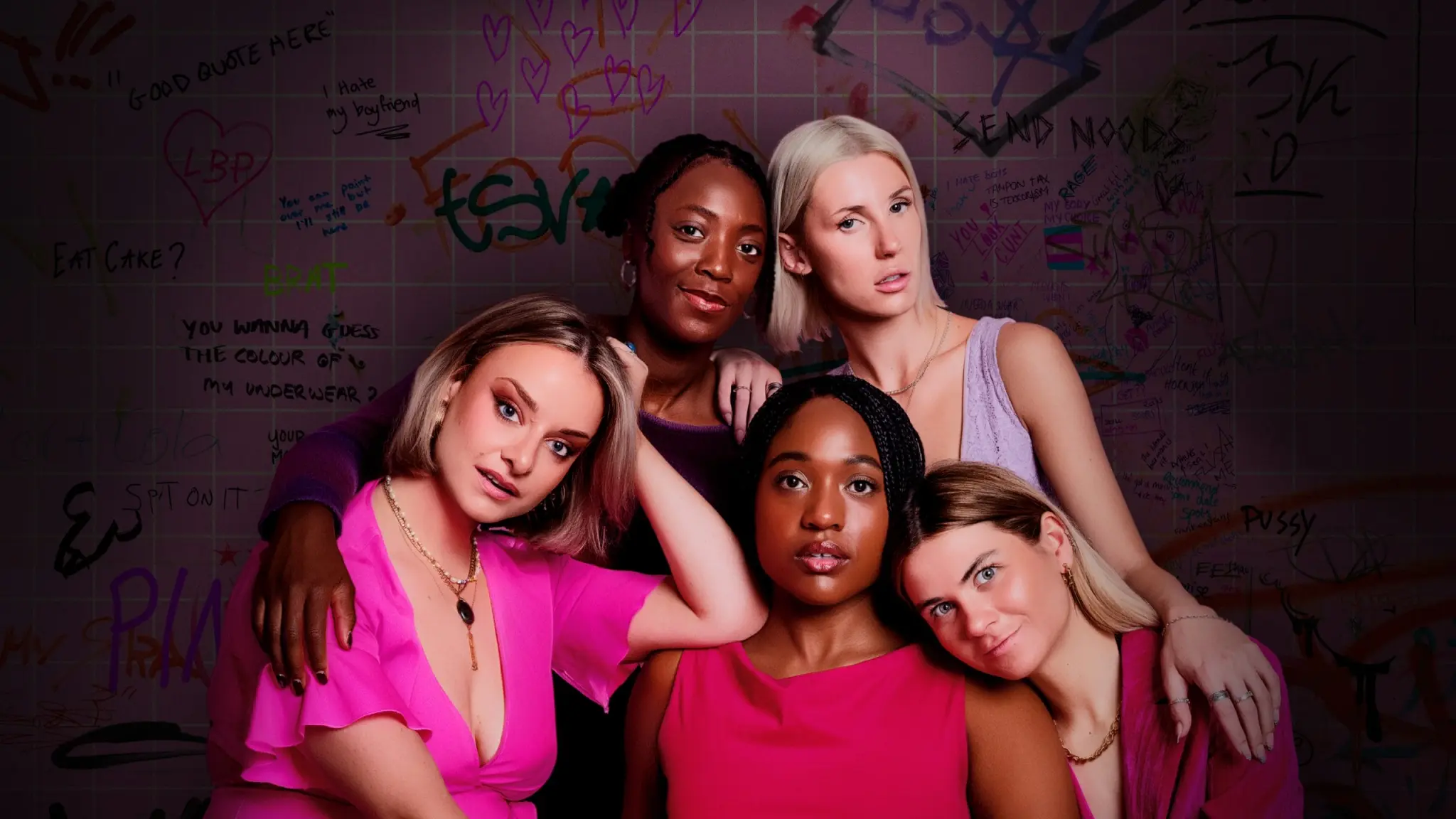
This new play by playwright April Hope Miller is directed by Merle Wheldon. FLUSH, which enjoyed a successful run at the Edinburgh Fringe, takes the audience into the most frequented yet overlooked corner of nightlife — a women’s bathroom in a London club. And yet it is here that a whole series of short but intense human stories unfolds.
Over the course of one night, women of different ages, experiences, and emotional states pass through this space — from teenagers finding themselves in the “big city” for the first time to those already going through an internal breakdown. The play balances between sharp comedy and desperate drama, generously seasoned with emotional vulnerability, humour, and frankness (well — this is a women’s bathroom!!).
Together with the audience, FLUSH explores how modern “sisterhood” is formed and asks whether it is genuine or merely a social ritual. Through conversations about sexting, anxiety, relationships, and social pressure, the play exposes the fine line between real support and its imitation. This is contemporary, restless, and deeply memorable theatre that stays with you longer than expected.
It is worth noting that this is April Hope Miller’s first play — and she also performs in it. For her, this is not just a debut but a personal statement: an exploration of honest female experience.
Howie the Rookie
The Cockpit
Gateforth St, London NW8 8EH
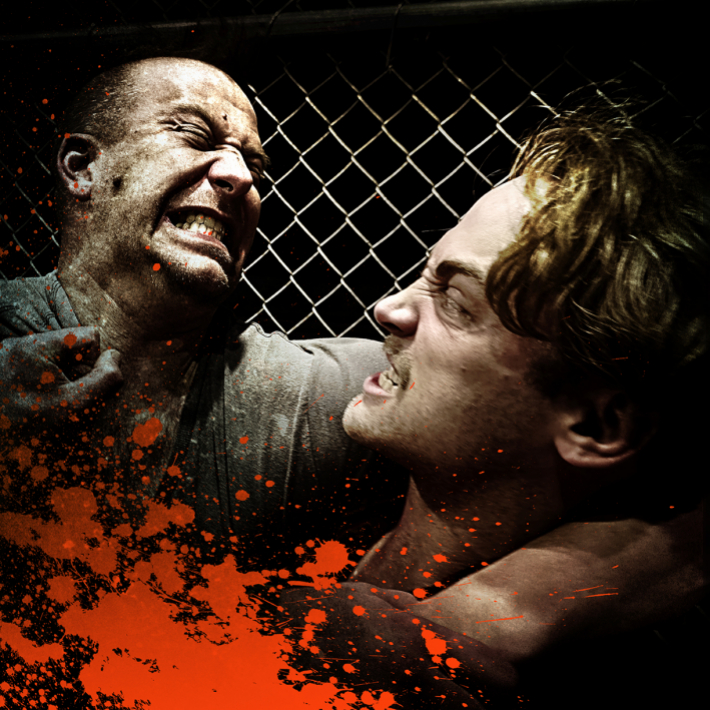
FLUSH and Howie the Rookie can be seen as a kind of A-side and B-side of the same night-time city — two perspectives on vulnerability, aggression, and survival in a contemporary environment. On one side, female solidarity and fragile forms of support; on the other, male aggression and the destructive logic of force.
This famous late-20th-century text returns to the London stage. The cult, raw play by Mark O’Rowe is staged by director Jerome Davis (artistic director of Burning Coal Theatre Company), and this is not his first engagement with the play — Davis has been exploring it since 2008.
In its current iteration, Howie the Rookie retains its rough energy and almost hypnotic power. The performance is structured as a duel between two characters: The Rookie (played by Andrew Price Carlile) and Howie Lee (Lucius Robinson). Two monologues gradually converge into a single story — a story of absurd coincidences, violence, humiliation, and the attempt to regain control.
A lack of prospects, status, and social support often leads to violence. The language of the play is sharp and coarse, yet almost musical, with a rhythm that draws the audience in. Beneath its outward brutality lies a subtle exploration of masculinity — and its evident vulnerability within society. A heavy, gripping text that remains relevant more than a quarter-century later.
An Ideal Husband
Lyric Hammersmith Theatre
Lyric Square, King St, London W6 0QL
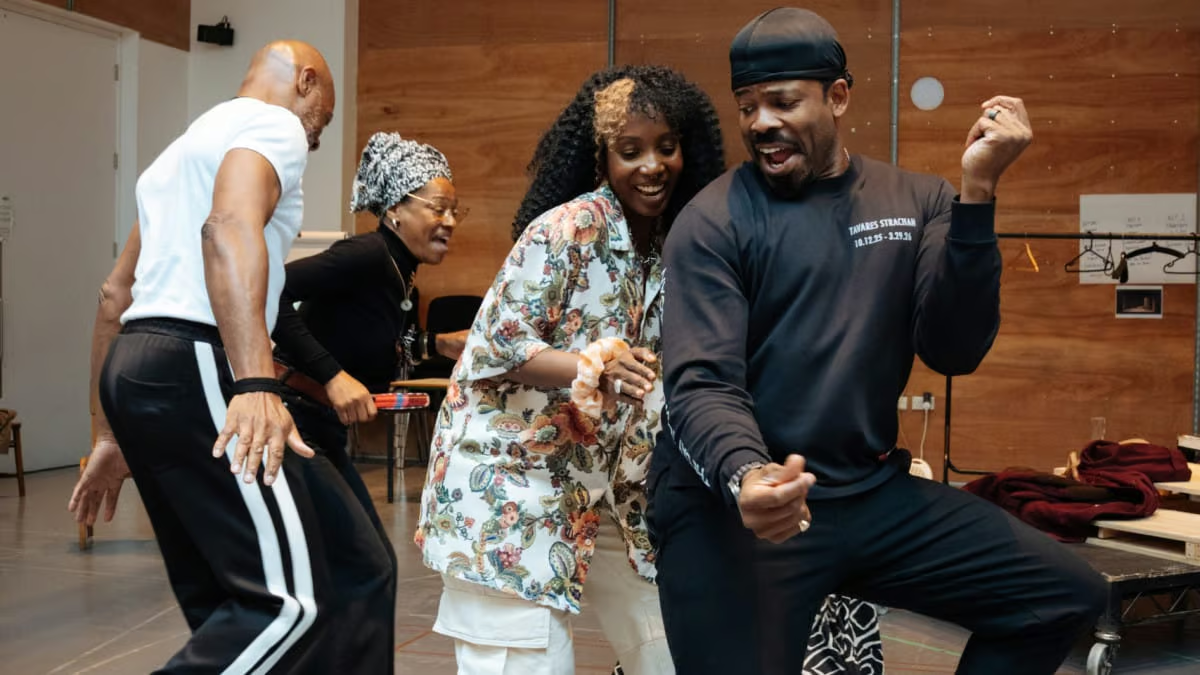
Nikolai La Barrie presents a contemporary version of a classic. A theatre and film director, Associate Director at the Lyric Hammersmith Theatre and Resident Director of The Tina Turner Musical, he modernises Oscar Wilde’s comedy without losing its signature lightness and wit.
The action is relocated to present-day London — a world where reputation becomes a form of media currency, and scandal spreads faster than it can be processed. Here, the past does not simply return; it does so rapidly, publicly, and destructively.
Lord Goring, incidentally, is played by Jamael Westman — the original Alexander Hamilton in the London production of Hamilton, a role that established him as one of the UK’s leading young stage actors.
An Ideal Husband tells the story of Sir Robert Chiltern, whose political career is threatened by past blackmail. The production — like the play itself — balances between satire and psychological drama, allowing Wilde’s text to sound contemporary and relevant.
Its themes resonate sharply today: moral choice, the boundary between public and private, the price of success—and whether it is possible to maintain an “ideal” image when everything else is already in question. The striking, expressive costumes that reinforce each character are designed by Rajha Shakiry, who also constructs the entire visual world of this An Ideal Husband.
CARE
Young Vic
66 The Cut, London SE1 8LZ
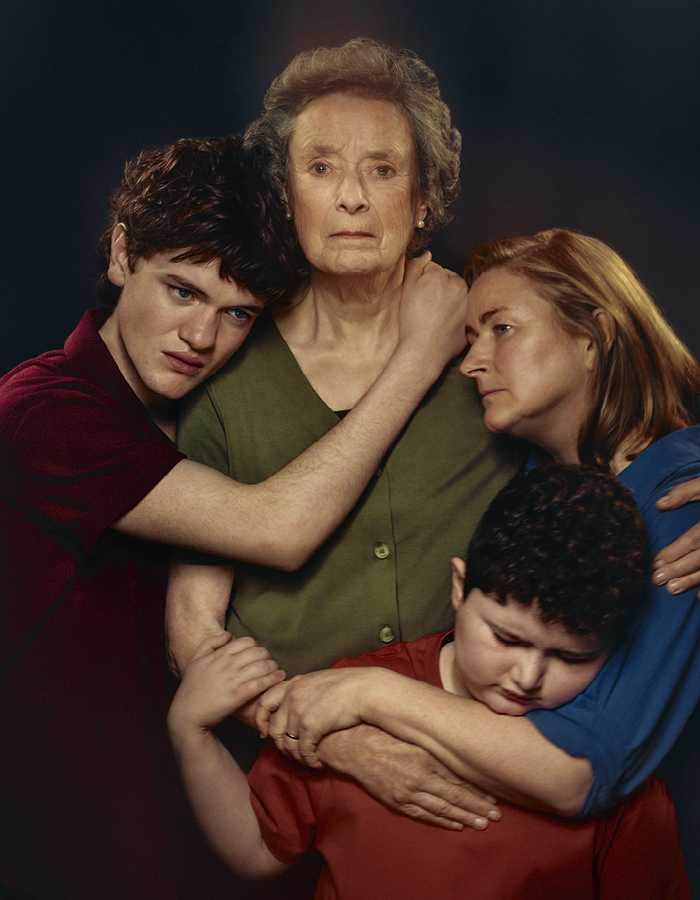
The works of Alexander Zeldin are always marked by attention to everyday life, and CARE is no exception. This is his debut at the Young Vic and his return to London following the trilogy LOVE, The Confessions, and The Other Place.
A chronicler of daily life—its tragedies, joys, tenderness, and melancholy — Zeldin creates an almost documentary-like performance about ageing, the care system, and human dignity. It is a difficult story about systems, family, and how we cope with vulnerability — not only others’, but our own.
In the leading role of an elderly woman is Linda Bassett, one of the most nuanced actresses of the British stage, widely known to audiences for her television work (for example, as Phyllis Crane in Call the Midwife).
Zeldin remains true to his central themes: family, loss, and growing up, working from within the environments he depicts, as a direct witness — and often participant — of the stories he tells. The Confessions is based on his mother’s memories, while his renowned trilogy grew out of temporary work experiences and observations of people living in poverty and instability.
In CARE, Zeldin rejects overt drama, inviting the audience to observe the slow passage of life — conversations, pauses, everyday details. It is within these seemingly insignificant moments that the central tension emerges: how society treats those who no longer match its pace.
CARE is a production that demands immense attention and deep empathy from its audience. Yes, it is a heavy experience — but it is not cold documentation. Zeldin always transforms reality into a lived theatrical experience, into art. Notably, the production includes not only professional actors but also participants from the Young Vic’s community programme — local residents who create the sense of observing real life unfolding.
End of the Rainbow
Soho Theatre Walthamstow
186 Hoe St, London E17 4QH
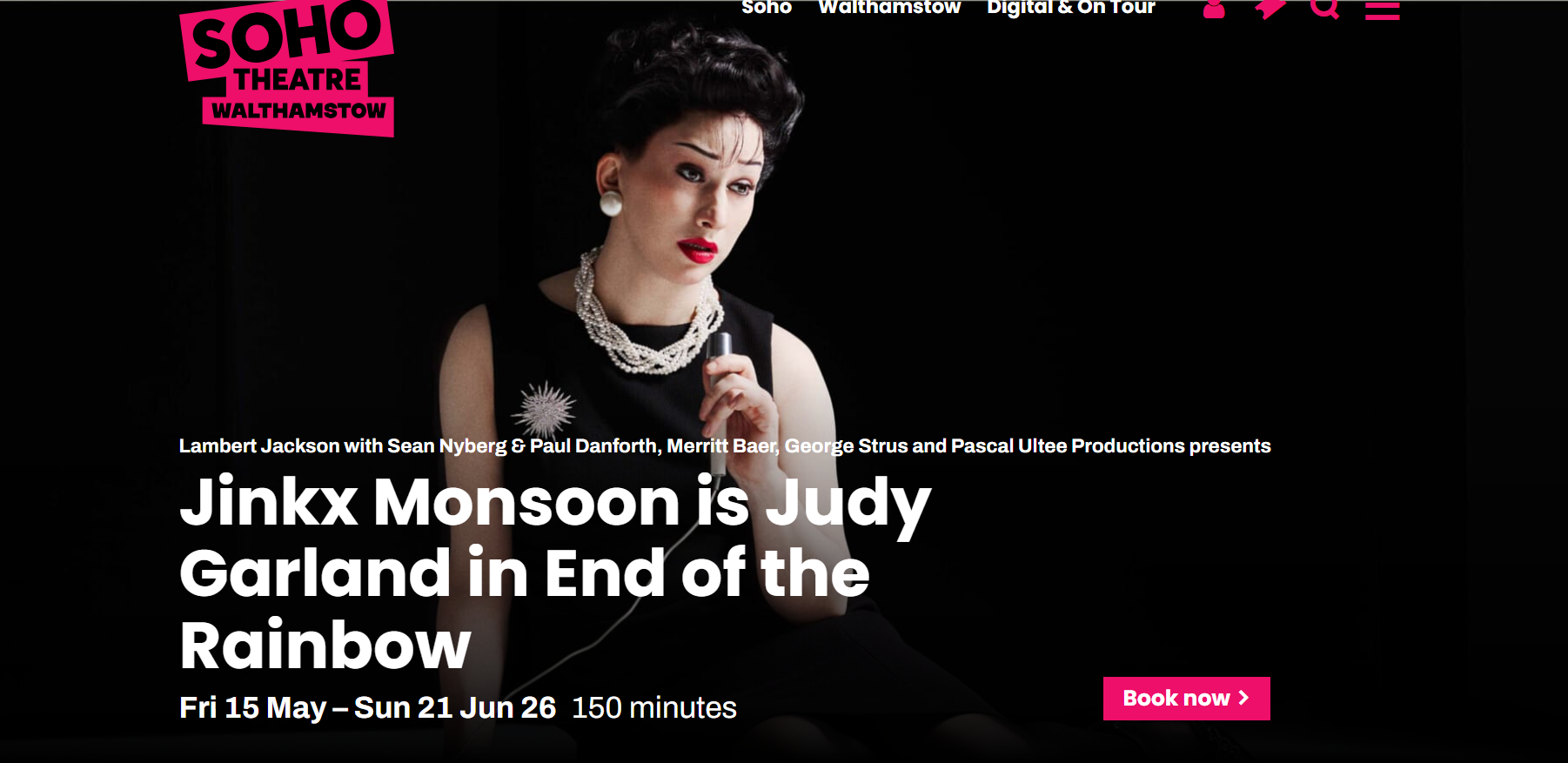
In 1968 London, at the legendary club Talk of the Town, Judy Garland prepares for a series of concerts. She is dazzling, adored by the world, accompanied by fame and success. But behind the blinding stage lights lies a harsh struggle for control, survival, and an unstoppable drive to perform at any cost.
End of the Rainbow is a play by British playwright Peter Quilter, who specialises in biographical works about strong women, often exploring what lies behind carefully constructed public images and fame.
Director Rupert Hands, with experience in both musicals and drama at venues such as the London Palladium and Theatre Royal Drury Lane, blends genres here — turning the production into a synthetic, polyphonic piece of art that interweaves vocal performance and drama.
In the role of Judy Garland is Jinkx Monsoon, a Broadway actress and winner of RuPaul’s Drag Race, who in just a few years has become both a Broadway star and a major box-office phenomenon. Among her roles are Mary Todd Lincoln in Oh, Mary!, Matron “Mama” Morton in Chicago, and the Maestro in Doctor Who; in 2025 she also played to sold-out audiences at Carnegie Hall.
End of the Rainbow is less a biographical piece about Garland than an attempt to look behind the myth. The action focuses on the final months of her life, as she tries to hold on to the stage while confronting inner disintegration. Garland here is not an icon, but a human being — vulnerable, contradictory, and desperately, unsuccessfully trying to preserve herself and the central purpose of her life.
Against the backdrop of late-1960s London concerts unfolds a story of addiction, pressure, and loneliness—forces that so often accompany fame.