Physics on Film Festival 2026: Science Hits the Big Screen

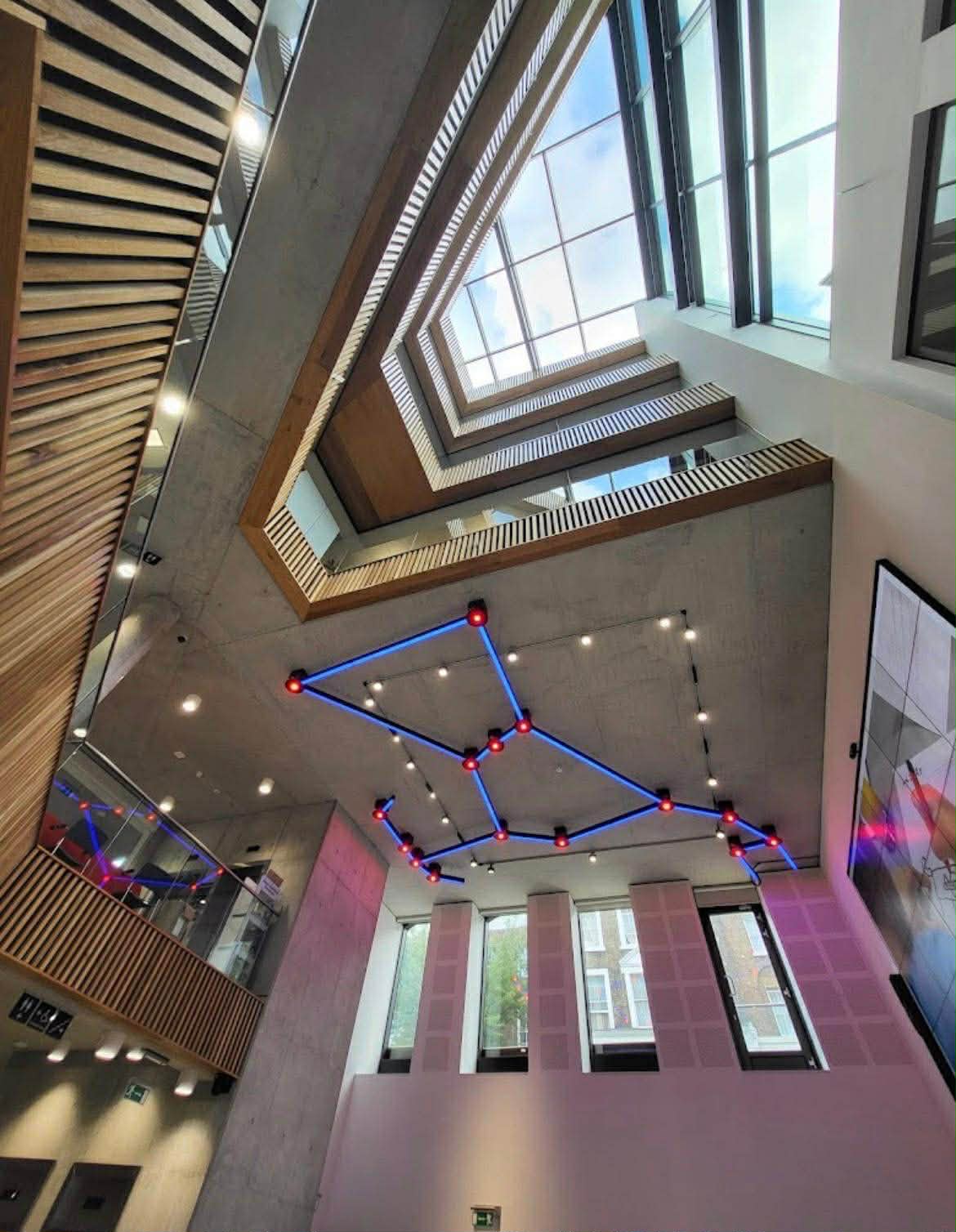
Last weekend, the Physics on Film Festival 2026 turned cutting-edge science into cinematic spectacle at the beautiful headquarters of the Institute of Physics, just a short walk from King’s Cross in central London. The event was completely full, buzzing with energy as audiences packed in for a day where physics leapt off the page and onto the screen.
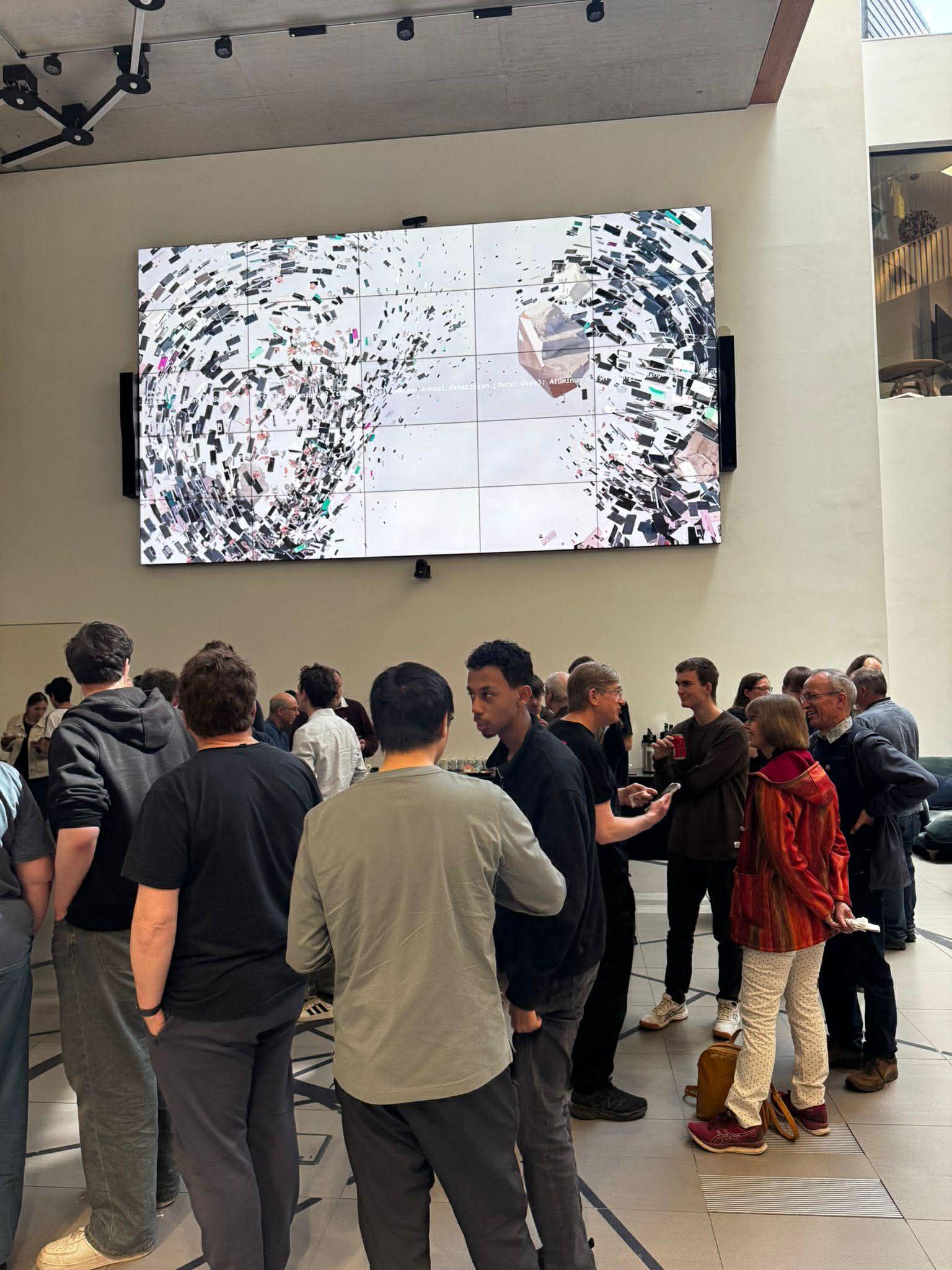
This was not just a gathering of specialists. Sixth form students filled rows alongside families with children, many clearly discovering or confirming their interest in pursuing physics. The atmosphere was lively and welcoming, with conversations spilling out between screenings as people engaged with ideas that might shape their future.
The festival’s mission was simple but powerful: to explain physics through film. As the director’s note put it, “Today, you are invited to watch an exciting range of physics.” From the very first screening, that promise came to life.
The documentary programme tackled big, mind-expanding questions. Could asteroids have sparked life on Earth? How do scientists detect gravitational waves by measuring tiny distortions in light? These films transformed complex research into compelling stories, making the science both accessible and exciting. One highlight followed Stephanie Wehner and her team as they work to build a quantum internet, offering a glimpse into a technology that could reshape the future.
The fiction films brought humour and imagination into the mix. In one standout short, Isaac Newton and Albert Einstein shared a train carriage, debating relativity in a playful and surreal encounter. Elsewhere, audiences witnessed strange and entertaining experiments involving “quantum naval fluff,” showing that physics can be both serious and delightfully absurd.
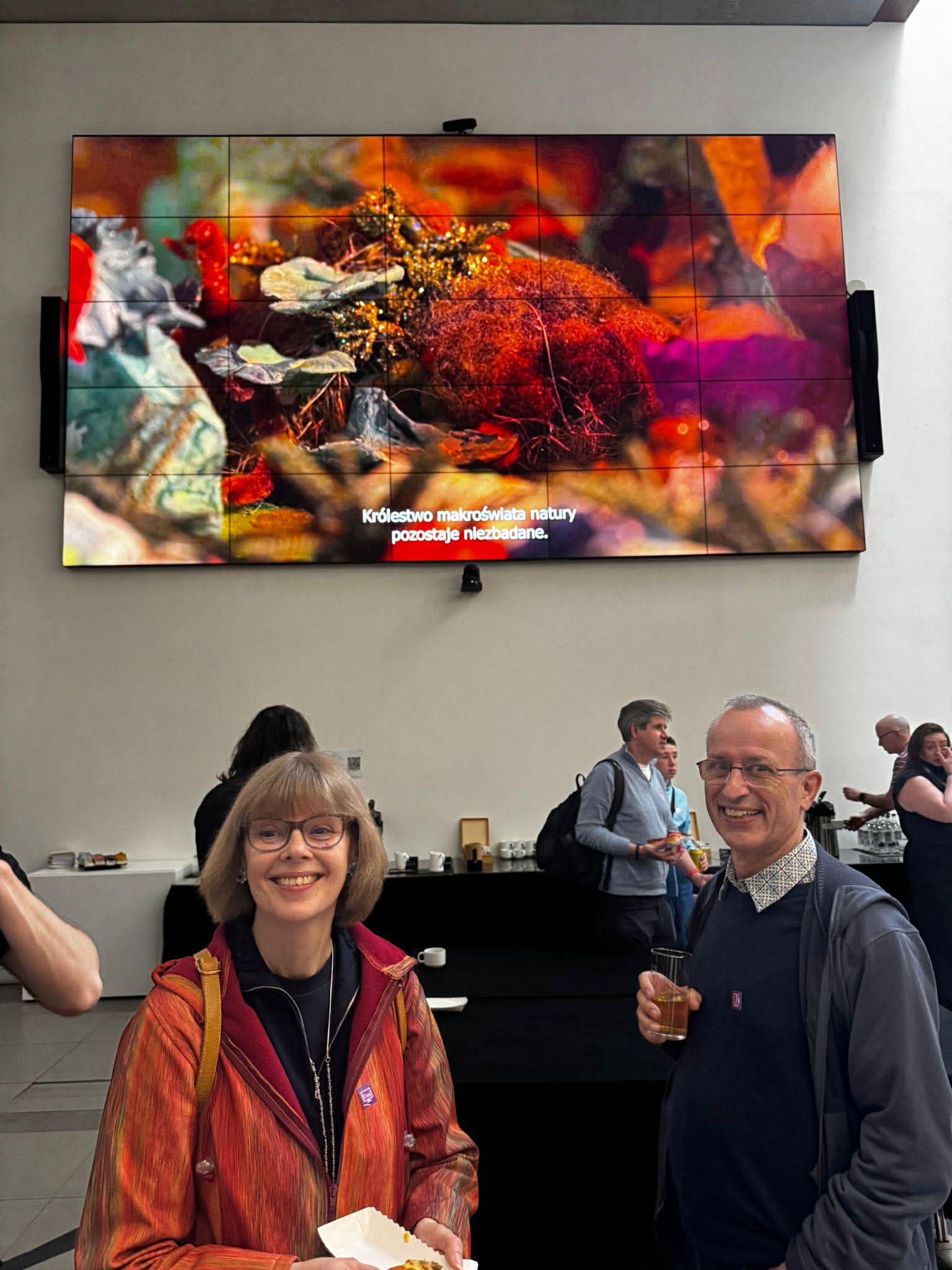
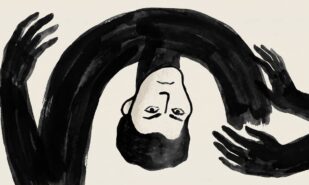
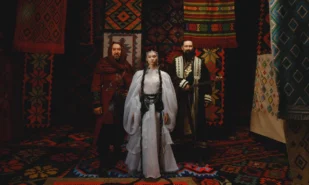
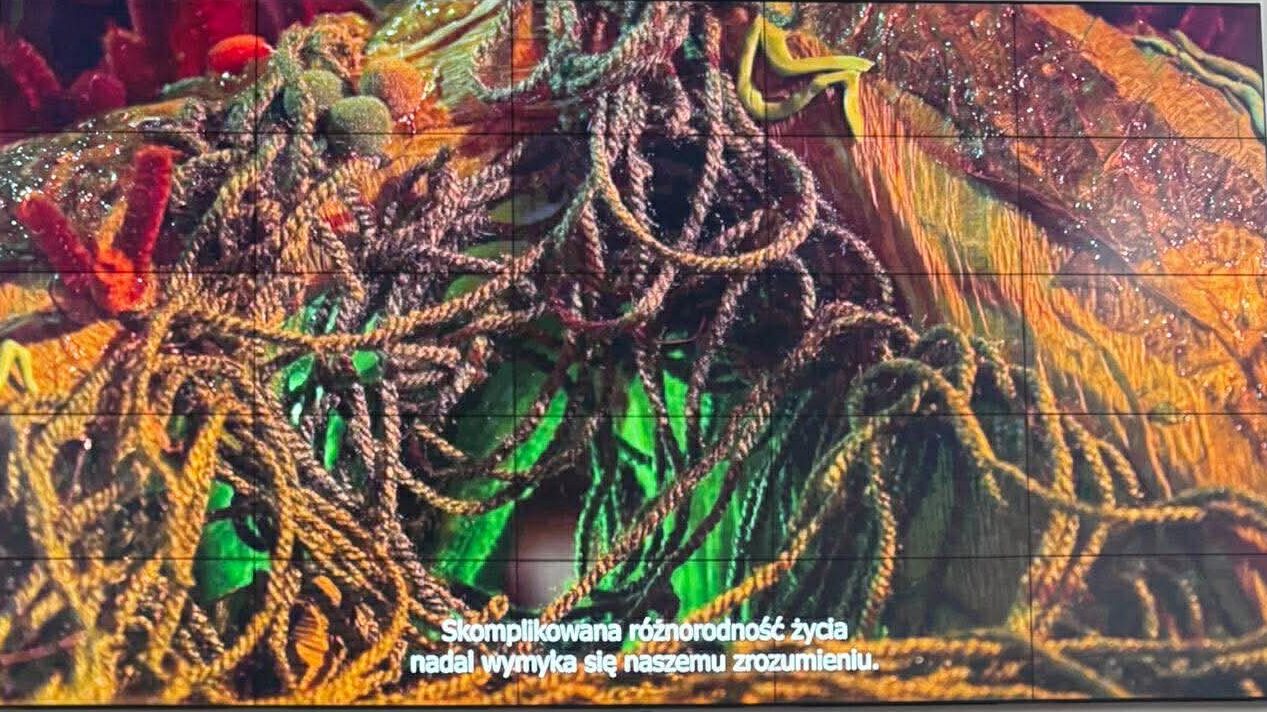
Art films added another dimension. The winning piece, Hypatia, used striking animation to recreate ancient Alexandria, blending history with visual storytelling. Meanwhile, the “Art @ Lunch” series showcased short films from around the world, exploring themes from the Big Bang to slime moulds. Even the lunch break became an opportunity to experience science in creative new ways.
The afternoon highlight was a screening of Interstellar, directed by Christopher Nolan. Known for its visually stunning and scientifically grounded depiction of a black hole, the film felt perfectly at home in this setting. It also continued a festival tradition, following last year’s screening of The Martian.
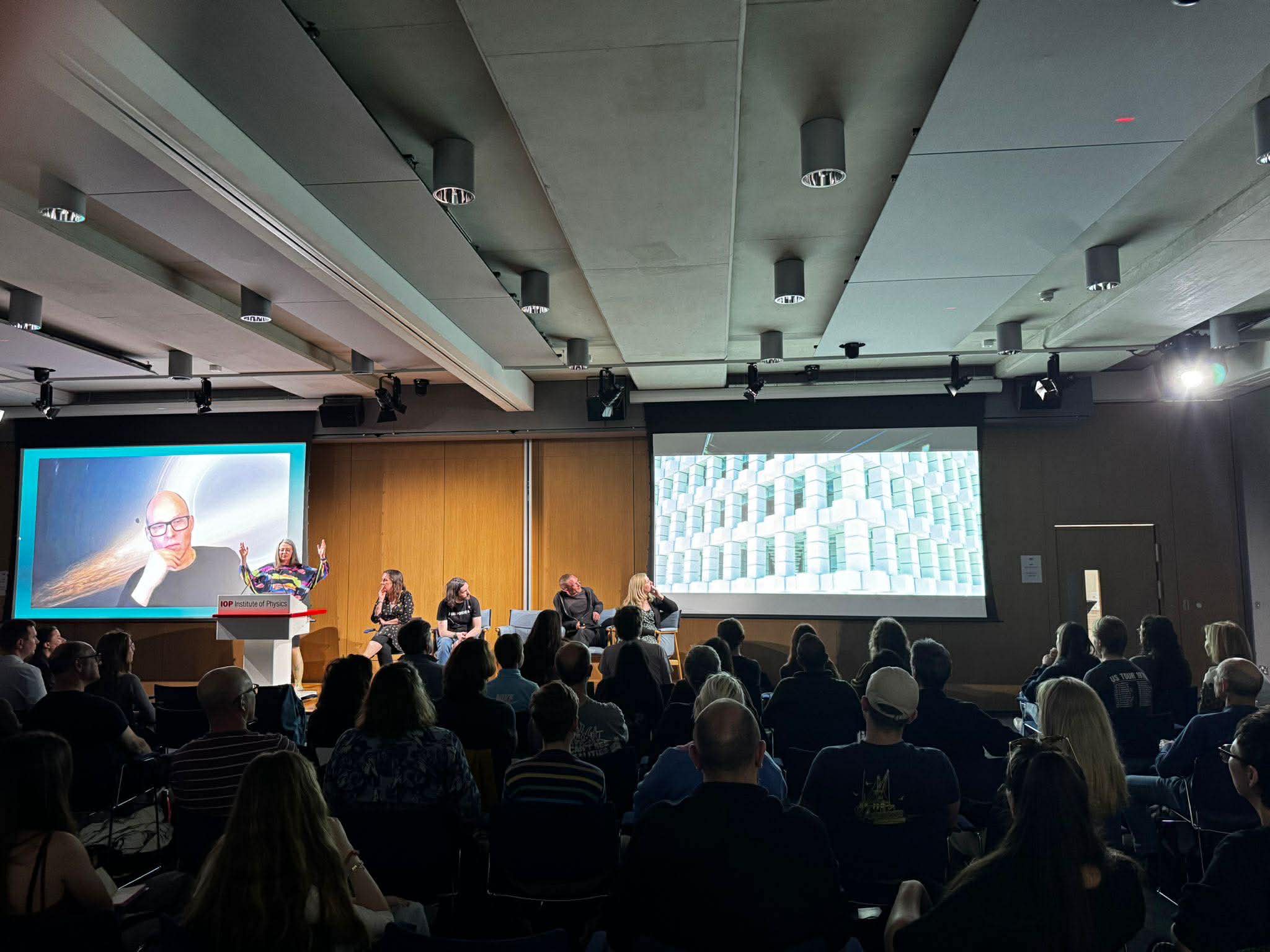
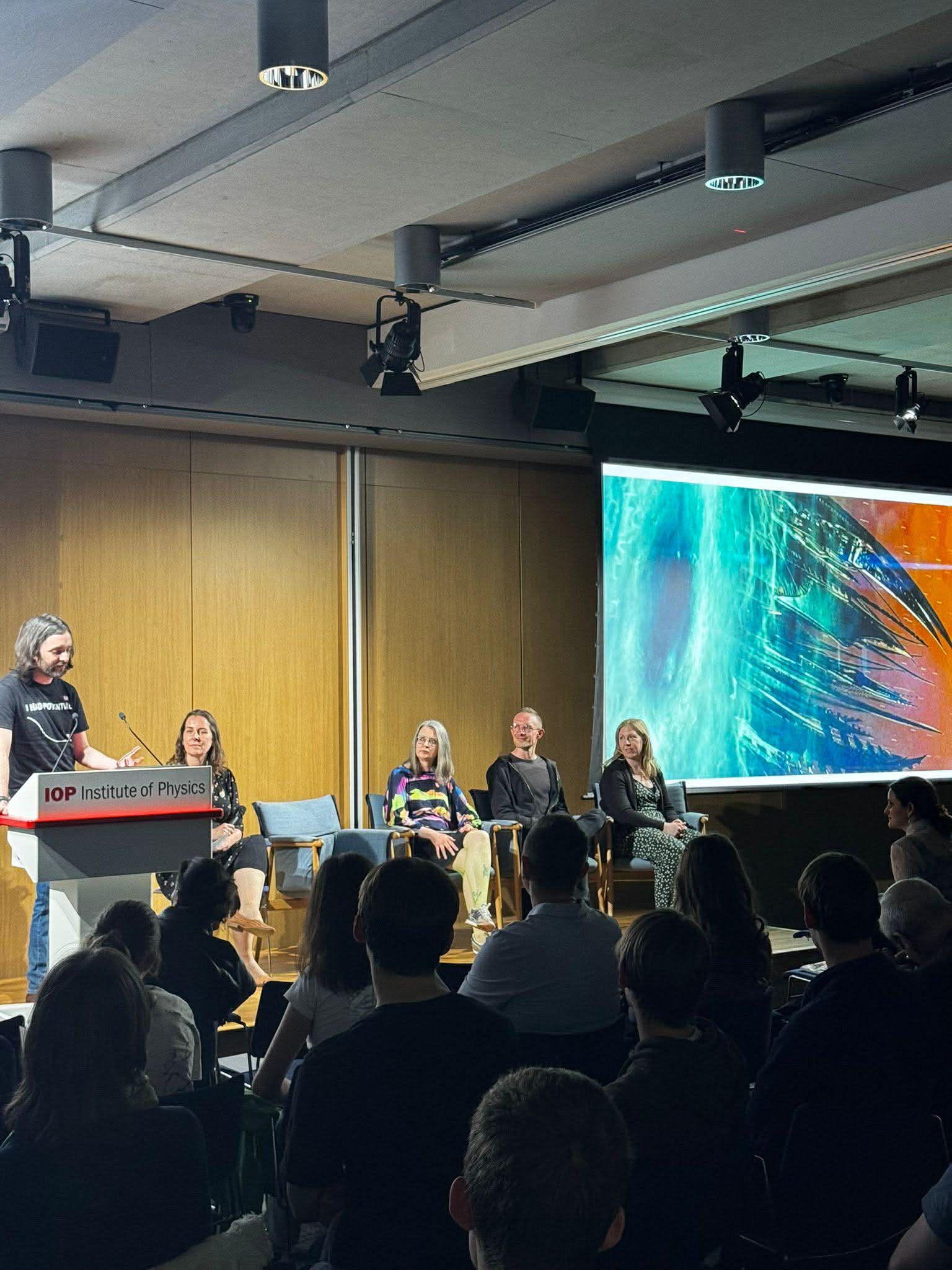
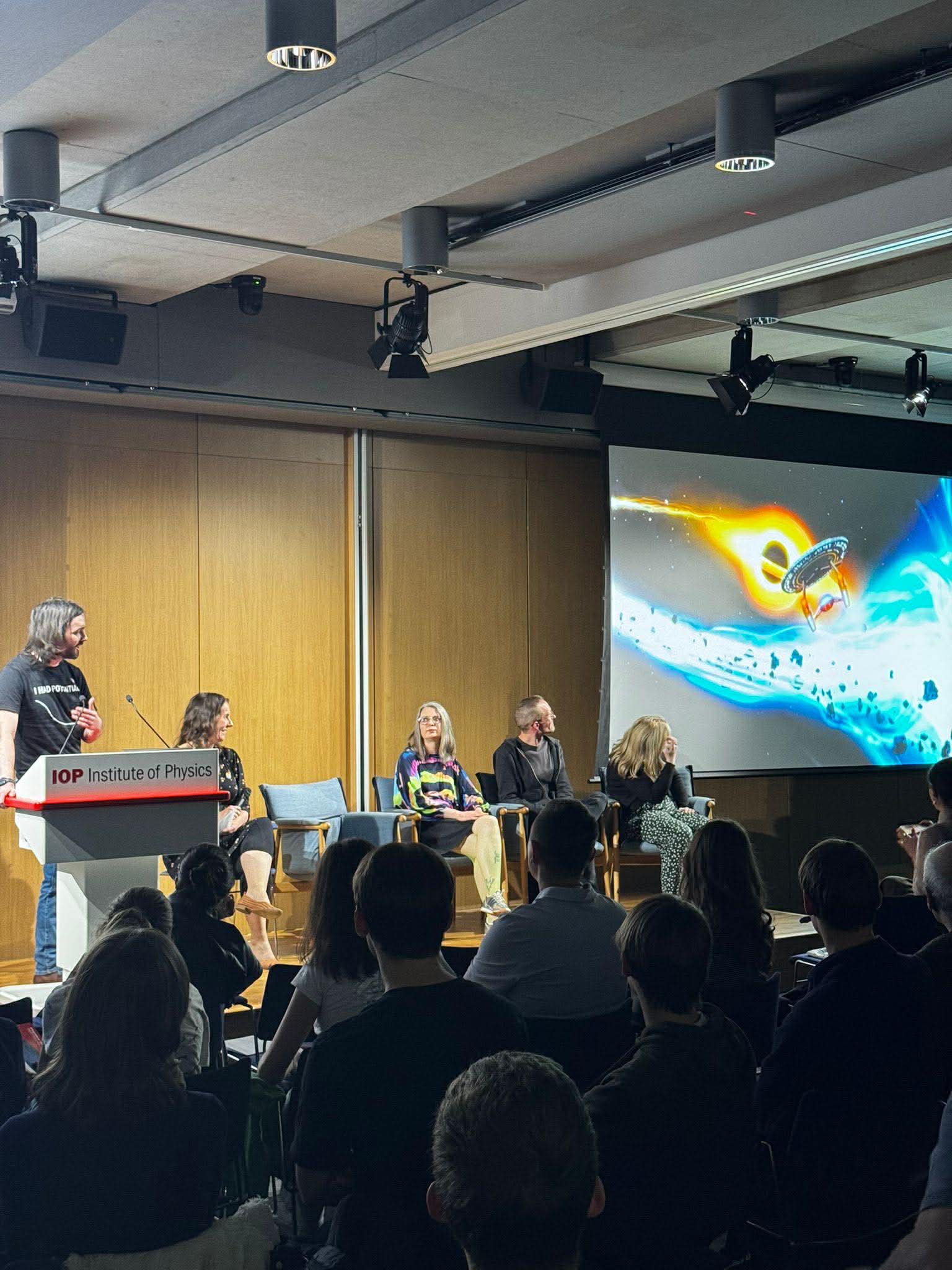
After the film, a panel of experts took to the stage to explore the science behind it. The panel included Paul Franklin, visual effects lead on Interstellar and a long-time collaborator of Nolan, and Eugénie von Tunzelmann, the engineer behind the film’s iconic black hole. They were joined by Glyn Morgan from the Science Museum, along with academics Oliver Shorttle of Cambridge University and Laura Nuttall from the University of Portsmouth.
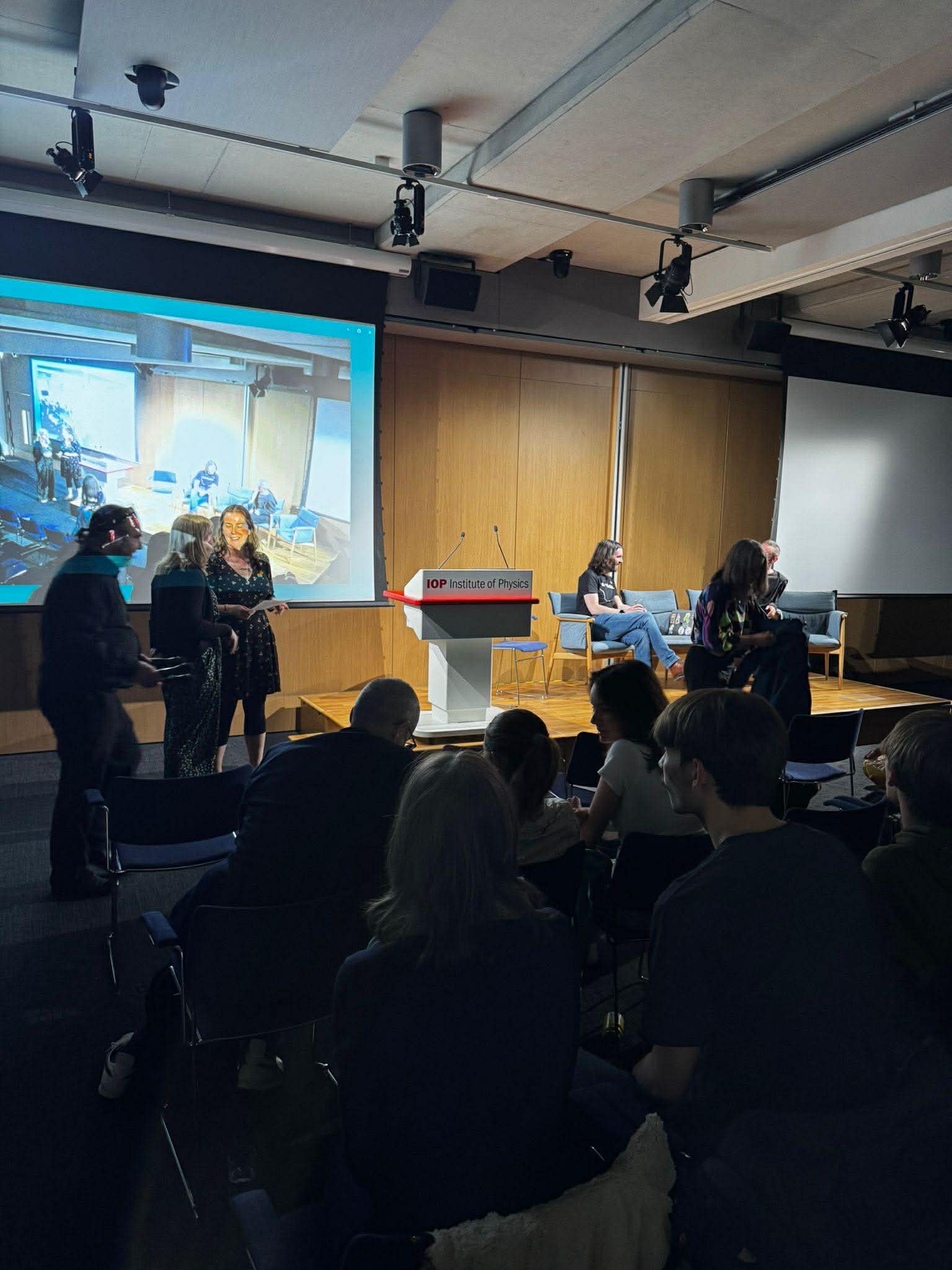
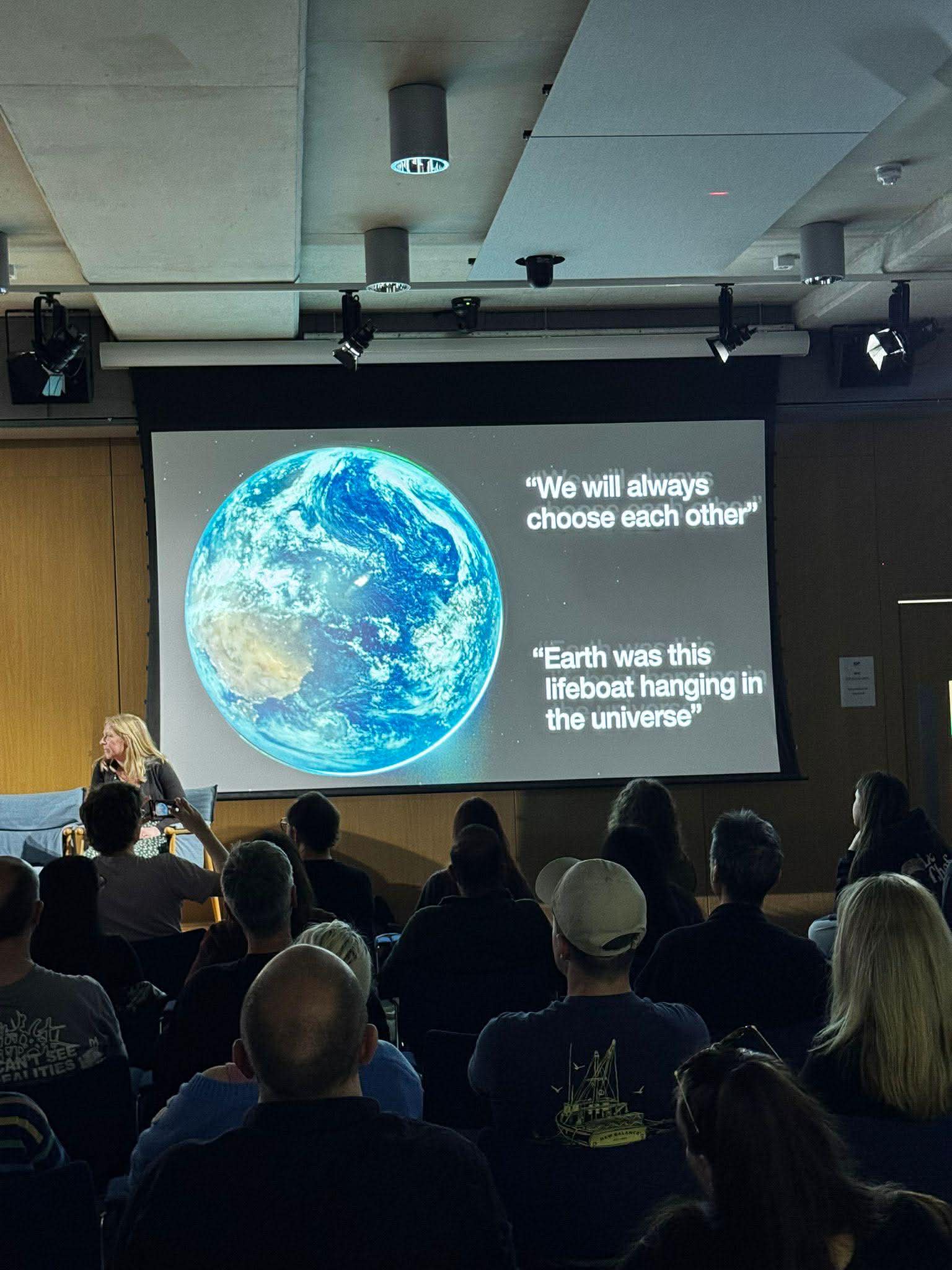
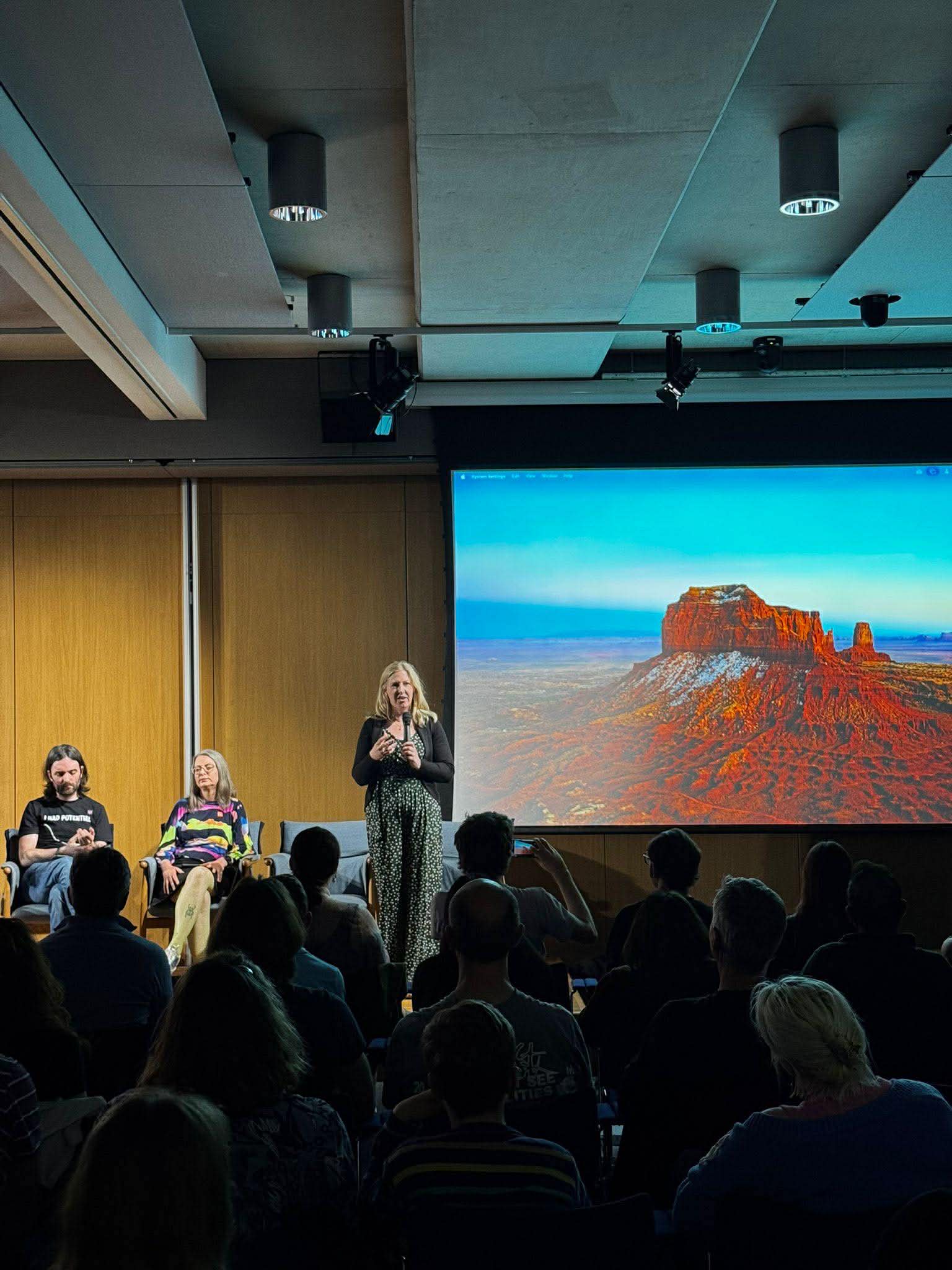
Together, they unpacked the physics of black holes, relativity, and the search for life in the universe, helping the audience understand how much of the film was grounded in real science. When the discussion ended, it did not feel like the end at all. Over drinks, the audience continued the conversation with the panellists, creating a relaxed and engaging exchange of ideas.
That welcoming atmosphere was present throughout the day. Free drinks, nachos, and hotdogs helped create a festival feel, making the experience as social as it was educational.
The evening concluded with drinks and a visually striking film tour of some of the world’s most photogenic neutrino detectors. These vast and mysterious instruments, often hidden deep underground or beneath ice, provided a memorable and fitting finale.
By the end of the day, one thing was clear. Physics does not have to be intimidating. Through film, it becomes exciting, accessible, and full of wonder. Judging by the packed venue and enthusiastic audience, the festival did more than entertain. It inspired a new way of seeing science.