The Emptiness in Which Form Is Born: Notes from Japan

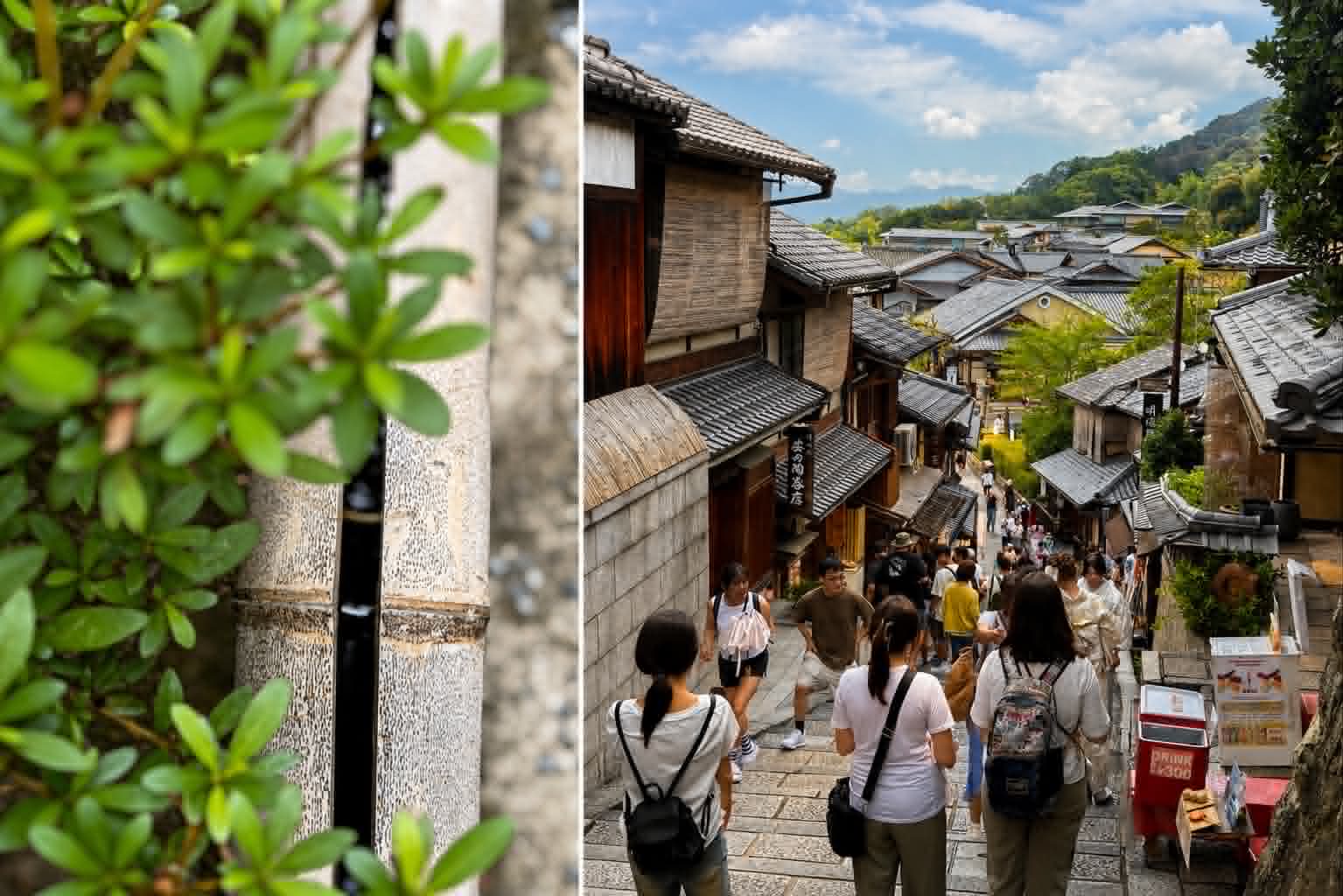
This is my third journey to Japan. And for the third time, what impresses me most is not the temples, the flowering gardens or the neon-lit districts of Tokyo, but the extraordinary sense of inner coherence that defines this country. Over time, I have come to understand that it arises from three simple concepts: cleanliness, emptiness and silence.
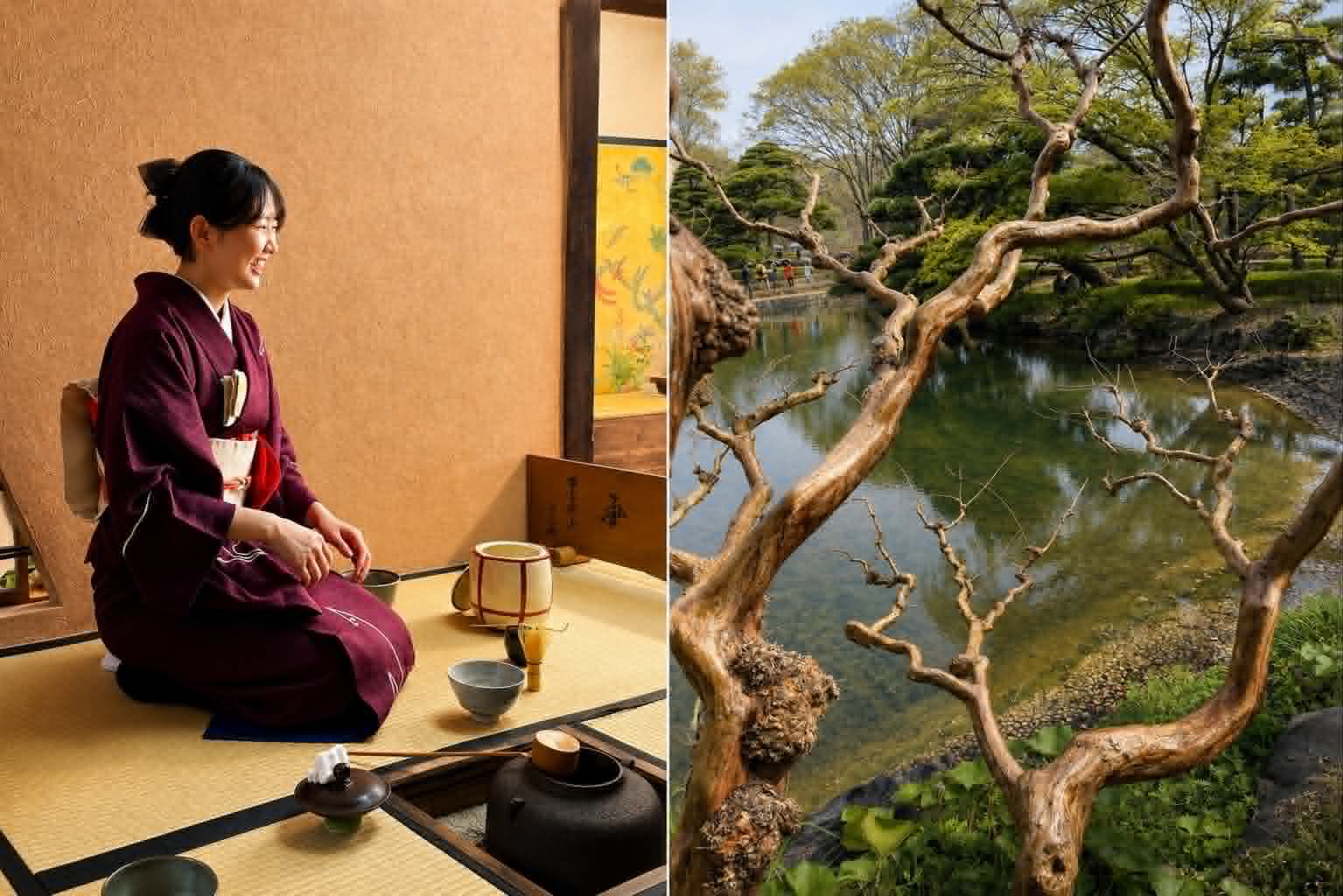
At first, everything is perceived quite literally: clean streets, orderly houses, quiet public transport and respect for shared space. Gradually, however, it becomes clear that this is not merely a matter of everyday neatness, but a cultural principle. Cleanliness here means the absence of the accidental. Emptiness is space that has been left deliberately. Silence is the absence of visual and emotional noise. This is why Japan feels so coherent. The same principles can be seen in architecture, gardens, interiors, ceramics, packaging, urban environments and, of course, clothing. This is where the conversation about Japanese fashion begins.
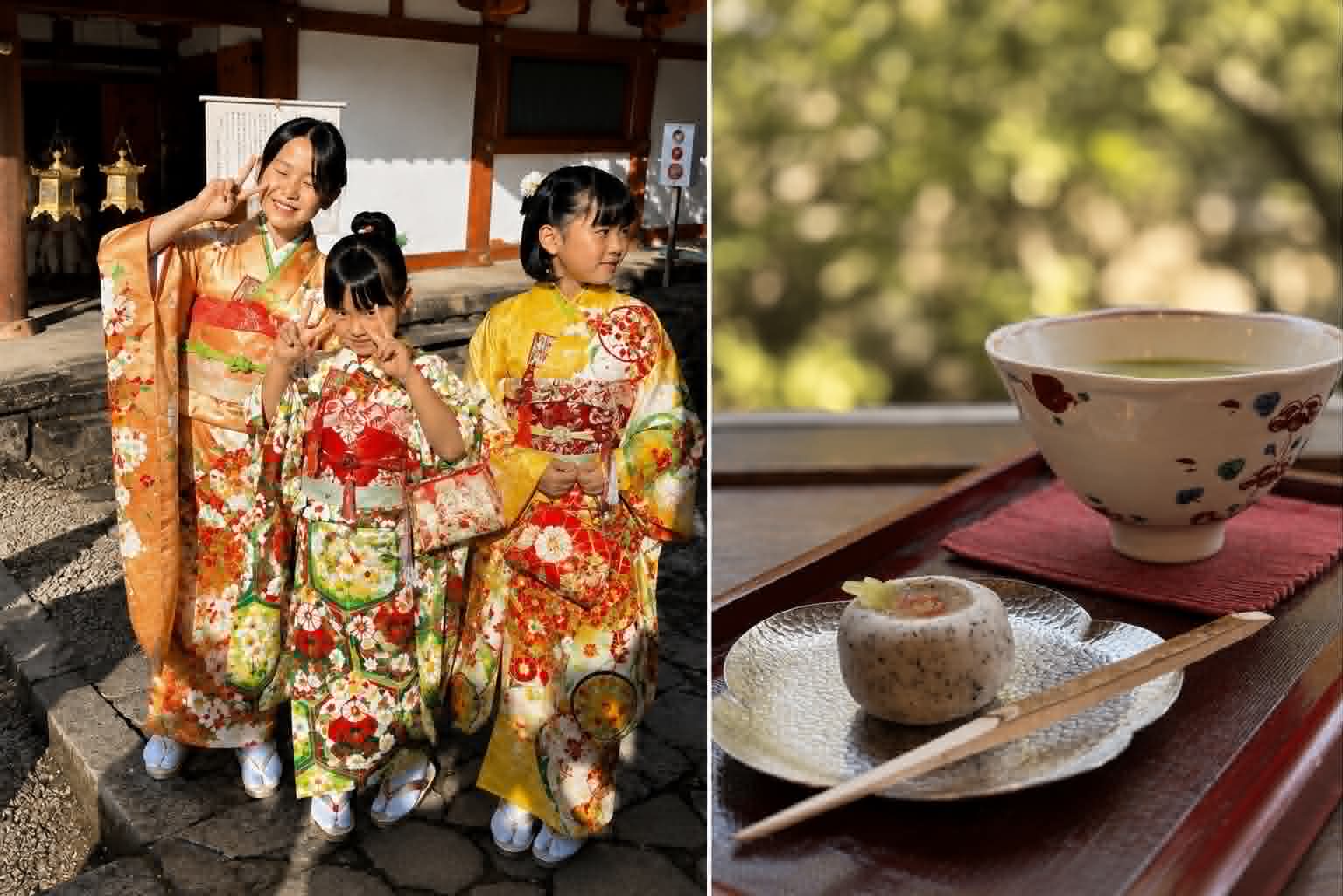
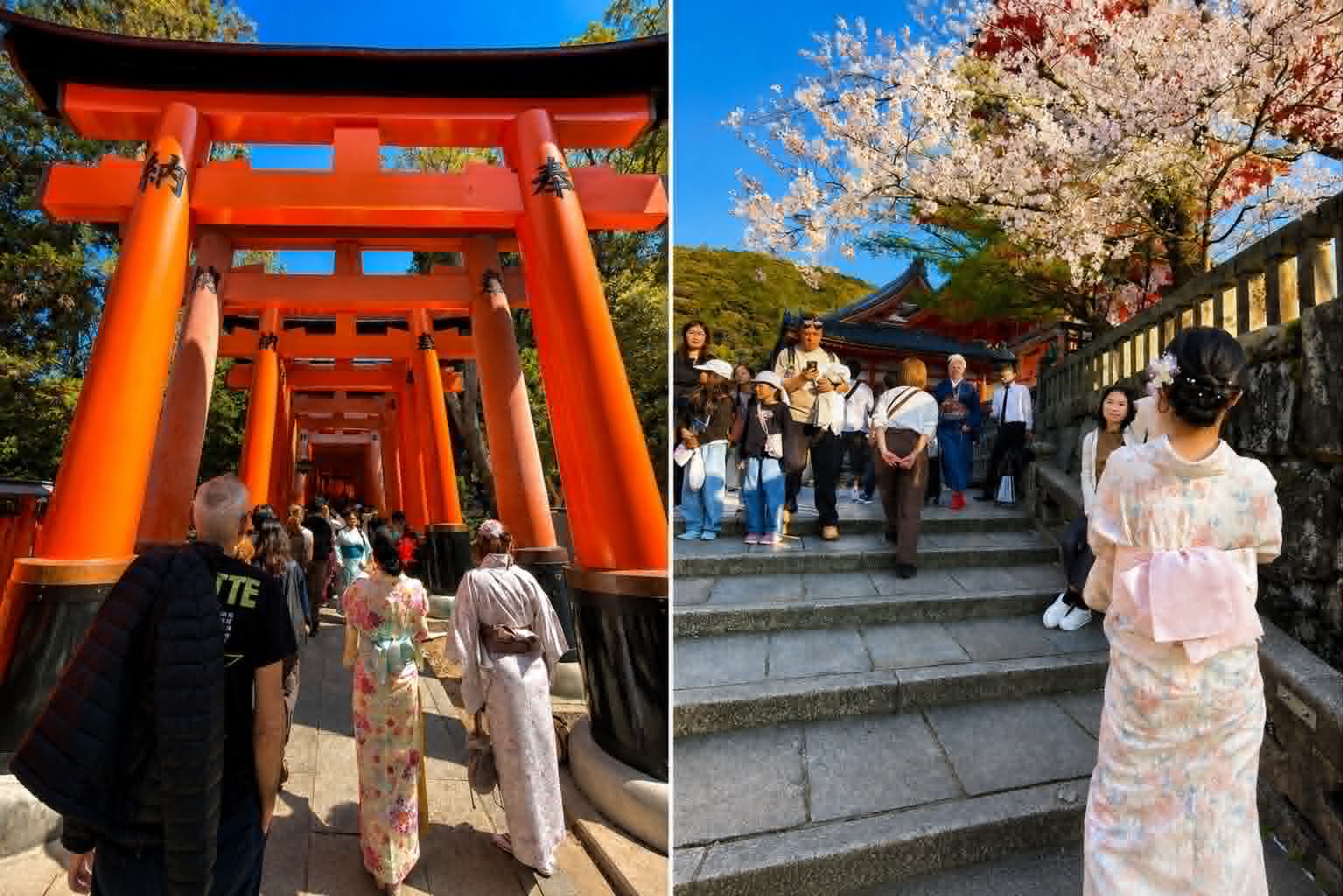
In Japan, clothing does not exist separately from culture. It does not set itself against tradition or attempt to reinvent its visual language completely with every new season. Instead, it continues to engage with principles that have developed over centuries. This is why the kimono remains part of contemporary Japanese life. It is worn at weddings, graduation ceremonies, festivals and important family occasions. Visitors also choose to wear it in order to experience, even briefly, a different relationship between the body, clothing and culture.
But the most important aspect of the kimono is its traditional construction, which was determined by the width of the woven cloth. Fabric produced on Japanese looms was usually around 36 to 38 centimetres wide. As a result, the kimono is constructed from rectangular sections with almost no material waste. It can be completely unstitched, washed, reassembled, adjusted for another person or passed on to the next generation.
Today, such an approach would be described as circular design. In Japan, it formed part of material culture long before the term itself appeared. This construction reveals one of the central principles of Japanese design: when form becomes simple, complexity does not disappear. It moves into the material — into the quality of the thread, the method of spinning, the weave, the dyeing process, the texture and the precision of the workmanship.
In the European tradition, complexity is often expressed through form. Elaborate cutting, multiple components and visible structural solutions become the focus of attention. In Japan, complexity is more often concealed within the object itself. To recognise it, we must look not only at the silhouette but also at the material. This is why Japanese textiles have been held in such high regard for centuries. Even the most restrained fabric can be the result of immense technical knowledge, manual expertise and a deep understanding of fibre, structure and surface.
The same principle continues to shape contemporary Japanese fashion. Issey Miyake, Yohji Yamamoto, Rei Kawakubo and other designers inherited this very way of thinking about the creation of clothing. The space surrounding the body is as important as the garment itself. A flat surface becomes volume. A pleat becomes a method of construction. Layering emerges as a natural extension of the material, the structure and the movement of the body. This also explains why apparently simple Japanese garments can be so difficult to reproduce.
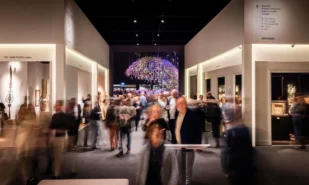
Japanese clothing also reflects the conditions of its environment. Layering, covered silhouettes and loose structures respond to high humidity, strong sunlight and the changing seasons. Practicality and beauty are part of the same aesthetic language. These principles of Japanese design are now acquiring particular significance far beyond Japan. At Première Vision in Paris in February 2026, part of the programme was dedicated to Japanese culture, textiles and fashion. Through lectures, material presentations and the work of designers, the programme demonstrated how Japanese philosophy continues to connect Eastern and Western approaches to design. In this way, it offered an alternative to the constant pursuit of visual novelty: attention shifted away from producing yet another form and towards understanding how and why an object is made.
Today, then, we can say that Japan exports the very principles of clothing design, as accumulated knowledge is understood deeply enough to acquire a new form.
Photo by Tasha Lapidus.