British Art Fair 2026: From Hockney to Digitalism, the Changing Face of Britain’s Art Market

British Art Fair at Saatchi Gallery offered a rare cross-section of Britain’s art market, from Hockney, Moore and Hepworth to artists working with artificial intelligence, algorithms, VR and robotics. Perhaps the most interesting things at this year’s fair happened where those two worlds met.
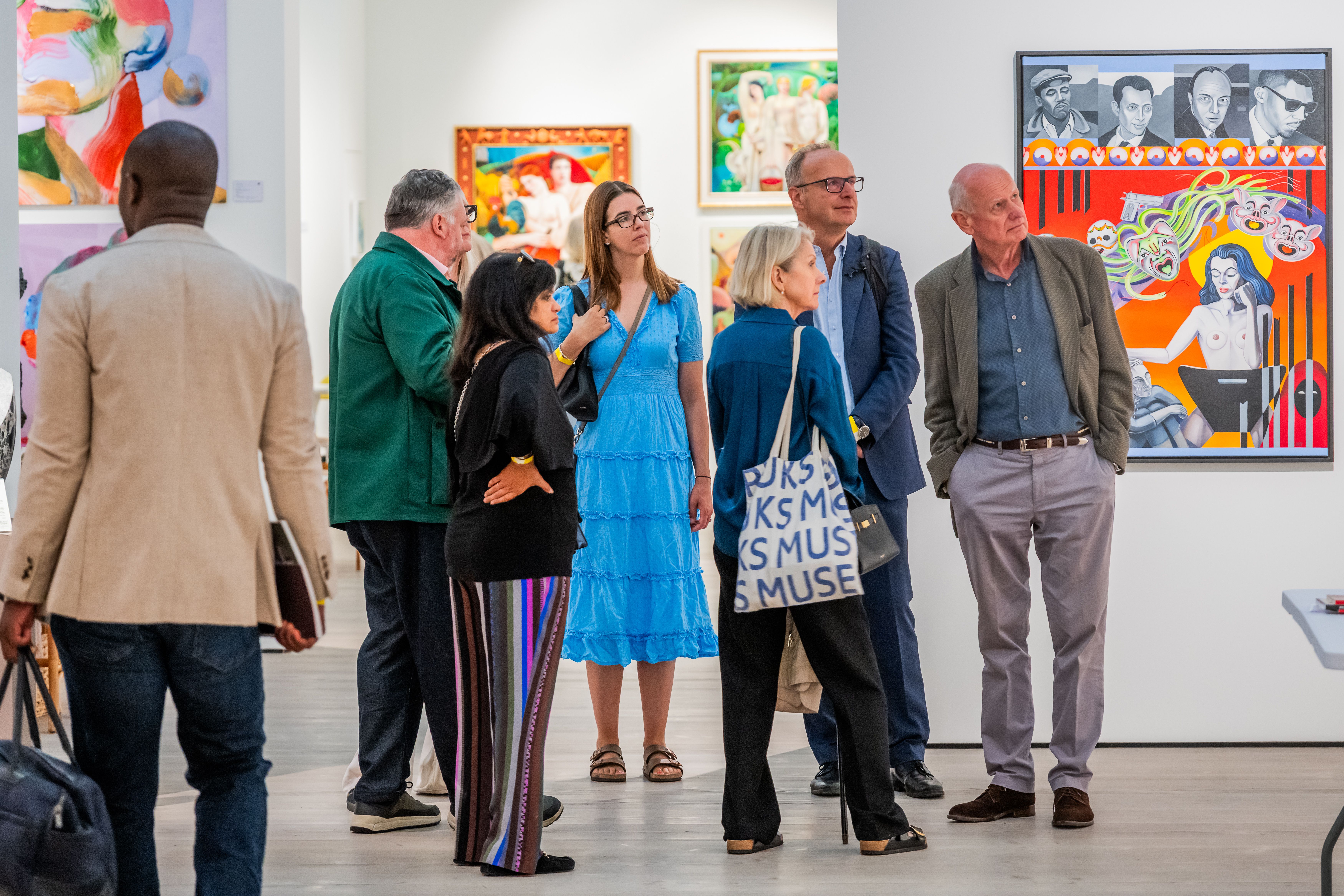
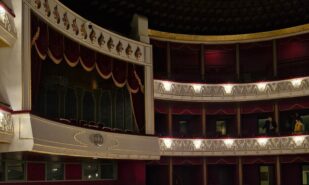
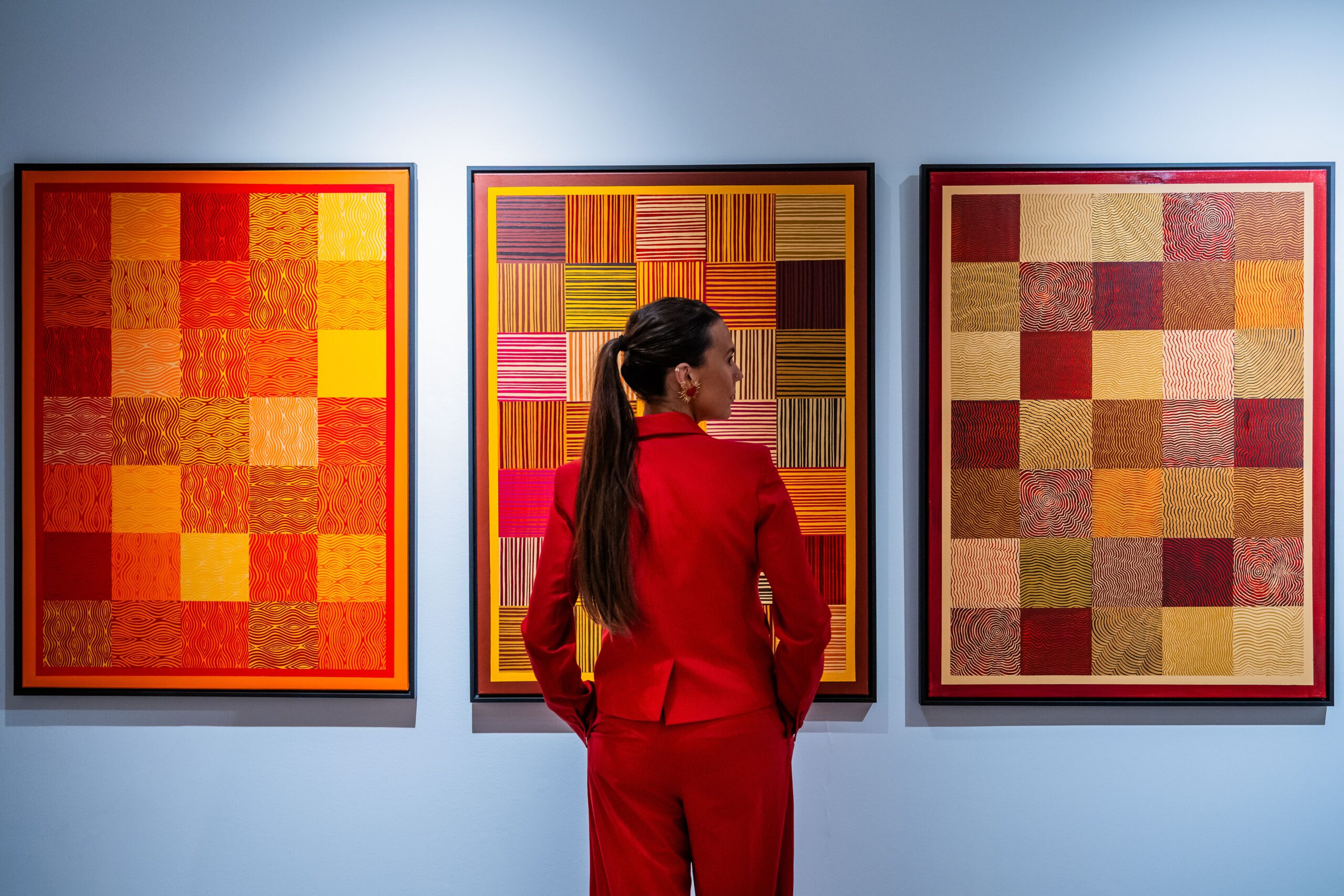
Ahead of the Frieze marathon, British Art Fair offered a narrower, and therefore particularly intriguing, focus, bringing modern and contemporary British art together under Saatchi Gallery’s roof. Founded in 1988, the fair specialises exclusively in British art. This year, visitors could see work by David Hockney, Barbara Hepworth, Henry Moore, Bridget Riley, Lucian Freud, Frank Auerbach, Paula Rego, Stanley Spencer, Tracey Emin and Damien Hirst.
But the roll-call of famous names is only the first layer. What makes British Art Fair especially interesting is the insight it offers into how Britain’s art market works, and where it is heading.
Hockney as a Point of Reference
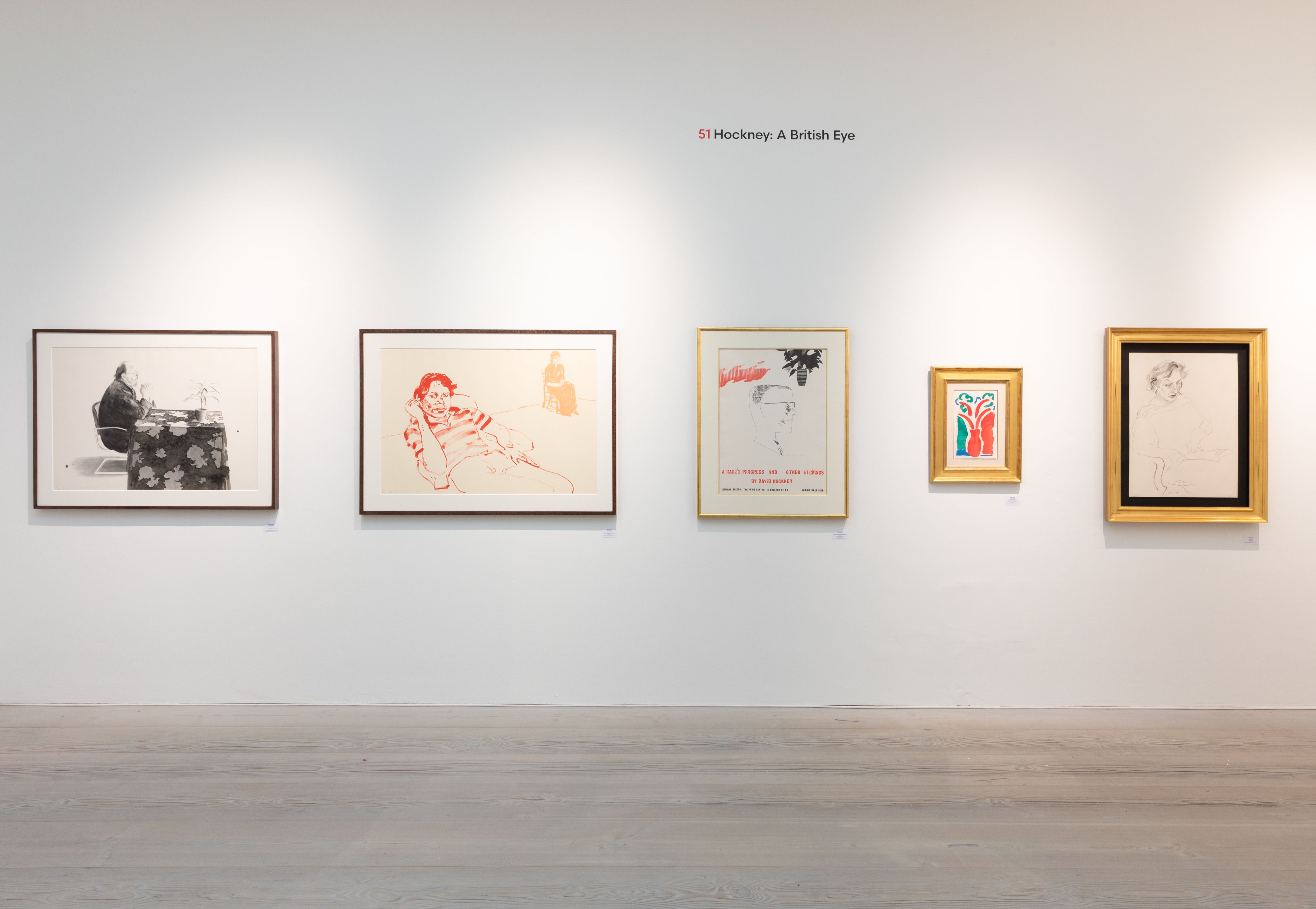
One of the highlights of the 2026 fair was the special exhibition David Hockney: A British Eye, curated by Eleanor Ekserdjian. Drawn from works offered by various exhibitors, it amounted to a portrait of the artist as seen through the eyes of today’s market.
At British Art Fair, Hockney provided an almost ideal point of reference. Here was an artist whose place in art history has long been assured, whose work belongs to major museums and private collections, and whose market has developed over decades.
At the same time, the exhibition prompted a question that inevitably occurs to any collector: which of the artists exhibiting on the floor above might find themselves in a similar category in twenty or thirty years’ time? That alone was a reason to visit British Art Fair for more than its familiar names.
Collecting Needn’t Begin with a Six-Figure Cheque
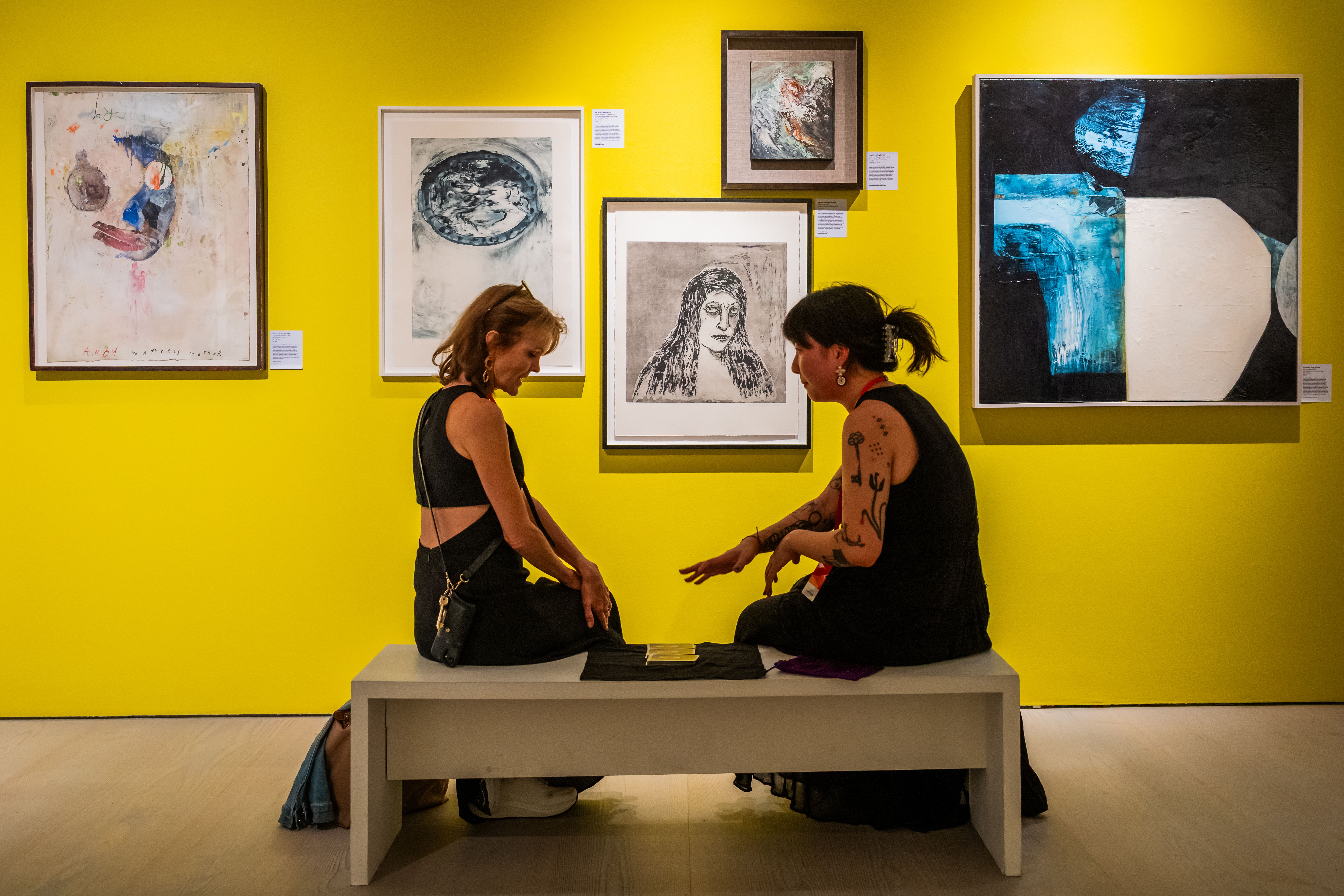
British Art Fair also continues to challenge another assumption: that collecting serious art requires a vast fortune. Its special £5,000 and under selection brought together works priced at £5,000 or less, from paintings by established artists to pieces by those a collector has yet to discover.
This is an important part of the art market’s ecosystem. Few people become collectors at the moment they first buy a work for £100,000. More often, it begins with a single piece bought simply because they cannot bear to leave without it. Then comes the most important part: they begin to develop an eye for art.
An Emerging Artist at 60? Why Not?
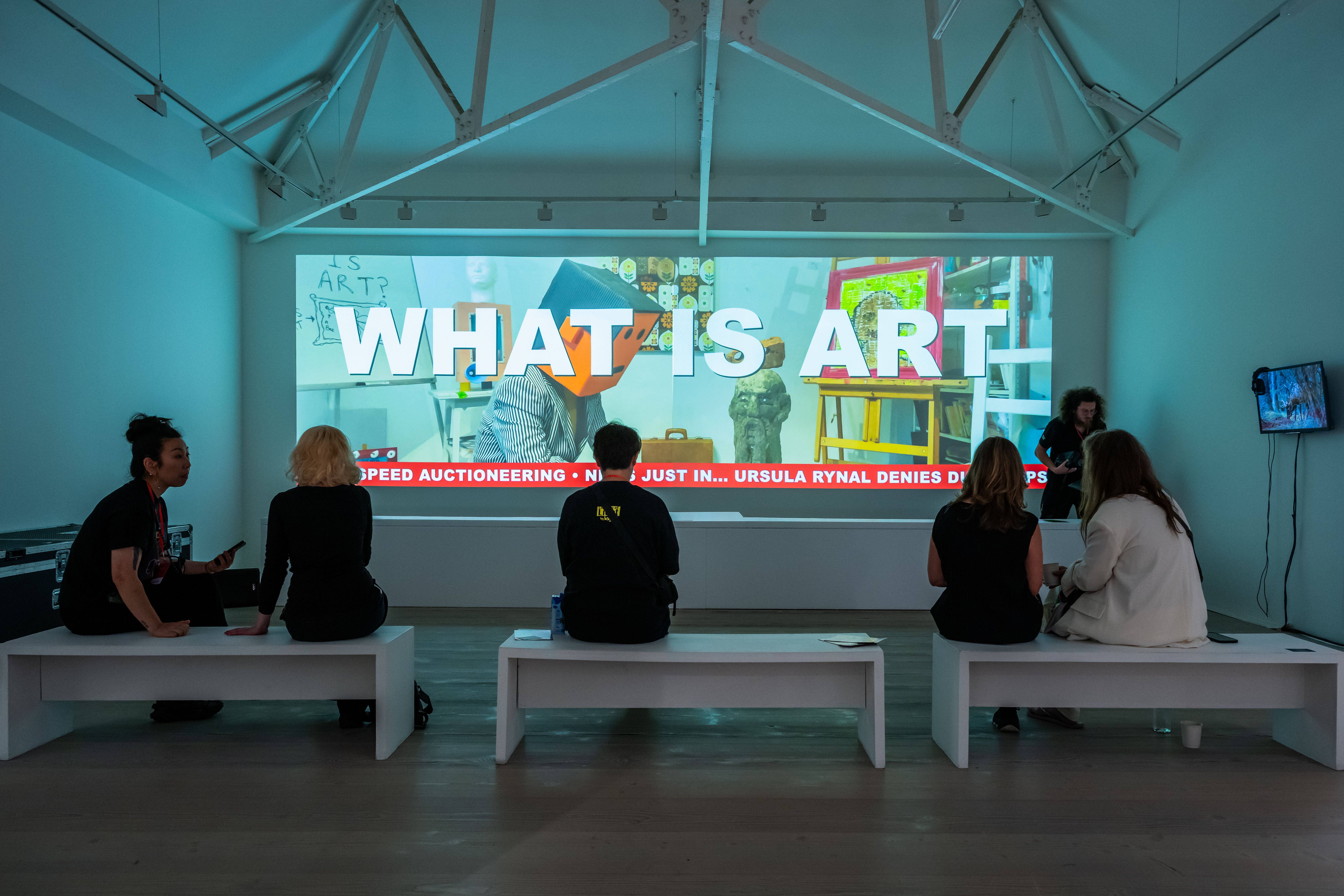
Another intriguing initiative this year was Born To, curated by Jo McLaughlin.
The project was dedicated to artists over 50 who had begun a serious artistic practice relatively late in life. An open call attracted more than 500 applications, from which five artists were selected: Mike Kelly, Annie Luke Turner, Myrna Mitchell, Kas Williams and Richard Wilshire.
It was a small but telling comment on an art industry that has spent decades preoccupied with the idea of the ‘emerging artist’, a term almost automatically associated with youth. British Art Fair offered a more contemporary interpretation: it is perfectly possible to emerge at 50, or at 60.
The most radical discussion about what we should consider art today, however, was unfolding elsewhere at the fair.
Digitalism: Art After the Digital Revolution
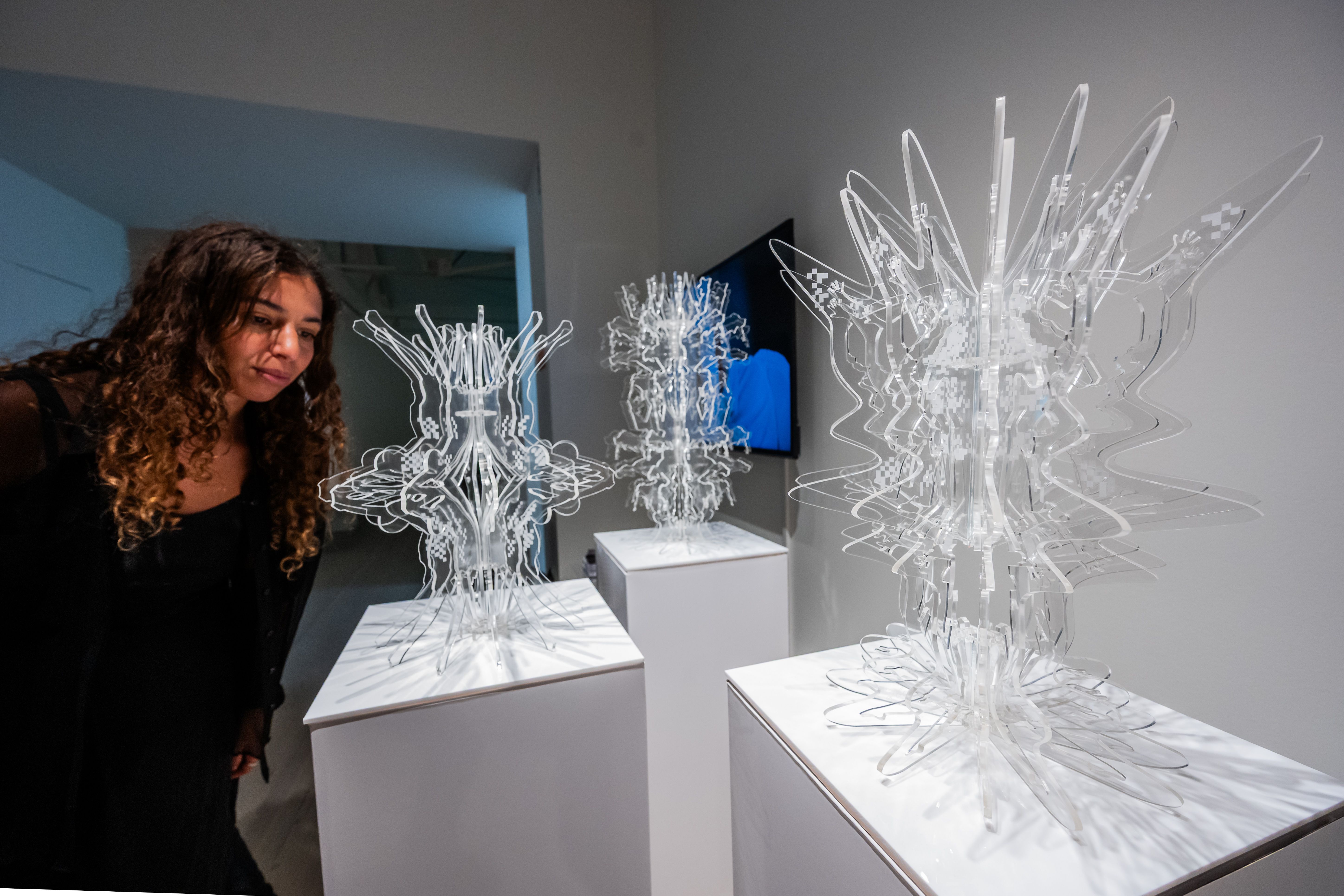
Regular readers of London Cult. will already be familiar with curator Rebekah Tolley-Georgiou. Last year, we spoke to her at length about Digitalism and the attempt to define a new artistic movement almost at the moment of its birth. Digitalism arrived at British Art Fair in 2024, when the fair’s owner, Will Ramsay, invited Tolley to create the first section in BAF’s long history devoted entirely to digital art. The result was PIVOTAL: Digitalism.
The term itself is associated with artist and Royal College of Art lecturer Lol Sargent, who referred to their students as ‘digitalists’. Tolley, however, took the idea considerably further. Rather than define yet another group of artists using computers, she proposed Digitalism as a new ‘ism’, a potential artistic movement for the digital age.
In 2026, the project returned to British Art Fair as Spotlight: Digitalism. The distinction matters.
Not Digital Art, but Digitalism
Digital art primarily describes a tool or a medium. Digitalism aspires to describe an age. An artist might work with AI, algorithms, augmented and virtual reality, moving image, digital photography or robotics, or combine a physical object with a digital environment. What unites these artists is the world they inhabit, rather than the software they use.
We are no longer ‘entering’ digital reality; we live within it. We work through screens, meet through apps, store our memories in the cloud, create digital versions of ourselves and gradually hand more and more decisions over to algorithms. An artist working with artificial intelligence today is therefore not necessarily making ‘technological art’. They are simply using one of the principal materials of their time.
This is where Tolley’s curatorial idea becomes particularly interesting. She is attempting to give the phenomenon a name, a context, and a history as it takes shape, rather than retrospectively.
VitaliV: A Digital Artist Before the Digital Boom
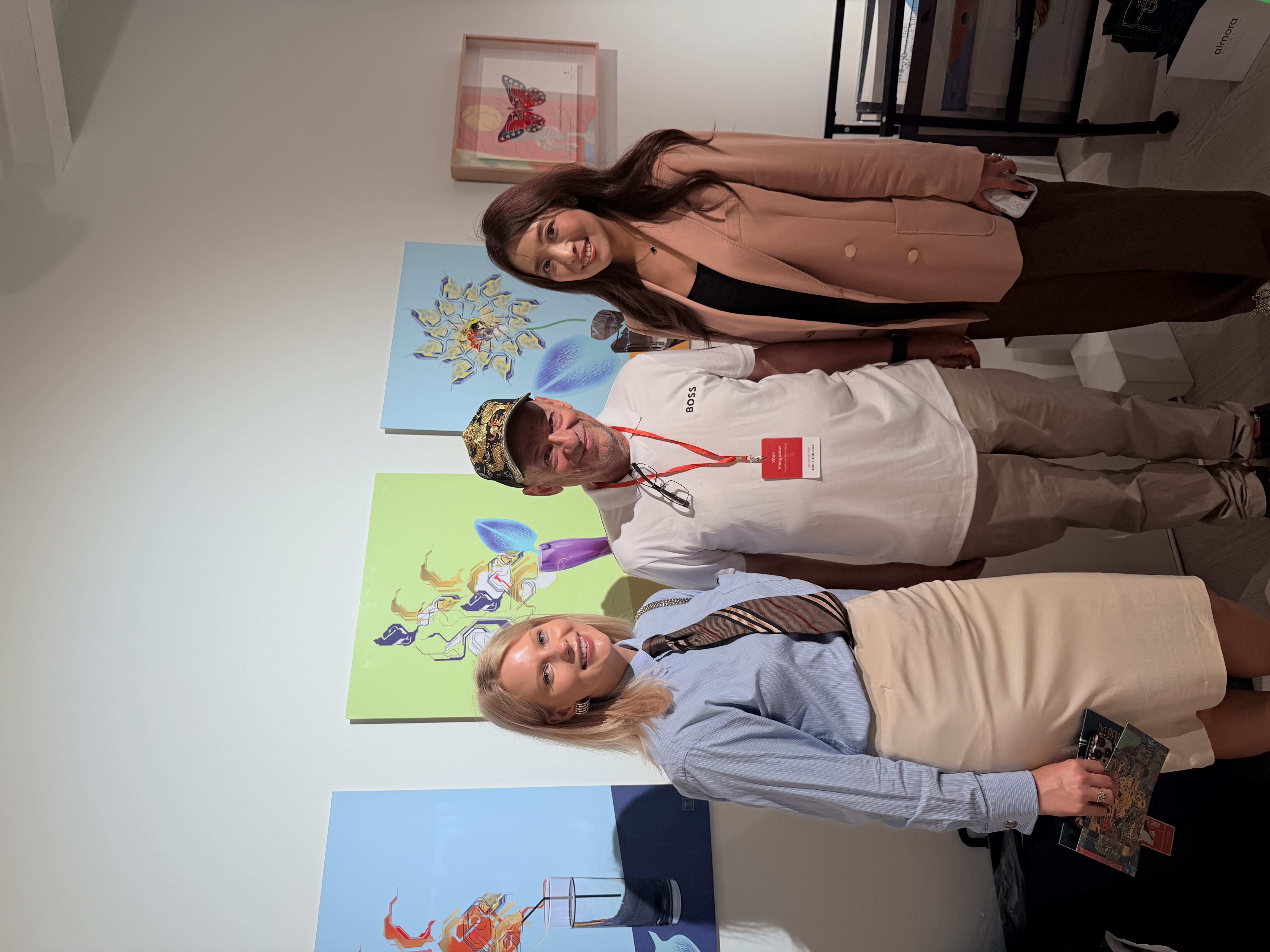
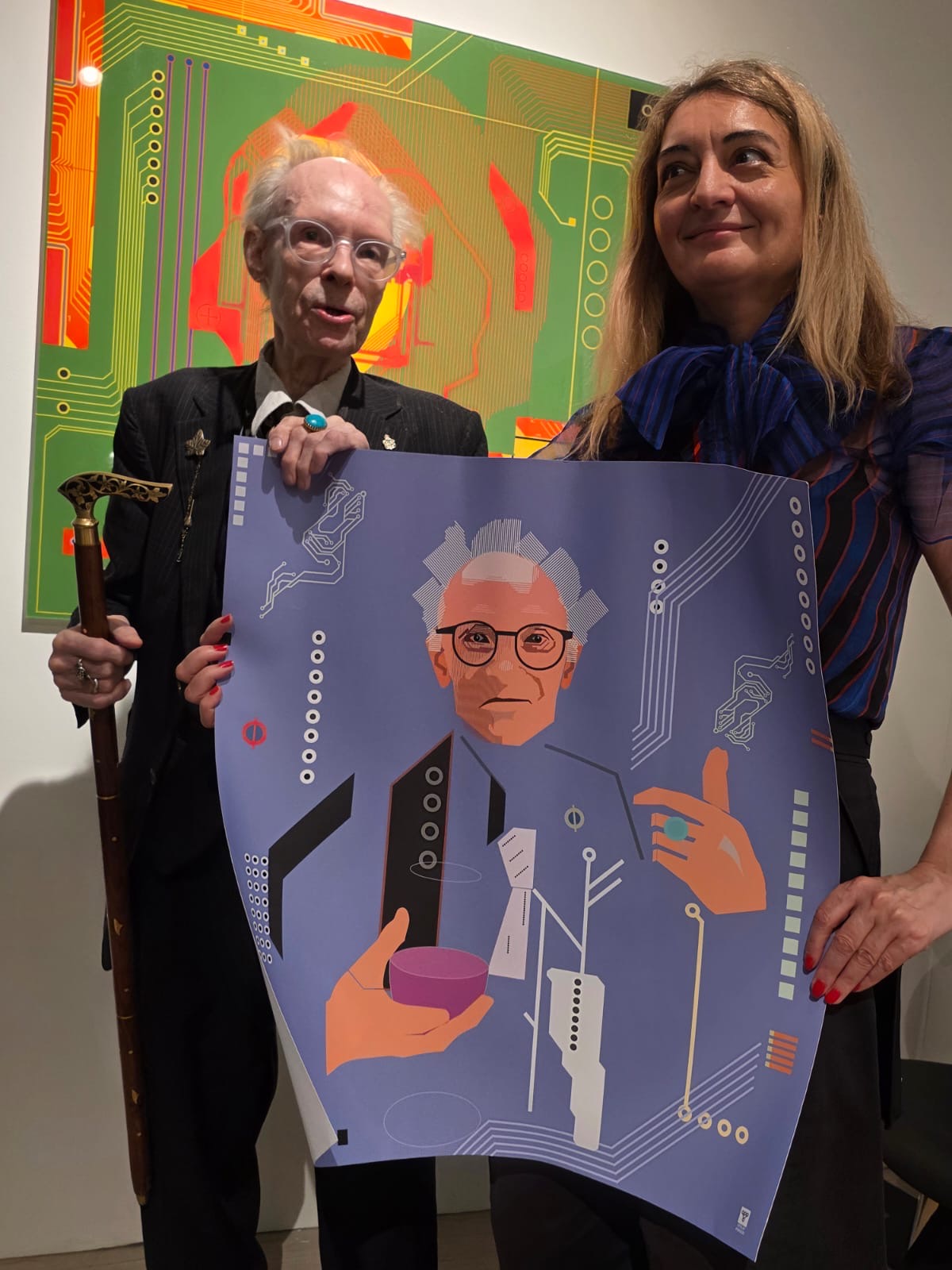
If Digitalism is to have a history of its own, an especially important forerunner is VitaliV (Vitaly Vinogradov). British Art Fair describes him as a veteran of the digital art world. In his case, the story of the artist’s life is perhaps a better guide to his art than any manifesto.
Born in Odesa, VitaliV trained as an engineer before studying classical art in St Petersburg. He came to Britain in the late 1980s and subsequently settled in London. It was his engineering background that helped shape his artistic language.
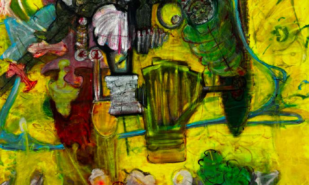
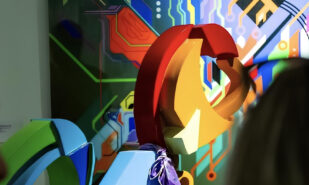
In the 1990s, as the internet was only beginning to enter everyday life, VitaliV looked at a computer motherboard with the eye of an artist rather than an engineer. He saw lines, connections, geometry. Almost a map of a new world. From that observation, he gradually developed a visual language of his own, which he called Schematism. Its circles, lines and connections simultaneously recall electronic circuits, architectural plans, maps of major cities and invisible information networks.
Such an aesthetic seems almost natural today. What matters, however, is when VitaliV began to explore it: long before NFTs, generative AI and the current widespread enthusiasm for digital art. To describe him simply as a digital artist would therefore fall short. Within Digitalism, he represents a generation of pioneers and forerunners, people who began searching for an artistic language for the digital age before that age had fully arrived.
London in the 1990s: Art Meets Cyberspace
In 1993, VitaliV established an art space called Bank in a former Barclays Bank building in Hoxton. It was more than an exhibition hall. Conceptual exhibitions, short films, video, and multimedia works were presented there, while the artist himself experimented with the idea of a Cyberspace Museum.
Such terms sound unremarkable today. In the early 1990s, they were anything but. In this respect, VitaliV’s story gives Digitalism an important historical dimension. Digital art did not suddenly appear with ChatGPT and Midjourney. Artists have spent decades exploring the relationship between people, images, and machines. The technology has simply caught up with the ideas.
From VitaliV to the AI Generation
One of the strengths of Rebekah Tolley’s curatorial approach at this year’s fair was that Digitalism never became a display of technological tricks. New software alone does not make a work of art interesting.
In her conversation with London Cult. last year, Tolley spoke of three key selection principles: innovation, resonance and diversity. Alongside the pioneers were artists working with AI-generated imagery, VR, AR, moving image, generative systems, and digital photography.
Artists who have already participated in Digitalism include Ricardo Couto, who explores the interaction between humans and artificial intelligence; Cristina Schek, whose work sits between photography and constructed digital reality; Cem Hasimi, Marco Conti Šikić, Aether Elf, Jack Keido and others. A kind of timeline of digital art emerged within a single section. At one end stood VitaliV, who recognised the artistic potential of computer circuitry back in the 1990s. At the other was a generation for whom artificial intelligence can be almost a collaborator, rather than simply a tool. Between them lay several decades during which the computer evolved from a machine on a desk into something approaching an extension of human consciousness.
But Can You Collect It?
For the art market, a philosophical discussion soon becomes a practical one. If a painting hangs on a wall and a sculpture stands on a plinth, what exactly does a collector of digital art buy?
The market is no longer asking whether digital art can be collected. Its questions are more specific: which artists, and which works, are worth buying? Perhaps this is the clearest sign that the field is maturing, following a path once taken by photography and video art.
At British Art Fair 2026, Digitalism recorded sales, including to buyers acquiring digital works for the first time. The section has gradually expanded from screen-based works to encompass AI, VR, AR, robotic sculpture and immersive installations.
A Fair at Two Speeds
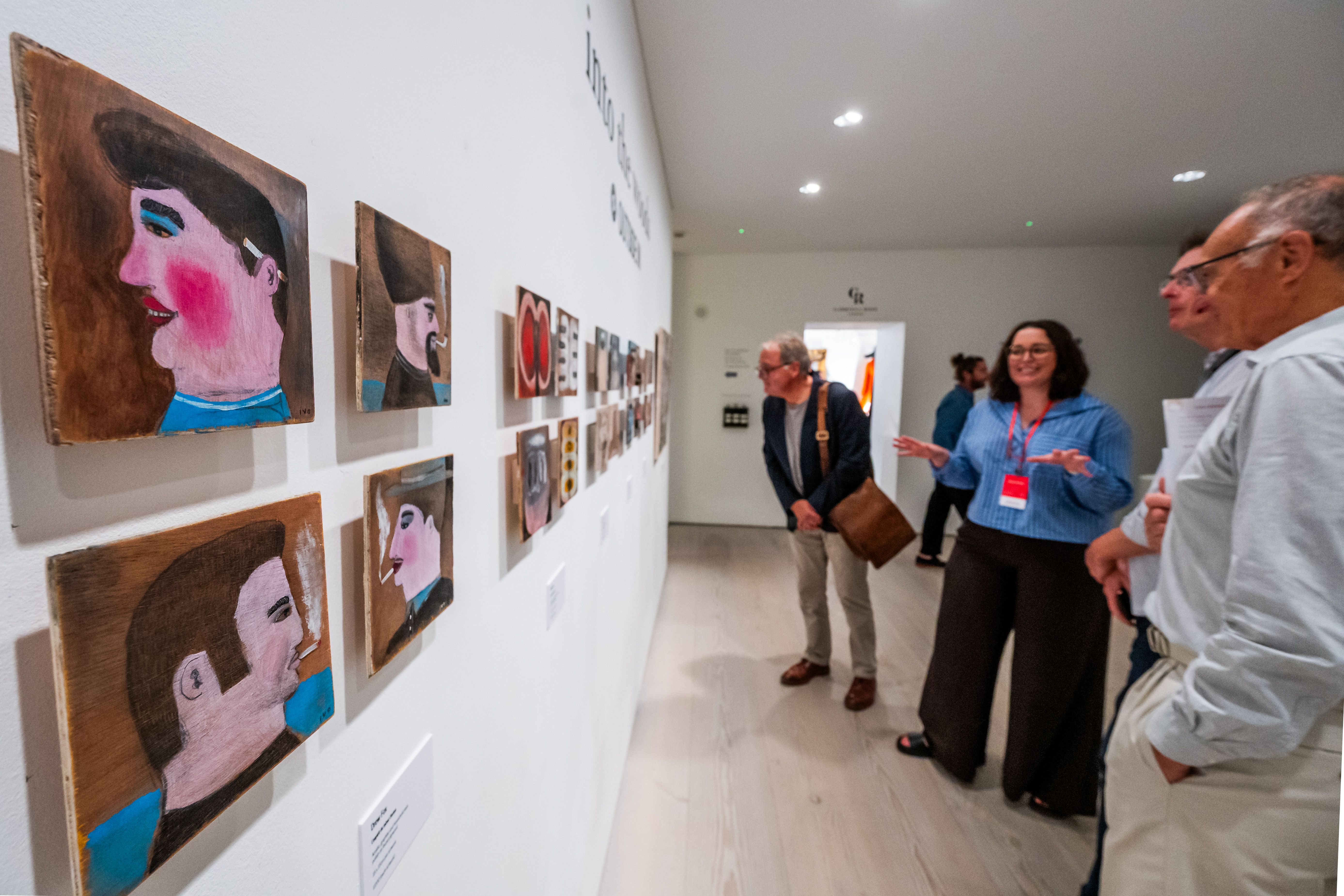
This was perhaps what made British Art Fair 2026 so compelling. It was a fair at two speeds. On one floor were heavyweights such as Hockney, Moore, Hepworth, Riley and Rego. On another were VitaliV and a new generation of digital artists, AI, algorithms, virtual spaces and technologies that did not exist until quite recently. Collectors buy the work of some artists knowing their history; they buy others before that history has been written.
At British Art Fair, the two worlds were separated by just a few flights of stairs at Saatchi Gallery. In art history, the distance spans decades. Perhaps it was on that metaphorical staircase that the most interesting things at British Art Fair 2026 were happening.
When London Cult. spoke to Rebekah Tolley a year ago, the hope was that, within five to ten years, Digitalism would be recognised as an artistic movement of the 21st century. No one yet knows whether that will happen. But this year’s British Art Fair offered a rare opportunity both to look at the history of British art and to glimpse the history being written right now.
Photos courtesy of British Art Fair