Anna-Ester Volozh: “You Can Teach a Thought Some Manners”

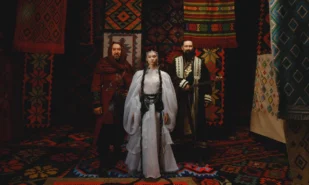
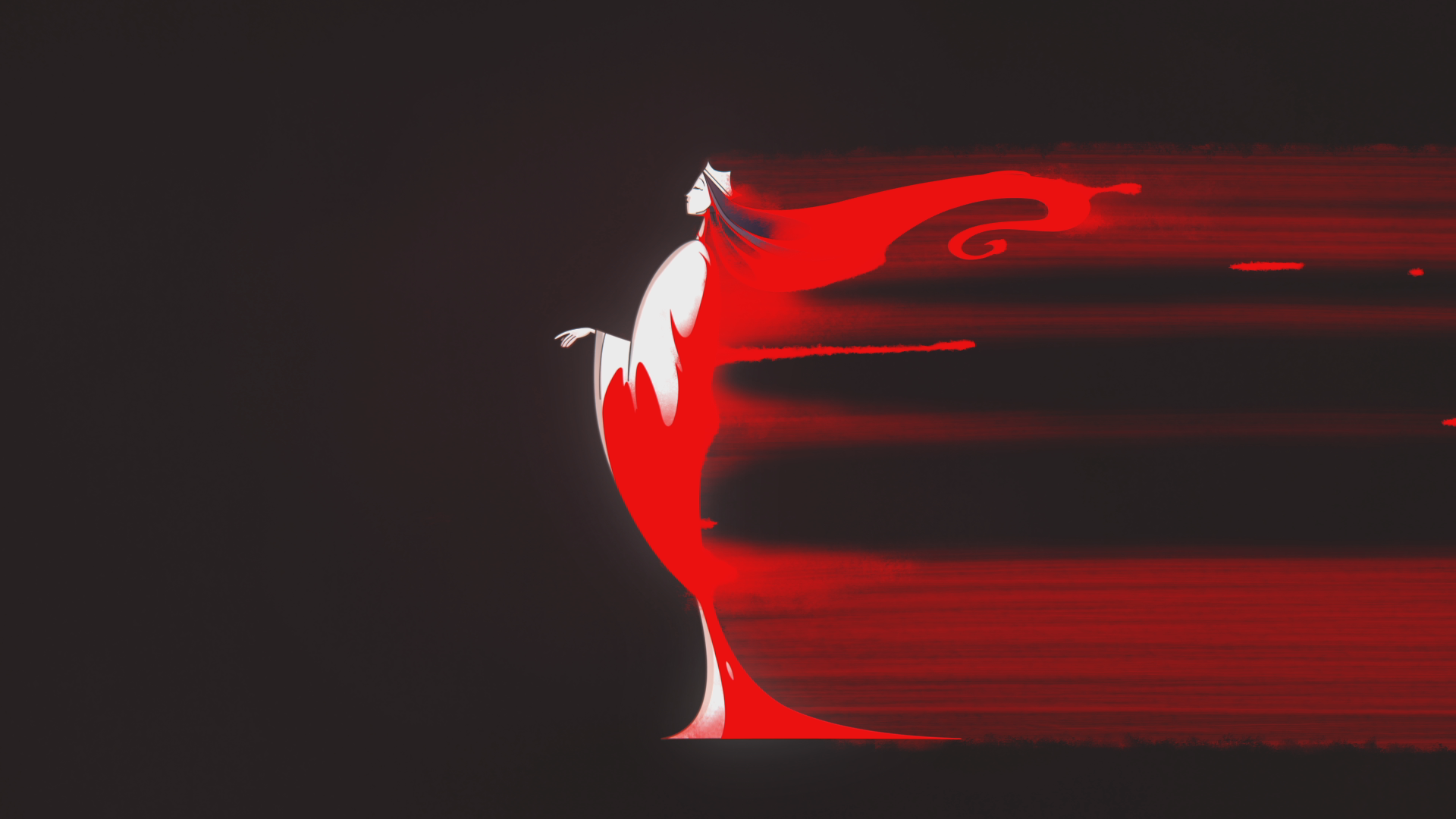
At the British Animation Film Festival, we had already encountered the world of Anna-Ester Volozh — her The Wedding Veil of the Proud Princess was one of those works that continue to live in the viewer’s memory after the closing credits. Who is behind this unsettling and remarkably beautiful fairy-tale universe? We spoke with London-based animation director and producer Anna-Ester Volozh about why animation can feel more real than live-action cinema, why art needs precision and harmony — and why sometimes it is easier for an artist to leave the room than to watch their own film together with an audience.
How did you get into animation?
As a child, I studied mathematics. At twenty-one, I graduated from HSE with a bachelor’s degree in economics, and in my final years there I also worked part-time at an investment fund. And in principle, it felt fine — you know, you could perfectly well live like that. But I wanted something completely different, something more creative. And I had loved animation since childhood.
Once, in the second grade, we had a programming class. I finished all the tasks before everyone else, and the teacher needed to find something for me to do. So he showed me Flash. I was amazed by the fact that you could make a film yourself.
And so after HSE, in 2012, I started thinking about where to go next. At the time, it was completely unclear how you could get into animation without going through VGIK. Now there are lots of animation schools and courses in Russia, but back then there weren’t. In England, though, studying animation was perfectly possible, and I had long dreamed of living in England.
I was accepted into six schools and chose the one in Bournemouth because I had always wanted to live by the sea. A British master’s degree feels rather unusual after a Russian university — we only had classes once a week. After a Russian bachelor’s programme, where you go to classes almost like school lessons, it was strange, but on the other hand I suddenly had a lot of free time.
At the end of the academic year, we had to submit our final project, and I don’t particularly like writing academic papers — especially since the culture of academic writing in England is a very particular world of its own. Now I understand how it works, but back then… Anyway, I went to my supervisor and said, “How about I don’t write anything for you and just make two films instead?”
He was surprised: “In a year?! All right!”
At the time, I had no idea that making two films in one year was actually a lot.
After my master’s, I worked as a freelancer for a couple of years, then some friends and I founded a studio. Eight years later, there had become so much paperwork that I went back to freelancing. In essence, it doesn’t change very much about the work itself.
Let’s talk about that work, then. You finish a film, part ways with it… Do you simply close that door and move on to the next one?
More or less. But actually, all of my films are connected by the same theme: similar thoughts are interpreted through an individual artistic language. I hope that in the future I’ll be able to move on to other questions as well.
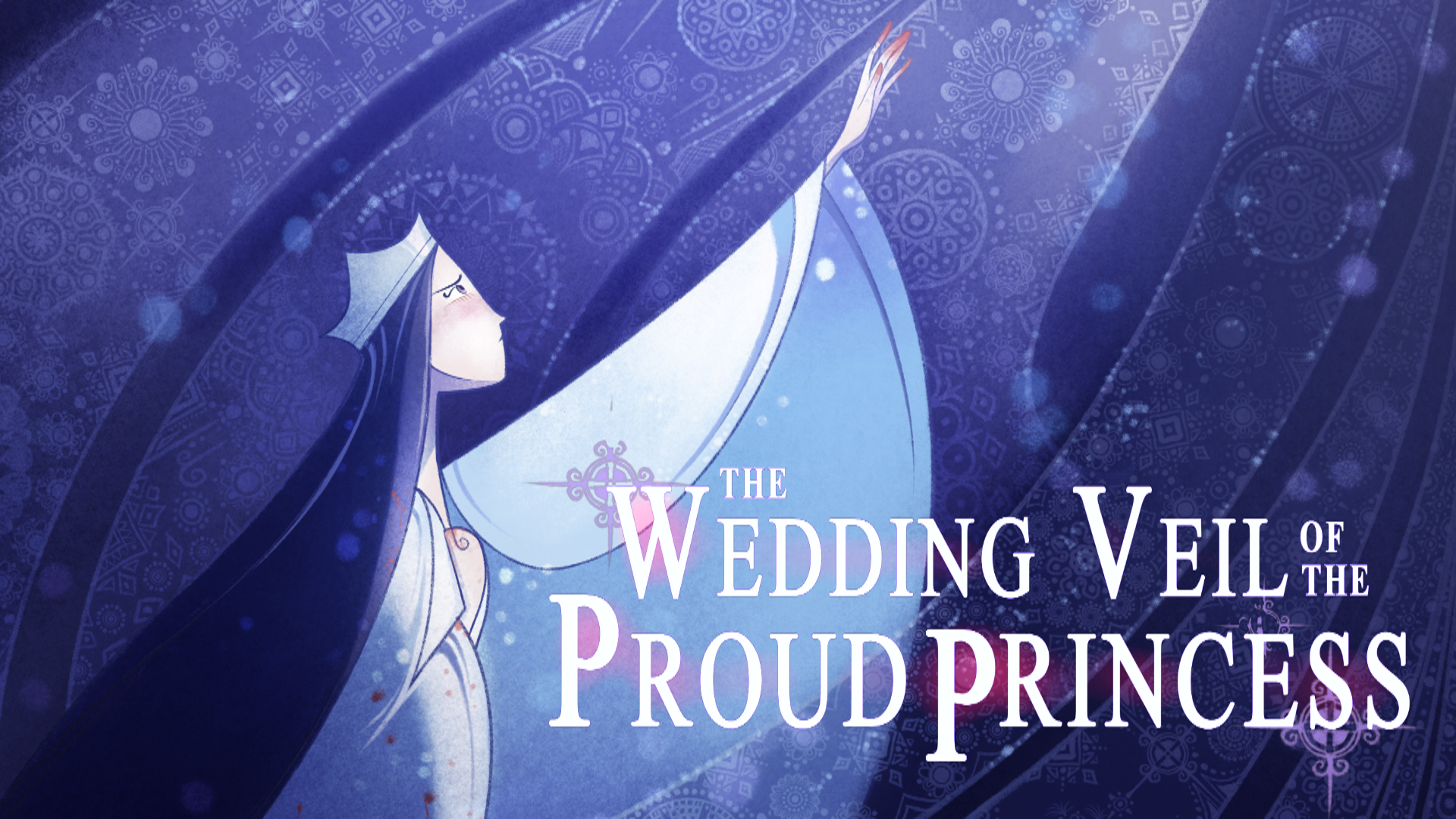
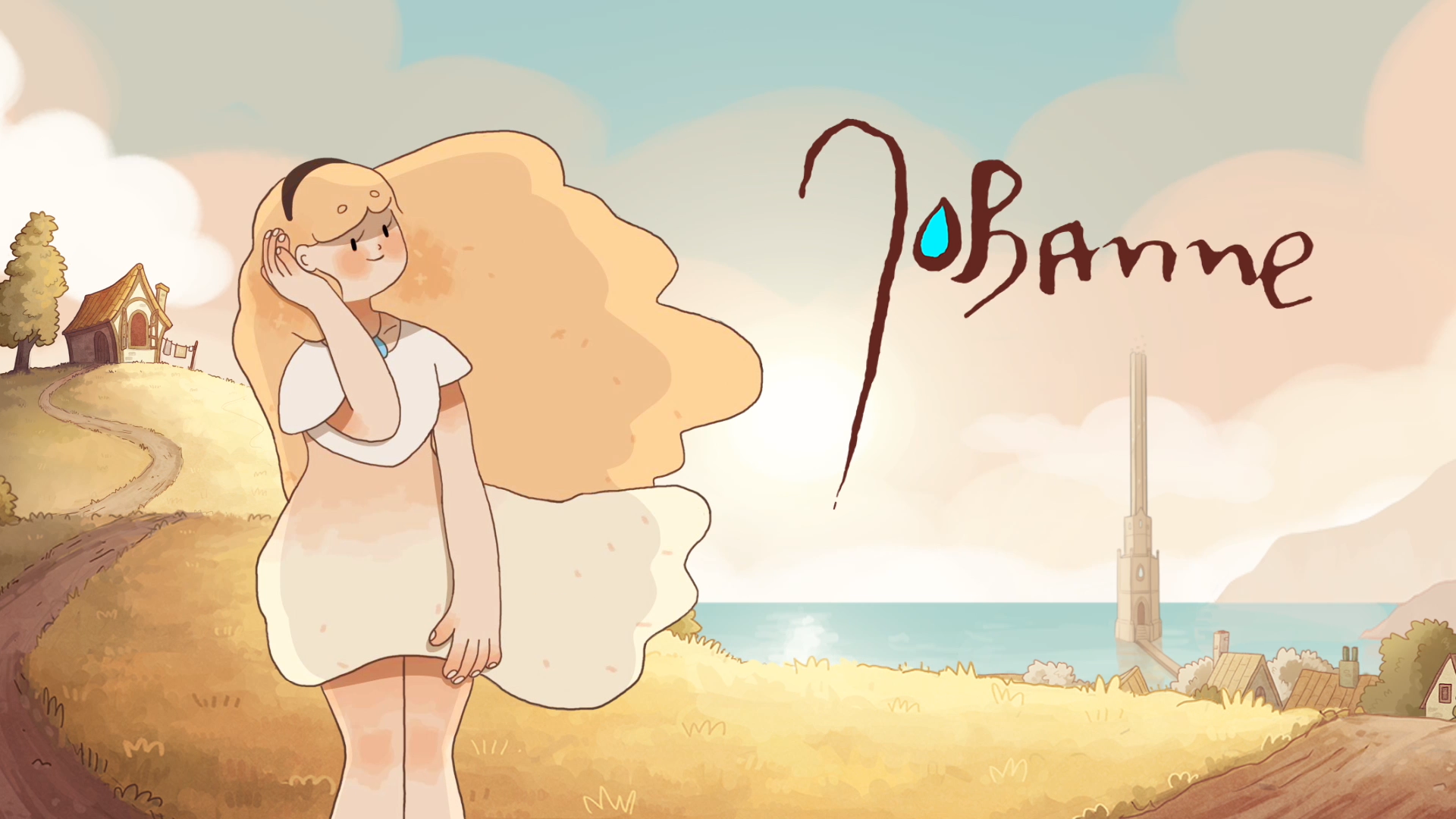
As a viewer, I find it impossible to compare Johanne and The Wedding Veil of the Proud Princess — they seem completely different!
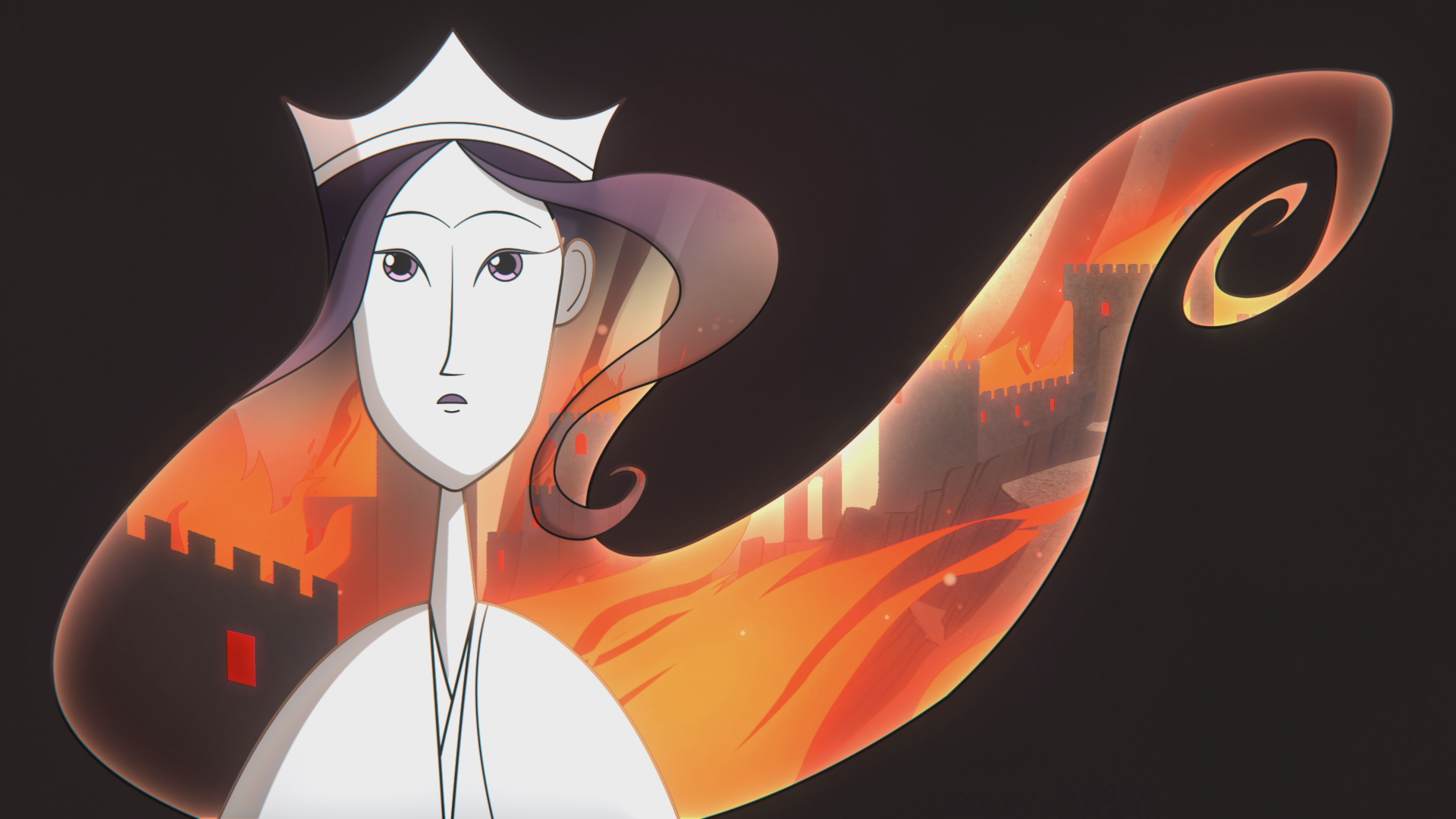
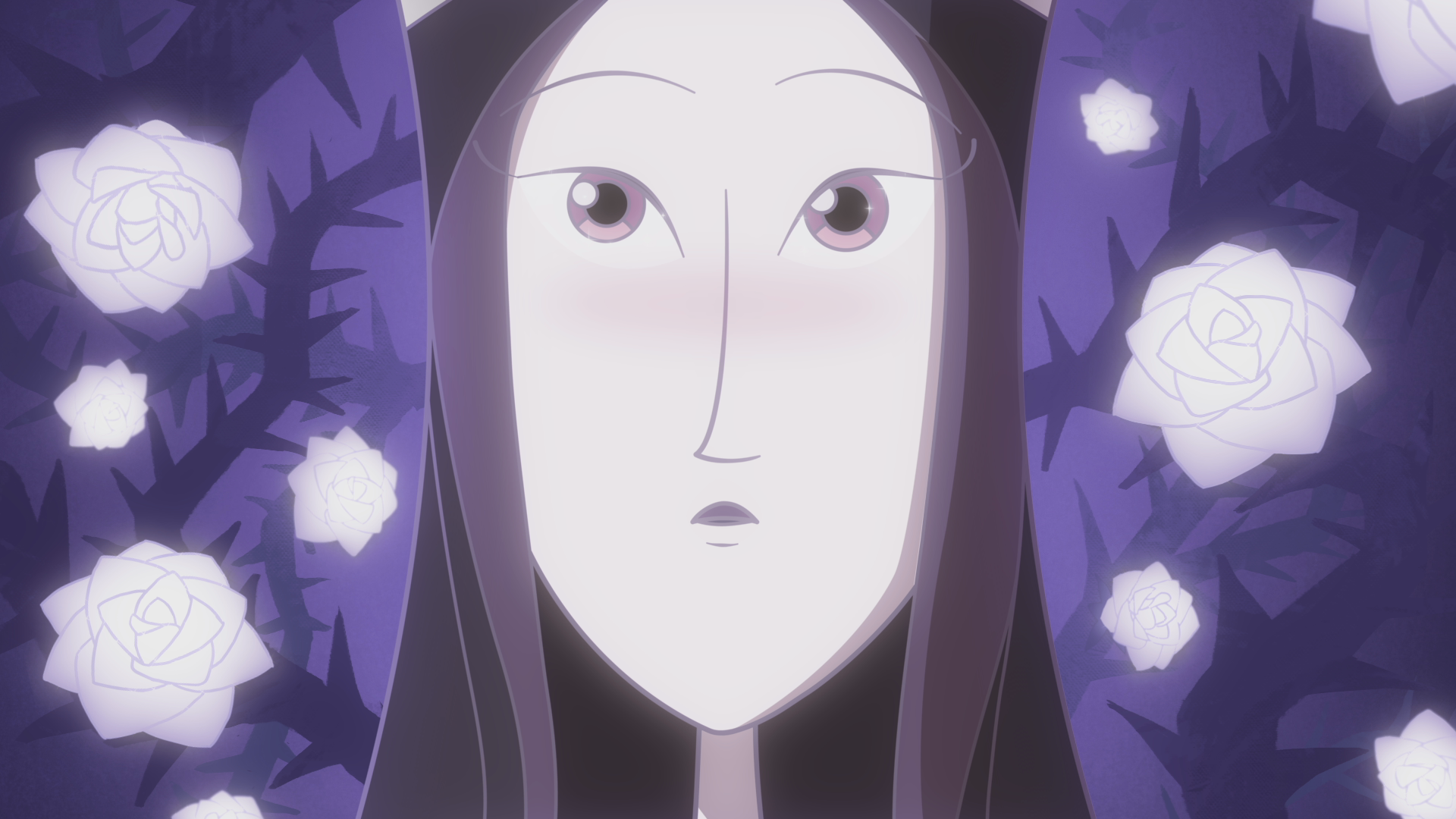
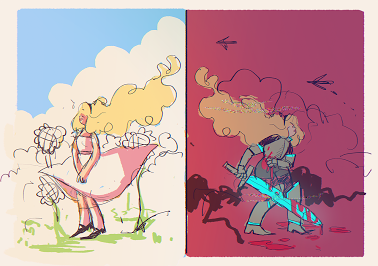
Possibly. After all, there are seven years between them, and I’m a completely different person now. On the other hand, both films are about the relationship between a girl and society, and about what she owes it and what she doesn’t. Johanne owes society everything, including her own life, while the Proud Princess has the right to destroy the world — and die herself. It’s the same thought seen from different points of view. It isn’t deliberate — I just think about roughly the same things all the time.
The subject of women in contemporary society?
Not only contemporary society. And not only women. The girl is more of a symbol of the soul here, so these are stories about the relationship between the soul and civilisation. What can you sacrifice, and what should you not sacrifice? How far can you go? In the first film, the heroine sacrifices herself for love. In the second, she does exactly the opposite.
When you submit a film to a festival, is it simply a routine part of the profession? Or do you still feel anxious and wait for the result — do you have expectations?
Both. But the more I do this, the more I realise that I’m doing many things wrong. Do you remember last year’s scandal in the festival industry involving Konstantin Bronzit, when he submitted his film under a pseudonym and changed its country of origin? Festivals were deeply offended by that.
Because the festival industry is an ecosystem. It consists of people, with their feelings and values. Of course, a film needs to possess certain objective qualities, but this is still art, and you have to understand that subjective qualities are involved as well.
For example, at one point someone who works for Vimeo Staff Pick contacted me and asked for permission to include my film in the selection. I was delighted, but his colleagues disagreed with his choice. You always have to remember that people will have opinions, and those opinions don’t necessarily say anything about the film.
So you don’t necessarily have to let that hurt you?
Oh, absolutely not! Once you’ve accumulated three hundred festival rejections, you get used to it. It also matters what kind of programme a festival is putting together that particular year.
For example, I submitted Johanne to the British Animation Film Festival in 2017, and it was selected. In 2024, The Wedding Veil of the Proud Princess wasn’t selected — and then a year later, the very same film was accepted into the programme of the very same festival.
That doesn’t tell you anything about the film. It tells you about the curator’s task and their responsibility towards the audience.
An animator sits in their bubble and works. Then they release the result — the film — into the outside world. Do you remember the first time that happened to you? Was it frightening?
Of course! When you’re inside a team working on something, everything feels very private. I didn’t think at all about the fact that someone would actually watch it. I imagined some abstract viewer whom I would never meet in person, not a room full of actual living people. I couldn’t even imagine being in the same room as people watching my film. So I wasn’t embarrassed. I put into the film whatever I wanted to put there and didn’t think that someone might find it ridiculous or funny. I made sincere artistic choices.
And then there was a screening for students in Bournemouth. It was genuinely very difficult for me to be in that room. I felt… naked. Really, it’s as though you were a painter and used yourself as the nude model. And then you exhibit the work — and realise that the audience will see you. Even now, I still leave the room if I show someone one of my films.
And at festivals, do you also try to leave the auditorium?
Either I leave, or I sit very quietly. For example, I feel shy about the festival tradition of Q&As, and that is one of my mistakes, but so far I haven’t managed to correct it. A one-to-one interview is fine, but when there are another hundred people in front of you… Of course, it is extraordinarily beautiful to see your film on a big screen. But you don’t expect to enter into such immediate intimacy with so many people. I think it’s a skill, but I don’t have it yet. I even showed the film to my wife separately, even though I made it partly for her, as a gift. I put it on and left the room. We talked about the film afterwards, of course, but while someone is actually watching it, I can’t be next to the viewer, even if that viewer is someone very close to me.
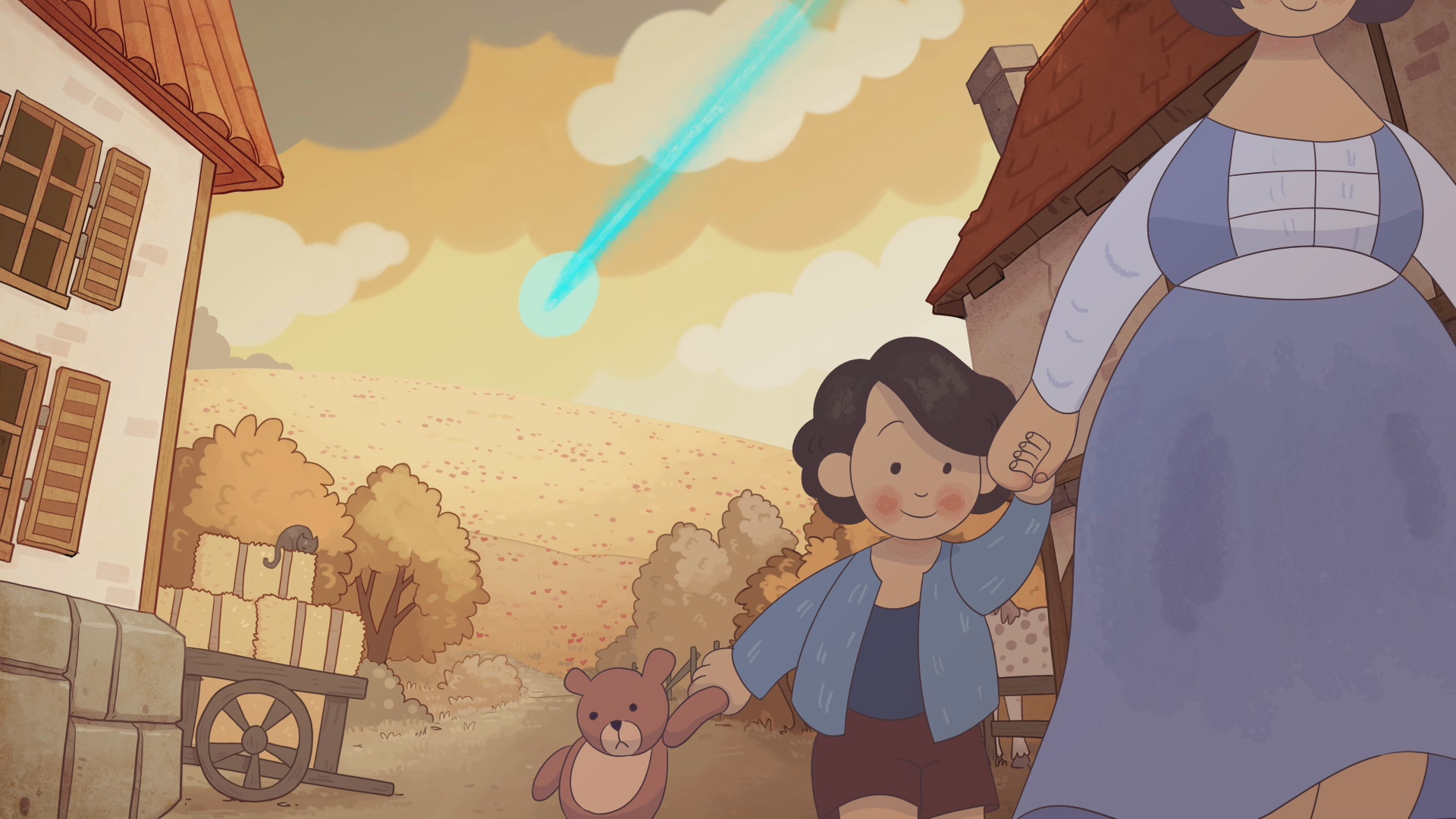
When you begin a film, do you look at what is happening around you? Do you try to adjust the film to the mood or nerve of the times?
Generally speaking, I don’t read the news very much. Usually I don’t even know what the discourse is, unless something particularly striking happens and reaches me somehow. And that is another one of my festival mistakes — of course, I should be more engaged. You have to take contemporary realities into account and show a certain degree of sensitivity so that you don’t offend anyone, because society fifteen years ago and society today are completely different worlds. If a thought were a stream and society were the landscape, then the stream has to go around this mountain, avoid that stone, and not flow over there at all; forcing its way straight through would be strange too. But overall, I can’t influence the thought of the film itself.
So you can’t force it into a Procrustean bed?
No. But you can teach a thought some manners.
Your films have very striking soundtracks!
They are an extremely important part of the films. I was around thirteen or fourteen when, as a hobby, I started making video edits set to music, so from quite a young age I understood how much music can add to images. The two should complement each other rather than duplicate one another. Music can tell you something that an image cannot. I’ve worked with the same composer since my very first film — Ros Gilman. I’m not a music specialist, I don’t have the professional vocabulary, and I don’t know how to explain a task precisely, so I work intuitively. Right now I’m planning another short film, and the moment the plot appeared in my imagination, the music appeared a millisecond later.
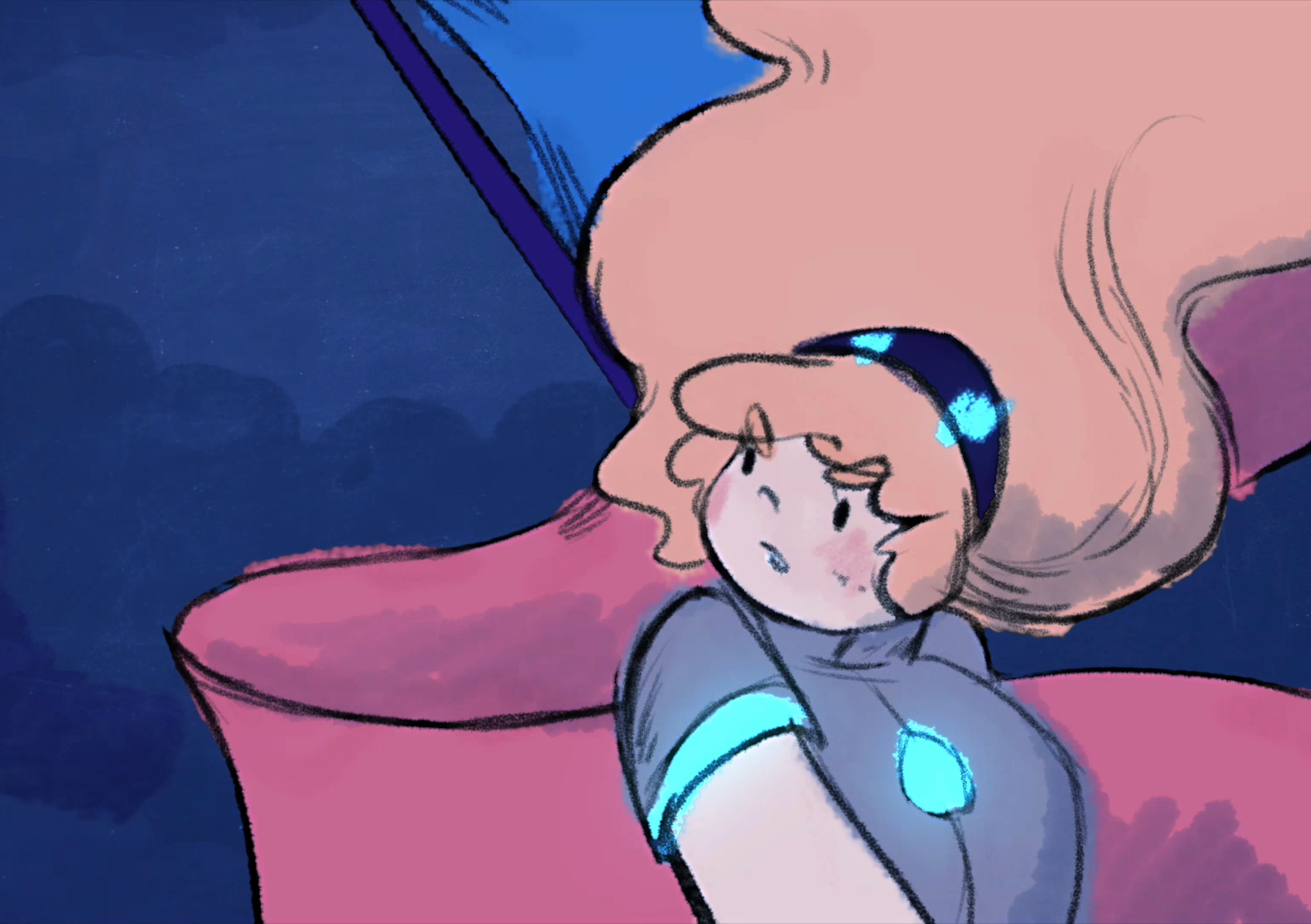
On your website, you make a particular point of saying that you don’t use AI in your films. Why is that important to you?
It simply isn’t my path. Since neural networks entered the world, many people have felt inspired for the first time in a very long time — and I don’t want to diminish that experience! But personally, I constantly feel that AI produces something generic, some kind of arithmetic mean of the works of other artists and writers. Neural networks have an enormous number of possible applications, but they have nothing to do with my films. Also, I think that in art, the very process of solving problems is incredibly valuable. That is the most interesting part, and I wouldn’t want to delegate the interesting part to someone — or something — else. It seems that if you don’t look too closely at something made by AI and something made by a living artist, you might not notice the difference. But if you try to feel it, the difference is obvious. It’s like an ichthyosaur and a dolphin: they look similar, but an ichthyosaur is a marine reptile, while a dolphin is a mammal, a cetacean. It isn’t that one of them is worse and the other is better. They are simply completely different creatures.
Your films are very beautiful. What is beauty to you, and how important is it?
Very important! Beauty comes in different forms, and you have to grow into being able to appreciate many kinds of it. When I was a child, the animated film The Caliph Stork, directed by Valery Ugarov, seemed terrifying to me. As I grew older, I realised that it was terrifying precisely because it was so beautiful. Or The Nutcracker by Boris Stepantsev — that frightened me too, and it is also incredibly beautiful. Many things can seem beautiful at one moment and horrifying at another, depending on your state of mind. There’s a contemporary art gallery near my house, and sometimes I walk past it and think, “Who on earth would want that in their home? How awful!” And sometimes I look at it and realise that it is endlessly beautiful. Beauty, I think, is always connected to nature and plays with harmony. It is either harmonious or deliberately disharmonious, like avant-garde music — there isn’t a single unnecessary note in it. Part of my problem with AI lies there as well: it doesn’t “know” what harmony is. Yes, you can train it on a large number of harmonious works, and then it will more or less guess at harmony. But “more or less” isn’t enough — you need precision, otherwise a person immediately feels the falseness. That play with harmony is what art is to me.
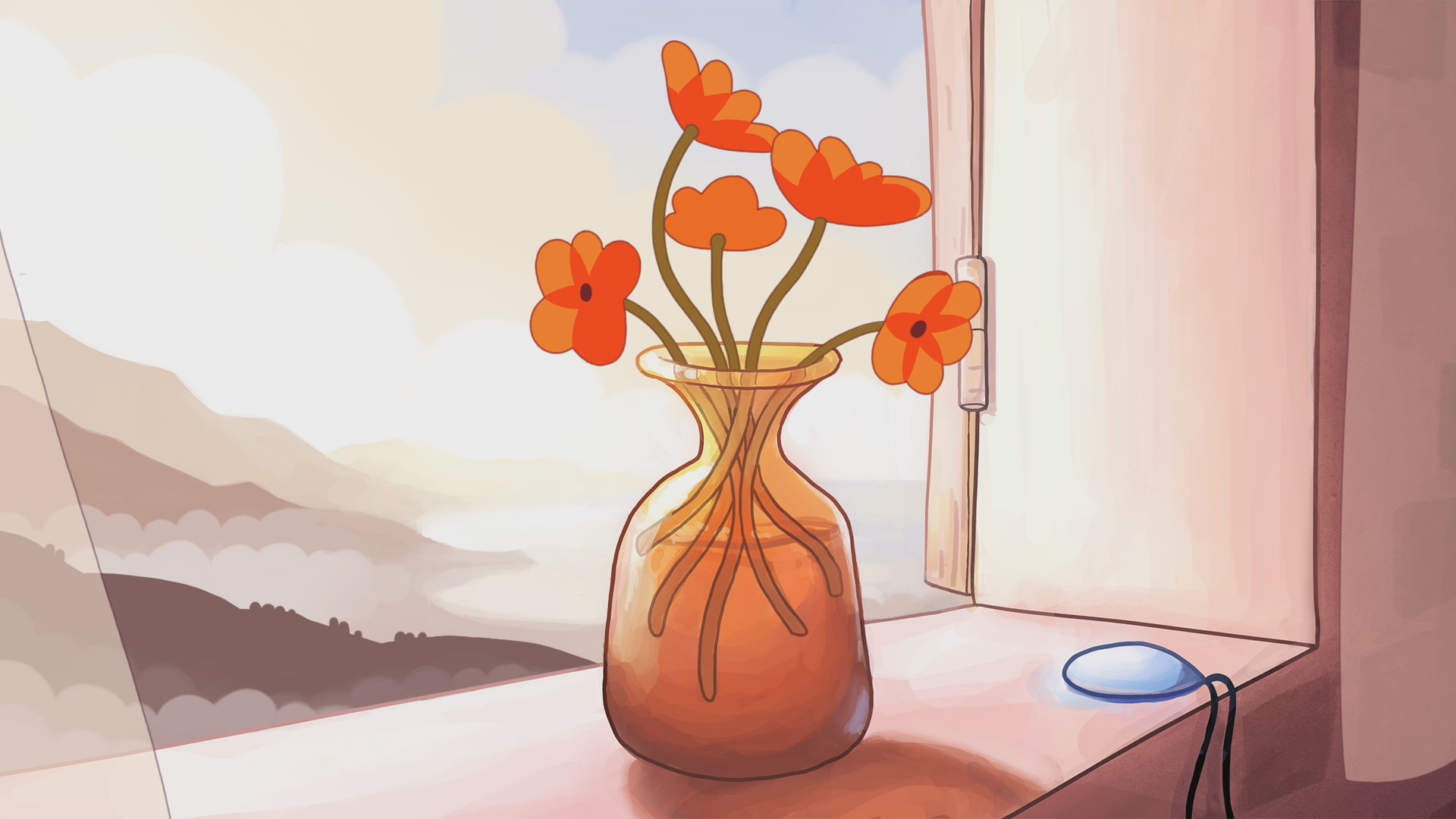
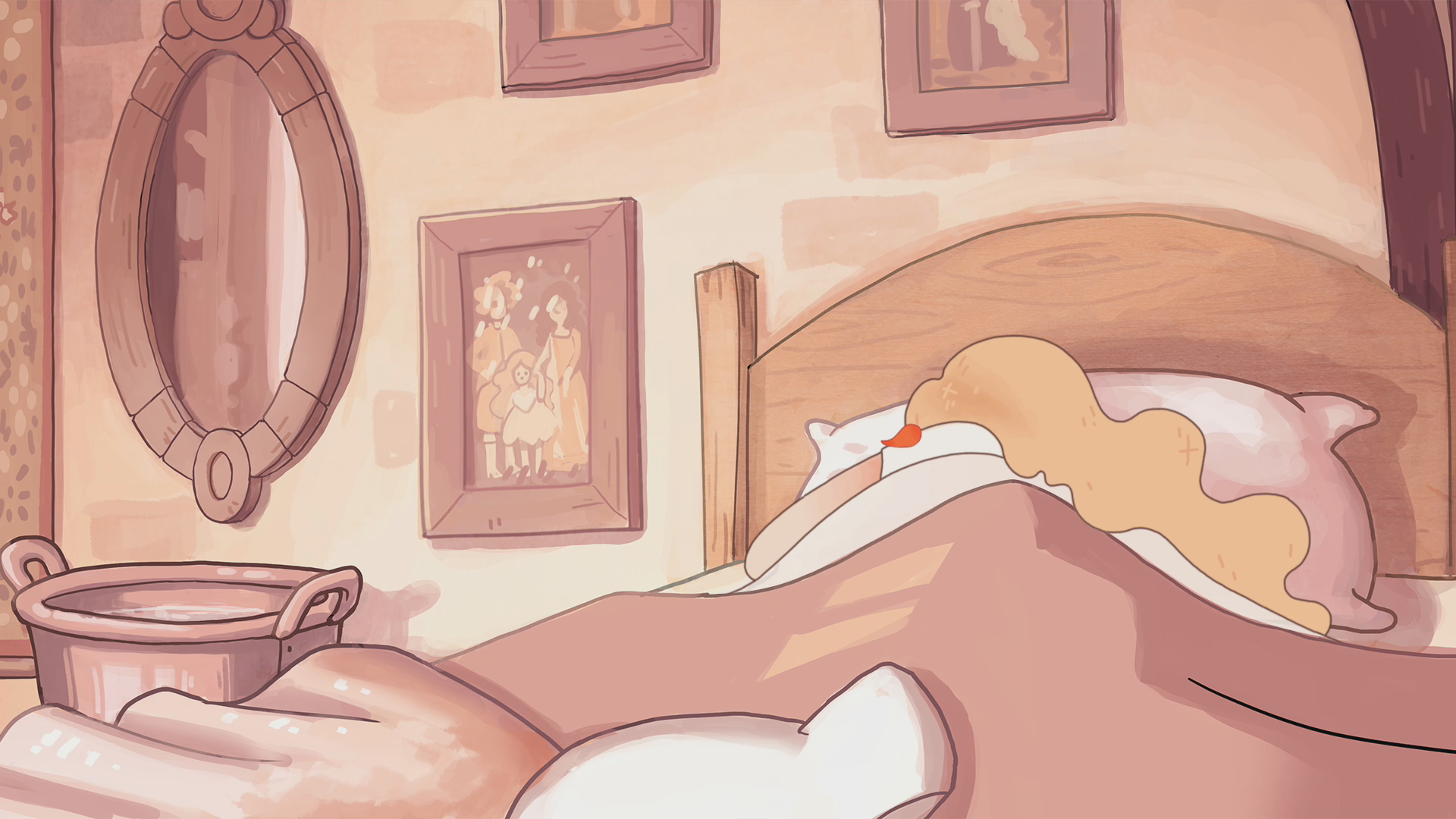
Is London a harmonious city?
That’s difficult to say. It depends which parts of London you mean. It’s so large and so varied! There are dusty six-lane roads, and I find it difficult to see harmony in them. But I know there are people who, for example, like the City. I can understand that: those skyscrapers are associated with polish, with financial prosperity — a kind of crystal. But I want something organic. The more plants, the better.
What shaped you as an artist?
Books, without question. All of Oscar Wilde — partly because of him, perhaps, I wanted to come to England. I read all of his works in Russian. They are so beautiful — the Soviet school of translation really was extraordinary. But the records of his trial or the autobiography of his lover haven’t been translated, so I read those in the original. Tolkien, of course. At one point I read everything by Lewis that I could find — Narnia and everything else. Then there were Austen, the Brontës, Dickens, and many others. But animated films were the backbone. I love The Tale of the Princess Kaguya, directed by Isao Takahata; the classic 1980s film The Last Unicorn, directed by Jules Bass and Arthur Rankin; and another film from roughly the same period, the abstract Angel’s Egg, directed by Mamoru Oshii. I spend all my free time watching new shorts and pilots. About ten years ago, I was watching yet another film and thought: if you have access to films like these, you can live in almost any circumstances. I simply adore animation — this medium.
What makes animation different from other artistic languages?
I understand the emotions of an animated character much better than those of a live human being. I love live-action cinema, but animation feels more real to me. It exists in the realm of some kind of primordial reality.
Is animation the only area of your professional interest?
No. At the moment, I’m working on a fantasy graphic novel for middle-grade children. Originally, we were planning to make it as an animated film, but it would be feature-length, and feature films require very serious amounts of money. So we decided to release the story without that kind of enormous financial investment — perhaps twenty times less, and that is something I can manage. We already have the character designs, I’m finishing the script for the storyboard, and the artist will start working at the end of September.
Fantasy is very popular among teenagers today, by the way. Why do you think that is?
Possibly because it’s quite difficult to create a realistic story for teenagers today that feels believable on the one hand, while still allowing something to actually happen on the other. There is such a lack of freedom in children’s lives now! Usually they have very little free time, and very little time when they aren’t being supervised by adults. A child is almost always under someone’s supervision. It’s very difficult to get yourself into an adventure when somebody is watching you all the time! Fantasy, on the other hand, gives you characters of an age that teenagers recognise and understand, but those characters have complete freedom — the freedom to run, to fly, and to make mistakes.
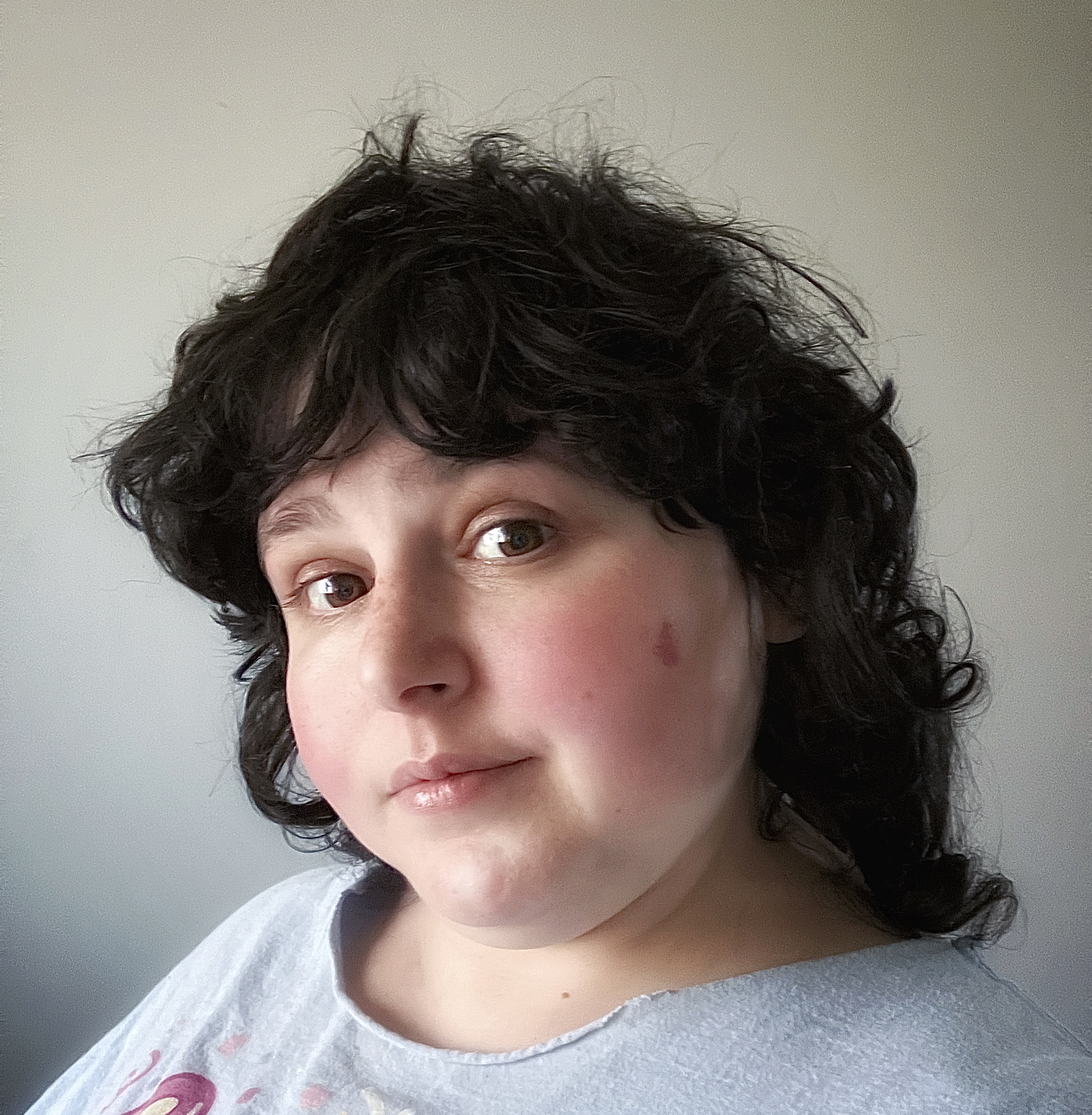
Photo from the archive of Anna-Ester Volozh